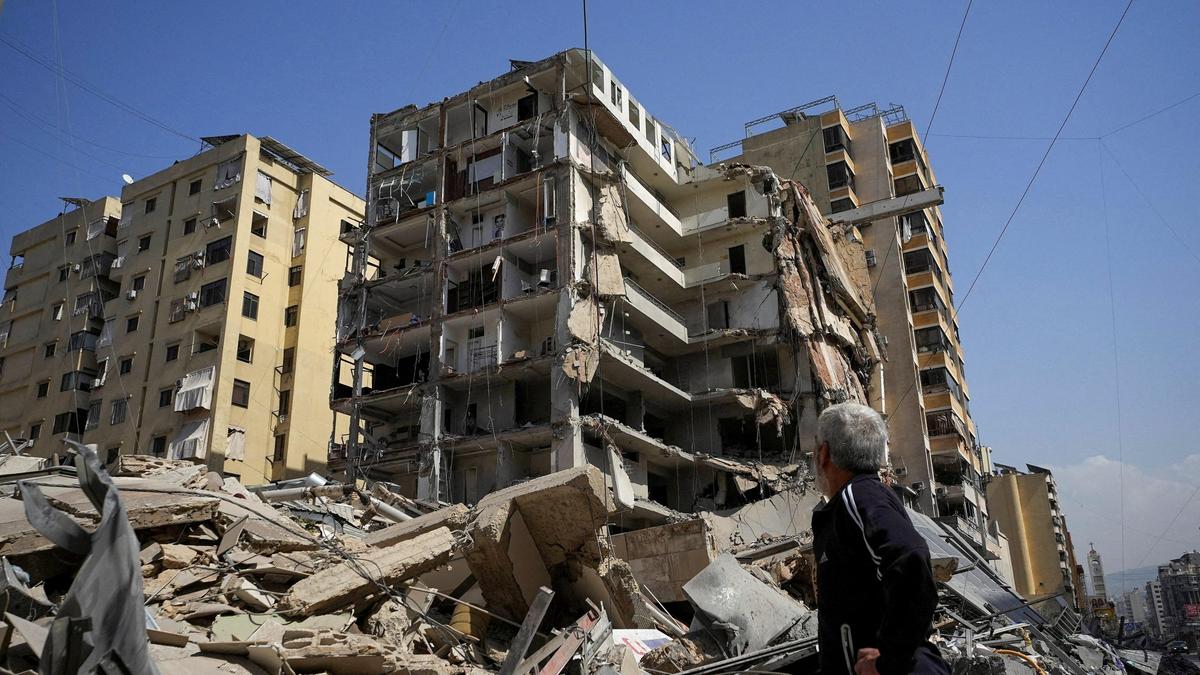
Safa Bleik, a nurse at Rafik Hariri Hospital, said casualties arrived with "fragments of glass, metal and debris lodged in their bodies" as families showed her phone photos of missing relatives.
Prime Minister Benjamin Netanyahu said Thursday he will "strike Hezbollah with full force" because Lebanon was excluded from the U.S.-brokered ceasefire that paused the Iran war. His statement came after Donald Trump told PBS that Lebanon is a "separate skirmish" and asked Netanyahu to be "low-key." The Israeli military continued strikes Thursday, claiming it killed "70+ terrorists" and eliminated Ali Yusuf Harshi, personal secretary to Hezbollah chief Naim Qassem.
A senior Lebanese official confirmed to Reuters that Beirut will join a meeting next week in Washington, but only to discuss announcing a ceasefire; a second Lebanese source told Anadolu the session is "preparatory, not a negotiation."
The UN World Food Programme warned Lebanon faces a "rapidly developing food security crisis" as 1 million displaced people drive up prices and supply routes stay cut by the Iran war. Israeli strikes have destroyed all main bridges over the Litani River except one crossing, Human Rights Watch reported, crippling movement in the south.
Iranian President Masoud Pezeshkian called the Beirut raids "blatant violations" that render negotiations "meaningless" and vowed Tehran will not abandon the Lebanese people. Deputy foreign minister Saeed Khatibzadeh said Iran refrained from retaliating only after Pakistani mediation. Iran warned it will again close the strait of Hormuz—through which a fifth of global oil flows—after allowing just 11 ships to pass in 24 hours under the fragile truce.
The UK, EU, Canada and Japan issued a joint statement demanding Israel implement the ceasefire "including in Lebanon," while EU foreign policy chief Kaja Kallas said killing hundreds overnight "makes it hard to argue that such heavy-handed actions fall within self-defence." France's foreign minister Jean-Noël Barrot called the strikes "unacceptable" and Britain's Yvette Cooper warned excluding Lebanon risks destabilising "the whole region."
Israeli jets killed 303 people and wounded 1,150 in a 10-minute blitz across Lebanon on Wednesday, according to Lebanon’s health ministry. The strikes hit 100-plus Hezbollah sites in Beirut, Bekaa and the south, the Israel Defense Forces said, including central Beirut neighborhoods never before targeted. Safa Bleik, a nurse at Rafik Hariri Hospital, said casualties arrived with “fragments of glass, metal and debris lodged in their bodies” as families showed her phone photos of missing relatives.
Prime Minister Benjamin Netanyahu said Thursday he will “strike Hezbollah with full force” because Lebanon was excluded from the U.S.-brokered ceasefire that paused the Iran war. His statement came after Donald Trump told PBS that Lebanon is a “separate skirmish” and asked Netanyahu to be “low-key.” The Israeli military continued strikes Thursday, claiming it killed “70+ terrorists” and eliminated Ali Yusuf Harshi, personal secretary to Hezbollah chief Naim Qassem.
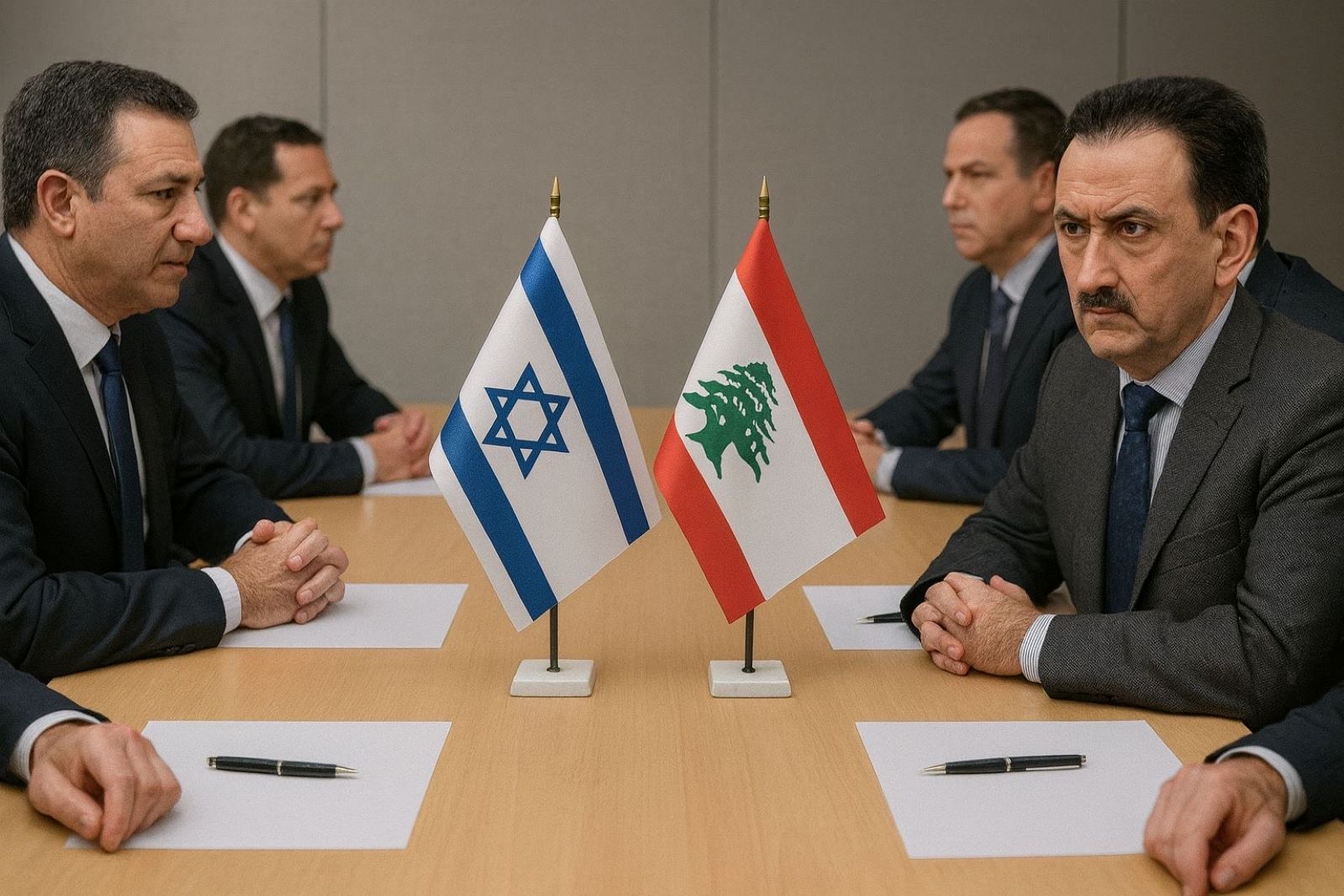
A U.S. State Department official told The Guardian that Israel and Lebanon will meet in Washington next week, hours after Netanyahu ordered his cabinet to open direct negotiations focused on disarming Hezbollah. A senior Lebanese official confirmed to Reuters that Beirut will join the meeting, but only to discuss announcing a ceasefire; a second Lebanese source told Anadolu the session is “preparatory, not a negotiation.” Neither capital has publicly accepted the invitation.
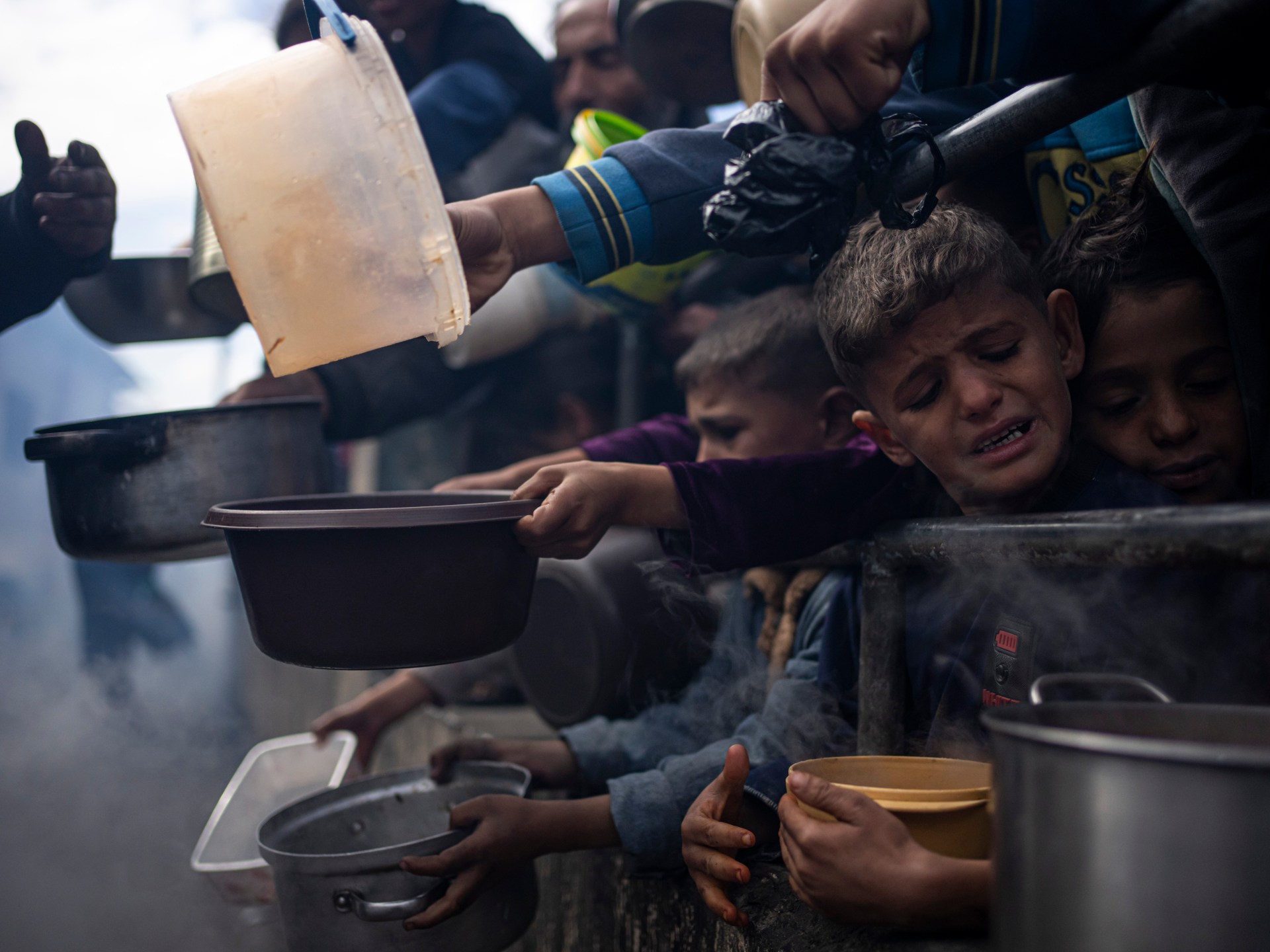
The UN World Food Programme warned Lebanon faces a “rapidly developing food security crisis” as 1 million displaced people drive up prices and supply routes stay cut by the Iran war. Nearly 390,000 children are among those uprooted since Israel’s campaign began 2 March, UNICEF said, with 600 children killed or injured. Israeli strikes have destroyed all main bridges over the Litani River except one crossing, Human Rights Watch reported, crippling movement in the south.
Iranian President Masoud Pezeshkian called the Beirut raids “blatant violations” that render negotiations “meaningless” and vowed Tehran will not abandon the Lebanese people. Deputy foreign minister Saeed Khatibzadeh said Iran refrained from retaliating only after Pakistani mediation. Iran warned it will again close the strait of Hormuz—through which a fifth of global oil flows—after allowing just 11 ships to pass in 24 hours under the fragile truce.
The UK, EU, Canada and Japan issued a joint statement demanding Israel implement the ceasefire “including in Lebanon,” while EU foreign policy chief Kaja Kallas said killing hundreds overnight “makes it hard to argue that such heavy-handed actions fall within self-defence.” France’s foreign minister Jean-Noël Barrot called the strikes “unacceptable” and Britain’s Yvette Cooper warned excluding Lebanon risks destabilising “the whole region.”
Highlighted text was flagged by the council. Tap to see feedback.















The BBC reports that Joseph Aoun, the President of Lebanon, described the Israeli attacks as a "massacre."