




Israeli Claims of Targeted Killing
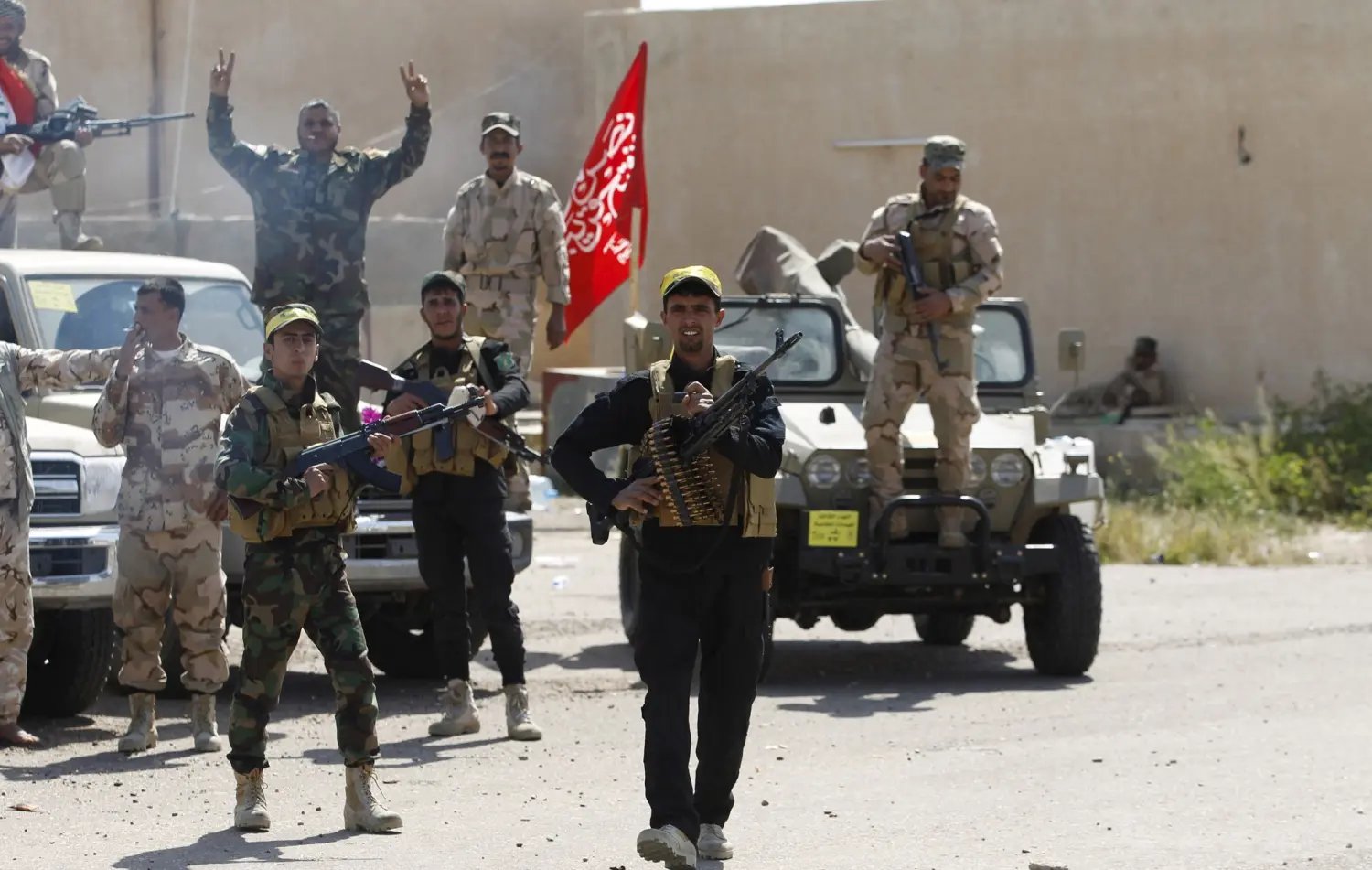
The Israeli military announced it has killed Ali Yusuf Harshi, the nephew and aide of Hezbollah leader Naim Qassem, during a series of airstrikes targeting the militant group in Lebanon. This action represents a significant escalation in the ongoing conflict, as Israeli Prime Minister Benjamin Netanyahu stated that the military operations are aimed at neutralizing threats posed by Hezbollah. The strikes occurred amid a backdrop of intense fighting, with the Lebanese Health Ministry reporting that over 300 people were killed in recent Israeli attacks, marking the deadliest day of the renewed conflict.
Impact on Civilian Life in Lebanon
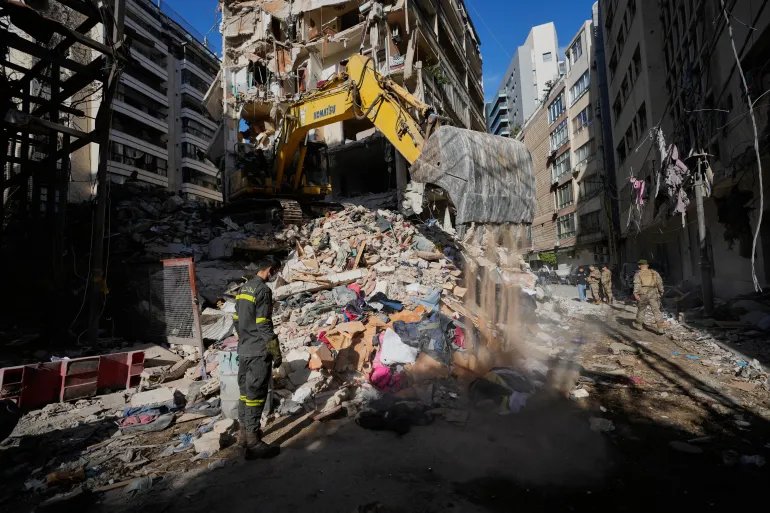
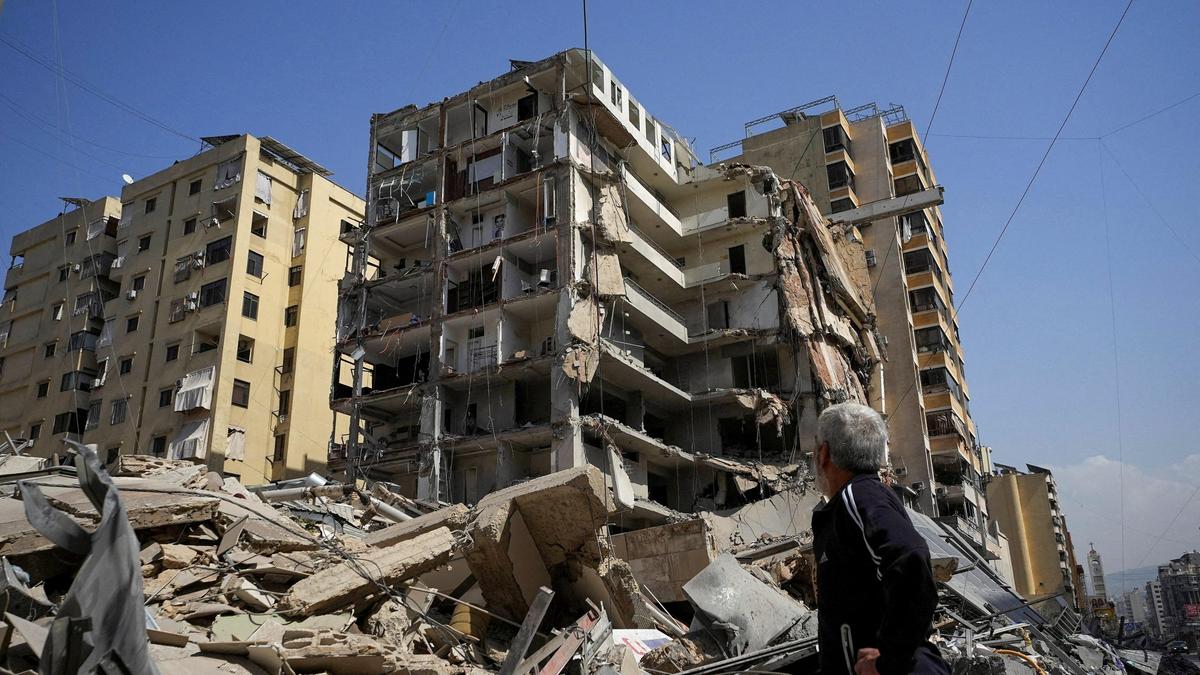
Witnesses described scenes of chaos, with civilians caught in the crossfire as Israeli forces targeted what they claimed were Hezbollah positions. However, many of the strikes hit residential neighborhoods, leading to significant civilian casualties. Lebanese President Joseph Aoun condemned the attacks as "barbaric," while local hospitals struggled to cope with the influx of injured individuals.
The Broader Regional Implications
Iran's parliament speaker, Mohammad Bagher Qalibaf, warned that continued Israeli aggression would lead to "explicit costs and strong responses." This escalation comes as the U.S. attempts to mediate a ceasefire between Iran and Israel, with U.S. Vice President JD Vance urging Israel to scale back its military operations to facilitate negotiations.
International Reactions and Concerns
The international community has expressed alarm over the rising death toll and civilian casualties in Lebanon. The Committee to Protect Journalists reported that at least seven journalists have been killed in Lebanon since the resurgence of hostilities, highlighting the dangers faced by media personnel in the region. The ongoing violence has prompted Lebanon to file a complaint with the U.N. Security Council, calling for accountability and adherence to international humanitarian law.
Next Steps for Israel and Lebanon
In an unexpected move, Israel announced it would engage in direct talks with Lebanon, despite the absence of formal diplomatic relations. Israeli Prime Minister Benjamin Netanyahu stated that negotiations would focus on disarming Hezbollah and establishing peaceful relations. The U.S. is expected to facilitate these discussions, which may begin next week. Meanwhile, the Lebanese government is reportedly planning to deploy increased security measures in the capital to maintain order amid the ongoing conflict.
Human Cost and Ongoing Struggles
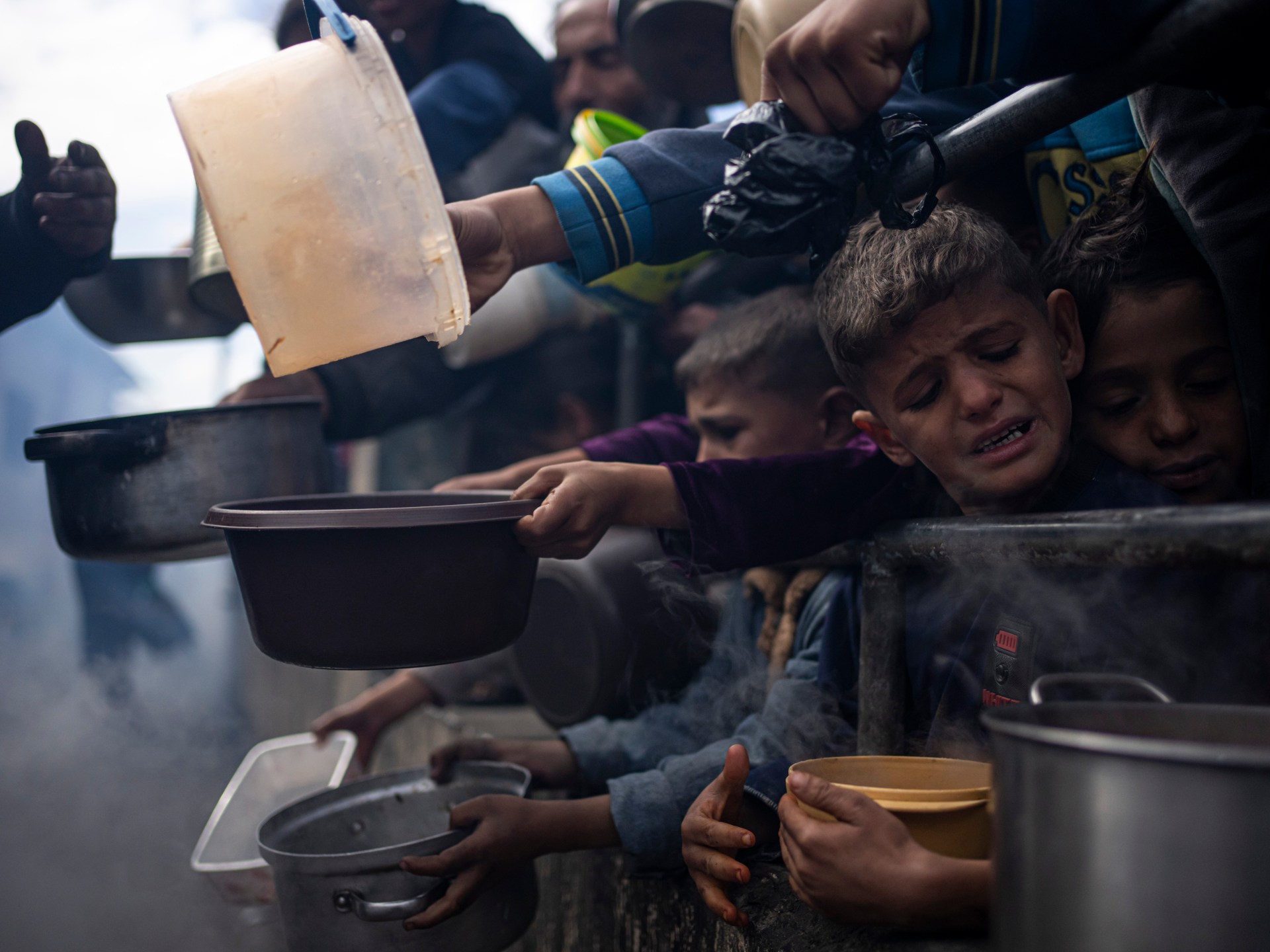
As the conflict intensifies, the humanitarian situation in Lebanon continues to deteriorate. More than 200,000 people have fled Lebanon into Syria, according to PBS NewsHour. Survivors of the recent strikes have recounted harrowing experiences, with families torn apart and communities left in ruins. The psychological toll on civilians is mounting, as hospitals report high numbers of casualties and ongoing trauma from the violence.