




Deaths off French Coast Mark Sixth Fatality This Year
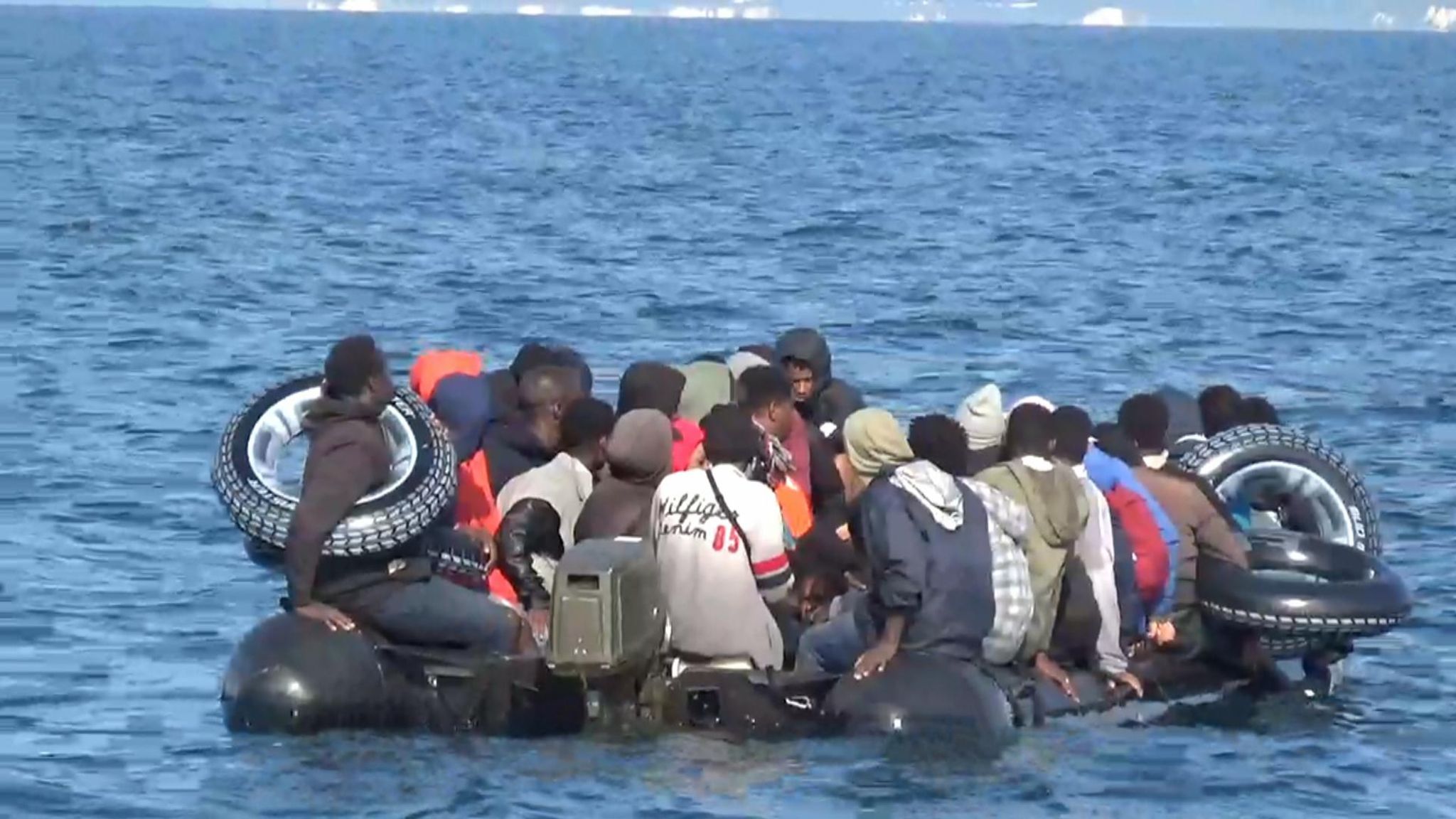
Four people drowned off the northern coast of France on Thursday while attempting to board a small boat bound for England, bringing the death toll from Channel crossings to six in 2026. Two men and two women were swept away by strong currents near Equihen-Plage and Hardelot-Plage, between Calais and Boulogne, as they waded into the sea to reach a dinghy positioned offshore. Francois-Xavier Lauch, prefect of the Pas-de-Calais region, told reporters that the victims "were already quite far into the sea" when "the currents, which can be dangerous here, swept them away." At least 42 others were rescued during the incident, including one person suffering from hypothermia and another in critical condition.
Christian Fourcroy, mayor of Equihen-Plage, described the chaos to Reuters: "They tried to board the boat. Things went wrong and, let's just say, they floundered in the water." Despite the disaster unfolding in the water, the dinghy itself continued toward the United Kingdom after moving into deeper waters, according to local officials. The Boulogne prosecutor opened an investigation into the deaths.
How Smugglers Evade Patrols
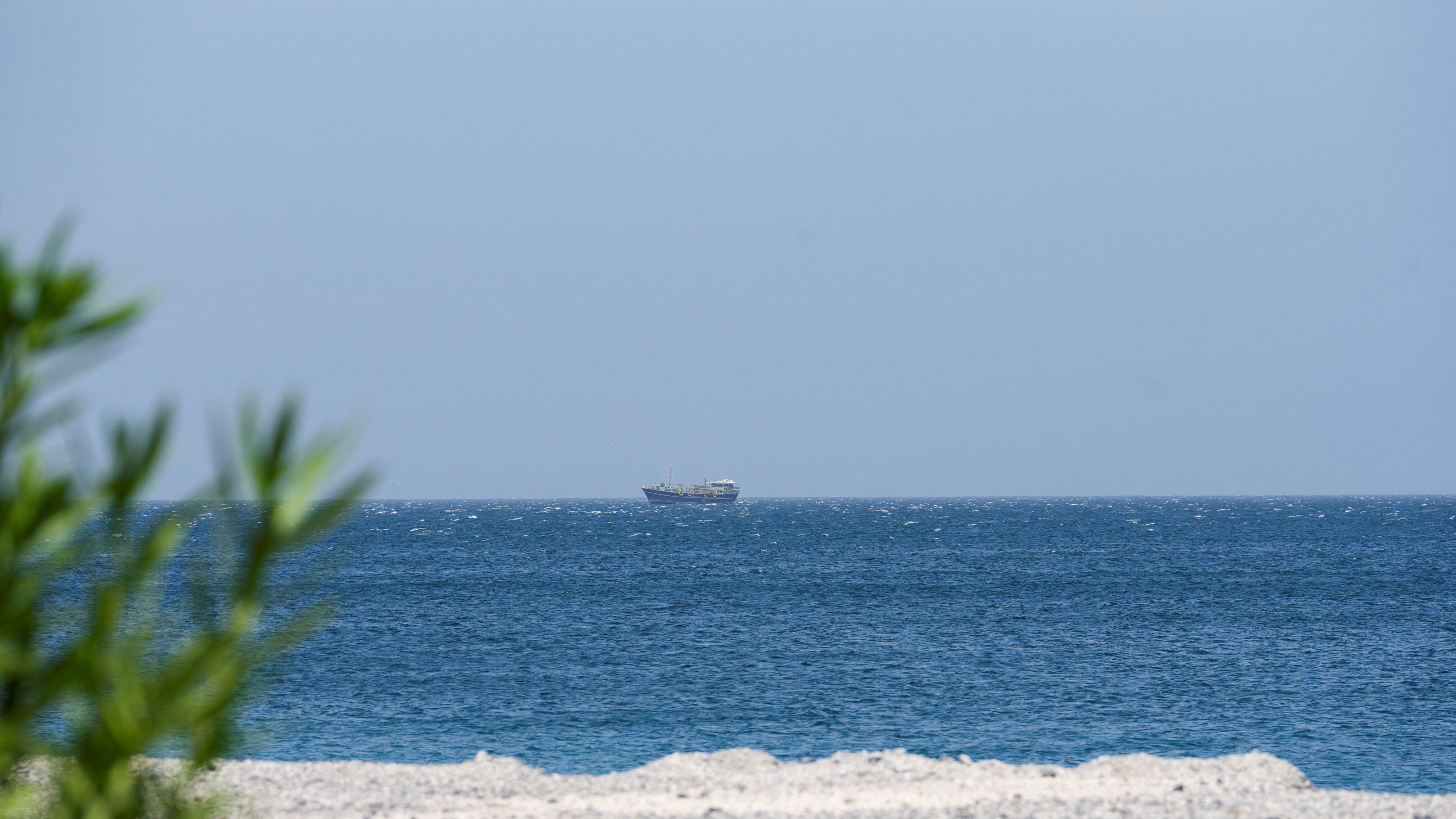
Trafficking networks have shifted tactics in response to heightened enforcement by French and UK authorities. Instead of launching dinghies from shore, smugglers now position small boats offshore and move them along the coastline to pick up migrants already in the water, a practice that French authorities call "taxi-boat" operations. This method reduces the time vessels spend visible to police patrols and makes interdiction more difficult.
The scope of these operations extends across multiple countries. On Thursday, the European policing agency Europol announced the dismantling of a Vietnamese smuggling ring that charged migrants €22,000 for the full journey from the EU to the UK. The network transported at least 15 migrants per month and generated criminal profits estimated at up to €3 million. Europol reported eight arrests across France, Germany, and Hungary, seizing around 20 passports, three vehicles, and approximately €11,600 in cash.
The final crossing to the UK was organized by a connected Kurdish-Iraqi migrant smuggling network active in northern France. Migrants entered the Schengen Area using Hungarian-issued visas or residence permits, then traveled by air to Paris before being transported to the coastline for Channel crossings.
Rising Numbers Despite Dangers
Nearly 5,000 people have arrived in the UK via small boats without permission so far this year, with more than 450 of them arriving in April alone across seven boats. This represents a continuation of 2025 trends, when more than 41,000 people made the crossing. French maritime authorities reported rescuing 102 people in two separate operations on Wednesday alone.

more than 450 arriving in the first few days of April alone across seven boats→more than 450 of them arriving in April alone across seven boats
The source articles say ‘more than 450 … across seven boats’ but do not restrict that figure to ‘the first few days of April.’ The summary narrows the timeframe without evidence, creating a false impression of a sudden spike.
The increase follows the typical winter lull, when rough seas and cold temperatures deter attempts. As water temperatures slowly rise, crossings are becoming more frequent. Al Jazeera reports that the UK remains attractive to undocumented migrants due to family ties, English language prevalence, and perceived employment opportunities.
Policy Responses and Disagreements
The UK government stated it was "deeply saddened" by Thursday's deaths, calling each fatality "a stark reminder of the dangers posed by criminal gangs exploiting vulnerable people for profit." A UK government spokesperson pledged to "continue working relentlessly with the French and our partners overseas to prevent these perilous journeys."
However, Lauch blamed smugglers directly: "The responsibility lies with the smugglers." Last month, the UK and France failed to agree on a new beach patrol deal and instead extended their current arrangements while negotiating a longer-term plan.
Imran Hussain of the UK's Refugee Council stated that "policing the Channel alone is not enough to prevent dangerous crossings" and called for the creation of safer legal pathways. Paris and London have attempted to deter crossings through a "one in, one out" scheme, allowing some migrants to enter the UK legally in exchange for returning others who arrive by boat, but campaigners contend such measures do not address the root causes driving people to risk their lives.
























For example, Europol reported that the Vietnamese smuggling ring transported at least 15 migrants per month, generating criminal profits estimated at up to €3 million.