Argentina's Congress has approved a controversial amendment that significantly eases mining activities in glacier regions. The reform modifies the Glacier Law, originally enacted in 2010, which strictly prohibited mining and exploration activities in these sensitive areas, designating them as vital water reserves. Under the new law, control over defining protected glacier zones shifts from the Argentine Institute for Snow, Ice and Environmental Sciences to provincial governments, allowing for greater local autonomy in resource management.
President Javier Milei endorsed the reform, stating it empowers provincial authorities to "utilize their resources" and opens up mining activities "where there was nothing to protect." Supporters, including governors from mineral-rich provinces like Catamarca, Jujuy, Salta, Mendoza, and San Juan, argue that the previous law hindered sustainable economic development. They claim the new legislation will foster growth without compromising future generations' needs. Congresswoman Nancy Picón Martínez, a backer of the bill, emphasized that the mining industry has been unfairly demonized, asserting, "This law protects glaciers, no matter how much some people want us to believe otherwise."
Opponents of the reform, including environmentalists and some lawmakers, argue that easing protections poses a significant threat to water resources. Congresswoman Natalia de la Sota highlighted the importance of water, stating, "Without water, we can't even think about a growth and development project." Greenpeace has condemned the reform, asserting that all glaciers and periglacial environments serve as essential freshwater reservoirs. Biologist Agostina Rossi Serra pointed out that the gradual thaw of these areas feeds rivers and streams, crucial for regions that are increasingly arid due to climate change.
Argentina is home to 16,968 glaciers that supply water to 36 river basins across 12 provinces, impacting the lives of approximately seven million people. Water from these glaciers plays a vital role in mitigating the effects of drought, particularly in semi-arid provinces like Mendoza, which face growing challenges from climate change. The new law allows provincial leaders to prove that certain glacier areas do not act as "strategic" water reserves before permitting mining, raising concerns about the long-term sustainability of water resources in the region.
The reform has sparked disagreement over glacier protection. Supporters argue the law still protects glaciers while enabling economic development. Opponents contend it weakens water protections in regions where water is scarce.
Argentina's Congress has approved a controversial amendment that significantly eases mining activities in glacier regions, a decision that proponents argue will enhance local economies while opponents warn it jeopardizes crucial water sources. The reform modifies the Glacier Law, originally enacted in 2010, which strictly prohibited mining and exploration activities in these sensitive areas, designating them as vital water reserves. Under the new law, control over defining protected glacier zones shifts from the Argentine Institute for Snow, Ice and Environmental Sciences to provincial governments, allowing for greater local autonomy in resource management.
President Javier Milei endorsed the reform, stating it empowers provincial authorities to "utilize their resources" and opens up mining activities "where there was nothing to protect." Supporters, including governors from mineral-rich provinces like Catamarca, Jujuy, Salta, Mendoza, and San Juan, argue that the previous law hindered sustainable economic development. They claim the new legislation will foster growth without compromising future generations' needs. Congresswoman Nancy Picón Martínez, a backer of the bill, emphasized that the mining industry has been unfairly demonized, asserting, "This law protects glaciers, no matter how much some people want us to believe otherwise."
Opponents of the reform, including environmentalists and some lawmakers, argue that easing protections poses a significant threat to water resources. Congresswoman Natalia de la Sota highlighted the importance of water, stating, "Without water, we can’t even think about a growth and development project." Greenpeace has condemned the reform, asserting that all glaciers and periglacial environments serve as essential freshwater reservoirs. Biologist Agostina Rossi Serra pointed out that the gradual thaw of these areas feeds rivers and streams, crucial for regions that are increasingly arid due to climate change.
Argentina is home to 16,968 glaciers that supply water to 36 river basins across 12 provinces, impacting the lives of approximately seven million people. Water from these glaciers plays a vital role in mitigating the effects of drought, particularly in semi-arid provinces like Mendoza, which face growing challenges from climate change. The new law allows provincial leaders to prove that certain glacier areas do not act as "strategic" water reserves before permitting mining, raising concerns about the long-term sustainability of water resources in the region.
The passage of this reform raises critical questions about the balance between economic development and environmental protection in Argentina. As mining companies prepare to capitalize on the new opportunities, the potential risks to water supplies and local ecosystems remain at the forefront of public discourse. With the growing frequency of droughts and climate-related challenges, the impact of this legislation will likely resonate deeply within affected communities, shaping their future access to vital water resources.
Highlighted text was flagged by the council. Tap to see feedback.

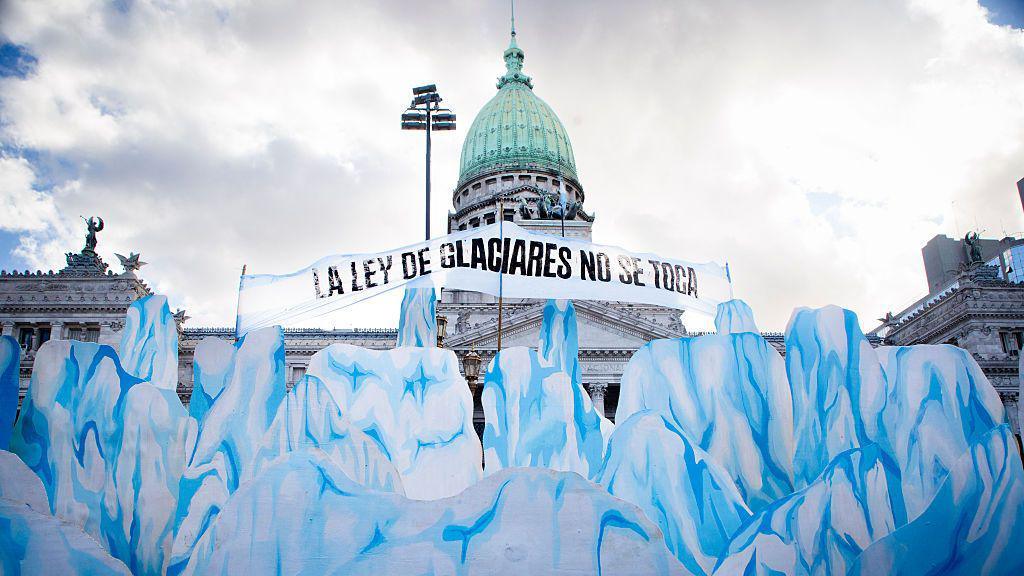























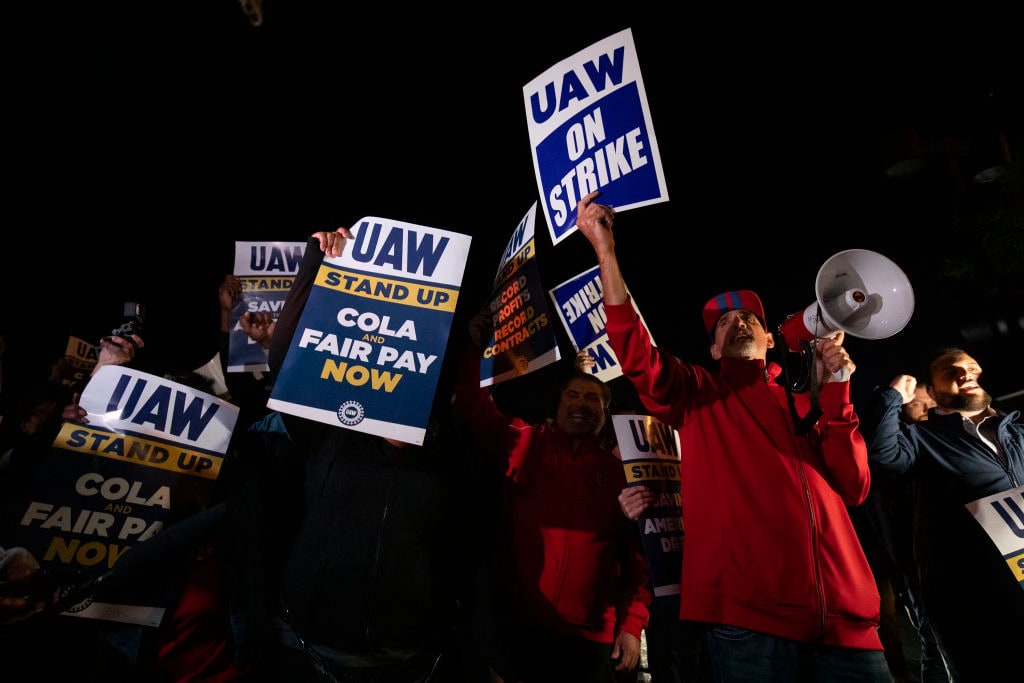











The sources also report that protesters against the bill held signs outside Congress, reading 'La Ley de Glaciares no se toca' to oppose the amendment.