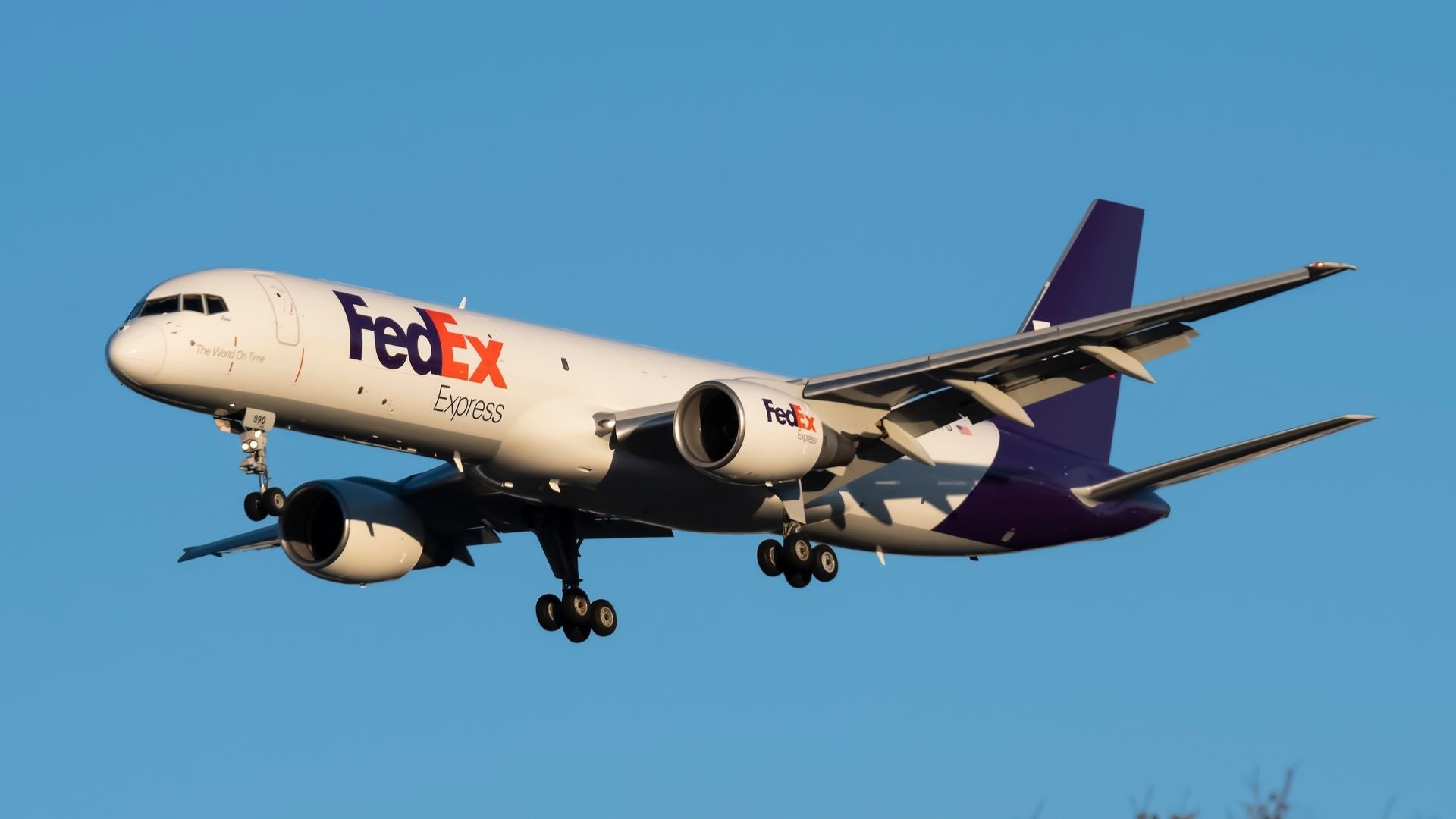
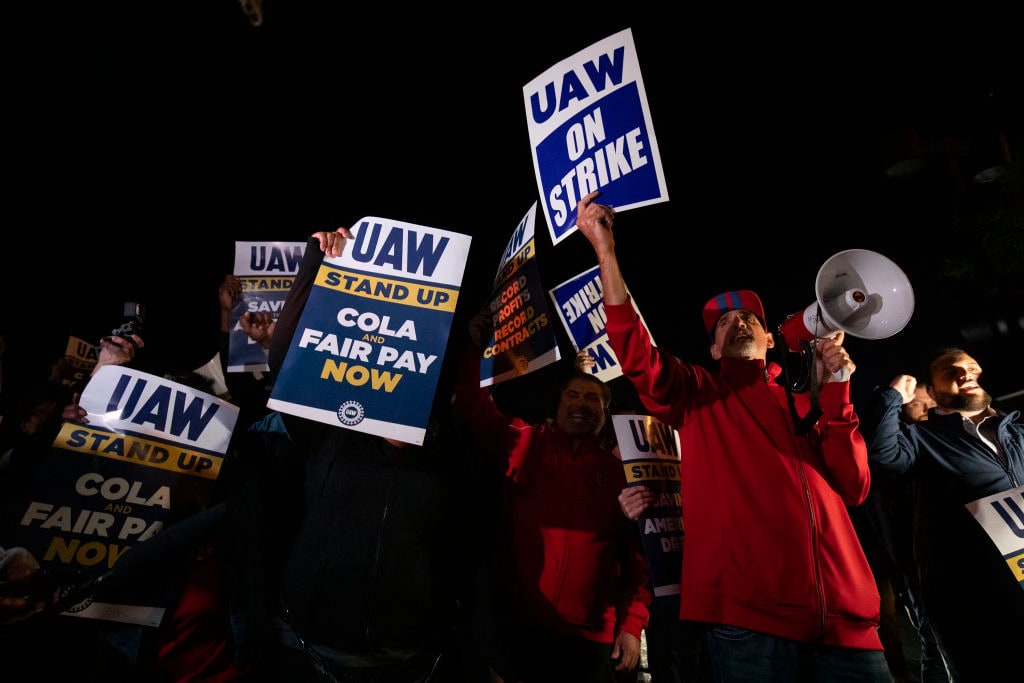
After years of negotiations, FedEx reached a tentative wage deal with its pilots.
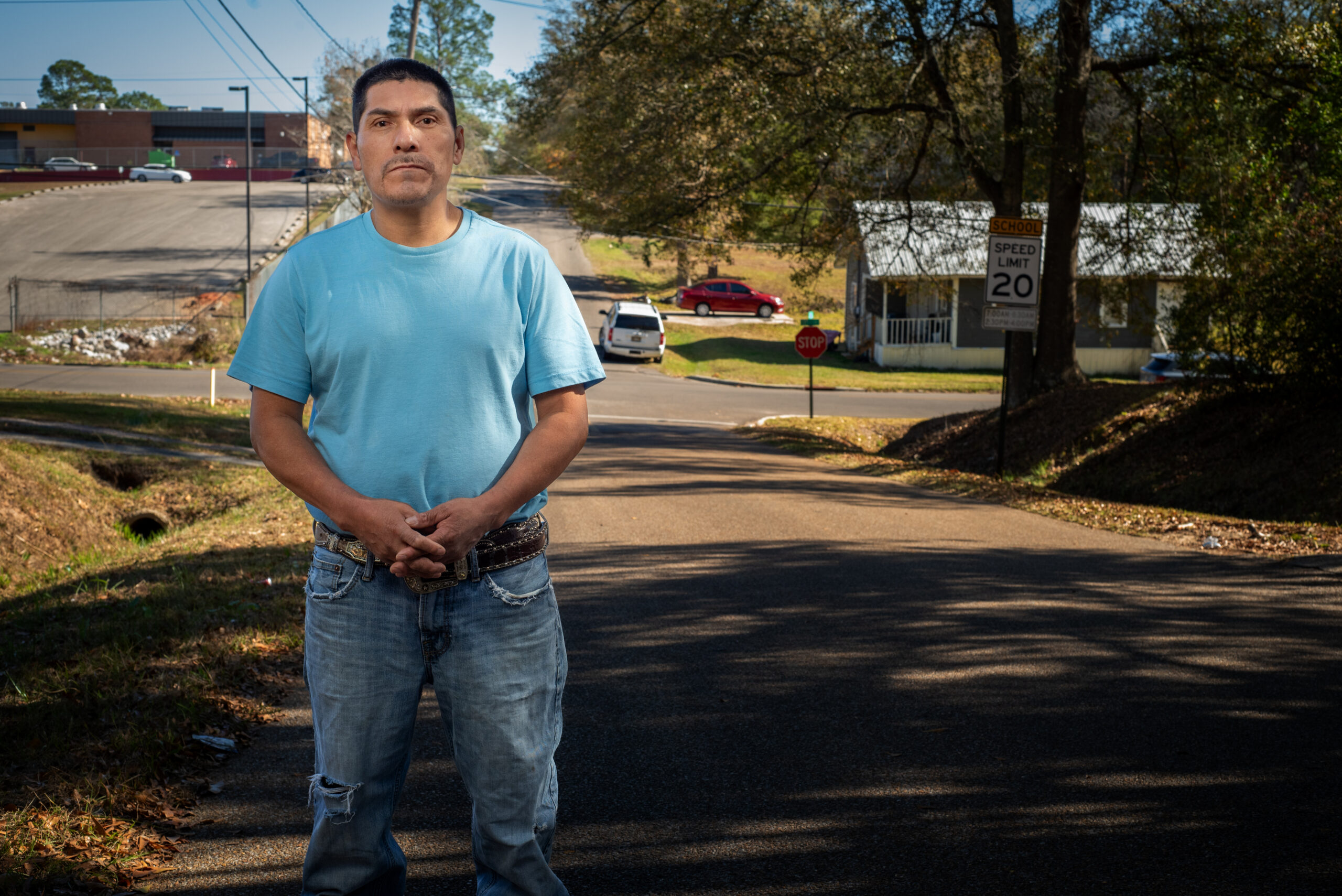
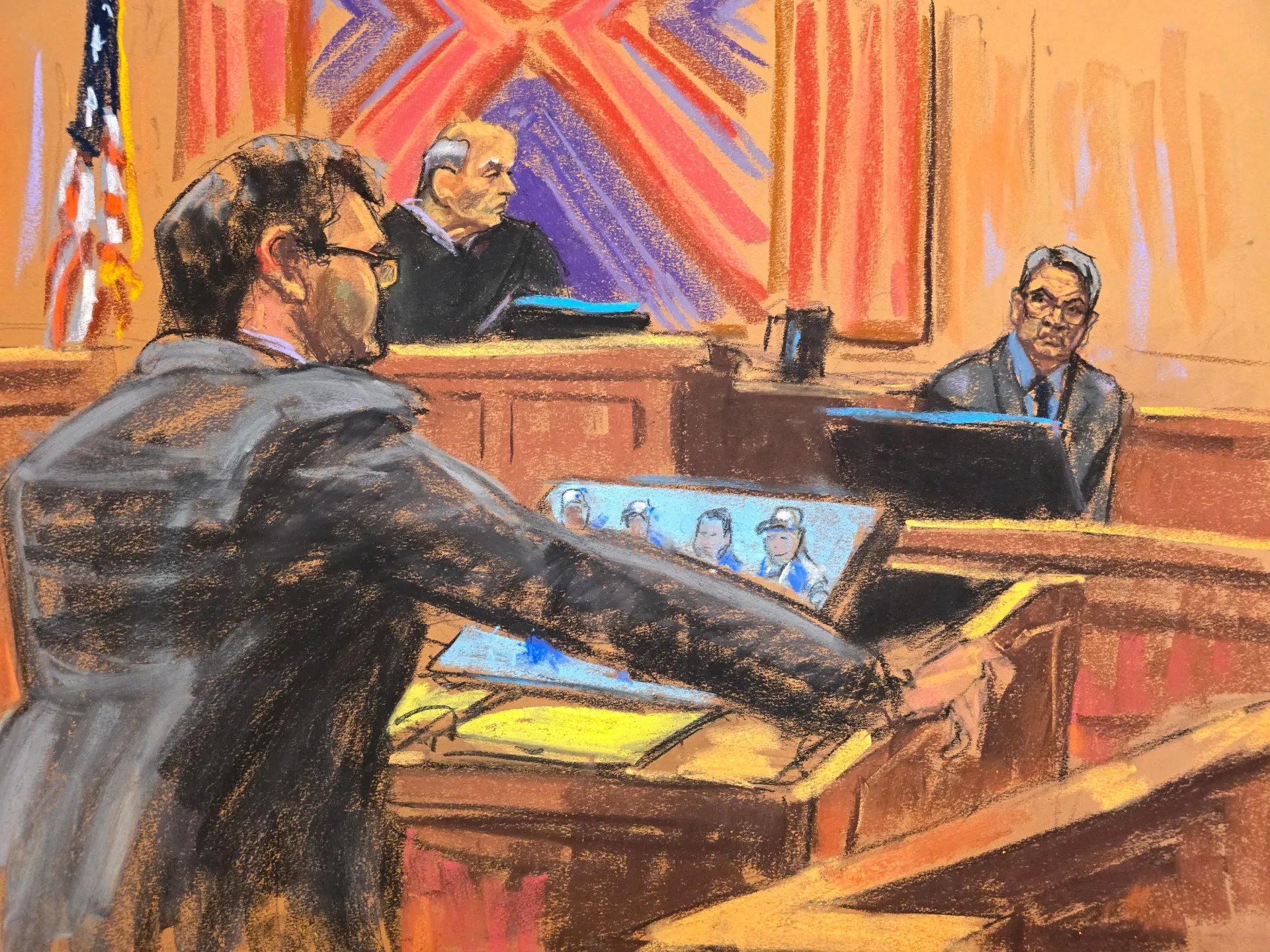
FedEx is suing a law firm over alleged staged crashes and bogus injury lawsuits. The company alleges the law firm orchestrated schemes to defraud FedEx.
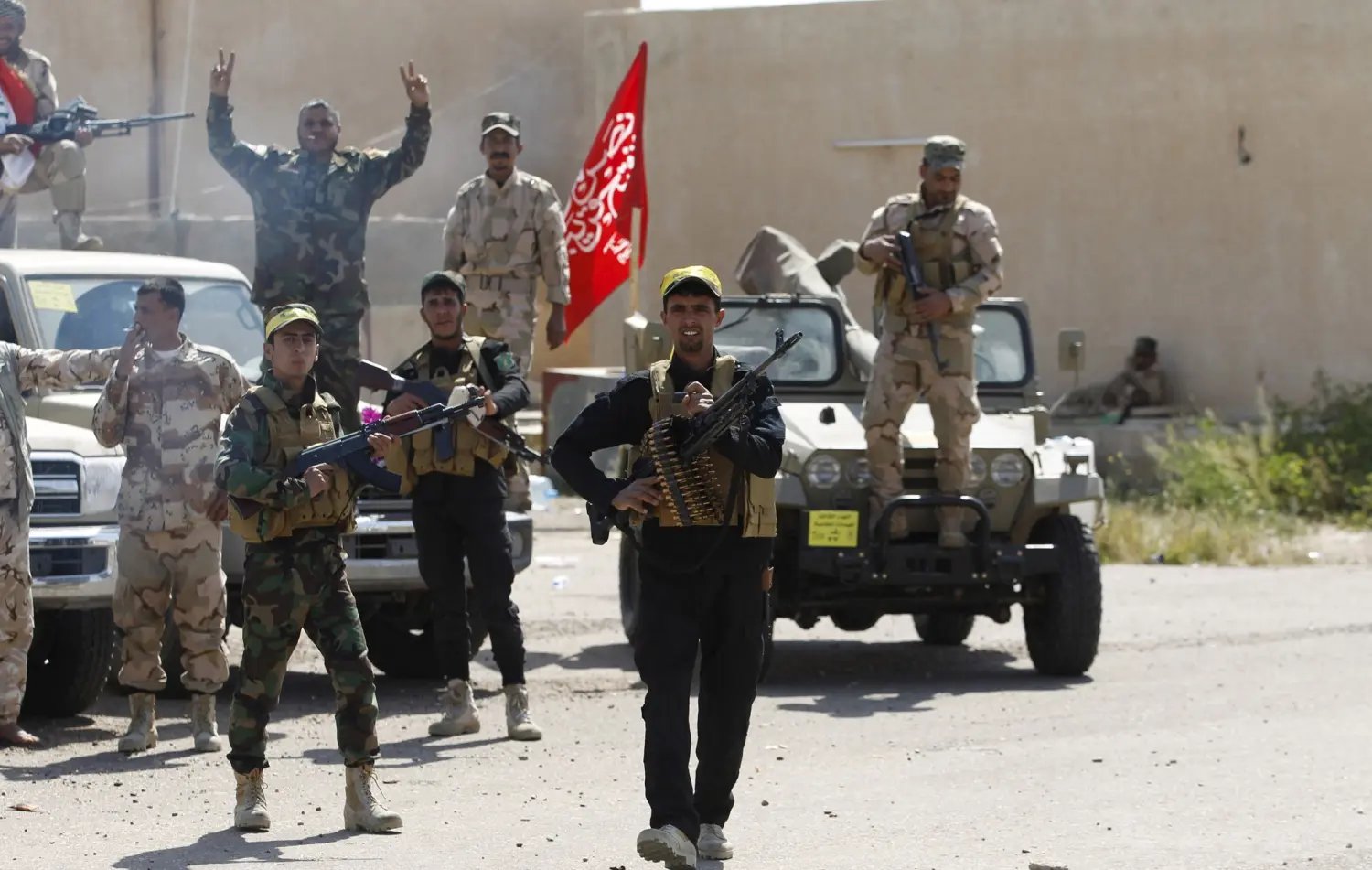
Following the announcement of a two-week ceasefire between the U.S. and Iran, pro-Iran armed factions in Iraq announced a two-week halt to their attacks on "enemy bases" in the region. Iraq later reopened its airspace, which it had closed due to the war. Explosions were heard in Bahrain's capital Manama. Two people were slightly injured in the Sitra area as a result of shrapnel falling from the interception of an Iranian drone.
Financial markets hailed the news of the U.S.-Iran ceasefire, with S&P 500 futures up 2.3%. Asian markets also spiked, with Tokyo's Nikkei 225 up 5.1% and Hong Kong's Hang Seng up 2.4%. Oil prices fell by double-digit margins, with West Texas Intermediate down 14.3% to about $97 a barrel and international Brent Crude down 13.1% to around $95 a barrel.
Sen. Lindsey Graham said he's "extremely cautious" about what is fact or fiction in the ceasefire and called for a congressional review process. Senate Minority Leader Chuck Schumer said he's glad President Trump "backed off."
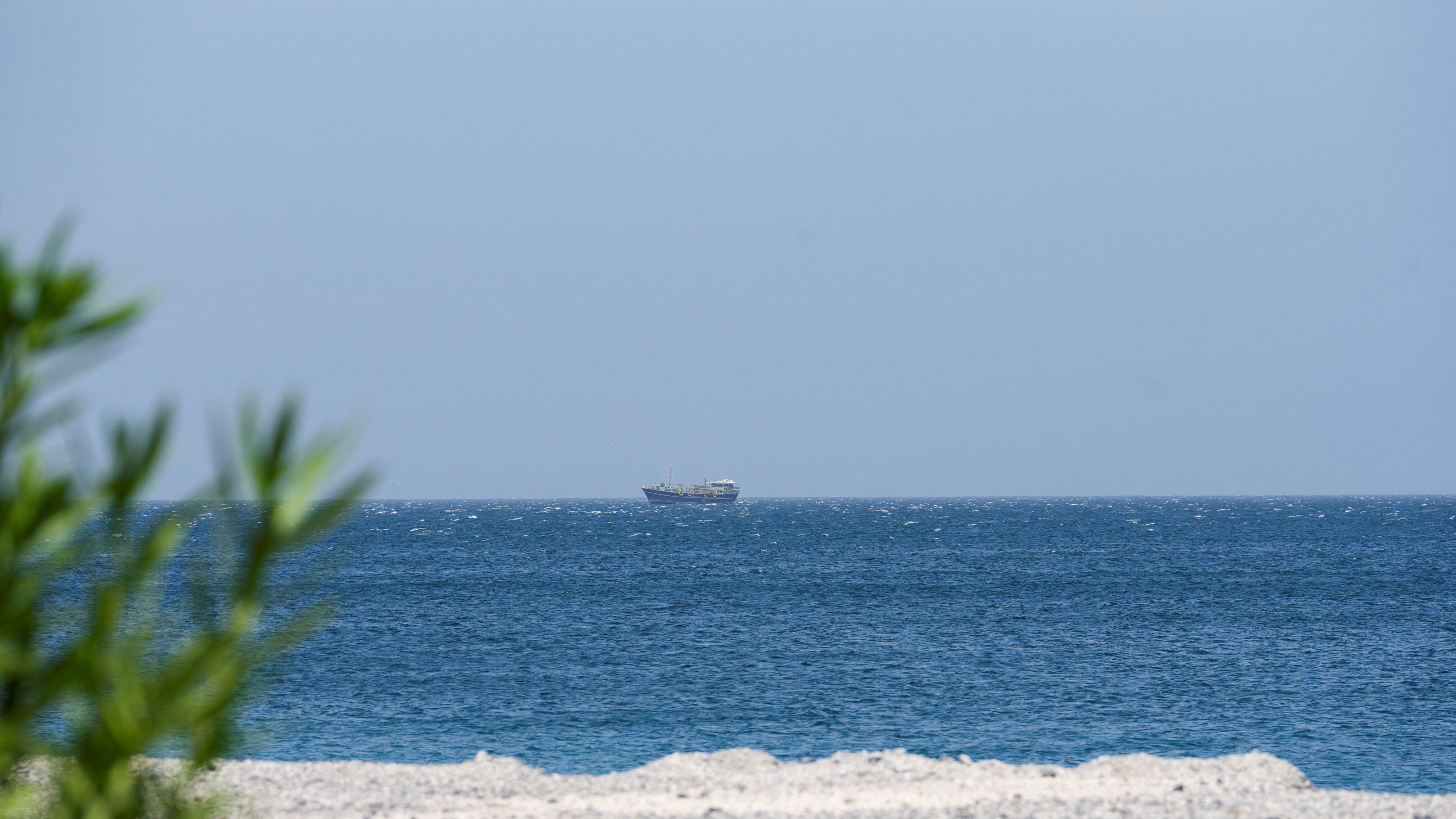
Iranian Foreign Minister Seyed Abbas Araghchi confirmed that Iran had agreed to a two-week ceasefire that involves the reopening of the Strait of Hormuz. "If attacks against Iran are halted, our Powerful Armed Forces will cease their defensive operations," the Iranian statement read. "For a period of two weeks, safe passage through the Strait of Hormuz will be possible via coordination with Iran's Armed Forces and with due consideration of technical limitations."
Iran's security council allocated two weeks for the talks, which could be "extended by mutual agreement." Even with the Strait of Hormuz reopening, it will take months for jet fuel supplies and prices to normalize, according to Willie Walsh, the director general of the International Air Transport Association.
After years of negotiations, FedEx reached a tentative wage deal with its pilots. The agreement, if ratified, will change paychecks for approximately 6,000 aviators.
FedEx is suing a law firm over alleged staged crashes and bogus injury lawsuits. The company alleges the law firm orchestrated schemes to defraud FedEx.
Following the announcement of a two-week ceasefire between the U.S. and Iran, pro-Iran armed factions in Iraq announced a two-week halt to their attacks on "enemy bases" in the region. Iraq later reopened its airspace, which it had closed due to the war. Explosions were heard in Bahrain's capital Manama, and the Gulf kingdom's interior ministry said civil defense crews controlled a fire that broke out in a facility "targeted by the sinful Iranian aggression." Two people were slightly injured in the Sitra area as a result of shrapnel falling from the interception of an Iranian drone.
Financial markets hailed the news of the U.S.-Iran ceasefire, with S&P 500 futures up 2.3%. Asian markets also spiked, with Tokyo's Nikkei 225 up 5.1% and Hong Kong's Hang Seng up 2.4%. Oil prices fell by double-digit margins, with West Texas Intermediate down 14.3% to about $97 a barrel and international Brent Crude down 13.1% to around $95 a barrel.
Sen. Lindsey Graham said he's "extremely cautious" about what is fact or fiction in the ceasefire and called for a congressional review process. Senate Minority Leader Chuck Schumer said he's glad President Trump "backed off."
Iranian Foreign Minister Seyed Abbas Araghchi confirmed that Iran had agreed to a two-week ceasefire that involves the reopening of the Strait of Hormuz. "If attacks against Iran are halted, our Powerful Armed Forces will cease their defensive operations," the Iranian statement read. "For a period of two weeks, safe passage through the Strait of Hormuz will be possible via coordination with Iran's Armed Forces and with due consideration of technical limitations."
Following the ceasefire announcement, Iran's Supreme National Security Council said peace talks would begin on Friday, April 10, in Islamabad. White House press secretary Karoline Leavitt said "there are discussions about in person talks, but nothing is final until announced by the President or the White House." Iran's security council allocated two weeks for the talks, which could be "extended by mutual agreement."
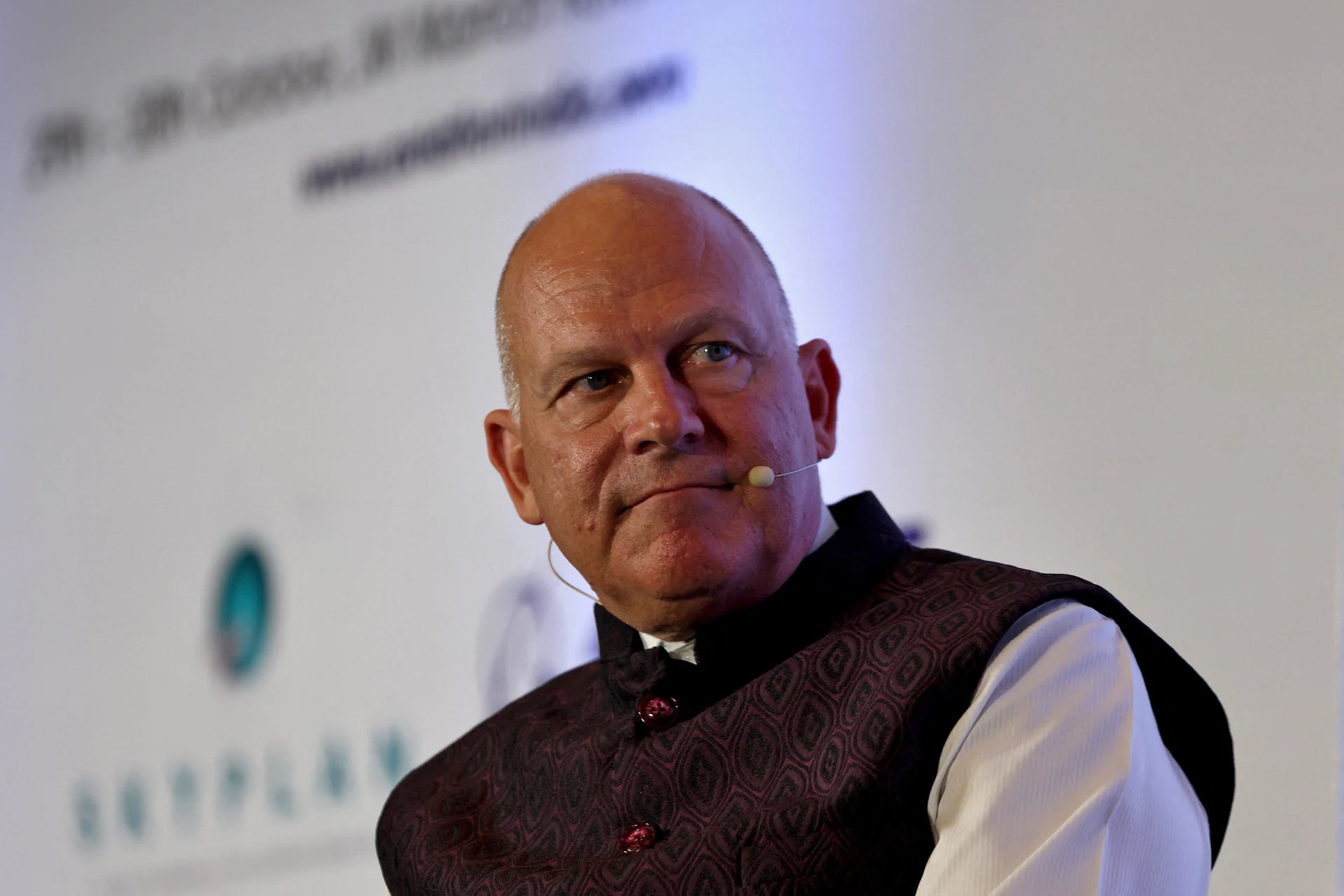
Even with the Strait of Hormuz reopening, it will take months for jet fuel supplies and prices to normalize, according to Willie Walsh, the director general of the International Air Transport Association.
Highlighted text was flagged by the council. Tap to see feedback.