




Job Market Adds 211,000 Positions in March, Unemployment Stays at 4.2 Percent
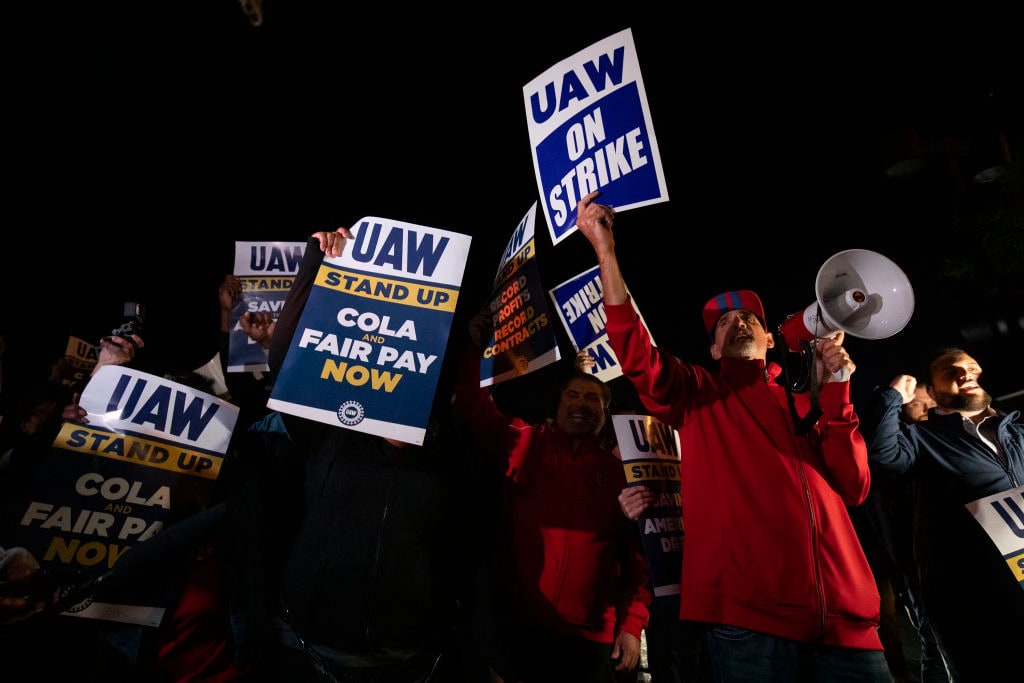
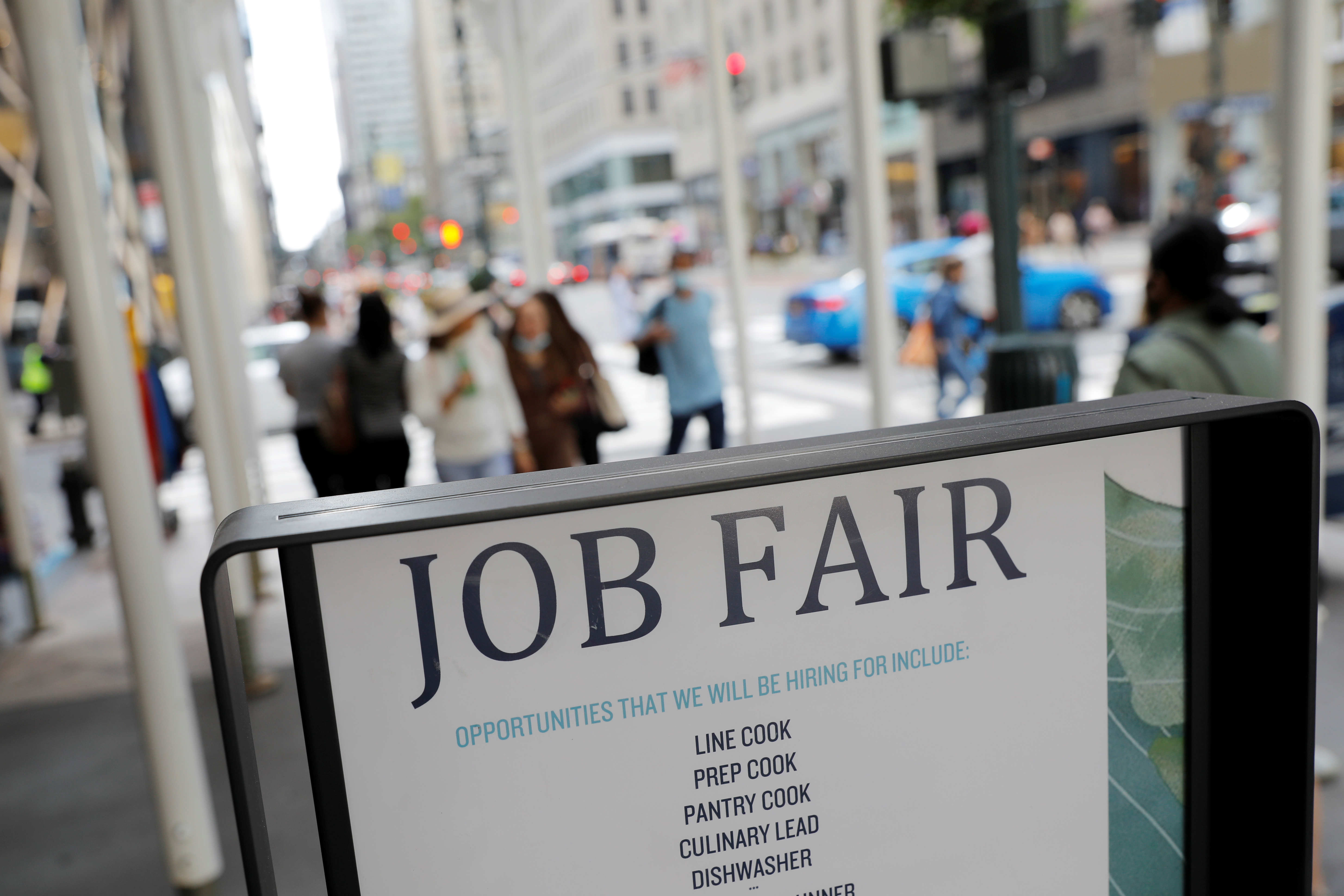
Employers added 211,000 positions last month while the unemployment rate stayed at 4.2 percent, the Labor Department reported Thursday. The figure beat Wall Street's consensus of 190,000 and marked the third straight month above the 200,000 level. Average hourly earnings rose 0.3 percent from February and 4.1 percent over the past year.
PCE Index Climbs to 2.9 Percent, Driven by Shelter and Energy Costs
The Commerce Department's personal-consumption-expenditures price index rose to 2.9 percent in February, up from 2.7 percent in January. Core PCE, the Federal Reserve's preferred gauge that strips out food and energy, advanced 0.3 percent for the month and 3.1 percent from a year earlier.
War Risk Premium Adds $12 to a Barrel of Crude, $9 Billion to Russia's April Revenue
Brent crude has traded around $92 a barrel since the cease-fire took effect April 8, roughly $12 above its pre-war level, according to Reuters calculations. Russia's main oil-export revenue doubled to $9 billion in April, according to Reuters. Only a handful of Iran-linked vessels have moved through Hormuz since Tehran warned foreign ships to stay inside its territorial waters, satellite tracking shows.
Dollar Weakens for Fifth Straight Session, Moves in Lockstep With Oil
The dollar index fell for a fifth consecutive session Thursday, trading at 102.4, its lowest level since early March. Currency strategists note the greenback and crude futures have moved in tandem at the tightest correlation since records began in 1986. "Markets are pricing a permanent risk premium," said Amir Handjani, board member at the Quincy Institute. "If Iran keeps the strait closed, that's a huge win for Tehran and a tax on every U.S. consumer."
IMF Chief Warns of Permanent Scars Even If Shooting Stops
Kristalina Georgieva, managing director of the International Monetary Fund, said Thursday the war has already inflicted "scarring effects" that will lower global growth this year beyond the fund's prior forecast. "Even under the most hopeful scenario, living standards will suffer a permanent hit," Georgieva told reporters in Washington. She cited disrupted supply chains, higher shipping insurance rates, and fresh fiscal stimulus in oil-exporting economies as reasons why inflation will prove sticky.
Senate to Vote Next Week on Curtailing Trump's War Powers
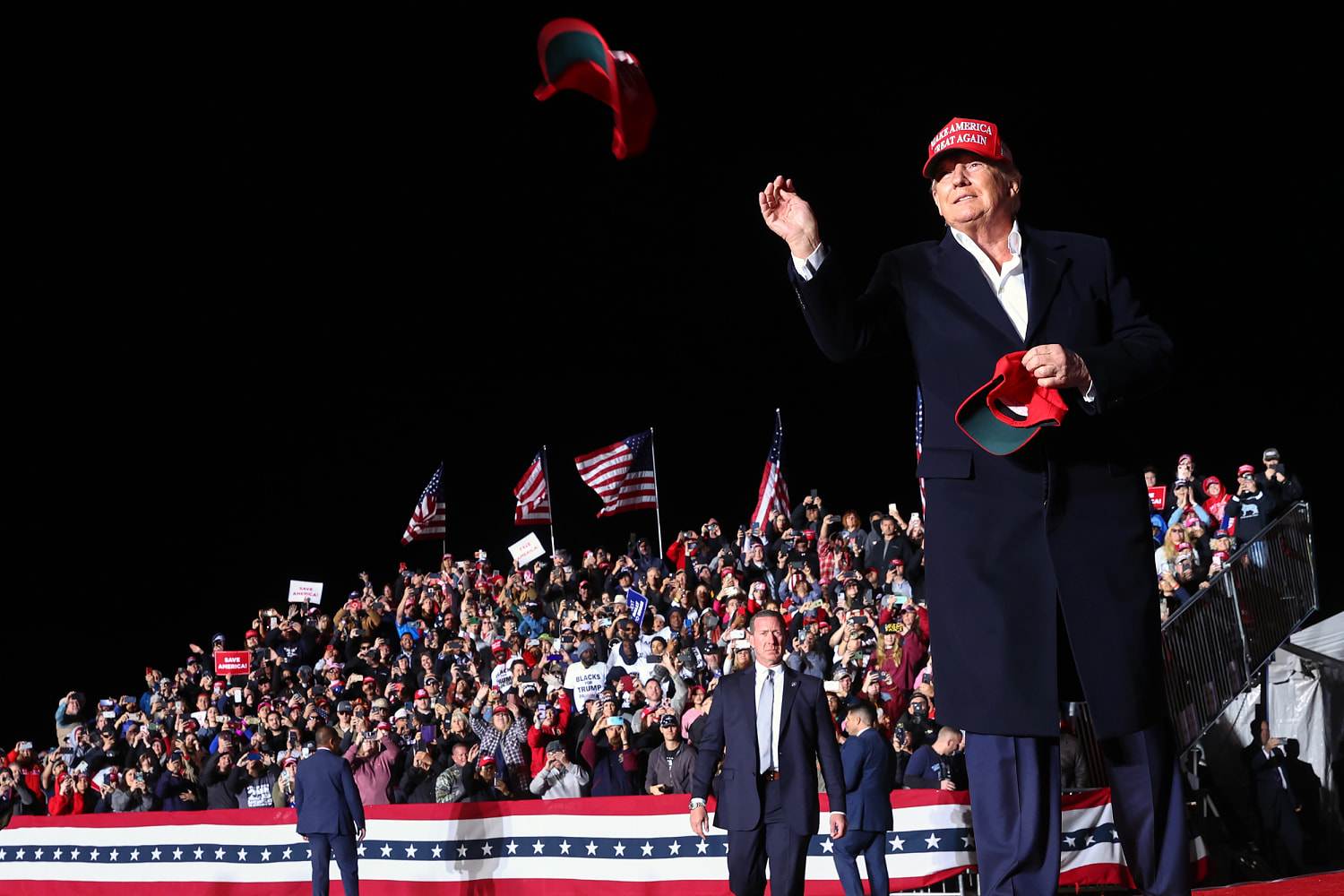
Senate Minority Leader Chuck Schumer said the chamber will vote next week on a resolution to halt U.S. offensive operations against Iran. Democratic Sen. John Fetterman of Pennsylvania announced he will oppose the measure, calling Iran's missile campaign against Israel "an act of war that deserves a response." House Republicans blocked a similar Democratic resolution during a pro-forma session Thursday, leaving any statutory curb on the president to the upper chamber.
Netanyahu Trial to Resume Sunday as Israel Pauses Strikes on Lebanon
Israeli Prime Minister Benjamin Netanyahu's corruption trial will restart Sunday after security chiefs agreed to halt offensive strikes on Lebanon, the justice ministry announced. The pause followed French President Emmanuel Macron's public plea for Washington and Tehran to "respect the cease-fire in Lebanon as well as in Iran." Tehran's delegation arrived in Islamabad Thursday for talks, according to Iran's ambassador to Pakistan.
Next Week's Data Will Show If Workers Keep Their Pricing Power
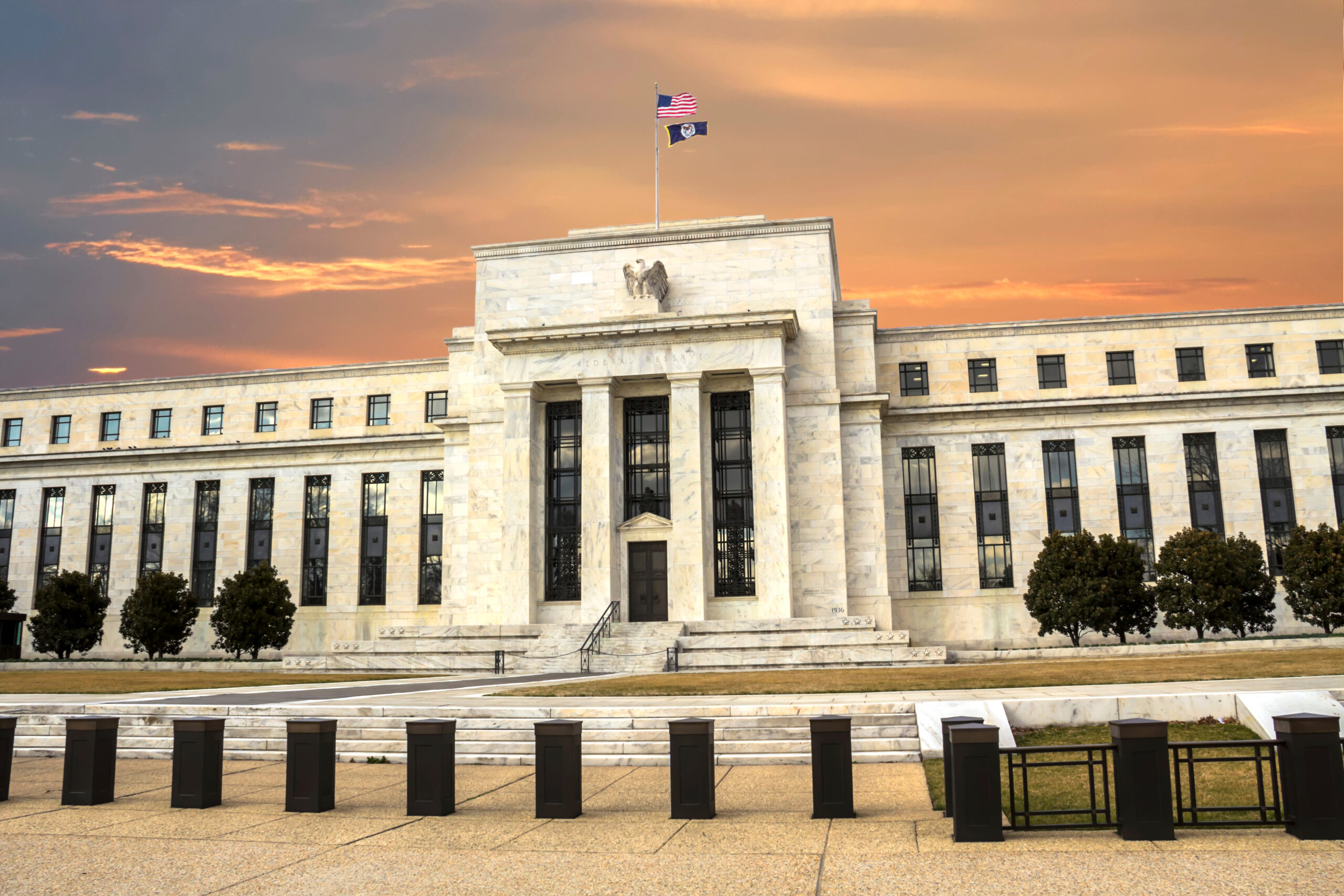
Economists will watch Tuesday's consumer-price index for March to see whether firms can keep passing along higher energy and shipping bills. Futures traders have trimmed the odds of a Fed rate cut by June to 38 percent from 52 percent before the payroll report, CME data show. If inflation re-accelerates while Hormuz stays closed, the central bank may have to choose between supporting growth and taming prices—leaving workers' real wage gains at risk.