



Filing Window Begins for Importers
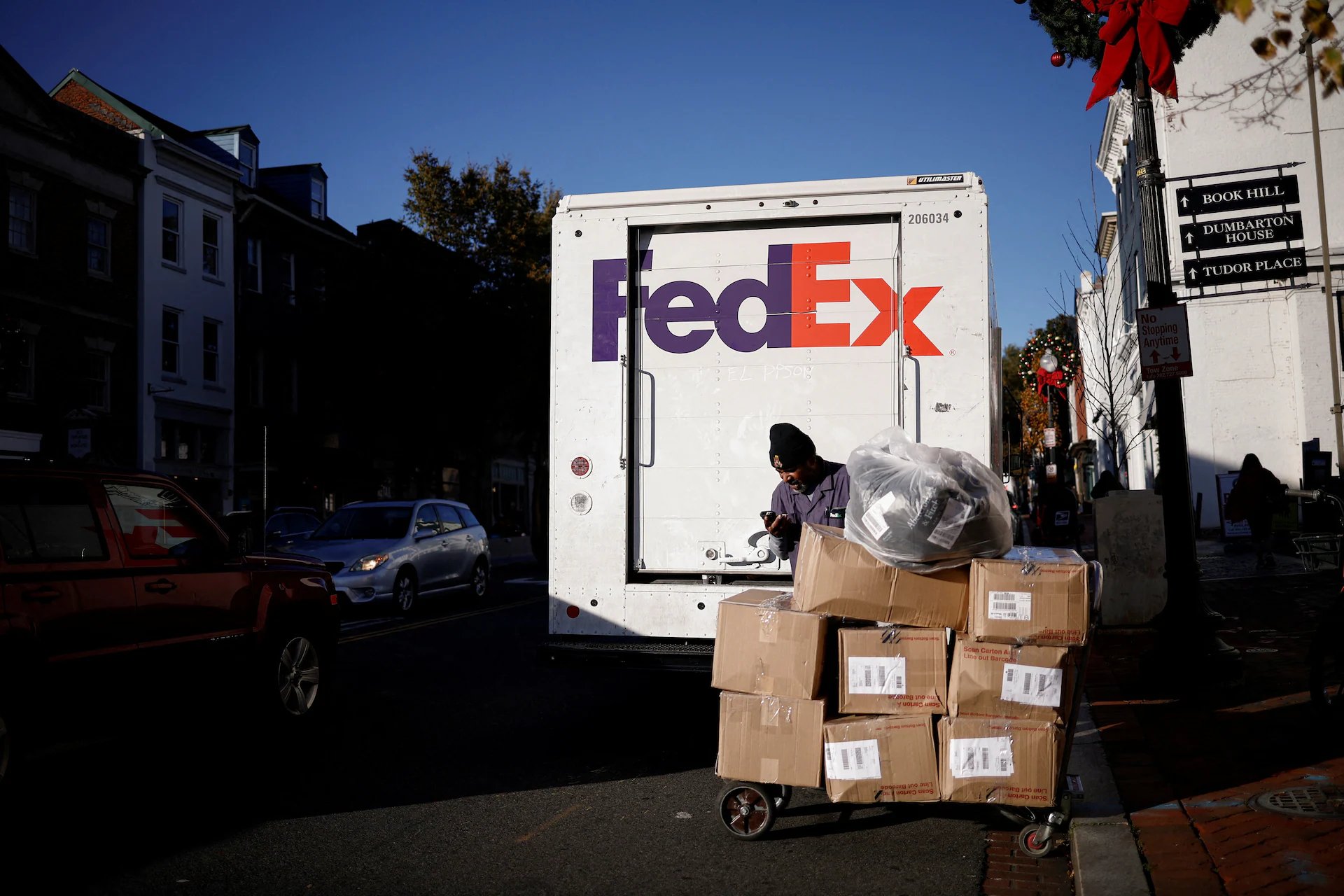
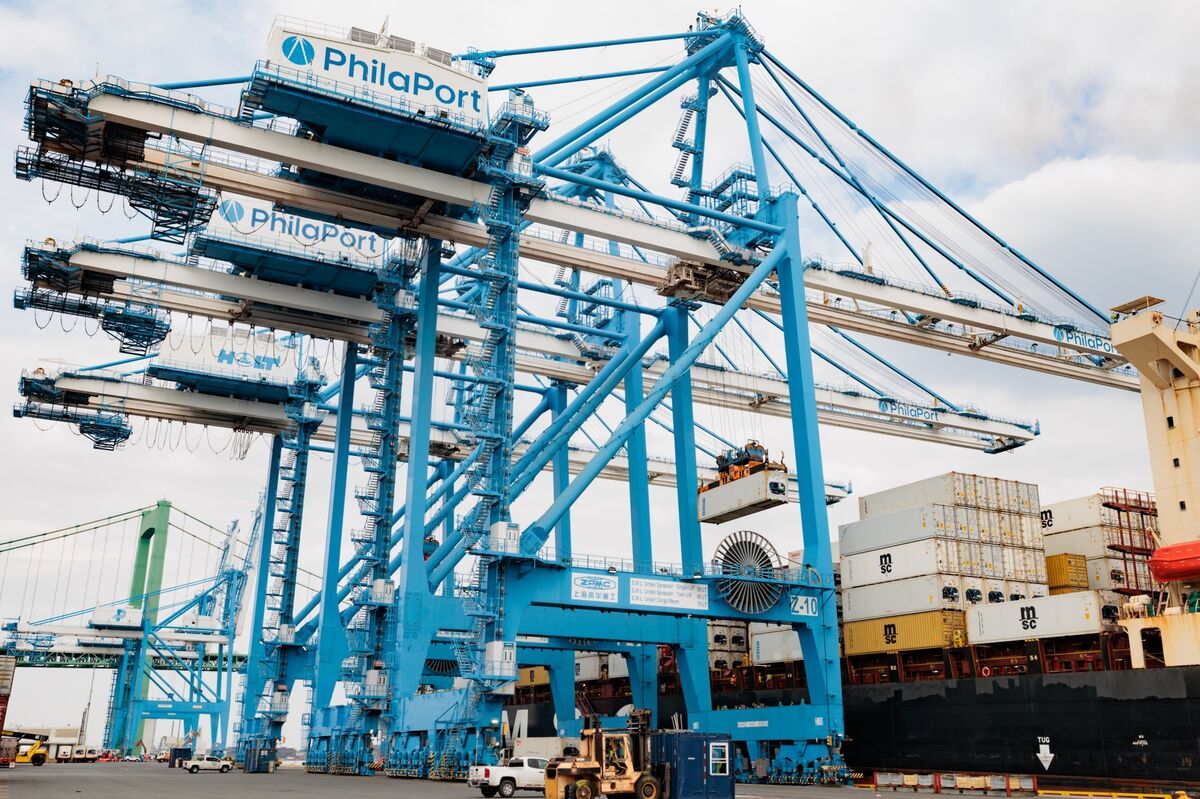
Importers will begin filing tariff refund requests on April 20, US Customs and Border Protection announced on Friday. The agency's Consolidated Administration and Processing of Entries tool, called CAPE, will launch in a first phase handling straightforward and recent import entries, with more complex refund scenarios deferred to later stages.
The filing portal responds to a February Supreme Court ruling that invalidated tariffs President Donald Trump imposed under emergency powers. More than 53 million import entries carried those duties under the International Emergency Economic Powers Act. In March, the Court of International Trade ordered the federal government to refund as much as $170 billion, plus interest, to roughly 330,000 importers affected by the struck-down tariffs.
A New Legal Theory Under Challenge
Trump invoked Section 122 of the Trade Act of 1974 as an alternative legal basis for tariffs. That statute permits tariffs in response to "fundamental international payments problems" caused by "serious United States balance-of-payments deficits." Trump initially set these tariffs at 10 percent before announcing they would rise to 15 percent, the maximum allowed under the law.

The sources also report that Trump first revealed this backup plan hours after the Supreme Court rejected his IEEPA tariffs on February 20.

The sources also report that Trump initially set the Section 122 tariffs at 10 percent before raising them to 15 percent, which is the maximum rate allowed by the statute.
On Friday, April 10, the Court of International Trade heard oral arguments in two lawsuits challenging the Section 122 tariffs. One was filed on March 5 by governors and attorneys general of 24 states. The other, filed on March 9 by the Liberty Justice Center, represents two small U.S. businesses. Both sets of plaintiffs argue that the circumstances described by Section 122 do not exist under the current monetary system.
The Government's Shifting Position
Assistant Attorney General Brett Shumate defended the Section 122 tariffs by noting that opponents of the earlier IEEPA tariffs had themselves suggested Section 122 was the proper vehicle for addressing trade deficits. Shumate wrote that federal courts, including the Court of International Trade, "relied on plaintiffs' counsel's arguments and agreed that Section 122 was the proper authority for imposing such tariffs."
The government's position represents a reversal. When defending the IEEPA tariffs, Trump administration lawyers had rejected Section 122 as inappropriate, arguing it lacked "any obvious application" to trade deficits, which they said were "conceptually distinct from balance-of-payments deficits." Shumate now contends that a trade deficit suffices to establish the conditions Section 122 requires.
The Economics Dispute
Forty-eight economists, including two Nobel Prize winners and several former Republican advisers, filed a brief supporting the businesses challenging the tariffs. They argue the government conflates an economic concept with an accounting statement. Under double-entry bookkeeping, the balance of payments always totals zero, making it impossible for a president to ever use Section 122 if that accounting definition applies.
The economists note that Section 122 was enacted in 1974 to address problems stemming from the Bretton Woods system, which required fixed exchange rates and made the dollar convertible to gold at $35 per ounce. President Richard Nixon suspended that convertibility in 1971, and the system was formally abandoned in 1976. Under the current floating exchange rate system, the economists argue, the "serious balance-of-payments deficits" Section 122 contemplates "cannot exist."
Shumate argues that Trump's perception of a balance-of-payments deficit "constitutes an unreviewable exercise of the President's judgment," a claim the economists and state officials dispute.





























The sources also report that Section 122 limits these tariffs to 150 days, extendable only with congressional approval.