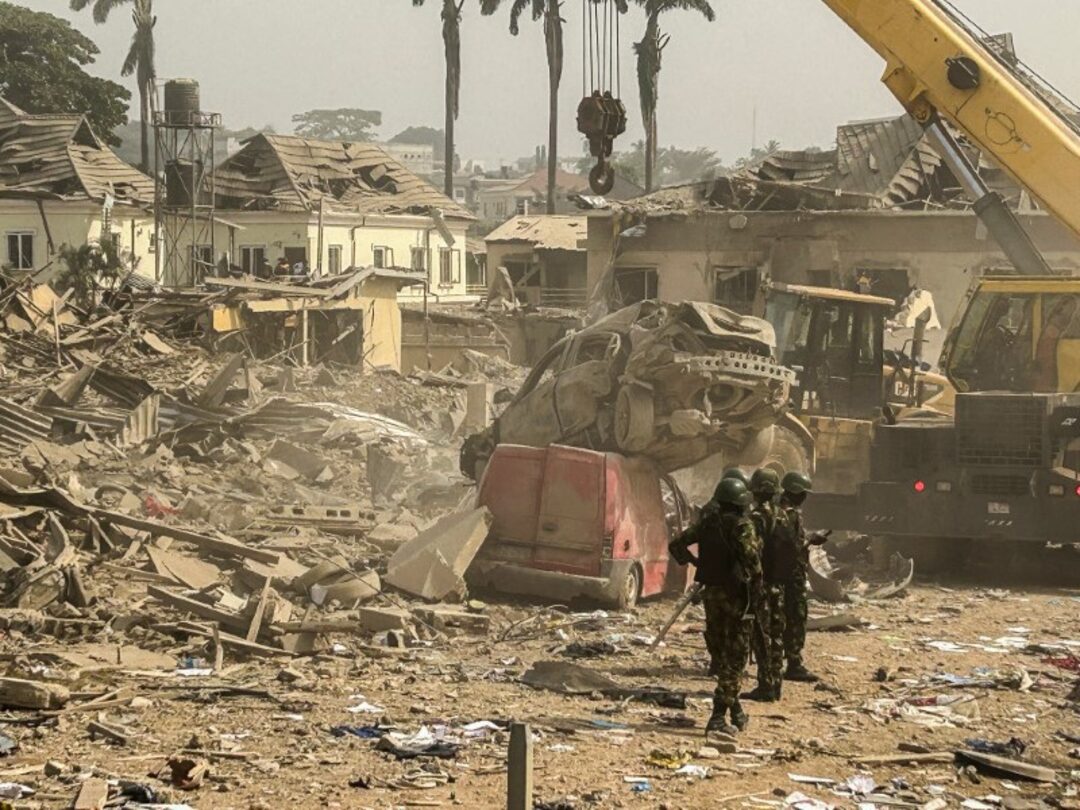





The strike that hit shoppers and traders
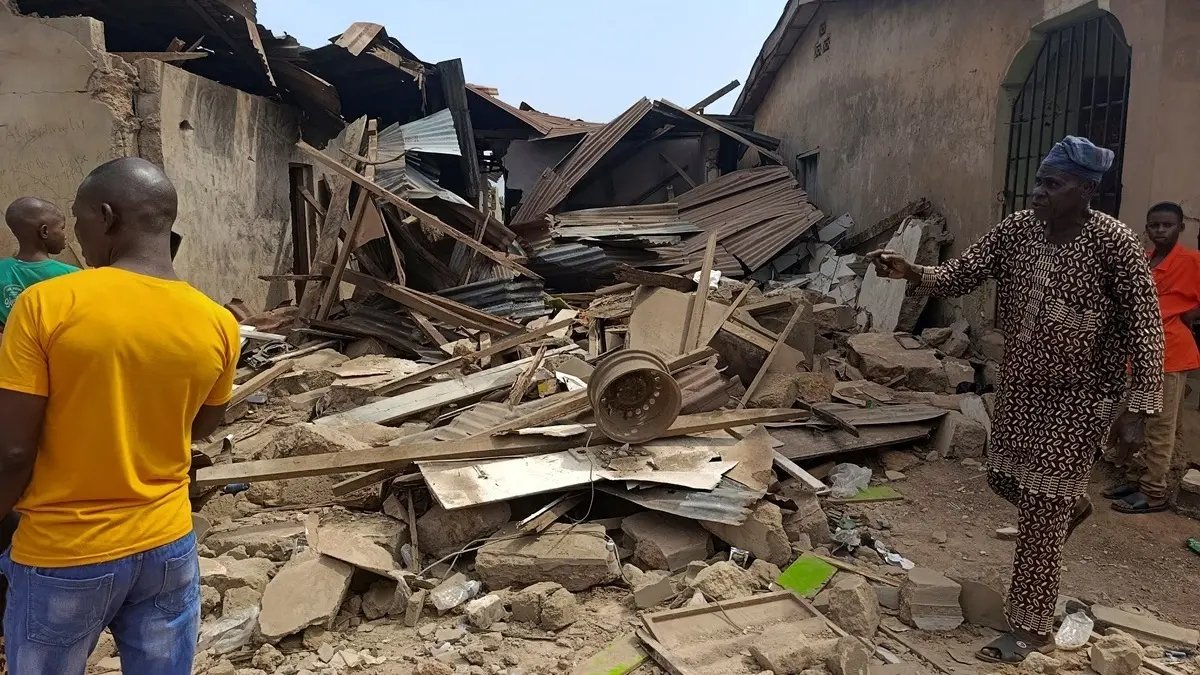
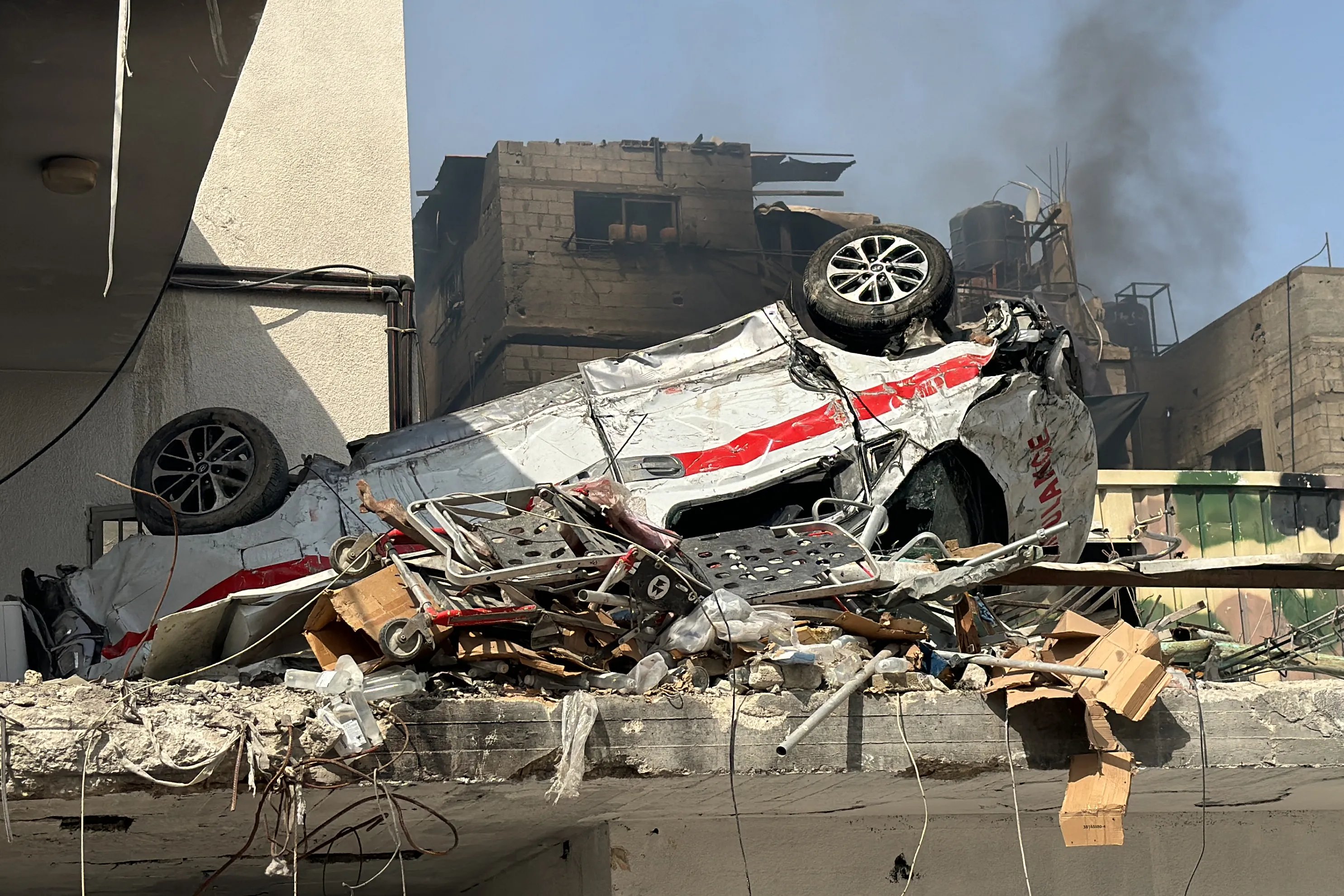
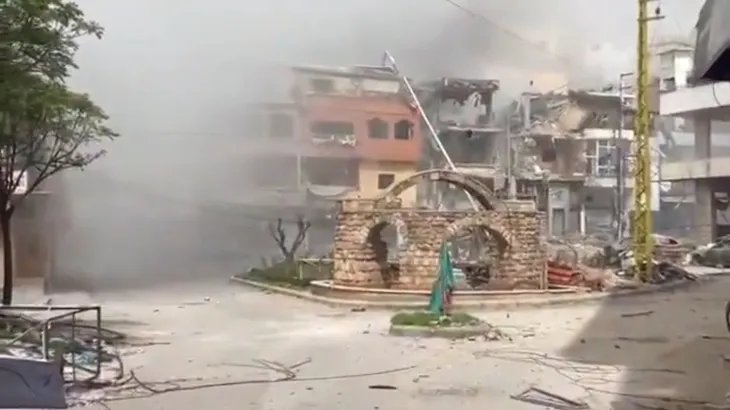
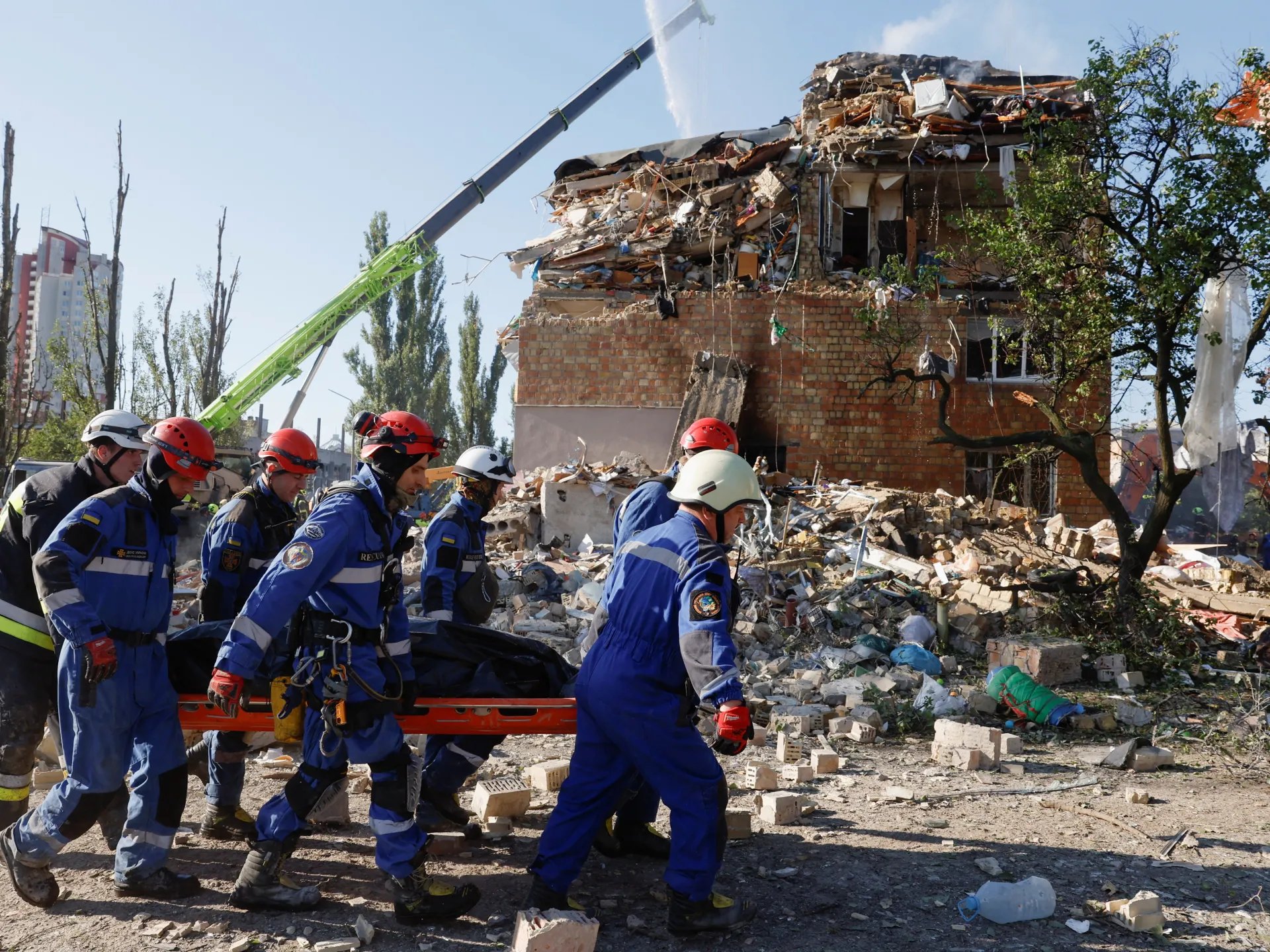
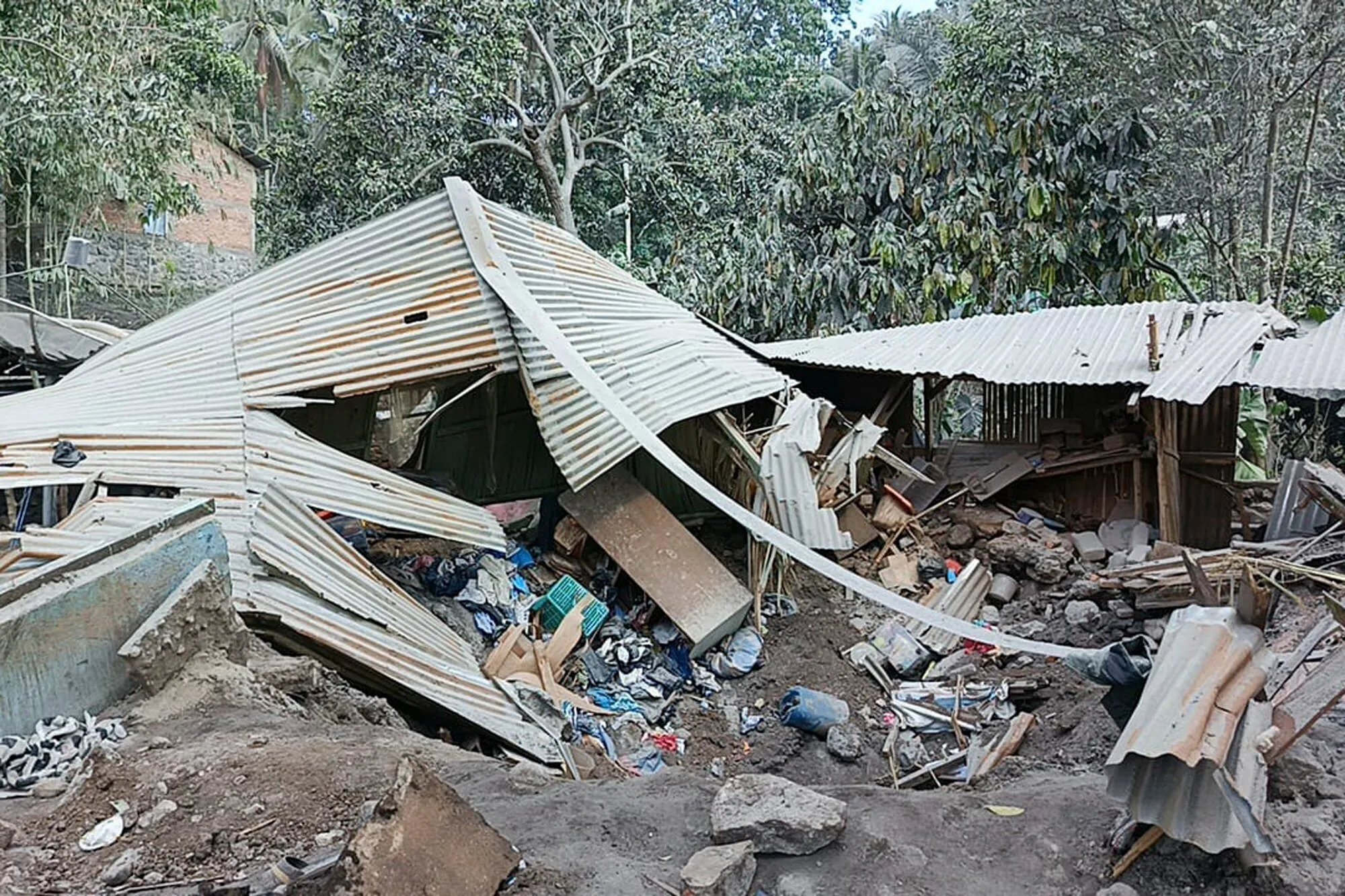
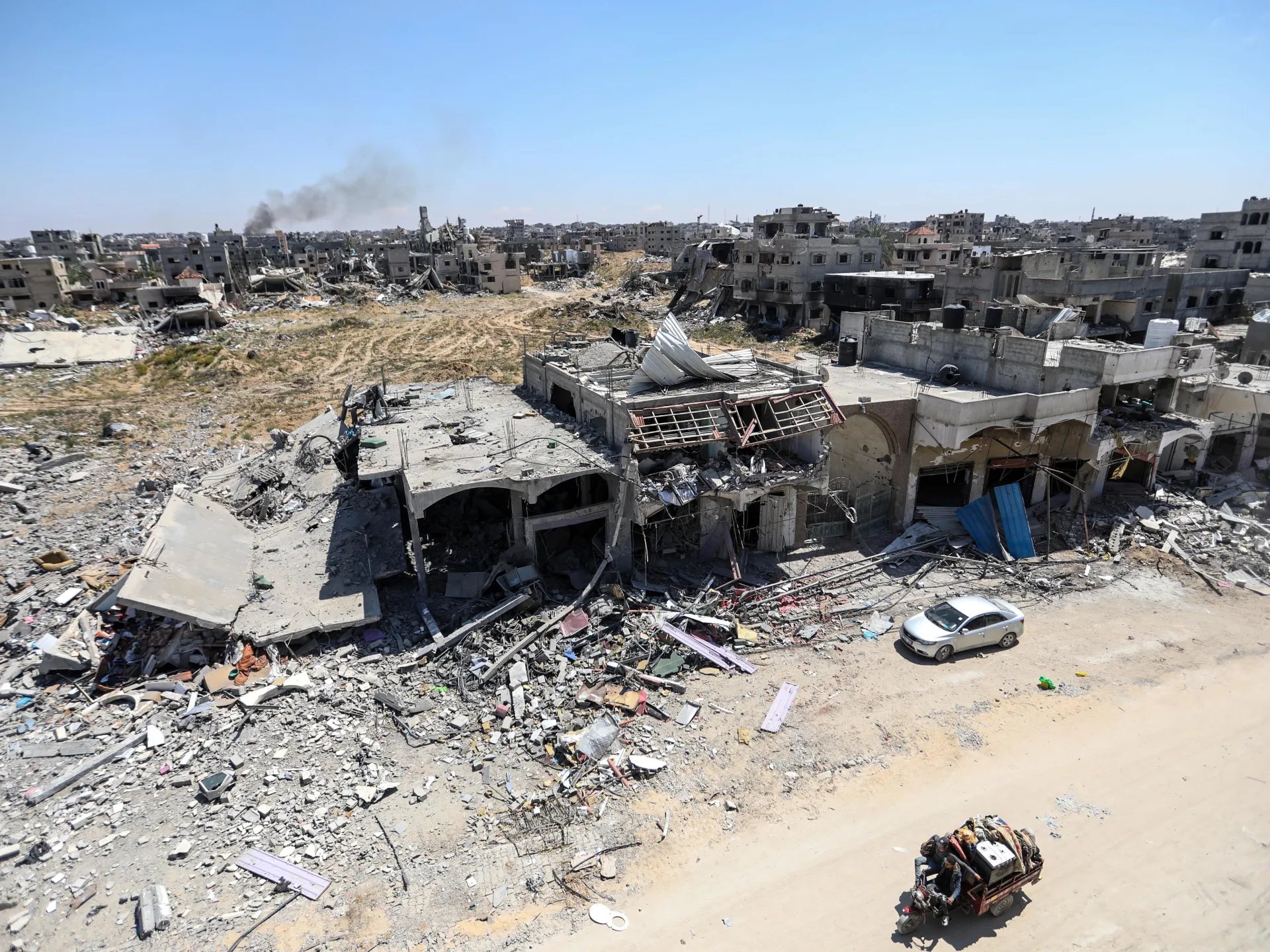
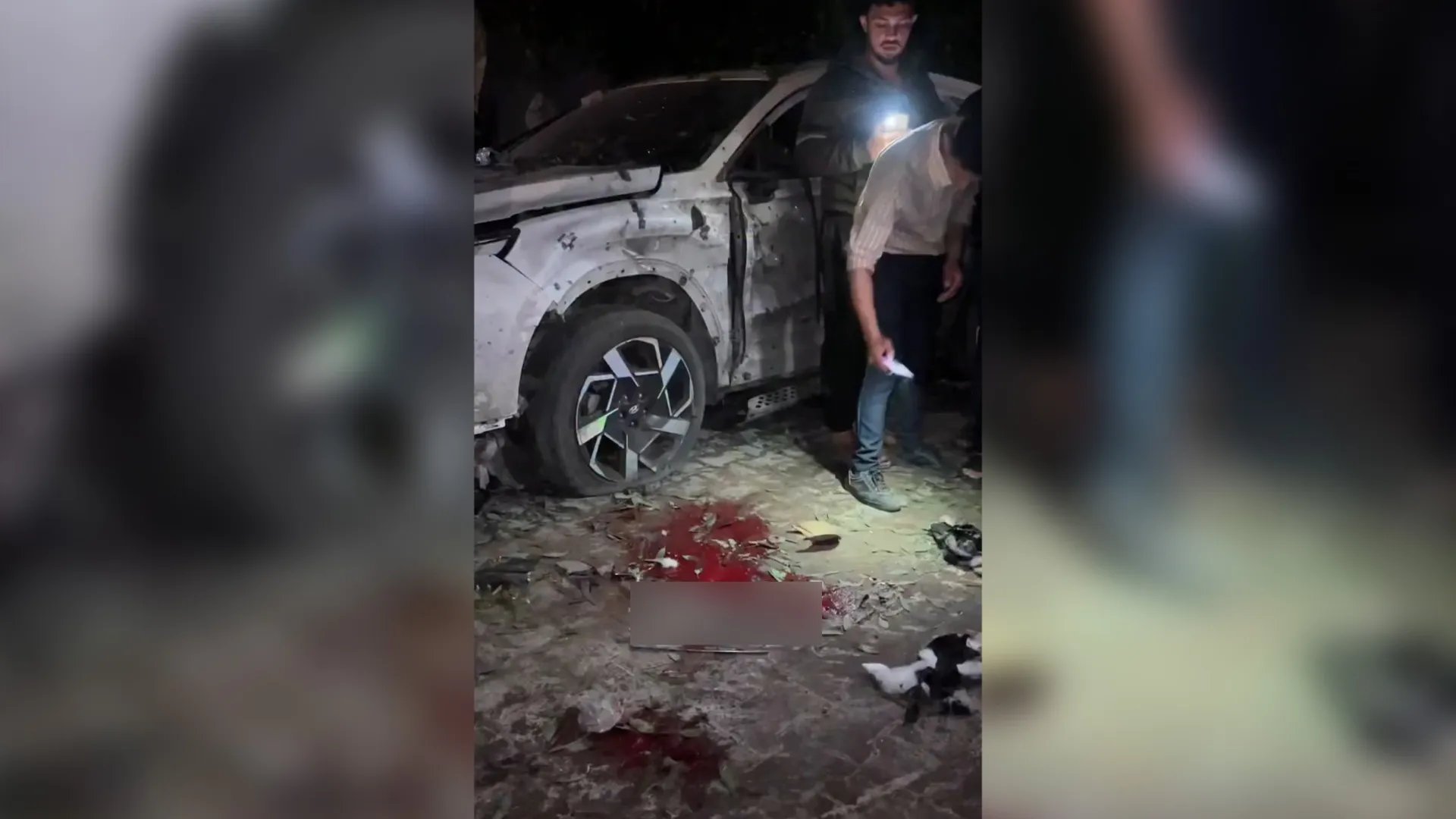
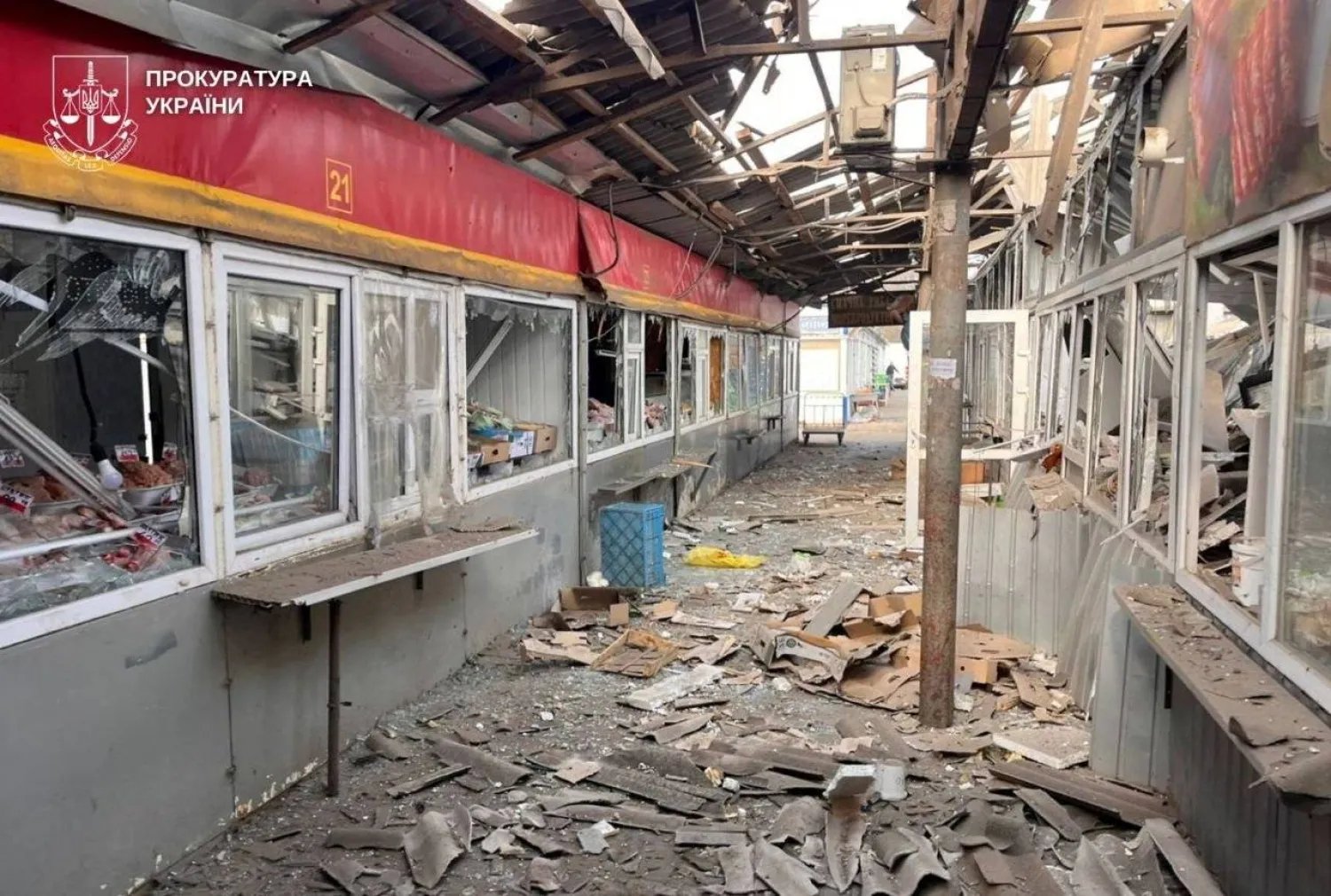
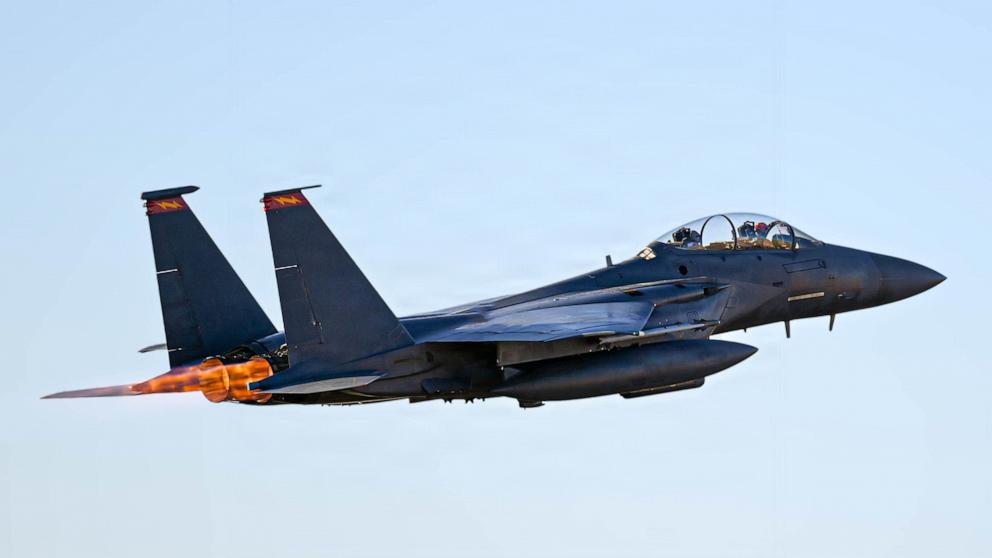
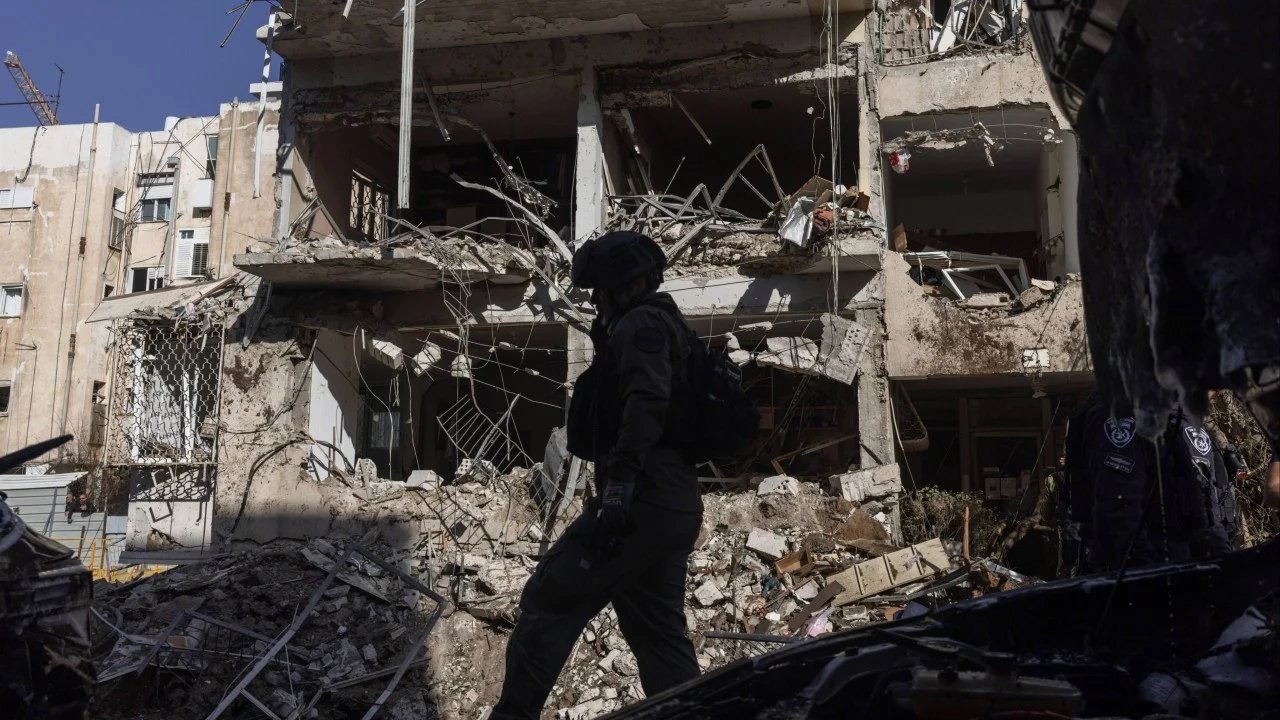
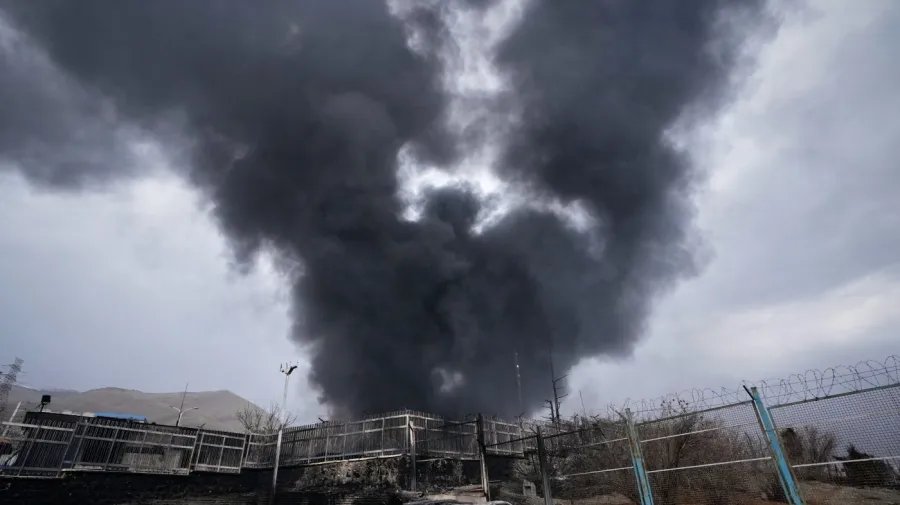
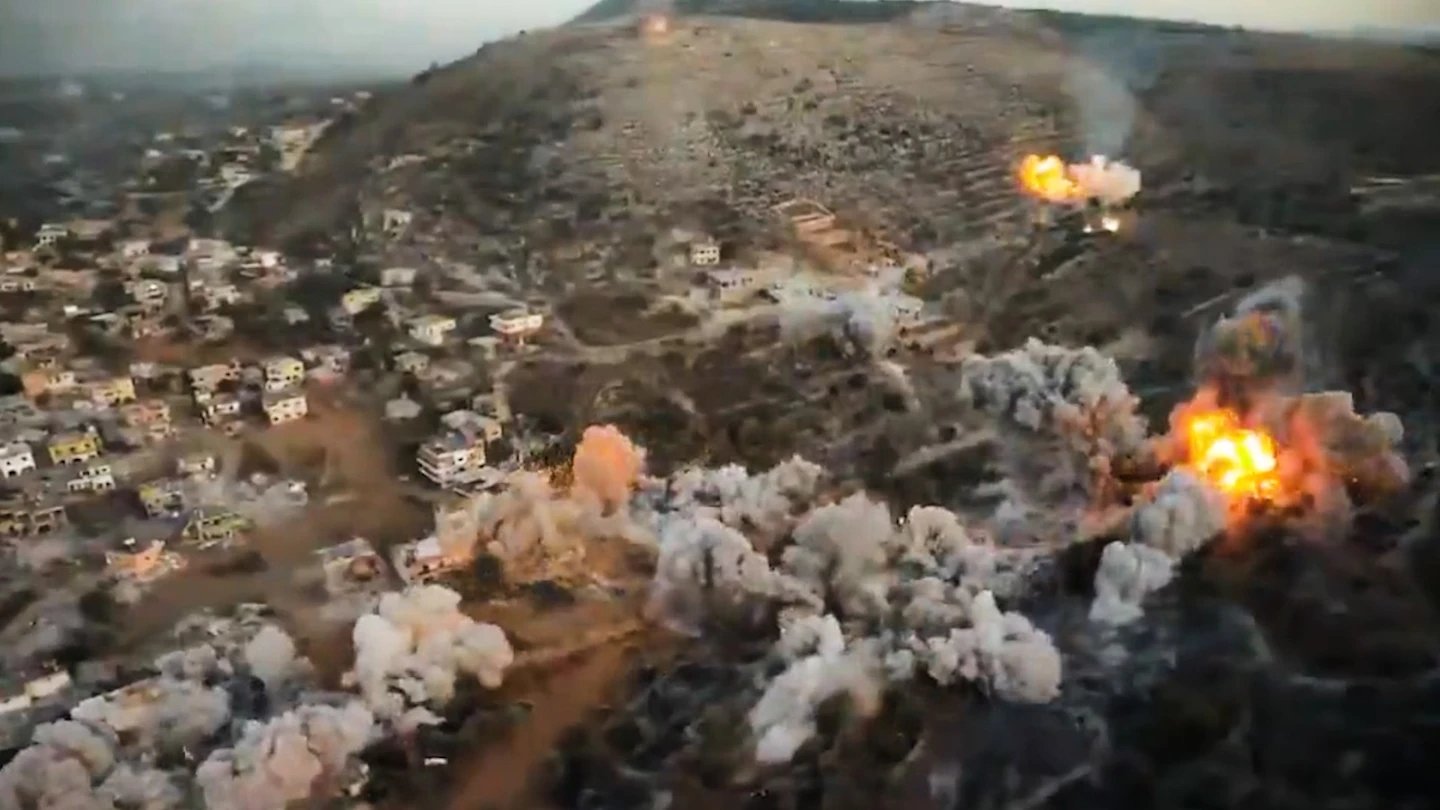
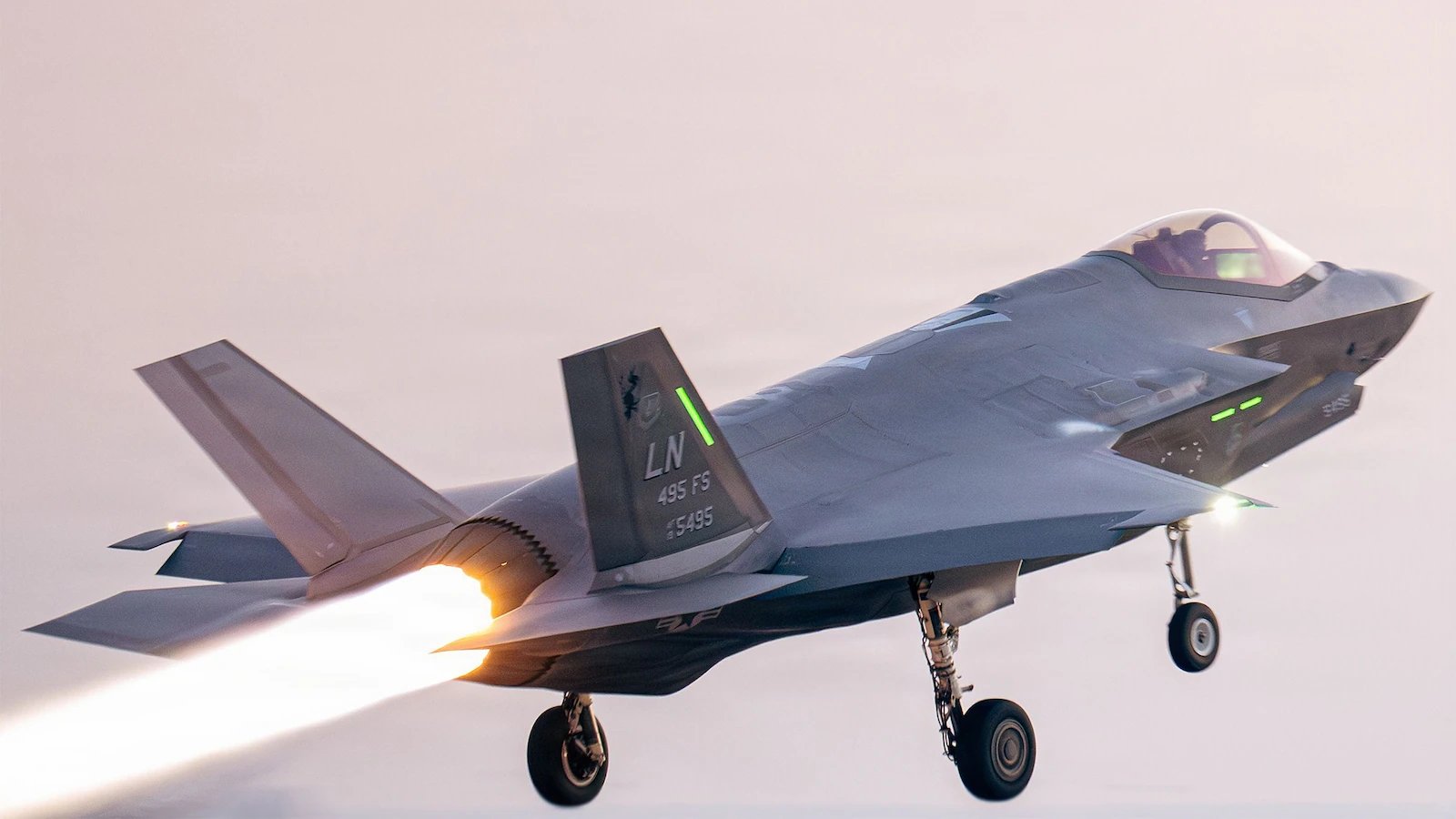
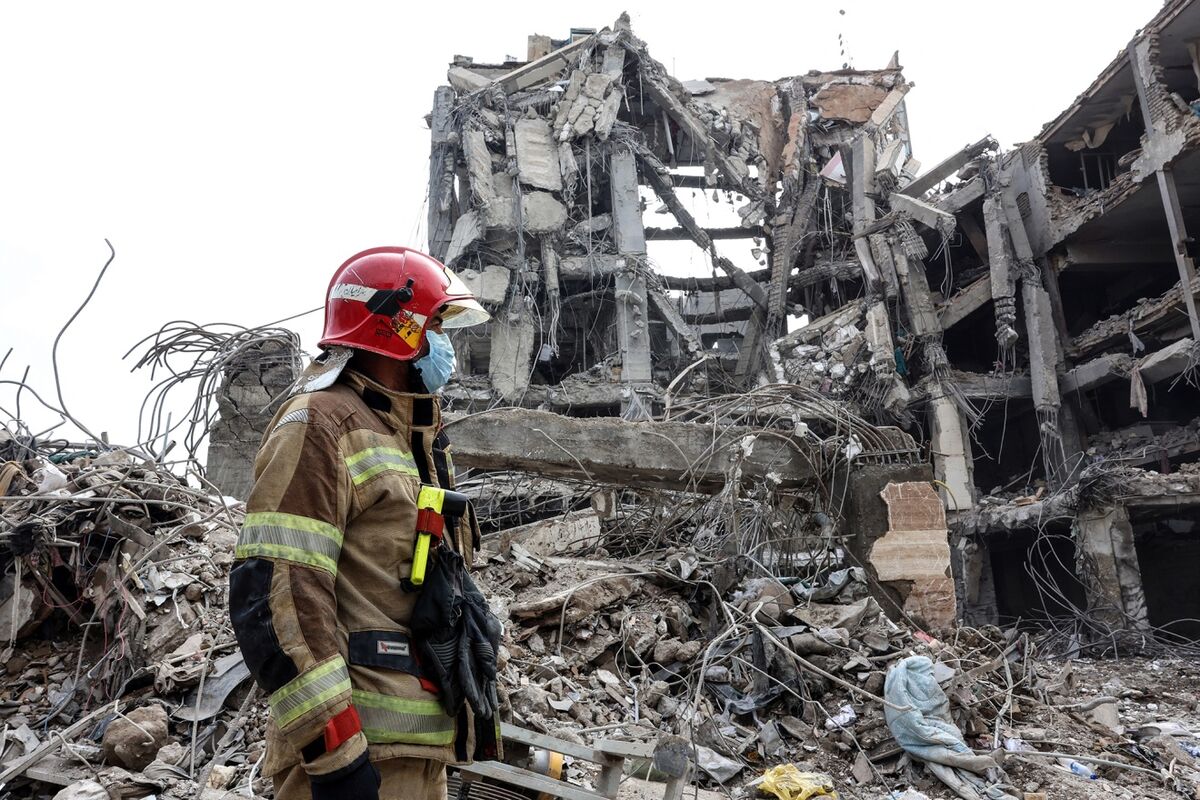
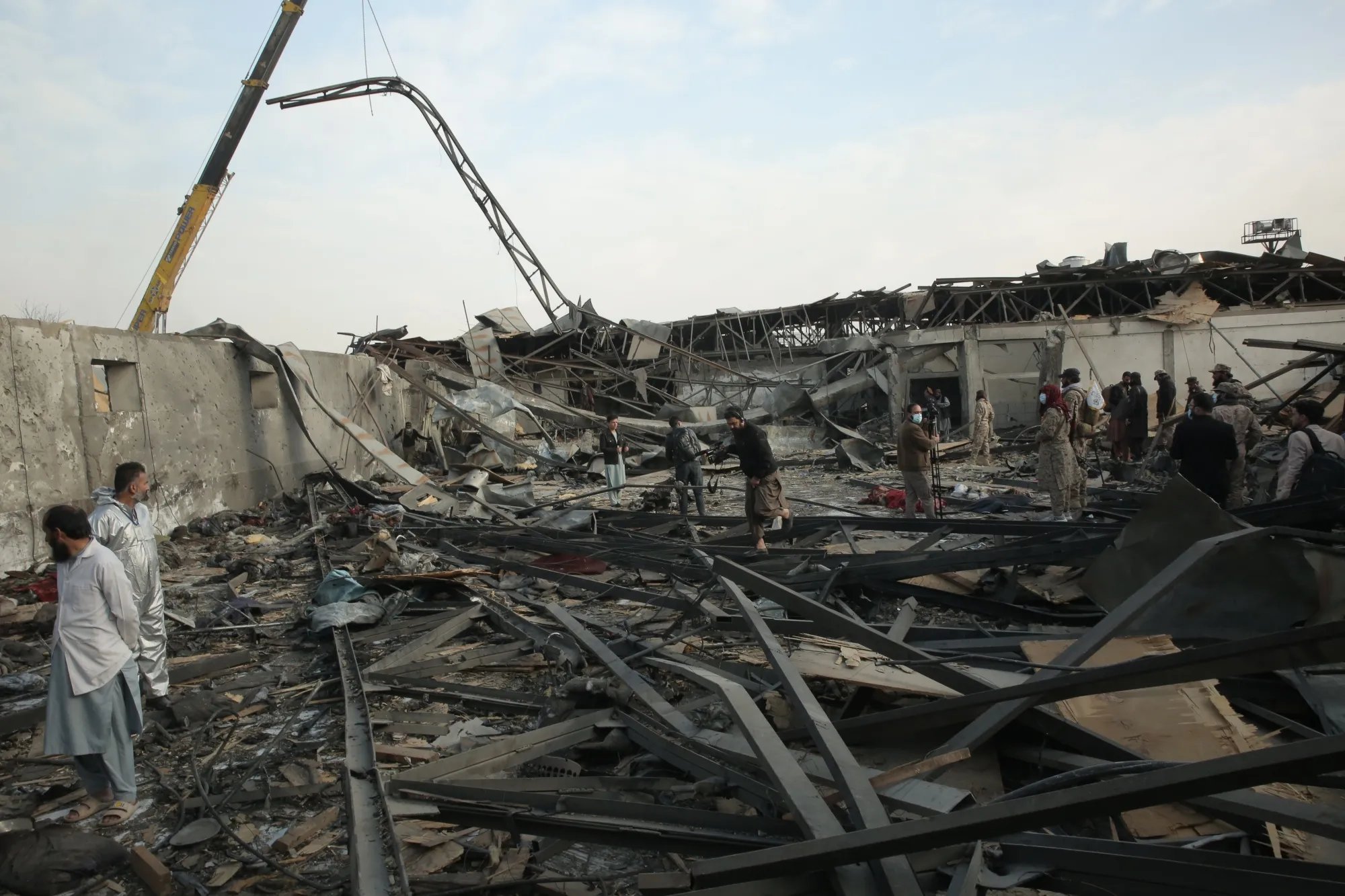
The Nigerian Air Force has launched an investigation after its aircraft struck Jilli market on Saturday, killing dozens of civilians who had gathered to buy and sell animals, food and household goods. Local residents and Amnesty International report more than 100 people died when bombs fell on the crowded border market between Borno and Yobe states. Ahmed Ali, a 43-year-old market trader, told Reuters he was injured in the blast. "I was with about 30 people and we all fell down after being struck," he said from his hospital bed in Yobe.
Military claims it hit terrorist hub, omits civilian toll
Air Commodore Edward Gabkwet, speaking for the Air Force, said the strike was "a carefully, well-coordinated planned and intelligence-driven operation" that hit "a known terrorist enclave and logistics hub" near the abandoned village of Jilli. The military statement claimed "scores of terrorists" were killed but made no mention of civilian casualties. The Air Force described Jilli as "long identified as a major terrorist movement corridor and convergence point for Islamic State West Africa Province terrorists and their collaborators."
Hospitals overflow as death count climbs
Many injured people were taken to hospitals in nearby Geidam and Maiduguri, where at least eight more of the wounded had died on Sunday. Local councillor Lawan Zanna Nur Geidam told Reuters "the total casualties, dead and injured, is around 200." Amnesty's Nigeria director, Isa Sanusi, said the organisation has photographs of the dead that include children and put the confirmed toll at "more than 100 dead" with 35 seriously wounded. "We spoke with the person in charge of casualties, and we spoke with the victims," Sanusi said.
Frequent pattern of civilian deaths from air raids
Nigeria's north-east has seen repeated cases in which military air operations meant for Islamist insurgents instead strike markets, villages or camps for displaced people. The Air Force has sent a fact-finding team to Jilli, but previous investigations have rarely led to public accountability or compensation for victims' families.