




The Ruling That Stopped the $10B Claim
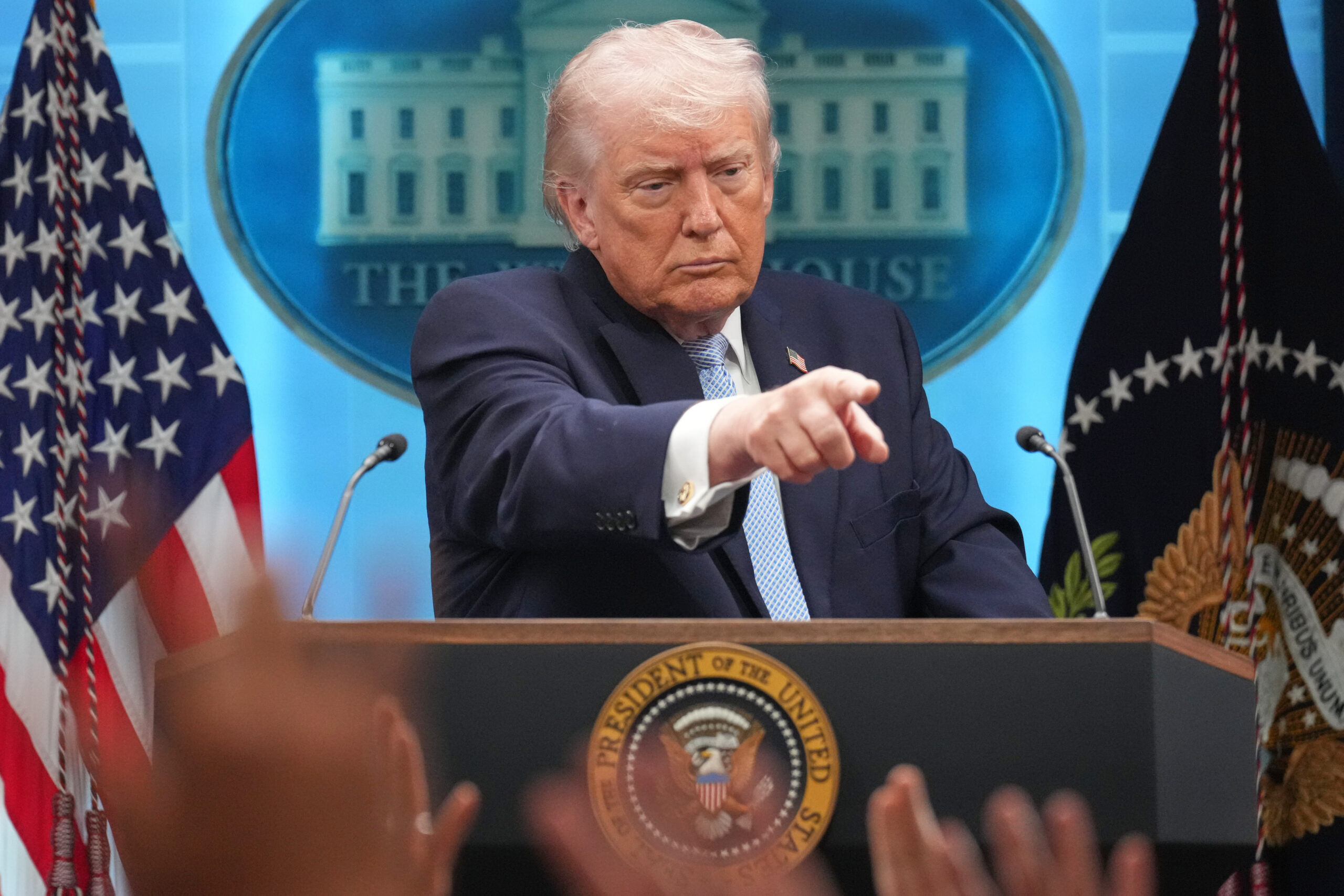
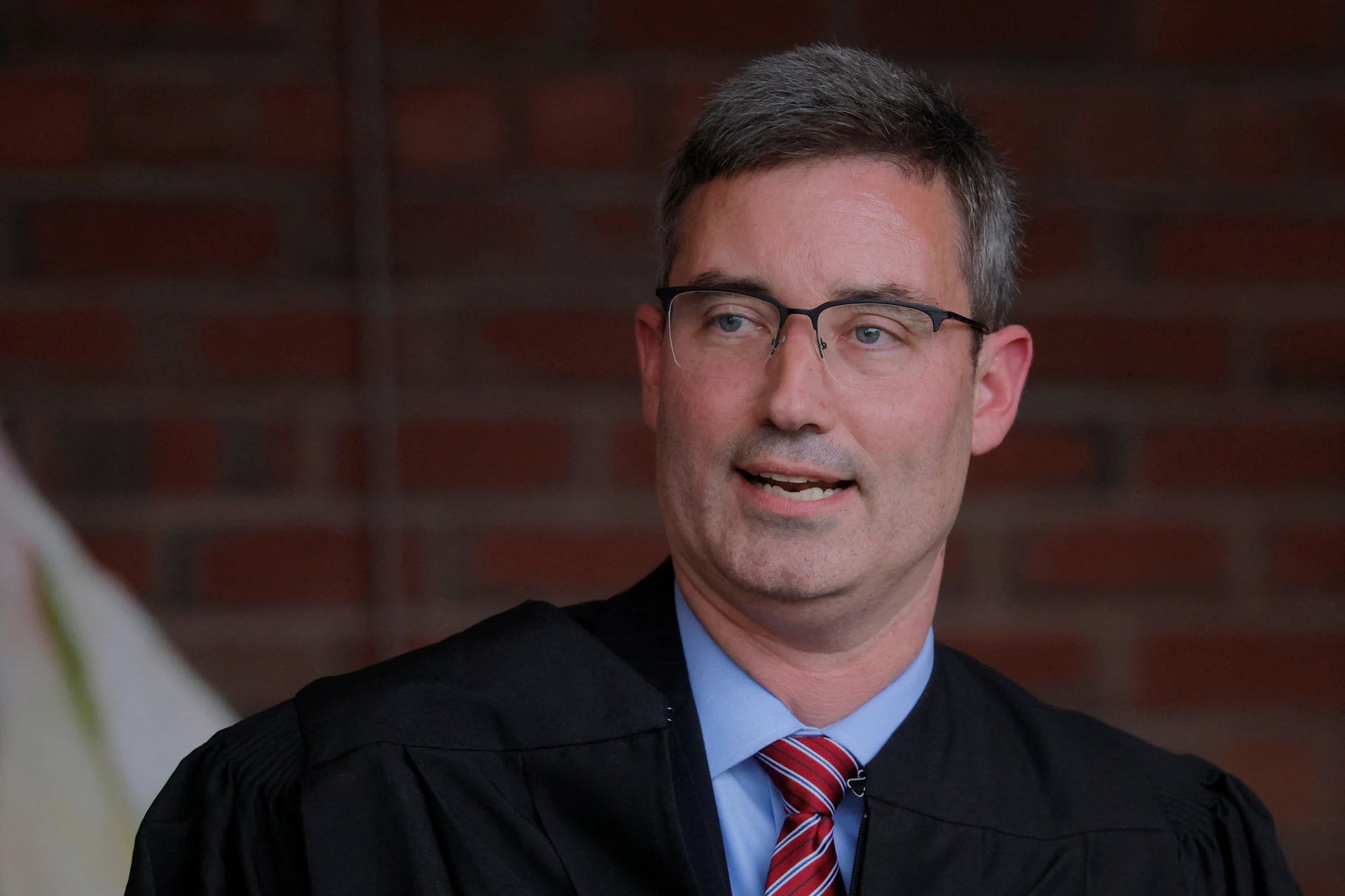
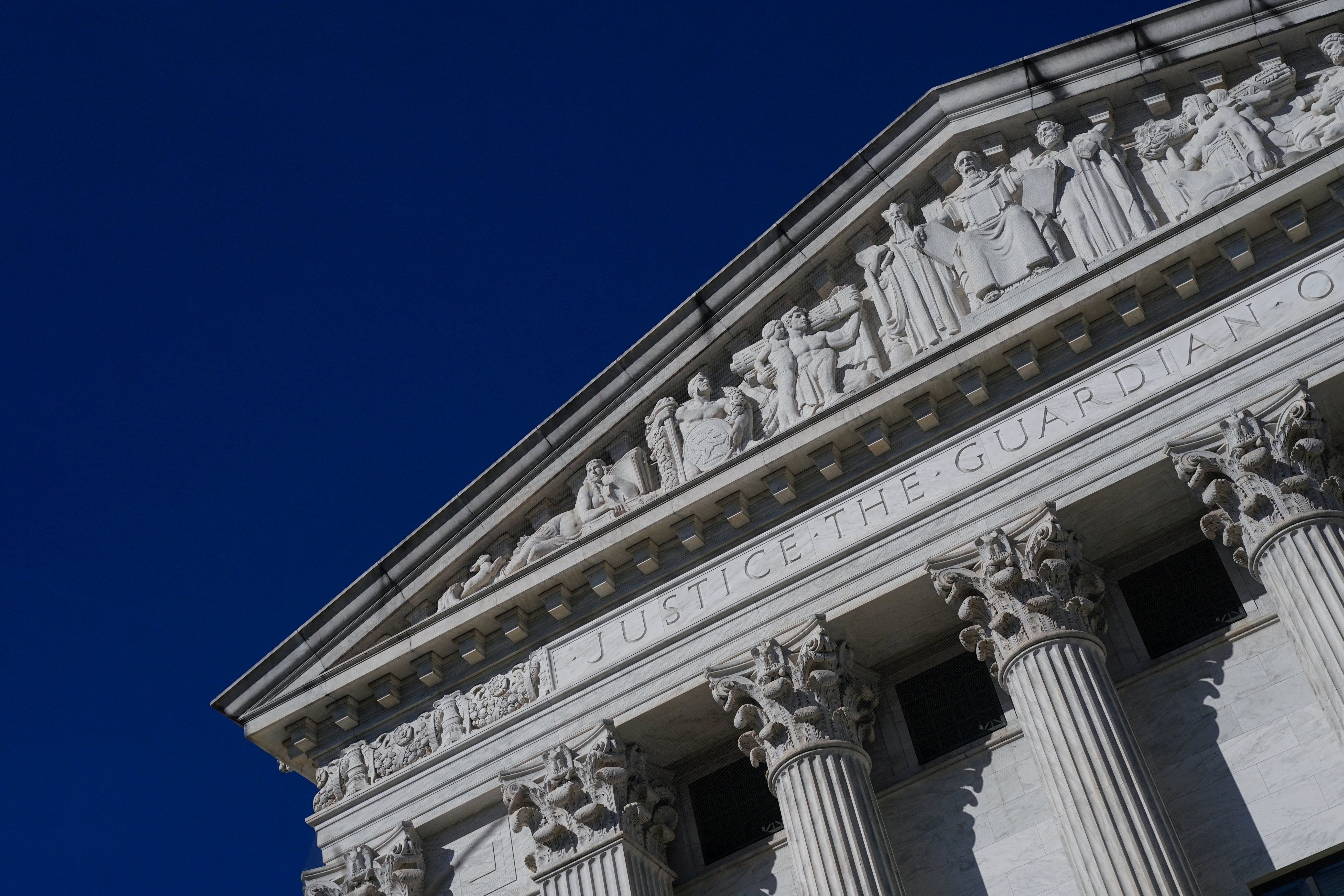
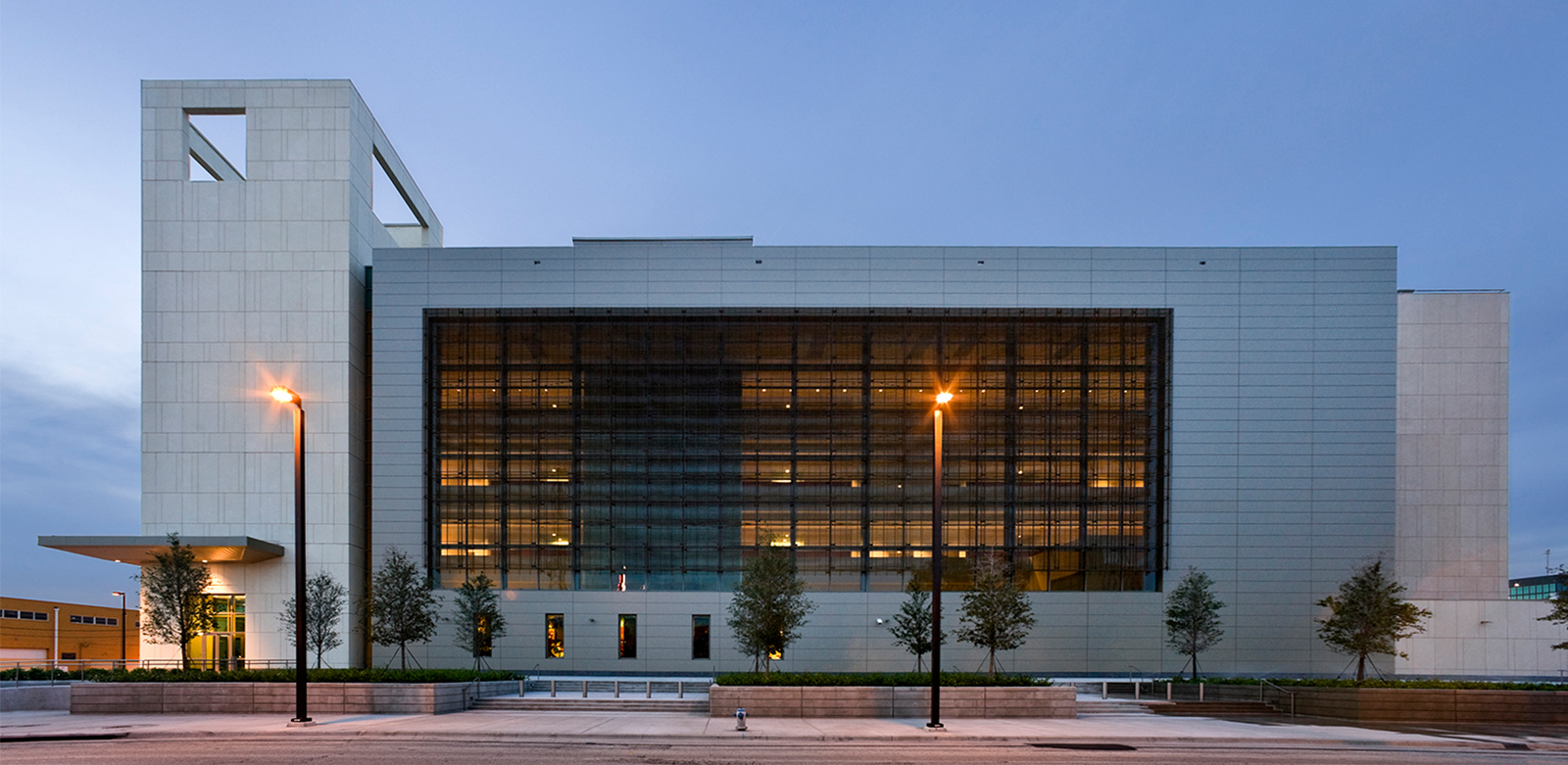
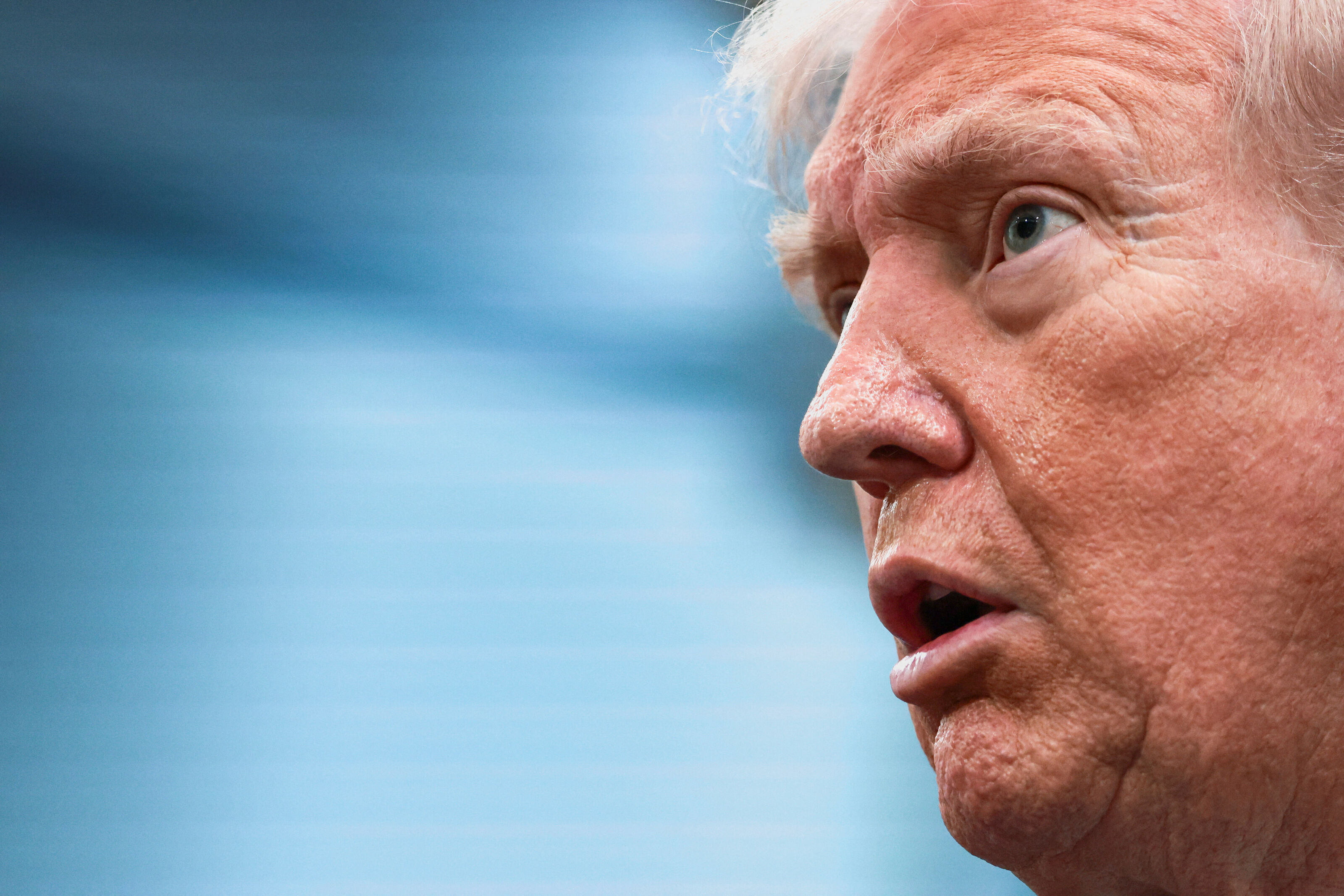
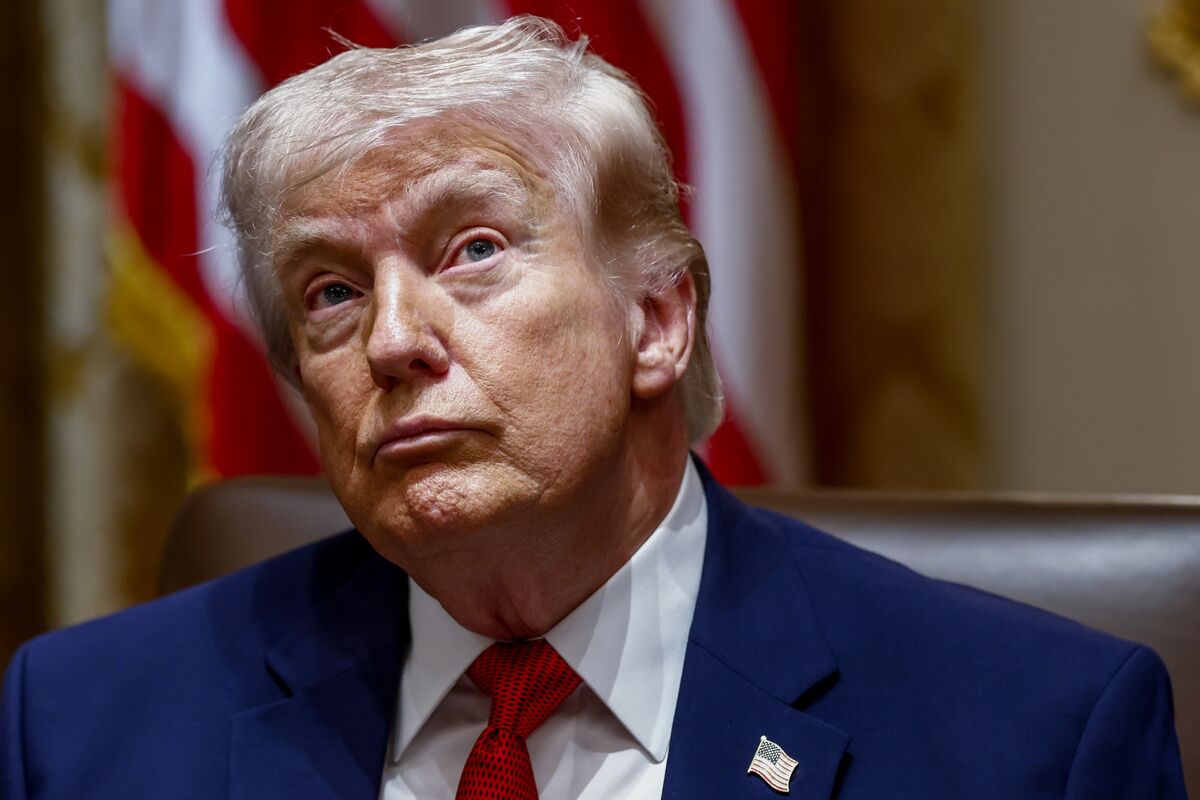
U.S. District Judge Darrin Gayles in Florida tossed President Trump's $10 billion defamation lawsuit against the Wall Street Journal and Rupert Murdoch on Monday, ruling the complaint "comes nowhere close" to proving the newspaper acted with actual malice. Gayles wrote that Trump failed to show the Journal knew the story was false or published it with reckless disregard for the truth, the legal threshold public figures must meet. The judge gave Trump until April 27 to file an amended complaint.
What the Journal Reported—and When
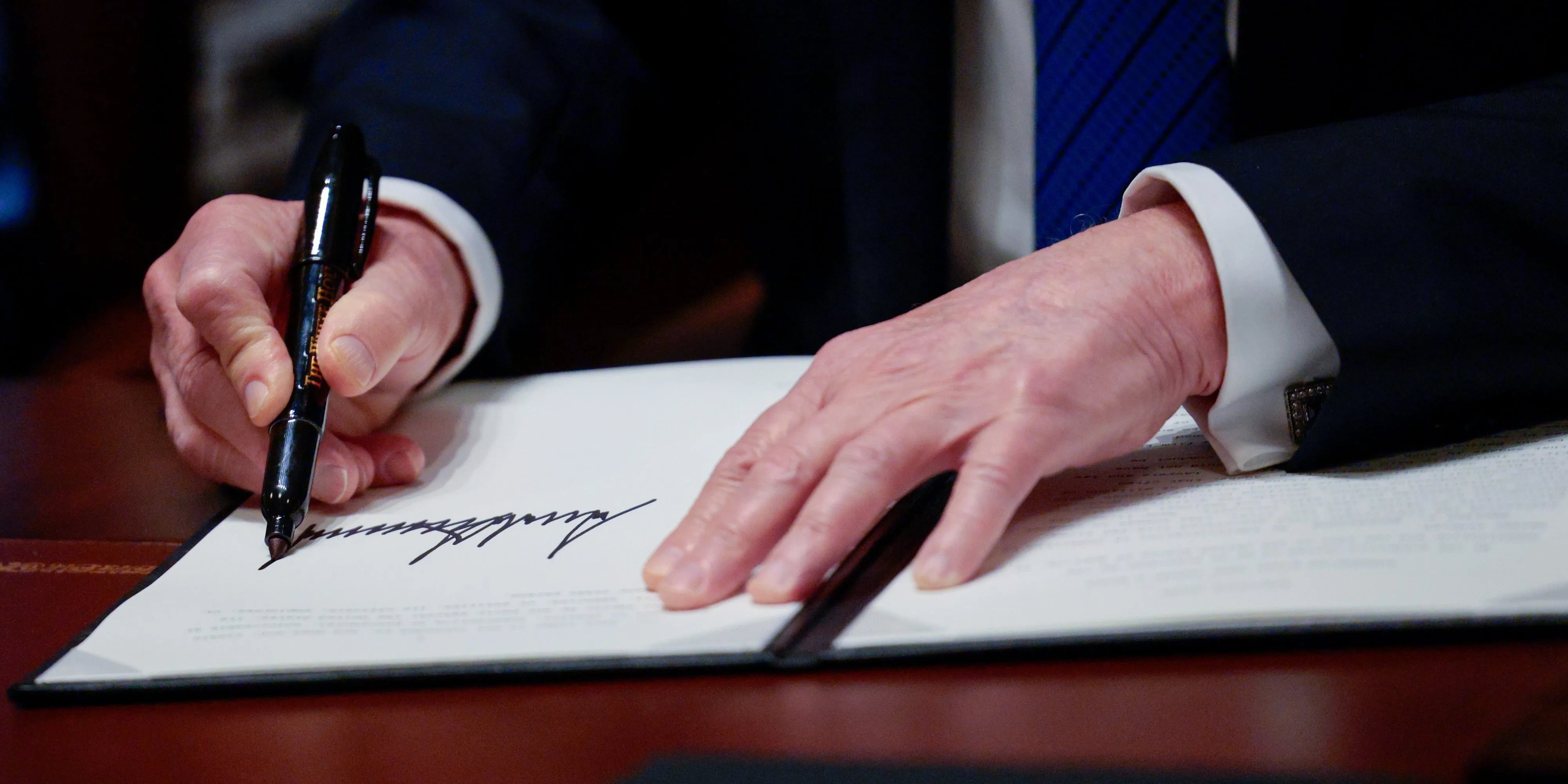
The article carried the headline "Jeffrey Epstein's Friends Sent Him Bawdy Letters for a 50th Birthday Album. One Was From Donald Trump." The piece described a 2003 birthday book compiled for Epstein that contained a sexually suggestive letter the Journal said bore Trump's signature. The letter featured a hand-drawn outline of a naked woman and an imaginary conversation with Epstein. The image was later released publicly by Congress after it subpoenaed Epstein's estate records.
The White House Denial—and the Phone Call
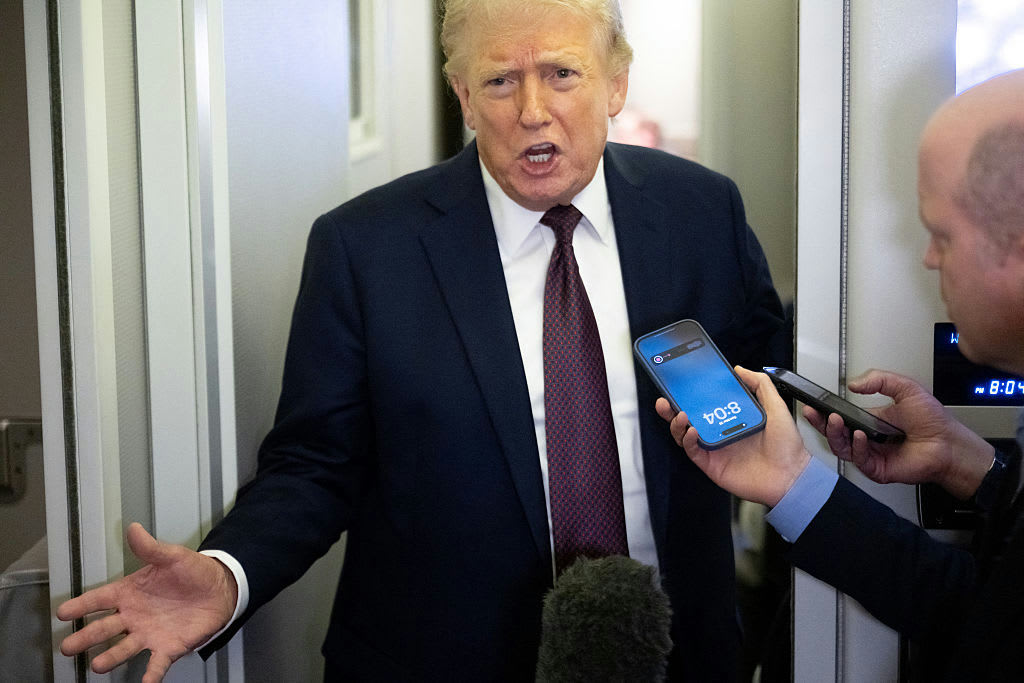
Trump denies writing the letter or drawing the image. White House press secretary Karoline Leavitt stated Trump "did not draw this picture, and he did not sign it." According to the Guardian, Trump personally called Rupert Murdoch before publication in an unsuccessful attempt to kill the story. The lawsuit, filed last summer, labeled the report "false, malicious, and defamatory" and sought $10 billion in damages for reputational harm.
How the Judge Picked Apart the Malice Claim
Judge Gayles noted that Journal reporters contacted Trump, the Justice Department, and the FBI for comment before publication. Trump denied the letter; the DOJ stayed silent; the FBI declined. "The Article explains that, before running the story, Defendants contacted President Trump… and printed his denial," Gayles wrote. "The Complaint and Article confirm that Defendants attempted to investigate." Because the paper disclosed Trump's denial, the judge ruled the complaint failed to allege the Journal harbored "serious doubts" about the letter's authenticity.

The sources also report that the Journal reviewed the letter itself before publication, as Judge Gayles noted: 'The Article also states that the WSJ reviewed the Letter.'
Murdoch in the Crosshairs—Then Off the Hook
Rupert Murdoch, whose News Corp owns the Journal, was named personally in the suit. The judge's dismissal shields Murdoch and the paper from the $10 billion demand. A Dow Jones spokesperson said the company was "pleased" with the ruling and "stands behind the reliability, rigor and accuracy" of its reporting.
Trump's Next Move—Refill or Retreat
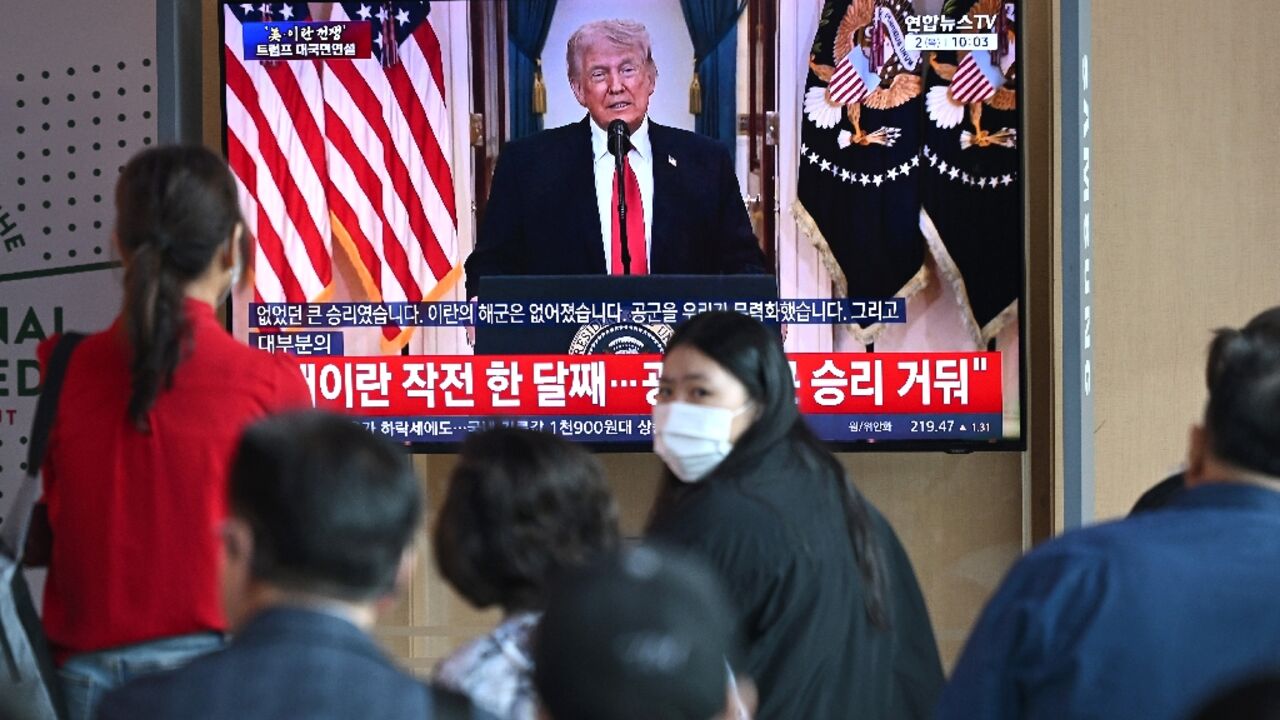
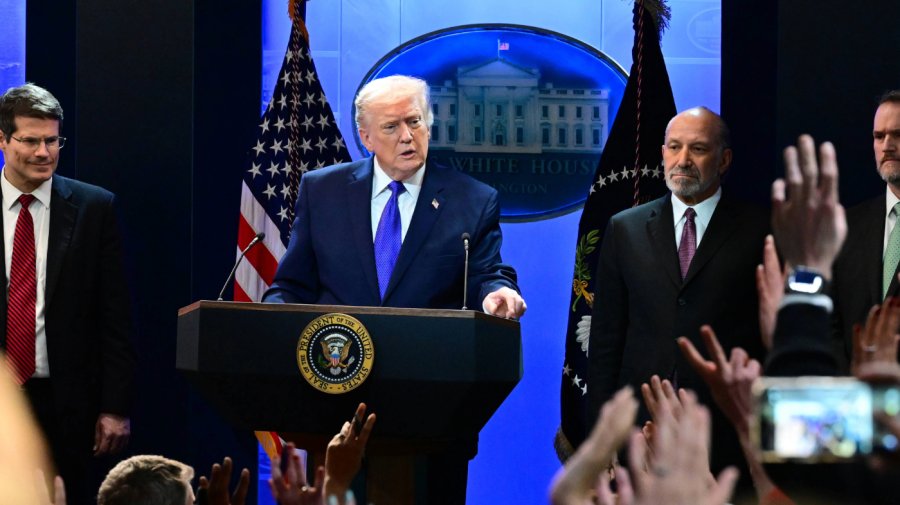
Trump's legal team vowed to refile. "President Trump will follow Judge Gayles' ruling and guidance to refile this powerhouse lawsuit," a spokesman said. Trump echoed the pledge on Truth Social, calling the order "a suggested re-filing, and we will be… re-filing an updated lawsuit on or before April 27th." If he does not amend the complaint by that date, the dismissal will become final and the $10 billion claim will be dead.
A Pattern of Press Battles
The Epstein suit is one of several high-dollar actions Trump has pursued against media outlets. ABC paid $15 million to settle a separate defamation claim in 2024, and Paramount agreed to a settlement that could exceed $30 million in Trump's lawsuit over CBS's editing of a Kamala Harris interview. Trump still has active litigation against the New York Times ($15 billion) and the BBC ($10 billion). Monday's ruling marks the first major courtroom loss in that campaign and raises the bar for any future complaint against the Journal.




































































































































For example, the provided sources do not mention Trump personally calling Rupert Murdoch before publication, as the summary claims based on the Guardian.