
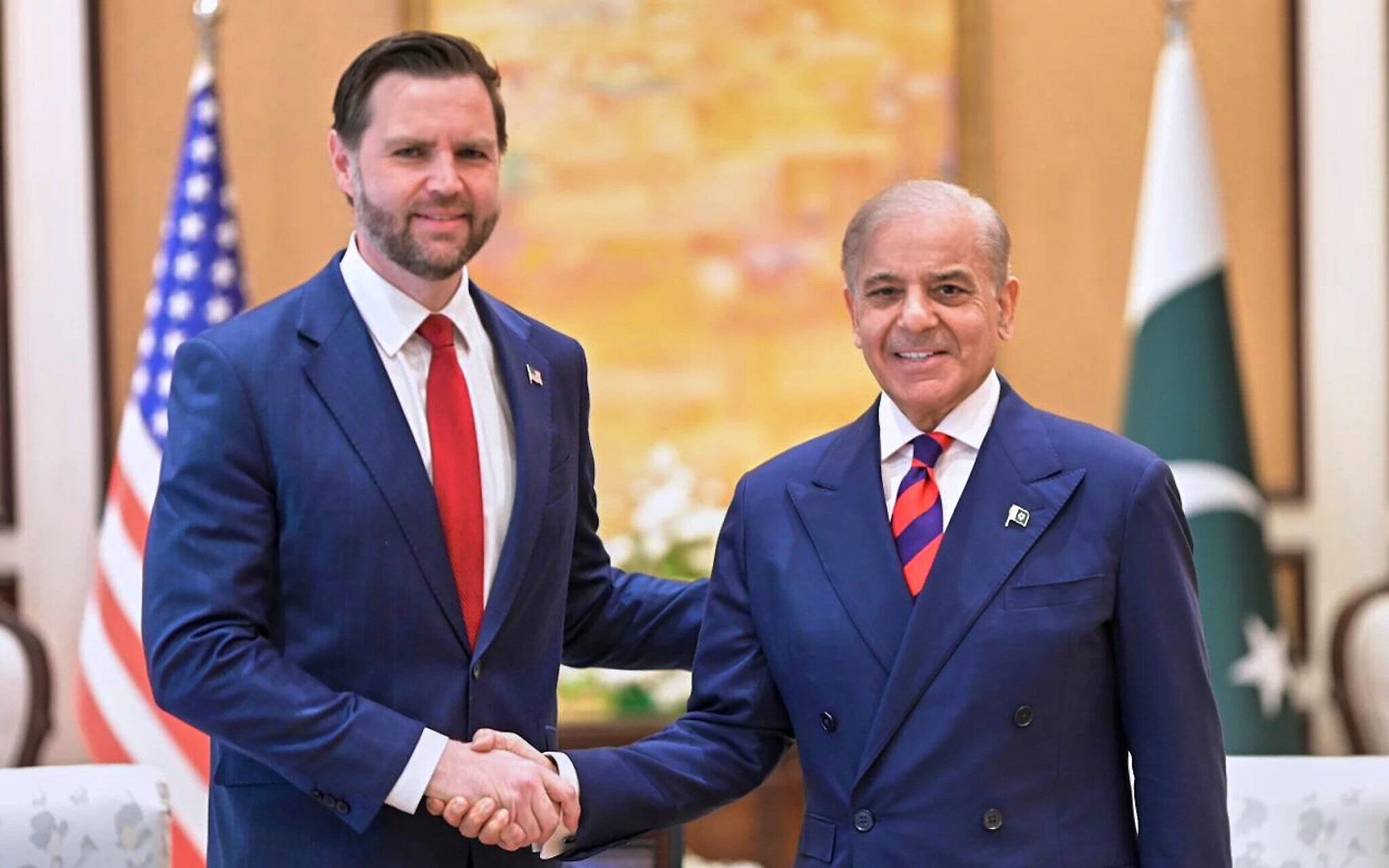



Pakistan's Diplomatic Maneuver
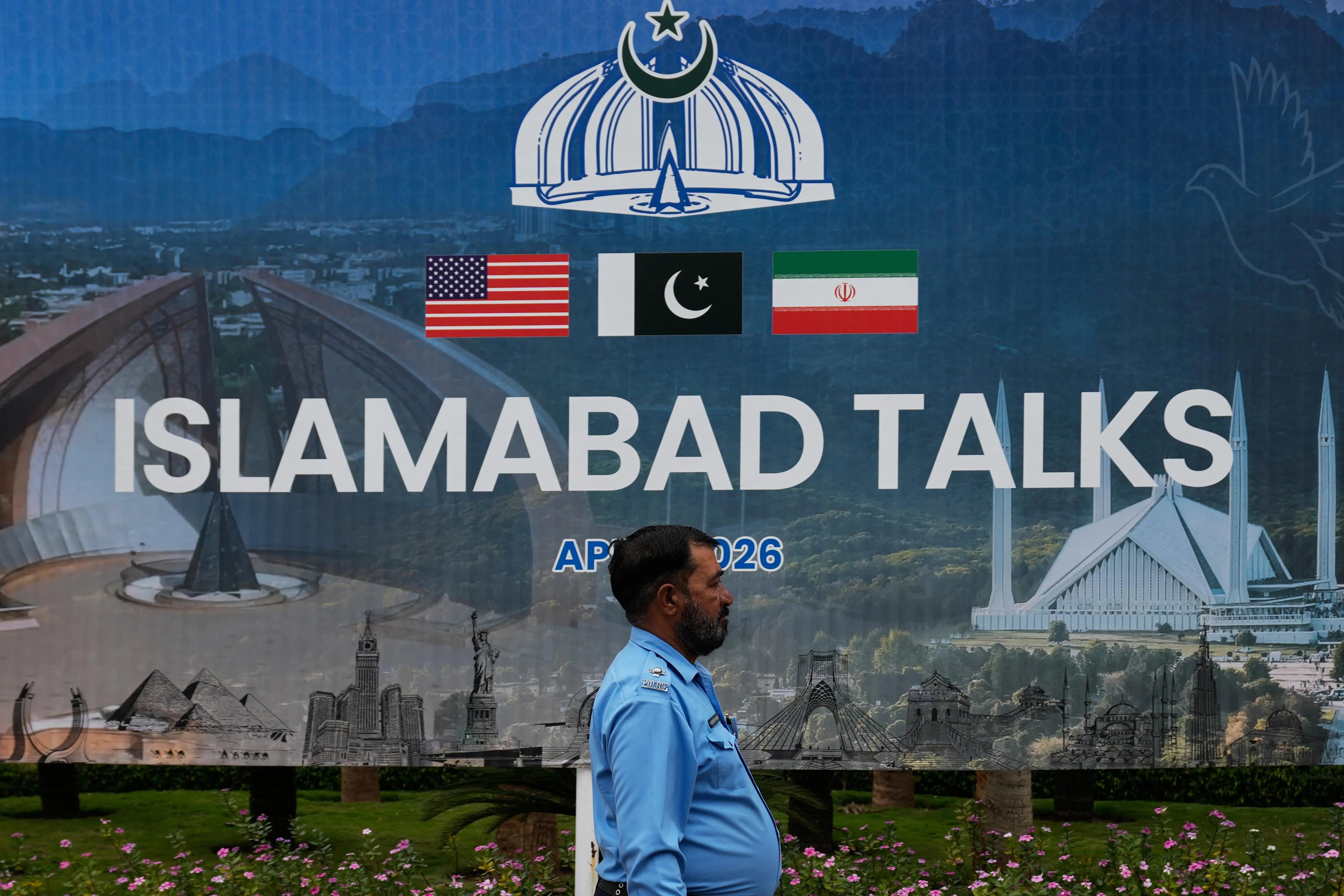
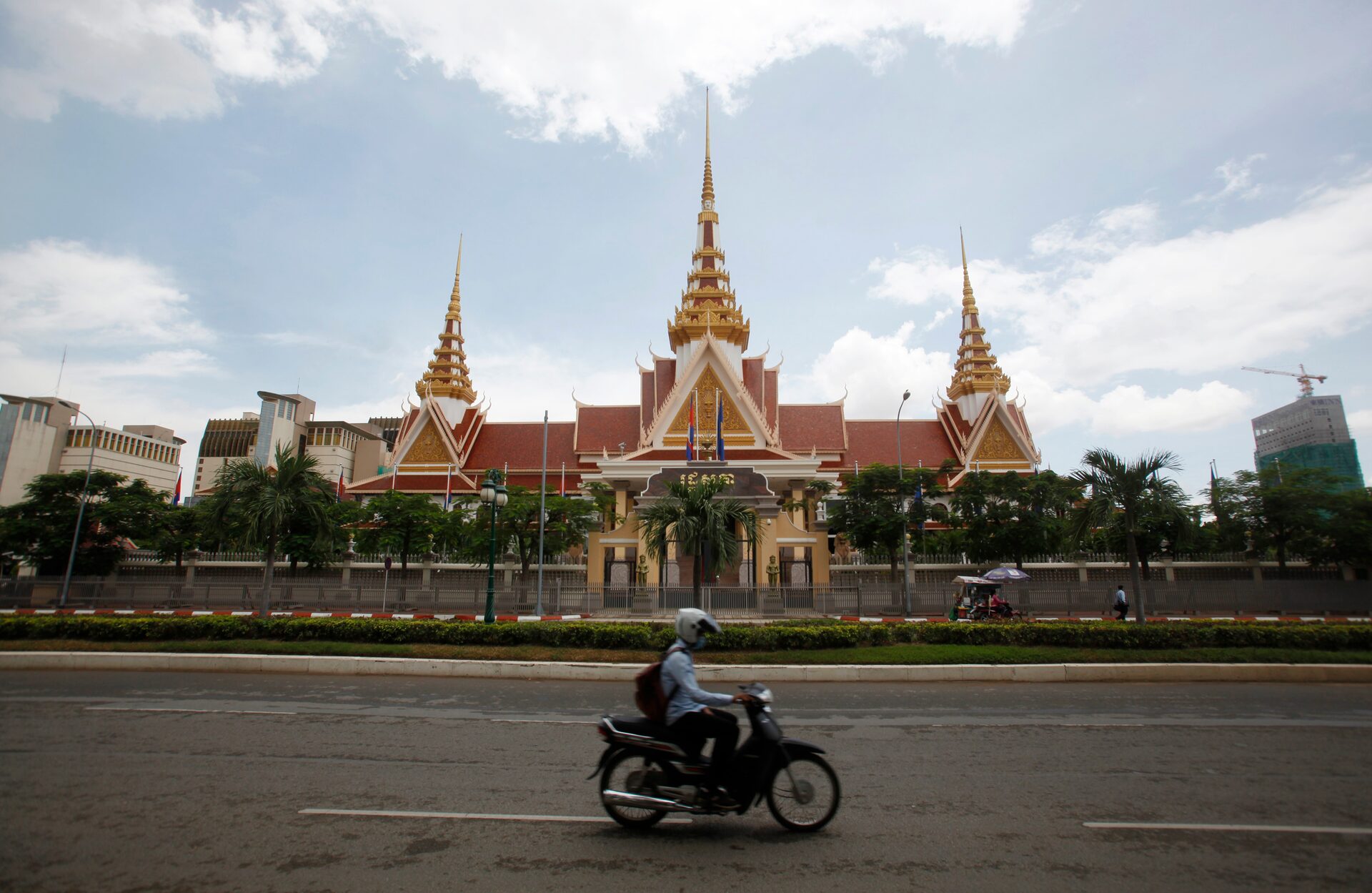
Pakistan is actively contacting Washington and Tehran to arrange a second round of the Islamabad Process after weekend talks failed to secure a deal. A senior Pakistani government official told CBS News that Prime Minister Shehbaz Sharif and Army Chief Field Marshal Asim Munir are directing these efforts to prevent the conflict from escalating.
The official emphasized that the goal is to resume dialogue before the ceasefire expires, potentially as early as April 22. Pakistan's role as a nuclear power with 250 million people gives it leverage in these negotiations, aiming to position itself as a key global mediator. By framing the talks as an ongoing "Islamabad Process," officials hope to encourage sustained engagement and avoid a return to hostilities.
Vance's View on the Stalemate
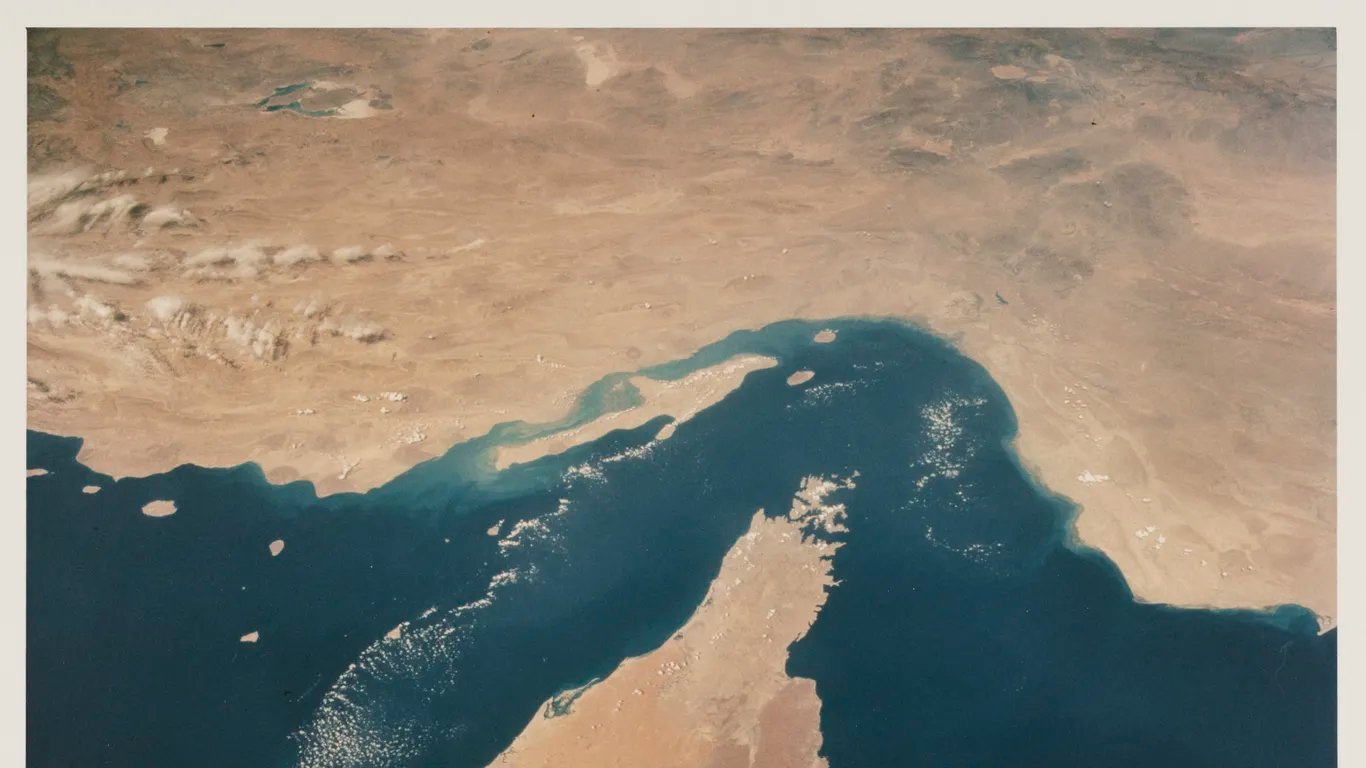
Vice President JD Vance rejected claims that the Pakistan talks were a total failure, stating on Fox News that the discussions made progress on U.S. priorities like reopening the Strait of Hormuz. Vance told anchor Bret Baier that Iranian negotiators could not finalize a deal and needed to consult higher authorities in Tehran, leaving the next move to them.

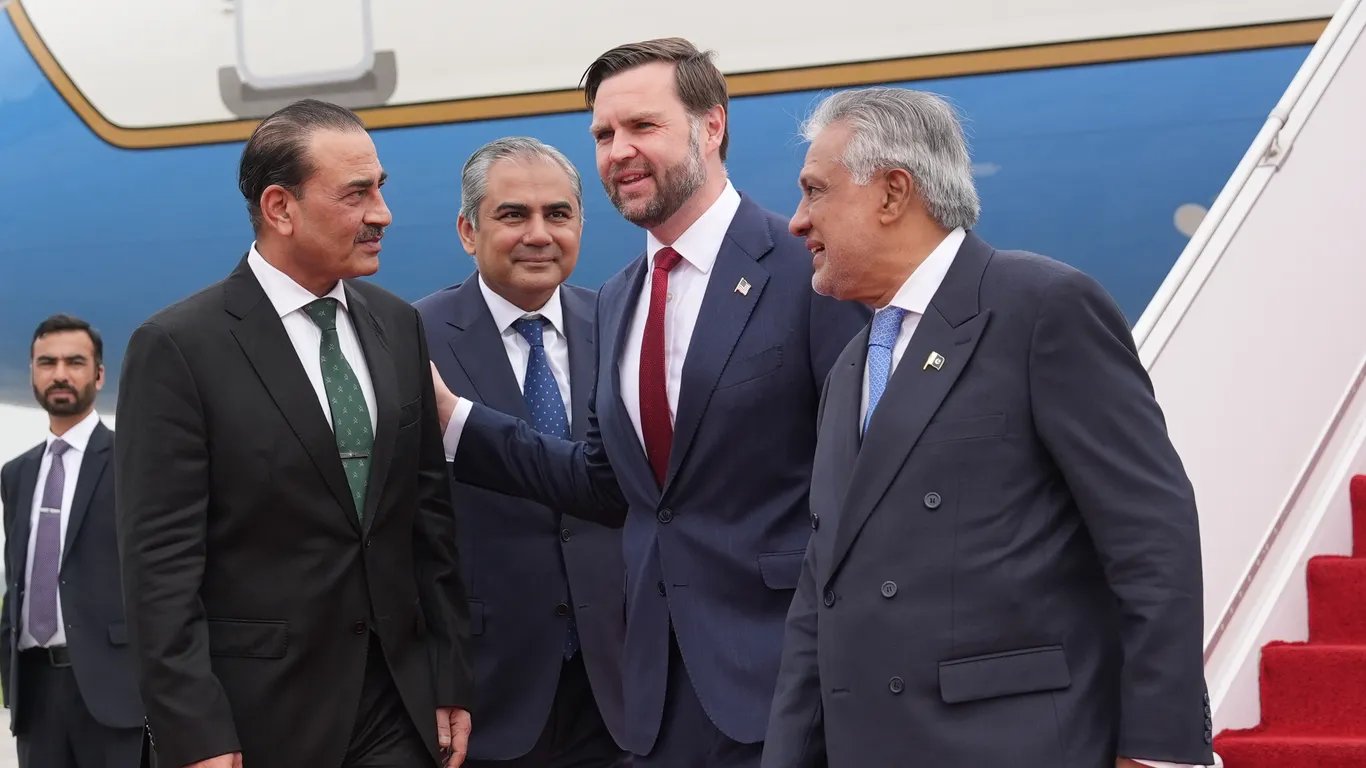
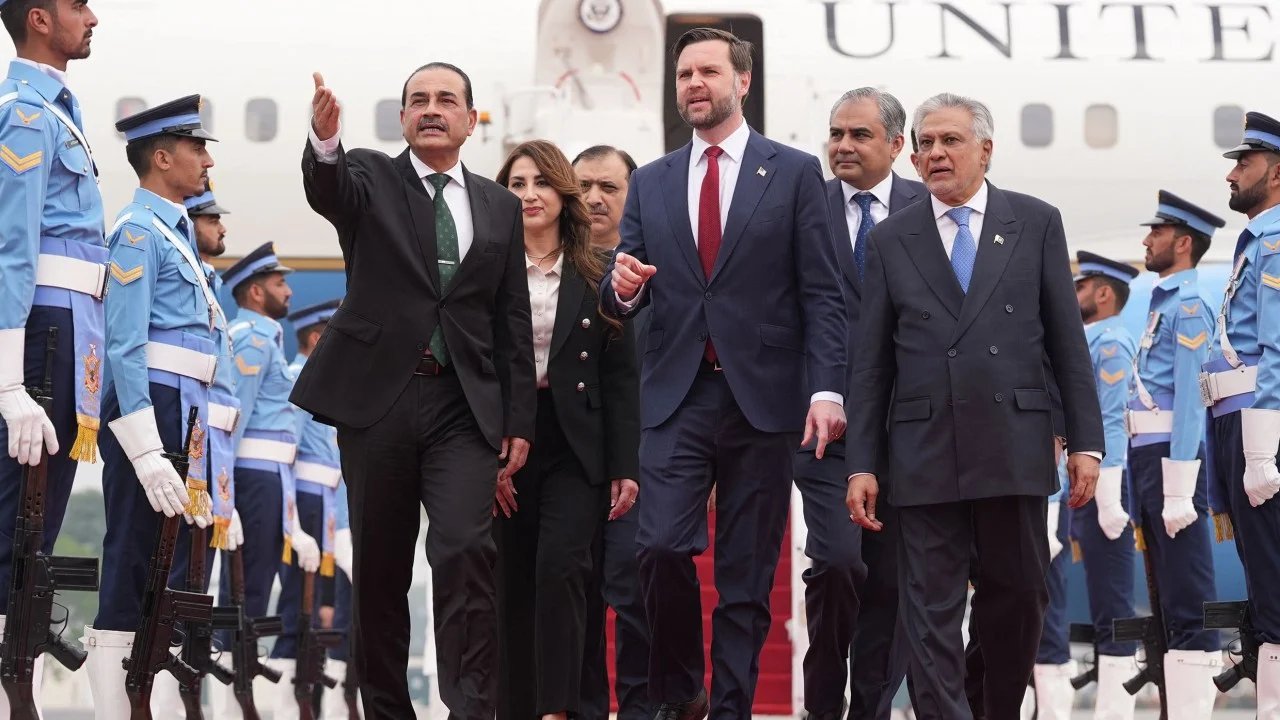
The sources also report that Vance shook hands with Pakistani Deputy Prime Minister and Foreign Minister Mohammad Ishaq Dar during the talks in Islamabad, as observed by other officials.

The sources also report that Vance said the Iranian team had to return to Tehran to get approval from the supreme leader or others before accepting U.S. terms.
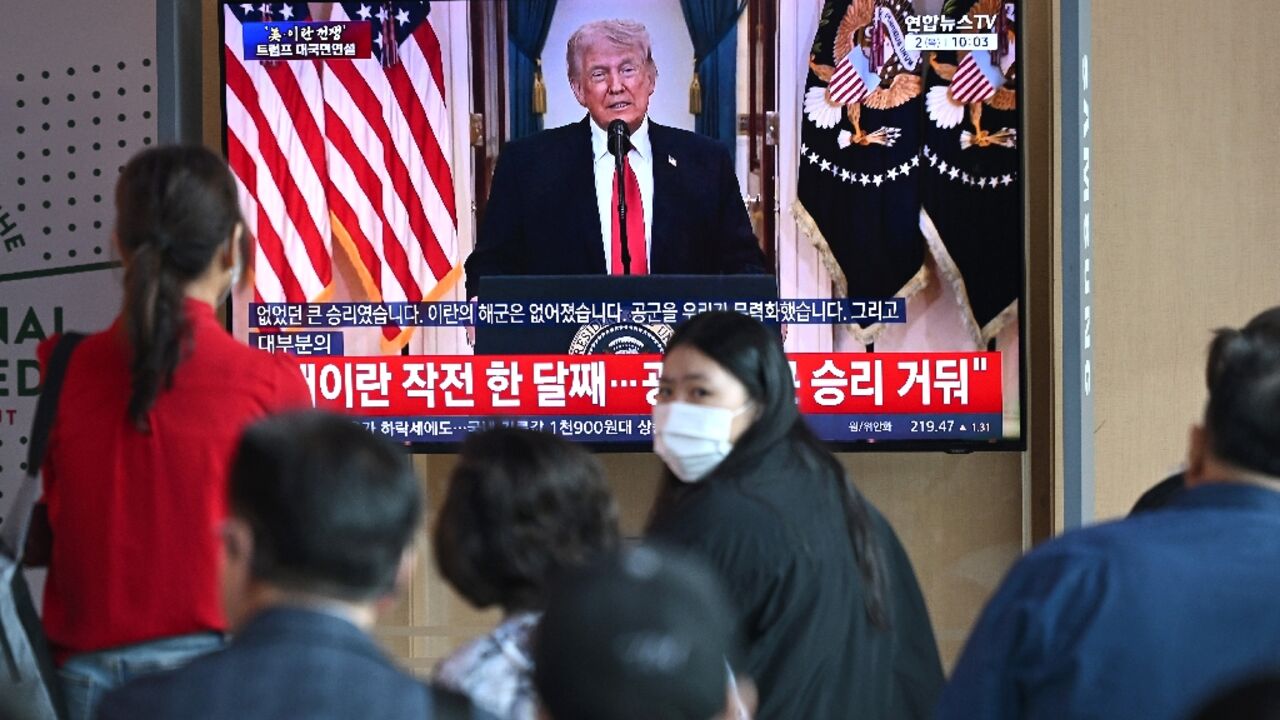
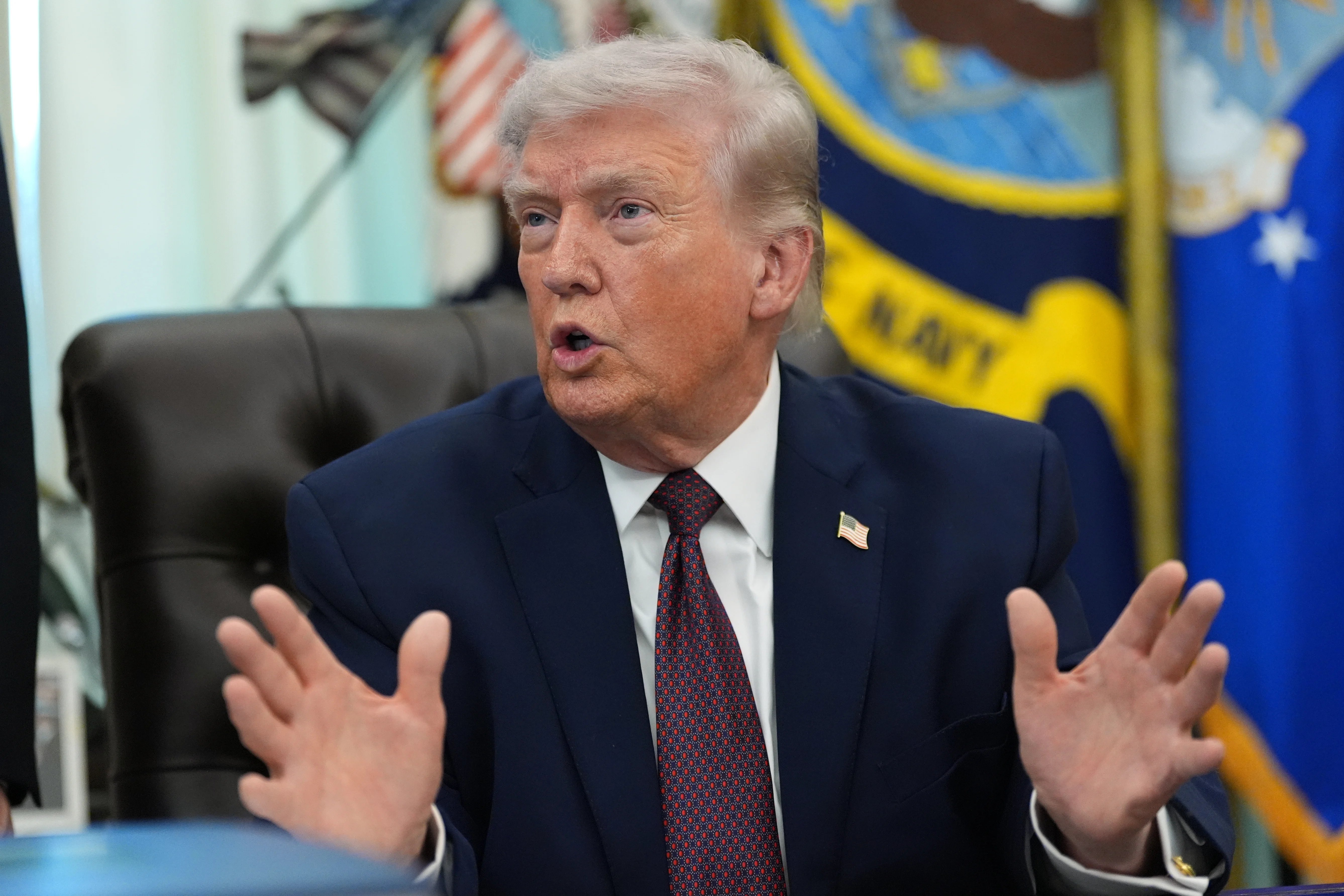
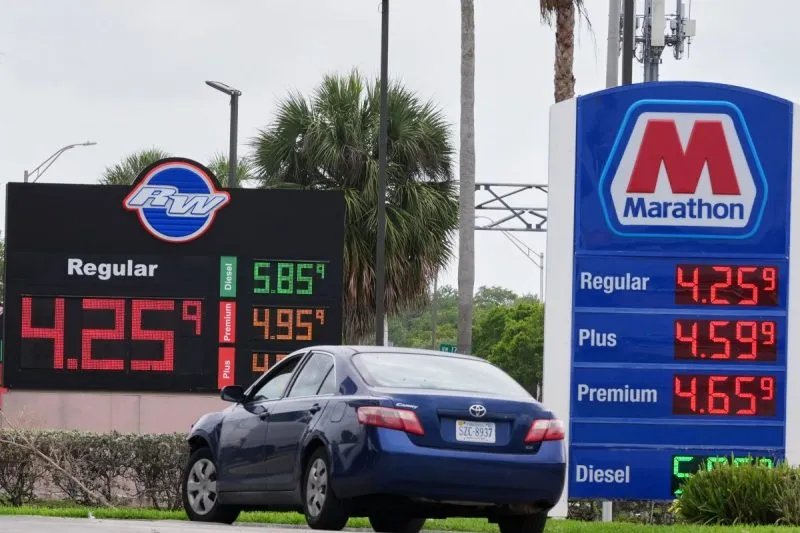
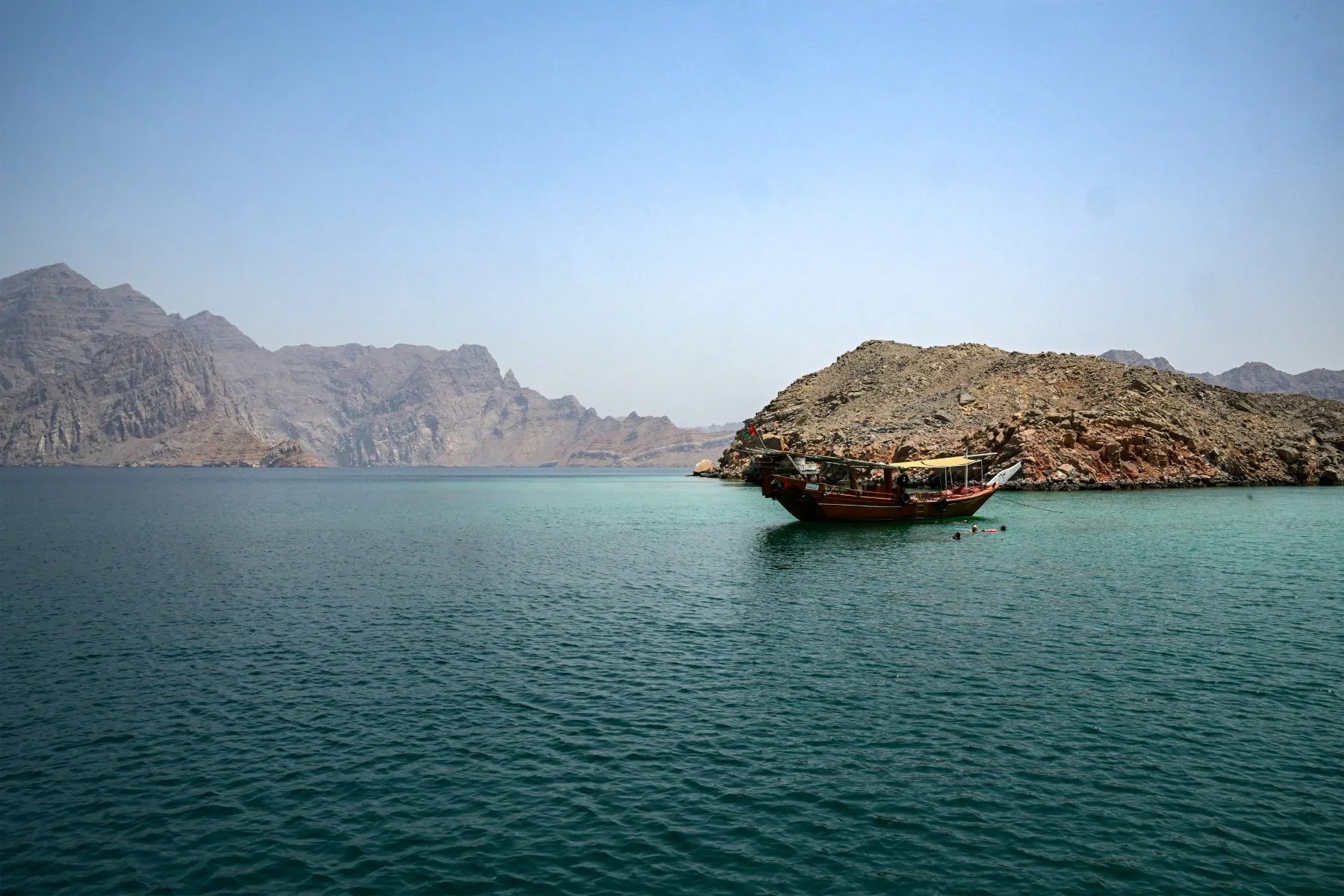
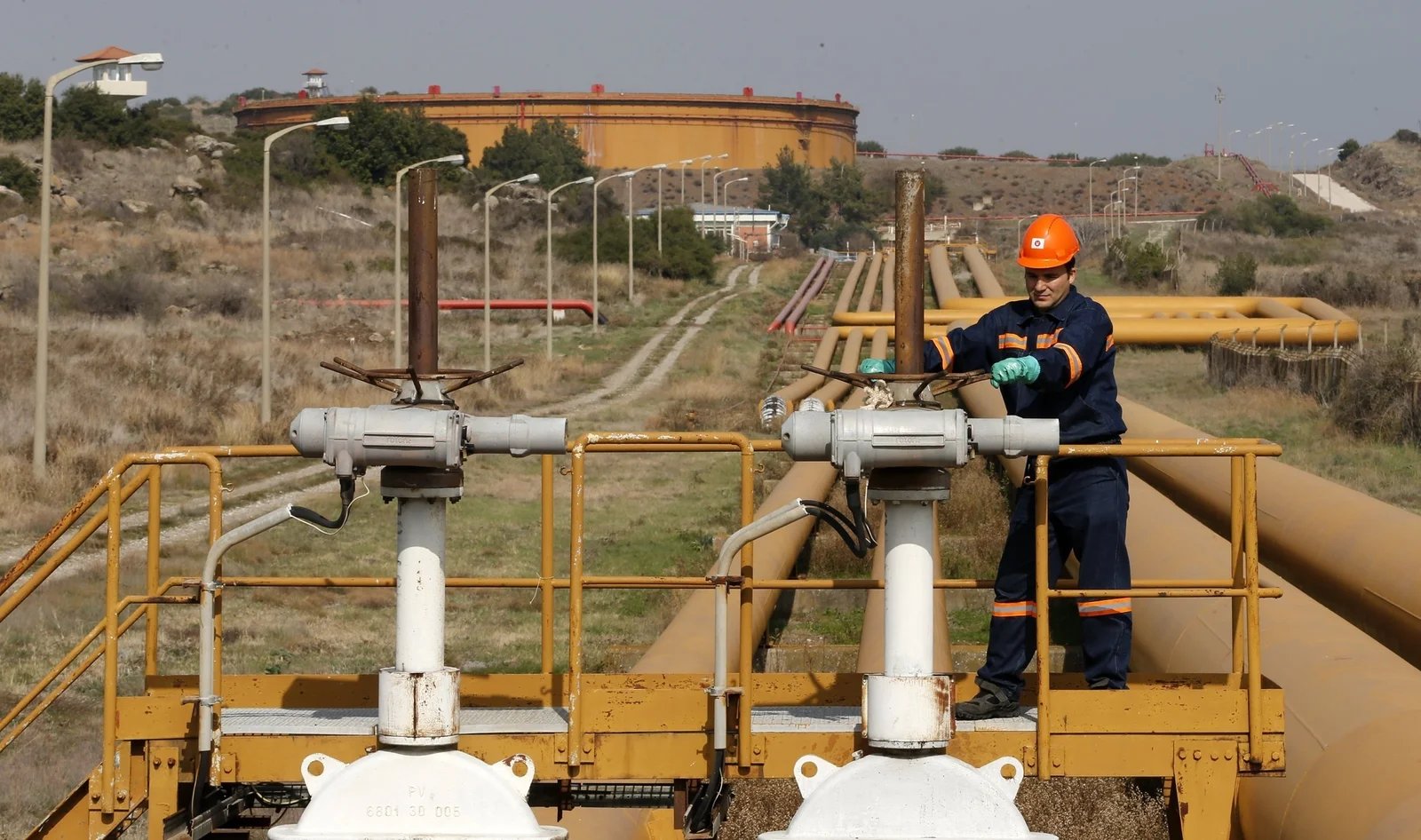
Vance noted that the U.S. has imposed a naval blockade on Iranian ports, a move announced by President Donald Trump. He described the blockade as a response to Iran's actions, which have halted traffic through the waterway and driven up oil prices.
Ceasefire's Narrow Window
Qatar's Foreign Minister Sheikh Mohammed bin Abdulrahman Al Thani urged Iran and the U.S. to engage with mediation efforts, stressing the need to keep maritime routes open and free from bargaining. Pakistani authorities expressed cautious optimism that a second round could fit within the remaining ceasefire period, as mentioned by the CBS News source. Failing to extend the truce might lead to renewed military actions, disrupting trade and increasing risks for millions in the region.
The U.S. and Iran are already discussing fresh negotiations, according to people familiar with the matter as reported by Bloomberg. This includes plans for face-to-face talks before the ceasefire ends, highlighting the urgency to address outstanding issues.
Potential Outcomes for Mediation
Bloomberg sources indicated that the U.S. and Iran aim for a longer-term ceasefire through these renewed efforts, building on the 21 hours of inconclusive discussions in Islamabad. JD Vance highlighted that the U.S. holds military and economic advantages, including the blockade that targets Iranian oil exports. This pressure might compel Iran to concede on key points, though Iranian negotiators showed reluctance during the initial talks.
Pakistan's mediation bid, led by figures like Sharif and Munir, could yield a diplomatic win if successful, boosting the country's global standing. However, warnings from officials about the fragile timeline suggest that hours count in averting escalation.
The Human Toll of Delay
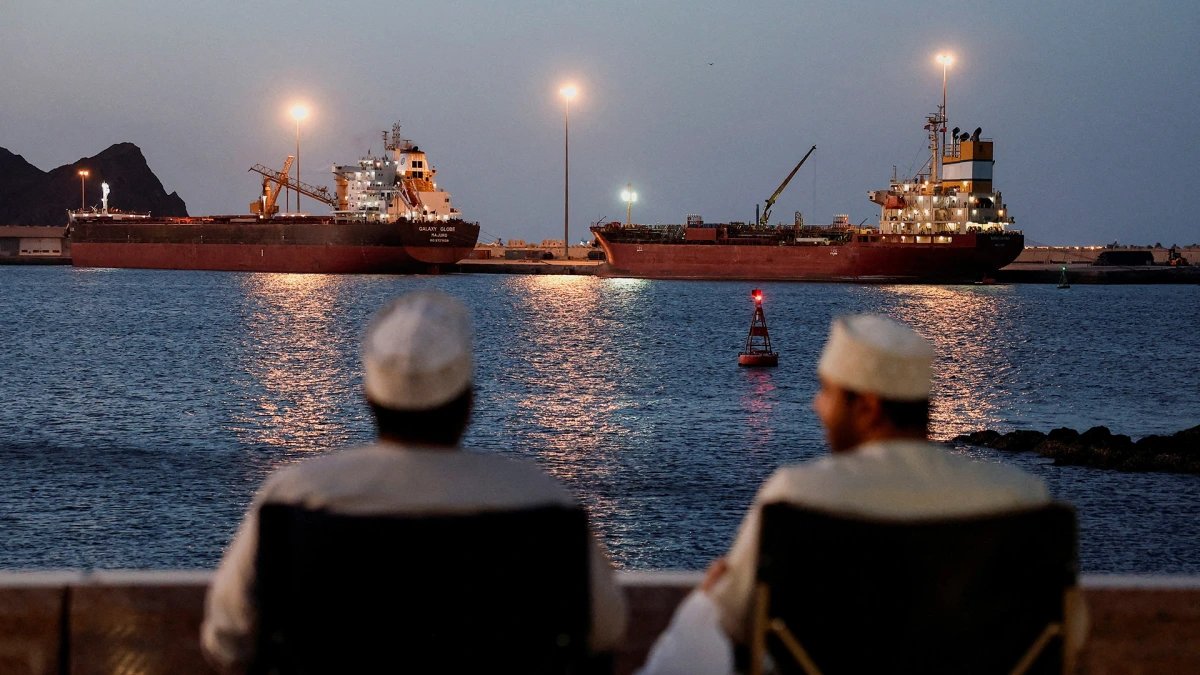
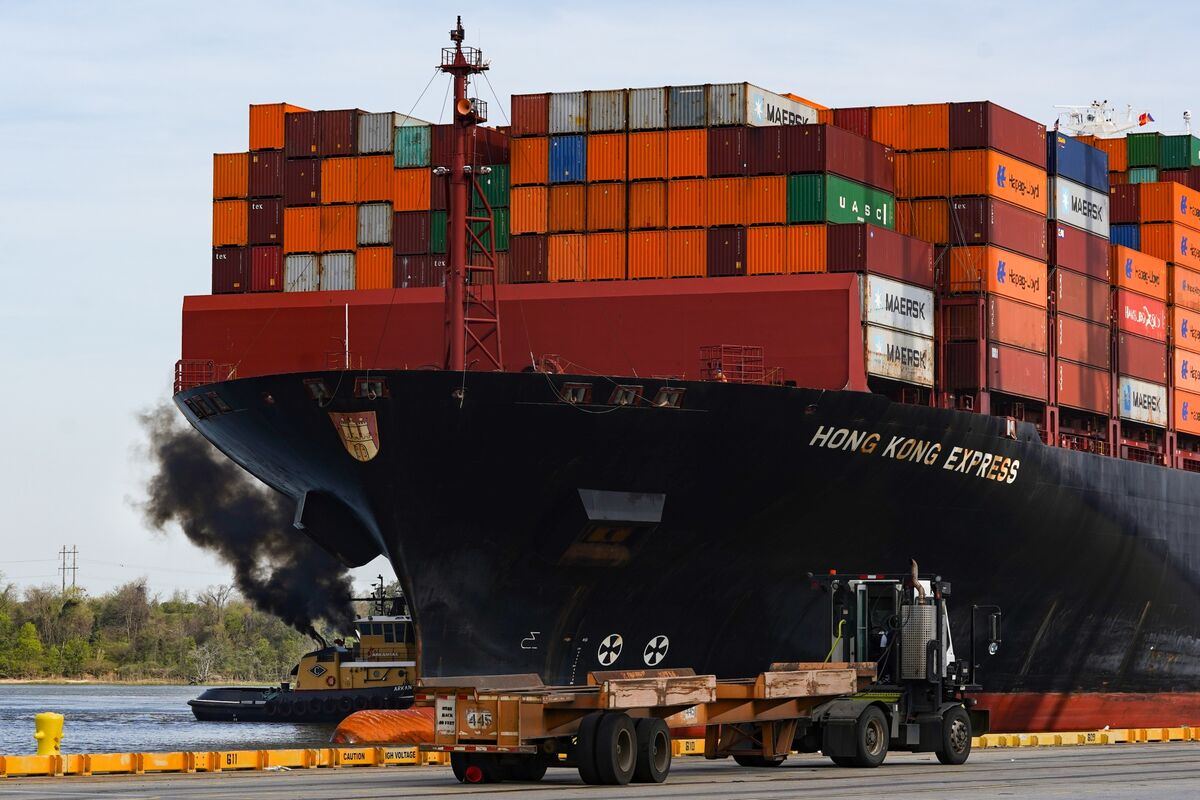
Without a quick second round, the risk of conflict resuming could strand ships in the Strait of Hormuz, as intelligence reports have shown traffic halting. JD Vance warned that Iran's economic actions warrant a strong U.S. response, potentially leading to more blockades that squeeze global markets.
Pakistani officials are waiting for responses from both sides, underscoring the need for prompt action to maintain the ceasefire. A successful negotiation would provide a concrete path to reopen trade routes, offering relief from rising costs and safeguarding regional stability for everyday citizens. This outcome hinges on Iran's decisions, making the next few days critical for preventing widespread disruptions to livelihoods.


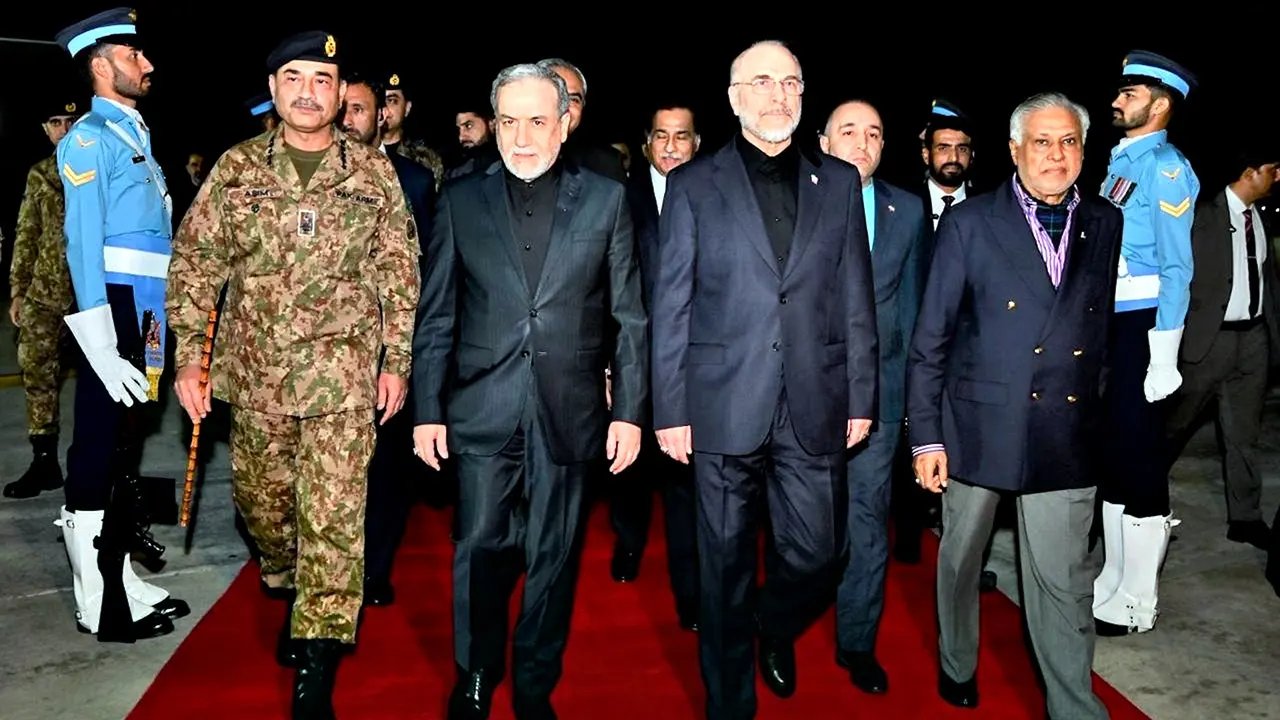






























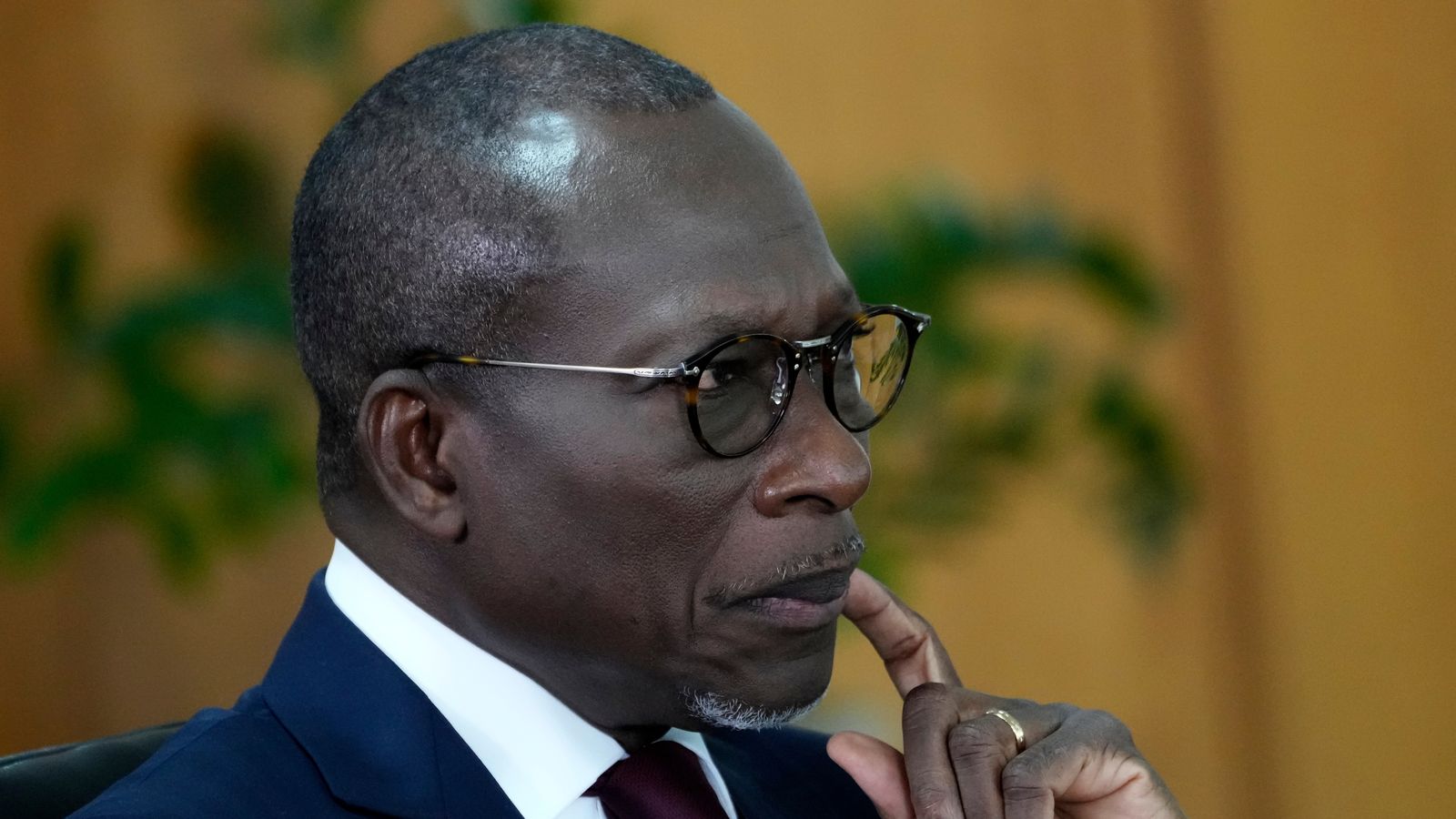


















































































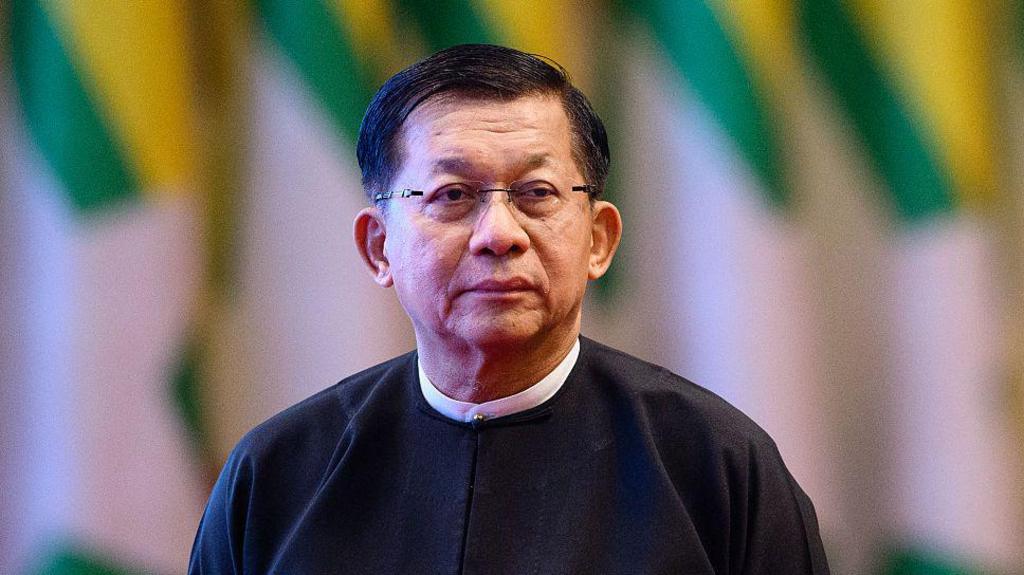






















































The sources also report that Pakistani Prime Minister Shehbaz Sharif and Army Chief Field Marshal Asim Munir were present at varying times throughout the 21 hours of inconclusive talks.