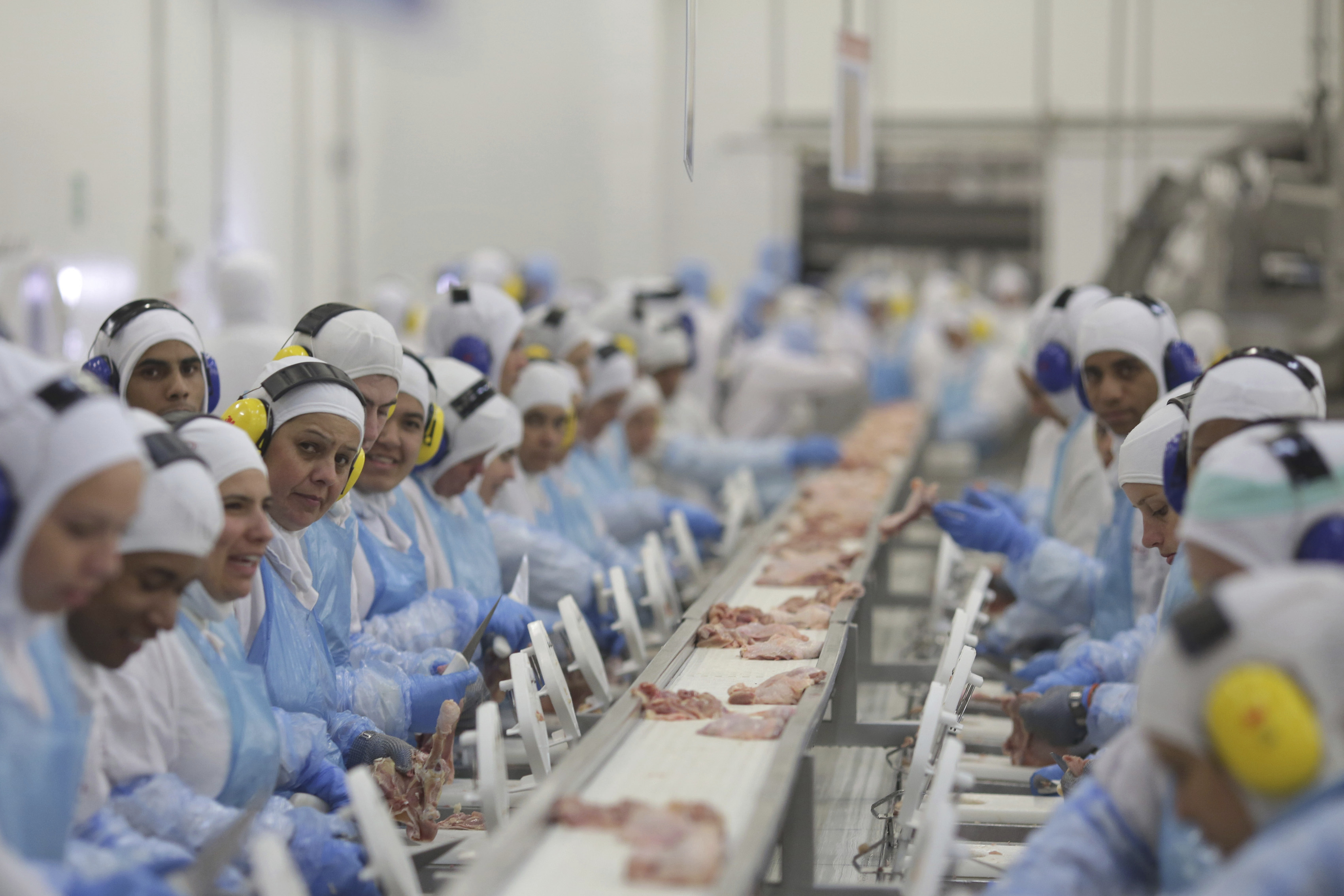
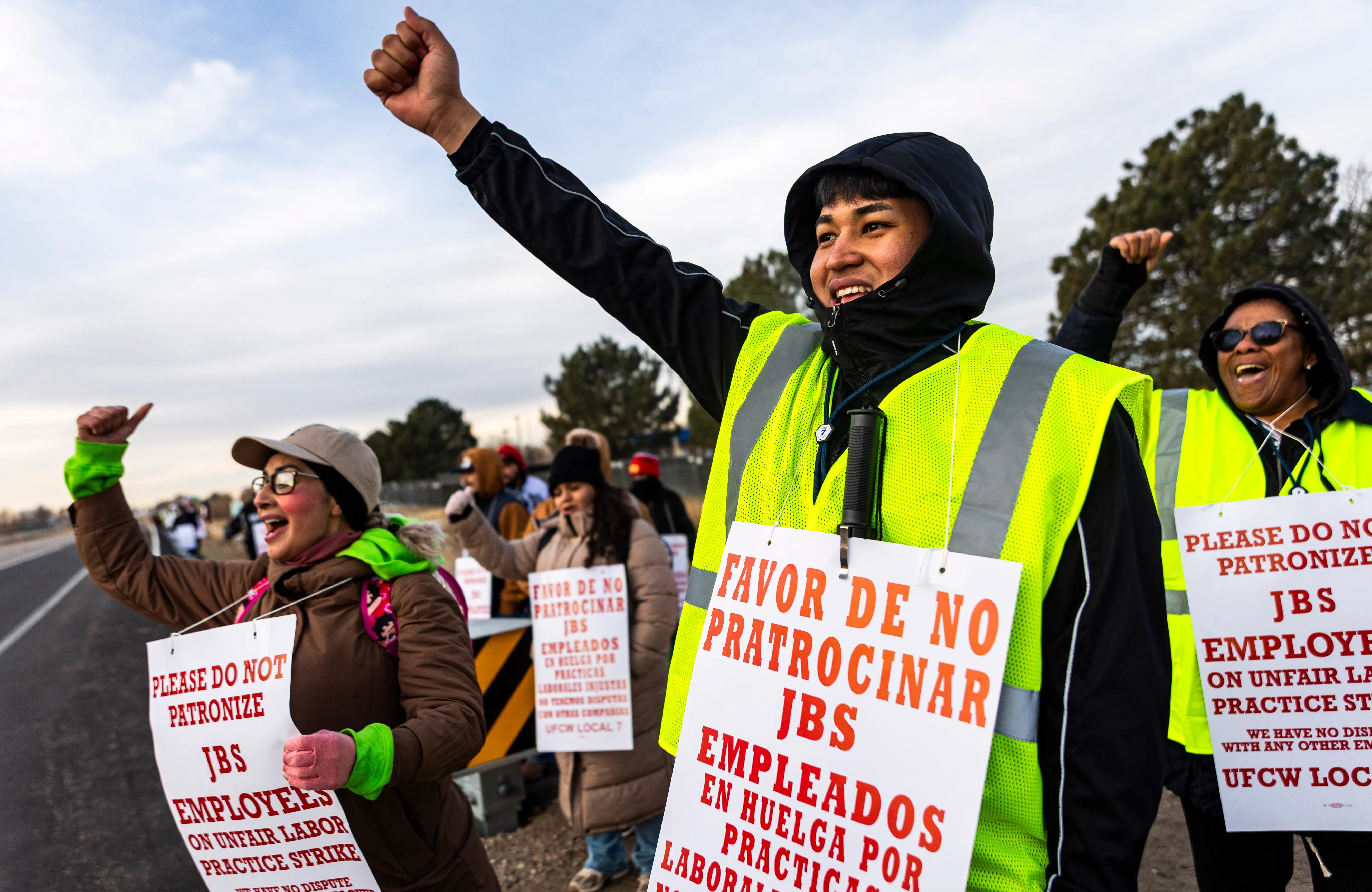
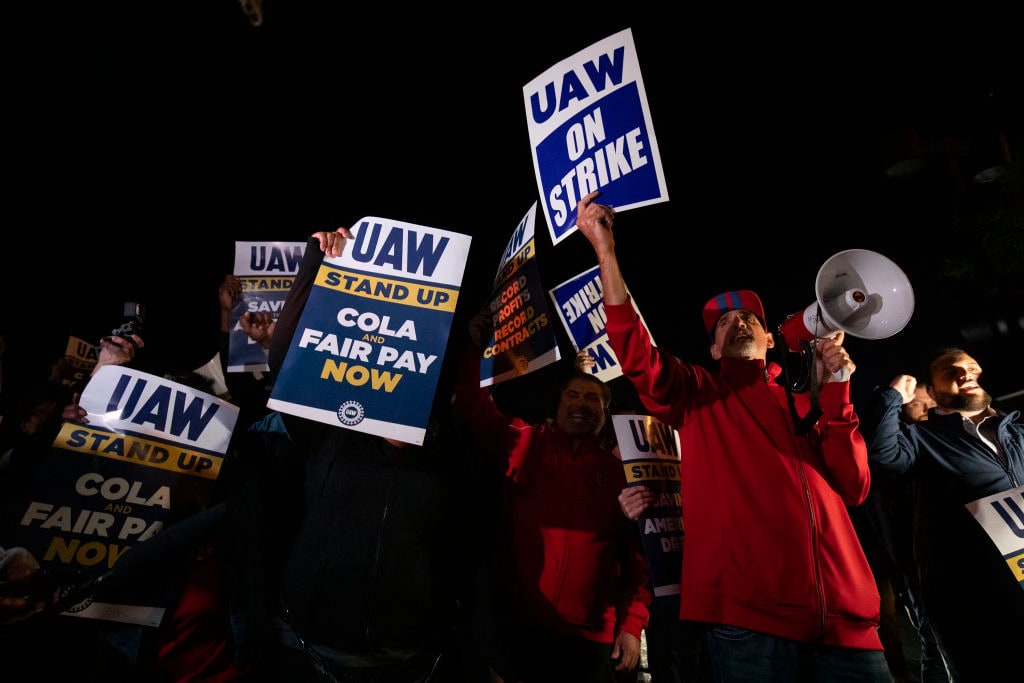
JBS reached a deal with US meatpacking workers who went on strike, resolving a labor dispute that had disrupted operations at the major meat processor. The agreement restores wages and working conditions for the striking employees and ends the supply-chain disruption that had affected consumers and retailers.
The strike had created pressure on both sides to negotiate. The company, one of the largest meat processors in the United States, faced production losses and supply constraints as the labor action continued.
The deal addresses core worker demands around compensation and workplace safety. The agreement marks a significant outcome for meatpacking workers, an industry where labor disputes have historically centered on wages, safety standards, and working hours.
With the strike resolved, JBS can resume full production at its facilities. Workers are returning to their jobs under the terms outlined in the new agreement.
The settlement demonstrates that negotiation between labor and management can produce outcomes both sides accept. For consumers, the end of the strike means stabilization in meat prices and availability at grocery stores and restaurants that rely on JBS as a supplier.
JBS reached a deal with US meatpacking workers who went on strike, resolving a labor dispute that had disrupted operations at the major meat processor. The agreement restores wages and working conditions for the striking employees and ends the supply-chain disruption that had affected consumers and retailers.
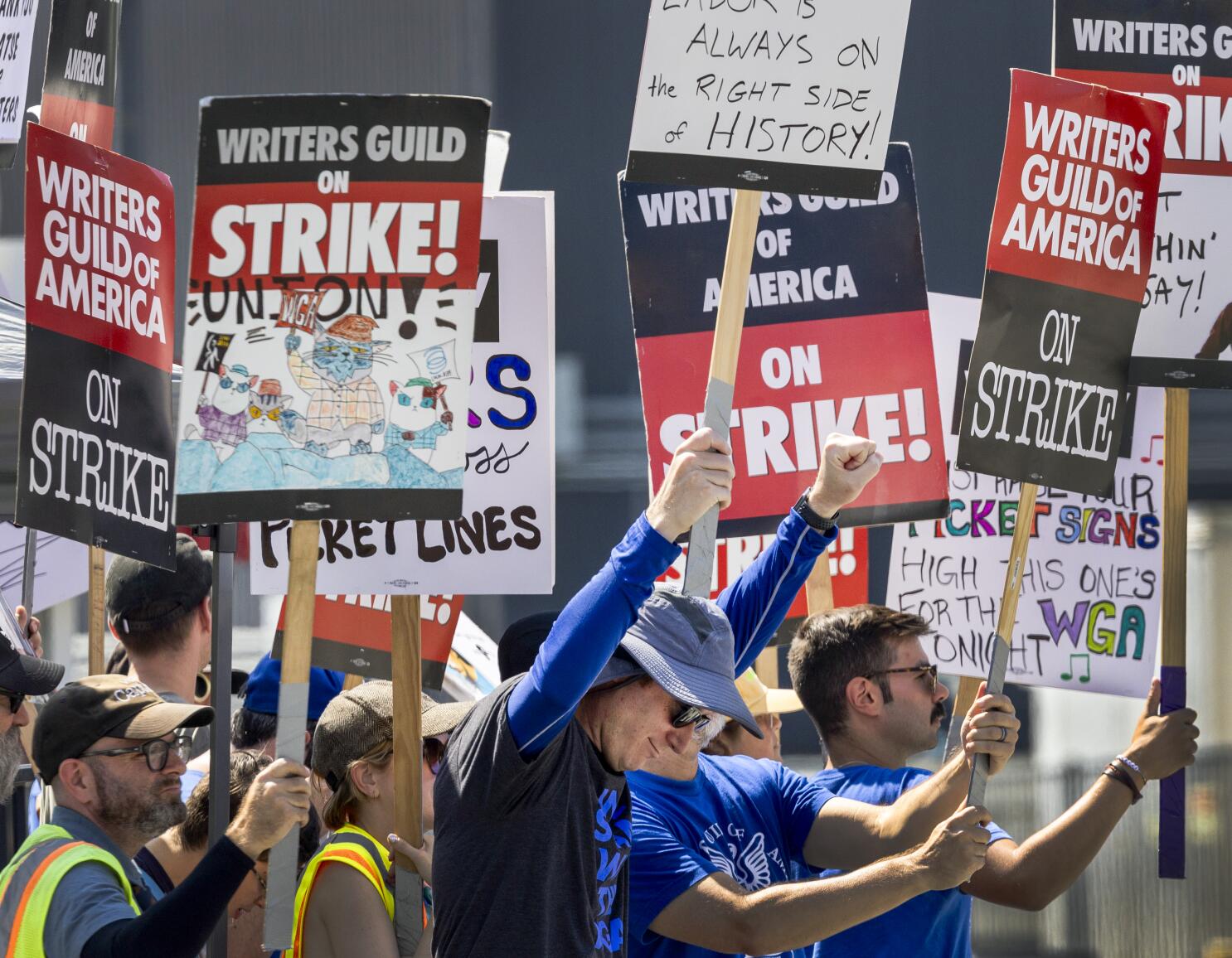
The strike had created pressure on both sides to negotiate. Workers had walked off the job to demand better pay and safer conditions at JBS facilities across the country. The company, one of the largest meat processors in the United States, faced production losses and supply constraints as the labor action continued.
The deal addresses core worker demands around compensation and workplace safety. Striking workers secured restored wages and improved working conditions as part of the settlement. The specific wage increases and condition changes were negotiated between union representatives and JBS management during the labor talks.
The agreement marks a significant outcome for meatpacking workers, an industry where labor disputes have historically centered on wages, safety standards, and working hours. By reaching a settlement, both the union and JBS avoided a prolonged strike that would have further strained meat supplies and increased prices for consumers.
With the strike resolved, JBS can resume full production at its facilities. Workers are returning to their jobs under the terms outlined in the new agreement. The resolution removes uncertainty from the supply chain and allows the company to meet consumer demand for beef, pork, and poultry products that had been constrained during the labor action.
The settlement demonstrates that negotiation between labor and management can produce outcomes both sides accept. For consumers, the end of the strike means stabilization in meat prices and availability at grocery stores and restaurants that rely on JBS as a supplier.
Highlighted text was flagged by the council. Tap to see feedback.