




Sticking Points Remain
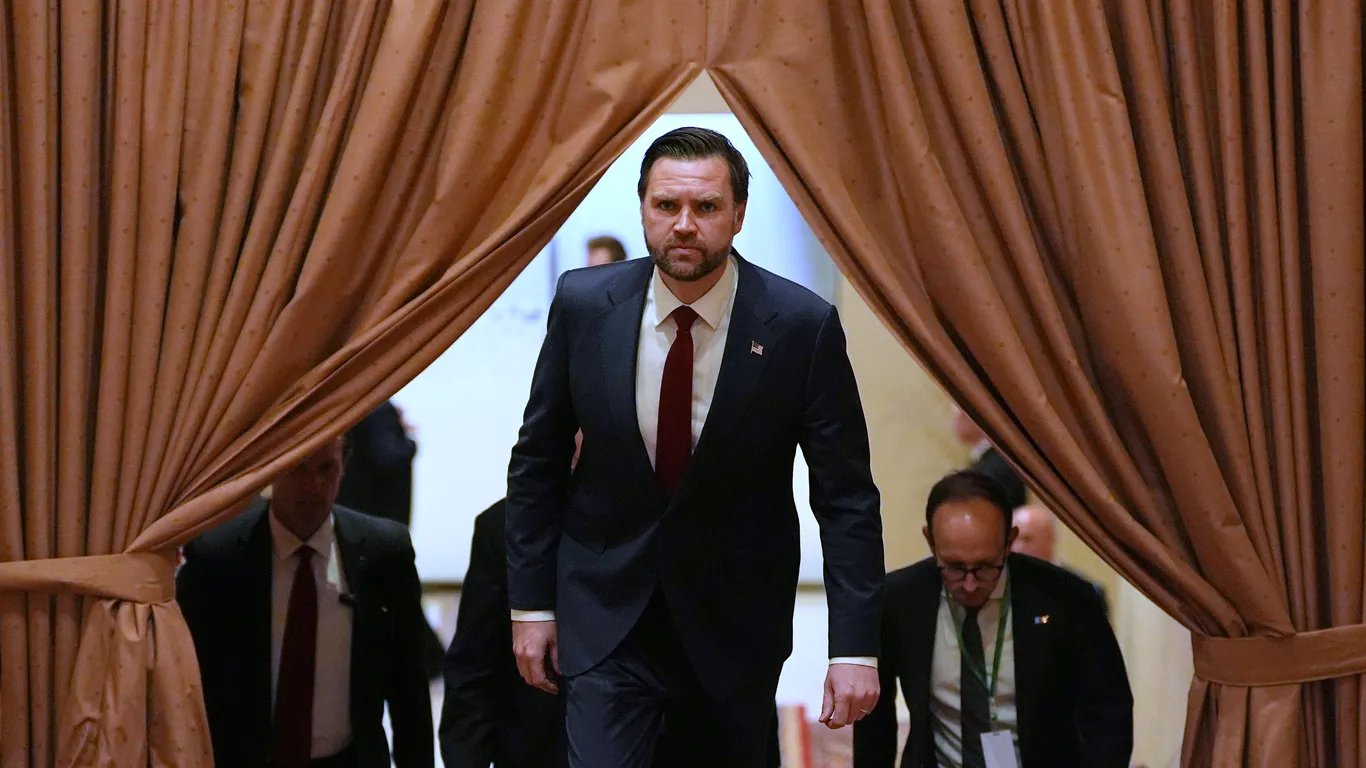
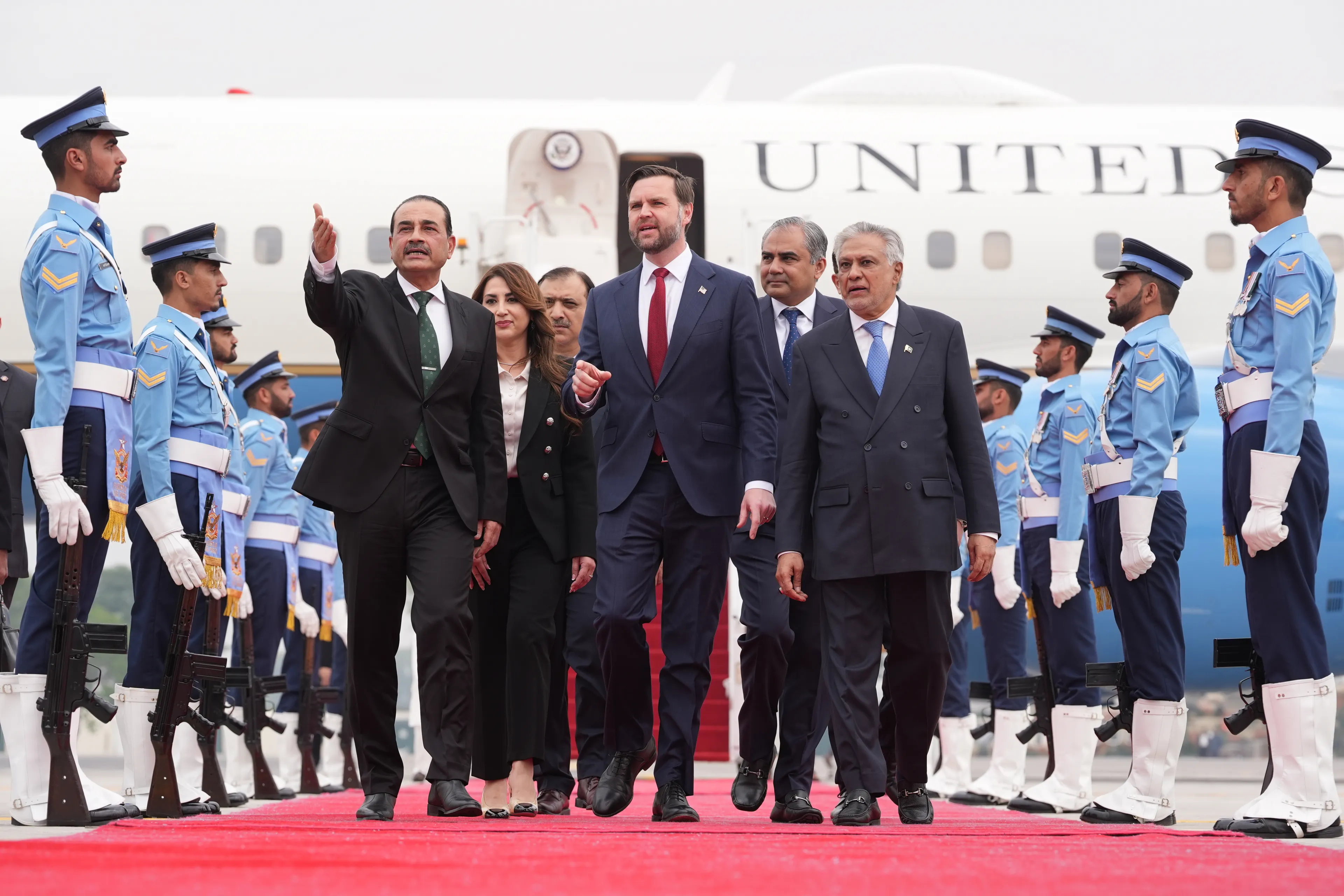
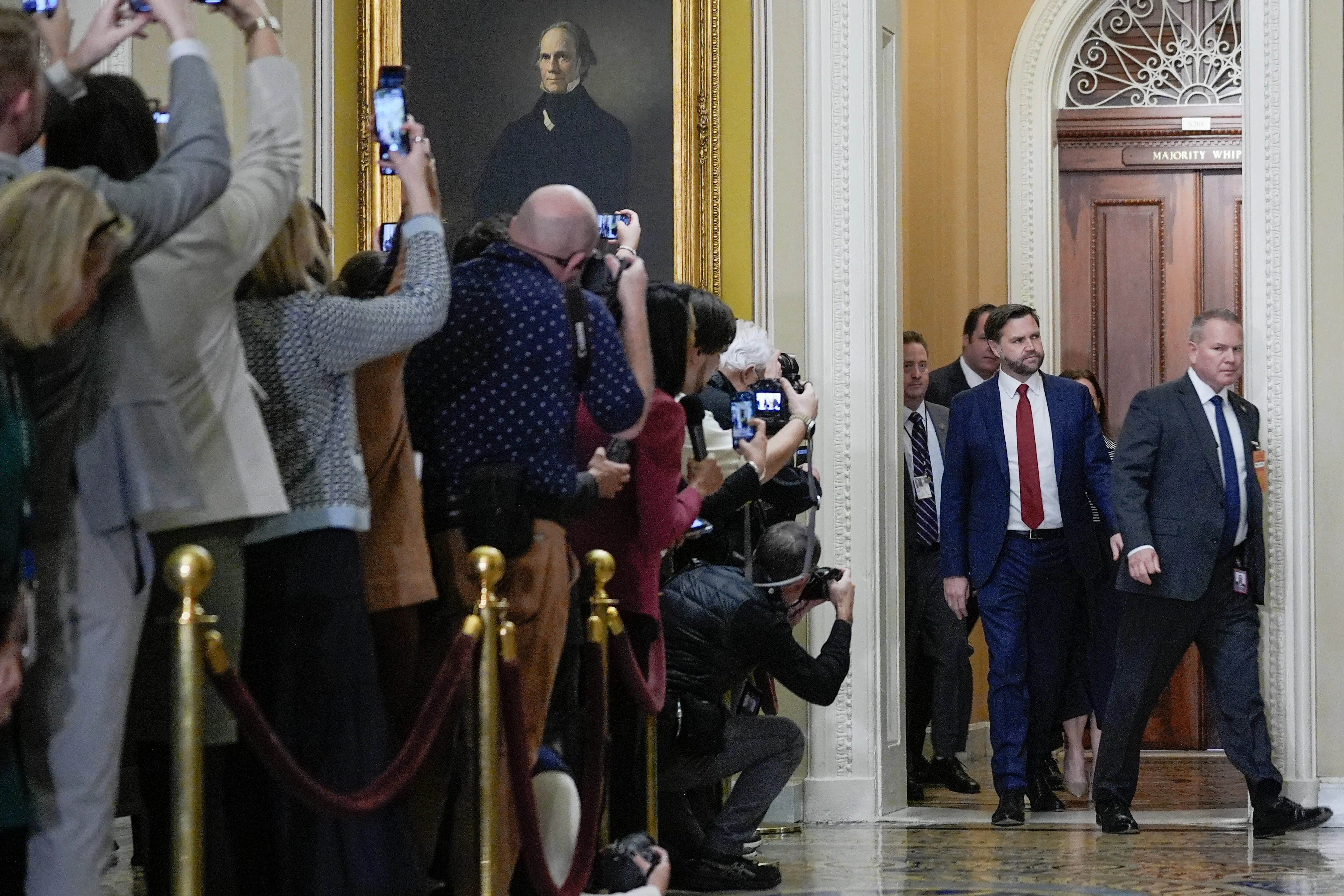
Vice President JD Vance departed Islamabad, Pakistan, without a deal after 21 hours of negotiations with Iran, mediated by Pakistan. The breakdown raises concerns about the future of a fragile ceasefire and the potential for further escalation in the region, impacting global energy markets.
US "Red Lines"
A U.S. official stated that the talks faltered because Tehran overestimated its leverage. Vance said that Iran chose "not to accept our terms" after the negotiations. The U.S. has several non-negotiable demands, including ending all uranium enrichment, dismantling nuclear facilities, retrieving highly enriched uranium, and accepting a broader de-escalation framework with regional allies. Washington also seeks an end to the funding of Hamas, Hezbollah, and the Houthis, as well as the full opening of the Strait of Hormuz without tolls.
Iranian Perspective
Iran's Foreign Ministry spokesman Esmail Baghaei criticized the U.S.’s "excessive demands and unlawful requests" on X. Parliamentary speaker Mohammad Bagher Ghalibaf, who led Iran's negotiating team, said that the "opposing side ultimately failed to gain the trust of the Iranian delegation."
Potential for Future Talks
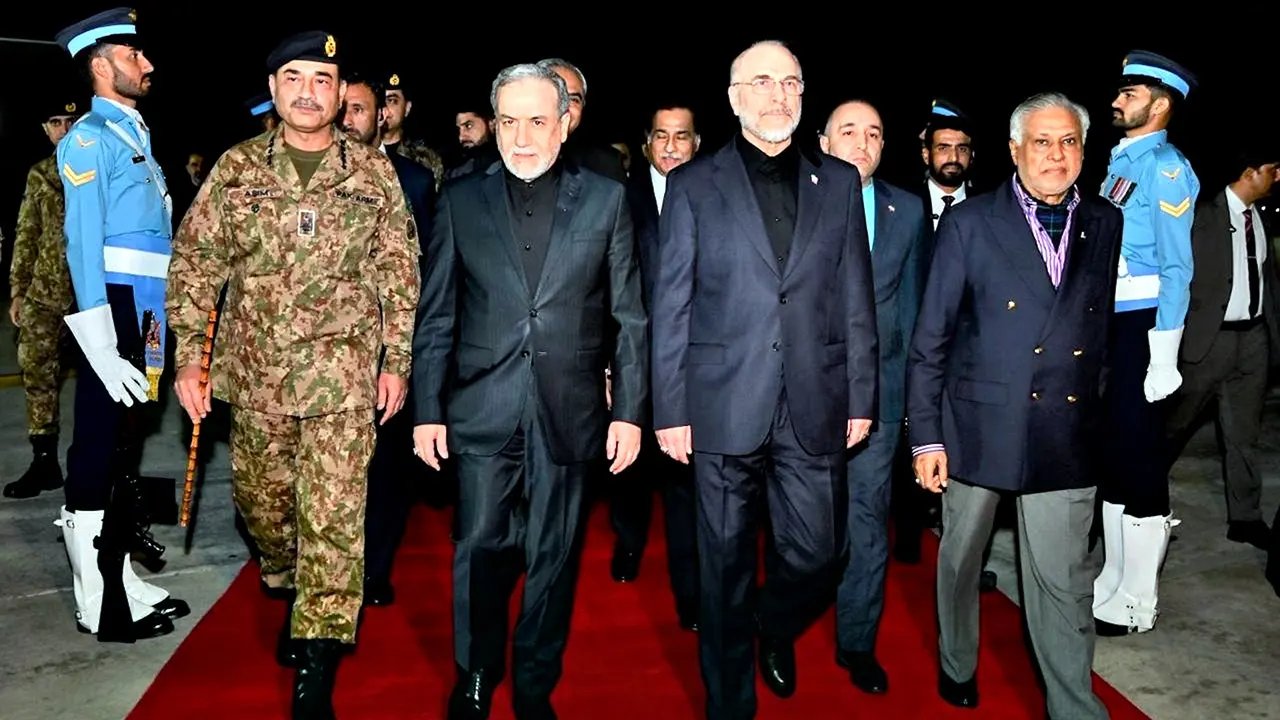
Israeli ambassador to the U.S., Michael Leiter, suggested there is a “potential” for “continued talks” with Iran. Pakistan's Foreign Minister Ishaq Dar urged all sides to uphold the fragile ceasefire and said they would continue efforts to encourage dialogue.
No Deal, But No Breakdown
BBC's Lyse Doucet reported that some conversations continued even after Vance boarded his plane. Vance characterized the U.S. proposal as a "final and best offer." The U.S. official underscored that a deal remains possible if Tehran accepts the terms.
Consequences of Failure
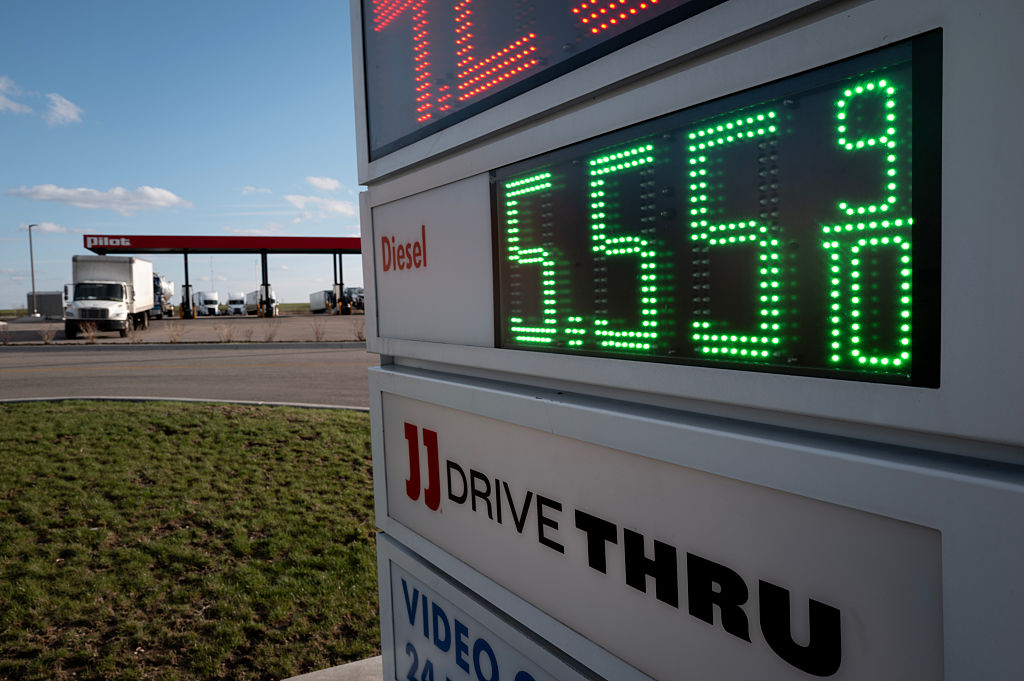
The failure to reach an agreement leaves the Trump administration facing difficult choices. The contested two-week ceasefire is now in question, raising the specter of renewed conflict. The closure of the Strait of Hormuz continues to cause economic shocks worldwide. The world now waits to see if the U.S. will escalate or negotiate.