




Talks Fail After 21 Hours in Islamabad
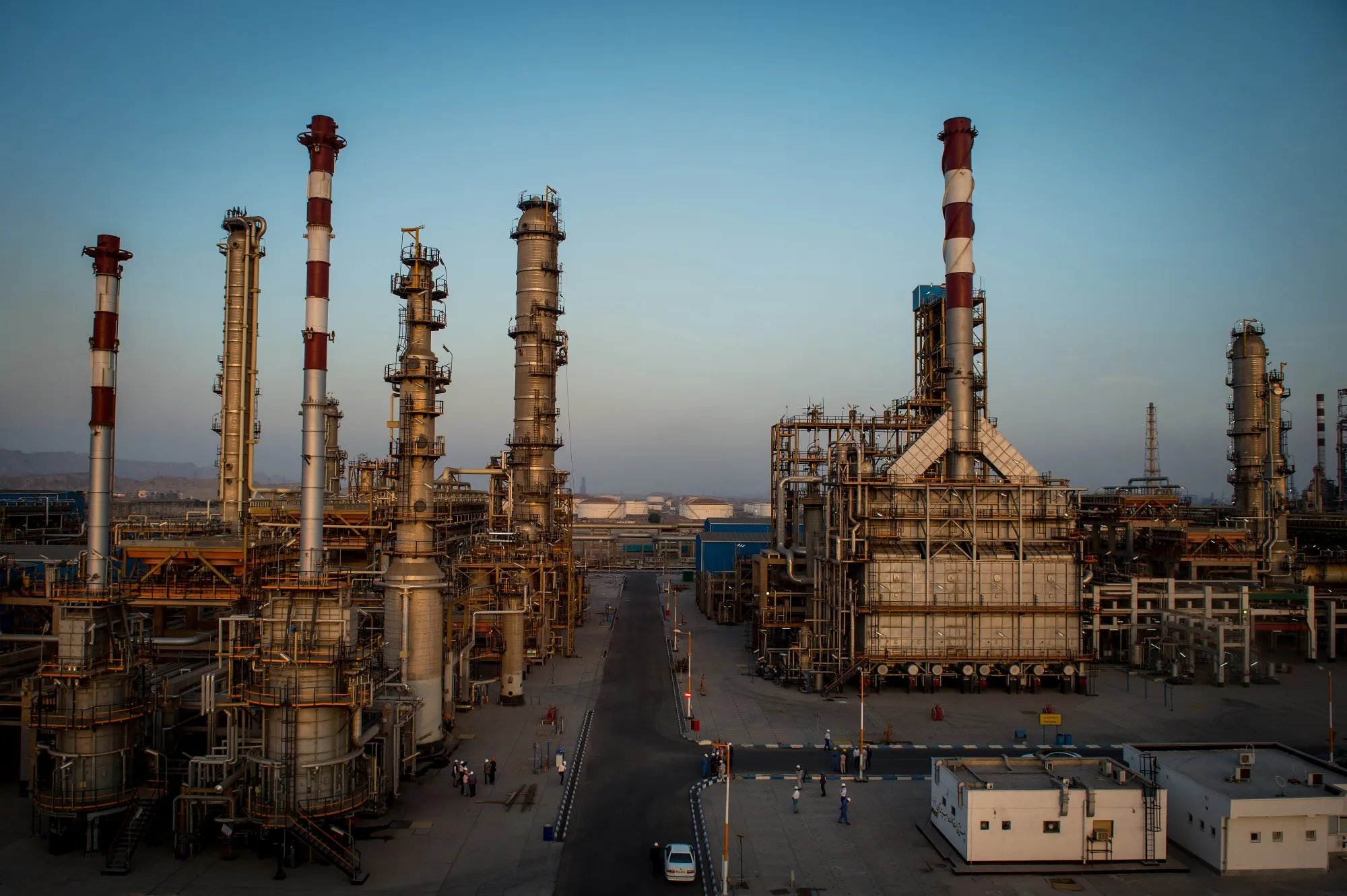
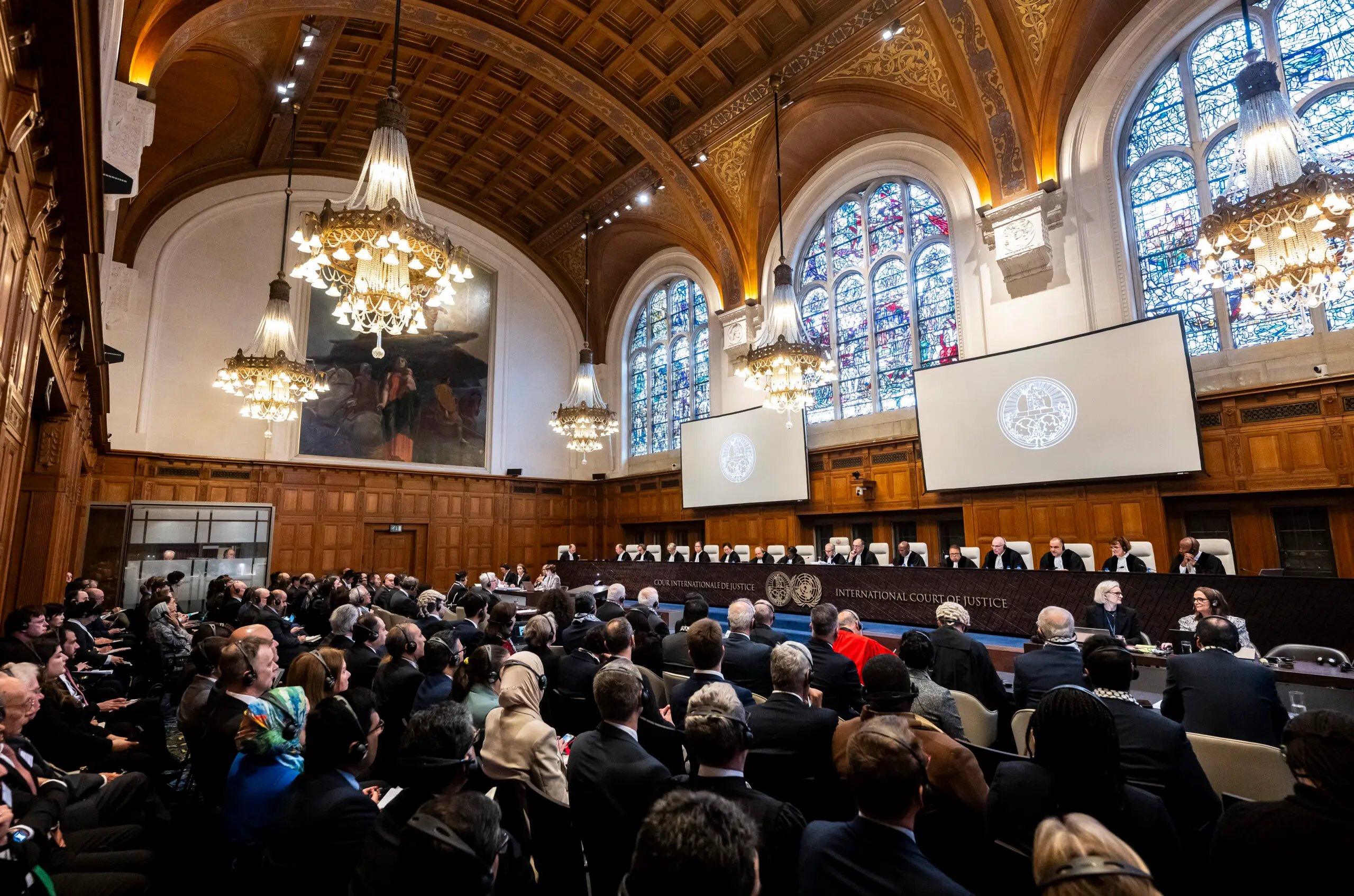
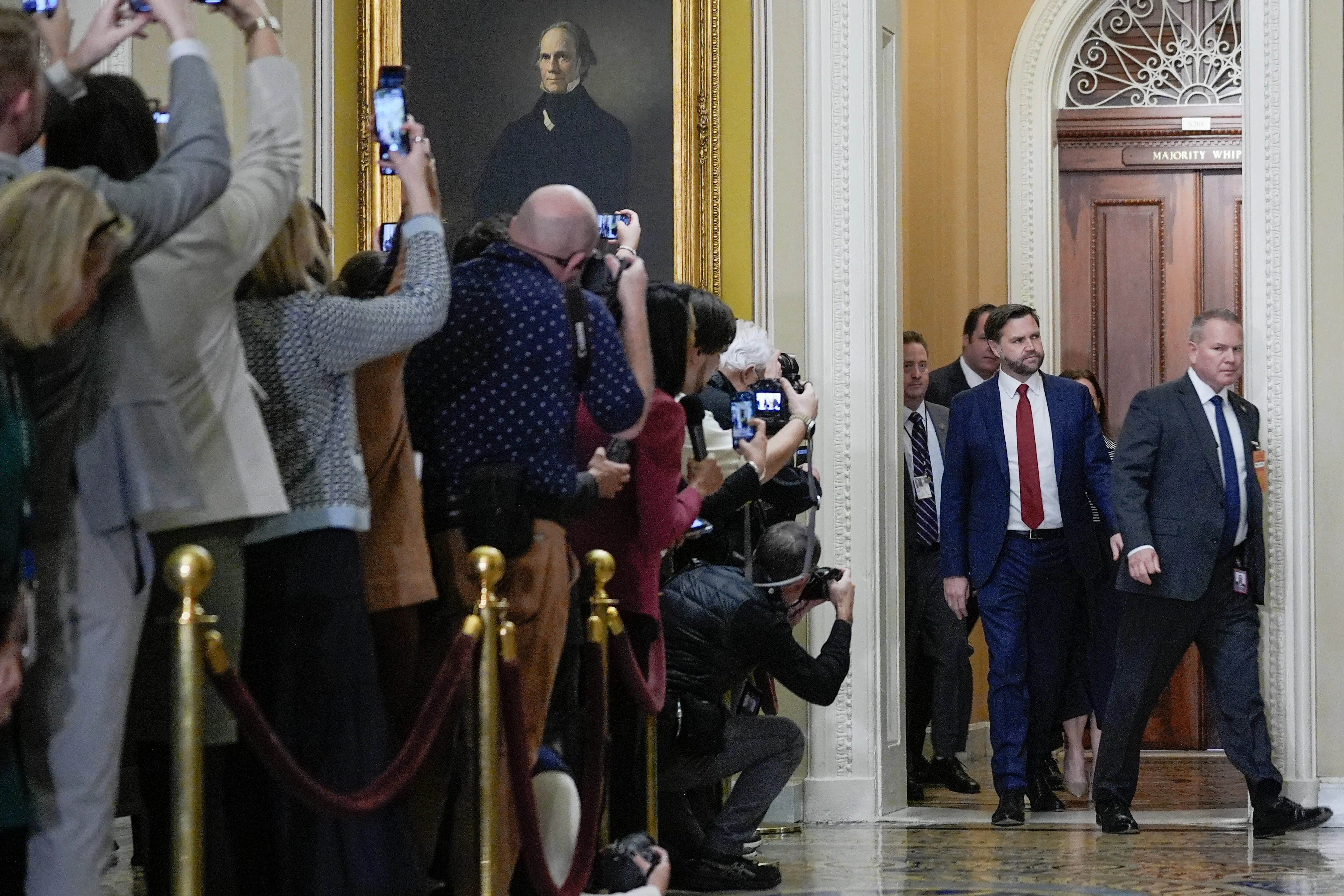
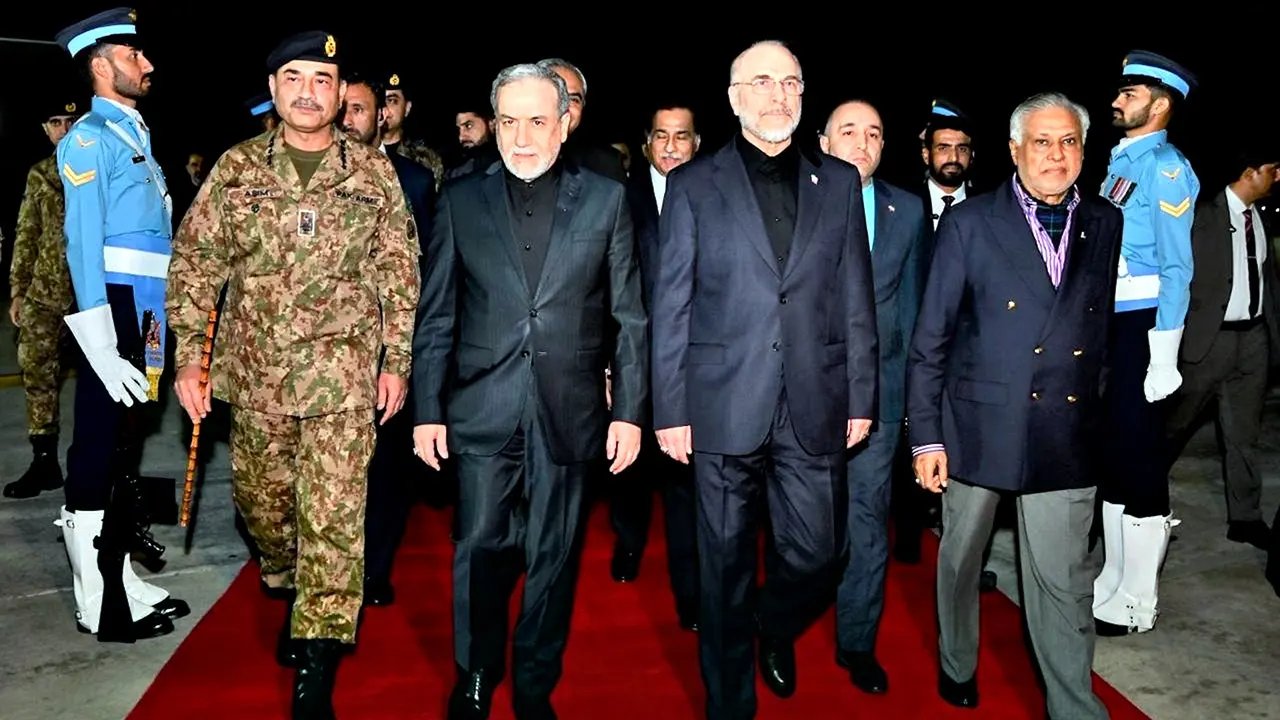
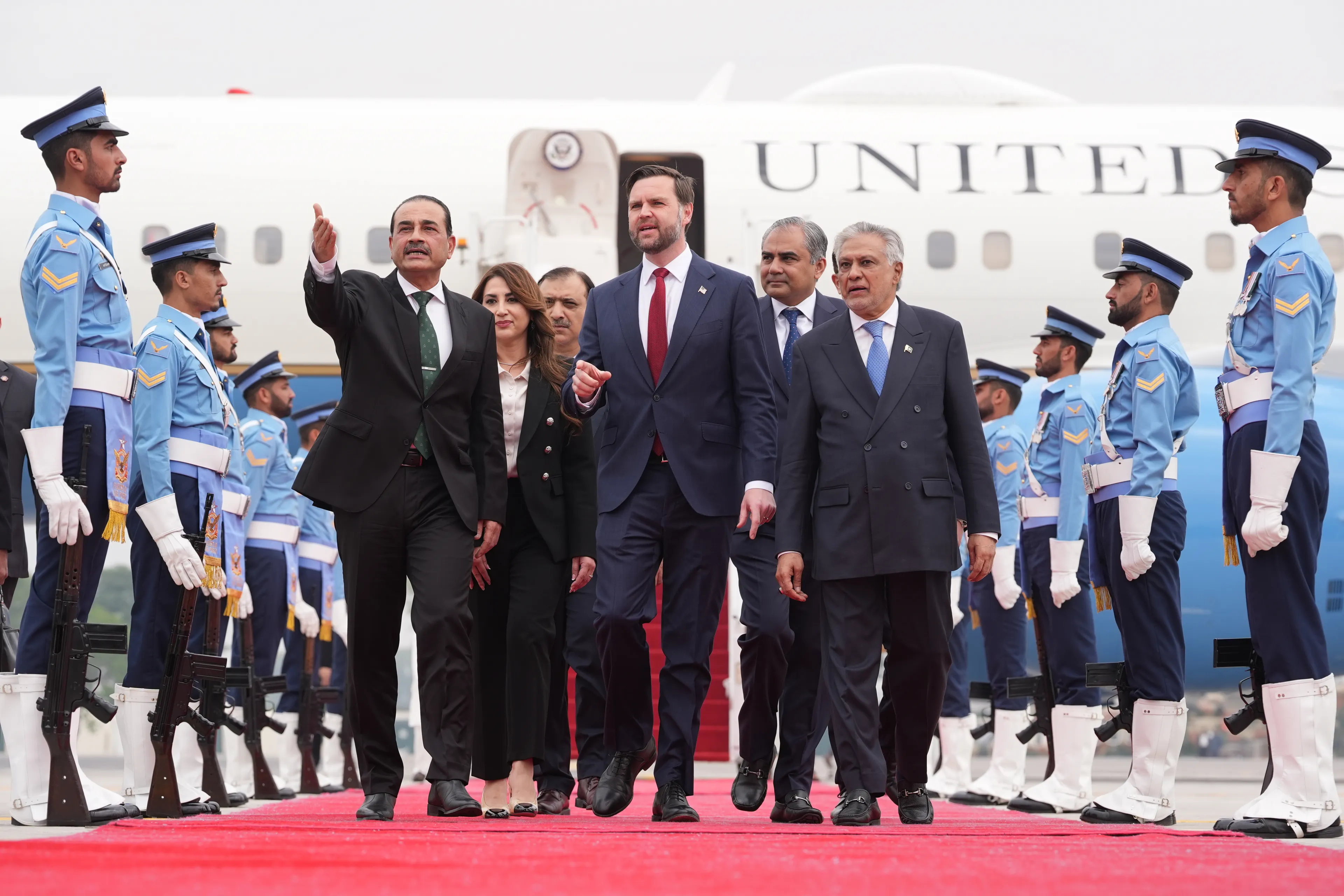
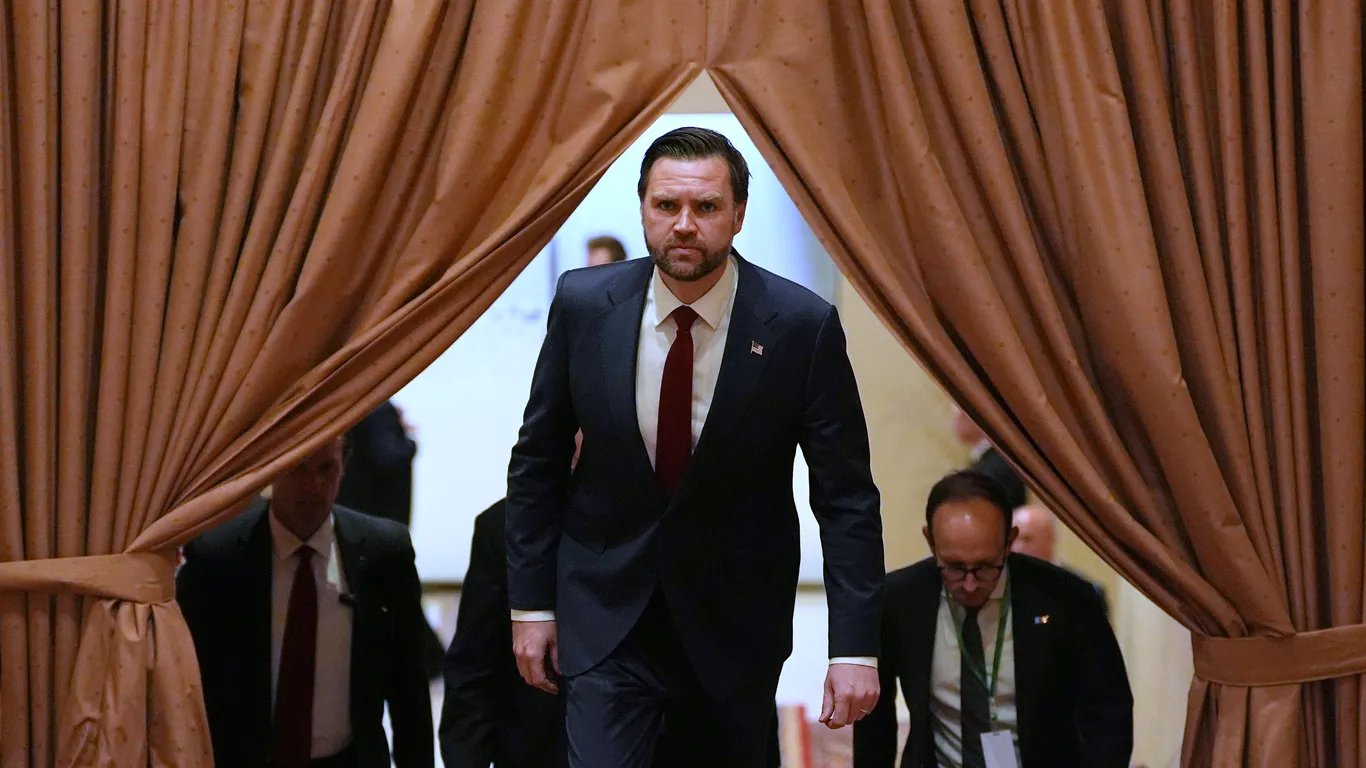
U.S. and Iranian delegations ended their 21-hour negotiations in Islamabad on Sunday without an agreement, marking the first high-level face-to-face talks in decades. Vice President JD Vance led the U.S. team and announced the deadlock during a brief press conference, stating that the U.S. presented a "final and best offer" to Iran. The failure leaves a two-week ceasefire in limbo, potentially disrupting global oil supplies through the Strait of Hormuz and raising energy costs for consumers worldwide.
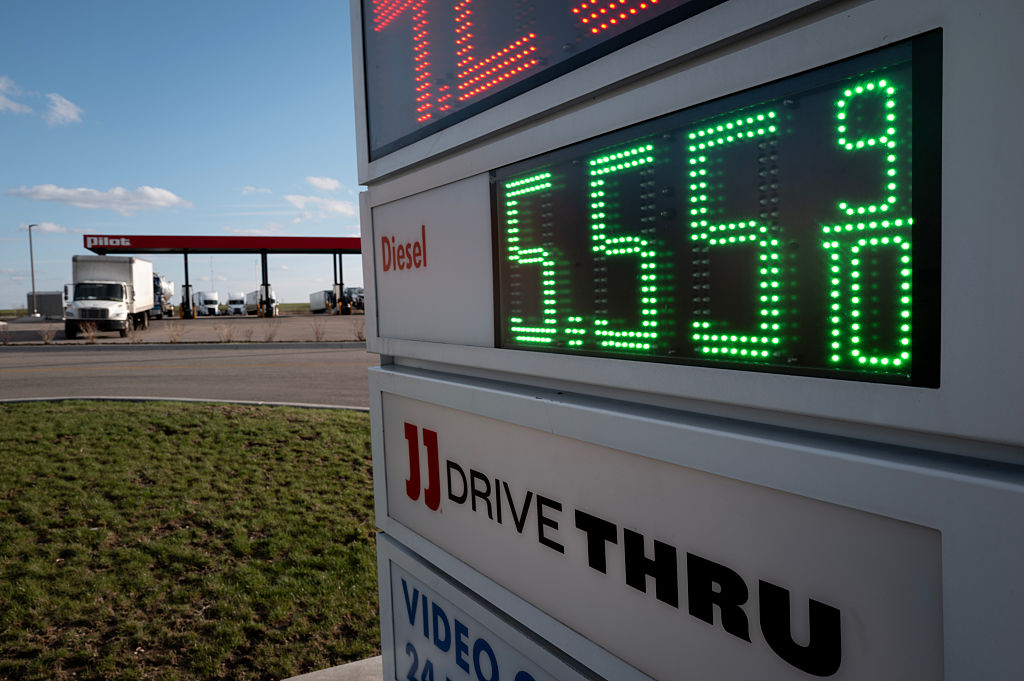
This outcome affects everyday life by threatening higher fuel prices, as the strait handles one-fifth of global crude oil, according to reports from the talks. Iranian leaders, including Mohammad Bagher Qalibaf, blamed the U.S. for the breakdown, saying Washington failed to gain their trust despite Iran's "forward-looking" initiatives. The immediate consequence is uncertainty for families and businesses facing potential economic shocks from renewed conflict.
Vance Outlines U.S. Red Lines
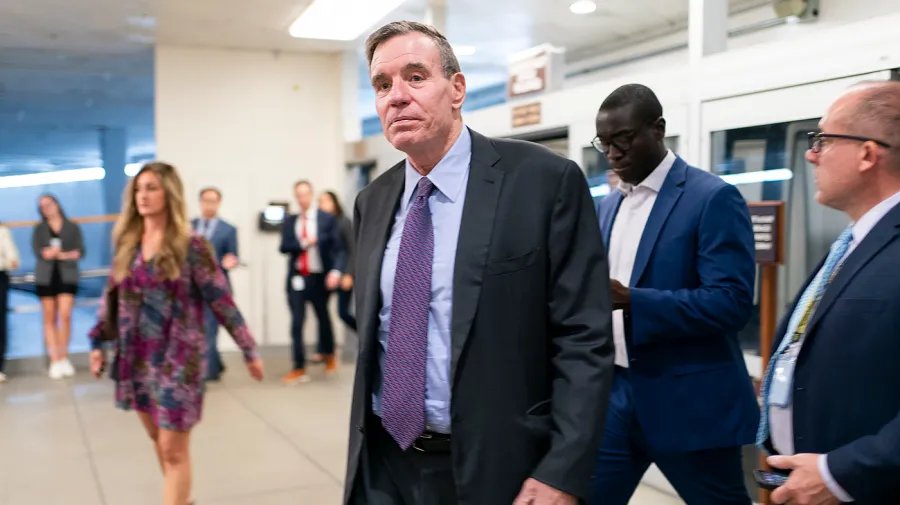
Vance stressed that the U.S. sought an "affirmative commitment" from Iran not to pursue nuclear weapons or the tools to build them quickly, a demand he repeated in his remarks. He described the U.S. as "quite flexible and accommodating" during the discussions, noting that the team consulted President Donald Trump at least half-a-dozen times. U.S. officials highlighted Iran's refusal to relinquish its enriched uranium stockpile as a key obstacle.
The U.S. negotiating strategy involved speaking with Secretary of State Marco Rubio and Defense Secretary Pete Hegseth, emphasizing security needs around regional de-escalation. Vance's comments after the talks indicated that Washington viewed the proposal as non-negotiable, framing it as a way to prevent escalation. This position underscores the U.S. focus on limiting Iran's nuclear capabilities as essential for stability.
Iranian Leaders Point to Excessive Demands
Qalibaf, Iran's parliamentary speaker, stated that the U.S. bore responsibility for the failure and must decide if it can earn Iran's trust, a claim made public on Sunday. Iranian media outlets, including Tasnim news agency, reported that "excessive" U.S. demands blocked progress, particularly on sanctions relief and war reparations. A Foreign Ministry spokesperson described the atmosphere as marked by mistrust, with Iran pushing for recognition of its rights.
Iran's delegation argued that the talks covered consensus on several issues but hit impasses over the nuclear program and Strait of Hormuz control. Esmaeil Baghaei, the Iranian Foreign Ministry spokesman, emphasized on social media that diplomacy continues despite the setback, rejecting the idea of a complete failure. These statements reveal Iran's insistence on mutual concessions as a prerequisite for any deal.
Sticking Points Center on Nuclear Program and Strait
The negotiations exposed divisions over Iran's nuclear activities, with the U.S. demanding limits to prevent rapid weapon development, as Vance specified in his briefing. Iran maintained that its program serves civilian purposes and refused to abandon enriched uranium stocks, a stance echoed in reports from the talks. Control of the Strait of Hormuz emerged as another flashpoint, with Iran seeking to maintain its influence amid the ongoing blockade.
The strait blockade has already caused global energy disruptions, blocking 20 million barrels of oil daily and forcing countries to implement austerity measures. Analysts like Fatemeh Aman from the Atlantic Council noted that the U.S. wanted concessions first, while Iran prioritized relief from sanctions. These incompatible goals highlight the structural challenges that derailed the discussions.
Ceasefire at Risk Amid Global Repercussions
Pakistan's Foreign Minister Ishaq Dar urged both sides to uphold the ceasefire, calling it "imperative" for peace efforts, a statement made during the talks' aftermath. The potential renewal of warfare could lead to more strikes, as analysts warn of fragile truce conditions based on short-term calculations. Global markets face immediate strain, with analysts predicting increased demand for safe-haven assets on Monday due to the failure.
This development means higher costs for imports and potential shortages, directly impacting household budgets in oil-dependent regions. Farwa Aamer from the Asia Society Policy Institute suggested that backchannel diplomacy might sustain the truce, offering a pathway for future engagement. The overall effect is a heightened risk of escalation, affecting safety and economic stability for millions.
Analysts See Pause in Diplomacy Ahead
Aman asserted that the talks failed due to fundamentally incompatible end goals, with neither side willing to concede leverage. Aamer indicated that future rounds might involve narrower technical steps rather than immediate major negotiations. Both experts expressed cautious optimism that the ceasefire could hold temporarily through mediation.
This pause leaves the door open for Pakistan to facilitate further dialogue, as Dar committed to ongoing efforts. The human-scale consequence is the potential for renewed violence, which could displace families and disrupt trade routes. Without progress, the situation underscores the need for careful reassessment by both nations.