




Voting Begins with Wadagni as Favorite
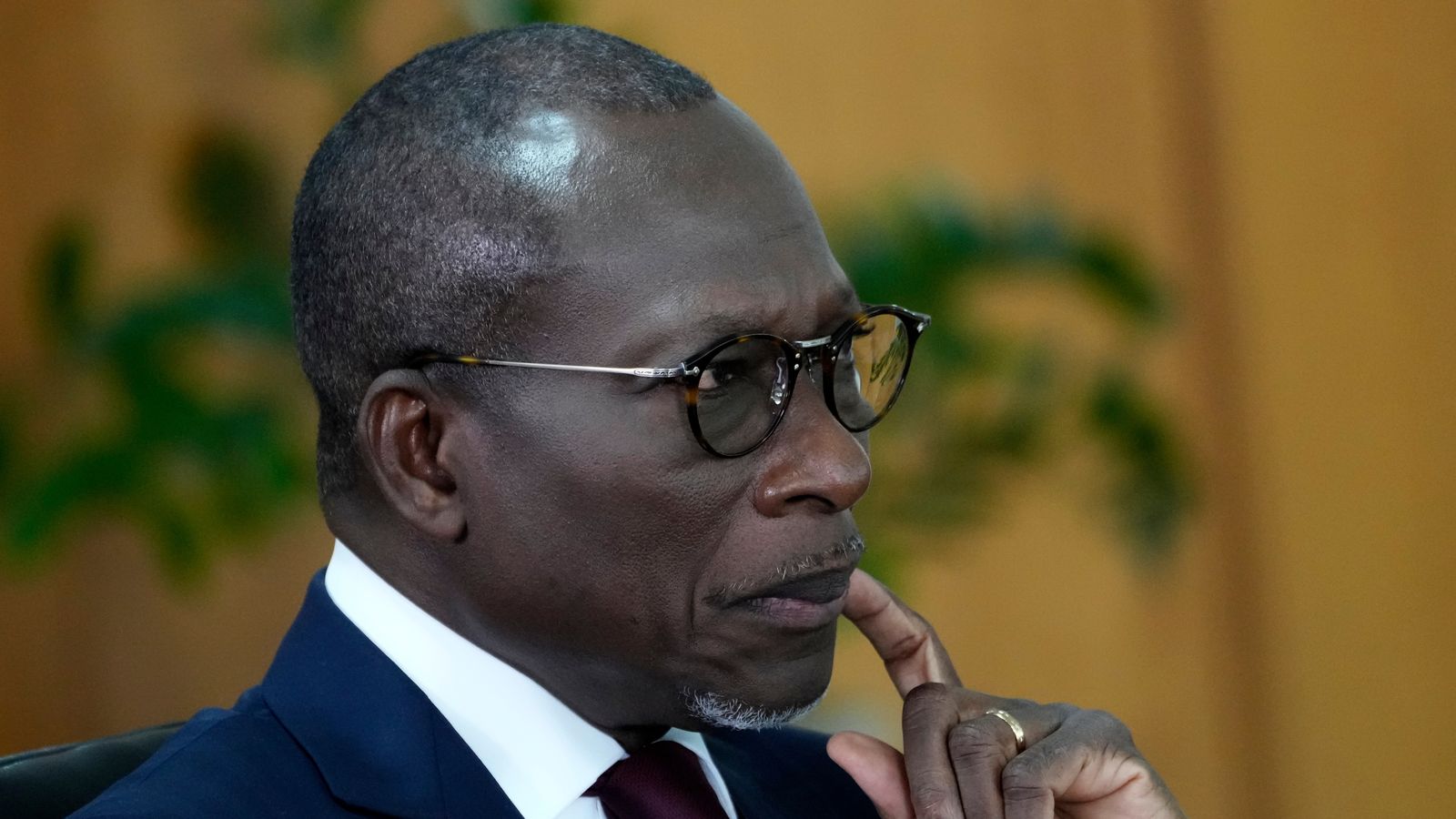
Voting started at 7am on Sunday in Benin's presidential election, with polls closing at 4pm and more than 7.9 million people registered to cast ballots. Romuald Wadagni, the 49-year-old Finance Minister and former Deloitte executive, leads as the candidate backed by the two main ruling coalition parties and outgoing President Patrice Talon. Wadagni's position strengthens from Talon's endorsement, as the 67-year-old president steps down after two five-year terms, leaving a legacy that includes 7 percent economic growth last year.
Talon's Economic Record and Wadagni's Promises
Talon's administration achieved economic growth despite challenges, with Wadagni overseeing the expansion for a decade. Wadagni has pledged to eradicate extreme poverty, a priority for the country's more than 14 million people where the poverty rate exceeds 30 percent. One of Wadagni's associates told the AFP news agency that the next development phase focuses on this issue, including promises to expand access to potable water and guarantee emergency healthcare for all.
Jihadist Attacks Fuel Security Fears
Benin faces threats from Jama’at Nusrat al-Islam wal-Muslimin, an al-Qaeda affiliate that killed 54 soldiers in one attack a year ago and 15 in another last month, making it the most affected coastal West African state. Christelle Tessi, a 40-year-old trader, urged Wadagni to address these northern killings, saying soldiers return as bodies from missions. Wadagni's platform emphasizes stabilizing the country to sustain economic gains, directly linking security to issues like job creation for young graduates.
Hounkpe Challenges with Focus on Inequality
Paul Hounkpe, the opposition candidate from the Cowry Forces for an Emerging Benin party, highlights unchanged conditions for many citizens despite past growth. Hounkpe asked at a rally, "If we make progress but none of us can afford three meals a day, we haven’t made any progress." He also criticized a climate of fear, noting the opposition's exclusion after the Democrats party failed to win 20 percent of the vote in the last legislative elections, which gave the ruling coalition all National Assembly seats.
Low Turnout Reflects Voter Apathy
Early reports from polling stations in Cotonou showed slow voting, with Al Jazeera's Ahmed Idris observing that none of the ballot boxes were full by midday. Arnold Dessouassi, a 39-year-old teacher, said he would not vote because the election excludes key players, calling it not inclusive. Marcel Sovi, a 34-year-old teacher, still voted and called on Wadagni to help young people find work beyond driving motorcycle taxis, illustrating how election outcomes could affect daily livelihoods.
What Voters Demand for the Future
Yvan Glidja, a man in his 30s at a Cotonou polling station, stressed the need for high turnout to influence results, expected on Tuesday. Political analyst Rufin Godjo pointed out the lack of real debate, saying enthusiasm requires both sides to believe in their chances. For Benin's people, the next president must deliver on security and jobs, as low voter participation could mean ongoing risks to safety and economic stability in the region.