
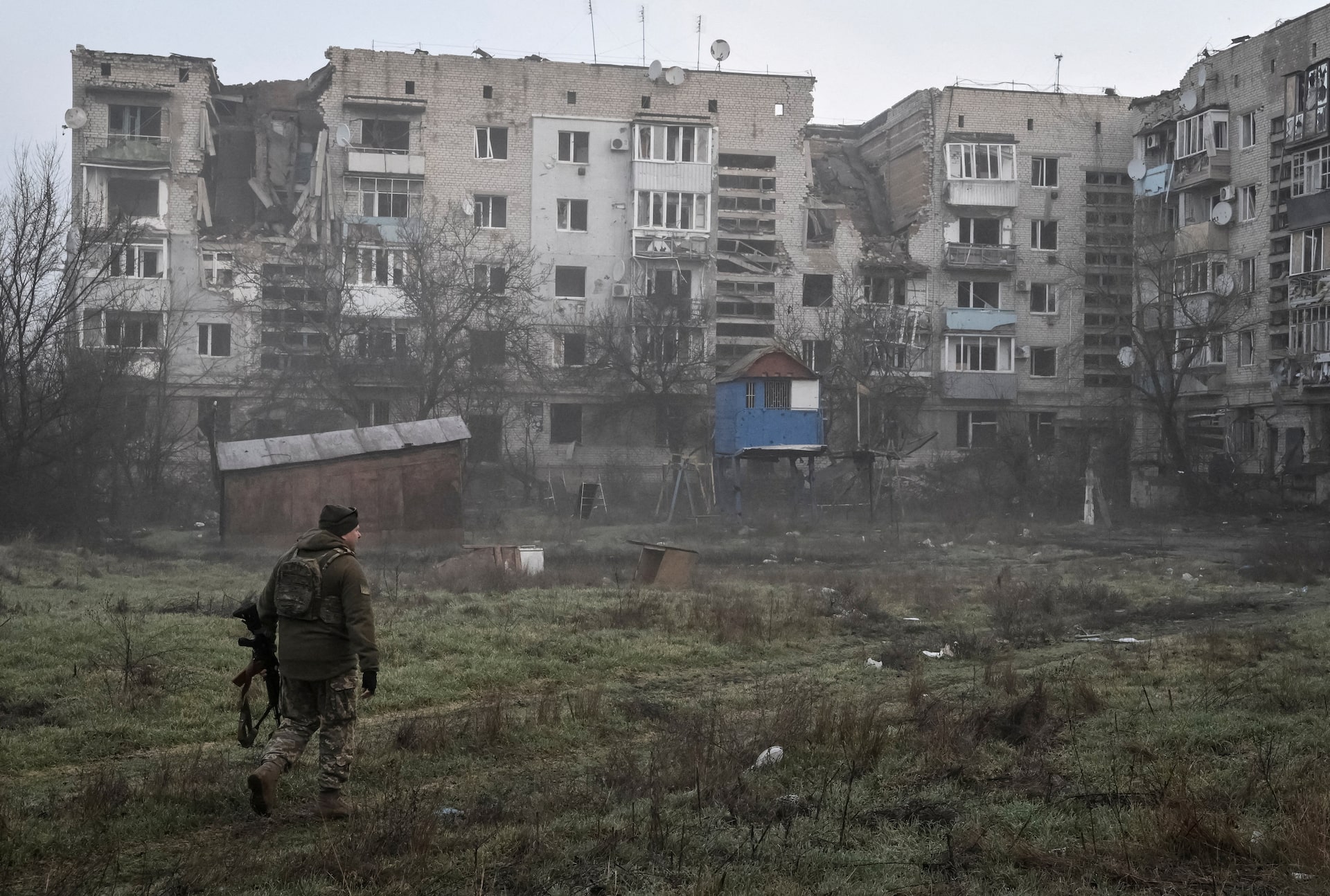



Ceasefire Violations Escalate Tensions
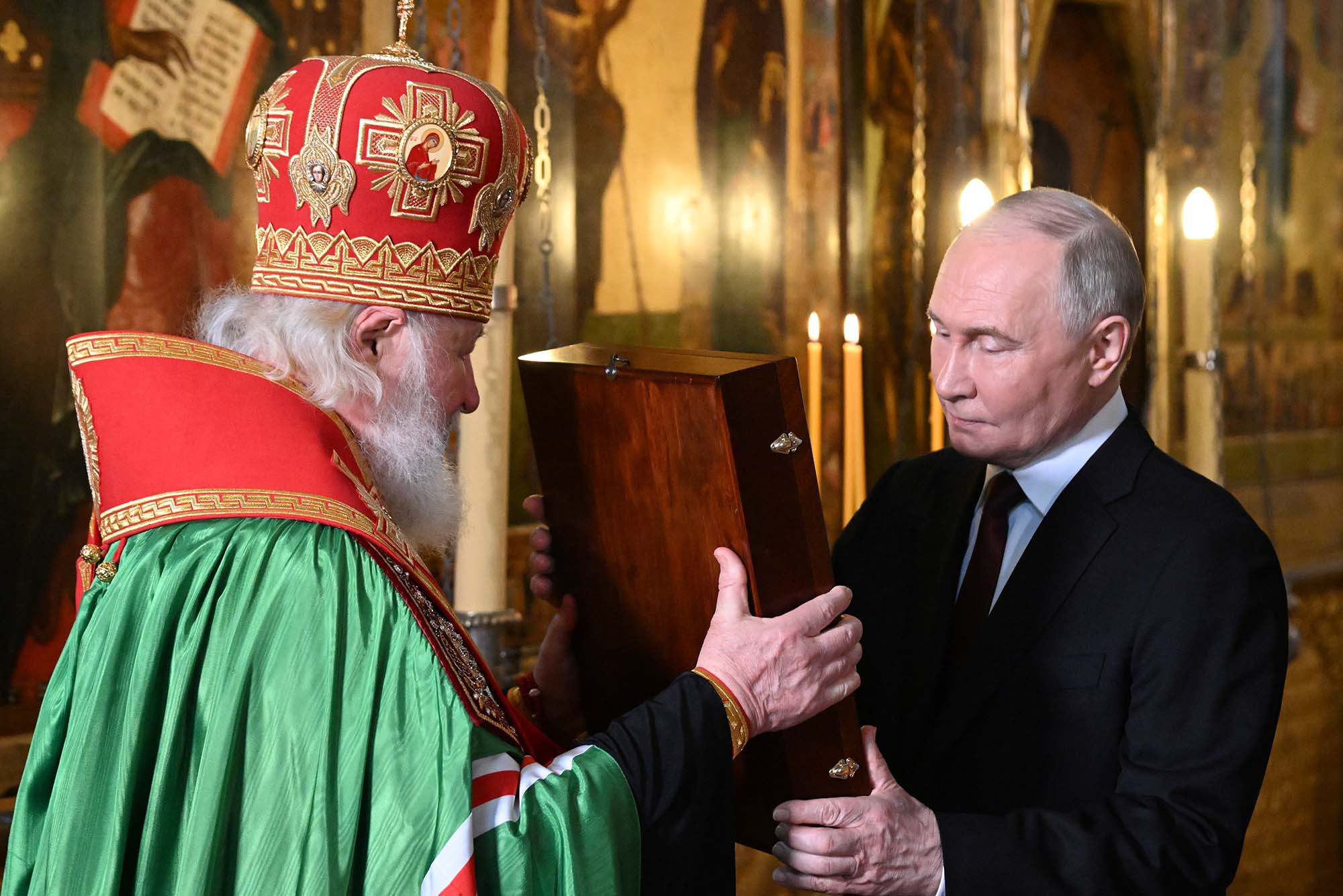
Russian President Vladimir Putin declared a 32-hour ceasefire starting at 4 p.m. Saturday, aiming to pause hostilities over Orthodox Easter. Ukrainian President Volodymyr Zelensky promised to follow the truce but vowed a symmetric response to any breaches. By Sunday morning, Ukraine's armed forces reported 2,299 violations, including 28 assaults and 479 shellings. Russia countered with claims of 1,971 violations by Ukraine, such as 258 artillery strikes and 1,329 FPV drone attacks. These accusations highlight the fragility of the truce, potentially prolonging the conflict and disrupting regional stability.
Drone Strikes and Fatalities in Odesa
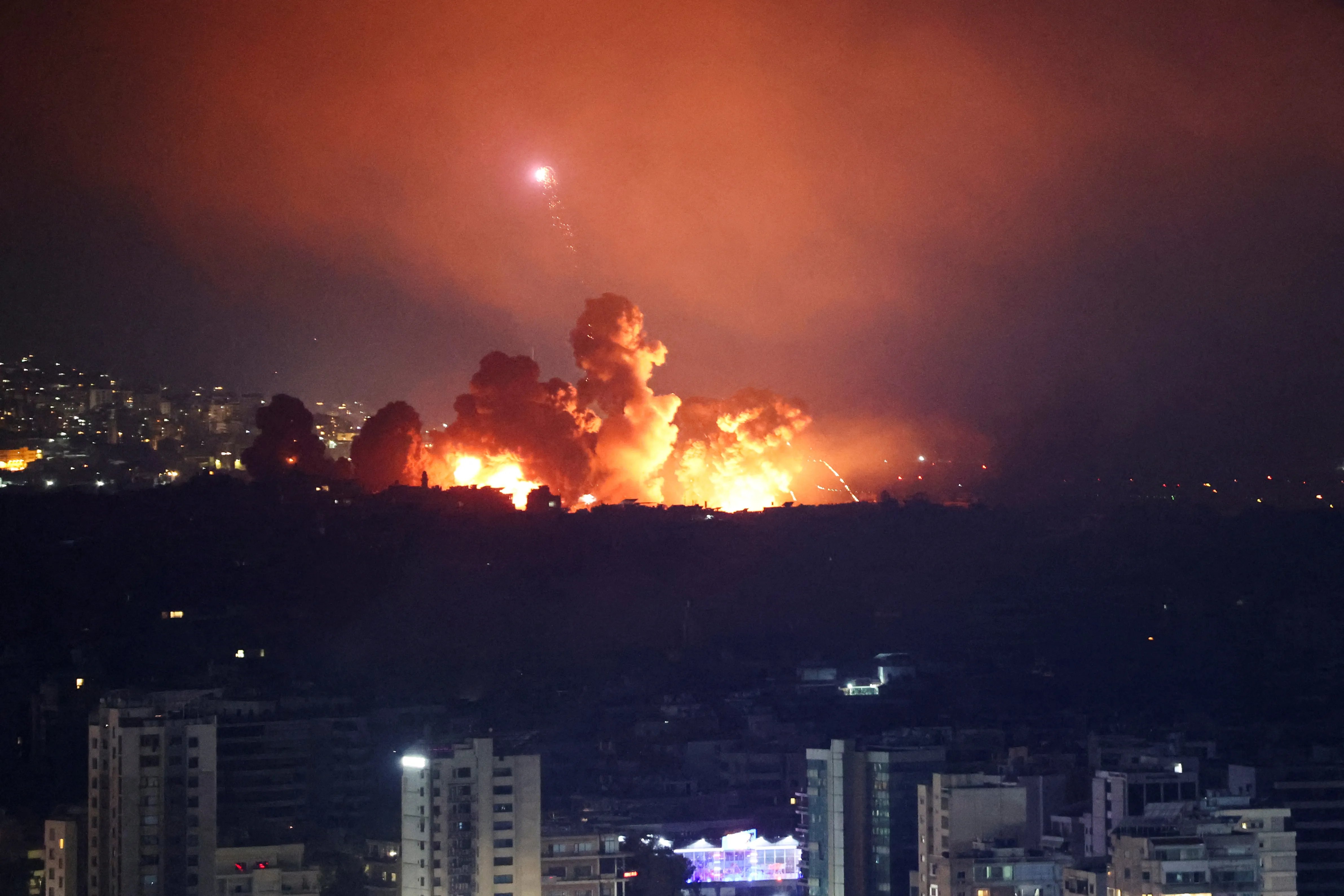
Russian drone strikes hit Odesa overnight into Saturday, killing two people and wounding two others in a residential area. Ukraine's Air Force noted Russia launched 160 drones, with 133 intercepted before the ceasefire began. In Ukraine's Sumy region, a Russian drone struck an ambulance, injuring three medics. Russian forces in Kharkiv executed four unarmed Ukrainian soldiers shortly after the truce started, an act labeled a war crime by Ukrainian authorities. Such incidents underscore the immediate dangers to civilians, showing how aerial attacks erode personal safety during supposed pauses in fighting.
Prisoner Exchange Offers Brief Relief
Both sides completed a swap of 175 prisoners on Saturday, returning soldiers held since 2022. Zelensky confirmed the exchange, noting it brought home captured service members and seven civilians. Russia reported seven residents from its Kursk region also returned after capture during Ukraine's 2024 incursion. Kremlin spokesman Dmitry Peskov described the truce as a humanitarian gesture but tied any extension to Zelensky accepting Moscow's demands. This exchange provides a rare positive amid the strife, reminding families of potential reunions and the human cost of ongoing disputes.

The sources also report that Svitlana Pohosyan, a mother at the prisoner exchange site waiting for her captured son, shared hopes for the ceasefire and family reunions.

The sources add that Russia's human rights ombudswoman, Tatyana Moskalkova, greeted the returning residents of the Kursk region. According to Moskalkova, these returnees were the last of those taken to Ukraine from the Kursk region after the Ukrainian army took control in 2024.
Russia's Refusal to Extend Truce
Russia announced it would not prolong the ceasefire beyond Sunday unless Zelensky agrees to its terms, as stated by Peskov in an interview. Peskov argued that sustainable peace requires Ukraine to meet longstanding Russian conditions, warning that operations would resume otherwise. Ukrainian forces, meanwhile, documented 747 strikes by attack drones and 1,045 by FPV drones as evidence of Russian non-compliance. This stance from Moscow blocks paths to broader negotiations, leaving civilians like Irena Bulhakova in Kyiv to face continued uncertainty. The failure to extend means families may soon endure more disruptions to daily life, such as interrupted gatherings and heightened alert status.











The sources also report that Russian forces executed four unarmed Ukrainian soldiers after the ceasefire began, an incident described as a 'grave violation of international humanitarian law' by Ukraine's local prosecutor.