
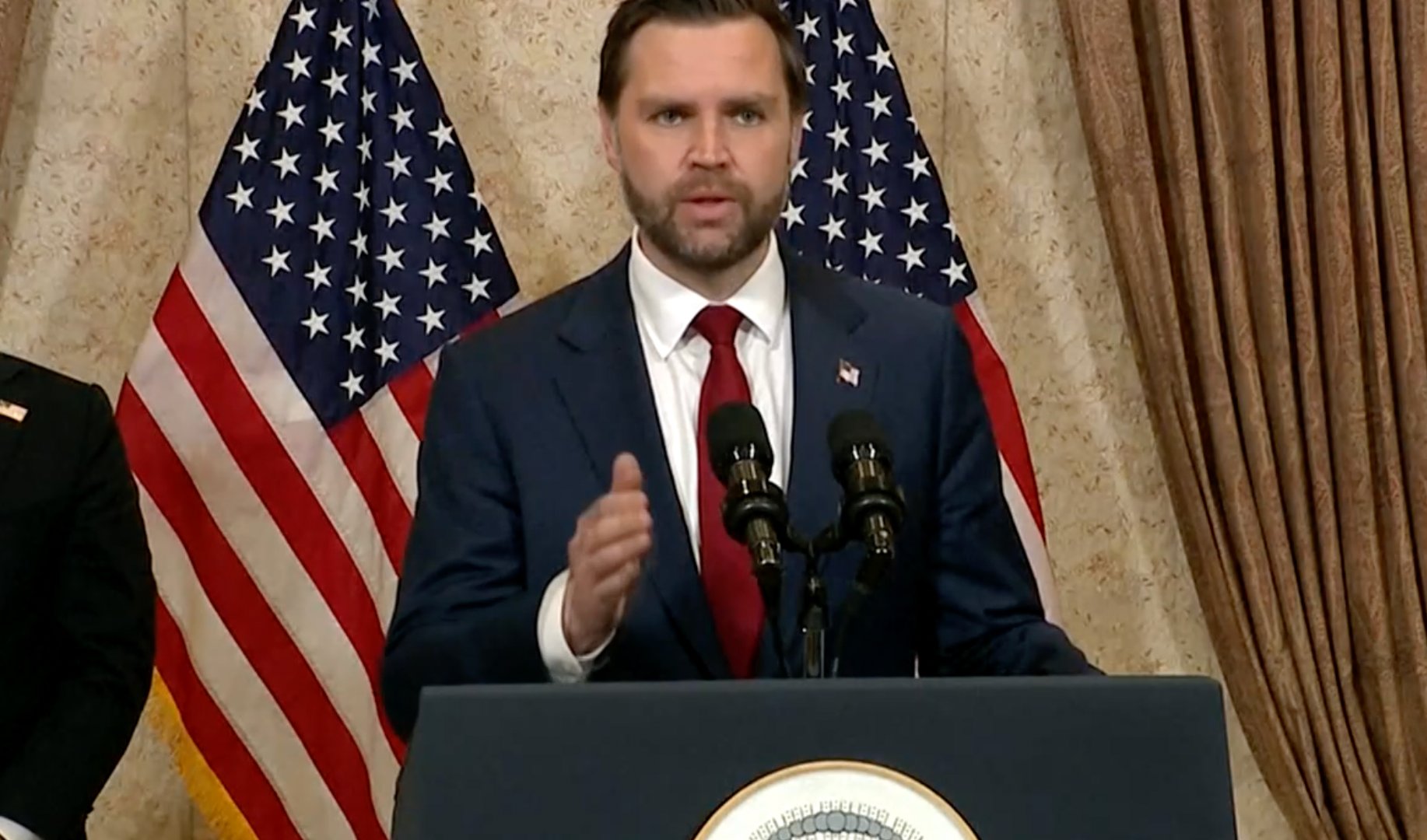





Vance Confirms Failure of Negotiations
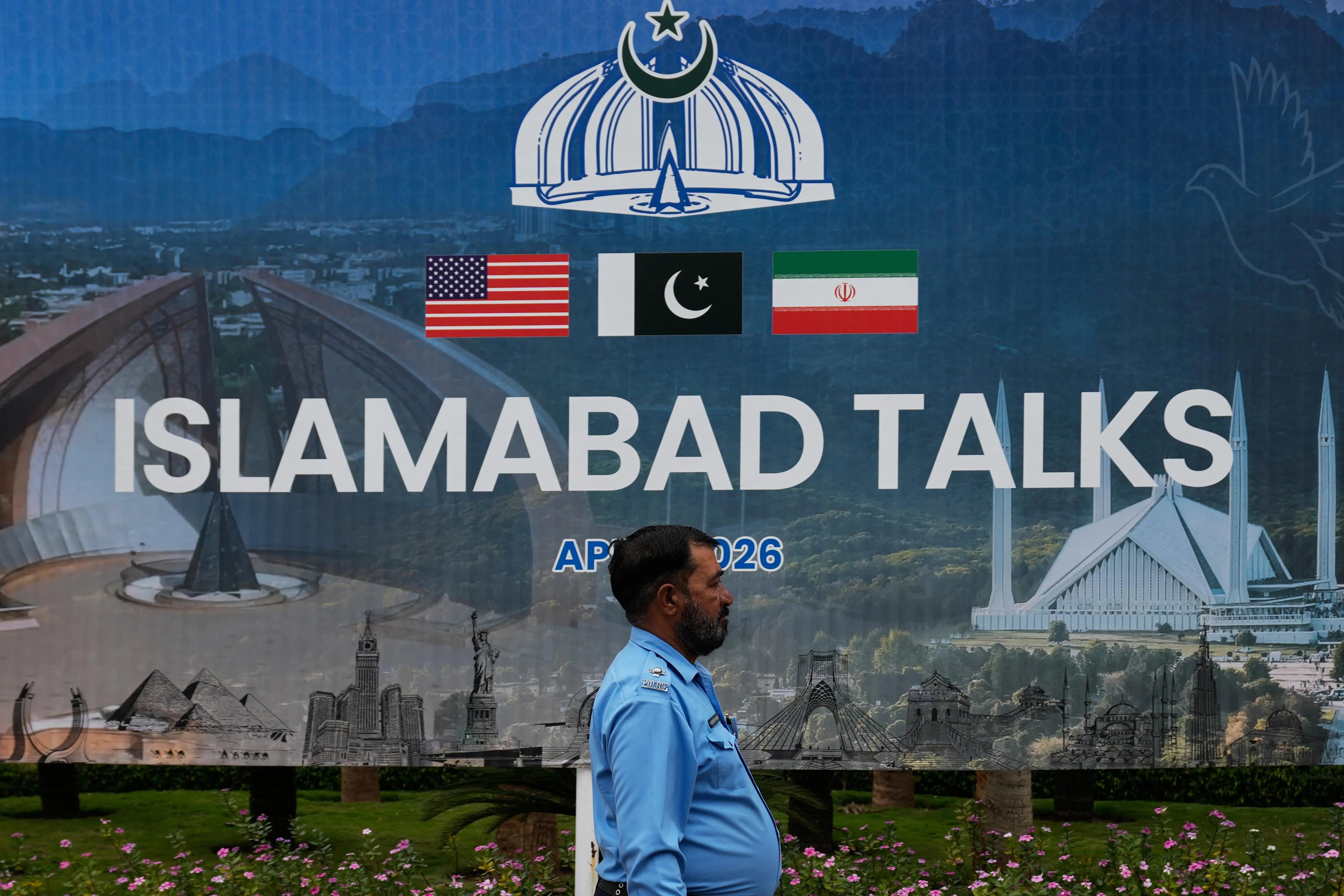
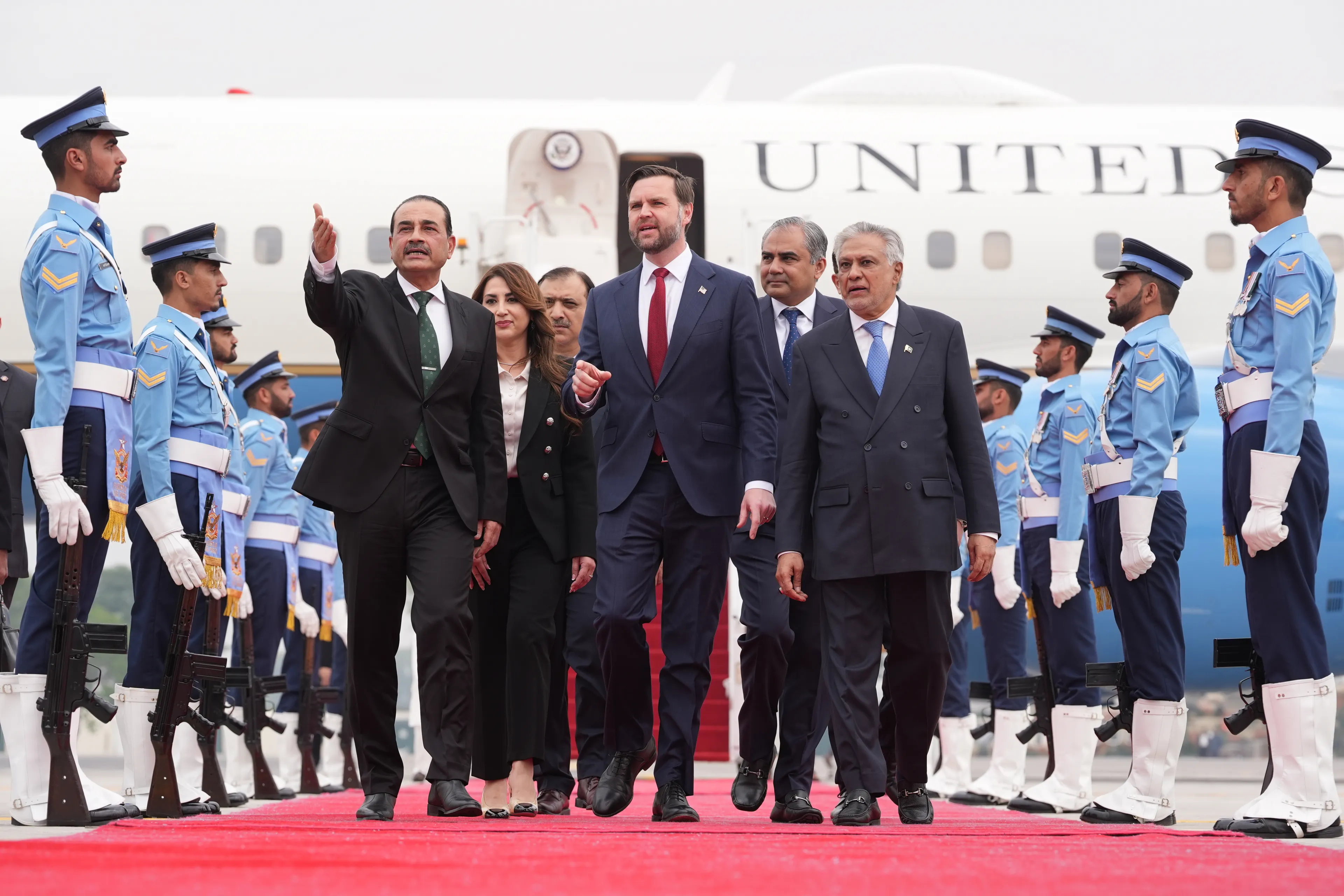
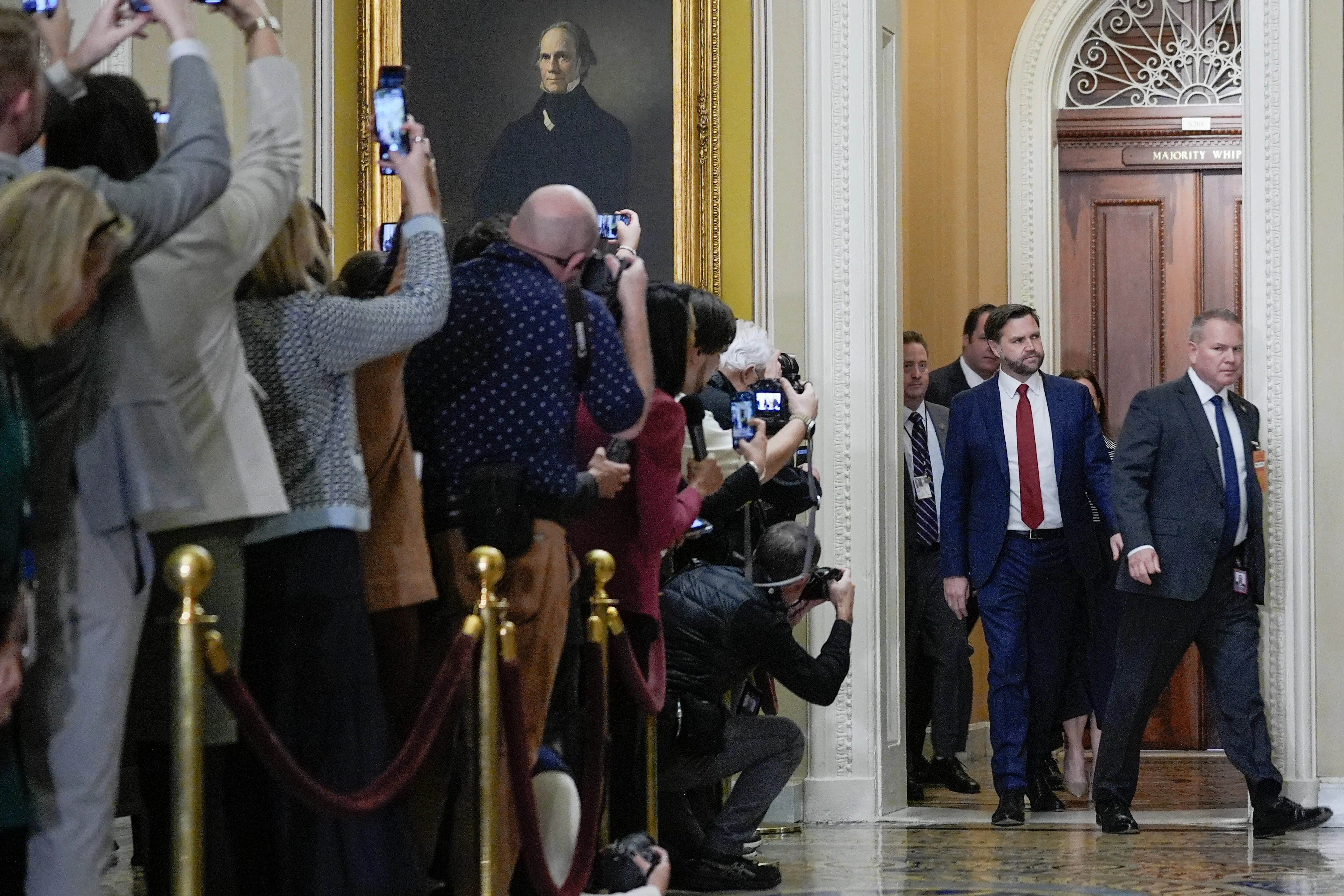
Vice President JD Vance announced that the United States and Iran failed to reach an agreement after 21 hours of talks in Islamabad. This outcome affects global trade routes and energy prices, as the unresolved conflict could disrupt oil shipments through the Strait of Hormuz. Vance, leading the US delegation, told reporters that Iran did not accept US terms, which centered on a commitment to forgo nuclear weapons.
Details of the Stalled Discussions
The negotiations involved direct meetings between US and Iranian officials, marking a rare face-to-face encounter after a two-week ceasefire. Pakistani leaders hosted the talks, with Foreign Minister Ishaq Dar urging both sides to maintain the ceasefire amid ongoing regional tensions. Steve Witkoff and Jared Kushner joined Vance in the discussions, communicating updates to President Donald Trump multiple times during the process.
US Terms Rejected by Iran
Vance stated that the US required an "affirmative commitment" from Iran not to seek nuclear weapons or the tools to build them. Iranian negotiators, including Parliament Speaker Mohammad Bagher Qalibaf, chose not to agree to these conditions despite US flexibility. Iranian Foreign Ministry spokesperson Esmaeil Baqaei downplayed the talks, noting that no one expected a deal in a single session and expressing confidence in future regional contacts.
Trump's View on the Outcome
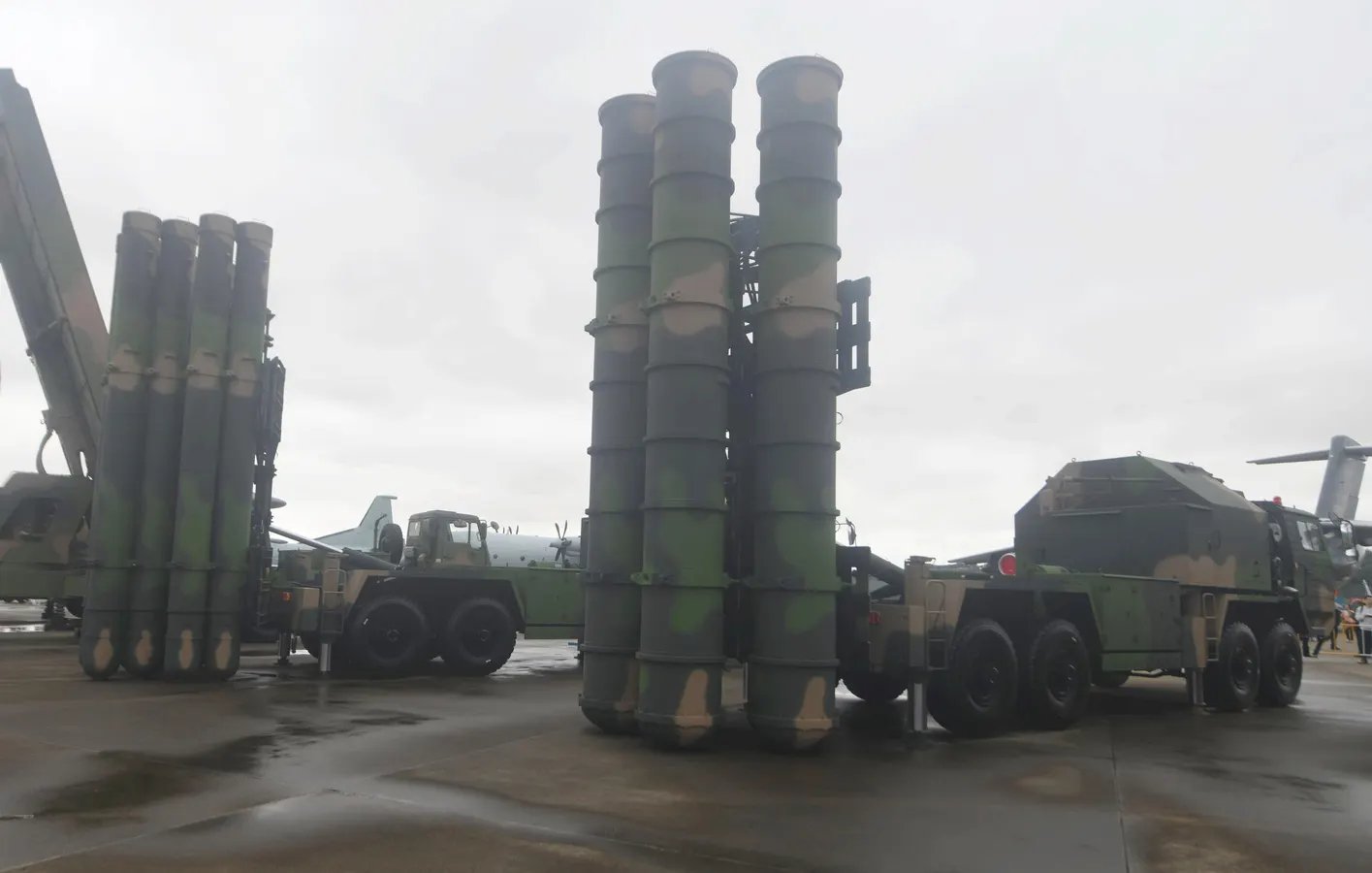
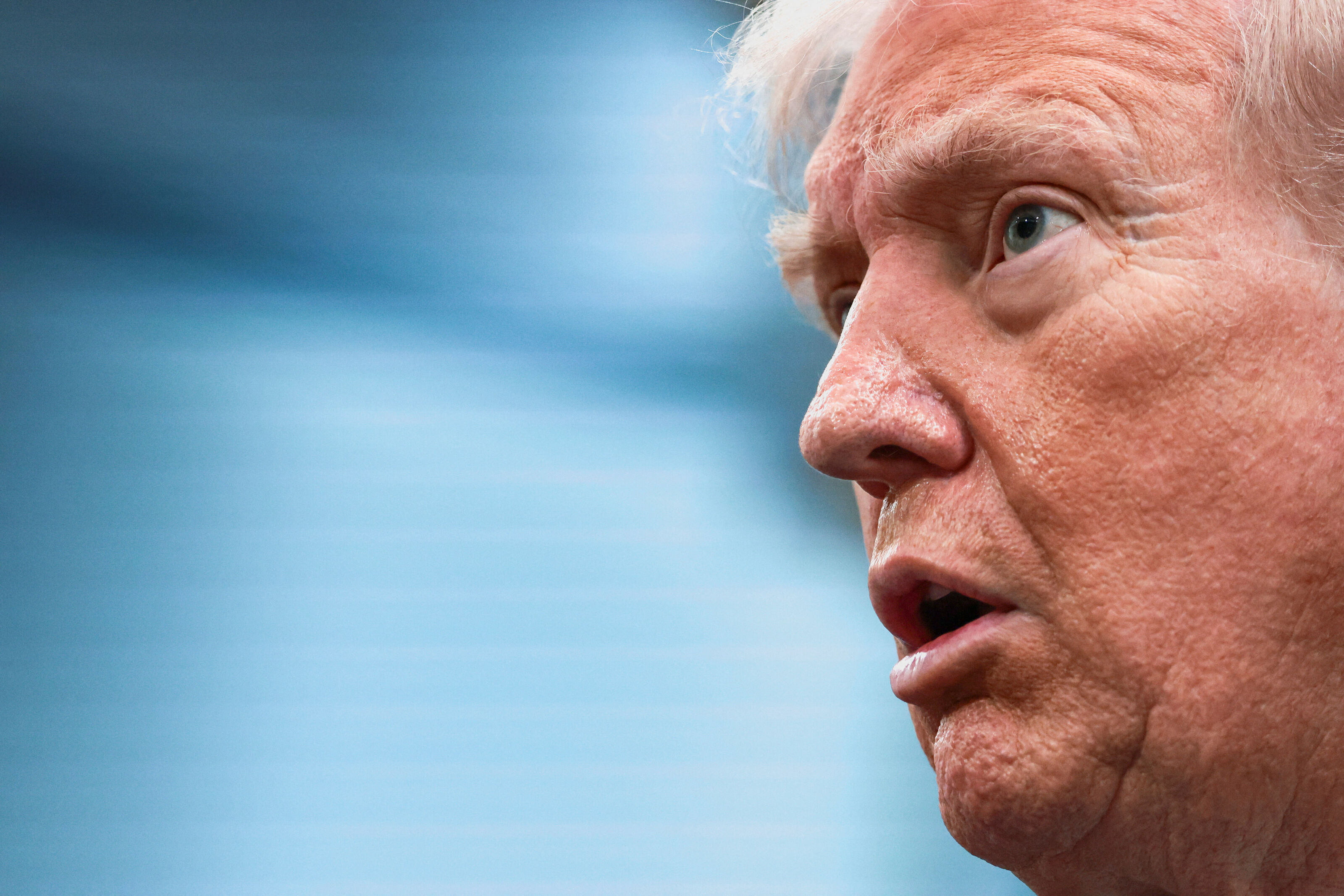
President Donald Trump asserted that the US "wins regardless" of whether a deal happens, speaking from the White House as negotiations continued. Trump emphasized that the US had already defeated Iran through prior military actions, including strikes on February 28. He mentioned ongoing US efforts to clear mines in the Strait of Hormuz, involving two Navy destroyers and mine-sweepers, as a step to reopen the waterway.
Pakistan's Mediation Efforts
Pakistan facilitated the trilateral talks, with Prime Minister Shehbaz Sharif meeting both delegations before the main discussions. Foreign Minister Dar stressed the need for both sides to uphold the ceasefire and offered Pakistan's continued role in future dialogues. The talks extended into the early morning, with a senior White House official noting they lasted over 15 hours at one point.
The failure to secure a deal leaves the Middle East conflict unresolved, potentially leading to higher energy costs for consumers worldwide as the Strait of Hormuz remains partially closed. With no immediate plans for further talks confirmed, the US delegation's return home highlights the risk of escalating tensions, underscoring the need for continued diplomatic efforts to prevent broader instability.





















The sources also report that Parliament Speaker Mohammad Bagher Qalibaf represented Iran at the talks, a detail the summary omits.