




Uncertainty in the Markets
Gulf stock markets experienced a sharp decline following the collapse of US-Iran peace talks aimed at solidifying a two-week ceasefire. The negotiations, which lasted 21 hours, ended without an agreement, raising concerns among investors about the stability of the region. Analysts predict that the failure to secure a deal could lead to increased volatility in financial markets, prompting a shift towards safer assets.
Breakdown of Negotiations
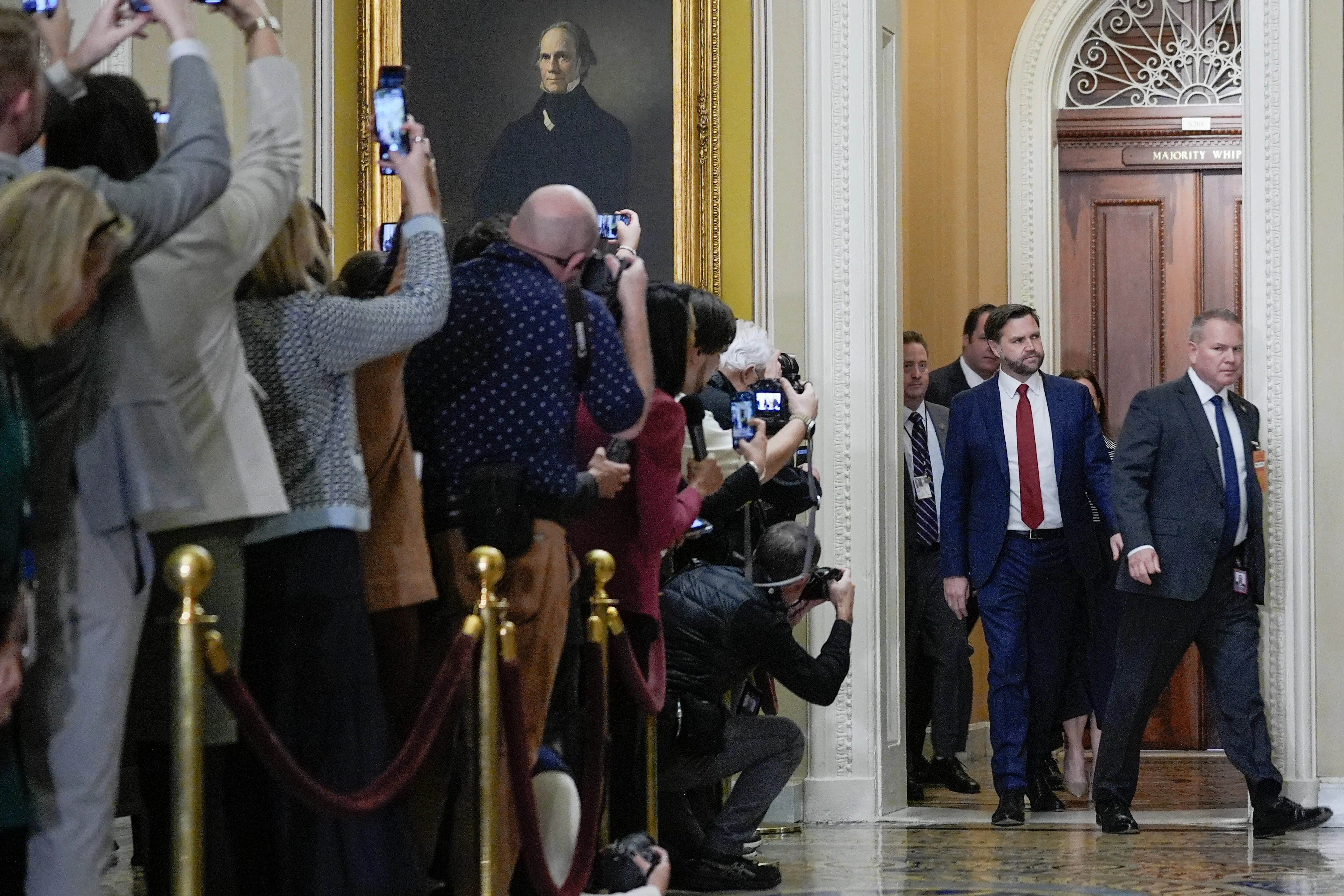
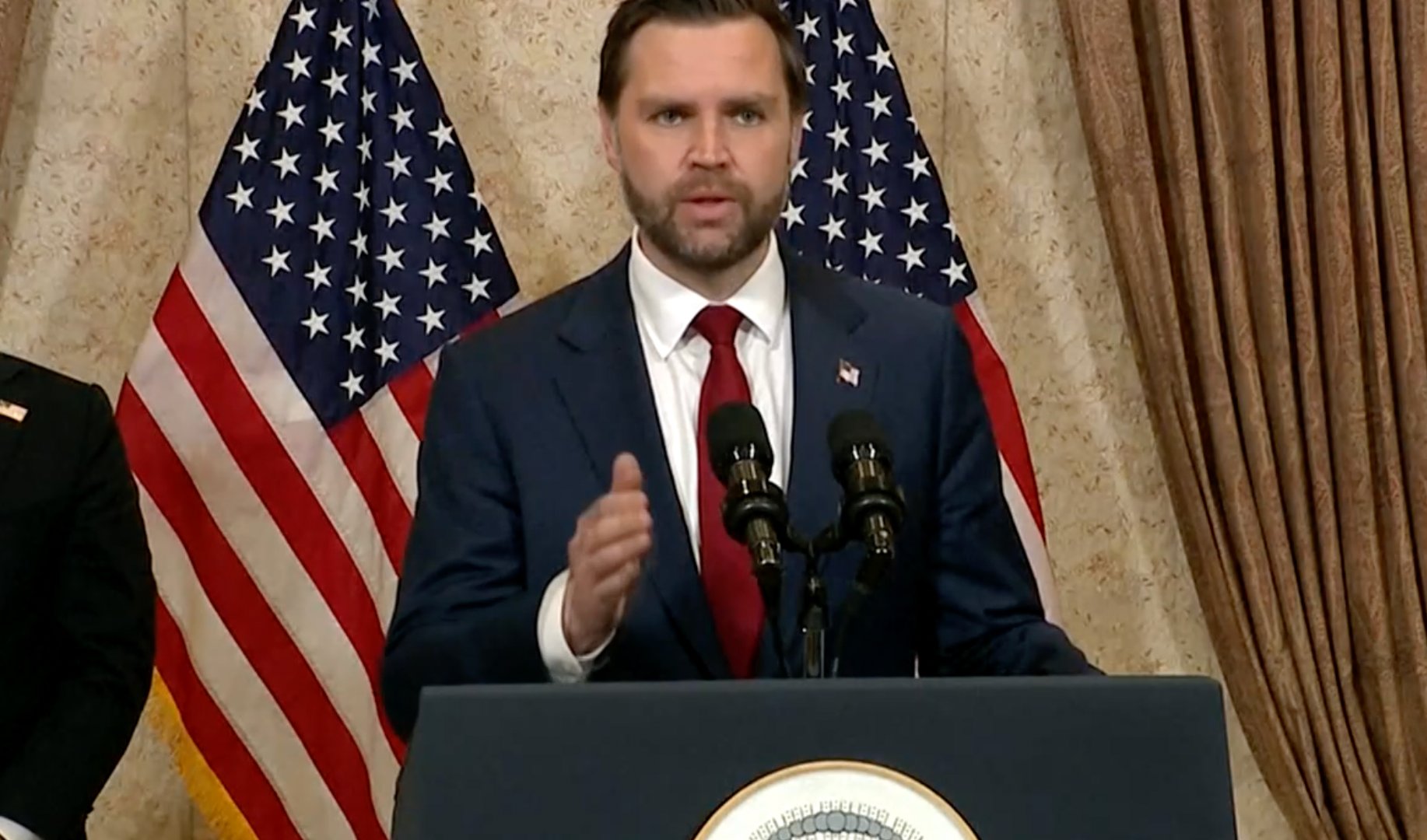
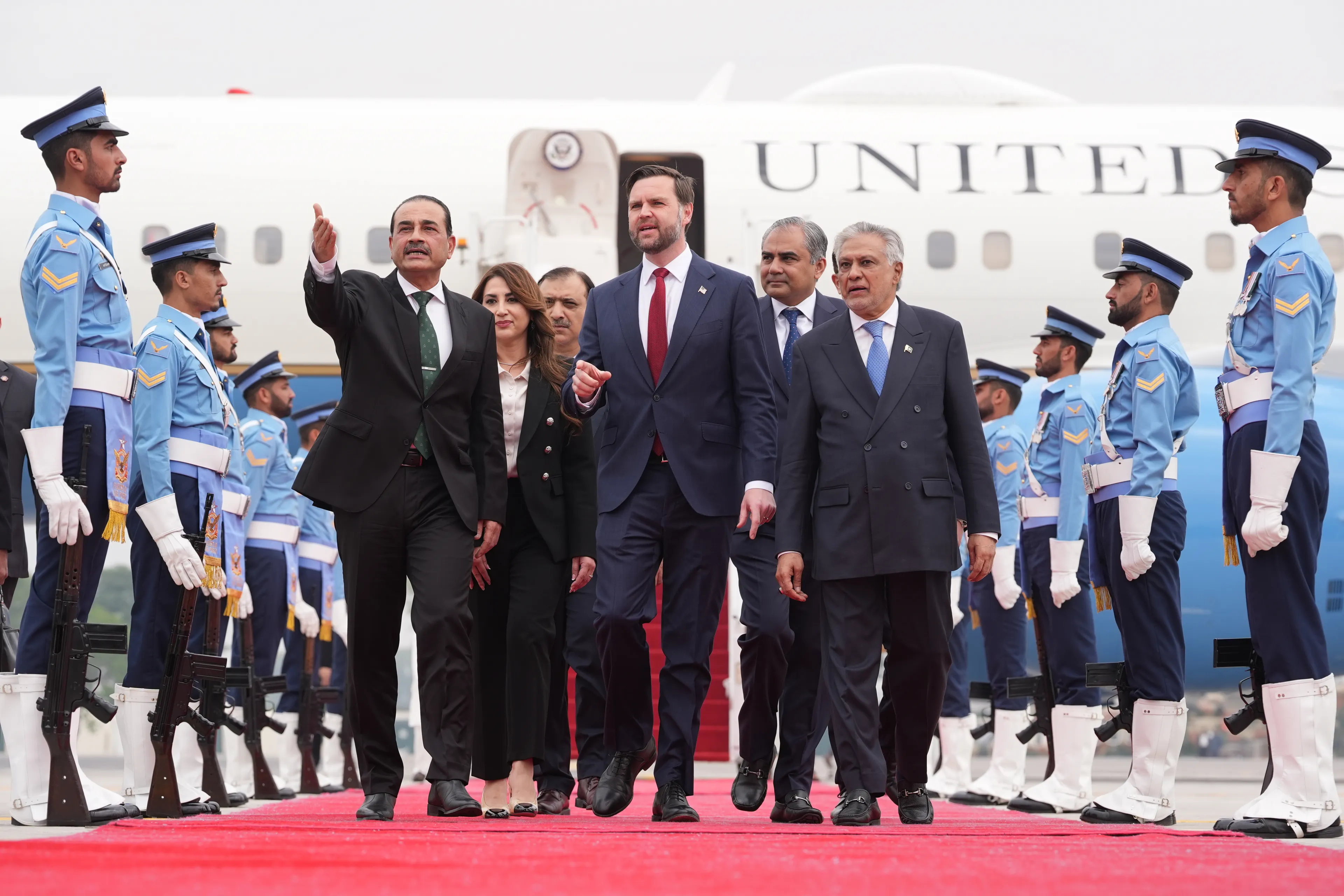
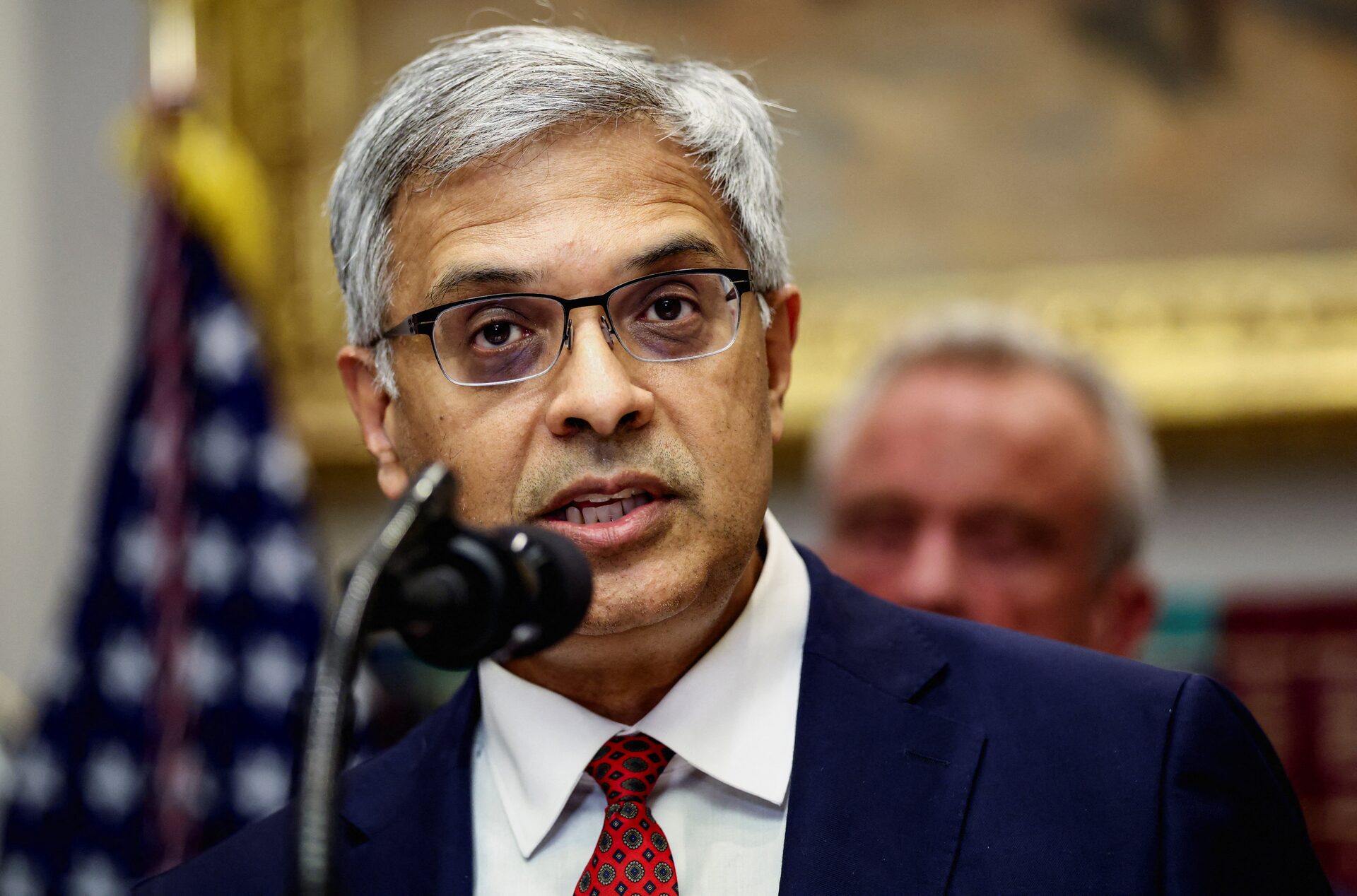
The talks, led by US Vice President JD Vance in Islamabad, faced significant hurdles, primarily over Iran's nuclear program and regional control. Vance stated, "The bad news is that we have not reached an agreement. I think that's bad news for Iran much more than it's bad news for the U.S." He emphasized that the US requires an affirmative commitment from Iran to refrain from pursuing nuclear weapons, a demand Tehran has yet to accept. Iranian officials claimed that while some understanding was reached, excessive US demands hindered a successful outcome.
Key Issues at Stake
Iran's demands included control over the Strait of Hormuz and the release of $6 billion in frozen assets, complicating the discussions further. The Iranian Foreign Ministry highlighted that the US's insistence on unrealistic terms contributed to the breakdown. Vance noted that the talks also covered issues such as sanctions and reparations, indicating a broad scope of contention between the two nations.
Implications for the Ceasefire
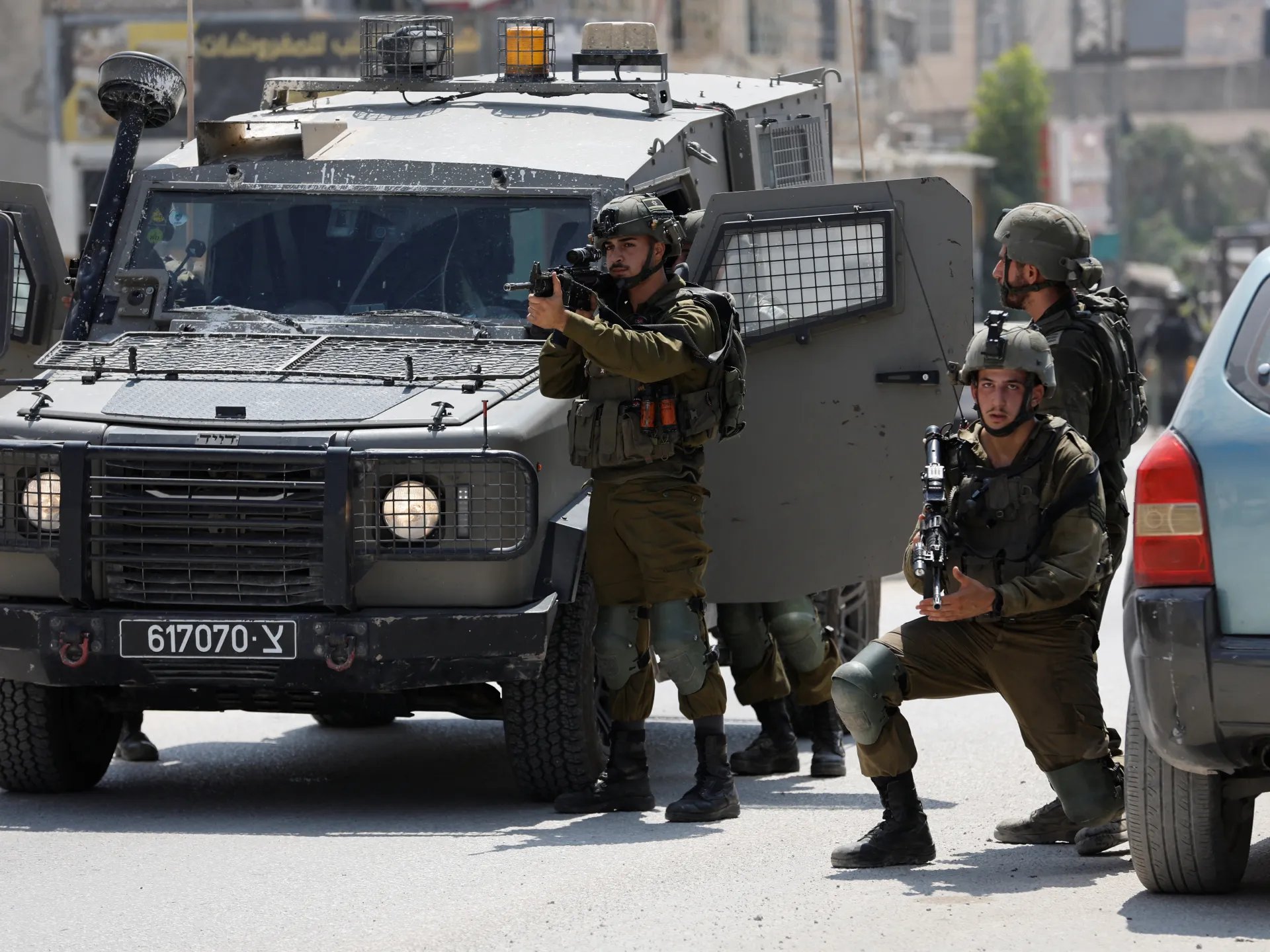
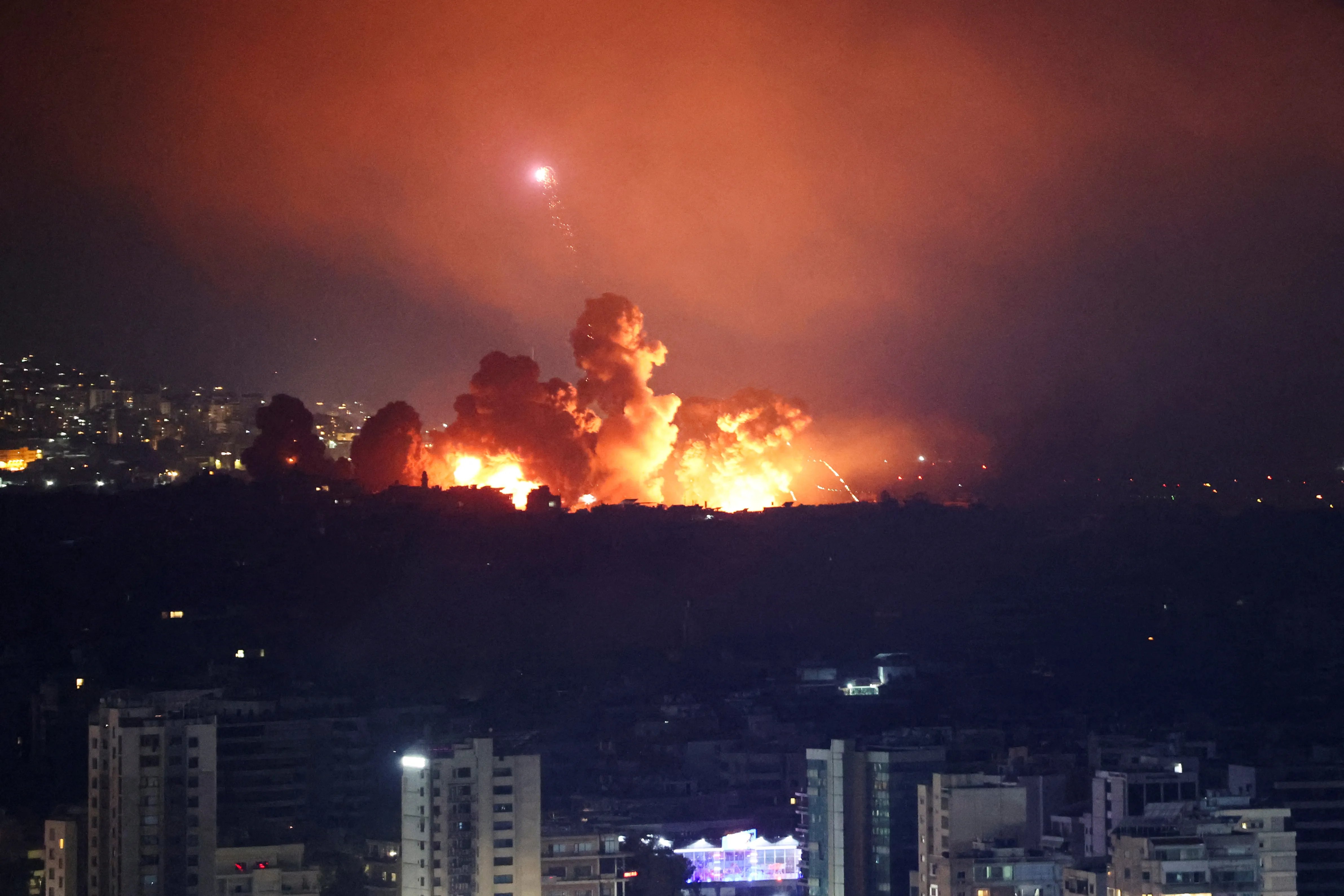
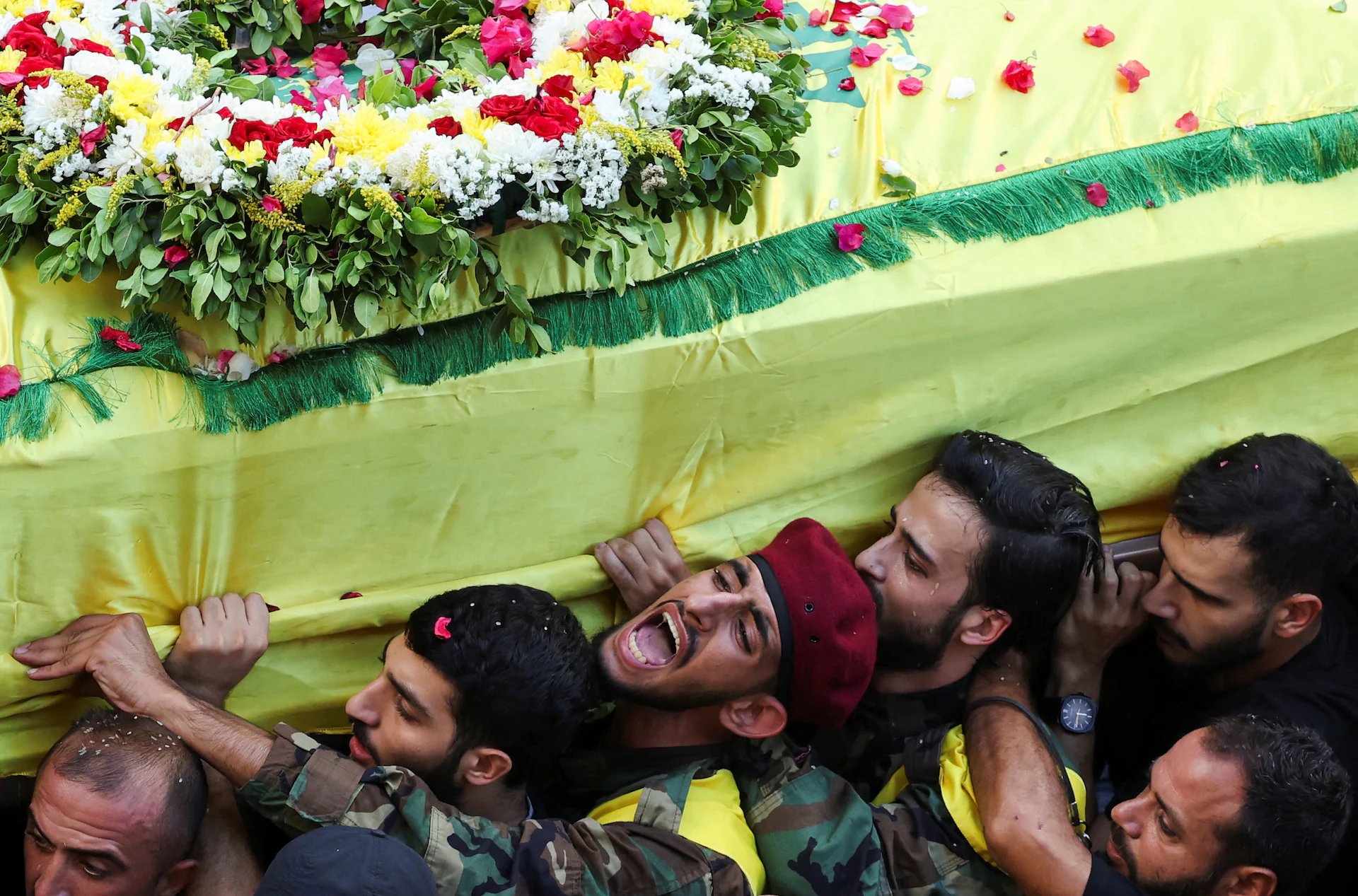
With the ceasefire now in jeopardy, the potential for renewed conflict looms large. Vice President Vance indicated that despite the setback, there remains a "final and best offer" on the table, leaving the door open for future negotiations. However, the immediate outlook is grim, as tensions between Israel and Iran continue to escalate, with Israeli forces reportedly striking more than 200 Hezbollah targets over the weekend.
Regional Reactions
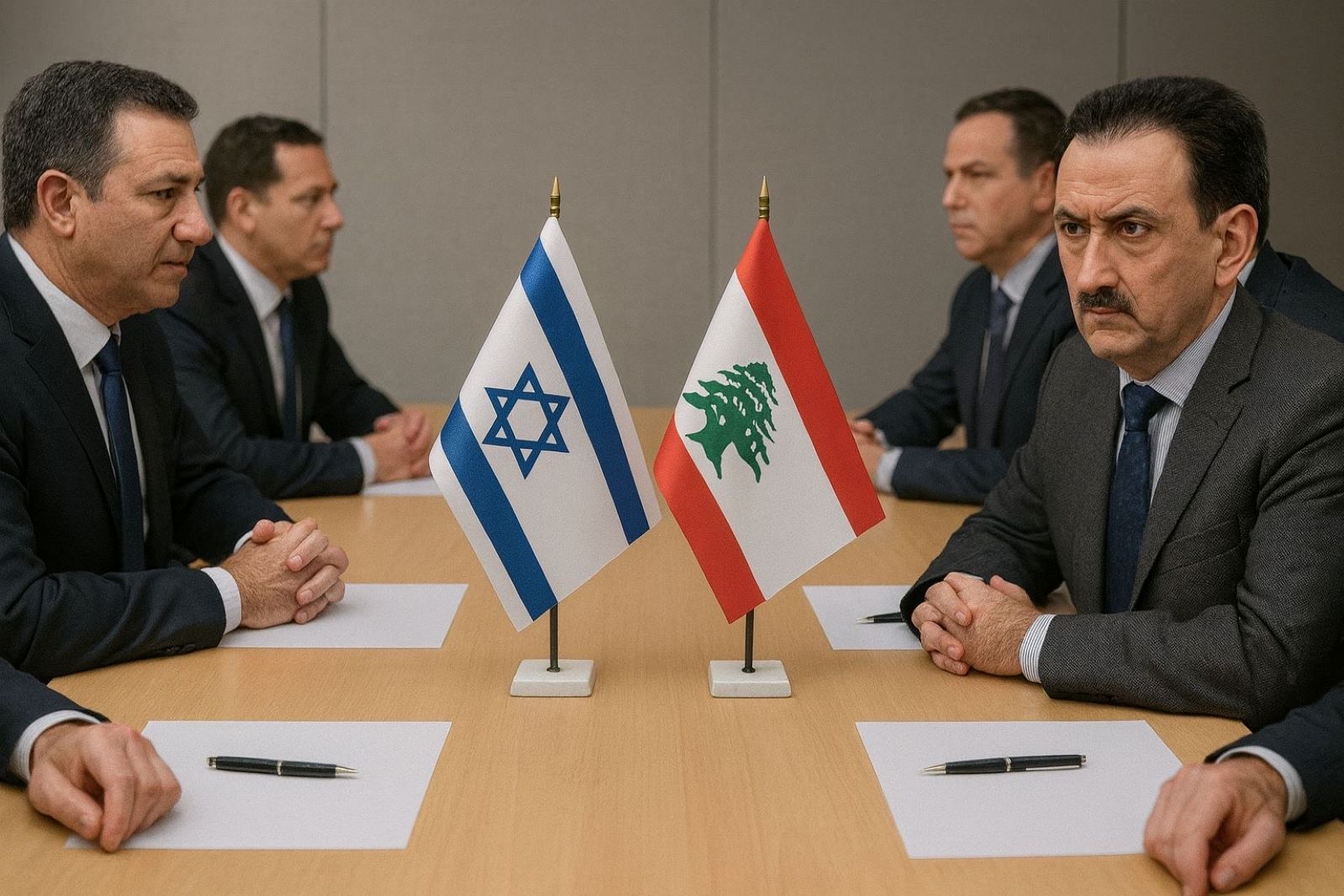
Pakistan, which mediated the talks, has urged both nations to uphold their ceasefire agreement, emphasizing the need for continued dialogue. Pakistani Foreign Minister Ishaq Dar reiterated the importance of maintaining peace in the region, stating that the situation remains delicate. Meanwhile, Lebanon's Prime Minister expressed hope for stability, acknowledging the dangers that persist.
Market Reactions
Investor sentiment in the Gulf is likely to be affected in the coming days, as uncertainties surrounding the ceasefire and the broader geopolitical landscape take center stage. The failed negotiations are expected to weigh heavily on risk assets, with analysts anticipating a shift towards safe havens as market participants react to the heightened instability.
Next Steps on the Horizon
As the dust settles from the failed talks, the focus will shift to how both the US and Iran respond to the current state of affairs. The potential for renewed dialogue remains, but significant challenges persist. With the specter of conflict looming, the implications of the negotiations will resonate far beyond the immediate region, affecting global markets and international relations in the months to come.