





The Stunning Election Results
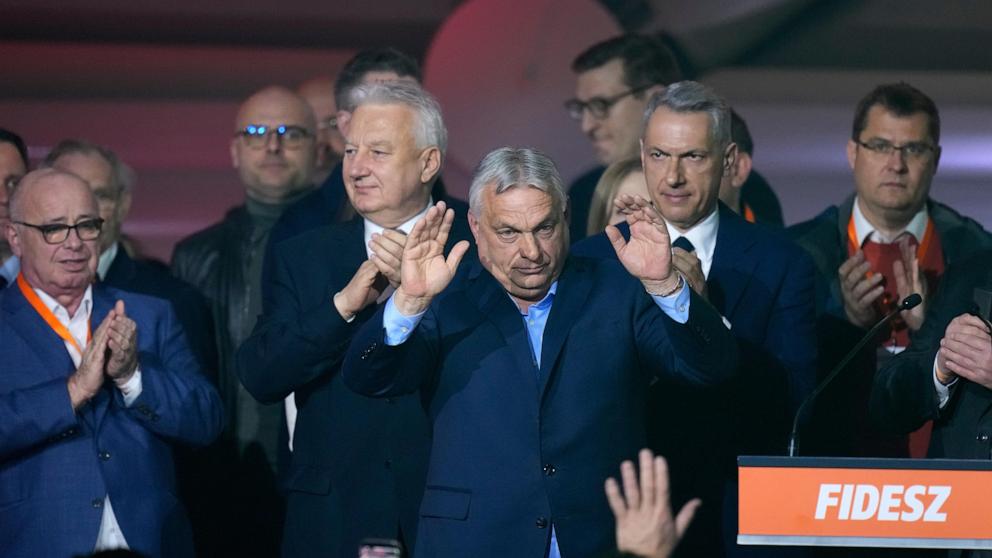
Hungarian Prime Minister Viktor Orbán conceded defeat on Sunday, ending his 16 years in power as Peter Magyar's Tisza party surged ahead. With 77% of votes counted, Tisza captured more than 53% support compared to 38% for Orbán's Fidesz party, according to the National Election Office. This outcome gives Tisza a potential supermajority of 135 seats out of 199, allowing Magyar to reverse Fidesz policies. The record turnout exceeded 77%, the highest since the 1990s, reflecting widespread dissatisfaction with Orbán's rule. This shift affects everyday Hungarians by potentially improving public services and reducing corruption, as Magyar promised during his campaign.
Magyar's Rapid Rise to Power
Peter Magyar, a 45-year-old former Fidesz insider, broke from Orbán in 2024 and built Tisza into a formidable force by addressing voter concerns. Magyar campaigned on fighting corruption and fixing Hungary's faltering health care and transportation sectors, drawing support from disillusioned conservatives and traditional opponents. In European Parliament elections last year, Tisza won 30% of the vote, propelling Magyar into a key EU role. Orbán's team accused Magyar of election fraud, while Magyar reported similar irregularities from Fidesz, highlighting tensions on both sides. This change could influence global alliances, altering Hungary's ties with the EU and affecting economic opportunities for citizens.
Reasons Behind Orbán's Downfall
Voters rejected Orbán due to allegations of corruption and strained EU relations, as noted in exit polls from multiple outlets. Orbán denied misuse of EU funds but faced backlash over his close ties to Russian President Vladimir Putin, including blocking EU aid to Ukraine. Young voters like 21-year-old Marcell Mehringer cited desires for a "European country" free from Orbán's anti-EU stance as key motivators. Magyar's cross-ideological coalition united people around honest discourse and clean governance, contrasting Orbán's nationalist approach. These factors signal a broader demand for accountability, which could lead to better economic stability and reduced living costs for Hungarian families.
International Reactions and Implications
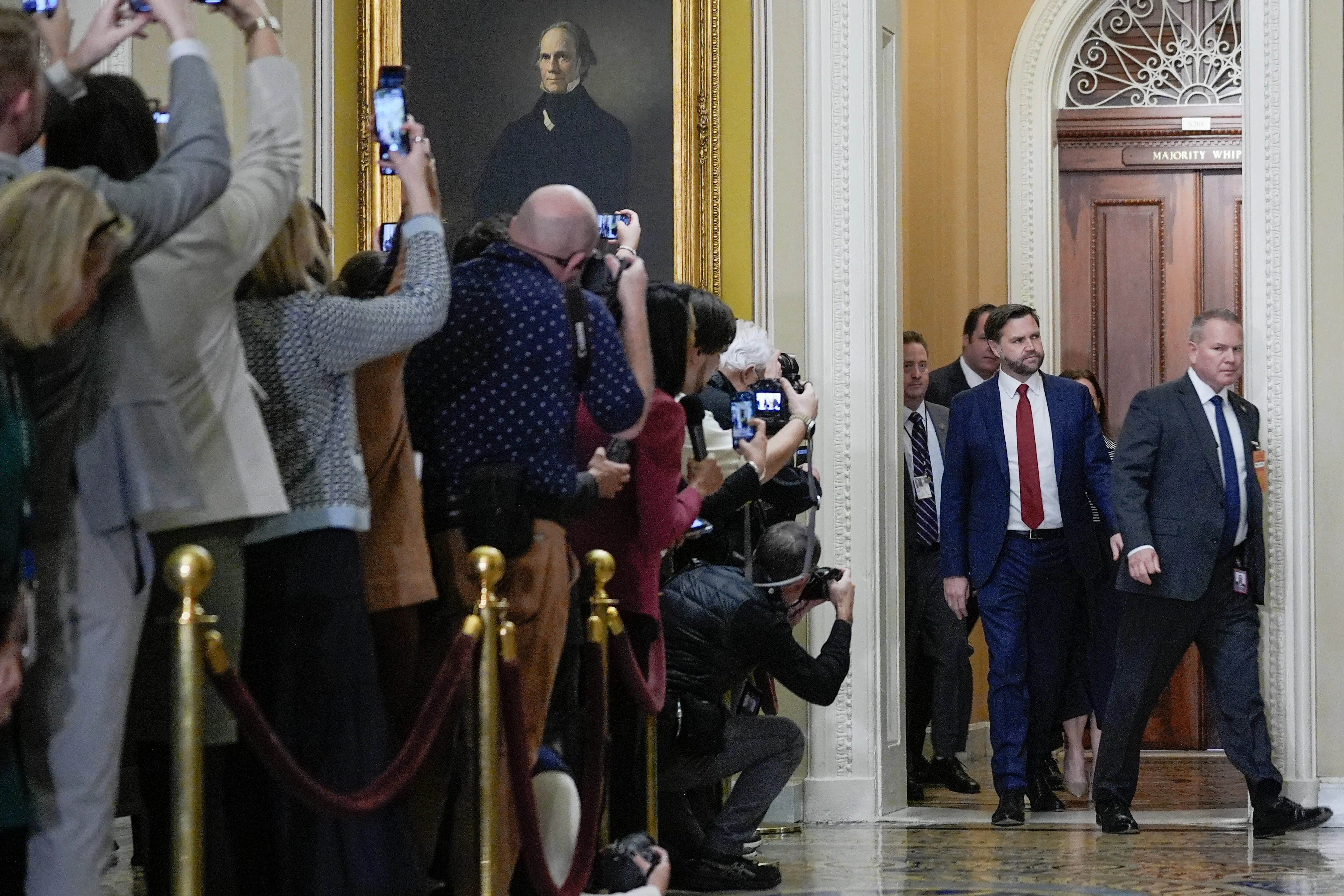
European Commission President Ursula von der Leyen praised the result as Hungary choosing Europe, posting congratulations on social media. German Chancellor Friedrich Merz and French President Emmanuel Macron offered support to Magyar, expressing hopes for stronger EU unity on security and democracy. Orbán's ally, U.S. Vice President JD Vance, had campaigned for him, underscoring Orbán's connections to President Donald Trump. This defeat weakens Russia's influence in the EU, as Orbán often opposed sanctions on Moscow, potentially easing energy costs and trade for Europeans. Magyar's win opens doors for renewed EU funding, impacting global policies on migration and Ukraine aid.
Hungary's Path Forward
Magyar declared Hungary "liberated" from Orbán's system, outlining plans to undo constitutional changes that weakened the judiciary. If Tisza secures a two-thirds majority, Magyar can reshape institutions to promote transparency and realign with EU norms. Supporters celebrated along the Danube in Budapest, with Magyar urging peaceful festivities amid the victory. This transition offers Hungarians a chance for improved governance, such as better public health and less corruption, directly enhancing daily life. As new leaders take office, voters can expect policy shifts that strengthen ties with Western allies, fostering economic growth and security.


























The sources also report that with 60% of the vote counted, Tisza had more than 52% support compared to 38% for Orbán's Fidesz party, indicating a significant lead.