
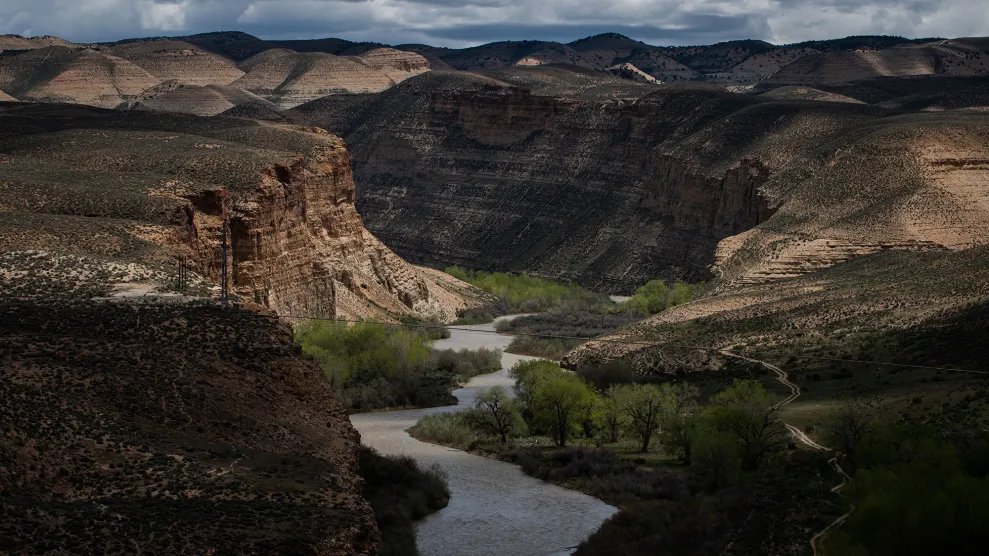




A Shield for Fossil Fuel Companies
Utah has enacted legislation that makes it nearly impossible for residents to sue fossil fuel companies for climate damages, a move that advocacy groups say prioritizes corporate profits over communities already experiencing climate impacts. The law takes effect next month. It shields any person or entity from civil or criminal liability related to greenhouse gas emissions unless a court finds the defendant violated a specific enforceable limitation on emissions or the express terms of a valid permit.
Challengers would also need to provide "clear and convincing evidence that unavoidable and identifiable damage or injury has resulted or will result as a direct cause of" the violation. Delta Merner, lead scientist at the science hub for climate litigation at the Union of Concerned Scientists, called the law "a surrender to wealthy special interests and an affront to the public good." She said it "prioritizes profits for the biggest polluters over communities already suffering from climate impacts."
Coordinated Strategy Across States and Congress
The Utah legislation, known as HB 222, closely mirrors a model policy called the Energy Freedom Act, circulated by the conservative group Consumers Defense. That organization has financial ties to groups linked to Leonard Leo, the architect of the far-right takeover of the Supreme Court. Lawmakers in Louisiana and Oklahoma are considering similar legislation. Iowa and Tennessee have already voted to pass climate liability-limiting legislation, though neither has yet been signed into law.

The sources also report that Tennessee lawmakers literally titled their bill the "Tennessee Energy Freedom Act," directly borrowing the model policy's name.
At the federal level, Wyoming Representative Harriet Hageman said during a House committee hearing last month that "Congress has a role to play" in defeating climate accountability lawsuits. She stated she was "working with my colleagues in both the House and Senate to craft legislation tackling both these state laws and the lawsuits that could destroy energy affordability for consumers." The American Petroleum Institute listed blocking "abusive" climate lawsuits as one of its top priorities for this year.
In recent years, 70 cities, states, and individuals have sued energy majors for allegedly deceiving the public about climate risks.
The Bill's Sponsor and Industry Backing
Republican Representative Carl Albrecht sponsored Utah's HB 222 and has received funding from oil and gas interests. He previously served as CEO of a rural electric cooperative substantially powered by fossil fuels. Albrecht told Bloomberg Law that the policy aims to halt "frivolous" legal challenges from environmental groups and to protect the state's coal-fired power plants. He said industry trade groups gave him the idea for the proposal.
Democratic Utah state senator Nate Blouin opposed the bill, noting that it passed quickly and without much discussion. He said Albrecht's history in the energy industry continues to influence his legislative efforts.
The Broader Litigation Landscape
New York and Vermont have passed climate "superfund" laws requiring major polluters to pay for damages caused by their past planet-heating pollution, with other states considering similar policies. Iyla Shornstein, political director at the Center for Climate Integrity, said the oil companies "clearly see these as an existential threat to their business model."
The fossil fuel industry appears to be following a playbook borrowed from other sectors. Since the firearms industry secured the Protection of Lawful Commerce in Arms Act in 2005, not a single negligence case against a gun manufacturer has gone to trial. The tobacco industry, by contrast, failed to secure immunity in the 1990s and ended up paying $260 billion in settlements. Merner warned that if fossil fuel companies "can secure blanket immunity now, they can avoid the fate of tobacco, but if they fail, they face tobacco-level accountability."













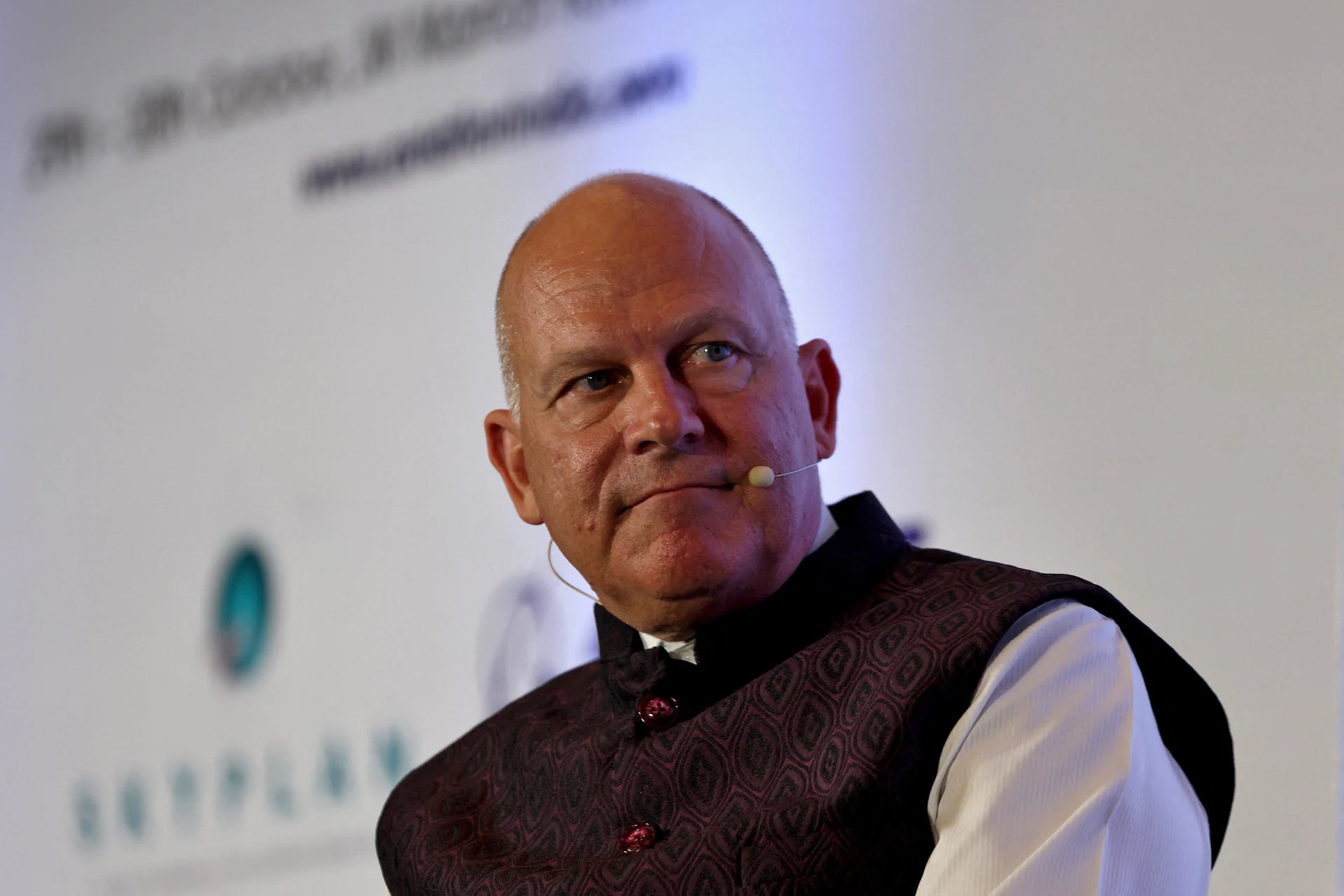
















Consumers Defense president Will Hild said Leonard Leo's involvement in the Energy Freedom Act was not attributable to “any individual figure.”