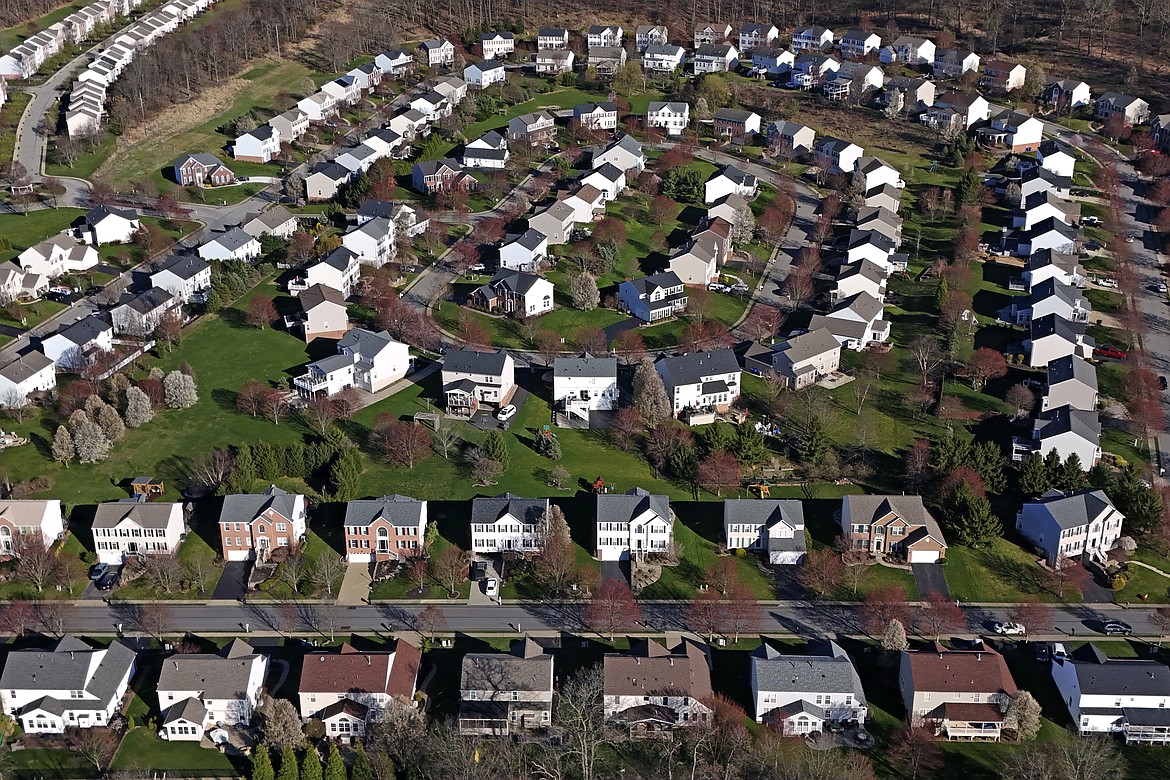
Existing home sales in the United States fell to their lowest level in nine months during March, driven by rising mortgage rates that have priced out potential buyers across the country.
The drop reflects a broader pattern of consumer resistance to higher borrowing costs. As mortgage rates have climbed, monthly housing payments have become substantially more expensive for families, forcing many to delay purchases or abandon plans entirely. This dynamic creates a ripple effect through the real estate industry, from real estate agents to home inspectors to title companies.
Higher rates translate directly into larger monthly payments for buyers, compressing the pool of people who can qualify for loans or afford the homes they want.
The rate environment has persisted long enough to reshape buyer behavior. Rather than viewing current conditions as temporary, many prospective homebuyers have withdrawn from the market entirely, waiting for rates to decline before entering negotiations. This pullback in demand puts downward pressure on home prices and sales volume simultaneously.
The trajectory for home sales depends heavily on whether mortgage rates stabilize or continue climbing.
For homebuyers still in the market, the nine-month low in sales volume offers limited advantage. Lower transaction counts do not necessarily translate into lower prices when mortgage rates remain elevated, since the cost of borrowing overwhelms any modest price reductions sellers might offer.
Existing home sales in the United States fell to their lowest level in nine months during March, driven by rising mortgage rates that have priced out potential buyers across the country. The decline marks a measurable shift in the housing market that directly affects homeowners trying to sell, buyers seeking affordable properties, and lenders facing reduced transaction volume.
The drop reflects a broader pattern of consumer resistance to higher borrowing costs. As mortgage rates have climbed, monthly housing payments have become substantially more expensive for families, forcing many to delay purchases or abandon plans entirely. This dynamic creates a ripple effect through the real estate industry, from real estate agents to home inspectors to title companies.
Rising mortgage rates have emerged as the primary constraint on home sales activity. Higher rates translate directly into larger monthly payments for buyers, compressing the pool of people who can qualify for loans or afford the homes they want. Even modest rate increases significantly reduce purchasing power for middle-income households shopping for starter homes or family properties.
The rate environment has persisted long enough to reshape buyer behavior. Rather than viewing current conditions as temporary, many prospective homebuyers have withdrawn from the market entirely, waiting for rates to decline before entering negotiations. This pullback in demand puts downward pressure on home prices and sales volume simultaneously.
The trajectory for home sales depends heavily on whether mortgage rates stabilize or continue climbing. Lenders and real estate professionals face difficulty planning inventory and staffing when the fundamental cost of borrowing remains volatile. Sellers who listed properties expecting robust demand now confront longer time on market and reduced offer volume.
For homebuyers still in the market, the nine-month low in sales volume offers limited advantage. Lower transaction counts do not necessarily translate into lower prices when mortgage rates remain elevated, since the cost of borrowing overwhelms any modest price reductions sellers might offer.
Highlighted text was flagged by the council. Tap to see feedback.