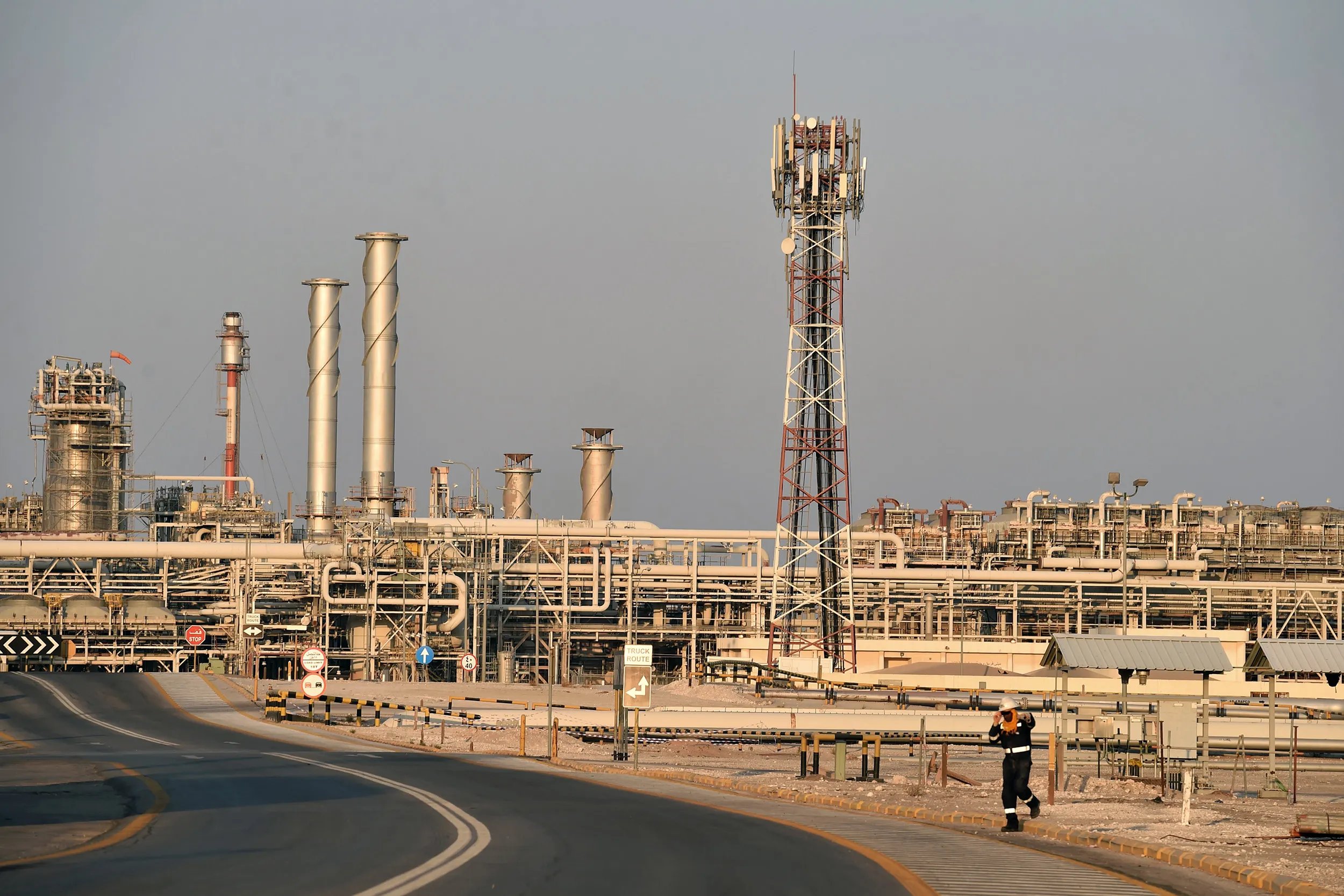
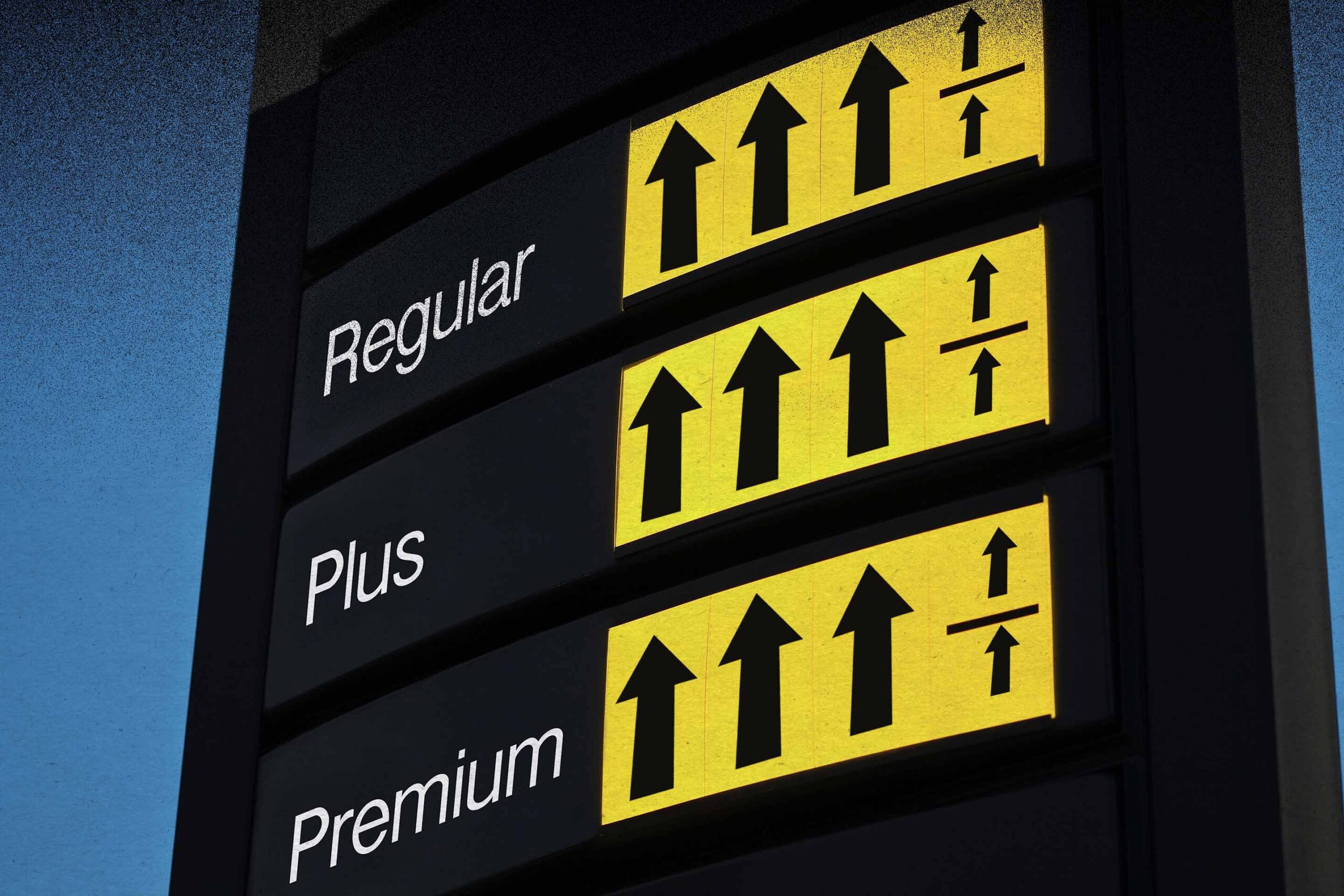
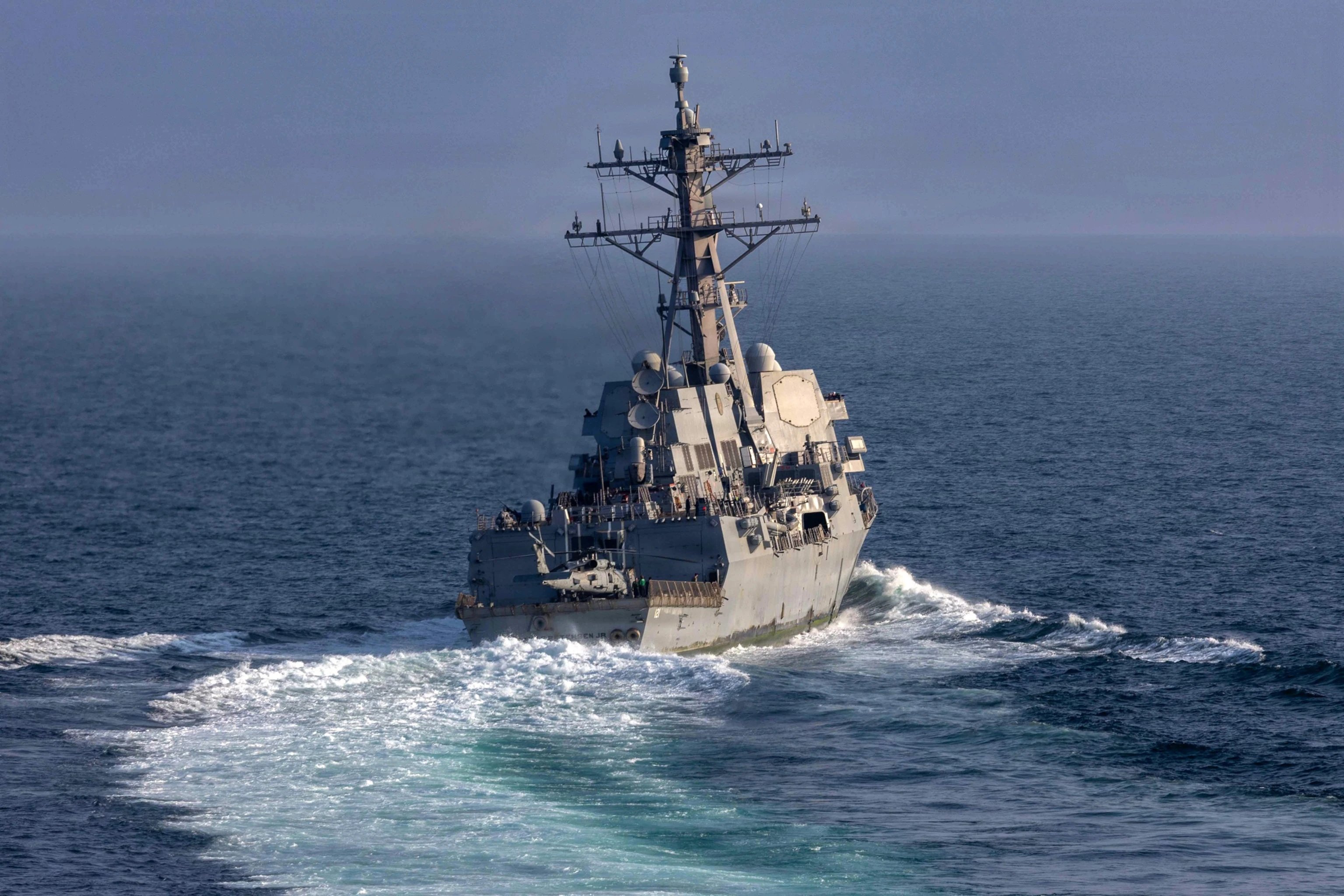
Crude oil prices jumped 8 percent to just over $104 a barrel on Monday, with Brent crude rising 7 percent to above $102, after President Donald Trump announced a naval blockade of Iranian ports. US Central Command said the blockade would begin at 2 p.m. GMT on Monday and would be enforced "impartially against vessels of all nations entering or departing Iranian ports and coastal areas, including all Iranian ports on the Arabian Gulf and Gulf of Oman."
Trump said on Sunday that his goal was to clear the Strait of Hormuz of mines and reopen it to all shipping, but that Iran must not be allowed to profit from controlling the waterway. Mohammad Bagher Ghalibaf, the influential speaker of Iran's parliament, said US representatives had been "unable to gain the trust" of Iranian officials, while Iranian authorities blamed the US for placing "unreasonable" and "excessive" demands.
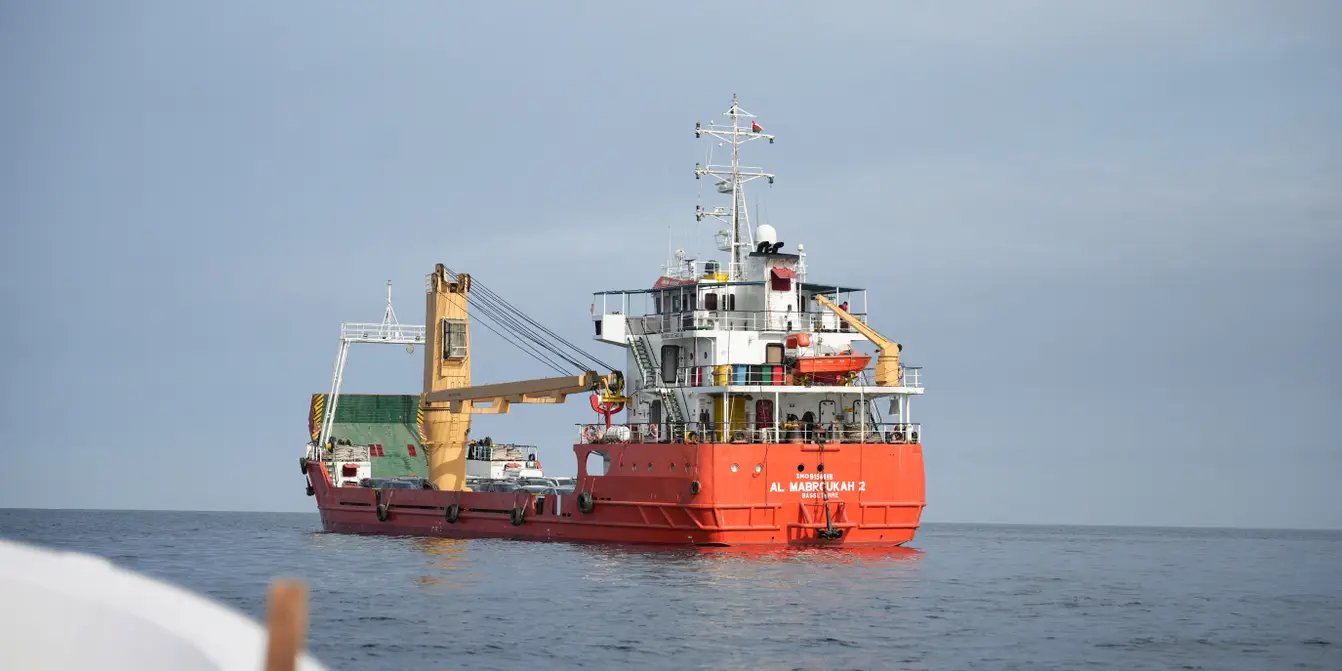
Despite US assurances that the blockade would not restrict transit through the Strait of Hormuz for non-Iranian vessels, shipping traffic has nearly halted. Just four tankers carrying oil, gas, or chemicals crossed the strait on Monday ahead of the announced blockade, according to tracking data from MarineTraffic. An average of 138 ships transited the strait each day before the conflict started on February 28, according to the multinational Joint Maritime Information Center.
Hundreds of ships are currently stuck in the region waiting for conditions that guarantee their safety, as tanker owners warn that thousands of crew members are running short on water and food. About 3,200 vessels were stranded west of the strait as of Saturday, according to the maritime intelligence company Windward.
Iran's military said the announced US naval blockade would be illegal and constitute piracy. "The restrictions imposed by criminal America on maritime navigation and transit in international waters are illegal and constitute an example of piracy," a statement read on state television by Khatam al-Anbiya, the Iranian military's central command centre.
"If the security of the Islamic Republic of Iran's ports in the waters of the Persian Gulf and the Arabian Sea is threatened, no port in the Persian Gulf and the Arabian Sea will be safe," the statement added.
The blockade threatens far more than oil prices. The Strait of Hormuz normally carries roughly a fifth of the world's oil, along with some 20 percent of the world's liquefied natural gas and nearly half of the world's traded urea, the most widely used nitrogen-based fertilizer. Oil could rise above $150 a barrel if the blockade triggers retaliation from the Iran-aligned Houthis in Yemen, who could shut down Bab al-Mandeb, a strait connecting the Red Sea to the Gulf of Aden and Indian Ocean, according to Trita Parsi, cofounder of the Quincy Institute for Responsible Statecraft.
The resulting rise in oil and gas prices would also cause the cost of chemicals, fertilisers, and raw materials used to make plastics to increase. Cameron Johnson, a senior partner at the Shanghai-based supply chain consultancy Tidalwave Solutions, said he expects prices of many raw materials to rise within several weeks if Trump makes good on his blockade threat. Deborah Elms, head of trade policy at the Hinrich Foundation in Singapore, warned that fabrics will get more expensive and that food production could face consequences later in the year due to fertiliser disruptions.
United Kingdom Prime Minister Keir Starmer said Britain will not join the US blockade. "We're not supporting the blockade," he told BBC Radio 5 Live, adding that it was vital to get the waterway reopened. "It is, in my view, vital that we get the Strait open and fully open, and that's where we've put all of our efforts in the last few weeks and we'll continue to do so," Starmer said. Britain has minesweepers in the region, but their deployment is "focused from our point of view on getting the Strait full open," he added.
Spain's Defence Minister Margarita Robles said the planned naval blockade "makes no sense." "It's one more episode in this whole downward spiral into which we've been dragged," she said. French President Emmanuel Macron announced that France and the UK will soon organize an international conference to discuss a potential naval mission aimed at restoring "freedom of navigation" in the Strait of Hormuz, describing the mission as "strictly defensive" and separate from the warring parties.
Germany's Economy Ministry warned that the nation is likely to suffer economic fallout from the US-Israel war on Iran for the rest of the year. Chancellor Friedrich Merz announced that the government will reduce energy taxes on diesel and petrol by about 17 cents per liter for two months to cushion the impact on consumers. China's Ministry of Foreign Affairs spokesman Guo Jiakun urged Iran and the US not to reignite the war, calling the blockade a threat to international commerce.
Crude oil prices jumped 8 percent to just over $104 a barrel on Monday, with Brent crude rising 7 percent to above $102, after President Donald Trump announced a naval blockade of Iranian ports. The surge marked a sharp reversal from prices around $70 a barrel before the war began in late February. US Central Command said the blockade would begin at 2 p.m. GMT on Monday and would be enforced "impartially against vessels of all nations entering or departing Iranian ports and coastal areas, including all Iranian ports on the Arabian Gulf and Gulf of Oman."
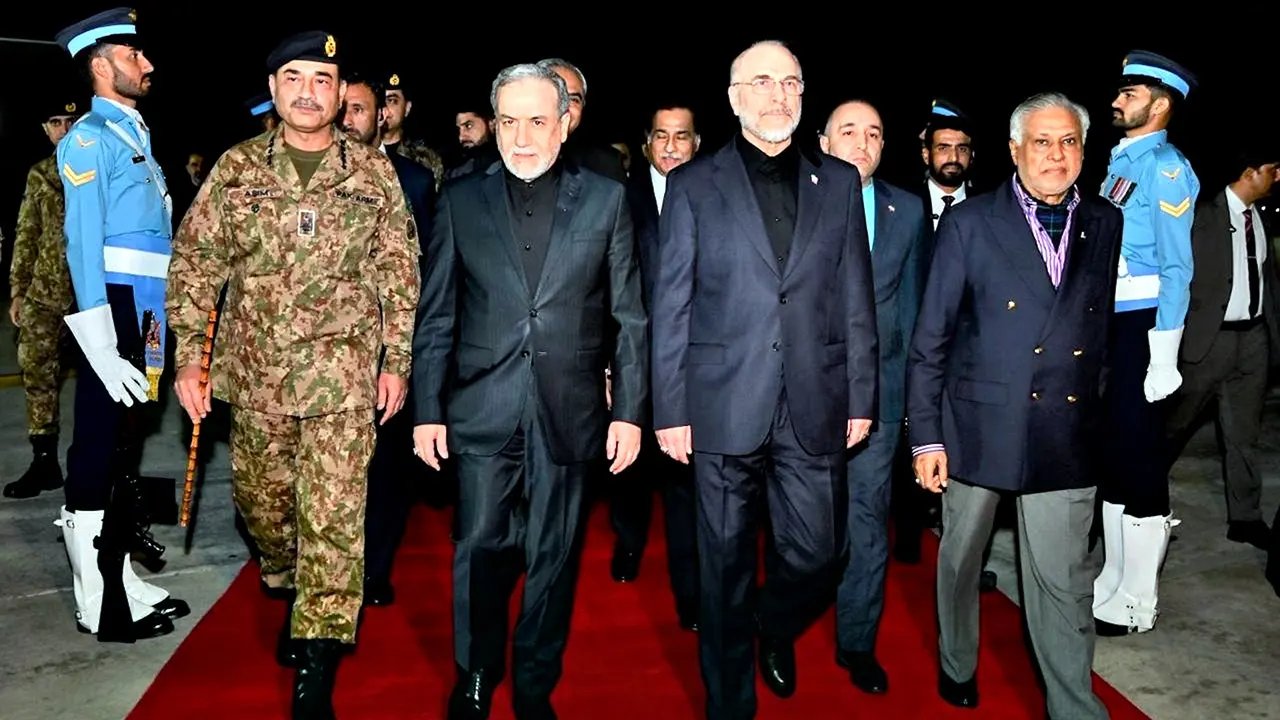
Trump said on Sunday that his goal was to clear the Strait of Hormuz of mines and reopen it to all shipping, but that Iran must not be allowed to profit from controlling the waterway. The blockade came after ceasefire talks between US and Iranian delegations in Pakistan collapsed over the weekend. Mohammad Bagher Ghalibaf, the influential speaker of Iran's parliament, said US representatives had been "unable to gain the trust" of Iranian officials, while Iranian authorities blamed the US for placing "unreasonable" and "excessive" demands.
Despite US assurances that the blockade would not restrict transit through the Strait of Hormuz for non-Iranian vessels, shipping traffic has nearly halted. Just four tankers carrying oil, gas, or chemicals crossed the strait on Monday ahead of the announced blockade, according to tracking data from MarineTraffic. An average of 138 ships transited the strait each day before the conflict started on February 28, according to the multinational Joint Maritime Information Center.
Hundreds of ships are currently stuck in the region waiting for conditions that guarantee their safety, as tanker owners warn that thousands of crew members are running short on water and food. About 3,200 vessels were stranded west of the strait as of Saturday, according to the maritime intelligence company Windward.
Iran's military said the announced US naval blockade would be illegal and constitute piracy. "The restrictions imposed by criminal America on maritime navigation and transit in international waters are illegal and constitute an example of piracy," a statement read on state television by Khatam al-Anbiya, the Iranian military's central command centre.
The Iranian military also issued a warning to other Gulf nations. "If the security of the Islamic Republic of Iran's ports in the waters of the Persian Gulf and the Arabian Sea is threatened, no port in the Persian Gulf and the Arabian Sea will be safe," the statement added. Before the US military's announcement, Iran's Revolutionary Guards warned that they had full control of traffic through Hormuz and would trap any challenger "in a deadly vortex."
The blockade threatens far more than oil prices. The Strait of Hormuz normally carries roughly a fifth of the world's oil, along with some 20 percent of the world's liquefied natural gas and nearly half of the world's traded urea, the most widely used nitrogen-based fertilizer. Trita Parsi, cofounder of the Quincy Institute for Responsible Statecraft, said a US blockade would have a cascading impact across the global economy. "Anything that currently takes more oil off the market will push prices up, which in turn will push gas prices further," Parsi told Al Jazeera.
Oil could rise above $150 a barrel if the blockade triggers retaliation from the Iran-aligned Houthis in Yemen, who could shut down Bab al-Mandeb, a strait connecting the Red Sea to the Gulf of Aden and Indian Ocean, Parsi said. The resulting rise in oil and gas prices would also cause the cost of chemicals, fertilisers, and raw materials used to make plastics to increase. Cameron Johnson, a senior partner at the Shanghai-based supply chain consultancy Tidalwave Solutions, said he expects prices of many raw materials to rise within several weeks if Trump makes good on his blockade threat. Deborah Elms, head of trade policy at the Hinrich Foundation in Singapore, warned that fabrics will get more expensive and that food production could face consequences later in the year due to fertiliser disruptions.
United Kingdom Prime Minister Keir Starmer said Britain will not join the US blockade. "We're not supporting the blockade," he told BBC Radio 5 Live, adding that it was vital to get the waterway reopened. "It is, in my view, vital that we get the Strait open and fully open, and that's where we've put all of our efforts in the last few weeks and we'll continue to do so," Starmer said. Britain has minesweepers in the region, but their deployment is "focused from our point of view on getting the Strait full open," he added.
Spain's Defence Minister Margarita Robles said the planned naval blockade "makes no sense." "It's one more episode in this whole downward spiral into which we've been dragged," she said. French President Emmanuel Macron announced that France and the UK will soon organize an international conference to discuss a potential naval mission aimed at restoring "freedom of navigation" in the Strait of Hormuz, describing the mission as "strictly defensive" and separate from the warring parties.
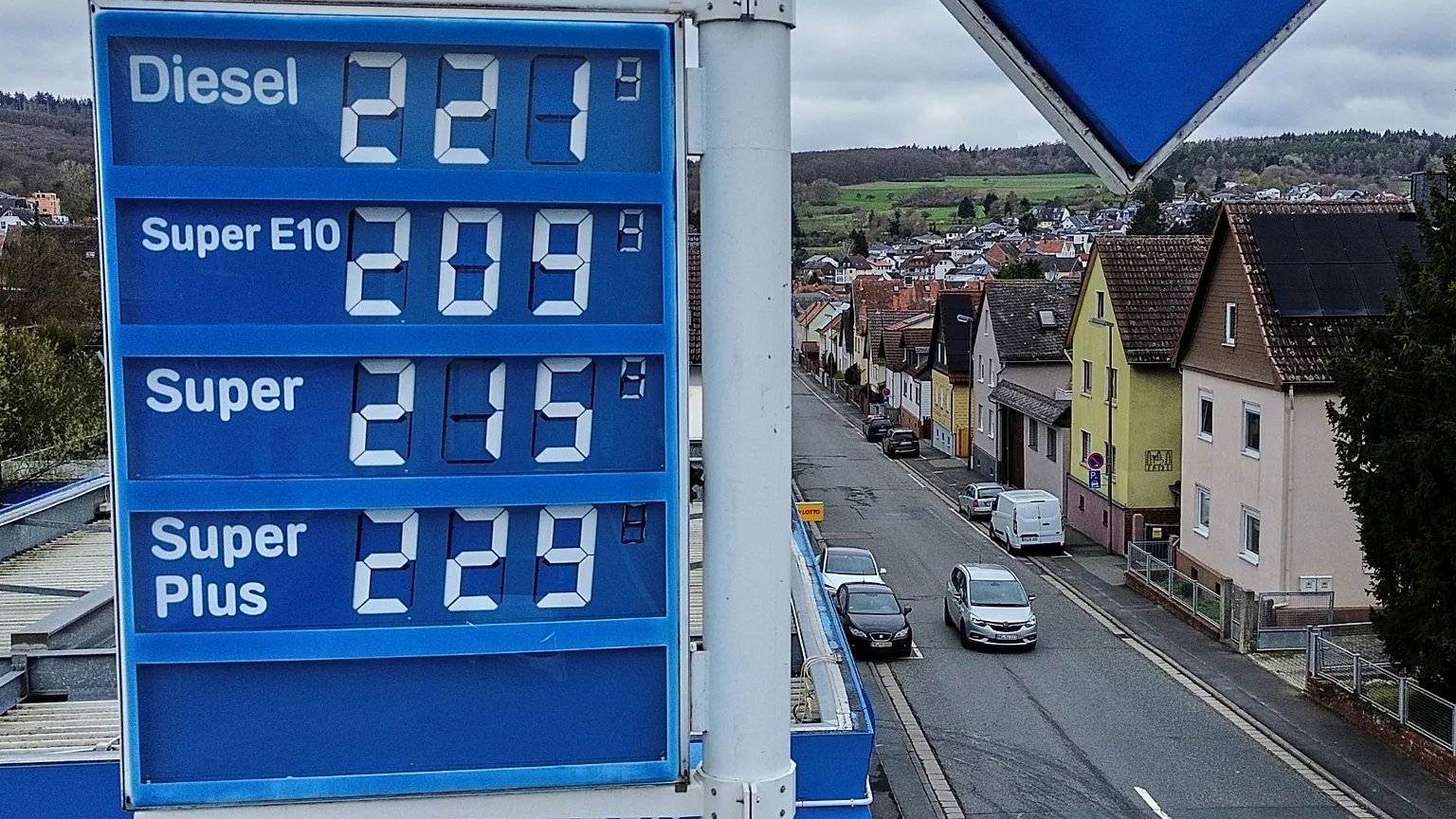
Germany's Economy Ministry warned that the nation is likely to suffer economic fallout from the US-Israel war on Iran for the rest of the year. Chancellor Friedrich Merz announced that the government will reduce energy taxes on diesel and petrol by about 17 cents per liter for two months to cushion the impact on consumers. China's Ministry of Foreign Affairs spokesman Guo Jiakun urged Iran and the US not to reignite the war, calling the blockade a threat to international commerce.
Highlighted text was flagged by the council. Tap to see feedback.