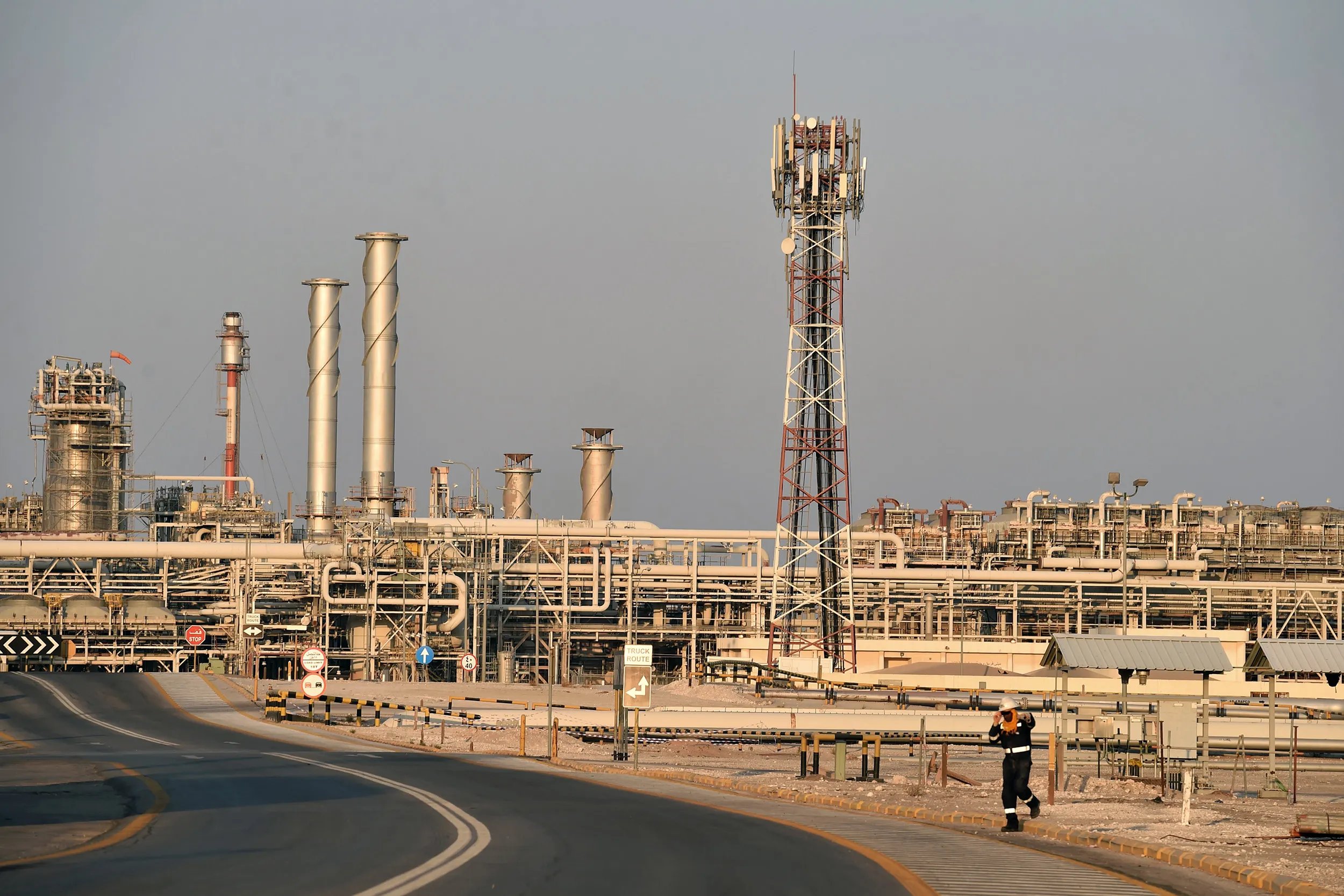
Saudi Arabia restored its East-West oil pipeline to full capacity of 7 million barrels per day after recent attacks disrupted the crucial artery connecting the kingdom's oil fields to export terminals on the Red Sea. The pipeline carries crude from eastern Saudi fields westward across the country, serving as a critical alternative route when the Strait of Hormuz faces disruptions or congestion. Restoration of the line to maximum throughput immediately increases the volume of crude available to global markets.
Saudi Arabia's crude oil sales to China, the world's largest importer of Saudi oil, are set to halve next month as Middle East tensions reshape energy flows and push prices higher, according to traders familiar with the matter. The reduction reflects broader supply chain adjustments as conflict in the region creates uncertainty about shipping routes and refinery operations. Chinese refineries typically represent Saudi Arabia's largest single export market.
The pipeline's return to full operation increases crude available to global markets, though prices remain elevated due to regional instability.
The kingdom must balance maintaining full production capacity with managing sales to its largest customer amid geopolitical tensions.
Saudi Arabia restored its East-West oil pipeline to full capacity of 7 million barrels per day after recent attacks disrupted the crucial artery connecting the kingdom's oil fields to export terminals on the Red Sea. The pipeline carries crude from eastern Saudi fields westward across the country, serving as a critical alternative route when the Strait of Hormuz faces disruptions or congestion. Restoration of the line to maximum throughput immediately increases the volume of crude available to global markets.
Saudi Arabia's crude oil sales to China, the world's largest importer of Saudi oil, are set to halve next month as Middle East tensions reshape energy flows and push prices higher, according to traders familiar with the matter. The reduction reflects broader supply chain adjustments as conflict in the region creates uncertainty about shipping routes and refinery operations. Chinese refineries typically represent Saudi Arabia's largest single export market.
The pipeline's return to full operation provides some relief to global energy prices, which have faced upward pressure from regional instability and reduced export volumes. Higher crude prices eventually reach consumers at the gas pump and in heating costs. The halving of Saudi shipments to China, however, suggests that supply constraints remain despite the pipeline restoration, keeping prices elevated compared to pre-crisis levels.
The simultaneous restoration of pipeline capacity and reduction in Chinese-bound shipments reflects the complex dynamics facing Saudi Arabia's energy sector. The kingdom must balance maintaining full production capacity with managing sales to its largest customer amid geopolitical tensions. Traders indicate that Middle East conflict continues to disrupt normal commercial patterns even as individual infrastructure projects return to operation.
Highlighted text was flagged by the council. Tap to see feedback.