
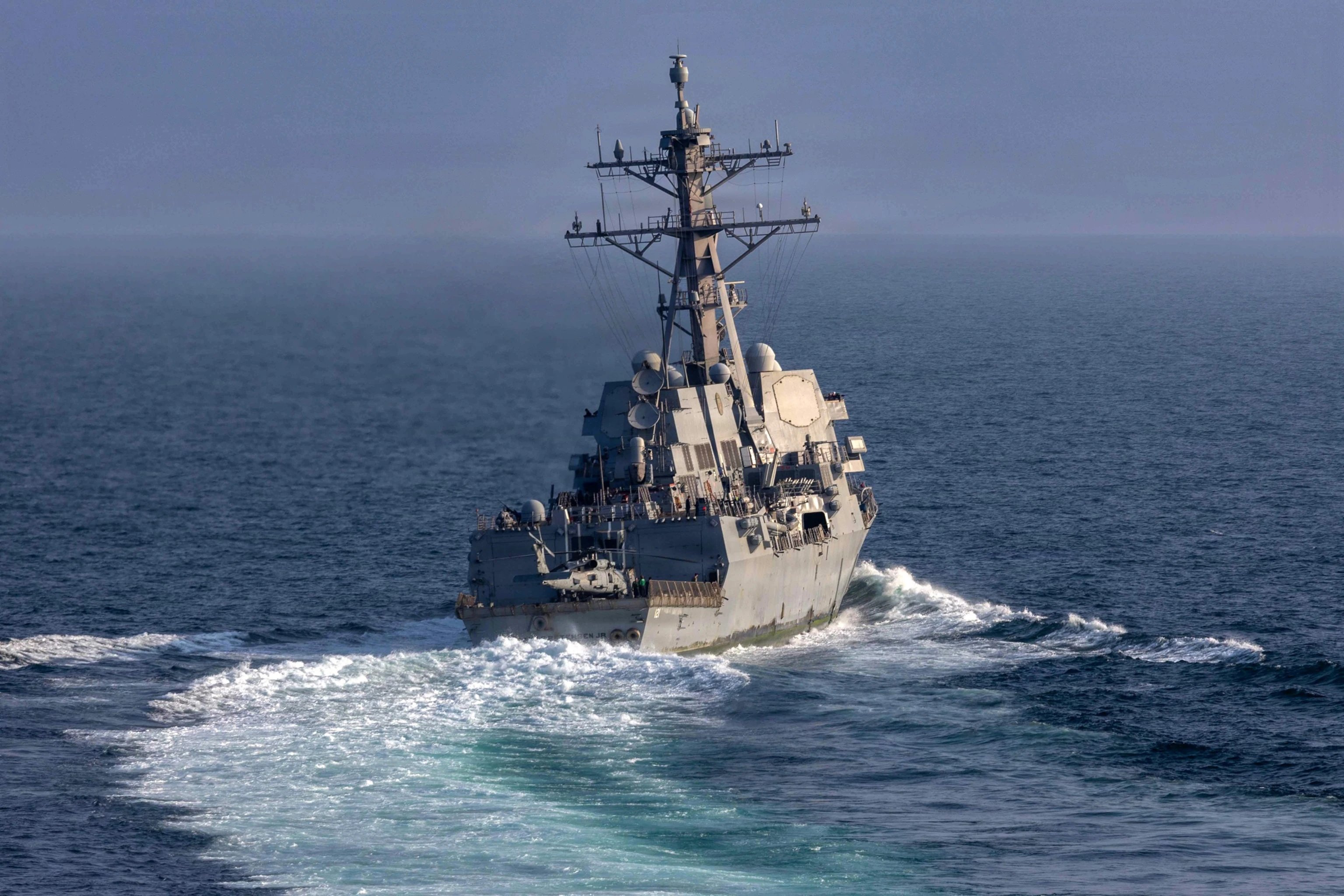





What the Blockade Order Says
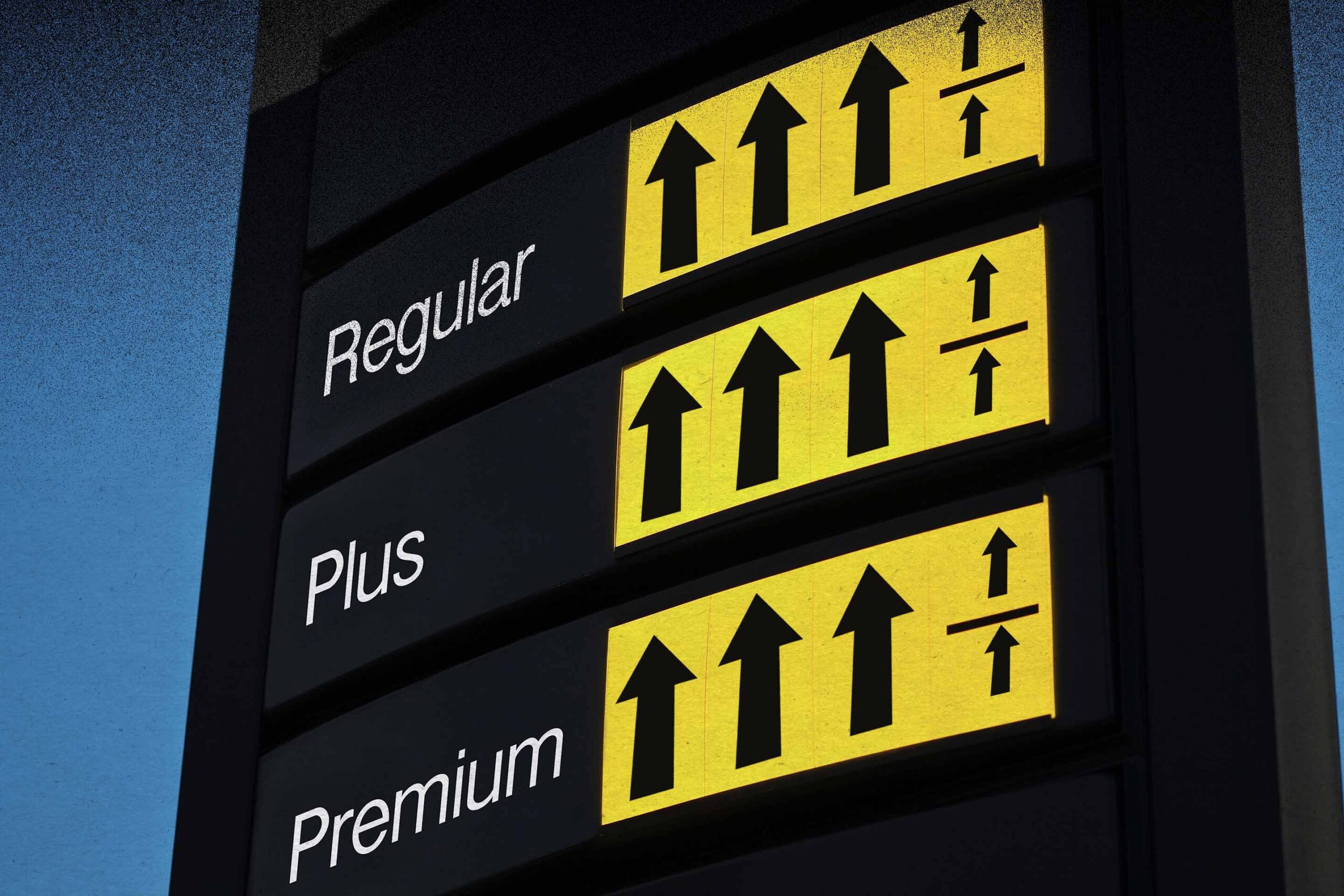
President Donald Trump announced on Sunday that the US Navy will bar any vessel that has called at an Iranian port or is bound for one from passing through the Strait of Hormuz. The order takes effect Monday at 10 a.m. Eastern Time, according to US Central Command, which later clarified that only Iran-linked traffic will be stopped. Brent crude, the global benchmark, rose more than 8 percent on Sunday to top $103 a barrel. It was the first time the benchmark rose above the psychologically important threshold of $100 since Tuesday, when prices surpassed $111 a barrel.
How Tight the Chokepoint Has Become
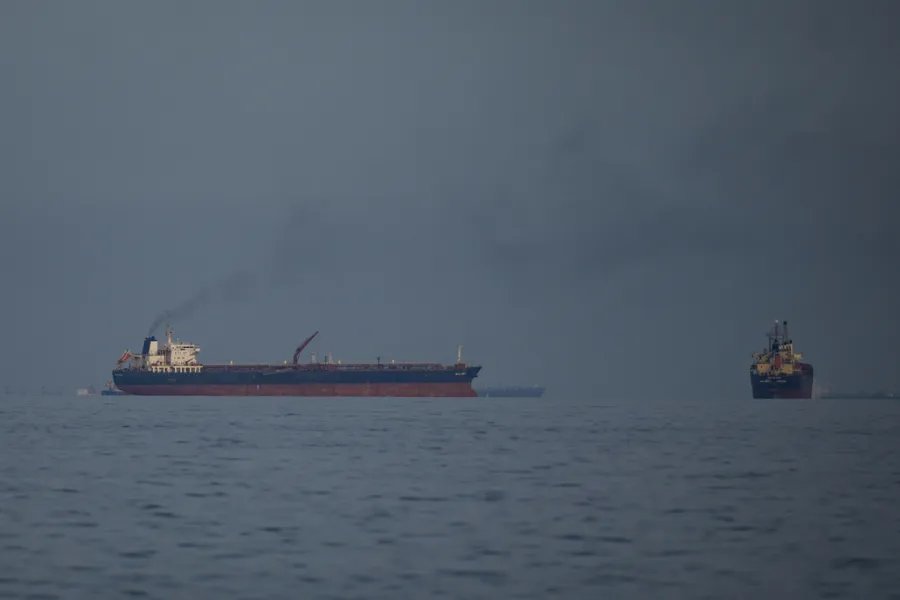
The strait normally moves one-fifth of the world's oil and natural gas, but traffic has collapsed since Iran imposed its own de facto blockade after US-Israeli strikes began six weeks ago. Windward, a maritime-intelligence firm, counted only 17 commercial vessels transiting on Saturday, down from about 130 a day before the war. Iran has allowed a trickle of ships through after prior vetting, yet the two-week ceasefire that was supposed to last until April 22 now appears moot.
Asian Markets React Instantly
Japan's Nikkei 225 slid 0.9 percent in Monday morning trade, and South Korea's KOSPI dropped more than 1 percent. Futures tied to the S&P 500 fell about 0.8 percent outside regular US hours. Investors are pricing in the risk that any shipowner who ignores the US order could face seizure or attack, further throttling energy flows.
Wall Street Veteran Sees $150 Oil
If Washington enforces the ban, Brent could reach $150 a barrel, according to Onyx Commodities head Greg Newman. A veteran oil market executive told Bloomberg that current prices fail to reflect the odds of a prolonged shutdown of the world's most critical energy chokepoint. Traders have not yet built in the full cost of rerouting Persian Gulf cargoes around Africa, a detour that adds three weeks and pushes freight rates to record levels.
Singapore May Hike Rates First
Singapore's central bank is poised to tighten monetary policy on Tuesday, becoming one of the first in Asia to respond to the oil shock. Import costs are climbing faster than forecast, and officials fear inflation could overshoot already-elevated projections. The city-state, Asia's main oil-trading hub, imports every barrel it uses, so a sustained price spike feeds directly into transport, manufacturing, and consumer bills.
Tehran's Cryptic Math Taunt
Iran's maritime authority posted an equation on social media: "ΔO_BSOH>0 ⇒ f(f(O))>f(O)." The equation was interpreted as a claim that any US attempt to reduce Iranian oil flows will ultimately raise prices and backfire on Washington. The message appeared minutes after Trump's announcement, signaling Tehran's intent to weaponize market psychology even as its own exports shrink.
What Drivers Pay Next
Heating-oil futures jumped, lifting costs for households in the Northeast that rely on distillate fuel.
The Narrow Escape Route
Shipowners now face a choice: avoid Iran entirely and keep sailing, or risk being blacklisted by the US Treasury if they load or discharge cargo in Iranian ports. Insurance underwriters in London and Singapore have already withdrawn coverage for any hull that defies the order, effectively forcing most commercial fleets to steer clear of the Islamic Republic's terminals.
One Strait, Two Red Lines
The US and Iran have each drawn a line in the same 21-mile-wide waterway. Washington says any Iran-bound ship will be stopped; Tehran says any ship that cooperates with the US Navy becomes a target. With both sides refusing to resume ceasefire talks that collapsed over the weekend, the strait is now a militarized zone where a single misread radar blip could send oil past $150 and global shipping into chaos.






























The sources also report that Brent crude topped $119 last month and fell below $92 last week.