




The 90-Minute Deal That Halted a Strike
President Donald Trump agreed to suspend all U.S. and Israeli bombing of Iran for 14 days at 6:30 p.m. Tuesday, 90 minutes before his 8 p.m. deadline to "obliterate" Iranian power plants and bridges. The ceasefire, announced on Truth Social, took effect immediately and hinges on Iran reopening the Strait of Hormuz. Brent crude oil dropped to $94.74, or by over 13%.
What Iran Must Do Under the Truce
Iranian Foreign Minister Abbas Araghchi said ships will be allowed "safe passage" through the strait "via coordination with Iran's Armed Forces and with due consideration of technical limitations." Two vessels, the Greek-owned bulk carrier NJ Earth and the Liberia-flagged tanker Daytona Beach, transited the waterway Wednesday morning. MarineTraffic lists 426 tankers, 34 liquefied-petroleum-gas carriers and 19 liquefied-natural-gas carriers still waiting in the region.
The 10-Point Plan Both Sides Now Negotiate
Trump called Iran's 10-point proposal "a workable basis on which to negotiate," though the only public U.S. commitment is the two-week bombing halt. Iran's Supreme National Security Council claims the U.S. has already accepted, in principle, Iranian control of the strait, acceptance of uranium enrichment, lifting all primary and secondary sanctions, withdrawal of U.S. combat forces and compensation for war damage. The White House has not confirmed any of those points.

The sources also report that Iran's 10-point plan, delivered by Pakistan, demands U.S. acceptance of Iranian uranium enrichment, full sanctions relief, compensation for war damage, and withdrawal of all U.S. combat forces from the region.

The sources also report that Iran rejected a U.S. 15-point proposal before responding with its 10-point plan.
Where the Shooting Has Not Stopped
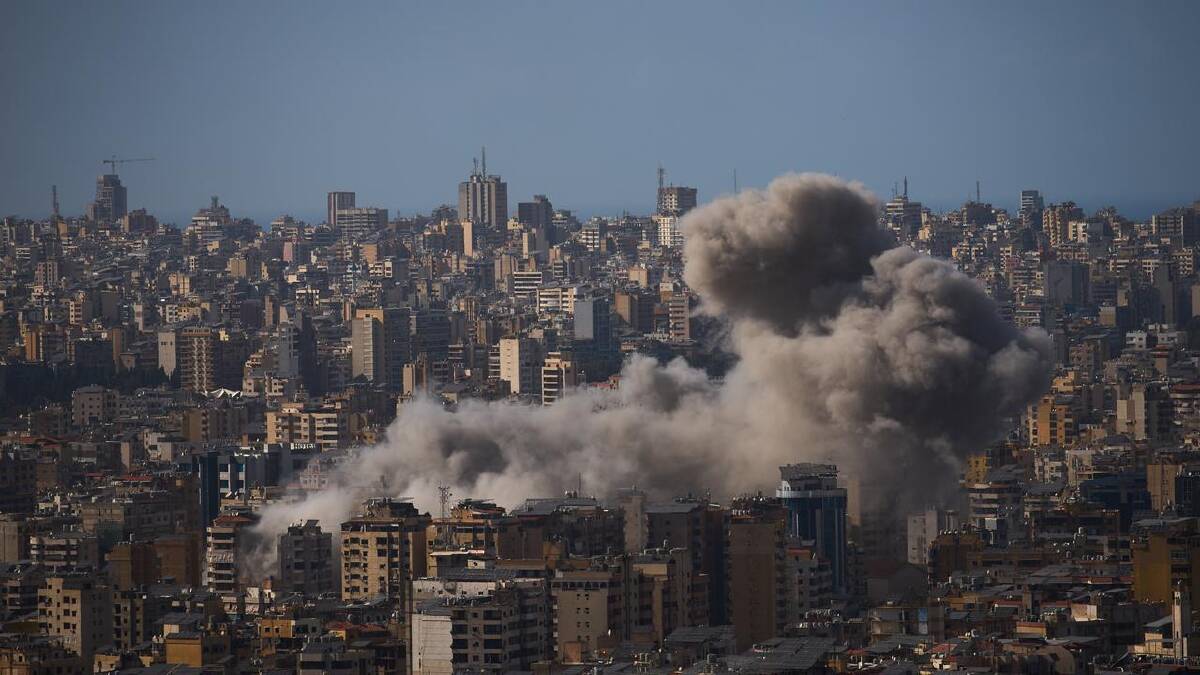
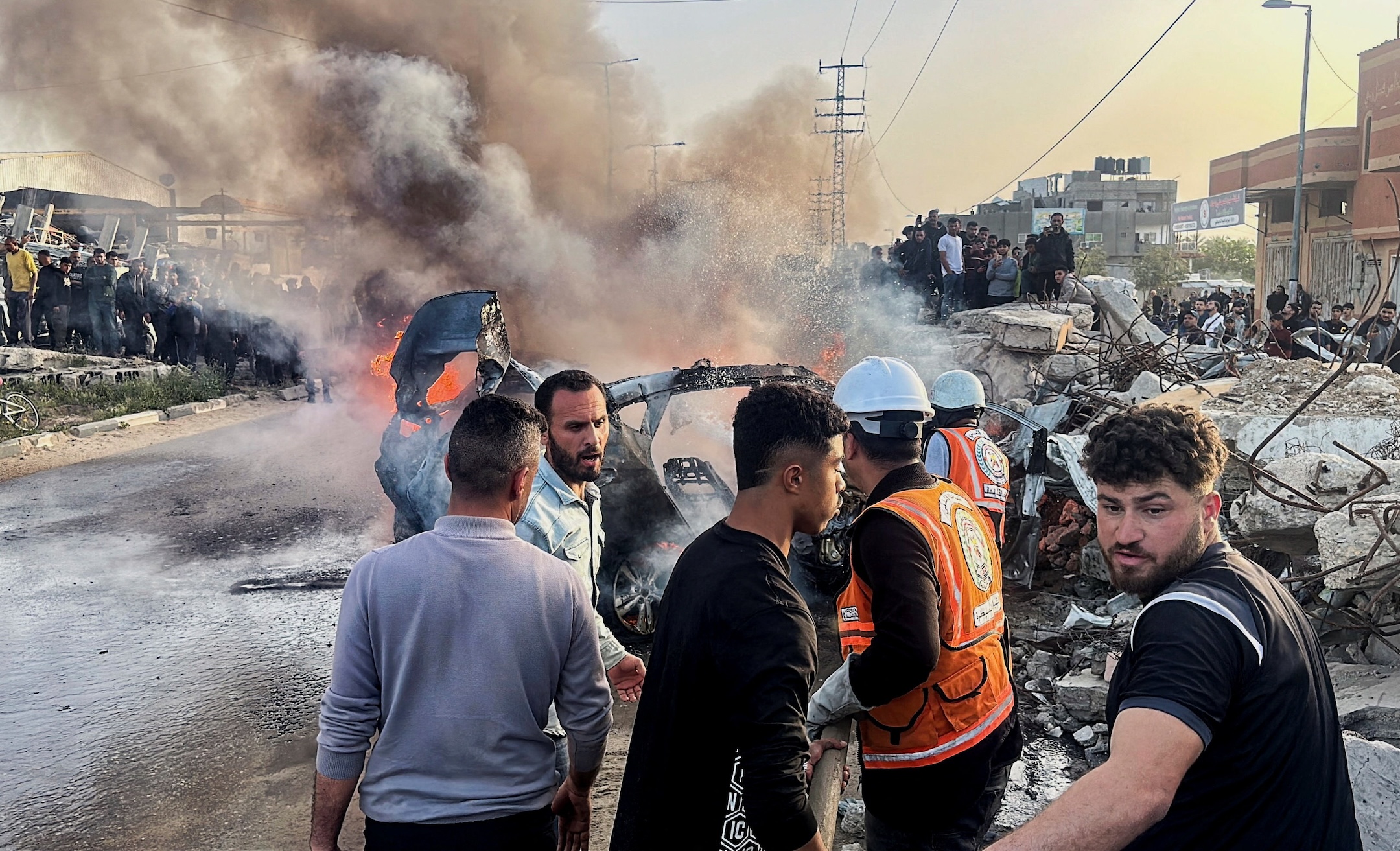
Israeli Prime Minister Benjamin Netanyahu's office stated the ceasefire "does not include Lebanon," and Israeli jets struck a car in Tyre at dawn Wednesday, killing four. Hezbollah said it will hold fire only if Israel does the same. In Iraq, the Iranian-backed Islamic Resistance alliance announced its own two-week halt to attacks on "enemy bases," and Iraq reopened its airspace.
Markets Cheer, but Relief May Be Brief
West Texas Intermediate crude fell almost 20% to around $96 a barrel, while the S&P 500 futures jumped 2.3%. GasBuddy head of petroleum analysis Patrick De Haan predicts the average U.S. gasoline price, now $4.14 a gallon, could drop below $4 within one or two weeks. RSM US chief economist Joe Brusuelas warns restarting shuttered Gulf fields and refineries "could take weeks to months," and Qatar's damaged LNG export terminals may need years of repairs.
Fuller Replaces Greene, Giving GOP a 218-214 Cushion
In northwest Georgia's 14th District, Republican prosecutor Clay Fuller defeated retired Army brigadier general Shawn Harris in a runoff, replacing Marjorie Taylor Greene. Fuller, endorsed by Trump, will serve the remainder of Greene's two-year term, which ends in January 2027, expanding the House Republican margin to four seats. Greene resigned in January after clashing with Trump.
Pakistan Keeps Mediation Role as Islamabad Talks Loom
Pakistani Prime Minister Shehbaz Sharif, who ferried the 10-point plan between Tehran and Washington, invited U.S. and Iranian delegations to Islamabad on Friday to "settle all disputes." White House press secretary Karoline Leavitt said "discussions about in-person talks" continue but no travel decision has been made.
The Next 14 Days Determine Whether Bombs Return
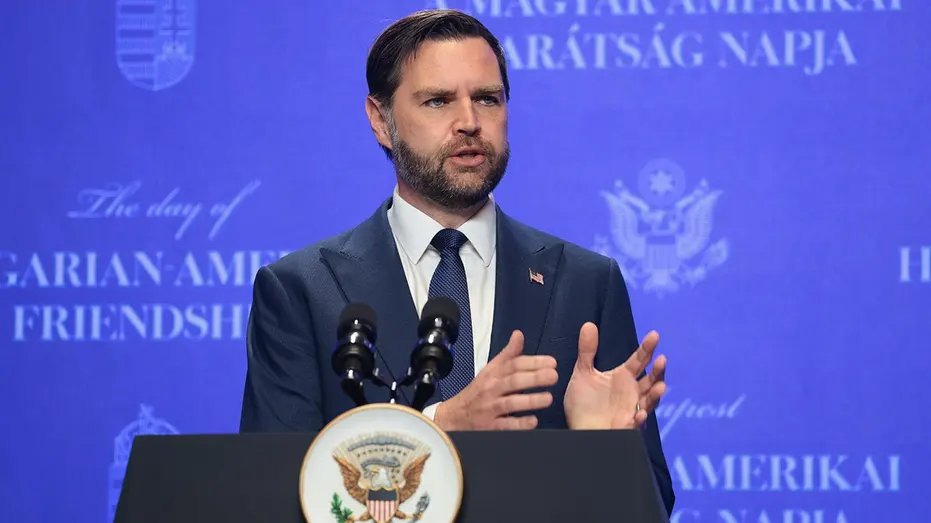
Trump posted at 12:01 a.m. Wednesday: "This will be a double sided CEASEFIRE… a big day for World Peace!" Vice President JD Vance, campaigning in Hungary, called the truce "fragile," adding, "If the Iranians don't do the exact same thing, they're going to find out that the president… is not one to mess around."
















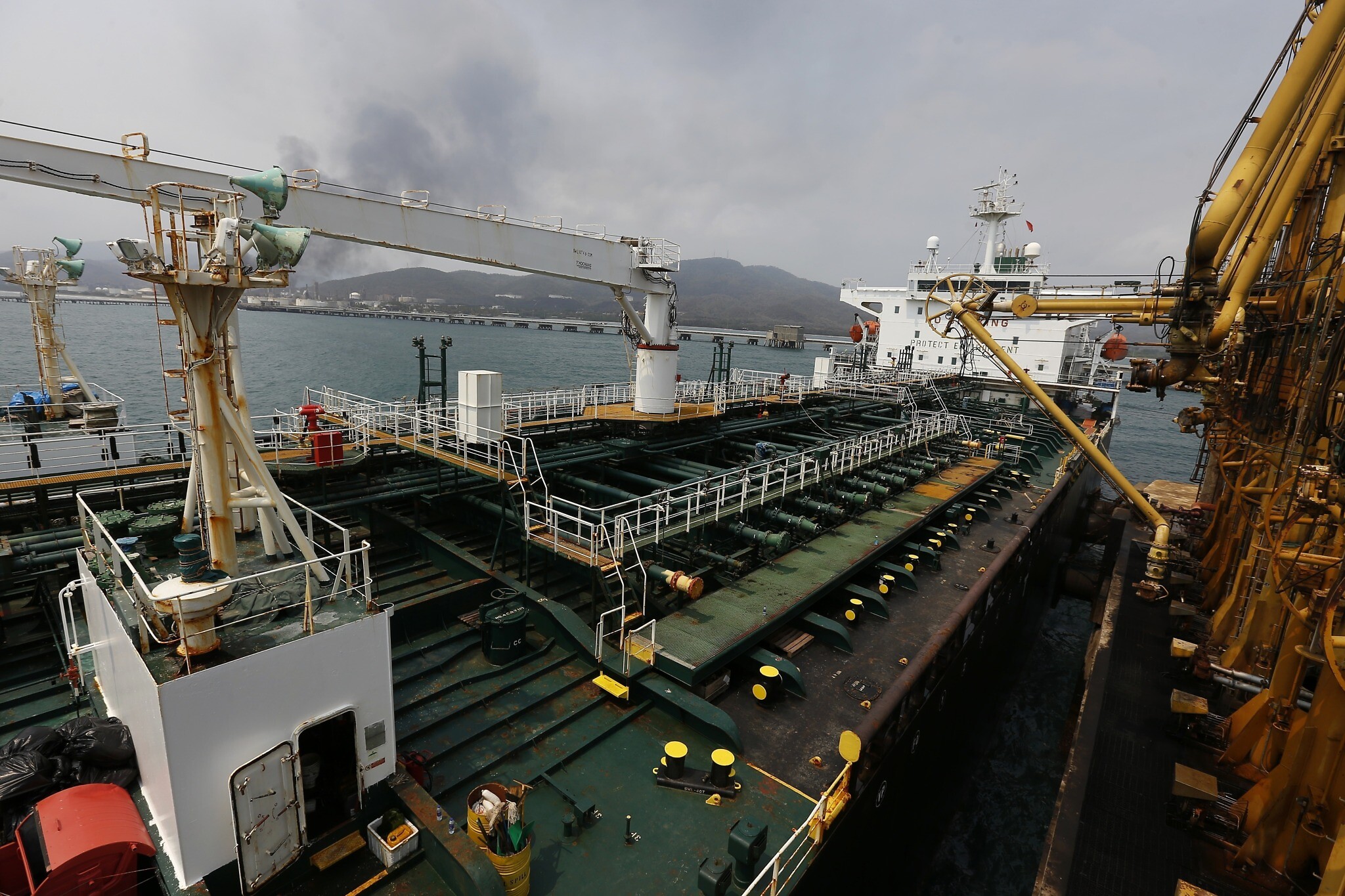

The sources also report that analysts say Iran has been using Larak Island as a "toll booth" to collect fees for safe passage, with both Iran and Oman authorized to charge vessels transiting the strait.