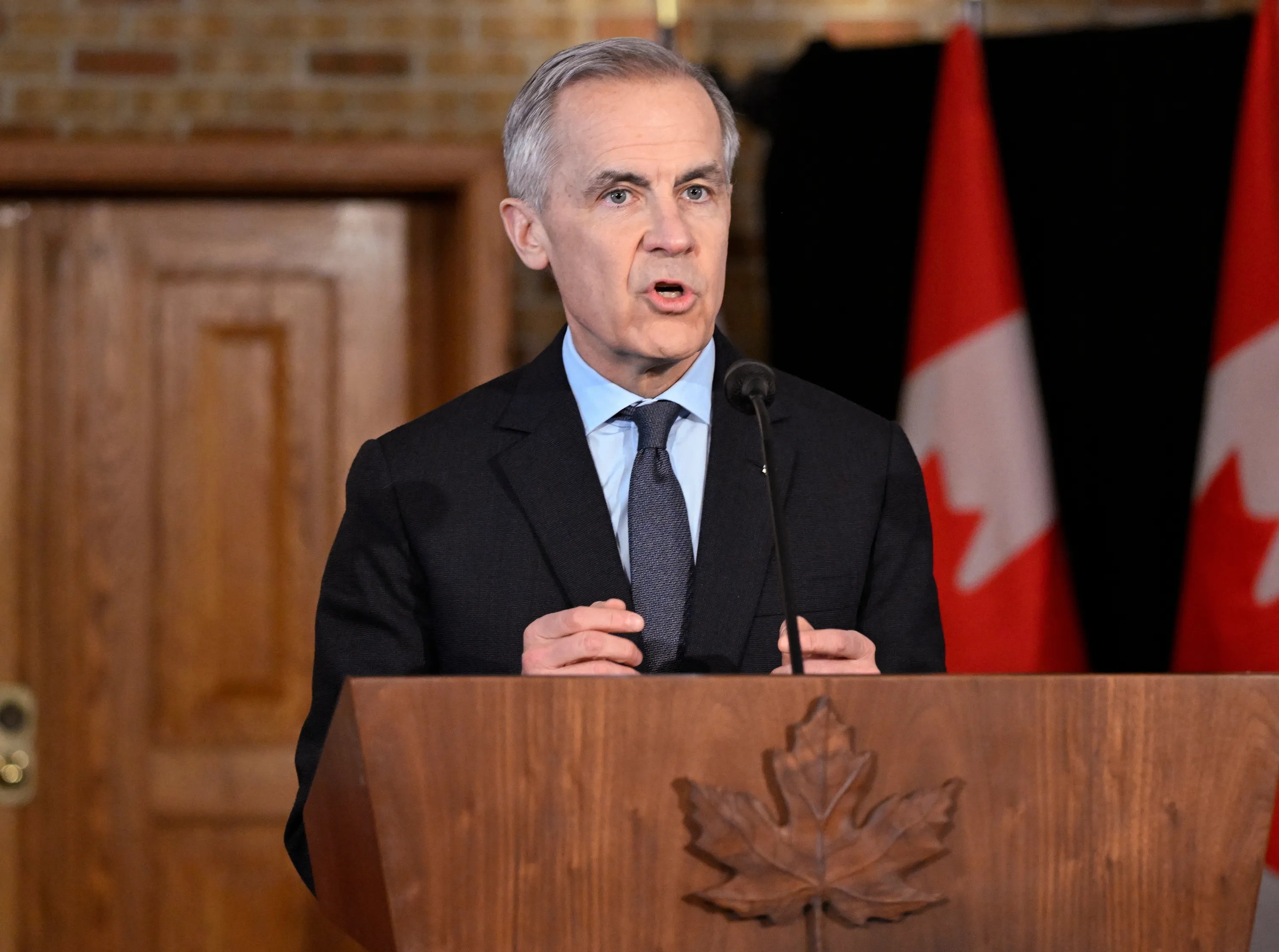
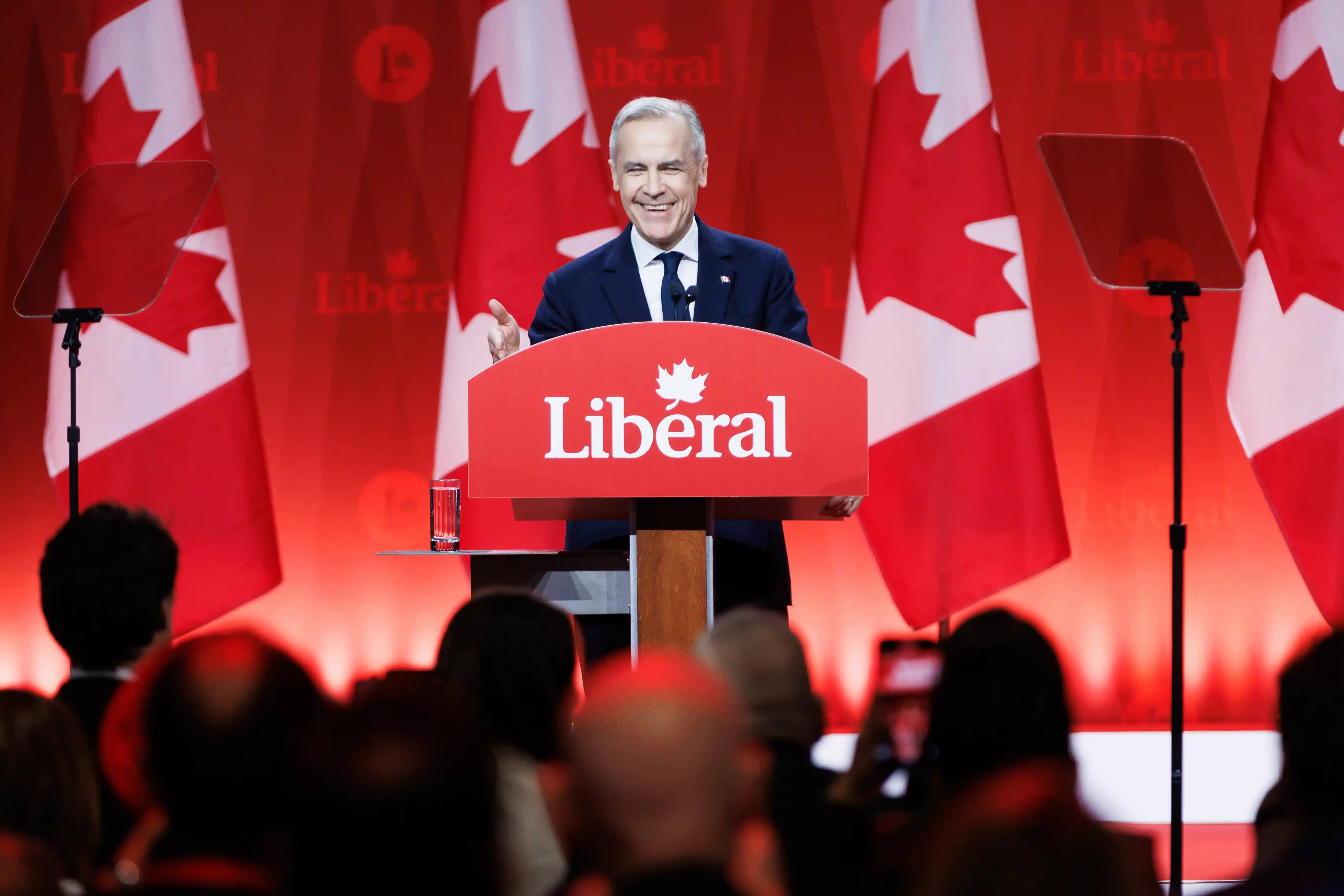
Mark Carney's Liberal Party captured two Toronto-area districts in special elections Monday, pushing the party to 173 seats in the 343-seat House of Commons and securing the majority government the former central banker needs to confront U.S. trade barriers. The wins in University-Rosedale and Scarborough Southwest, both long-time Liberal strongholds, delivered the 172-seat threshold required for unilateral control of Parliament.
The majority materialized after five opposition members defected to Carney's Liberals, including four from the Conservative Party, according to party officials.
With 173 seats secured, Carney's government can now remain in power until 2029 without calling a general election, giving the prime minister up to three years to implement his agenda. Andrew McDougall, assistant professor in Canadian politics at the University of Toronto, said the majority means Carney "will be able to pass legislation without having to go to the opposition to secure enough votes." This stability arrives as Canada faces ongoing trade disputes initiated by the Trump administration.
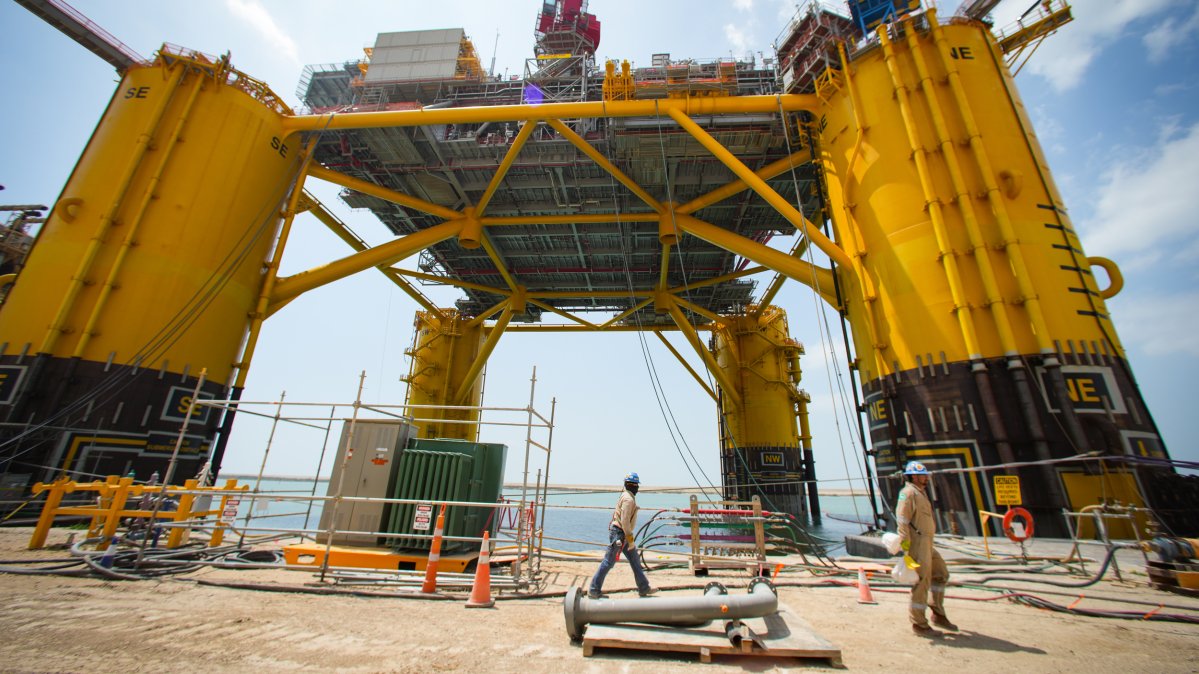
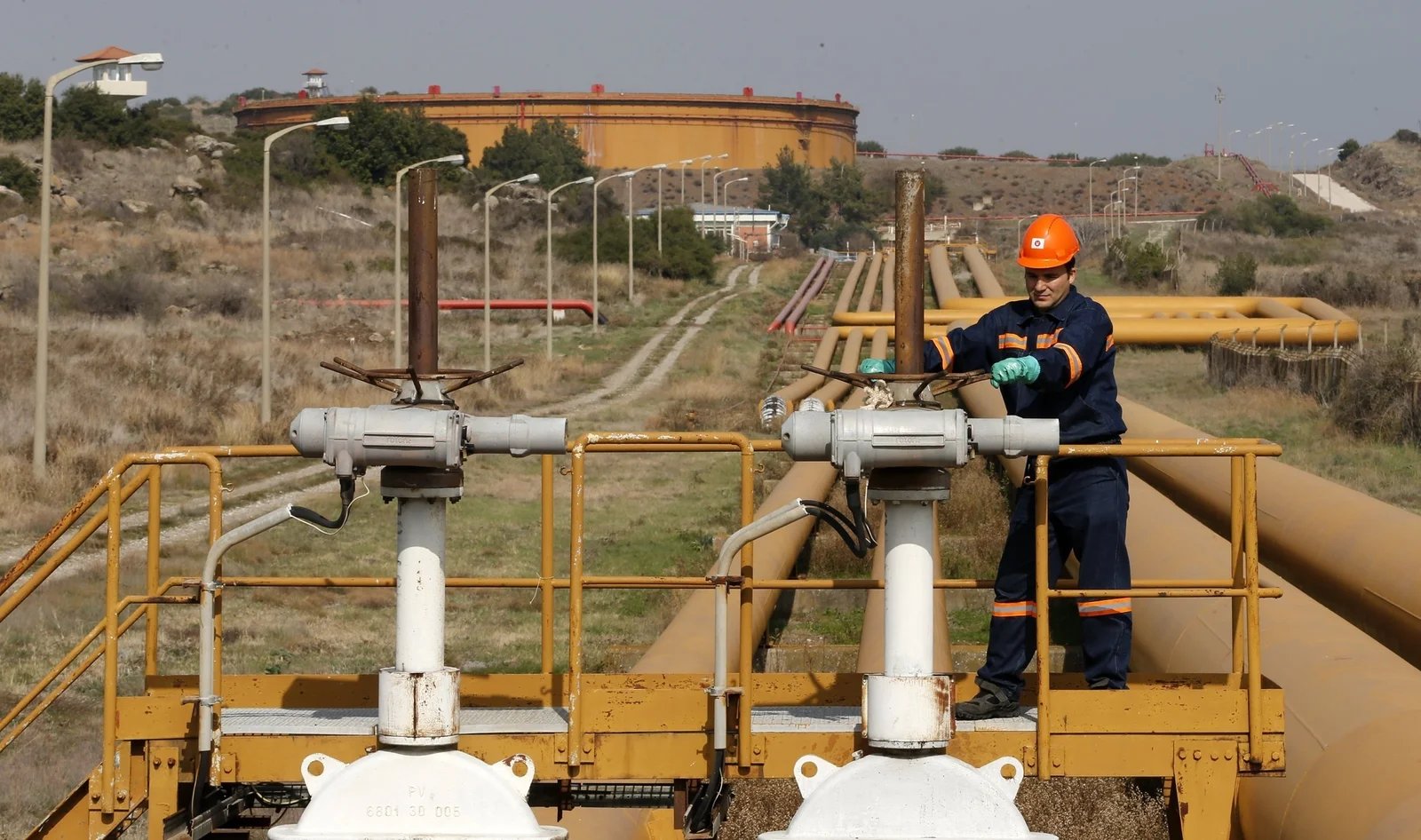
The majority victory enables Carney to accelerate his economic agenda focused on expanding energy exports and reducing Canada's dependence on the United States, according to Bloomberg. Energy sector expansion forms the cornerstone of this strategy, with the majority ensuring opposition parties cannot block enabling legislation.
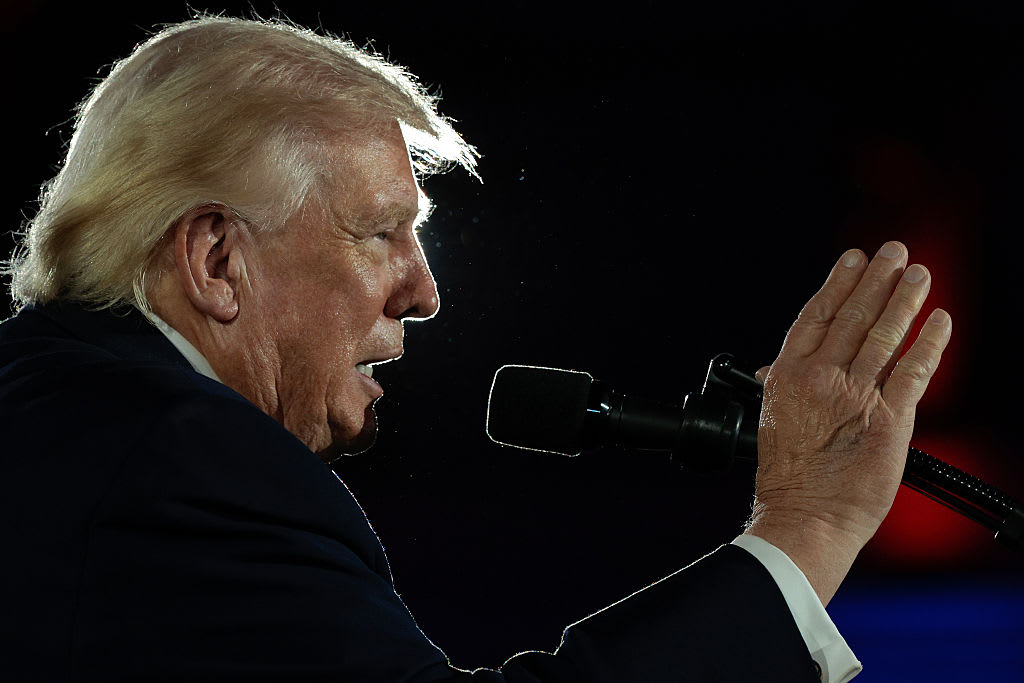
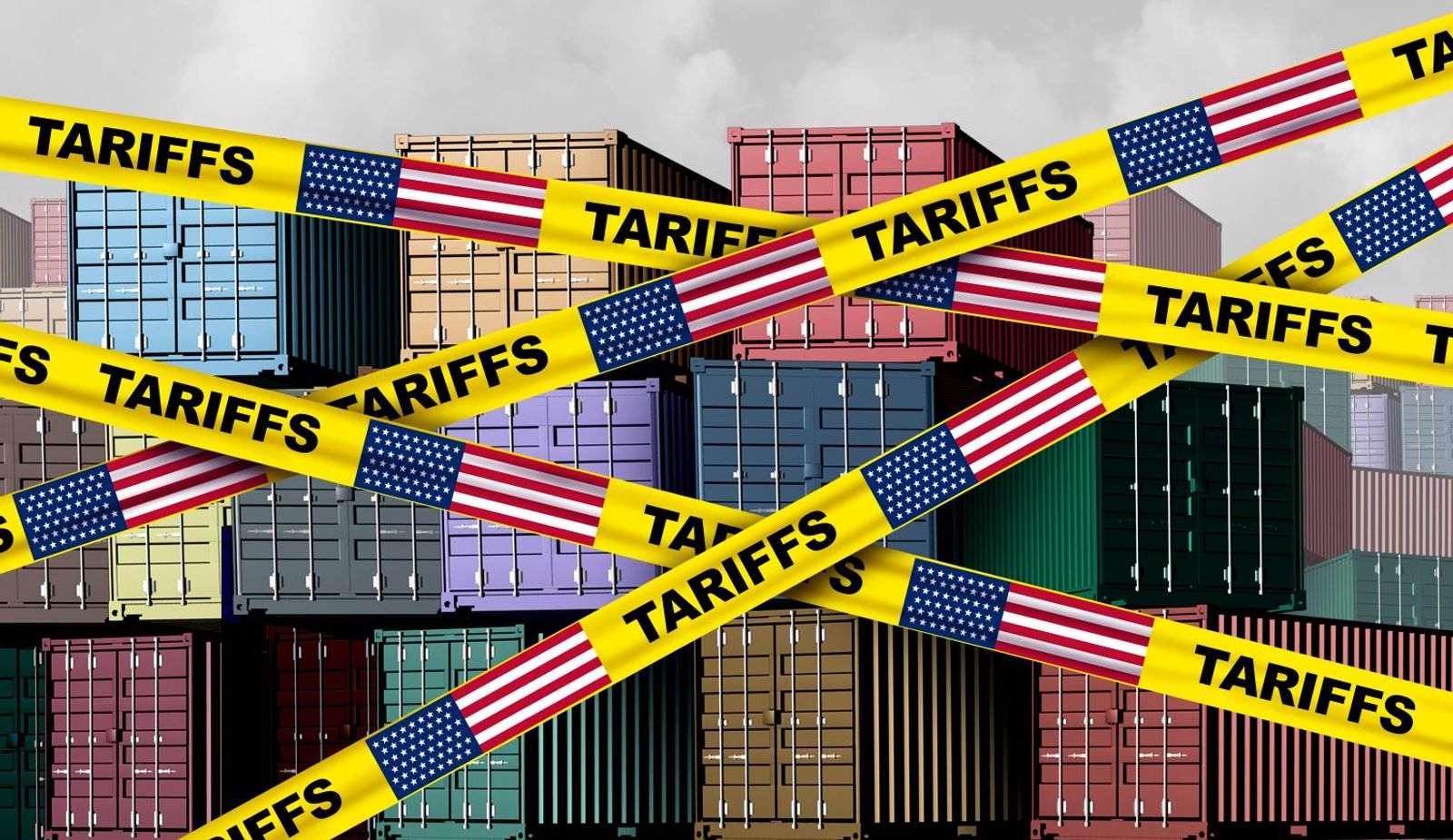
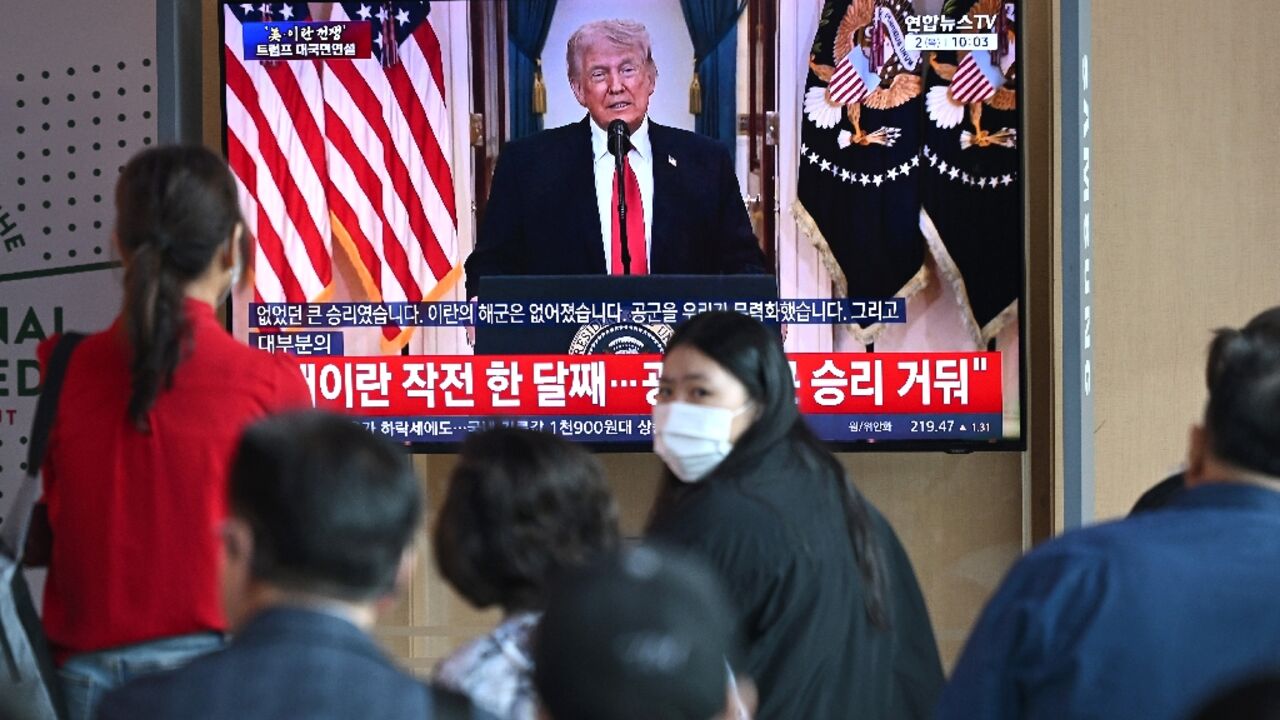
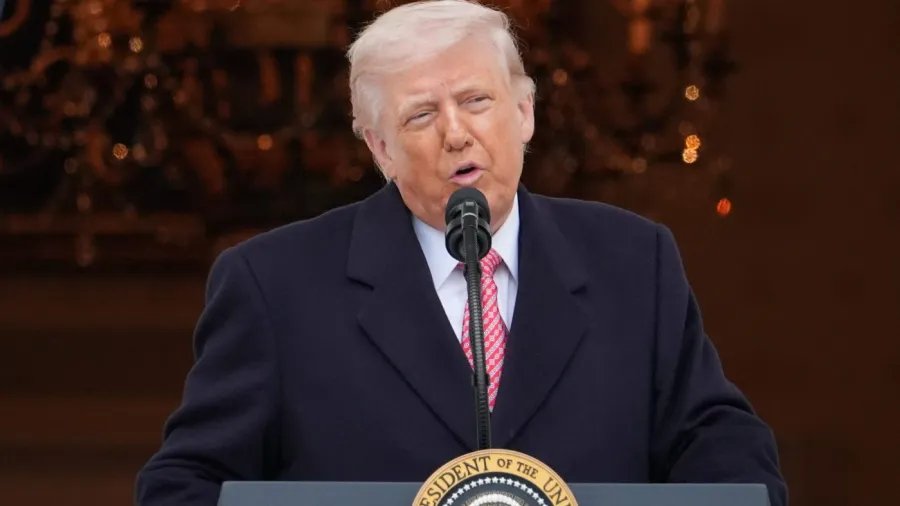
Carney has specifically stated that majority control would help him deal more effectively with the trade war started by U.S. President Donald Trump. The prime minister's approach involves banding together middle-power nations to create alternative trade partnerships that reduce reliance on the United States. Monday's election results give Carney the parliamentary backing to pursue these international alliances without needing opposition support for trade agreements or retaliatory measures against U.S. tariffs.
Mark Carney's Liberal Party captured two Toronto-area districts in special elections Monday, pushing the party to 173 seats in the 343-seat House of Commons and securing the majority government the former central banker needs to confront U.S. trade barriers. The wins in University-Rosedale and Scarborough Southwest, both long-time Liberal strongholds, delivered the 172-seat threshold required for unilateral control of Parliament. A third race in Terrebonne, Quebec remained too close to call late Monday.
The majority materialized after five opposition members defected to Carney's Liberals, including four from the Conservative Party, according to party officials. These crossovers, combined with the special election victories, transformed Carney's minority government into a majority without requiring a national election. The defections began after Carney took office with no prior political experience and began assembling what global observers describe as a middle-power alliance to counter U.S. trade policies.
With 173 seats secured, Carney's government can now remain in power until 2029 without calling a general election, giving the prime minister up to three years to implement his agenda. Andrew McDougall, assistant professor in Canadian politics at the University of Toronto, said the majority means Carney "will be able to pass legislation without having to go to the opposition to secure enough votes." This stability arrives as Canada faces ongoing trade disputes initiated by the Trump administration.
The majority victory enables Carney to accelerate his economic agenda focused on expanding energy exports and reducing Canada's dependence on the United States, according to Liberal Party officials. The government plans to use its new parliamentary strength to push through policies that diversify trade relationships beyond the U.S. market, which currently accounts for the vast majority of Canadian exports. Energy sector expansion forms the cornerstone of this strategy, with the majority ensuring opposition parties cannot block enabling legislation.
Carney has specifically stated that majority control would help him deal more effectively with the trade war started by U.S. President Donald Trump. The prime minister's approach involves banding together middle-power nations to create alternative trade partnerships that reduce reliance on the United States. Monday's election results give Carney the parliamentary backing to pursue these international alliances without needing opposition support for trade agreements or retaliatory measures against U.S. tariffs.
Highlighted text was flagged by the council. Tap to see feedback.










































































































































































































The sources also report that five opposition members defected to Carney's Liberals, including four from the main opposition Conservative Party, which is not specified in the summary.