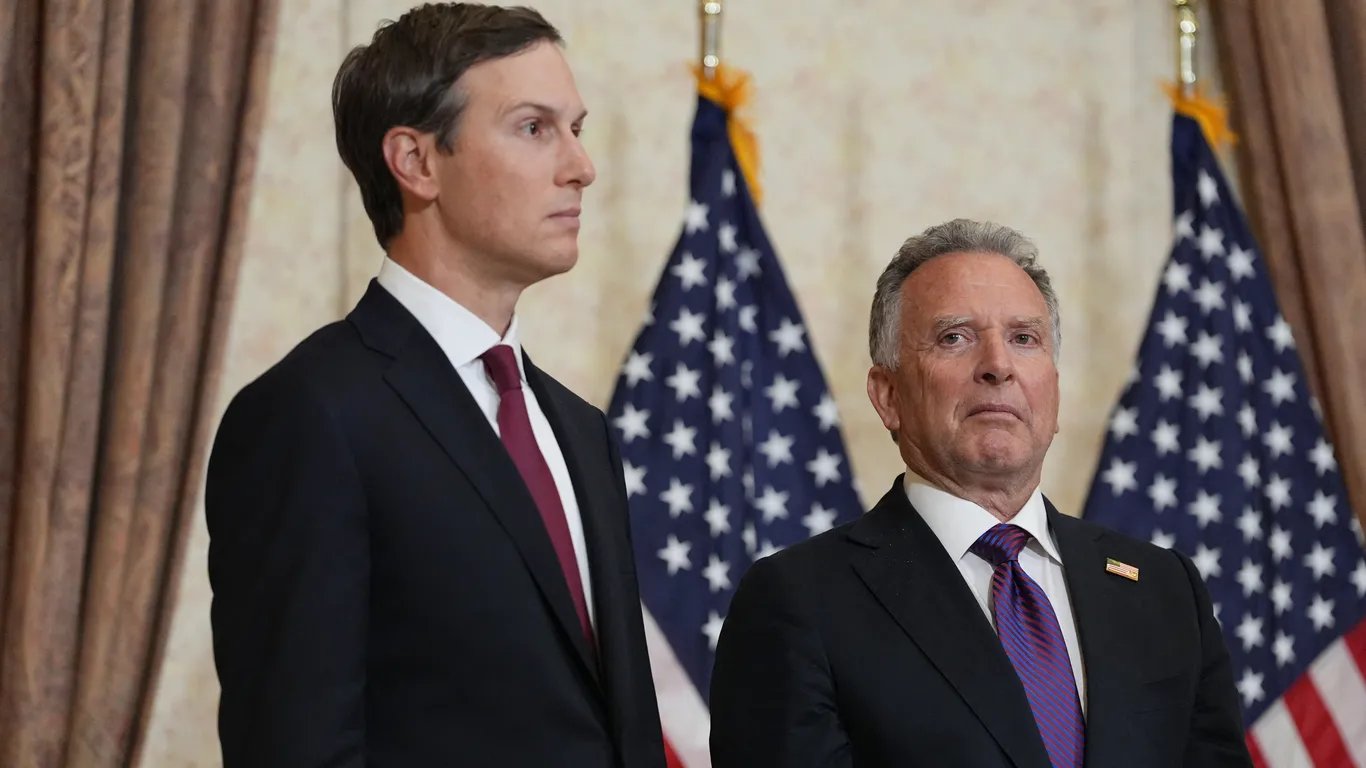
President Trump canceled a planned trip by special envoy Steve Witkoff and son-in-law Jared Kushner to Islamabad on Saturday, upending efforts to revive ceasefire negotiations with Iran.
White House Press Secretary Karoline Leavitt had confirmed Friday that Witkoff and Kushner would travel to Islamabad "to go hear" what the Iranians have to say. Vice President J.D. Vance, who led the first round of talks earlier this month, was not planning to travel, Leavitt said. The cancellation marked an abrupt reversal of that plan.
Trump announced the cancellation on Truth Social, citing logistical frustration and Iran's internal dysfunction. "Too much time wasted on traveling, too much work," he wrote. "Besides which, there is tremendous infighting and confusion within their 'leadership.' Nobody knows who is in charge, including them."
Trump told Axios his reasoning. "I see no point of sending them on an 18-hour flight in the current situation," he said. "It's too long. We can do it just as well by telephone. The Iranians can call us if they want. We are not gonna travel just to sit there."
Trump asserted that the U.S. held the advantage in negotiations. "We have all the cards. We are not going to go there to sit around talking about nothing," he said. When asked whether the cancellation signaled a return to military operations, Trump said: "No. It doesn't mean that. We have not thought about it yet."
Iran's Foreign Ministry spokesman Esmaeil Baqaei stated that no direct meeting between Iran and the U.S. was planned, saying "Iran's observations would be conveyed to Pakistan." The Iranian delegation had insisted that the U.S. lift its naval blockade of Iranian ports as a precondition for talks.
Araghchi met Saturday in Islamabad with Pakistan's Prime Minister, Army Commander, and Foreign Minister, who have been mediating between the sides. But the talks ended without significant progress. Araghchi left Islamabad about an hour before Trump announced the cancellation.
Araghchi said on X: "Have yet to see if the U.S. is truly serious about diplomacy." He noted that his visit would also include stops in Oman and Russia.
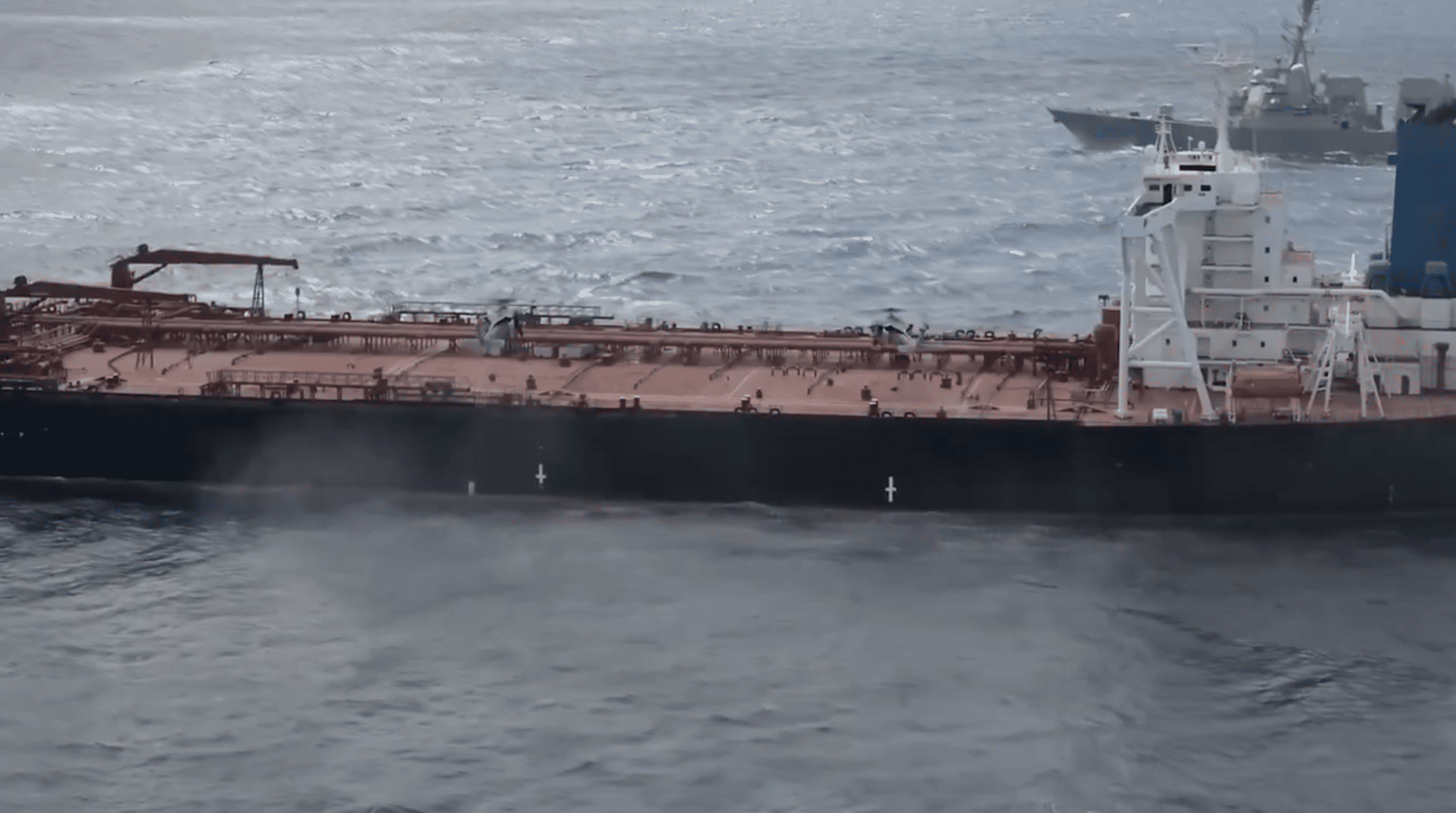
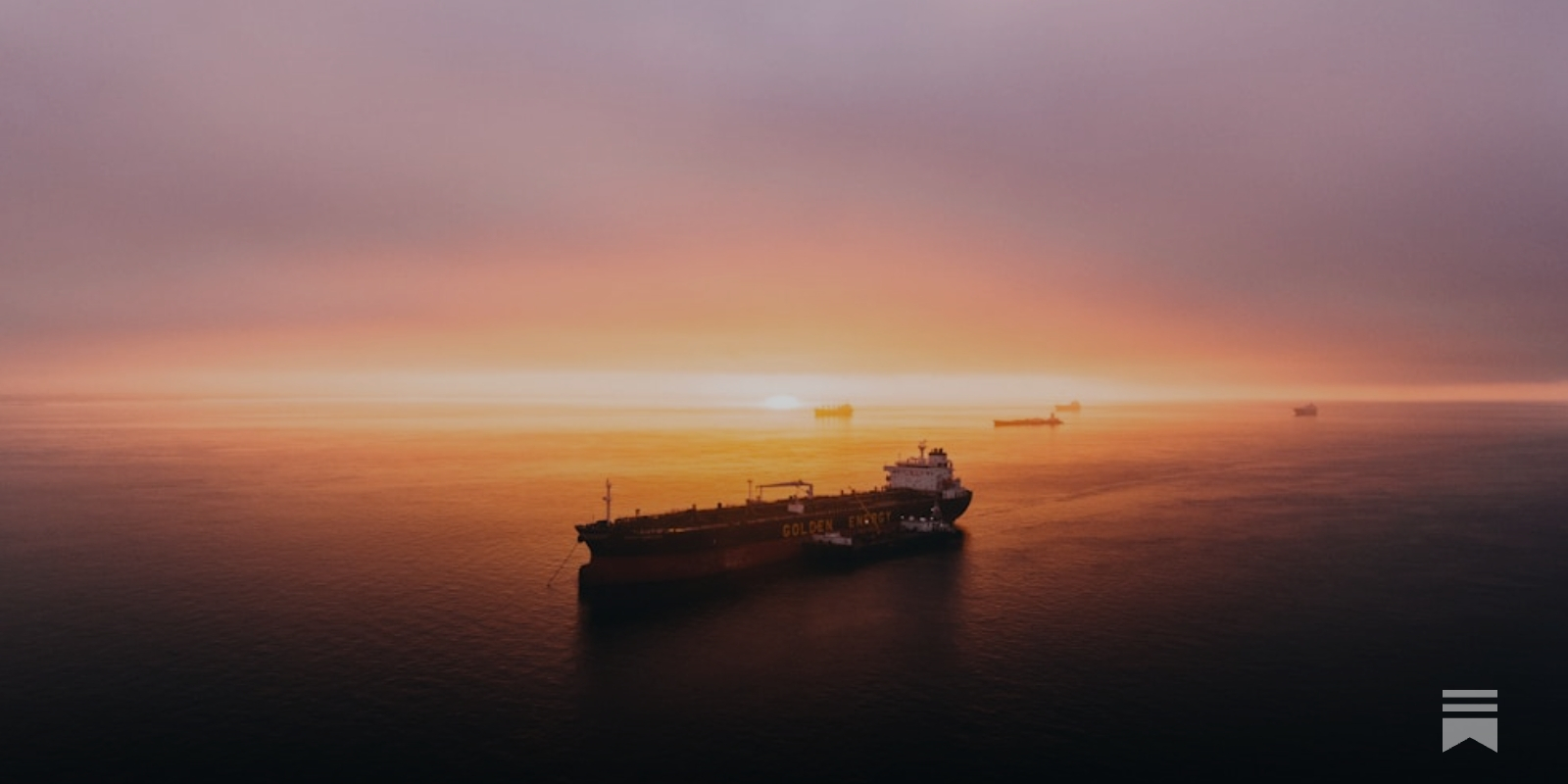
The closure of the Strait of Hormuz has frozen vital maritime traffic. Around 20,000 seafarers have been stuck aboard their ships since the war began. A Pentagon assessment shared in closed-door briefings with Congress indicates it could take up to six months to fully clear Iranian-laid mines from the strait.
The disruption extends beyond oil. Helium, fertilizer, and aluminum—critical elements for industry and farming—have been held up in the Gulf, causing global shortages and driving up costs. Treasury Secretary Scott Bessent announced Friday that the U.S. was imposing sanctions on Hengli Petrochemical (Dalian) Refinery Co. in China for helping sustain Iran's oil economy. The Treasury also targeted about 40 shipping firms and vessels it said were part of a clandestine network working on behalf of Tehran to bypass international sanctions.
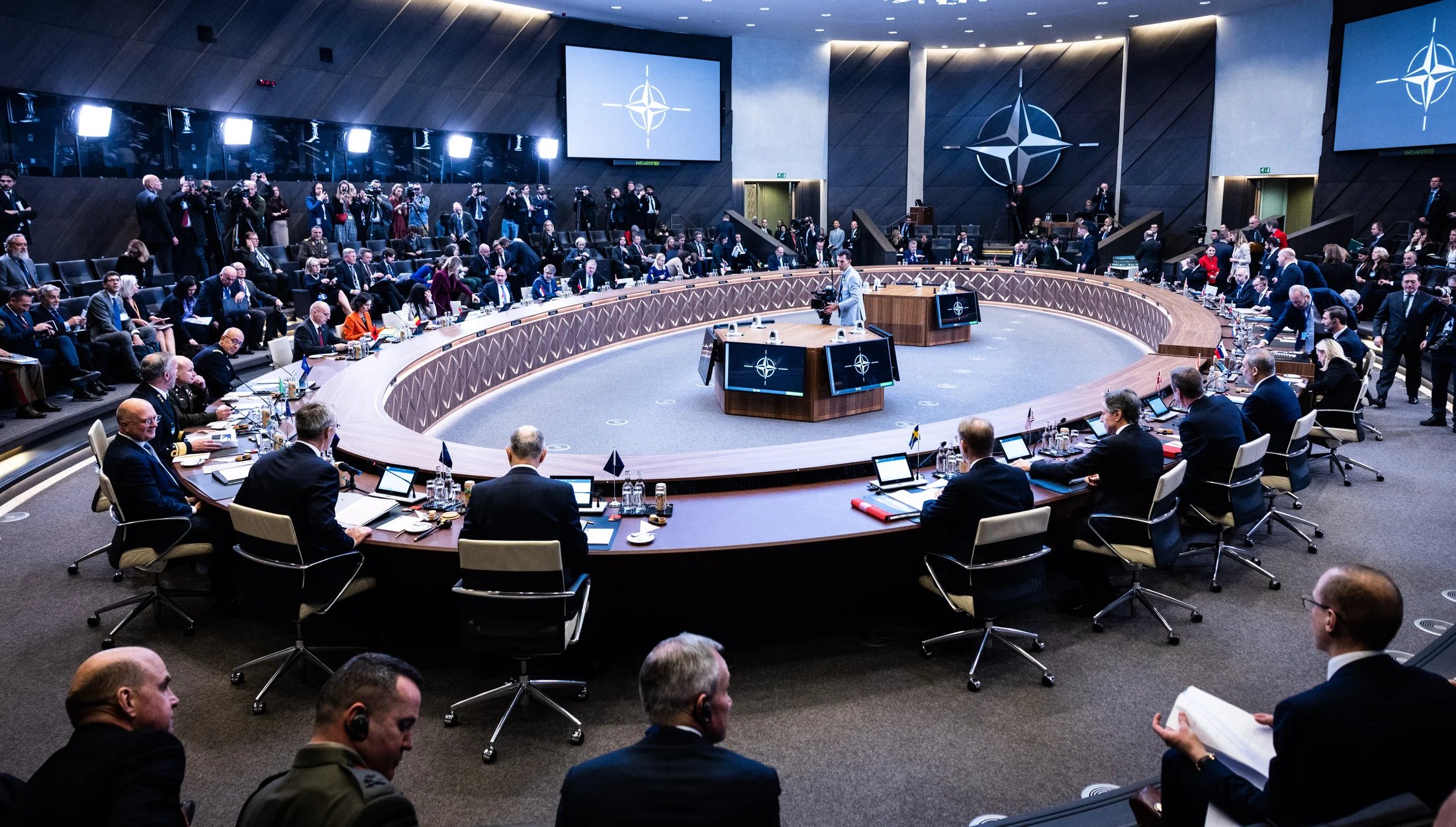
Spain's Prime Minister Pedro Sanchez pushed back Friday against reported U.S. plans to penalize NATO allies who refused to support the war with Iran. Reuters reported that an internal Pentagon memo outlined measures to retaliate against "difficult" allies, singling out Spain and suggesting it could be suspended from NATO.
When asked about the report at a European Council summit in Cyprus, Sanchez responded: "We don't work on the basis of emails. We are working on official documents and positions, made in this case by the United States government." Spain has been the most vocal NATO member opposed to the war, deeming it illegal and refusing to allow the U.S. to use bases on Spanish territory.
Defense Secretary Pete Hegseth criticized European allies for not joining the U.S.-Israeli war effort. "We are not counting on Europe," he told reporters. "But they need the Strait of Hormuz much more than we do and might want to start doing less talking and having less fancy conferences in Europe and get in a boat."
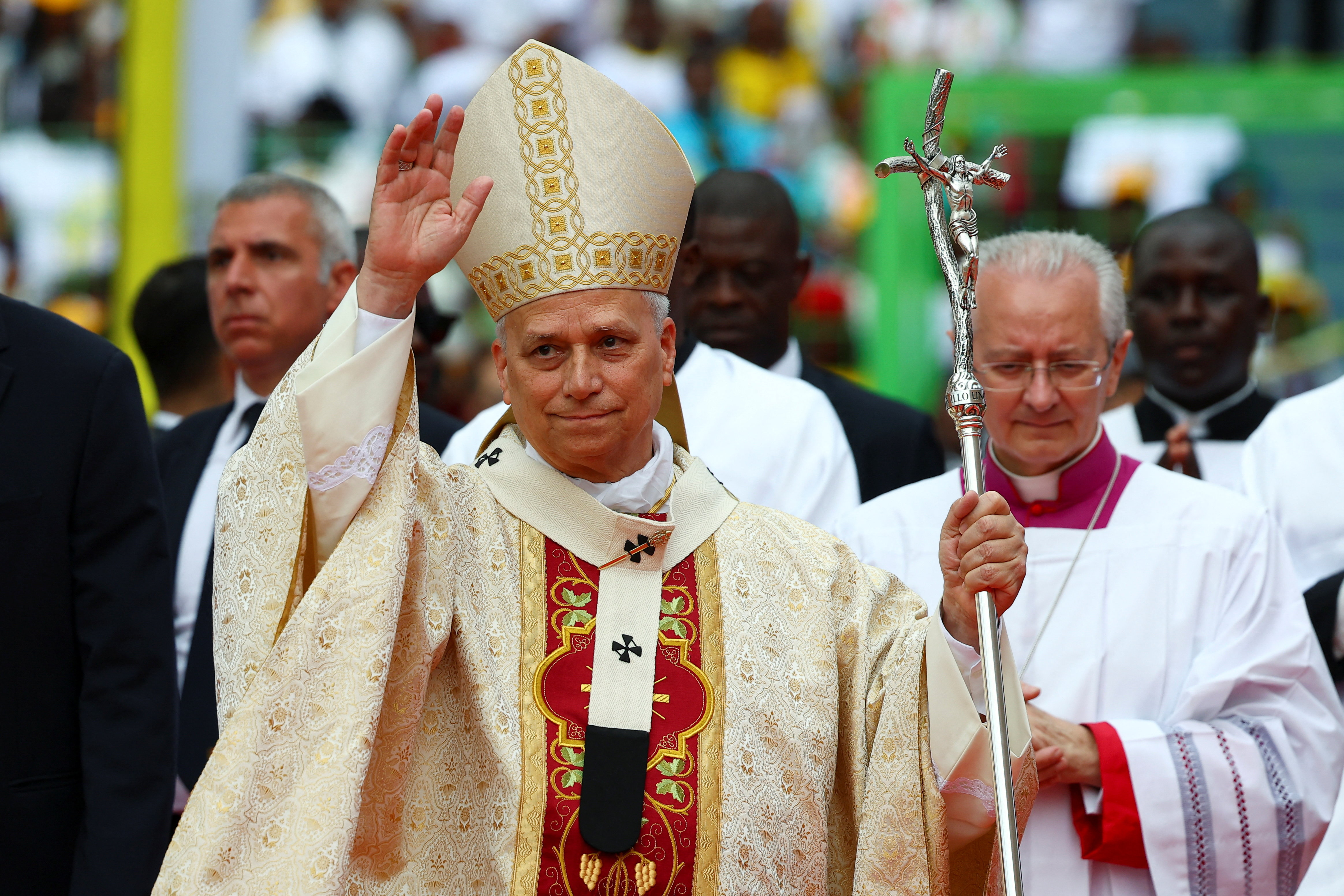
Pope Leo XIV called on the United States and Iran to return to the negotiating table Friday, urging leaders to adopt what he called "a culture of peace." Speaking aboard the papal plane after a trip to Africa, Leo said the negotiations between the two countries were "complex" but urged all sides to remain committed to dialogue.
President Trump canceled a planned trip by special envoy Steve Witkoff and son-in-law Jared Kushner to Islamabad on Saturday, upending efforts to revive ceasefire negotiations with Iran. The decision came minutes after Iran's Foreign Minister Abbas Araghchi left Pakistan without committing to meet the U.S. delegation, according to Pakistani officials.
White House Press Secretary Karoline Leavitt had confirmed Friday that Witkoff and Kushner would travel to Islamabad "to go hear" what the Iranians have to say. Vice President J.D. Vance, who led the first round of talks earlier this month, was not planning to travel, Leavitt said. The cancellation marked an abrupt reversal of that plan.
Trump announced the cancellation on Truth Social, citing logistical frustration and Iran's internal dysfunction. "Too much time wasted on traveling, too much work," he wrote. "Besides which, there is tremendous infighting and confusion within their 'leadership.' Nobody knows who is in charge, including them."
In an interview with Axios, Trump elaborated on his reasoning. "I see no point of sending them on an 18-hour flight in the current situation," he said. "It's too long. We can do it just as well by telephone. The Iranians can call us if they want. We are not gonna travel just to sit there."
Trump asserted that the U.S. held the advantage in negotiations. "We have all the cards. We are not going to go there to sit around talking about nothing," he said. When asked whether the cancellation signaled a return to military operations, Trump said: "No. It doesn't mean that. We have not thought about it yet."
The diplomatic collapse reflects deep disagreements over the terms of any deal. Iran's Foreign Ministry spokesman Esmaeil Baqaei stated that no direct meeting between Iran and the U.S. was planned, saying "Iran's observations would be conveyed to Pakistan." The Iranian delegation had insisted that the U.S. lift its naval blockade of Iranian ports as a precondition for talks.
Araghchi met Saturday in Islamabad with Pakistan's Prime Minister, Army Commander, and Foreign Minister, who have been mediating between the sides. But the talks ended without significant progress. Araghchi left Islamabad about an hour before Trump announced the cancellation.
After departing Pakistan, Araghchi said on X: "Have yet to see if the U.S. is truly serious about diplomacy." He noted that his visit would also include stops in Oman and Russia.
The diplomatic stalemate persists while global economic disruption accelerates. A United Nations report warns that the Iran war's economic fallout could plunge over 32 million people into poverty globally, with developing nations facing the brunt of surging energy and food prices.
The closure of the Strait of Hormuz has frozen vital maritime traffic. Around 20,000 seafarers have been stuck aboard their ships since the war began. A Pentagon assessment shared in closed-door briefings with Congress indicates it could take up to six months to fully clear Iranian-laid mines from the strait.
The disruption extends beyond oil. Helium, fertilizer, and aluminum—critical elements for industry and farming—have been held up in the Gulf, causing global shortages and driving up costs. Treasury Secretary Scott Bessent announced Friday that the U.S. was imposing sanctions on Hengli Petrochemical (Dalian) Refinery Co. in China for helping sustain Iran's oil economy. The Treasury also targeted about 40 shipping firms and vessels it said were part of a clandestine network working on behalf of Tehran to bypass international sanctions.
Spain's Prime Minister Pedro Sanchez pushed back Friday against reported U.S. plans to penalize NATO allies who refused to support the war with Iran. Reuters reported that an internal Pentagon memo outlined measures to retaliate against "difficult" allies, singling out Spain and suggesting it could be suspended from NATO.
When asked about the report at a European Council summit in Cyprus, Sanchez responded: "We don't work on the basis of emails. We are working on official documents and positions, made in this case by the United States government." Spain has been the most vocal NATO member opposed to the war, deeming it illegal and refusing to allow the U.S. to use bases on Spanish territory.
Defense Secretary Pete Hegseth criticized European allies for not joining the U.S.-Israeli war effort. "We are not counting on Europe," he told reporters. "But they need the Strait of Hormuz much more than we do and might want to start doing less talking and having less fancy conferences in Europe and get in a boat."
Pope Leo XIV called on the United States and Iran to return to the negotiating table Friday, urging leaders to adopt what he called "a culture of peace." Speaking aboard the papal plane after a trip to Africa, Leo said the negotiations between the two countries were "complex" but urged all sides to remain committed to dialogue.
Highlighted text was flagged by the council. Tap to see feedback.