




Attack on Pan-American Highway Claims Dozens
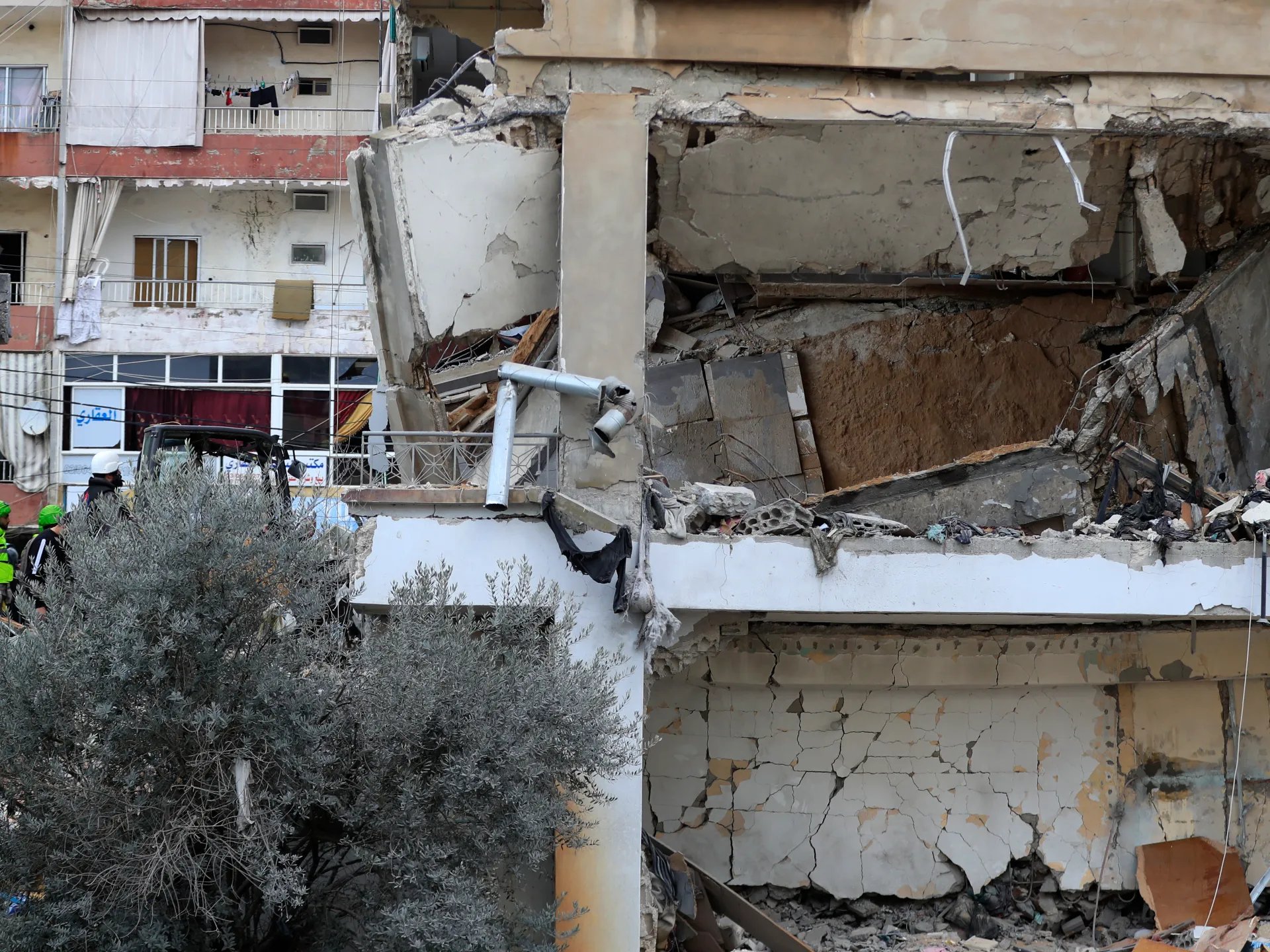
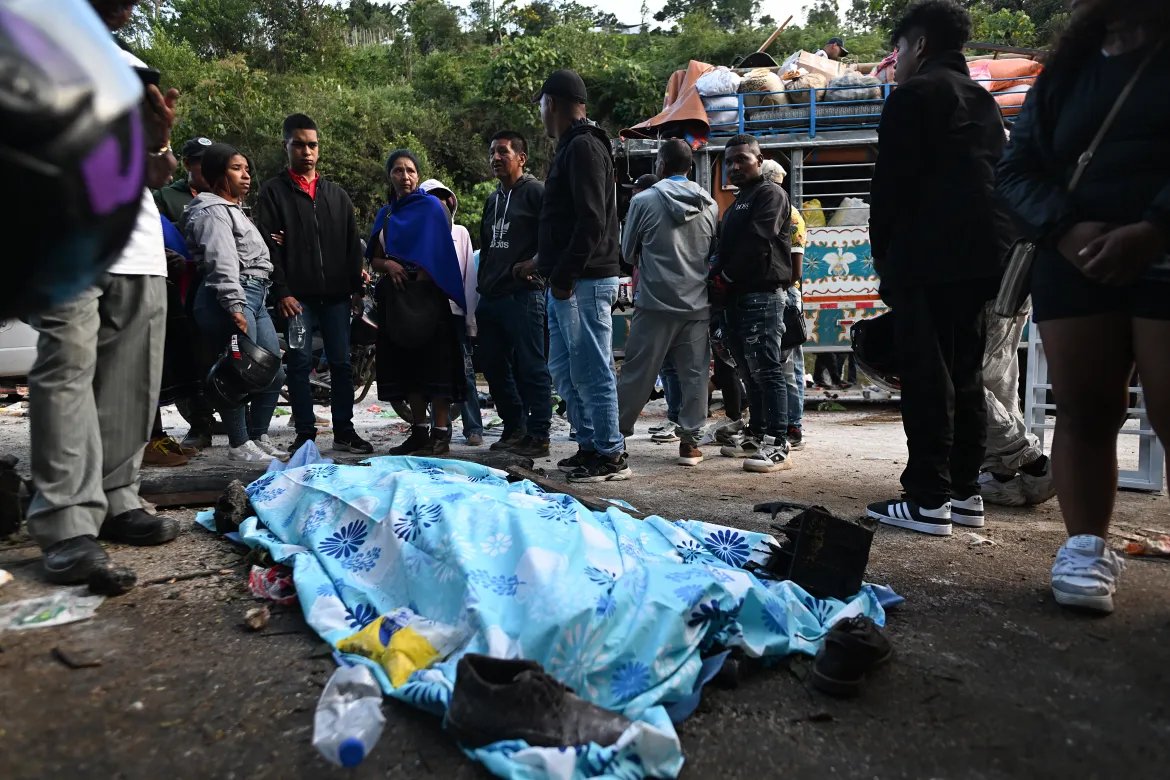
A bomb detonated on a bus traveling the Pan-American Highway in Cajibio, a municipality in southwestern Colombia's Cauca department, killed at least 20 people on Saturday. The explosive device mangled buses and vans, flipped several cars, and blew a large crater into the roadway. According to Octavio Guzmán, governor of Cauca, the blast injured 36 others, with three in intensive care and five minors among the wounded.
The National Institute of Legal Medicine and Forensic Sciences began examining 19 bodies on Sunday morning, with specialists including dentists, anthropologists, and forensic doctors working to identify victims. The attack occurred on a stretch of highway in one of Colombia's most volatile regions, where illegal armed groups fight for control of coca cultivation areas and drug trafficking routes to Central America and Europe.
Military Blames Dissident Faction
Gen. Hugo López, commander of Colombia's Armed Forces, described the bombing as a "terrorist act." He stated that assailants stopped traffic by blocking the road with a bus and another vehicle before the explosive detonated. López blamed the attack on the network of a man known as "Iván Mordisco," one of Colombia's most wanted figures, and the Jaime Martínez faction. Both groups are dissidents of the now-defunct Revolutionary Armed Forces of Colombia that operate in the region.
President Gustavo Petro also blamed Mordisco for the bombing, comparing the criminal to late cocaine kingpin Pablo Escobar. The attack followed a bomb attack on Friday at a military base in Cali, Colombia's third-largest city, which injured two people. According to López, 26 attacks have been recorded in Cauca and Valle del Cauca departments over the past two days.
Violence Dominates Election Campaign
Security has become a central campaign issue after conservative presidential candidate Miguel Uribe Turbay was shot in broad daylight while campaigning in the capital Bogota and later died from his wounds.
Three leading candidates are now campaigning under heavy security after receiving death threats. Leftist Senator Ivan Cepeda, an architect of Petro's controversial policy of negotiating with armed groups, leads in polls. He faces opposition from right-wing candidates Abelardo de la Espriella and Paloma Valencia, both of whom have pledged to take a hard line against rebel groups. Defence Minister Pedro Sanchez said authorities have boosted military and police presence in the affected areas.
Guzmán declared three days of mourning in the region on Sunday. The United Nations High Commissioner for Human Rights condemned the attacks against civilians and called on authorities to investigate and "guarantee justice for the victims."