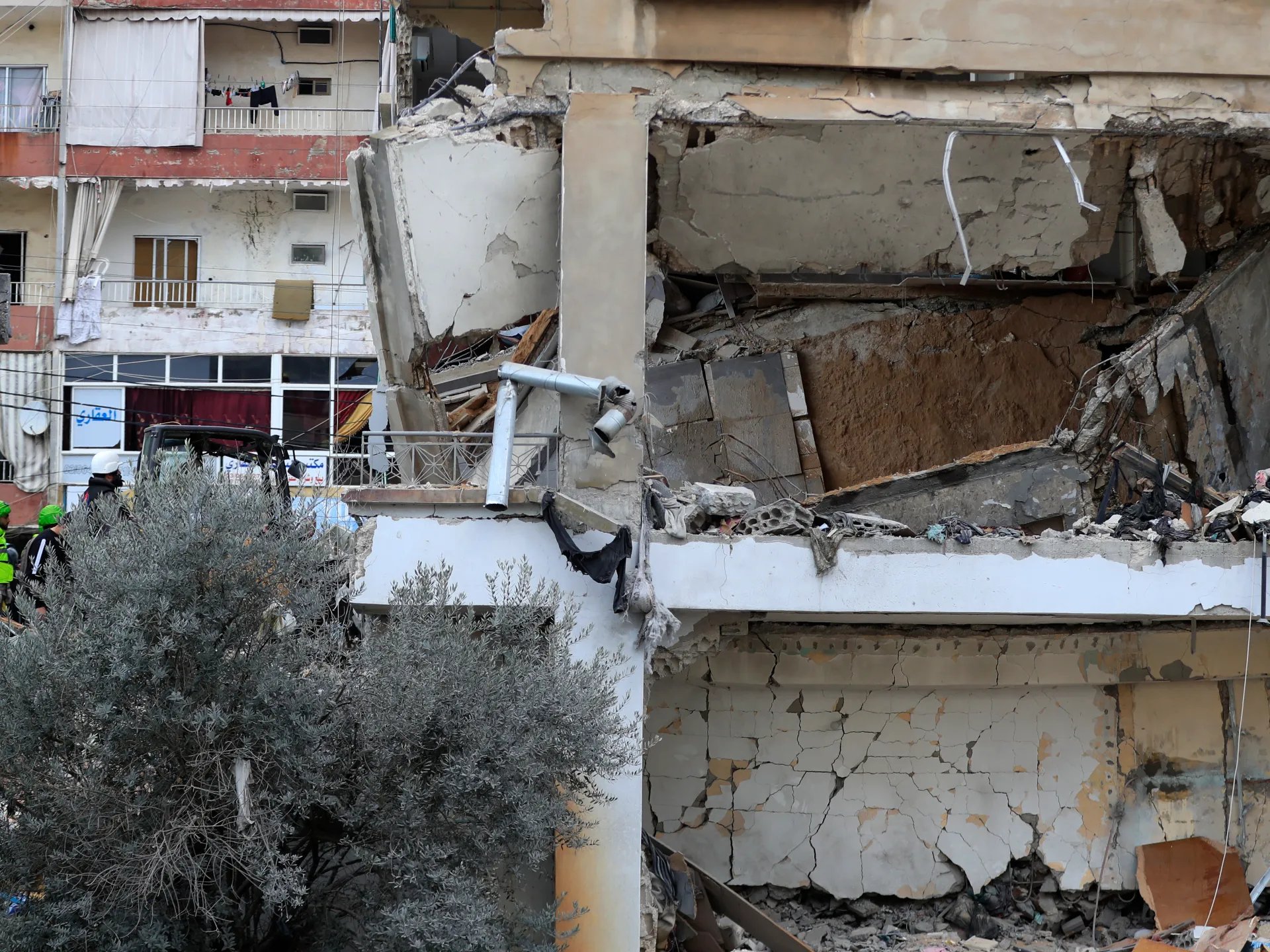
Israeli strikes in southern Lebanon killed 14 people on Sunday, as the military issued evacuation orders for seven towns beyond its declared buffer zone. The buffer zone stretches roughly 10km north of the border, where Israeli forces have maintained operations amid accusations of truce violations.
Hezbollah rejected claims of breaching the ceasefire, stating its actions respond to more than 500 alleged incidents by Israel. The group described its attacks as a "legitimate response," targeting Israeli troops in towns like Biyyada and Taybeh with drone swarms.
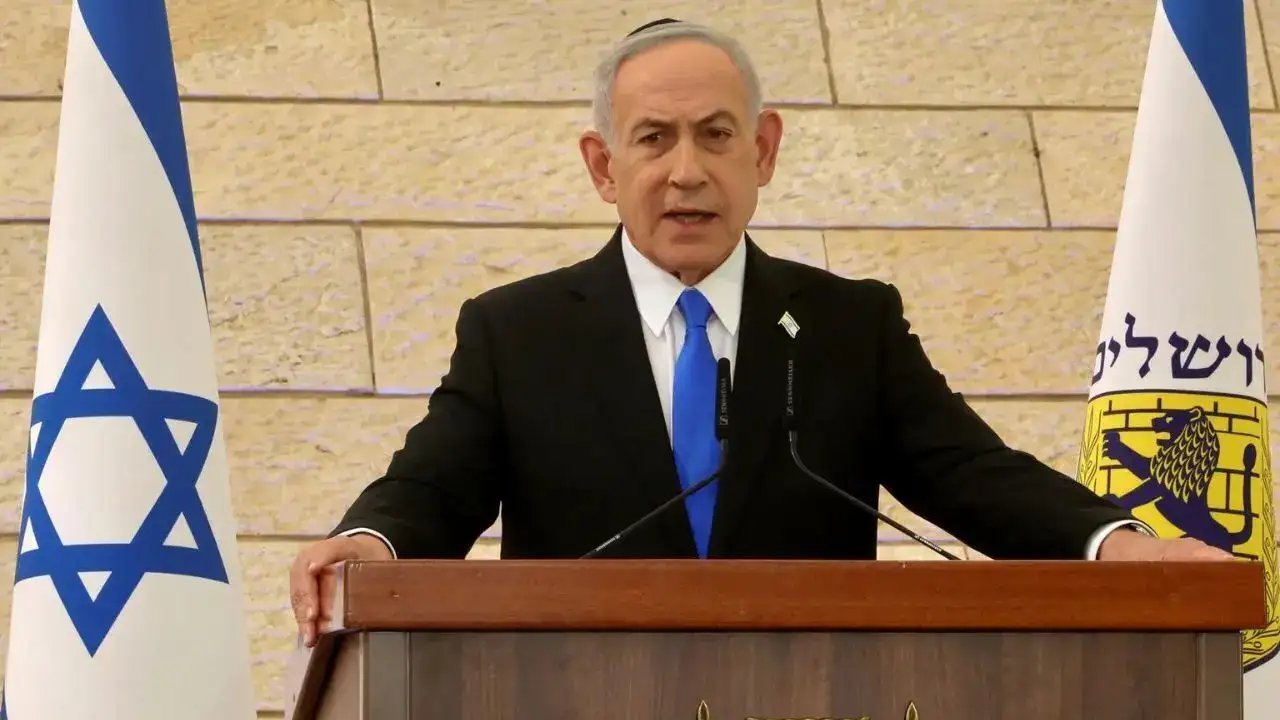
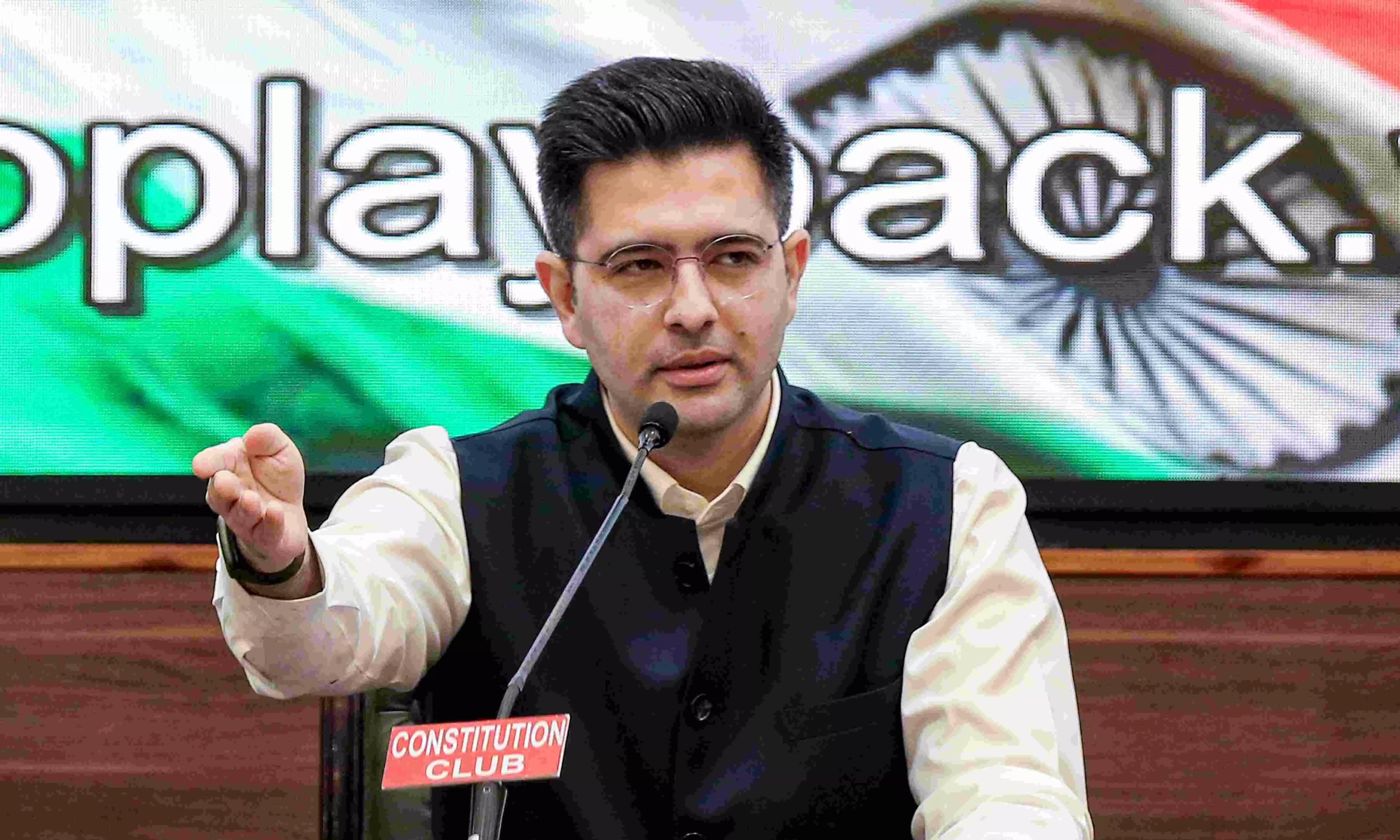
Israeli Prime Minister Benjamin Netanyahu warned during a cabinet meeting that Hezbollah's moves are "dismantling the ceasefire," urging forceful military responses. The US-mediated truce, effective since April 16 and extended to mid-May, has failed to fully halt exchanges, leaving communities vulnerable to sudden displacement.
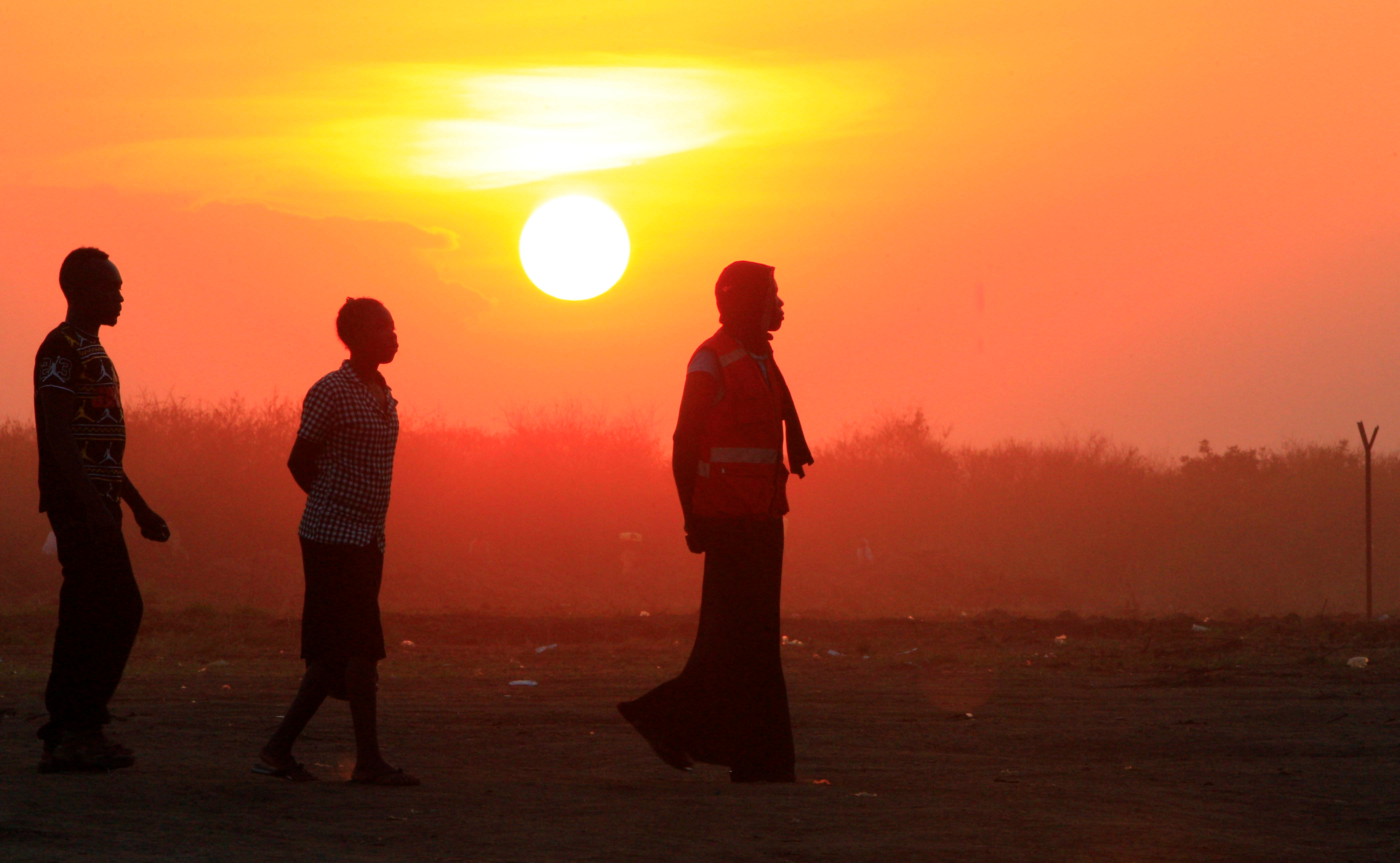
Residents of seven towns north of the Litani River received orders from an Israeli military spokesperson on X to move north and west, citing Hezbollah violations. Al Jazeera's correspondent in Tyre reported multiple airstrikes on Sunday, prompting thousands to flee to Sidon and Tyre and join hundreds of thousands already displaced. These evacuations force families to abandon homes, disrupting access to jobs and education in the affected areas.
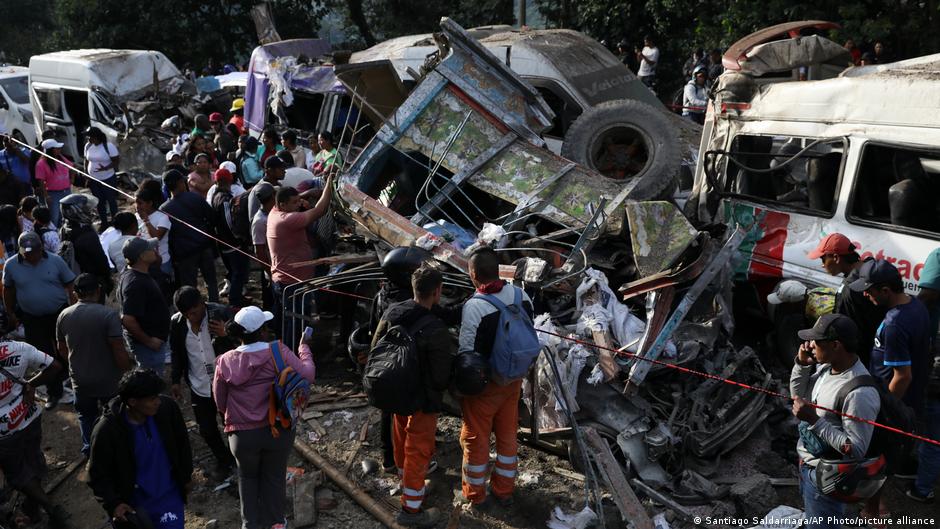
In one incident, strikes hit Yohmor al-Shaqeef, killing four on a truck and motorbike, while another in Safad al-Battikh caused two deaths and 17 injuries. Such events highlight the human cost, as people lose livelihoods and face immediate health crises from the chaos.
The Israeli army identified two projectiles launched from Lebanon as truce breaches, intercepting a suspicious aerial target in response. This back-and-forth has led to repeated warnings, with Netanyahu emphasizing the need to protect Israeli soldiers and communities. The ongoing alerts mean residents must constantly relocate, affecting their ability to maintain stable lives amid the uncertainty.
Hezbollah claimed responsibility for drone attacks on Israeli soldiers in Taybeh, reporting casualties without specifics, as a counter to perceived truce violations. The group targeted a newly established Israeli artillery position in Biyyada, framing these actions as defense against "the enemy's persistent violations." Such responses underscore the group's strategy, which directly challenges Israeli operations and alters regional security dynamics.
In a statement, Hezbollah asserted it had "no say or position" on the ceasefire, criticizing diplomacy as ineffective. This stance reflects the group's view that its strikes are necessary, even as they provoke further Israeli retaliation. The attacks on gatherings of soldiers illustrate how both sides' actions sustain the cycle, potentially drawing in more actors and complicating peace efforts.
Israeli forces confirmed that Sergeant Idan Fooks, a 19-year-old soldier, died in combat in southern Lebanon, with five others injured. Hezbollah's operations, including the Biyyada strike, add to the 2,509 deaths recorded by Lebanon's Health Ministry since March 2. These exchanges show the real dangers for individuals on the ground, as military engagements continue despite truce extensions.
Netanyahu ordered the military to "forcefully attack Hezbollah targets" after accusing the group of truce breaches, as reported by Lebanese state media. The Israeli army stated it struck Hezbollah's military infrastructure sites used for attacks, eliminating three operatives in a weapon-loaded vehicle and two more armed members. These directives prioritize Israeli security, with Netanyahu citing the need to safeguard soldiers and border communities during cabinet discussions.
Under truce terms, Israel claims the right to respond to "planned, imminent or ongoing attacks," leading to near-daily strikes in southern Lebanon. The military's actions included operations in areas like Nabatieh province, where smoke rose from villages after strikes, according to reports. This approach reflects Netanyahu's focus on maintaining control, even as it escalates tensions and affects neighboring populations.
The strikes have resulted in at least six deaths from earlier attacks on Saturday, as noted in official statements. Netanyahu's emphasis on forceful measures could prolong the conflict, influencing broader regional dynamics. For those in affected areas, this means ongoing threats to daily routines, as military priorities override civilian needs.
The violence has displaced thousands, with Al Jazeera's correspondent noting people joining the already displaced in Sidon and Tyre after Sunday's airstrikes. These outcomes force individuals to seek medical care and shelter, altering their immediate futures.
Hezbollah's drone attacks and Israel's responses have led to casualties like Sergeant Idan Fooks, highlighting the personal losses on both sides. The total death count of 2,509 since March 2 includes civilians caught in the exchanges, as strikes hit locations like Yohmor al-Shaqeef. This human scale reminds people that such conflicts can upend lives, making recovery a long-term challenge.
As evacuations continue, residents face decisions about relocation, with options limited by the ongoing alerts. The pattern of attacks and counterattacks shows how these events ripple outward, potentially straining resources for affected families. Seeking safety becomes a daily priority, emphasizing the need for individuals to prepare for sudden changes in their environment.
Israeli strikes in southern Lebanon killed 14 people on Sunday, as the military issued evacuation orders for seven towns beyond its declared buffer zone. The buffer zone stretches roughly 10km north of the border, where Israeli forces have maintained operations amid accusations of truce violations. This violence upends daily life for residents, heightening risks to personal safety in a region already strained by ongoing conflicts.
Hezbollah rejected claims of breaching the ceasefire, stating in a Telegram message that its actions respond to more than 500 alleged incidents by Israel. The group described its attacks as a "legitimate response," targeting Israeli troops in towns like Biyyada and Taybeh with drone swarms. These developments directly affect global stability, as the unrest could disrupt trade routes and increase security threats for people worldwide.
Israeli Prime Minister Benjamin Netanyahu warned during a cabinet meeting that Hezbollah's moves are "dismantling the ceasefire," urging forceful military responses. The US-mediated truce, effective since April 16 and extended to mid-May, has failed to fully halt exchanges, leaving communities vulnerable to sudden displacement. This pattern of retaliation shows how cross-border violence can escalate, impacting economic ties and personal freedoms in the Middle East.
Residents of seven towns north of the Litani River received orders from an Israeli military spokesperson on X to move north and west, citing Hezbollah violations. Al Jazeera's correspondent in Tyre reported multiple airstrikes on Sunday, prompting thousands to flee to Sidon and Tyre and join hundreds of thousands already displaced. These evacuations force families to abandon homes, disrupting access to jobs and education in the affected areas.
Lebanon's Health Ministry reported that Israeli attacks wounded 7,755 people since March 2, with recent strikes adding to the toll. In one incident, strikes hit Yohmor al-Shaqeef, killing four on a truck and motorbike, while another in Safad al-Battikh caused two deaths and 17 injuries. Such events highlight the human cost, as people lose livelihoods and face immediate health crises from the chaos.
The Israeli army identified two projectiles launched from Lebanon as truce breaches, intercepting a suspicious aerial target in response. This back-and-forth has led to repeated warnings, with Netanyahu emphasizing the need to protect Israeli soldiers and communities. The ongoing alerts mean residents must constantly relocate, affecting their ability to maintain stable lives amid the uncertainty.
Hezbollah claimed responsibility for drone attacks on Israeli soldiers in Taybeh, reporting casualties without specifics, as a counter to perceived truce violations. The group targeted a newly established Israeli artillery position in Biyyada, framing these actions as defense against "the enemy’s persistent violations." Such responses underscore the group's strategy, which directly challenges Israeli operations and alters regional security dynamics.
In a statement, Hezbollah asserted it had "no say or position" on the ceasefire, criticizing diplomacy as ineffective. This stance reflects the group's view that its strikes are necessary, even as they provoke further Israeli retaliation. The attacks on gatherings of soldiers illustrate how both sides' actions sustain the cycle, potentially drawing in more actors and complicating peace efforts.
Israeli forces confirmed that Sergeant Idan Fooks, a 19-year-old soldier, died in combat in southern Lebanon, with five others injured. Hezbollah's operations, including the Biyyada strike, add to the 2,509 deaths recorded by Lebanon's Health Ministry since March 2. These exchanges show the real dangers for individuals on the ground, as military engagements continue despite truce extensions.
Netanyahu ordered the military to "forcefully attack Hezbollah targets" after accusing the group of truce breaches, as reported by Lebanese state media. The Israeli army stated it struck Hezbollah's military infrastructure sites used for attacks, eliminating three operatives in a weapon-loaded vehicle and two more armed members. These directives prioritize Israeli security, with Netanyahu citing the need to safeguard soldiers and border communities during cabinet discussions.
Under truce terms, Israel claims the right to respond to "planned, imminent or ongoing attacks," leading to near-daily strikes in southern Lebanon. The military's actions included operations in areas like Nabatieh province, where smoke rose from villages after strikes, according to reports. This approach reflects Netanyahu's focus on maintaining control, even as it escalates tensions and affects neighboring populations.
The strikes have resulted in at least six deaths from earlier attacks on Saturday, as noted in official statements. Netanyahu's emphasis on forceful measures could prolong the conflict, influencing broader regional dynamics. For those in affected areas, this means ongoing threats to daily routines, as military priorities override civilian needs.
The violence has displaced thousands, with Al Jazeera's correspondent noting people joining the already displaced in Sidon and Tyre after Sunday's airstrikes. Lebanon's Health Ministry figures show 7,755 wounded since March 2, including 17 from the Safad al-Battikh strike, underscoring the physical toll on civilians. These outcomes force individuals to seek medical care and shelter, altering their immediate futures.
Hezbollah's drone attacks and Israel's responses have led to casualties like Sergeant Idan Fooks, highlighting the personal losses on both sides. The total death count of 2,509 since March 2 includes civilians caught in the exchanges, as strikes hit locations like Yohmor al-Shaqeef. This human scale reminds people that such conflicts can upend lives, making recovery a long-term challenge.
As evacuations continue, residents face decisions about relocation, with options limited by the ongoing alerts. The pattern of attacks and counterattacks shows how these events ripple outward, potentially straining resources for affected families. Seeking safety becomes a daily priority, emphasizing the need for individuals to prepare for sudden changes in their environment.
Highlighted text was flagged by the council. Tap to see feedback.