




Rising Oil Prices Amid Tensions
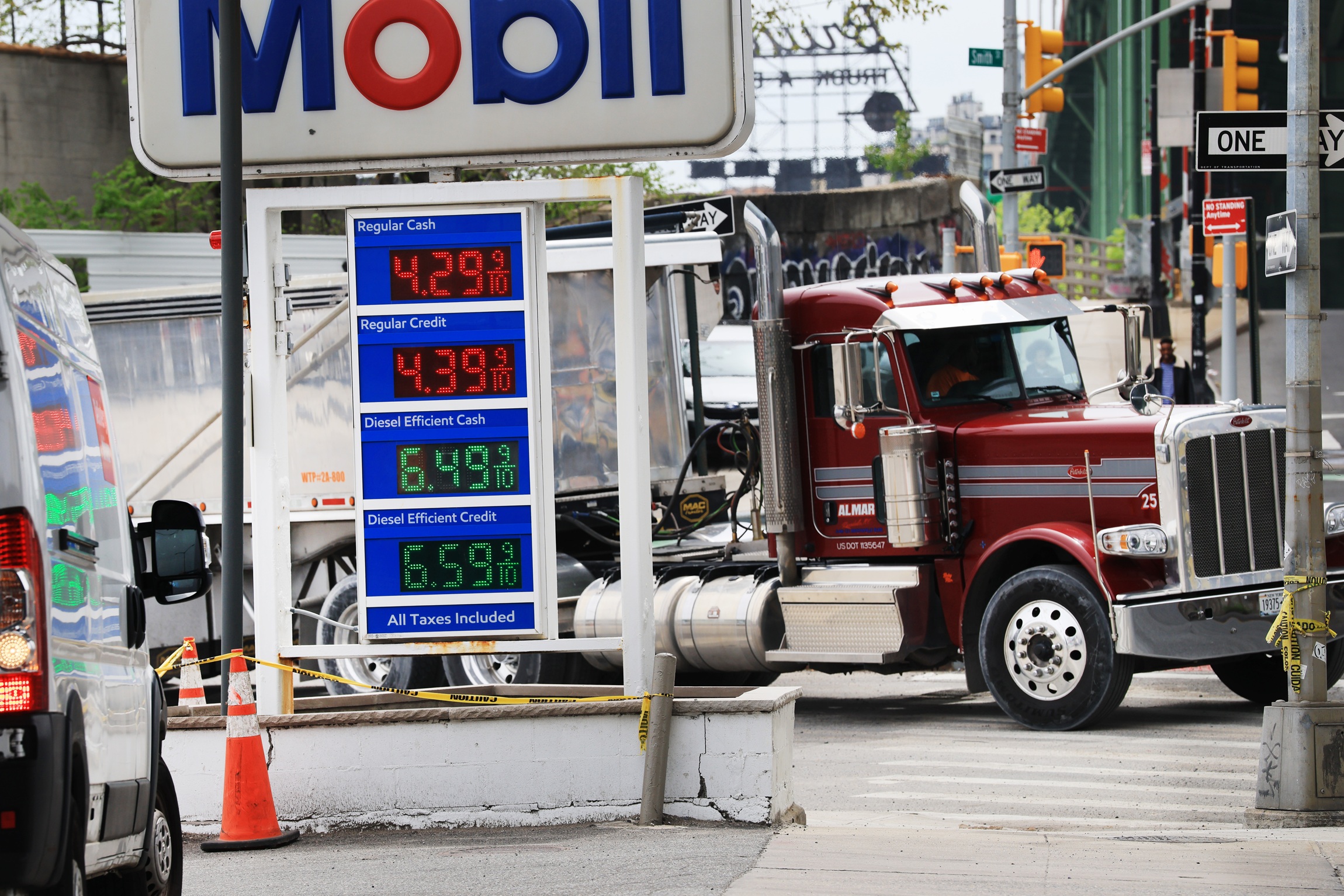
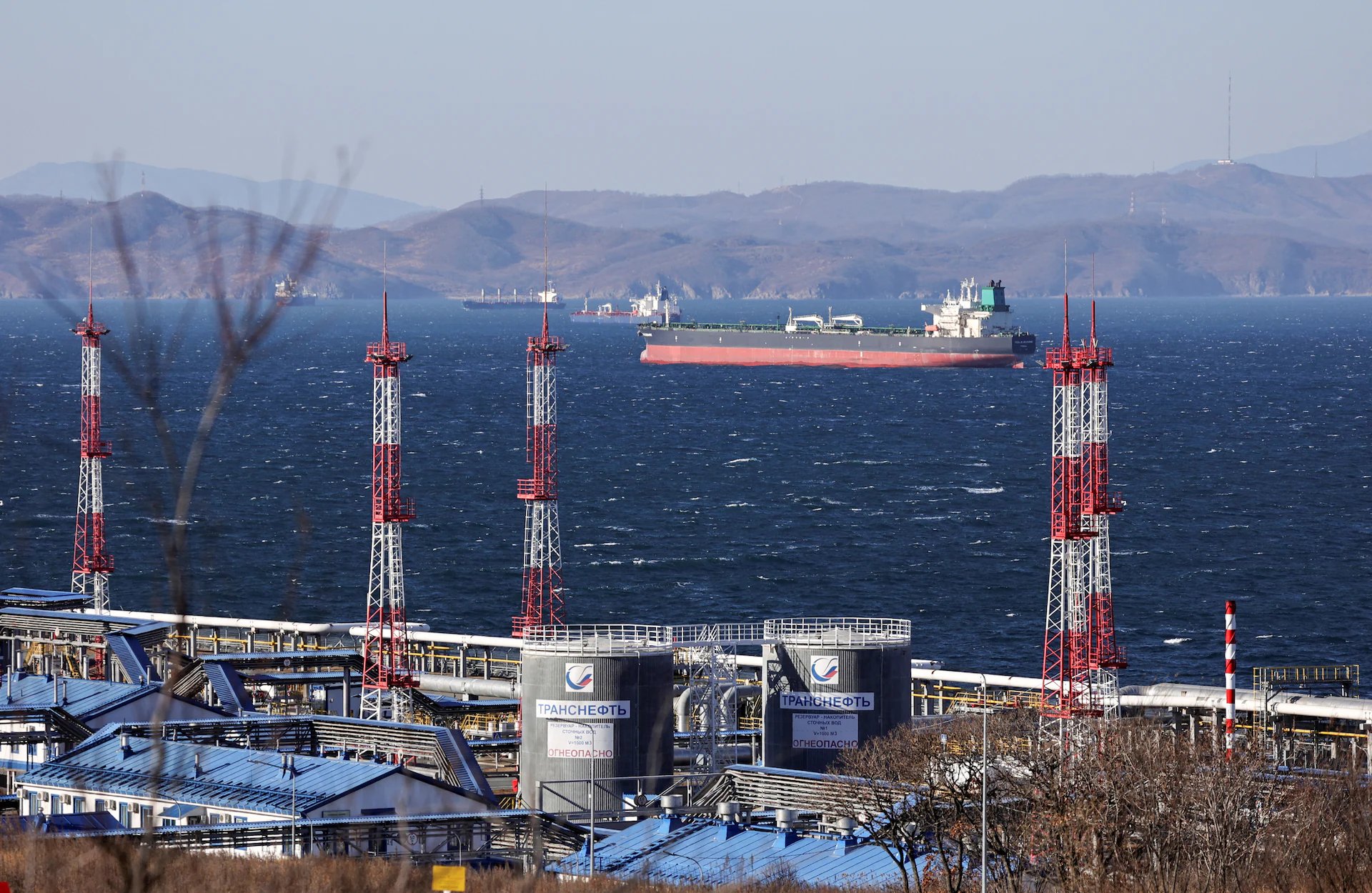
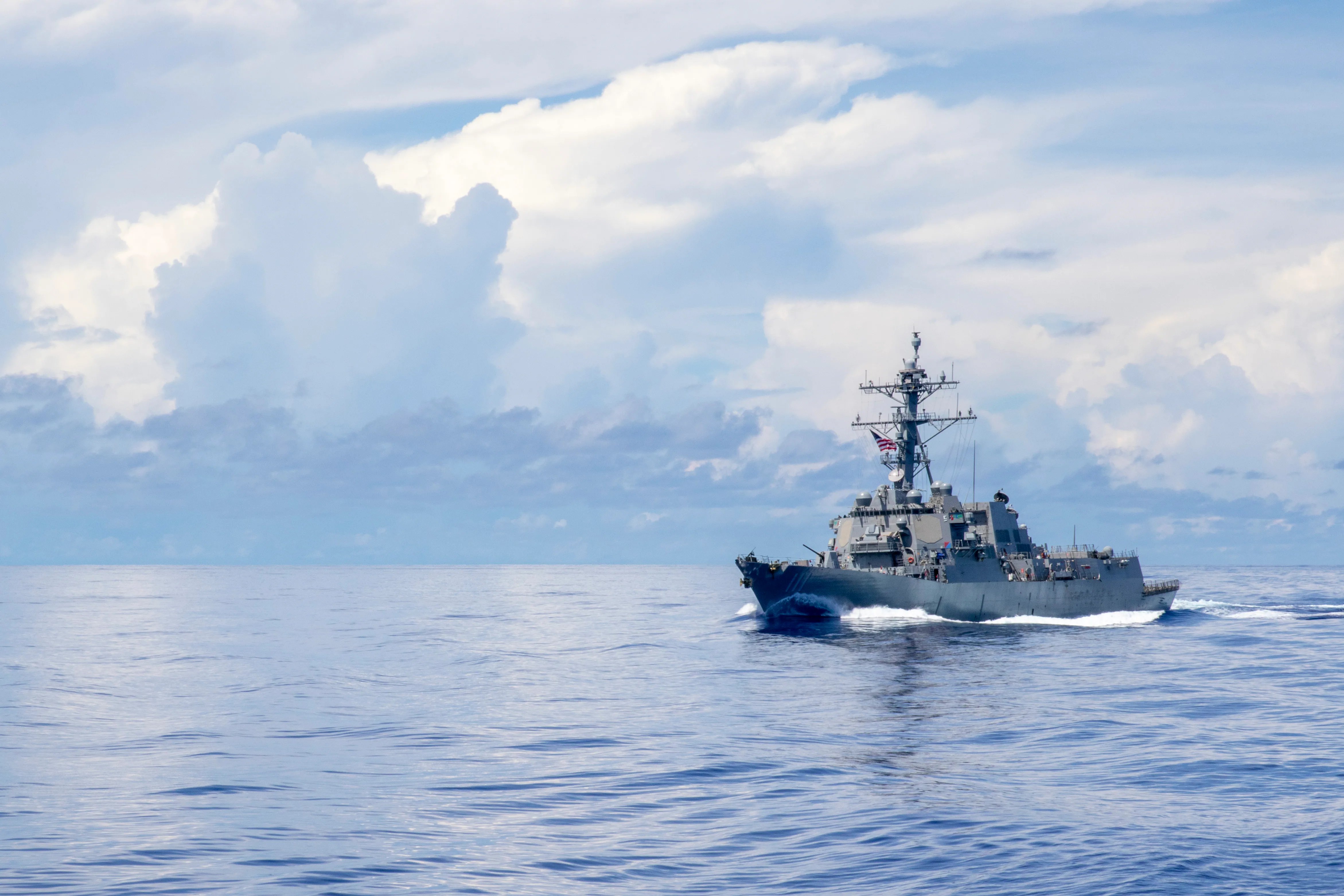
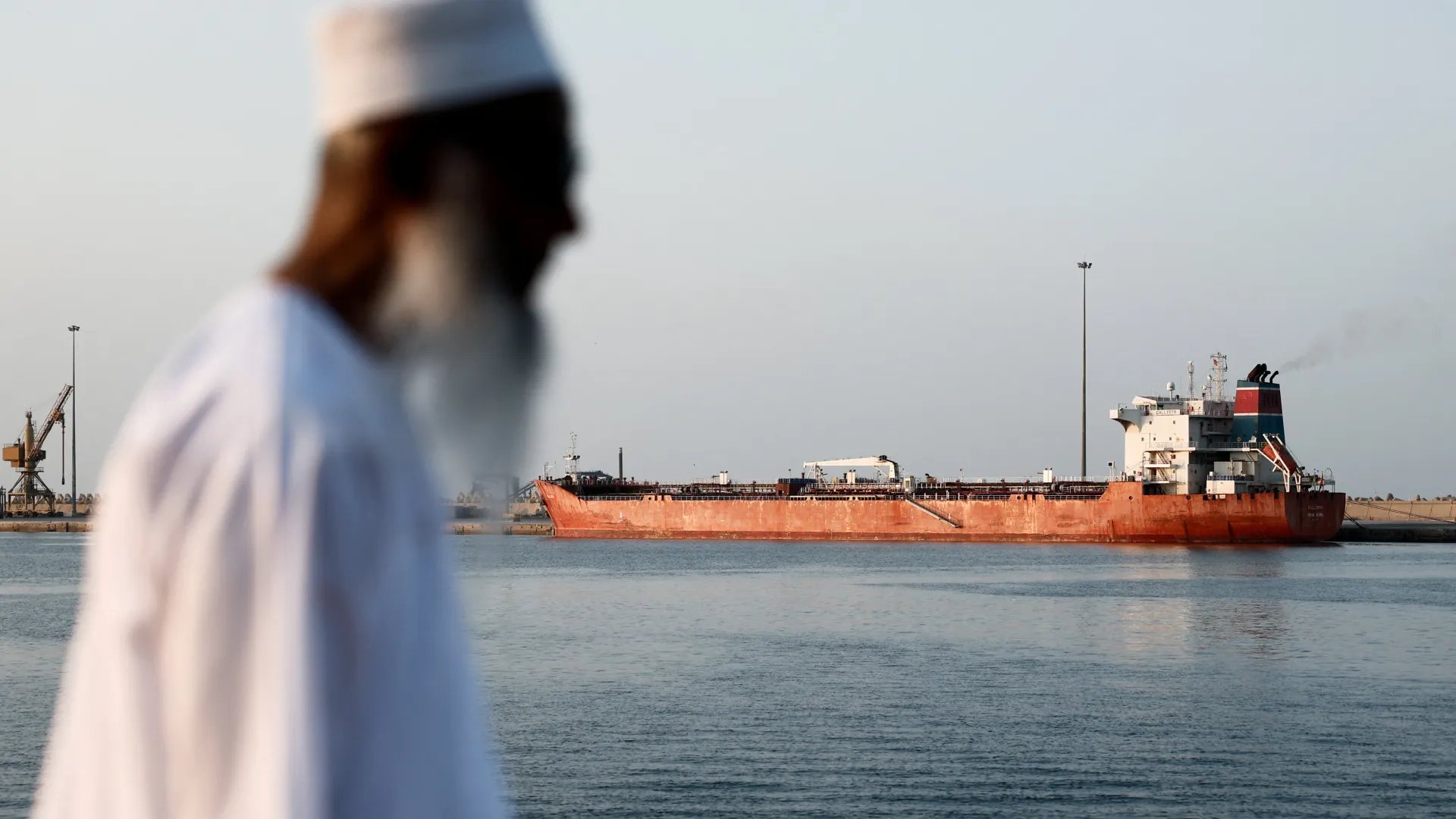
Oil prices jumped significantly following reports that Iran's navy halted a US warship attempting to enter the Strait of Hormuz. This incident has raised concerns about the stability of a critical shipping lane, through which roughly one-fifth of the world’s oil and liquefied natural gas supplies typically flow. Last week, oil prices surged to over $120 per barrel, reflecting the heightened market anxiety over potential disruptions stemming from the ongoing conflict between Iran and the United States.
Iran's Military Action
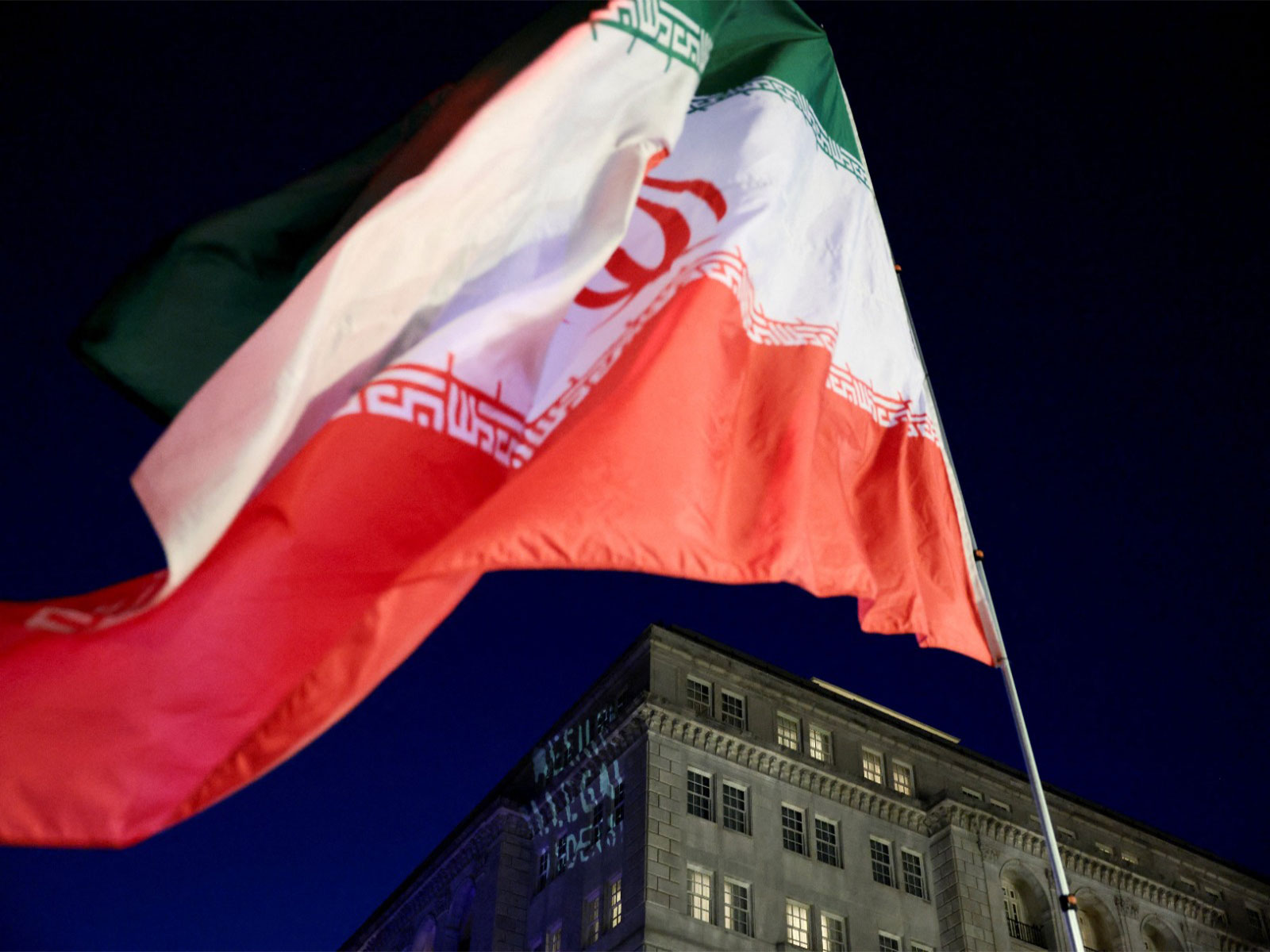
Iranian state media reported that two missiles were fired at the US Navy destroyer to prevent its entry into the strategic waterway. This aggressive action comes in the wake of US President Donald Trump's announcement of a naval operation to aid ships trapped in the Gulf. The situation escalated after a ceasefire was brokered by Pakistan, which has not yet resumed normal shipping operations through the strait.
Project Freedom Initiative
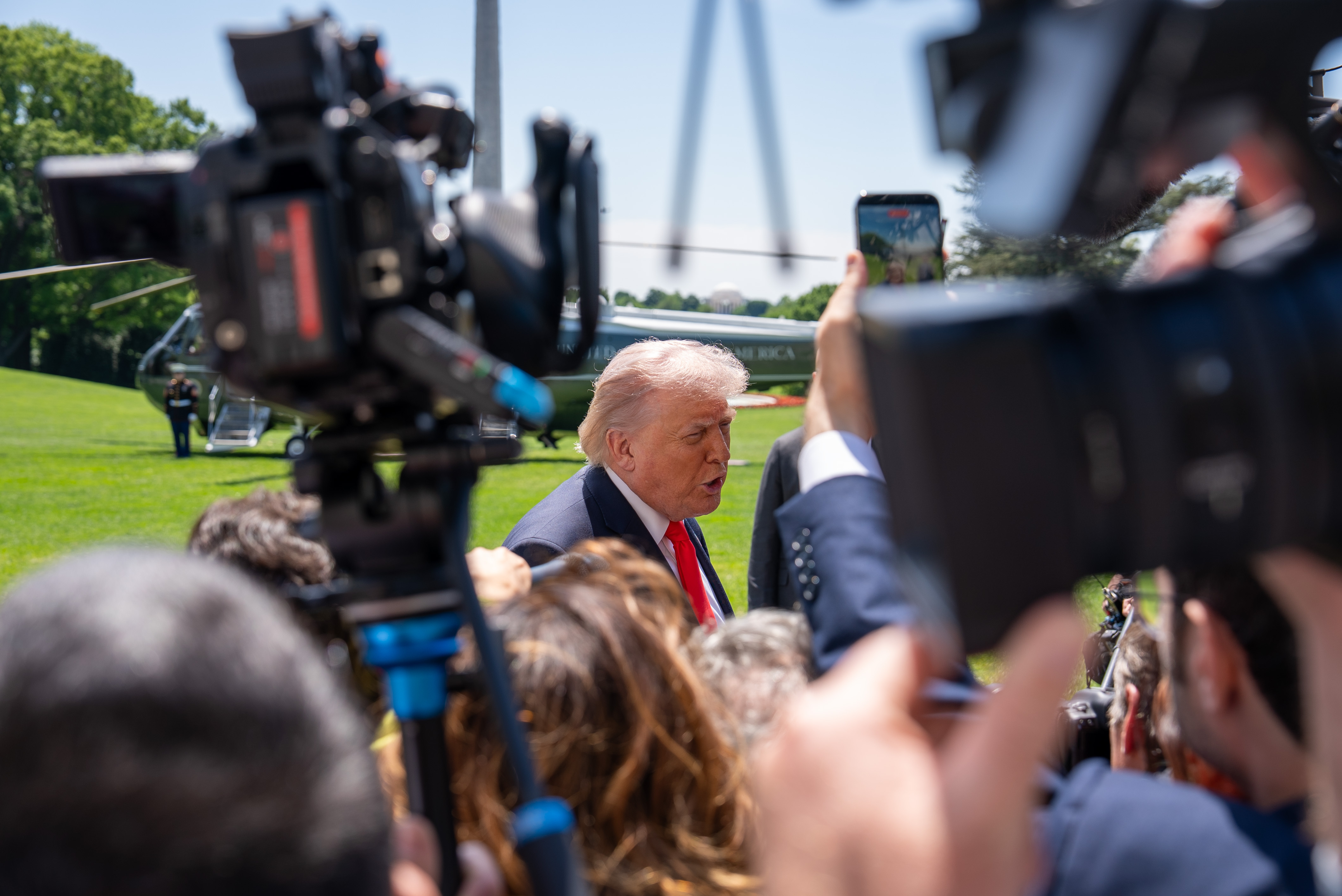
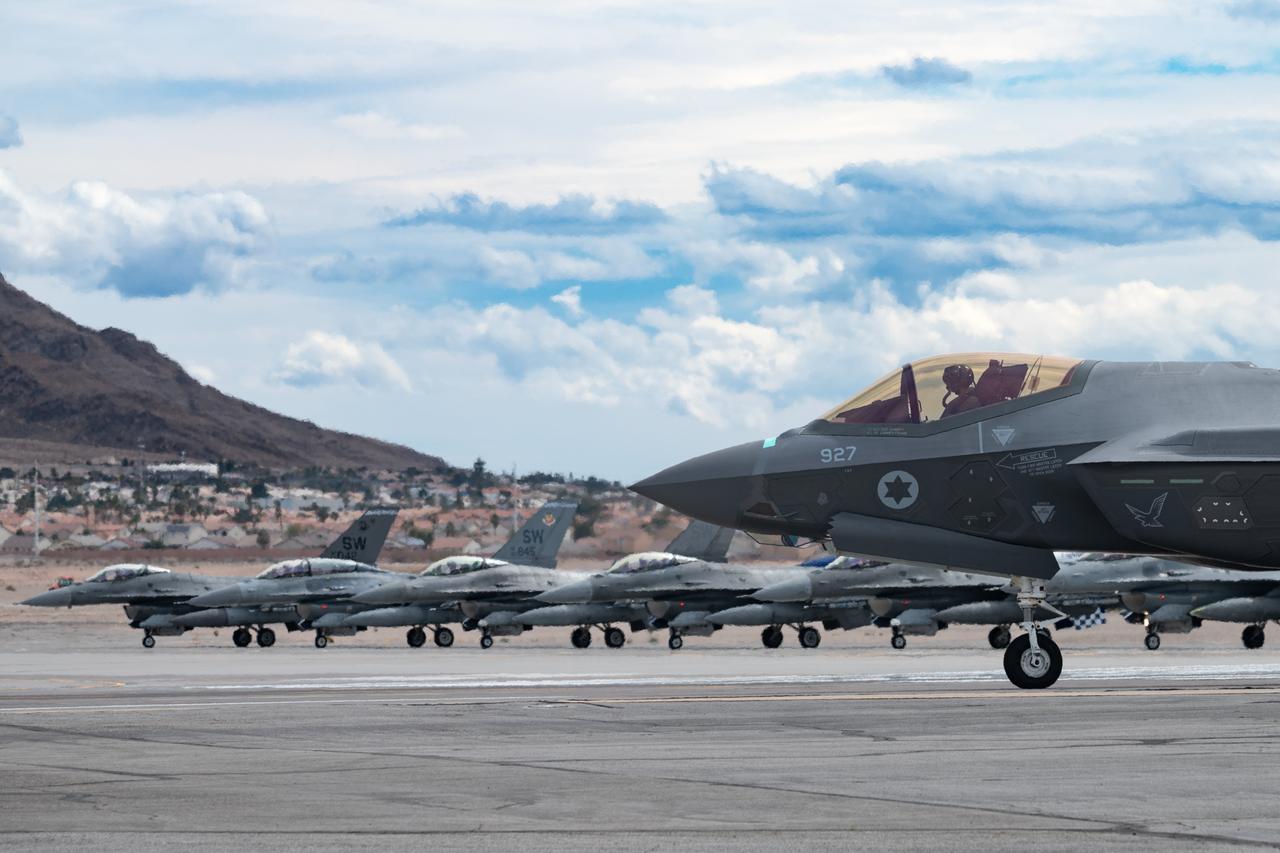
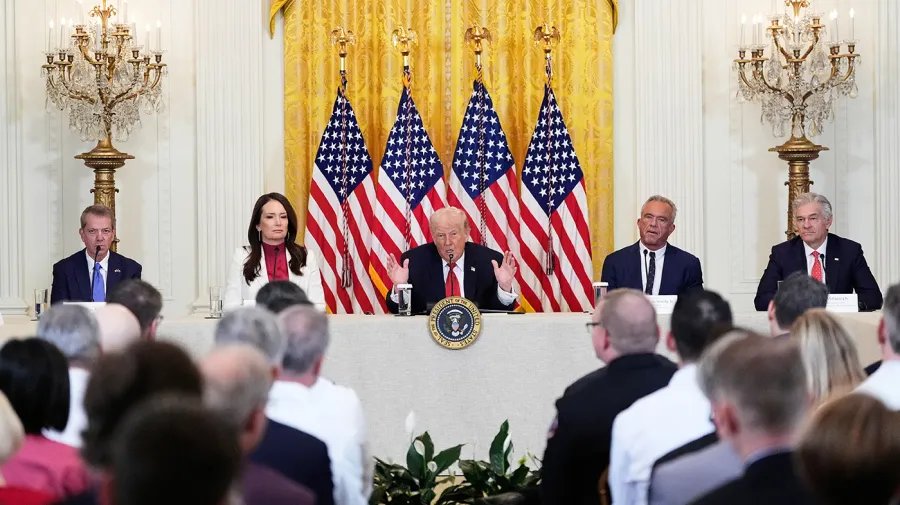
In response to the crisis, President Trump declared a mission named "Project Freedom," aimed at guiding stranded vessels through the Strait of Hormuz. He stated that the operation would involve military assets, including guided-missile destroyers and over 100 aircraft, although specific details about the execution remain unclear. The president emphasized that the US would make "best efforts" to ensure the safe passage of ships and crews, while also warning that any interference would be met with force.
International Reactions
Japanese Prime Minister Sanae Takaichi expressed grave concerns over the impact of the Iran conflict on energy supplies in the Asia Pacific, highlighting that 80% of the oil passing through the Strait of Hormuz is destined for Asia. During a visit to Australia, she noted that the effective closure of the strait has had an "enormous impact" on regional economies. Both Japan and Australia are working closely to secure their energy supplies amid these disruptions.
Mixed Signals from the US
Despite Trump's optimistic tone regarding negotiations with Iran, he also conveyed skepticism about the Iranian proposal for peace, labeling it as "unacceptable." The US's military posture has remained aggressive, with reports indicating preparations for potential strikes against Iran should diplomatic efforts fail. The conflicting messages from the Trump administration have left many observers questioning the likelihood of a peaceful resolution.
The Human Cost of Blockades
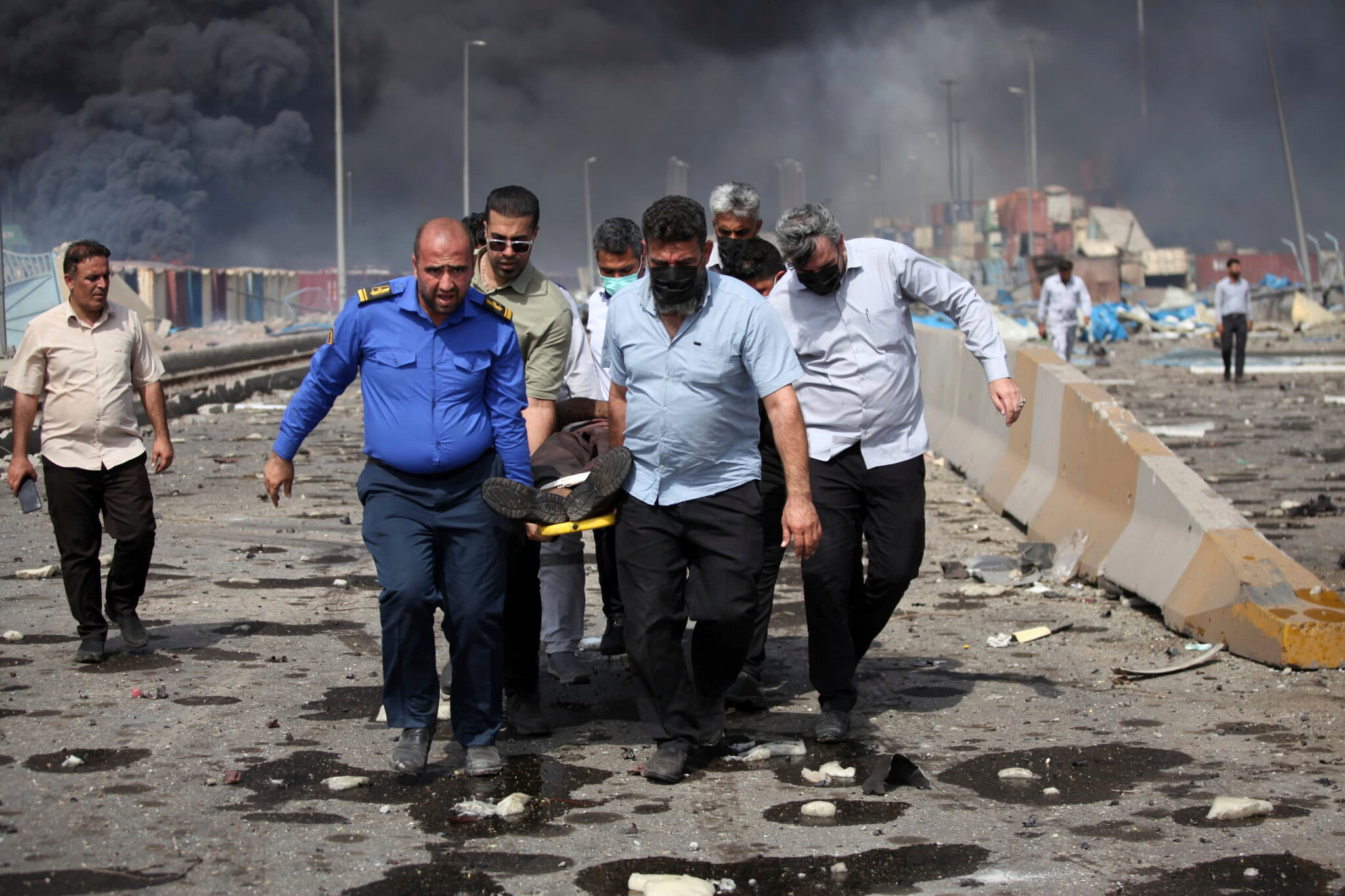
As tensions rise, an estimated 20,000 sailors are currently trapped on vessels in the Gulf due to the blockade imposed by Iran, raising humanitarian concerns. The welfare of these individuals is becoming increasingly precarious, prompting calls for urgent action to reopen shipping lanes. The situation is compounded by the fact that the strait is a vital artery for global oil supply, with disruptions likely leading to further economic repercussions worldwide.
Conclusion: The Path Forward
The standoff in the Strait of Hormuz underscores the intricate balance of military and diplomatic efforts in the region. As oil prices remain volatile and tensions escalate, the international community watches closely for developments that could either lead to a resolution or further conflict. The stakes are high, not only for the involved nations but also for global markets heavily reliant on this crucial shipping route.