




Shipping Activity Increases
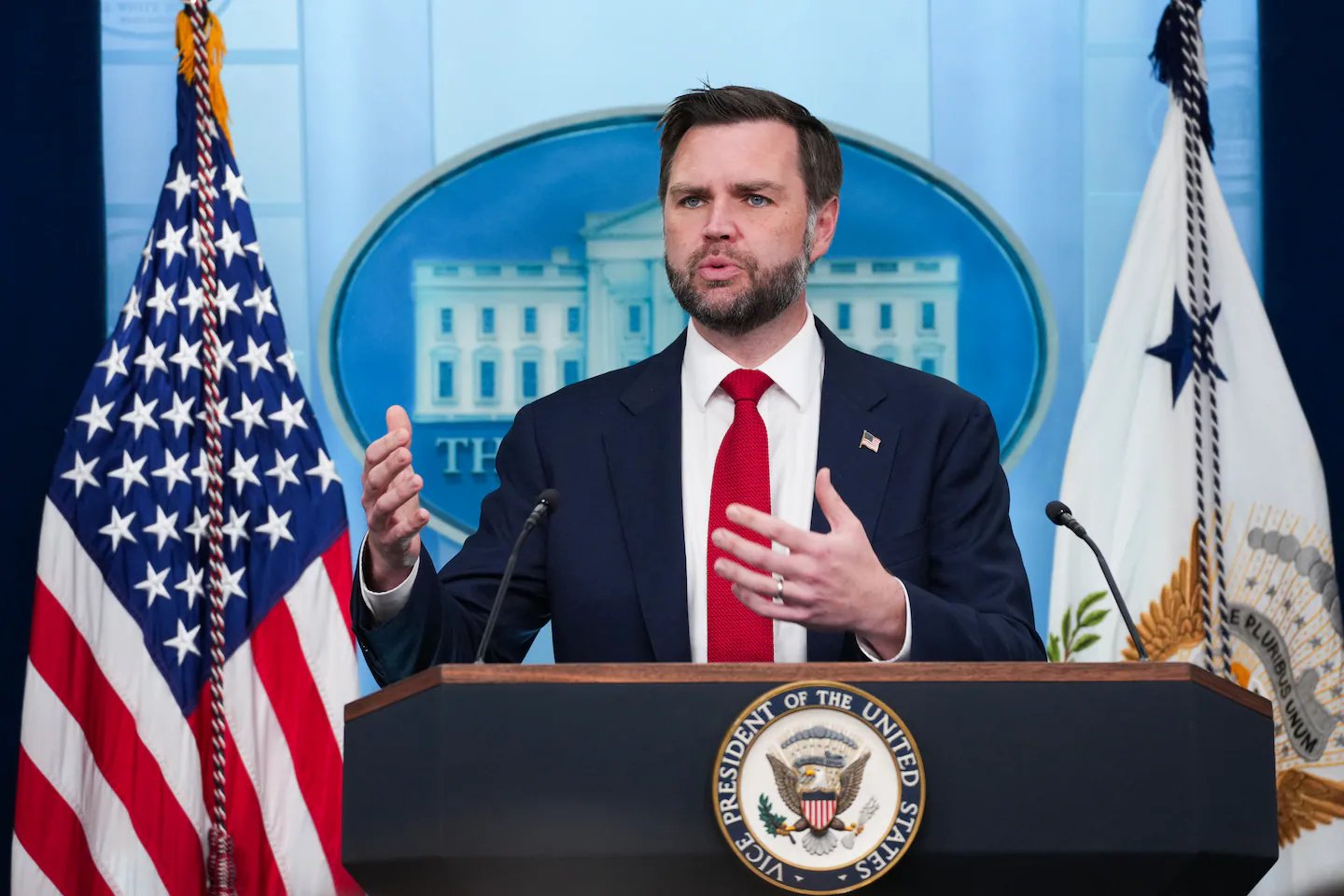
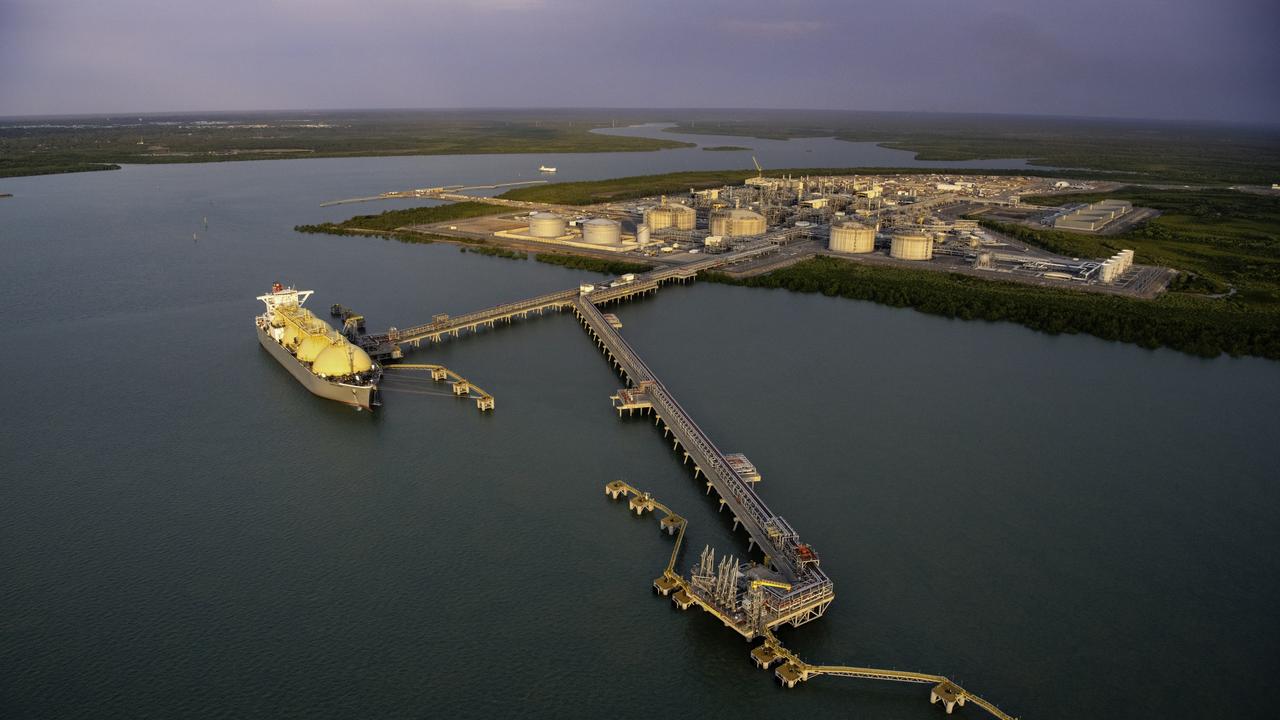
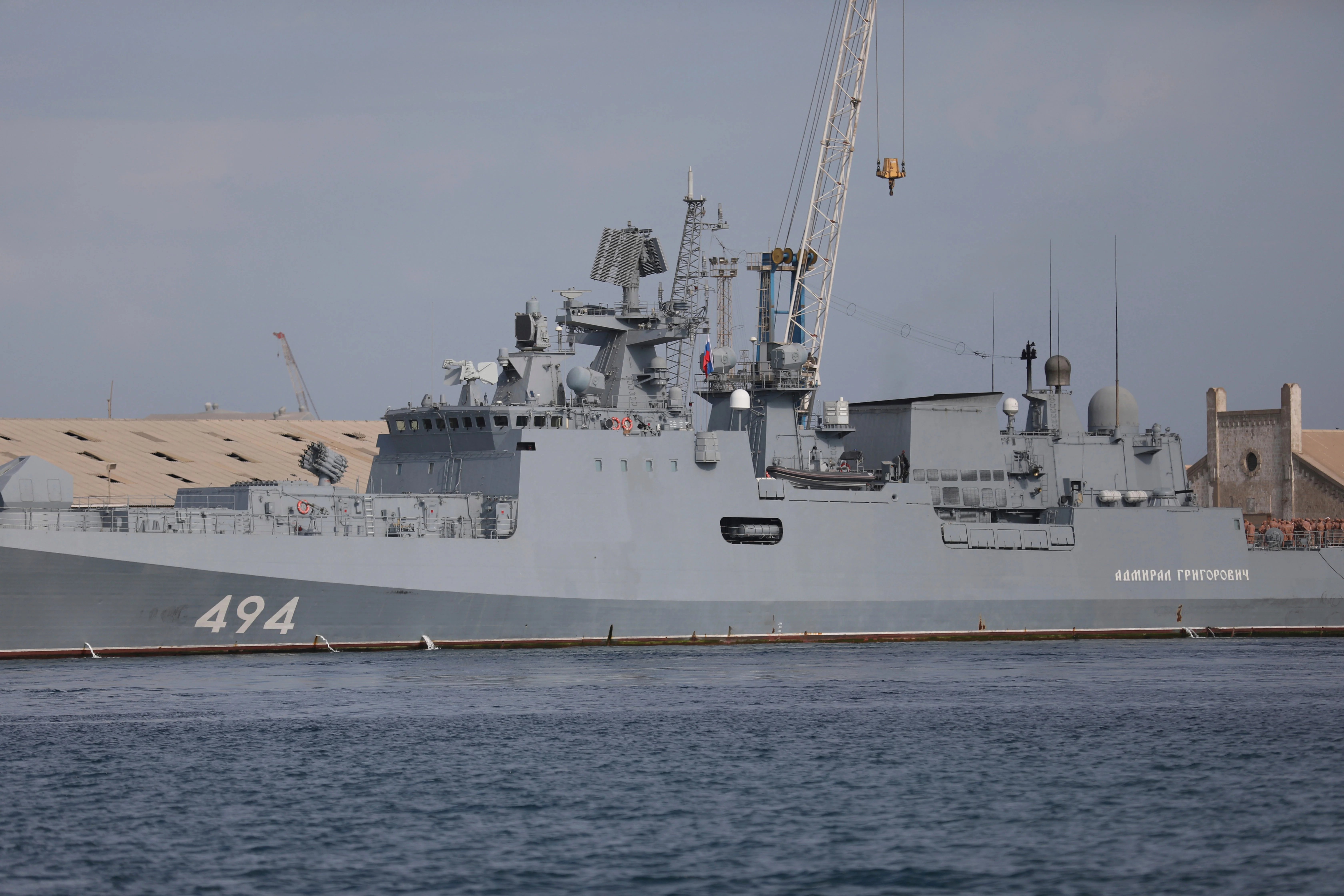
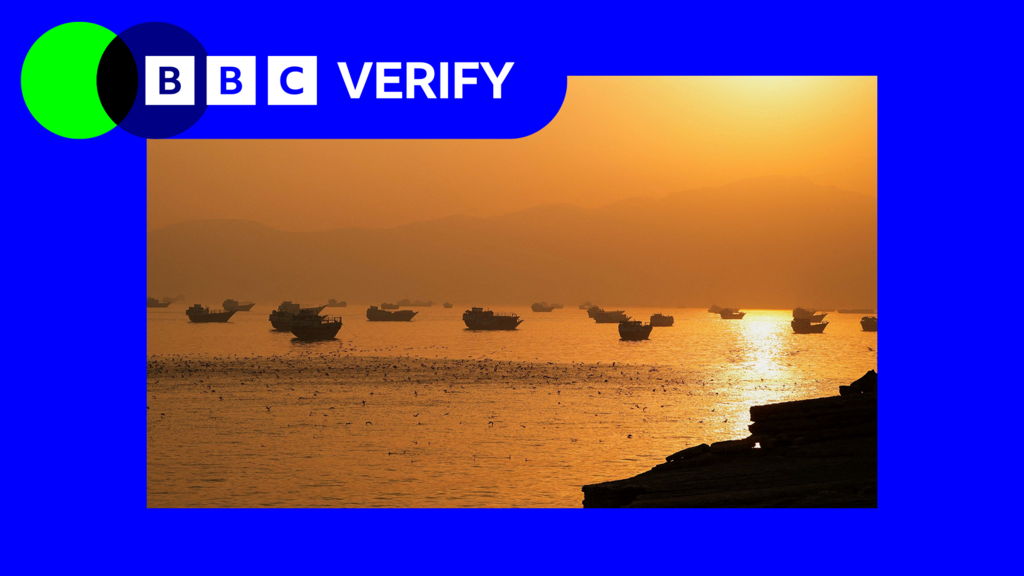
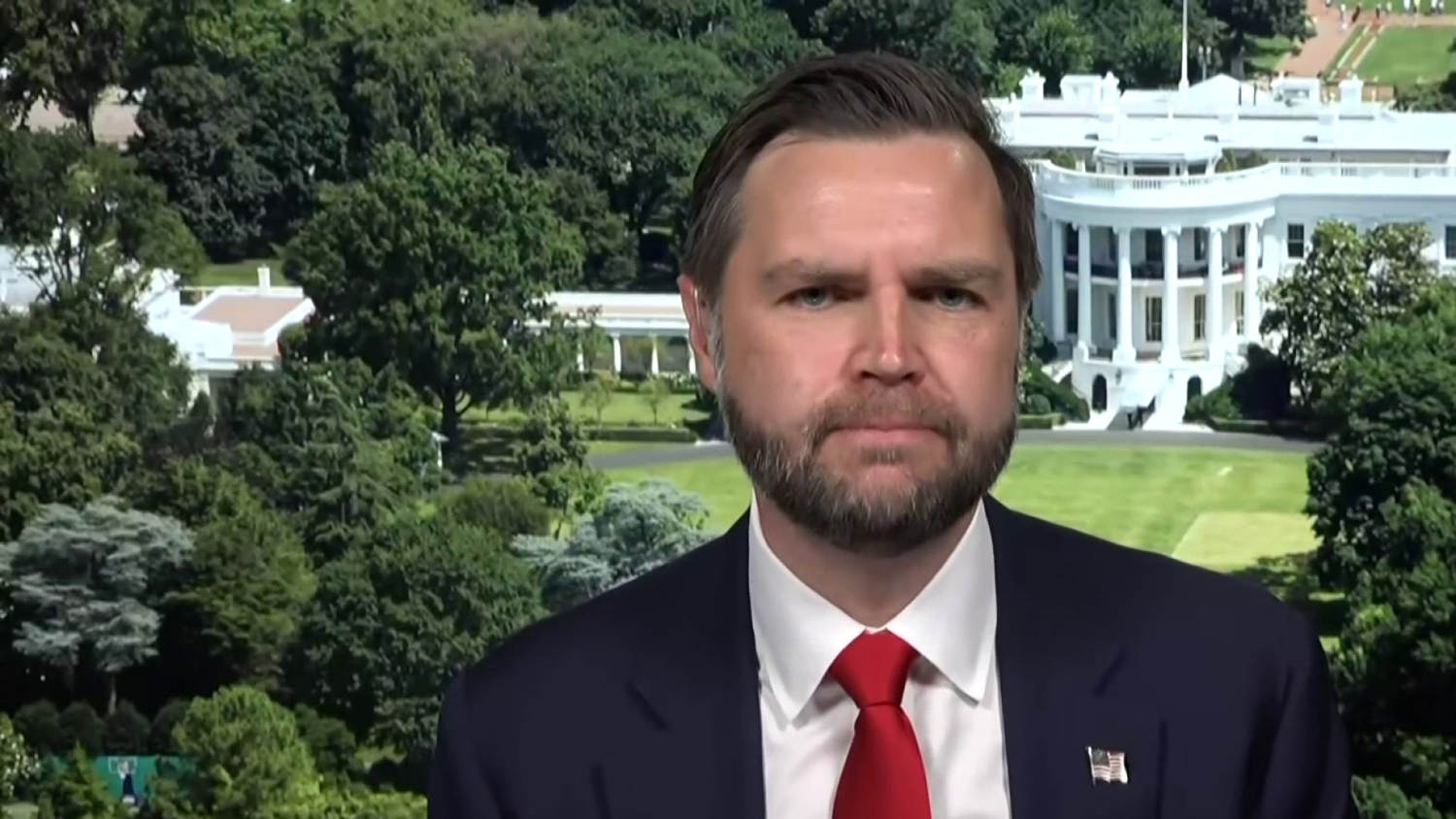
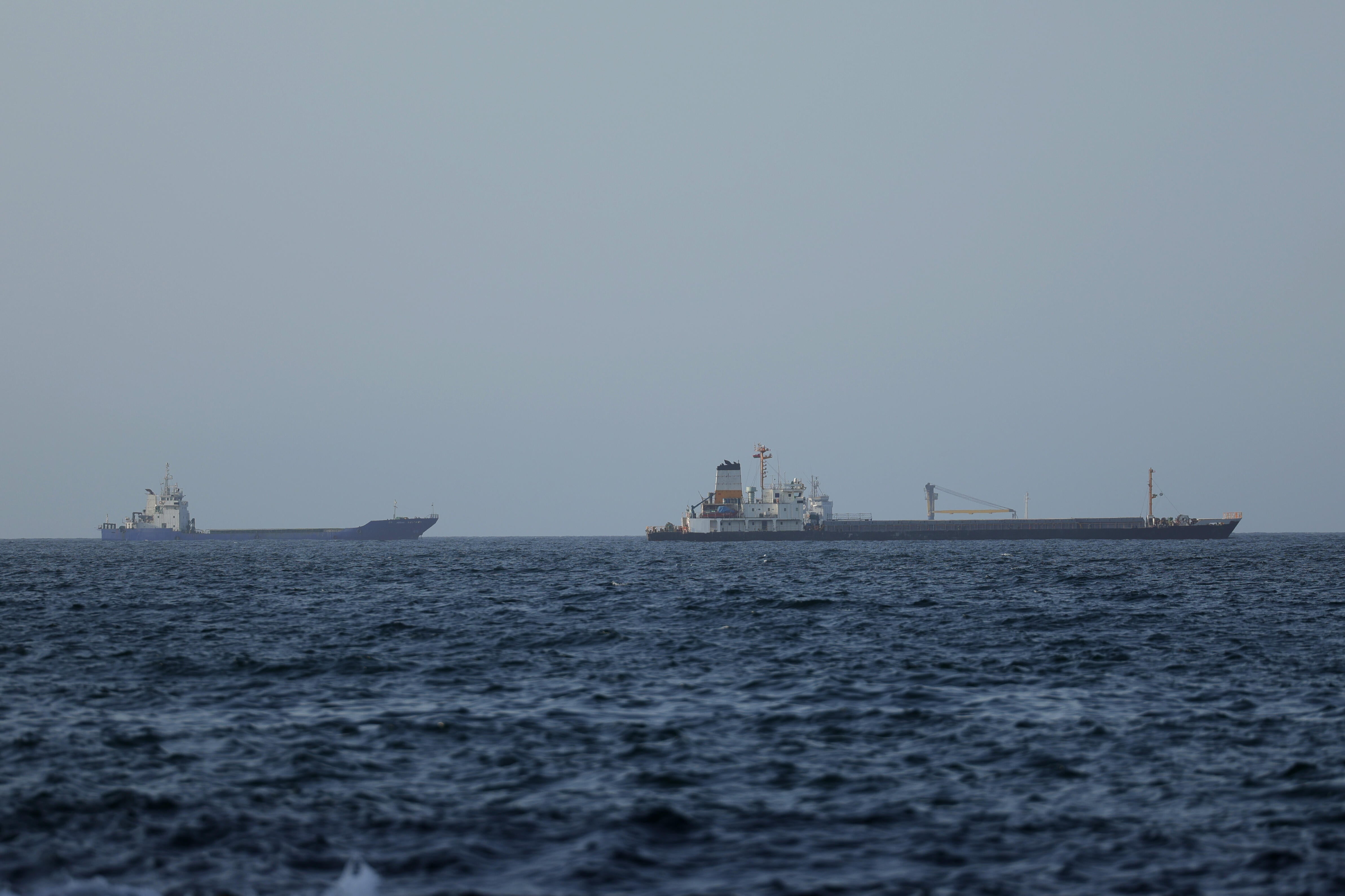
Following the US-Iran deal signing, more tankers are transiting the Strait of Hormuz after 111 days of gridlock, according to CBS News. The US-imposed blockade on ships traveling to and from Iranian ports has been lifted "in accordance with the president's direction," stated U.S. Central Command. Vice President JD Vance said 12.5 million barrels of oil passed through the Strait of Hormuz Thursday, marking a high since the start of the war.
Global Oil Markets Affected
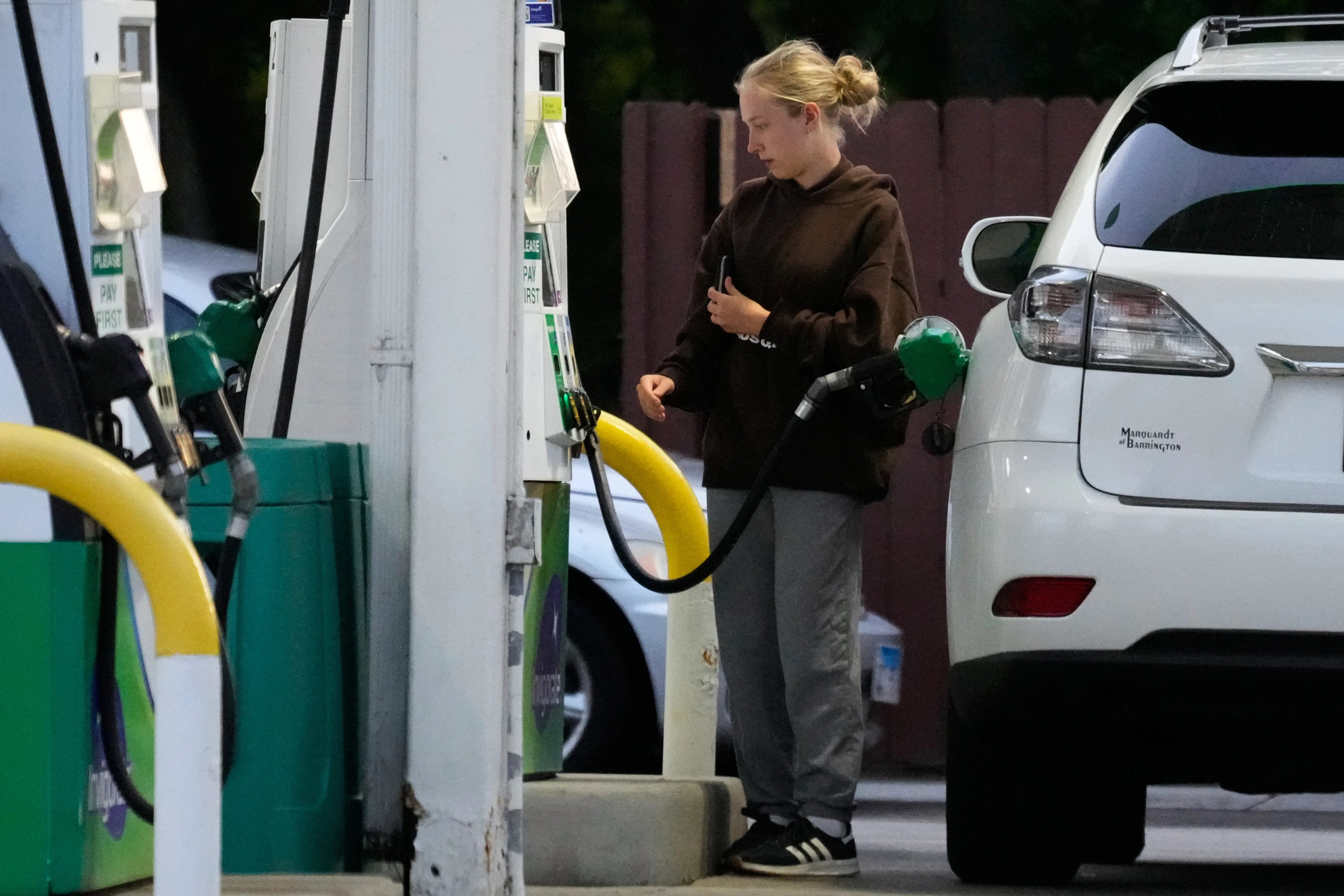
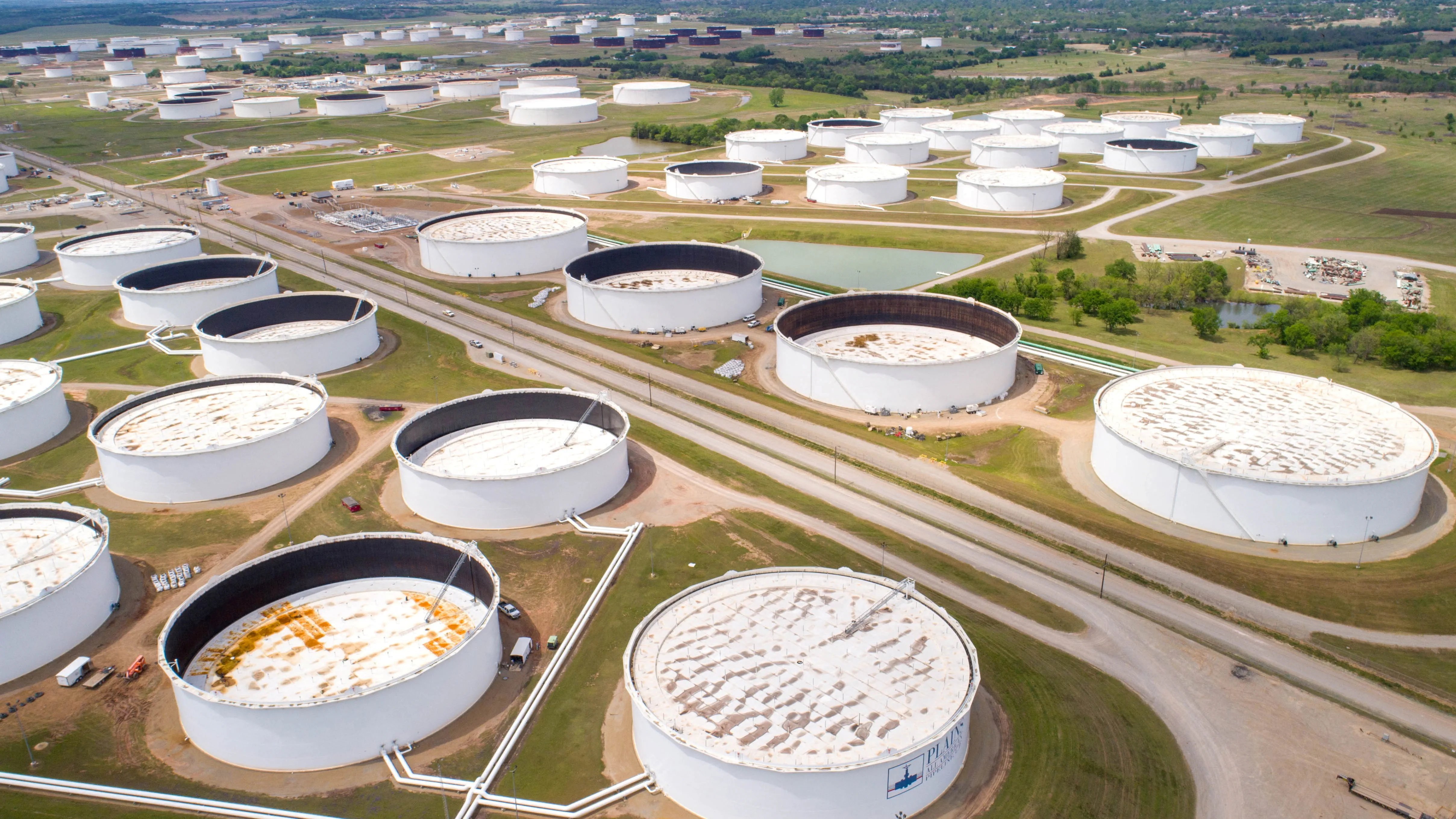
The reopening of the Strait of Hormuz has had an immediate impact on global oil markets. As reported by Bloomberg, "Oil futures and retail gasoline prices fell as the US and Iran agreed to an interim deal to end their months-long conflict and reopen the Strait of Hormuz, spurring a flurry of ships to cross the critical chokepoint." This development is likely to alleviate concerns related to oil supply disruptions and contribute to stabilizing energy prices worldwide.
Economic Relief and Future Negotiations
A 64-year-old retired contractor told CBS News he was "really glad" Iran "decided to stop this war" and hoped negotiations would result in "an influx of money to Iran." A 21-year-old Iranian told CBS News, "What people my age want is that inflation comes down, we want sanctions to get lifted, so that people can live their lives." The next phase of the US-Iran deal will involve a complex 60-day negotiating period over Tehran's nuclear program, as stated by Vice President JD Vance.
Congressional Briefing and Reactions
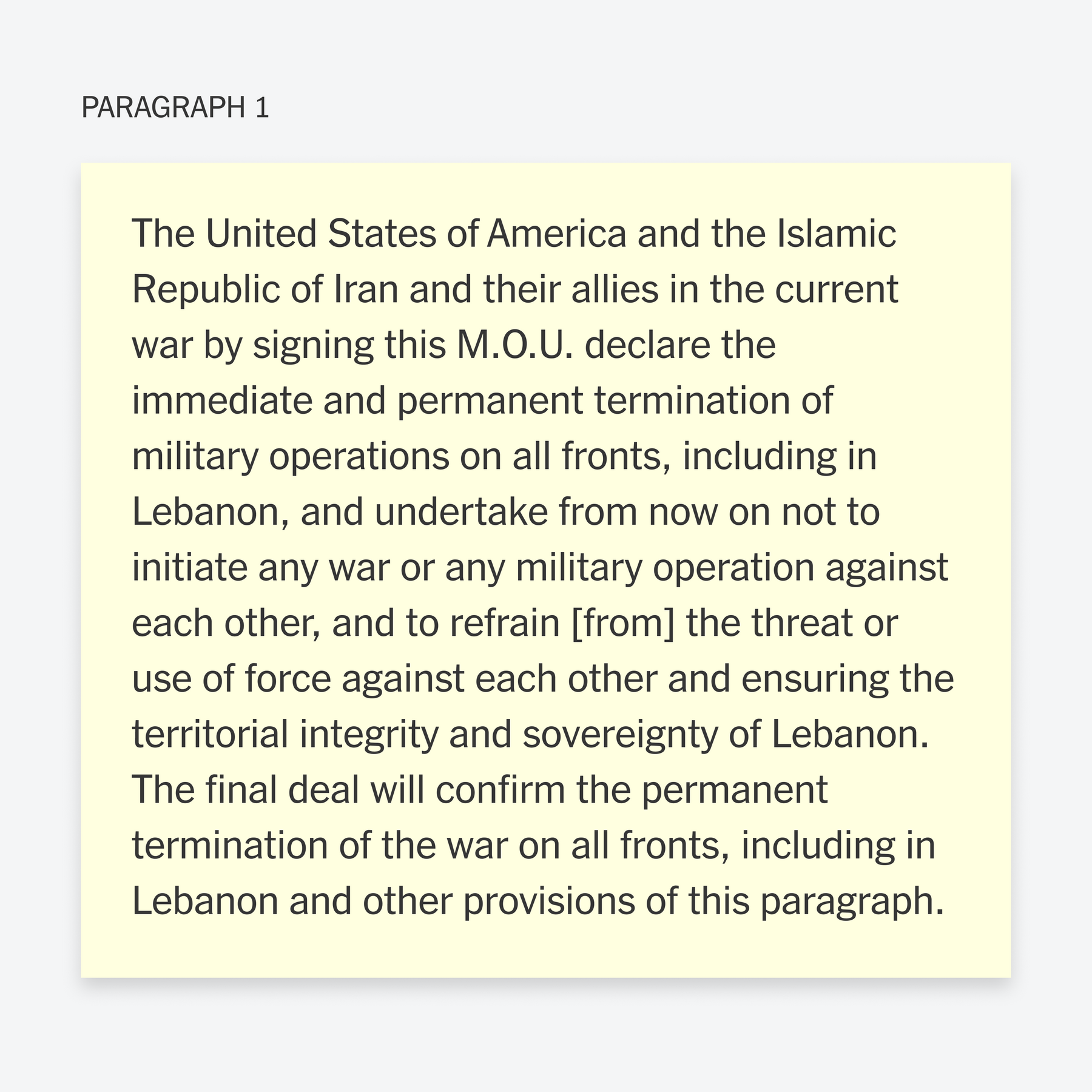
Reps. Greg Meeks (D-N.Y.), Jim Himes (D-Conn.) and Adam Smith (D-Wash.), the ranking members of the Foreign Affairs, Intelligence and Armed Services Committees, demanded an "immediate" briefing from Secretary of State Marco Rubio. They requested "the full text of the MoU, any associated side agreements or implementing arrangements, and detailed information regarding its strategy for negotiating and implementing any future agreement with Iran," according to Axios. Sen. Ted Cruz accused the memorandum of understanding (MOU) of giving money to Iran via sanctions relief, as reported by CBS News.
Conclusion
The US-Iran deal signing has led to a measurable increase in shipping traffic through the Strait of Hormuz, directly impacting global oil markets and offering a potential economic lifeline to Iran. As the 60-day negotiation window begins, the world watches closely for the next steps that could shape the future of the Middle East's political and economic landscape.