




Major Changes in Oversight Structure
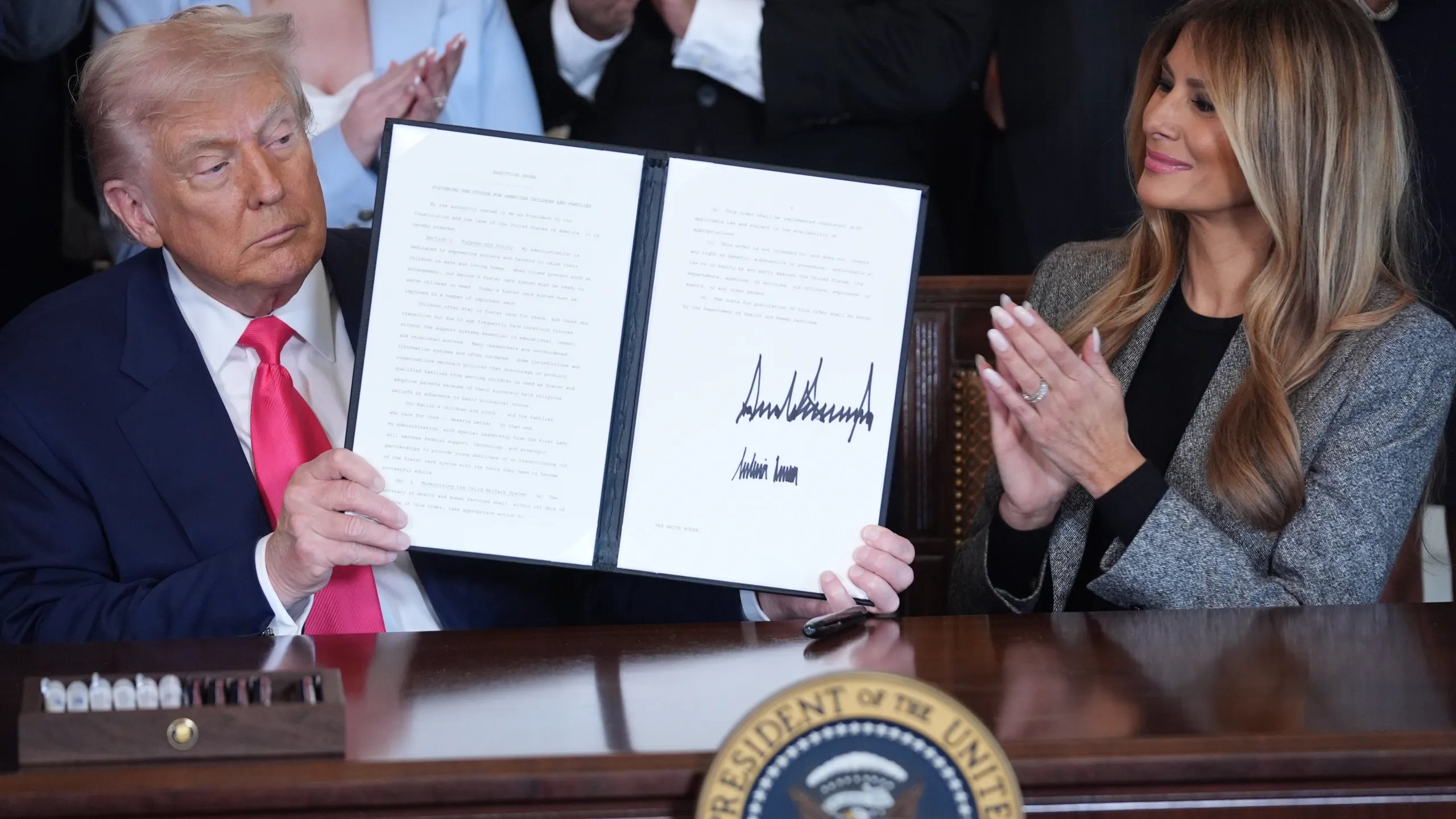
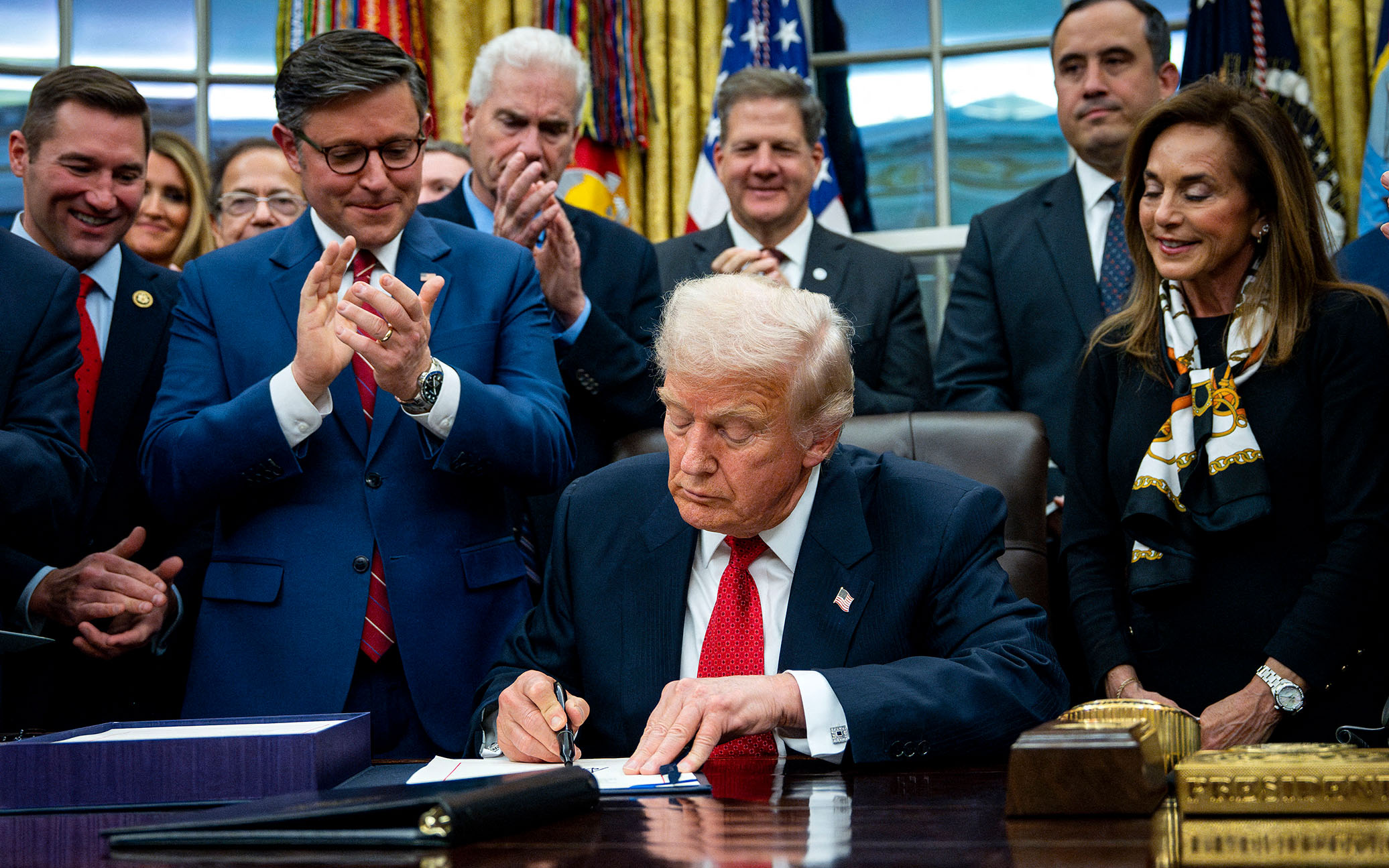
The Trump administration has announced a significant restructuring of the federal oversight of special education and civil rights, transferring these responsibilities from the Department of Education to the Departments of Health and Human Services (HHS) and Justice (DOJ). Secretary of Education Linda McMahon stated that this move, through four interagency agreements, aligns federal responsibilities with agencies better equipped to handle them. This shift has sparked concerns among advocates about the implications for millions of students with disabilities.
Impact on Special Education Services
Under the new arrangement, HHS will take over the Offices of Special Education and Rehabilitative Services Administration (OSERS). This office previously ensured compliance with the Individuals with Disabilities Education Act, which serves approximately 7 million students, distributing around $15 billion in grants annually. National Parents Union President Keri Rodrigues argues that the medical model employed by HHS staff may not adequately address the educational needs of students with disabilities. Rodrigues emphasized, "We do not need our kids to be medicalized; we need them to be educated."
Civil Rights Oversight Transition
The DOJ will assume responsibility for civil rights enforcement, which includes handling complaints related to student privacy protections. Advocates fear the transition could dilute the effectiveness of civil rights oversight that has traditionally been rooted in educational expertise. A senior Department of Education official assured that OSERS would continue its statutory functions "without interruption" and remain compliant with federal law. However, concerns persist regarding the expertise needed to effectively serve students with disabilities.
Mixed Reactions from Lawmakers
Republican lawmakers, such as Education Committee Chairman Tim Walberg from Michigan, have praised the decision as a means to reduce bureaucratic inefficiencies and prioritize student outcomes. Walberg remarked that the Trump administration is fulfilling its promise to "fix the nation's broken system." Conversely, parents and disability advocates express frustration, fearing that the changes will create chaos and hinder access to necessary educational resources for students with disabilities.
The Broader Context of Education Policy
The restructuring is part of the Trump administration's broader agenda to dismantle the Department of Education, which President Trump previously pledged to close. McMahon has utilized her authority to conduct over ten interagency agreements, reflecting a strategic shift in how education is approached at the federal level. The administration's focus on returning educational responsibilities to state control aligns with Trump's campaign promises and could fundamentally alter how special education and civil rights are administered in the future.
Next Steps for Affected Families
As these changes take effect, families of students with disabilities will need to navigate a new landscape of support and resources. Advocates are urging parents to remain vigilant and engaged in advocating for their children's rights to ensure that the shift does not compromise access to free and appropriate public education.