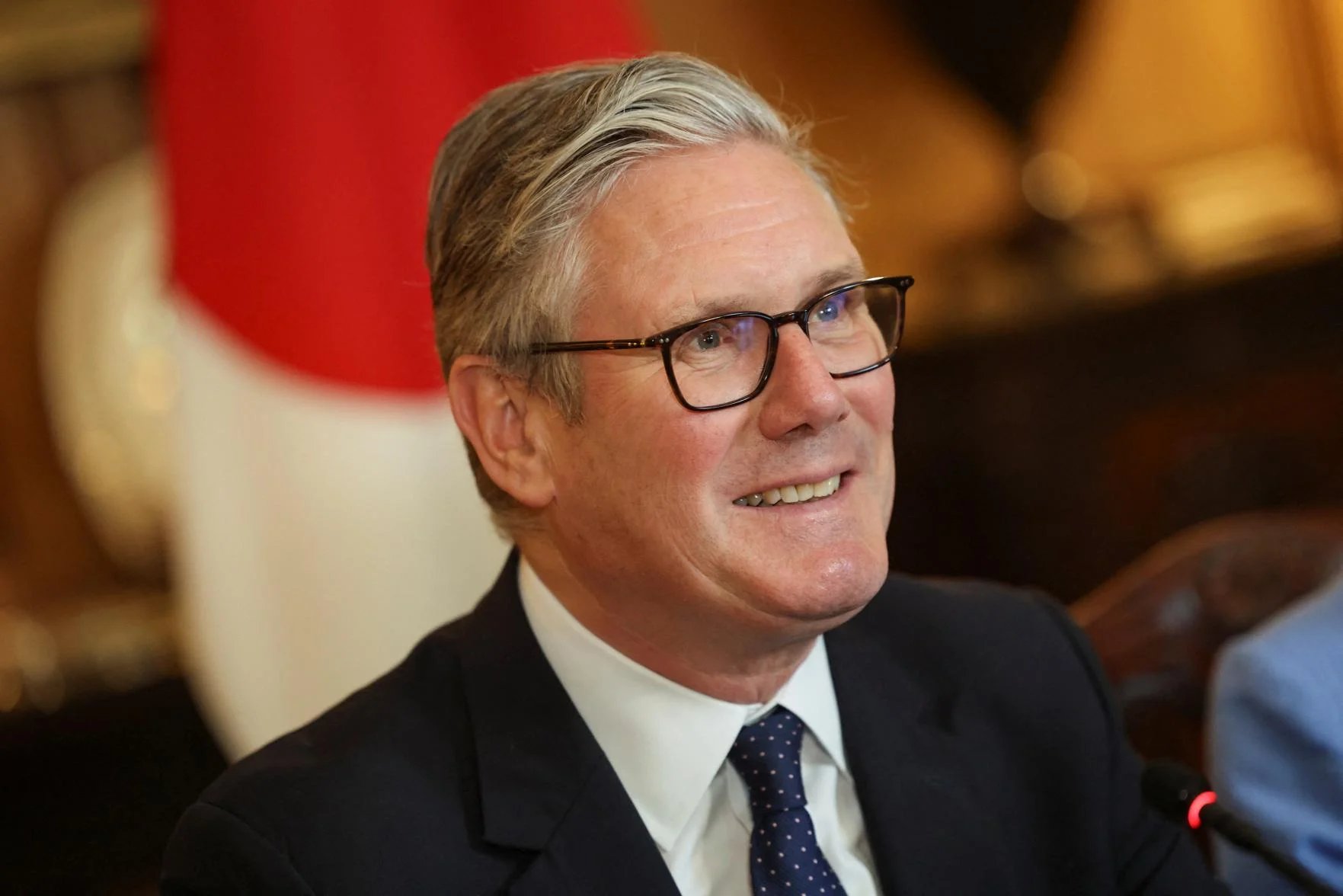
Prime Minister Keir Starmer announced Monday that Britain will ban children under 16 from using Snapchat, TikTok, YouTube, Instagram, Facebook, and X, with the restriction expected to take effect early next year. The ban targets platforms designed to be addictive and expose young people to harmful content and excessive screen time. Starmer said he is "not prepared to compromise on the safety and happiness of our children," adding that every parent can see social media is making children unhappy.
The government's three-month public consultation found that more than 90 percent of the 116,000 respondents supported an under-16 ban. That response count ranked second only to a 2012 consultation about same-sex marriage in British government history. Starmer acknowledged that some teenagers will attempt to circumvent the ban but compared enforcement to other age restrictions: "We don't say: 'Oh, look, a teenager managed to get a drink somehow, so let's not bother banning drinks from children.' That would be utterly ridiculous."
The British government will go further than other nations by blocking children from accessing additional harmful functions. Under-16s will be banned from live-streaming themselves and from making contact with strangers on gaming and livestreaming platforms. People under 18 will also be prohibited from having artificial intelligence romantic companion chatbots.
Authorities are considering overnight curfews and breaks in infinite scrolling for those under 18, with further details expected next month. Messaging services like WhatsApp and Signal will remain accessible to children. Starmer told a news conference that he will fight back if technology companies resist the move, and stressed that enforcement action will target tech companies rather than children.
Platforms that fail to take reasonable steps to exclude children younger than 16 could face multimillion-dollar fines. The legislation places the onus on tech companies to ensure children are not using their platforms. YouTube immediately criticized the approach, with a company spokesperson warning that a blanket ban would "push kids out of such curated, supervised, beneficial experiences and towards anonymous, less-safe services."
The U.S. Embassy in London published a notice expressing concern that age-gating would not work and calling for children to be protected through other means while preserving freedom of speech. The embassy also stated it was concerned that regulations would place greater burdens on American technology companies.
Australia became the first country to bar under-16s from holding social media accounts in December 2025, but enforcement has proven difficult. Around 70 percent of parents polled by Australia's internet regulator in March reported that their children remained on the platforms after finding ways to bypass age-gating systems. Jon Crowcroft, a communications systems professor at the University of Cambridge, said people supporting social bans are well-meaning but probably misguided, and that changes could prevent children from accessing sites they need.
Critics including the Open Rights Group have expressed concerns about age verification companies and how users' private data is protected. Jack Coulson, head of advocacy at Big Brother Watch, said that everyone will face a "papers, please" demand to get online, and that the proposals would force the public to trust sensitive identity documents to companies with serious track records of leaks and hacks. The NSPCC, a leading children's charity, praised the government's ambition but urged authorities to ensure platforms roll out robust age checks and effectively enforce the policy.
Esther Ghey, whose 16-year-old daughter Brianna was killed in 2023 by two teenagers who had accessed harmful content online, said the ban would "potentially save so many children's lives," though it had to be accompanied by other measures.
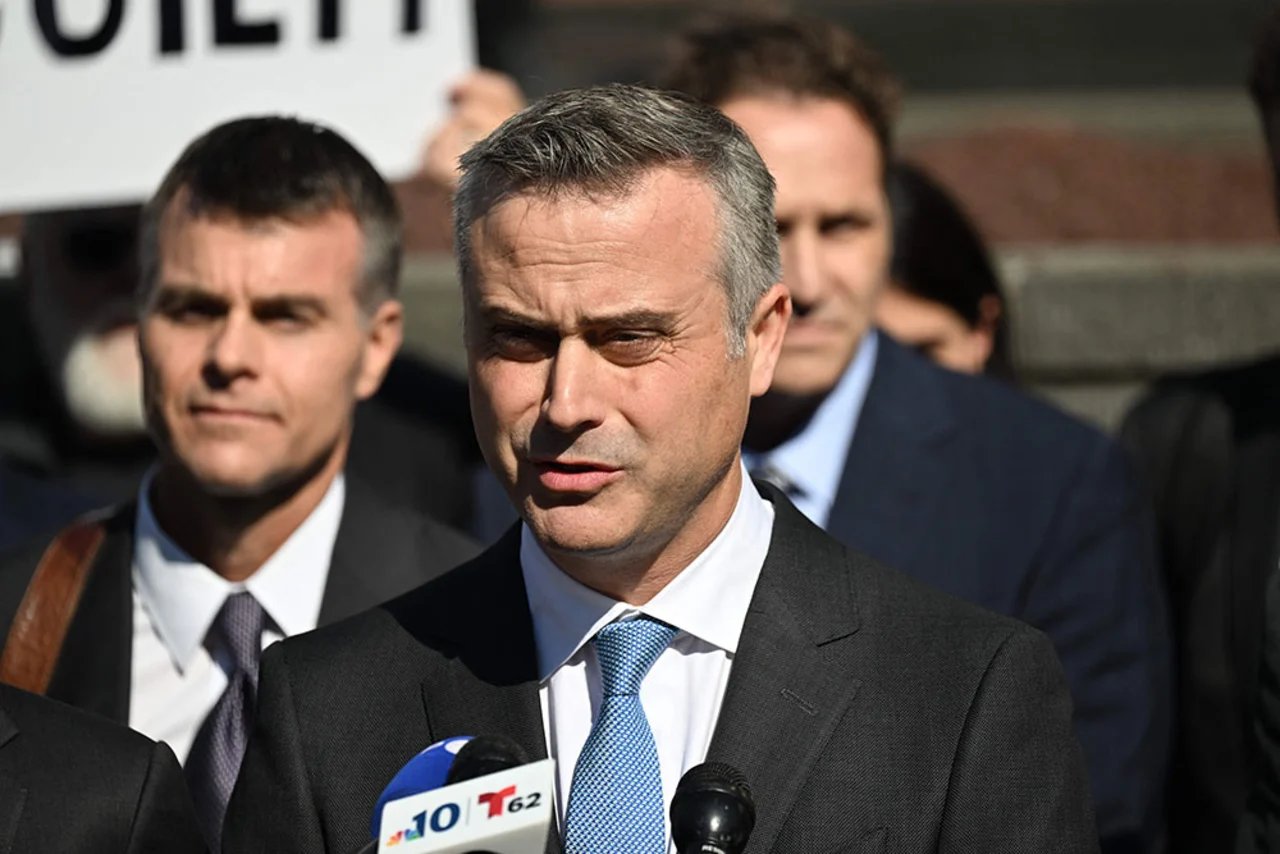
Florida Attorney General James Uthmeier sued TikTok on Monday, alleging the company violated state law by exposing children to harmful sexual content and addictive features such as unlimited scrolling and push notifications. Uthmeier said evidence suggests many kids spend upwards of six, seven, eight or more hours a day on TikTok. Florida enacted a state law requiring parental permission for 15 and 16-year-olds to create accounts and banning children under 14 from using social media platforms altogether.
The lawsuit argues that TikTok is actively deceiving Florida parents by falsely telling them that mature content including drugs, nudity, alcohol, and profanity is infrequent. TikTok has already been sued by roughly two dozen state attorneys general over claims about the addictive nature of its feed and its harmful mental health effects on children.
Prime Minister Keir Starmer announced Monday that Britain will ban children under 16 from using Snapchat, TikTok, YouTube, Instagram, Facebook, and X, with the restriction expected to take effect early next year. The ban targets platforms designed to be addictive and expose young people to harmful content and excessive screen time. Starmer said he is "not prepared to compromise on the safety and happiness of our children," adding that every parent can see social media is making children unhappy.
The government received 116,000 responses during a three-month public consultation period, with more than 90 percent of respondents supporting an under-16 ban. That response count ranked second only to a 2012 consultation about same-sex marriage in British government history. Starmer acknowledged that some teenagers will attempt to circumvent the ban but compared enforcement to other age restrictions: "We don't say: 'Oh, look, a teenager managed to get a drink somehow, so let's not bother banning drinks from children.' That would be utterly ridiculous."
The British government will go further than other nations by blocking children from accessing additional harmful functions. Under-16s will be banned from live-streaming themselves and from making contact with strangers on gaming and livestreaming platforms. People under 18 will also be prohibited from having artificial intelligence romantic companion chatbots, though implementation details remain unclear.
Authorities are considering overnight curfews and breaks in infinite scrolling for those under 18, with further details expected next month. Messaging services like WhatsApp and Signal will remain accessible to children. Starmer told a news conference that he will fight back if technology companies resist the move, and stressed that enforcement action will target tech companies rather than children.
Platforms that fail to take reasonable steps to exclude children younger than 16 could face multimillion-dollar fines. The legislation places the onus on tech companies to ensure children are not using their platforms. YouTube immediately criticized the approach, with a company spokesperson warning that a blanket ban would "push kids out of such curated, supervised, beneficial experiences and towards anonymous, less-safe services."
The U.S. Embassy in London published a notice expressing concern that age-gating would not work and calling for children to be protected through other means while preserving freedom of speech. The embassy also stated it was concerned that regulations would place greater burdens on American technology companies. Starmer said he expected to discuss the issue with U.S. President Donald Trump and other world leaders at a Group of Seven summit in France.
Australia became the first country to bar under-16s from holding social media accounts in December 2025, but enforcement has proven difficult. Around 70 percent of parents polled by Australia's internet regulator in March reported that their children remained on the platforms after finding ways to bypass age-gating systems. Jon Crowcroft, a communications systems professor at the University of Cambridge, said people supporting social bans are well-meaning but probably misguided, and that changes could prevent children from accessing sites they need.
Critics including the Open Rights Group have expressed concerns about age verification companies and how users' private data is protected. Jack Coulson, head of advocacy at Big Brother Watch, said that everyone will face a "papers, please" demand to get online, and that the proposals would force the public to trust sensitive identity documents to companies with serious track records of leaks and hacks.
Esther Ghey, whose 16-year-old daughter Brianna was killed in 2023 by two teenagers who had accessed harmful content online, said the ban would "potentially save so many children's lives," though it had to be accompanied by other measures. The NSPCC, a leading children's charity, praised the government's ambition but urged authorities to ensure platforms roll out robust age checks and effectively enforce the policy.
Polling shows British parents overwhelmingly support a ban for under-16s. In March, a Los Angeles jury ruled that Meta and YouTube were liable for creating products that led to harmful and addictive behavior by young users, a landmark decision that could set a legal precedent for similar allegations against social media companies.
Florida Attorney General James Uthmeier sued TikTok on Monday, alleging the company violated state law by exposing children to harmful sexual content and addictive features such as unlimited scrolling and push notifications. Uthmeier said evidence suggests many kids spend upwards of six, seven, eight or more hours a day on TikTok. Florida enacted a state law requiring parental permission for 15 and 16-year-olds to create accounts and banning children under 14 from using social media platforms altogether.
The lawsuit argues that TikTok is actively deceiving Florida parents by falsely telling them that mature content including drugs, nudity, alcohol, and profanity is infrequent. TikTok has already been sued by roughly two dozen state attorneys general over claims about the addictive nature of its feed and its harmful mental health effects on children.
Highlighted text was flagged by the council. Tap to see feedback.