




Deal signed in Switzerland lifts blockade and restores shipping
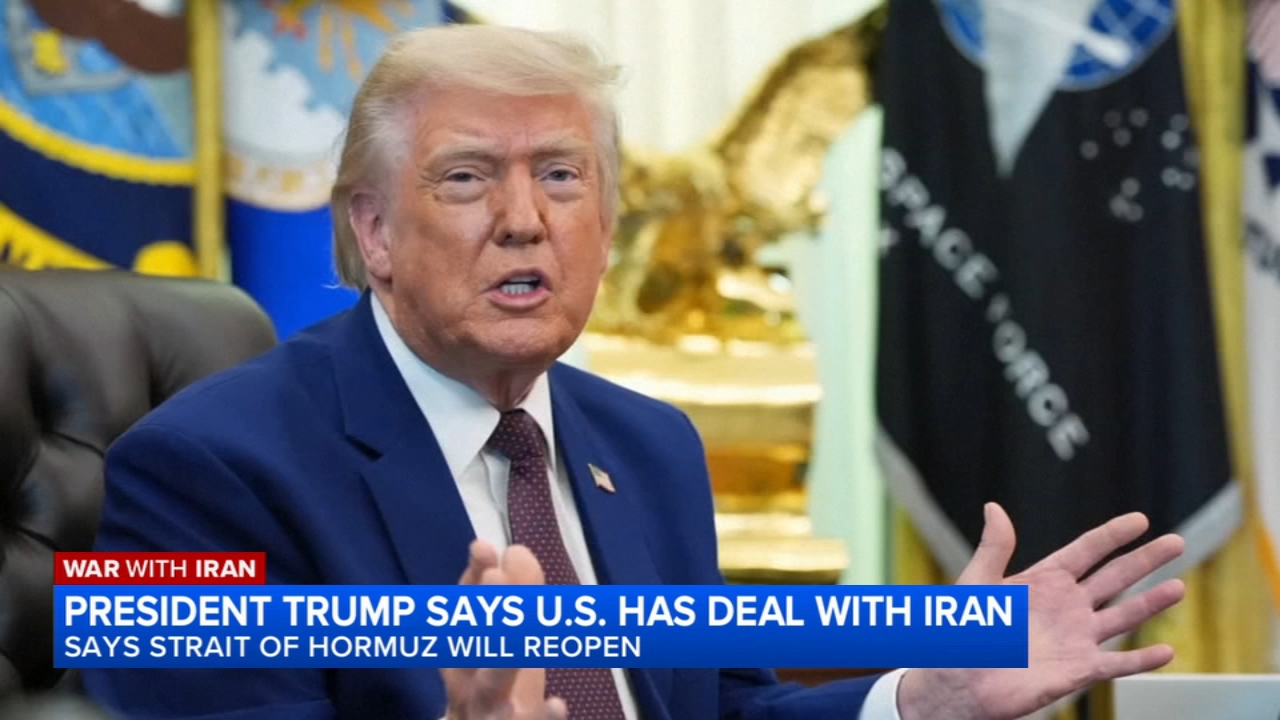
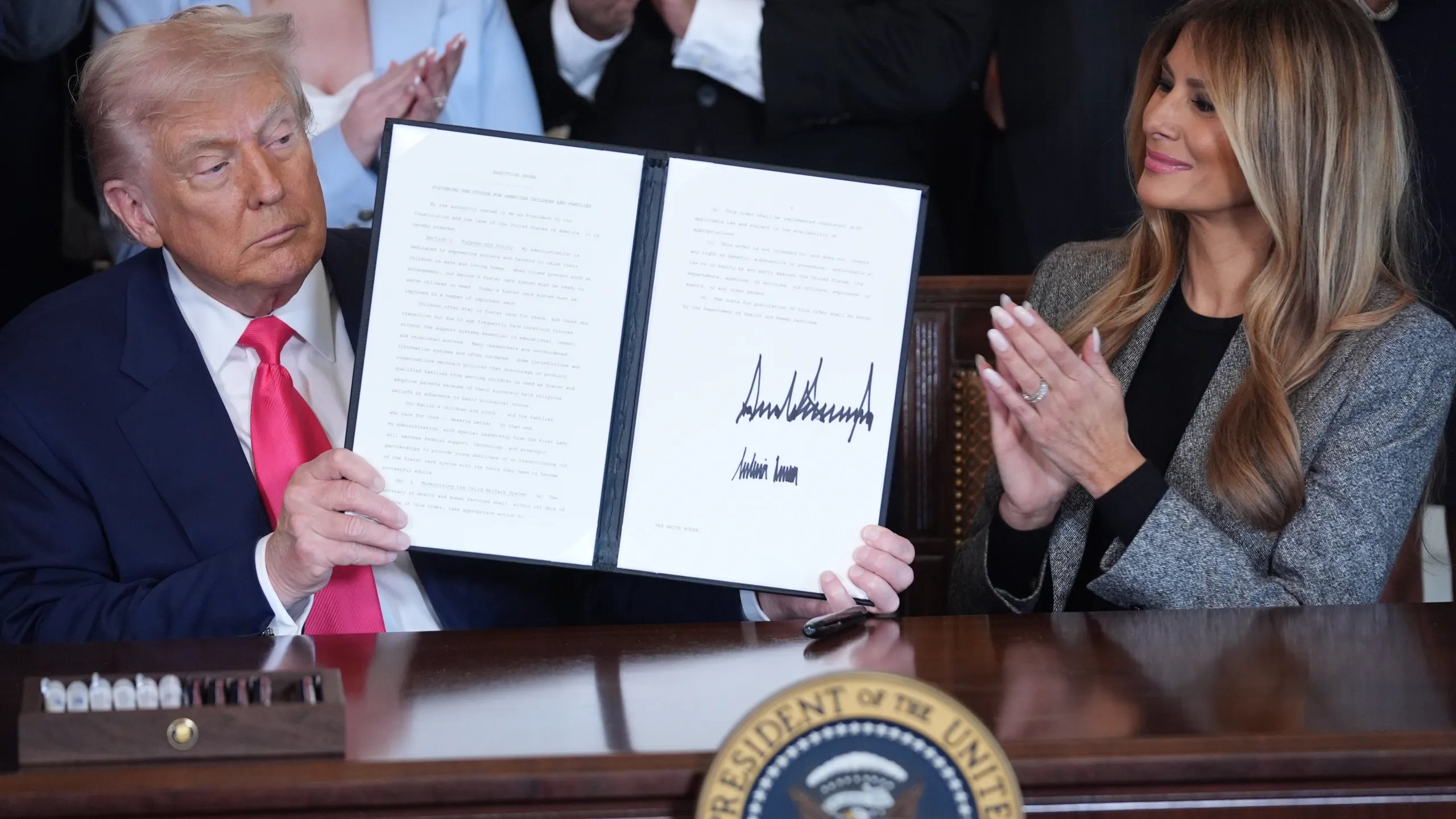
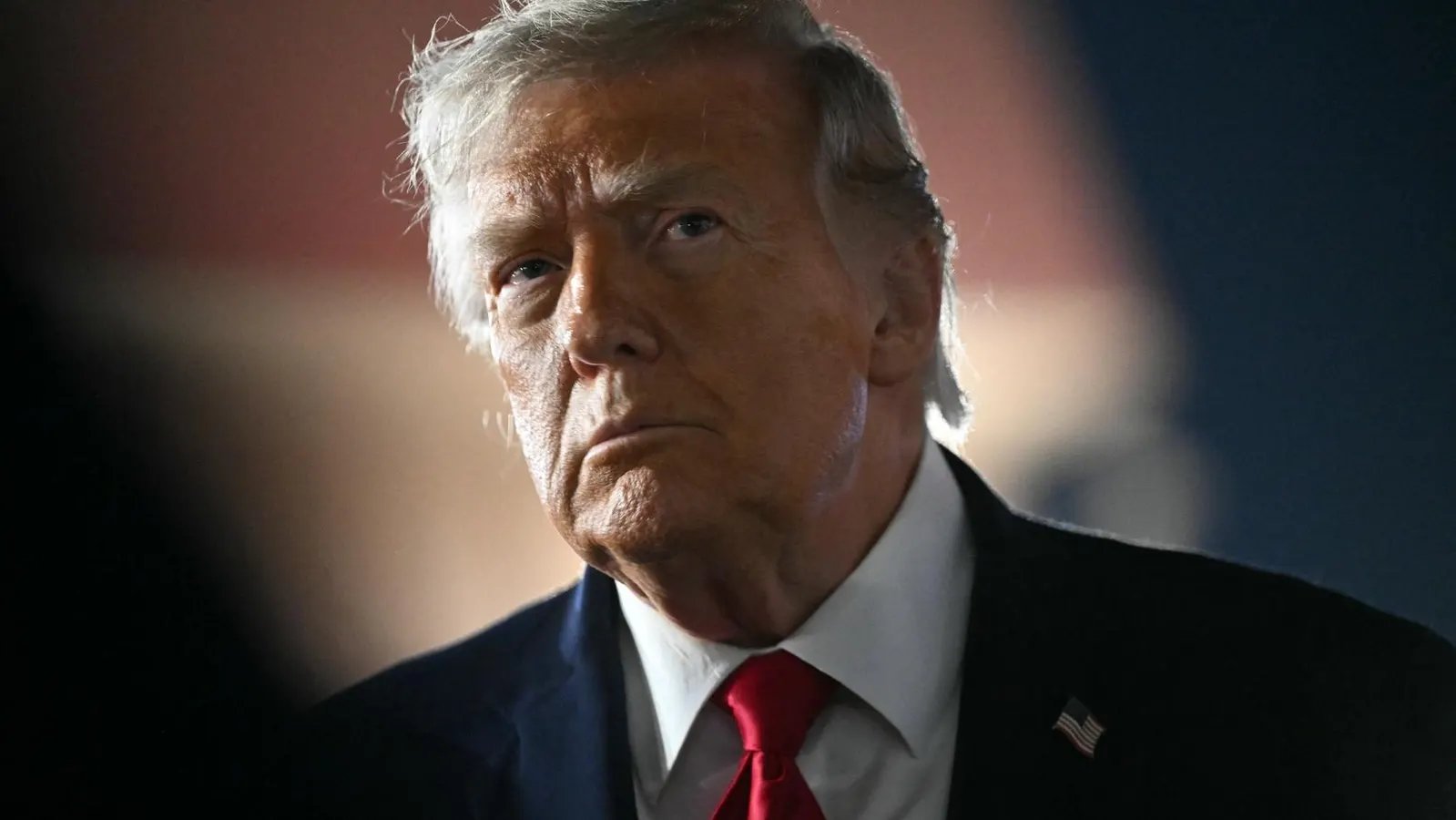
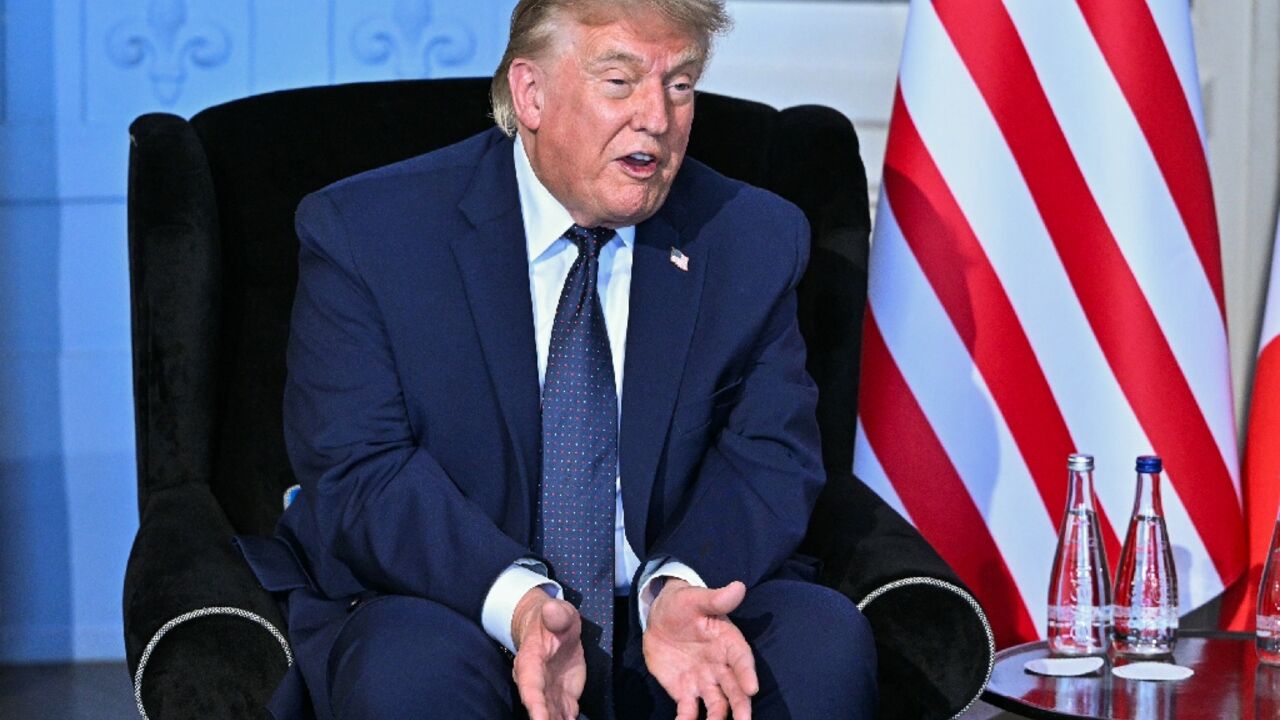
President Donald Trump announced during a bilateral meeting with French President Emmanuel Macron at the G7 summit that the Strait of Hormuz will be "completely open" by Friday, when the United States and Iran are scheduled to sign a ceasefire agreement in Switzerland. The framework deal lifts the U.S. naval blockade of Iranian ports, reopens the strait to shipping without tolls, and allows Tehran to resume oil exports under limited sanctions relief.
The agreement extends the current ceasefire for at least 60 days while launching broader talks on Iran's nuclear program. Germany, France, the United Kingdom, and Italy issued a joint statement expressing commitment to "playing our part, including through a strictly defensive and independent mission to reassure commercial shipping and conduct mine clearance operations."
Blockade remains in effect pending execution of deal
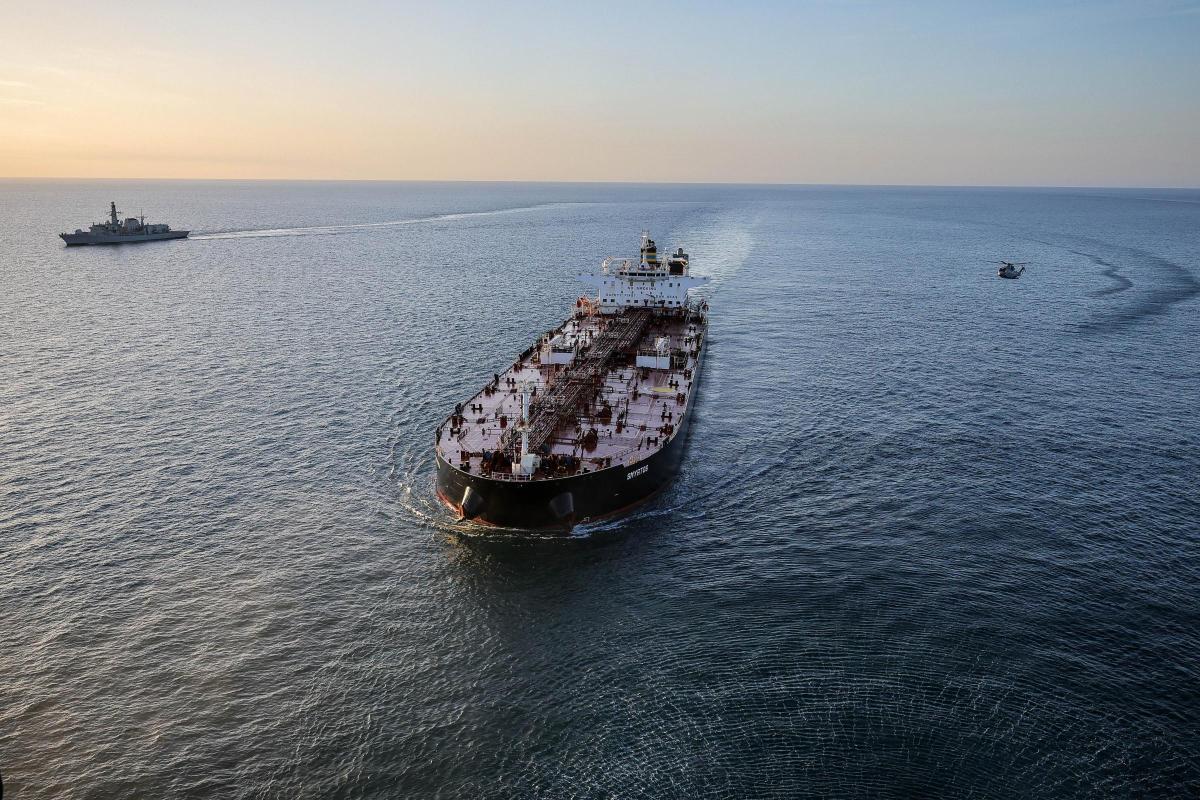
The U.S. military blockade of vessels traveling to or from Iranian ports remains in place "pending execution" of the ceasefire agreement, according to a military advisory to merchant ships. The blockade restricts all traffic inbound and outbound until the Friday signing occurs.
Markets surge on deal announcement
U.S. stocks rose sharply after the interim deal was announced. The technology-heavy Nasdaq 100 jumped 3.1%, while the S&P 500 Index rose 1.7%. The Philadelphia Semiconductor Index advanced 5.4% to a record, with Micron Technology Inc. gaining 11% and Sandisk Corp. up 6.5%. SpaceX shares advanced 20%, helping boost broader risk-on sentiment. Oil prices fell on the news, easing concern about inflation ahead of Federal Reserve Chairman Kevin Warsh's first meeting this week.
Mines and insurance costs threaten swift reopening
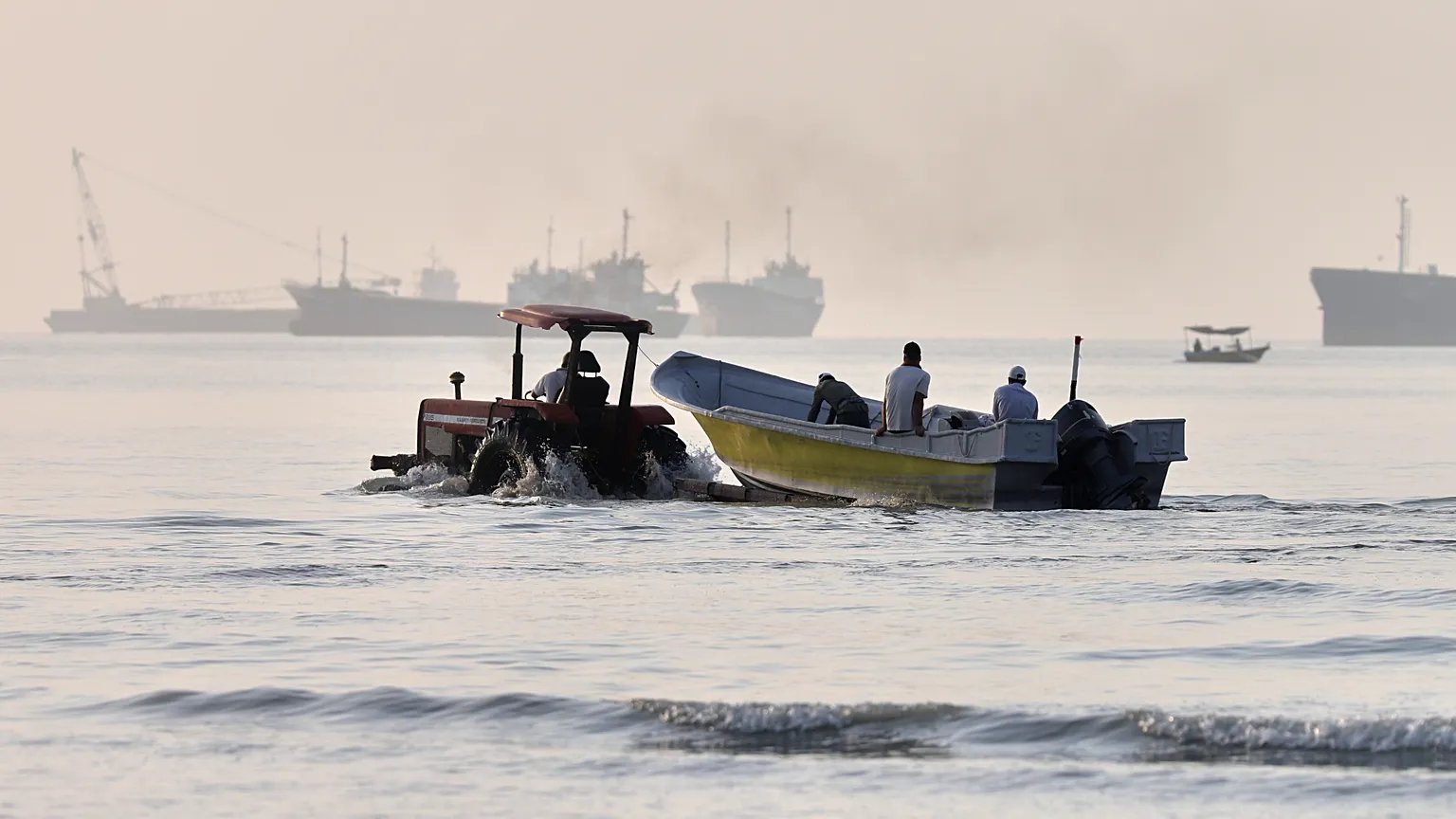
Despite the Friday signing, significant obstacles remain before normal shipping resumes. Iran deployed naval mines in the strait during the conflict, and maritime experts estimate the mine-clearing process could take 40 to 50 days. Mines can be triggered by magnetic effects, underwater sound waves, or reduced underwater pressure caused by passing ships. Germany, Ukraine, and private companies are developing autonomous underwater drones to locate and neutralize mines without putting personnel at direct risk, though battery capacity currently limits their deployment range.
War-risk insurance premiums present another barrier. Current premiums range from 1% to 4% of a vessel's value per transit, compared with prewar rates below 0.1%. For a typical $200 million tanker, this adds between $2 million and $8 million per transit, versus less than $200,000 before the war. Jakob Larsen, chief safety and security officer at shipping association BIMCO, called for "mine-free routes" to be established before transits resume.
Hundreds of vessels await passage
Approximately 300 fully loaded vessels are currently sitting in the Gulf, while a further 250 are empty and awaiting loading once the strait reopens. In the Gulf of Oman, another 300 empty tankers await permission to enter the Gulf. Around 20,000 seafarers remain aboard stranded vessels, according to the UN's International Maritime Organization. Fourteen crew members have been killed in attacks, with roughly half from India, the third-largest provider of seafarers after the Philippines and China.
India's Directorate General of Shipping ordered employment agencies on Sunday to restrict deployments to conflict areas, citing growing reluctance among crews to accept Gulf assignments.
Oil flows may not resume until September
Even after mines are cleared and insurance costs normalize, a full restart of energy production requires safety inspections of facilities, repairs to damaged infrastructure, and the phased return of workers. Neil Shearing, group chief economist at Capital Economics, projected that around 80% of energy flows through Hormuz will resume by the end of September. Natural gas flows will be slower to return, as attacks knocked out approximately 17% of Qatar's export capacity at the Ras Laffan liquefied natural gas hub, damage likely to persist for several years.
Before the conflict, about 20 percent of the world's oil consumption flowed through the strait on a typical day. Middle Eastern nations have been building out alternative oil shipping infrastructure to reduce dependence on the chokepoint.
Unresolved disputes could derail agreement
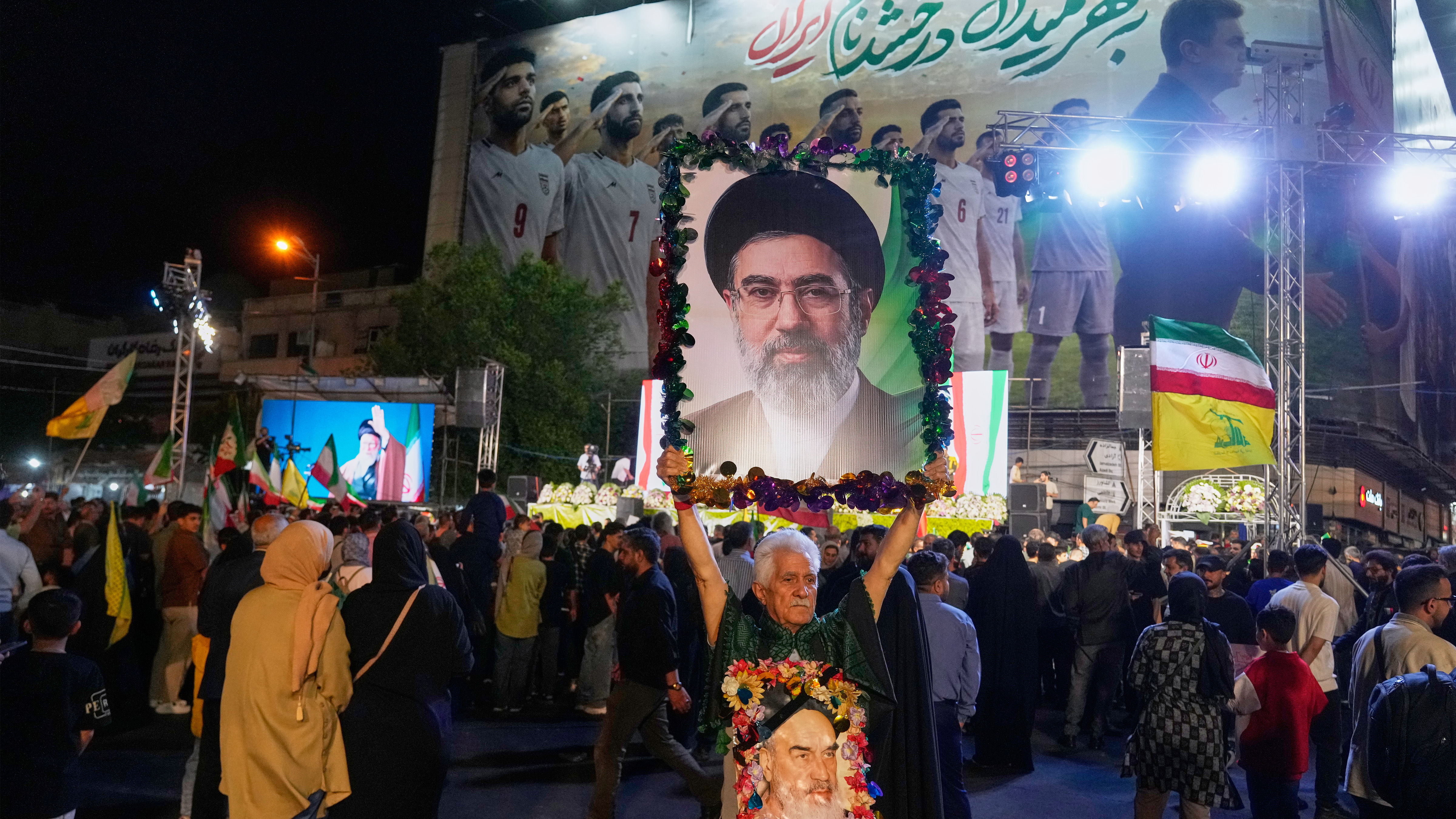
The framework agreement remains an outline for negotiators rather than a final accord. The United States insists on a permanently toll-free strait, while Iranian officials have discussed "service fees" and retaining control of the waterway alongside neighboring Oman. Broader issues including Iran's nuclear ambitions, sanctions relief, and Tehran's support for groups like Hezbollah and the Houthis remain unresolved.
Israeli Prime Minister Benjamin Netanyahu stressed that his country is not bound by the agreement and will continue to act in self-defense, raising fears that unilateral strikes could quickly unravel the fragile framework.