




Key Details of the Agreement
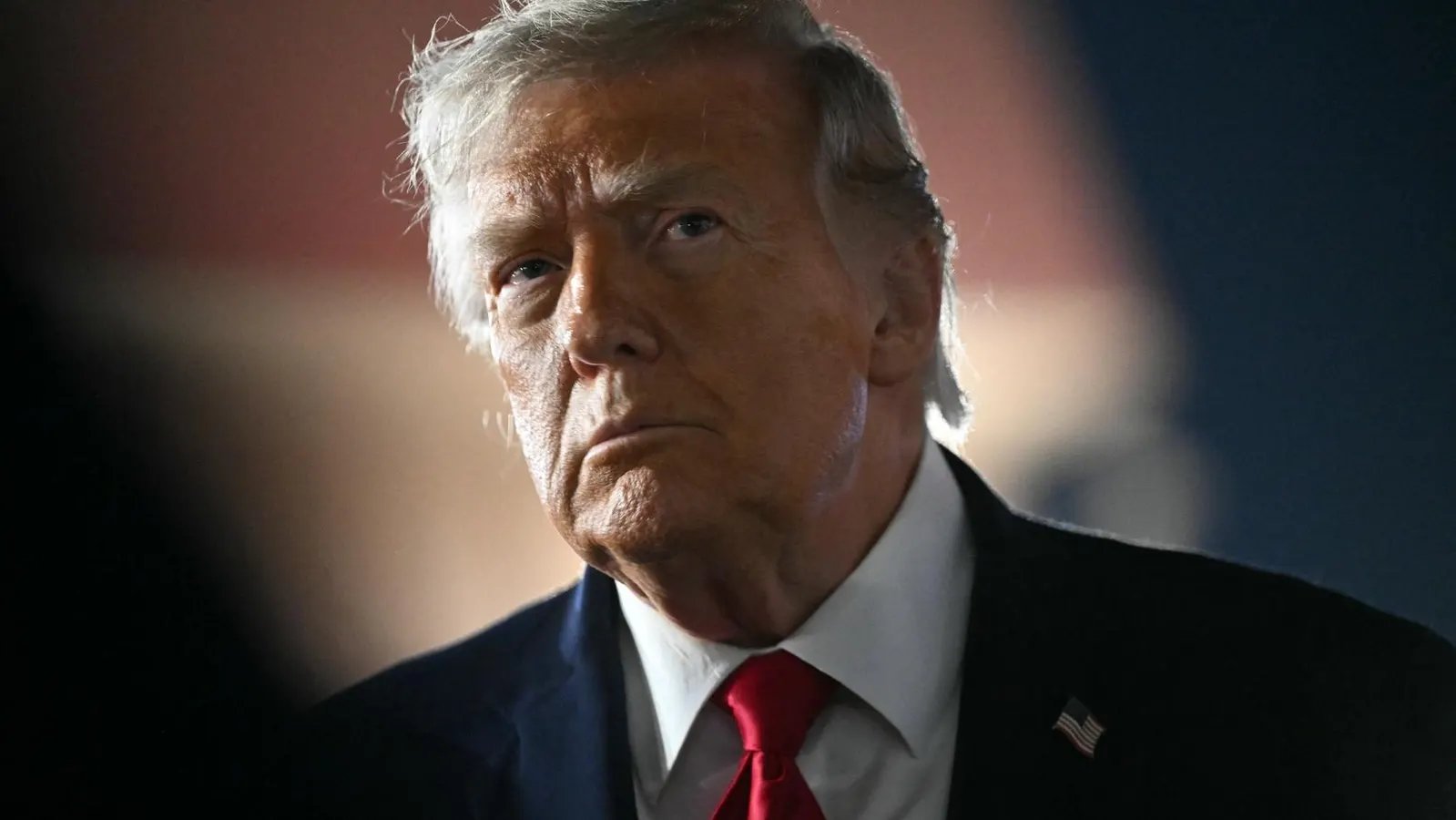
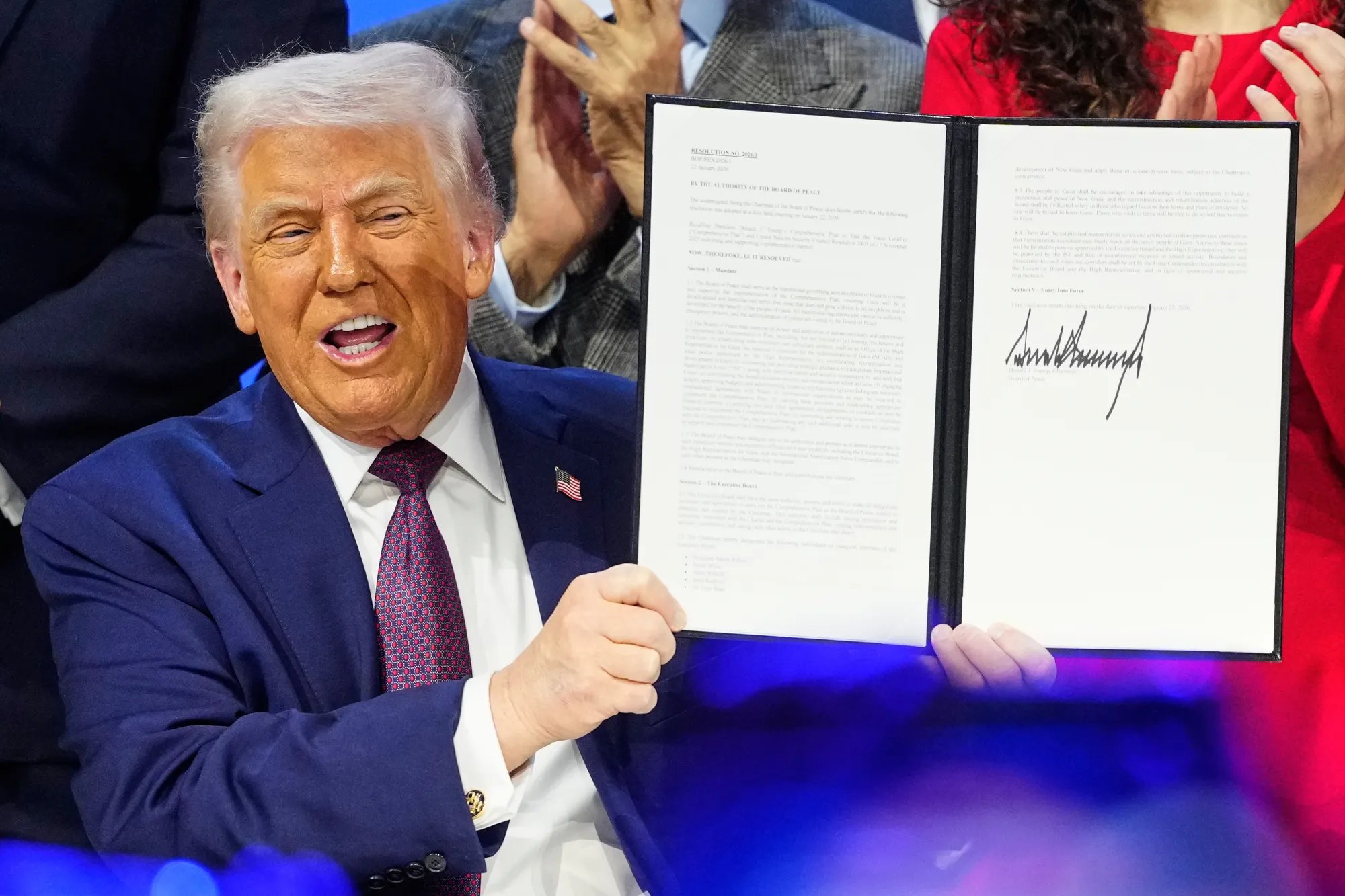
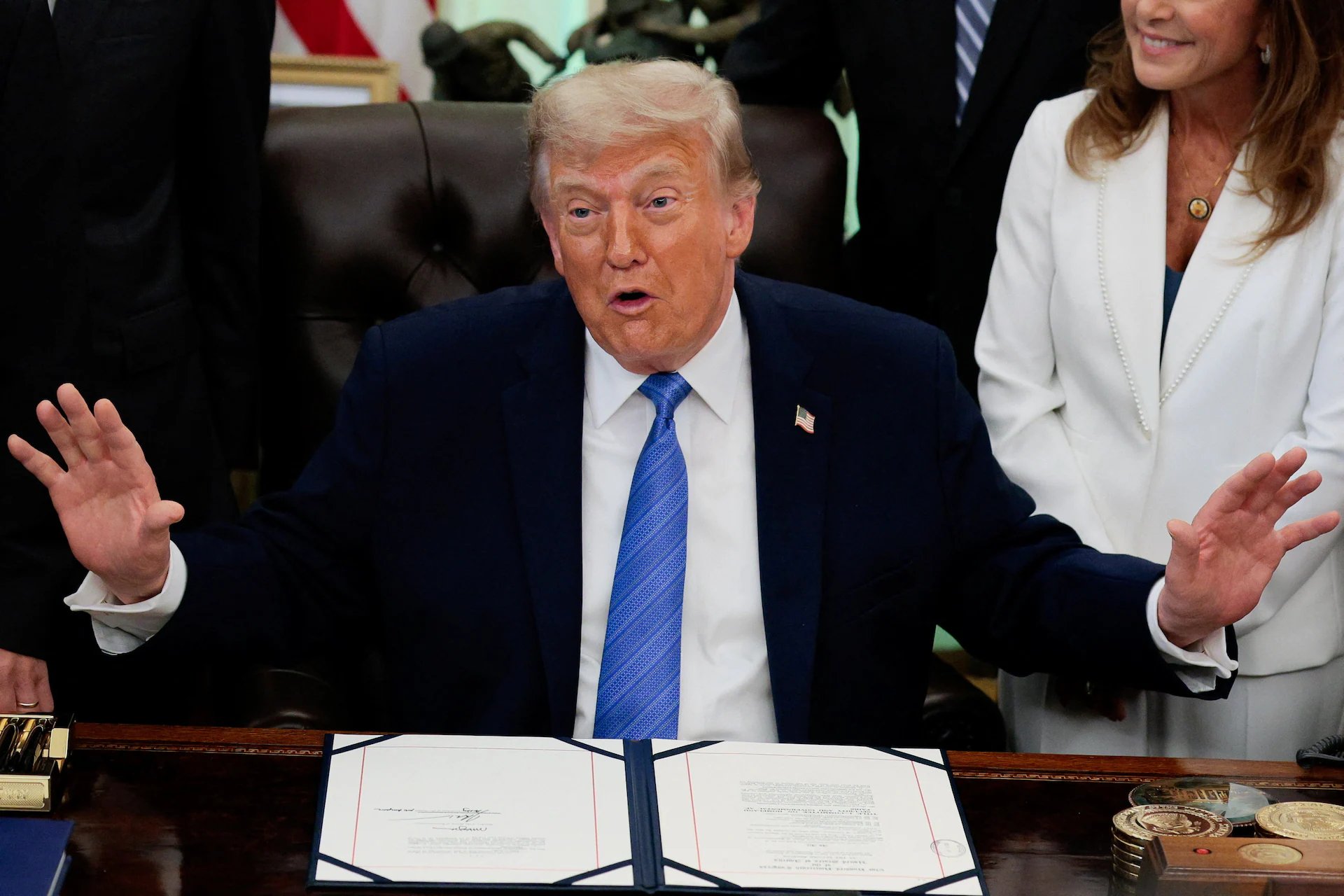
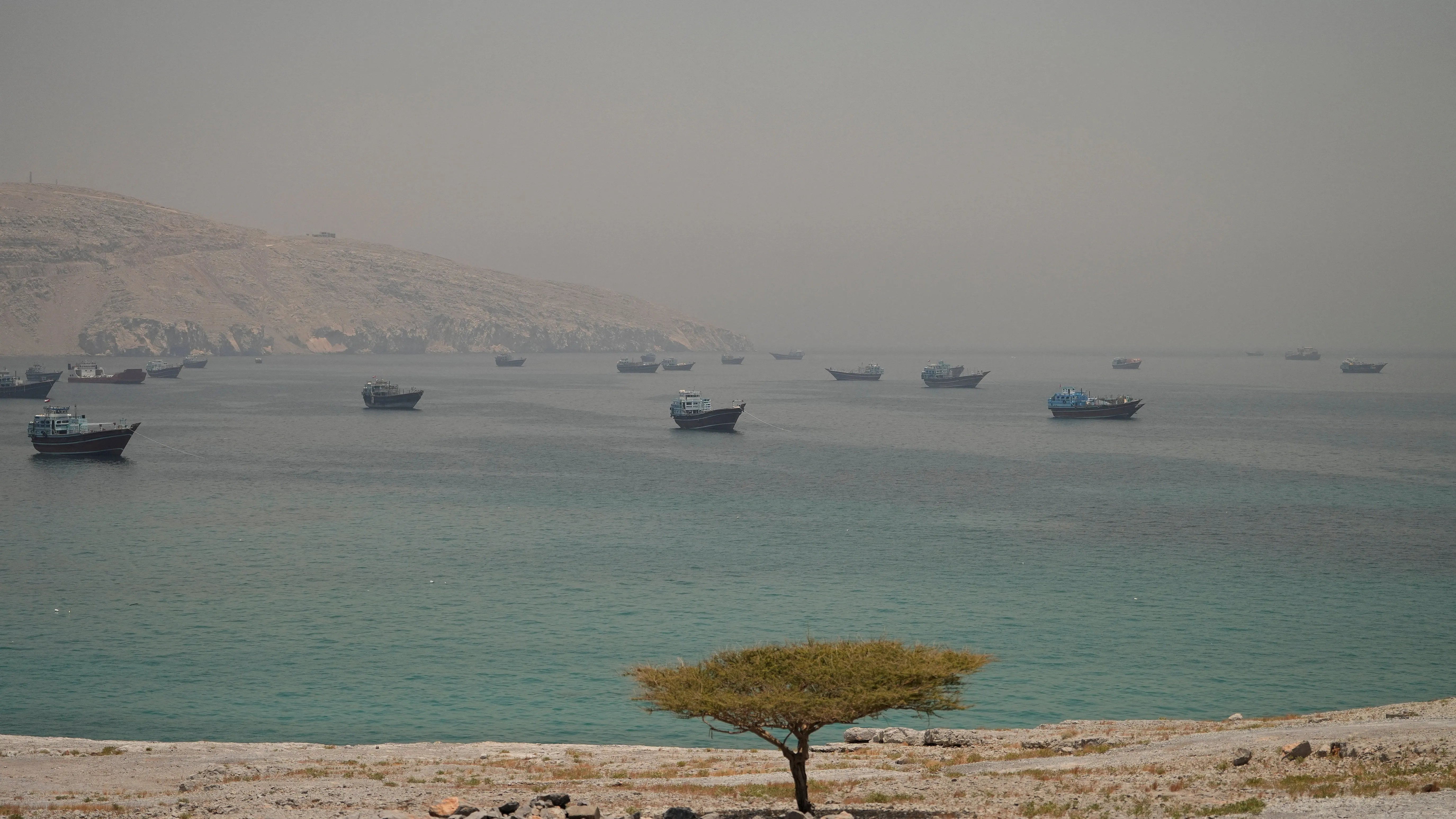
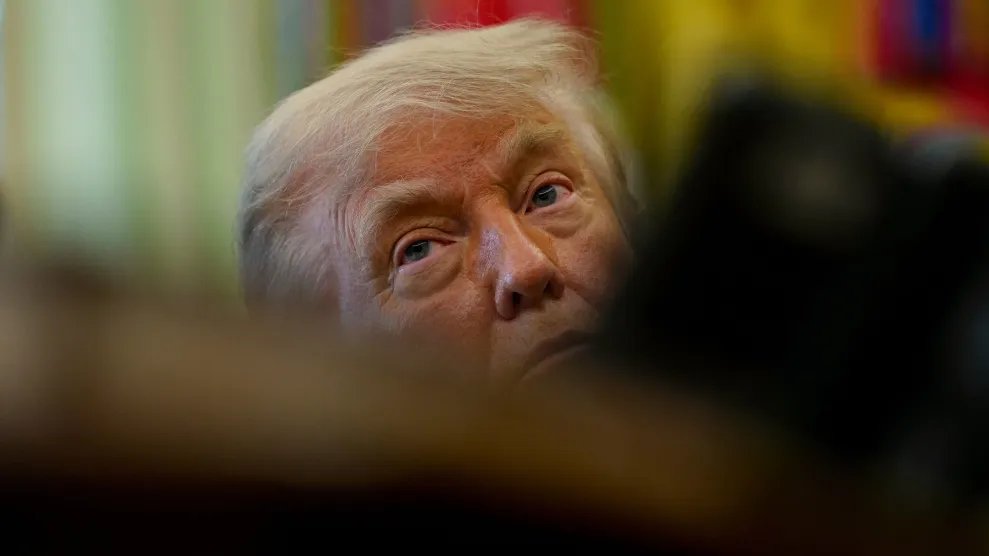
President Donald Trump announced that a deal between the U.S. and Iran is set to be signed on June 14, with the immediate reopening of the Strait of Hormuz following the signing. Trump stated on Truth Social that "the Deal is scheduled to get signed tomorrow," promising that the vital shipping route will be "open to all." The agreement is expected to end the war in the region and initiate a 60-day period of negotiations concerning Iran's nuclear program.
Mixed Signals from Iran
Iran's Foreign Ministry spokesman Esmaeil Baqaei expressed skepticism about the signing date, stating, "We will have to wait and see about the exact date of the signing of the memorandum of understanding, although it will not be tomorrow." This uncertainty reflects the ongoing tension and differing perspectives between the U.S. and Iranian sides. While Trump asserted confidence in the deal, Iranian officials have not fully committed, indicating that details regarding nuclear discussions would be addressed later.
Role of Pakistani Mediation
Pakistan has played a crucial role in mediating the negotiations, with Prime Minister Shehbaz Sharif declaring that "we are closer to a peace deal than ever before." He confirmed that preparations for an electronic signing ceremony are underway, with expectations of finalizing the agreement shortly. This mediation has been vital in bridging the gap between the two nations amidst a backdrop of military tensions and conflicting interests.
Domestic Opposition in Iran
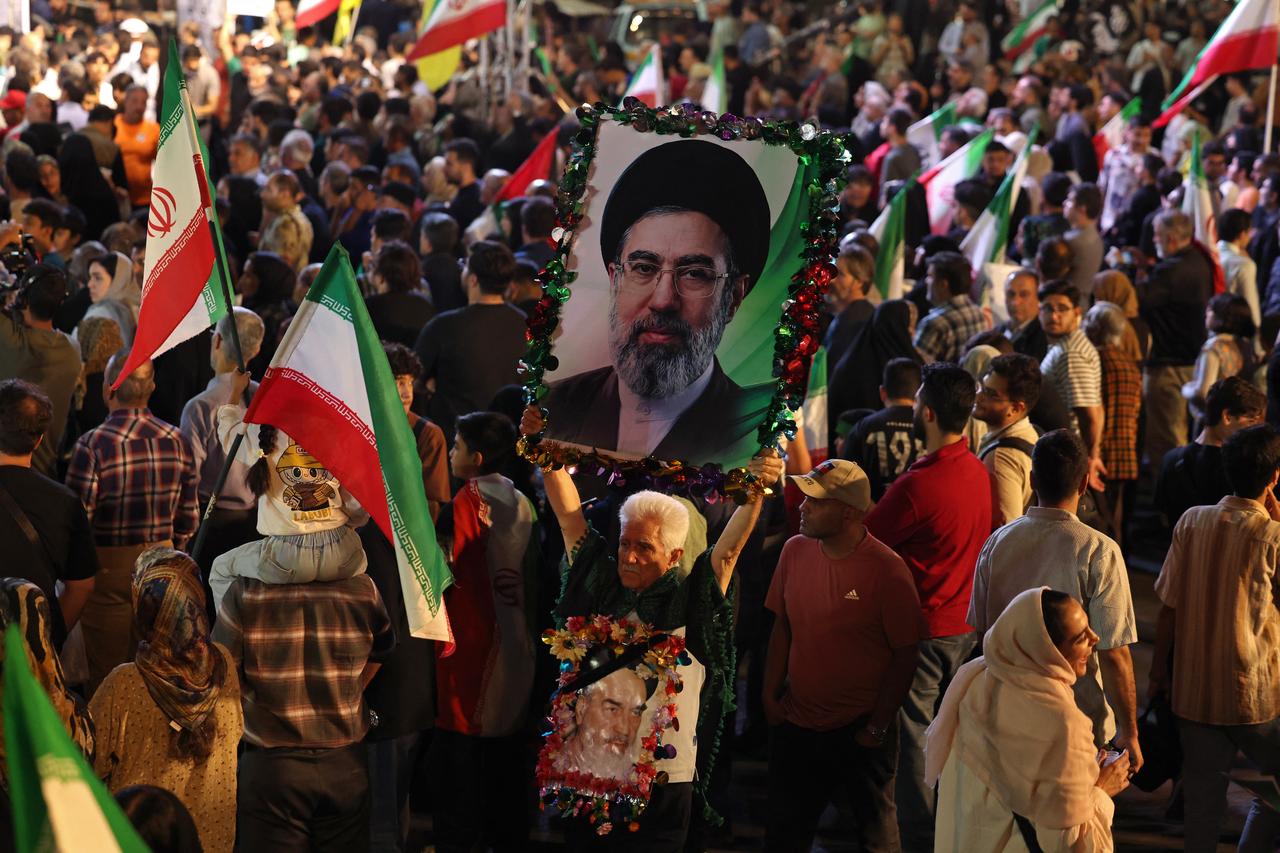
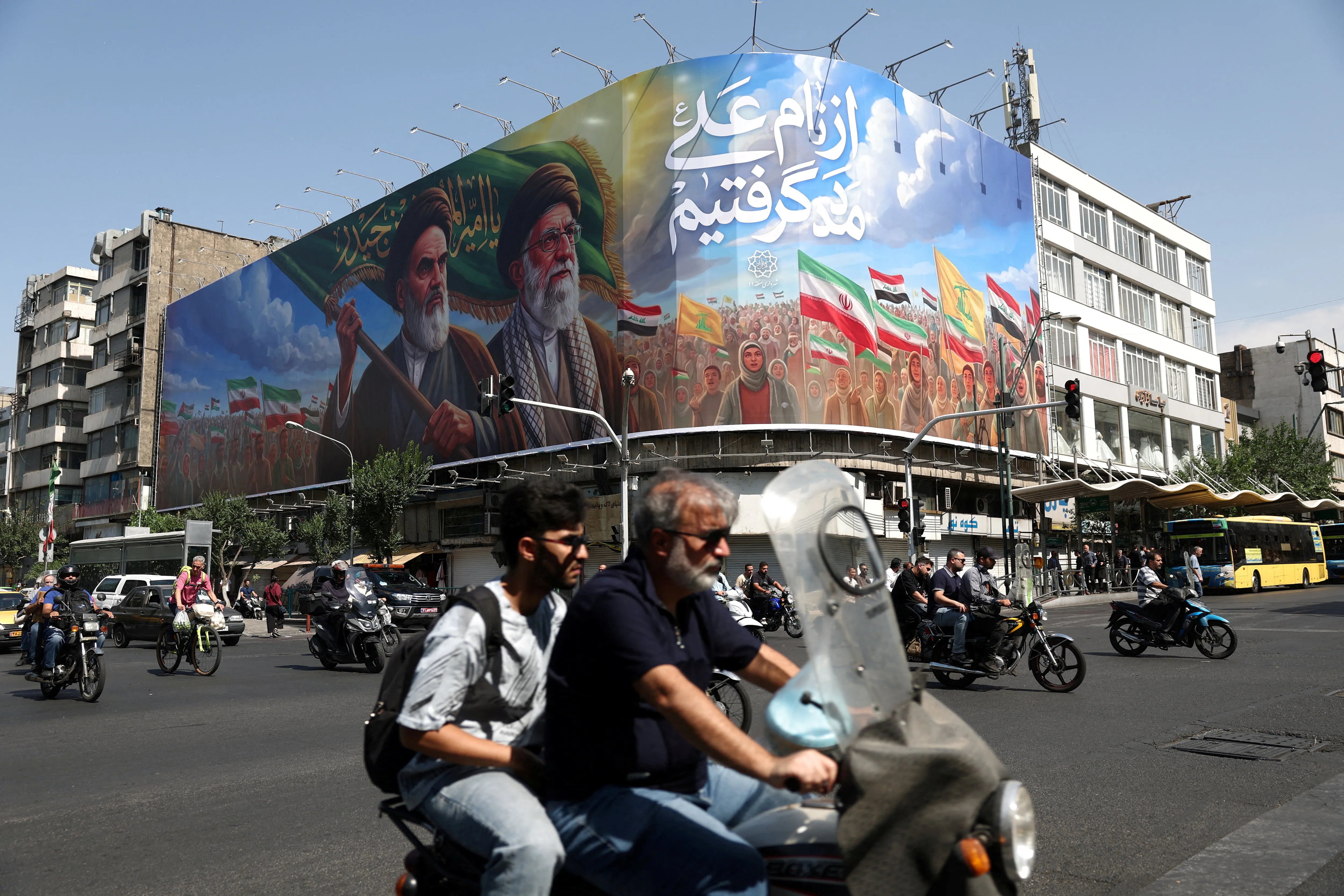
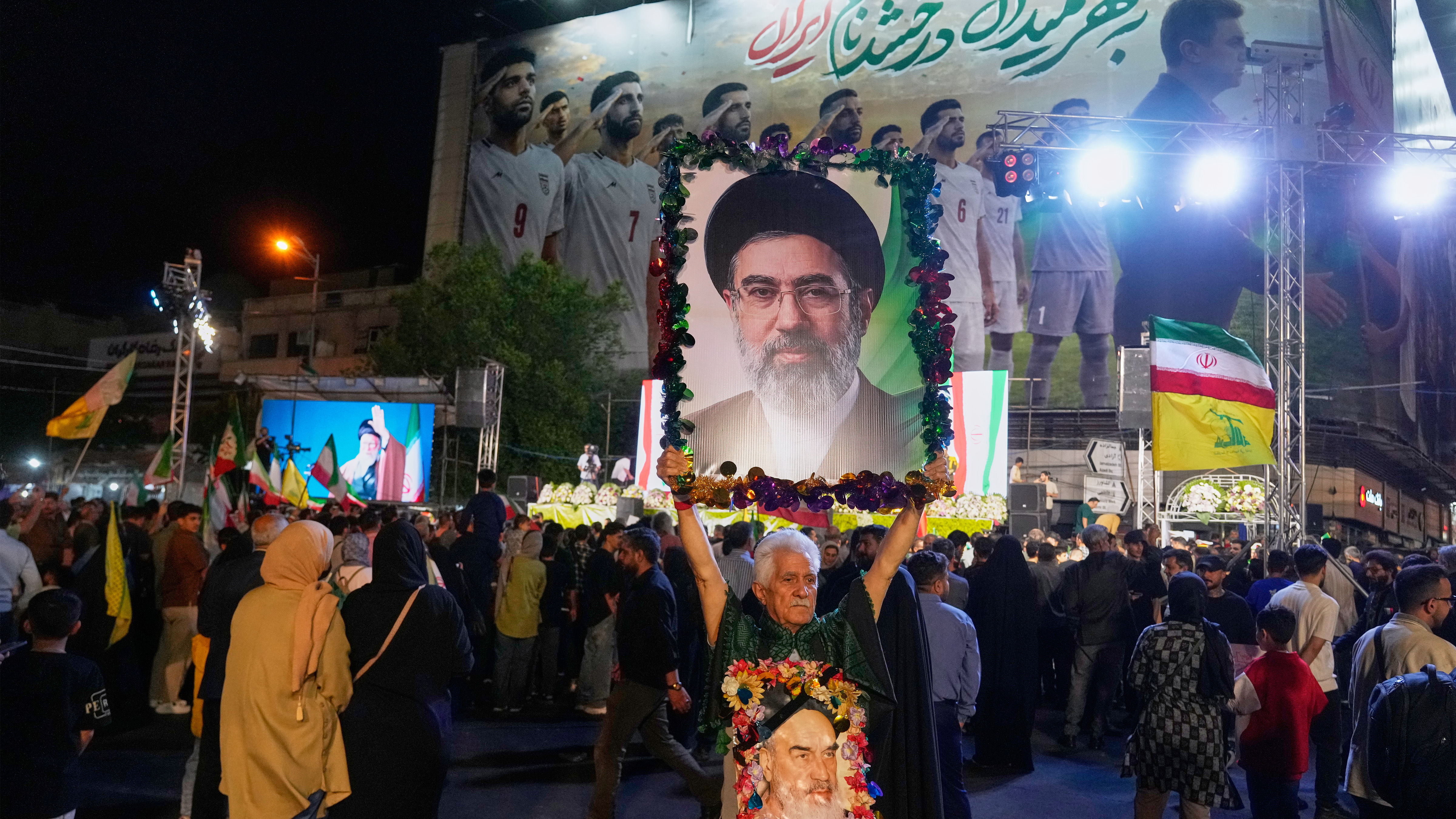
Protests erupted outside Iran's foreign ministry in Mashhad, where demonstrators expressed their discontent with Foreign Minister Abbas Araghchi's discussions about a potential peace deal. Protesters chanted against Araghchi, accusing him of making too many concessions to the U.S. and undermining Iran's leverage over the Strait of Hormuz. This internal dissent highlights the challenges the Iranian government faces in achieving a consensus on the negotiations.
Implications for Global Oil Markets
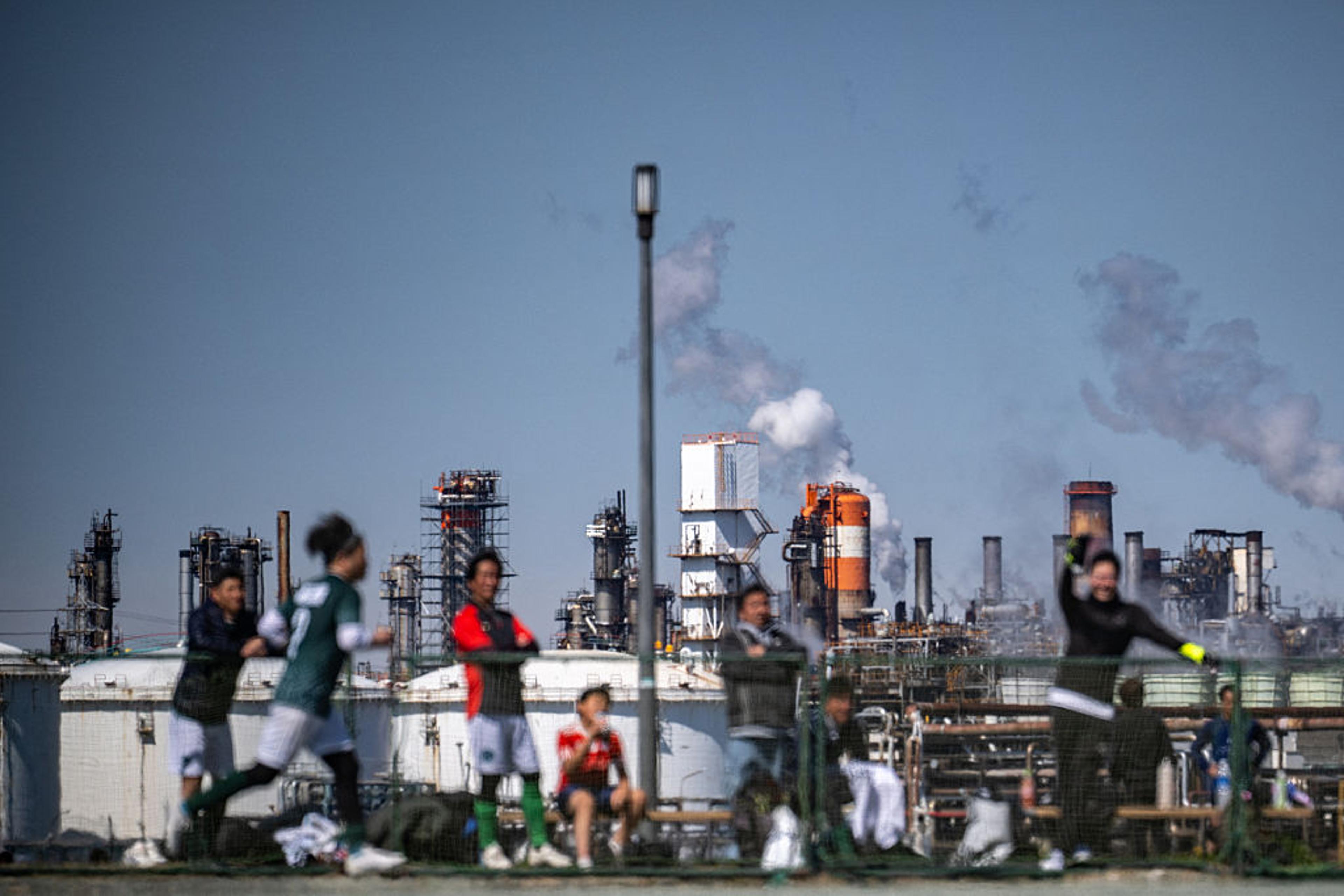
The potential reopening of the Strait of Hormuz, a critical channel for global oil transport, has already impacted oil prices. Following Trump's announcement, Brent crude oil fell nearly 4% to around $87 per barrel, as markets reacted to the prospect of increased stability in the region. The U.S. military has been actively enforcing a blockade of Iranian ports, redirecting numerous vessels since the conflict escalated, further complicating the energy landscape.
Nuclear Program Discussions Deferred
While the initial agreement aims to halt hostilities and reopen maritime routes, discussions regarding Iran's nuclear program are not included in the immediate negotiations. According to Iranian officials, the nuclear issue will be tabled for later talks, with a commitment to not enrich uranium for 15-20 years as a potential future condition. This phase of negotiations is critical for ensuring long-term peace and addressing international concerns over Iran's nuclear ambitions.
Next Steps and International Reactions
Trump plans to discuss the proposed deal with G7 leaders next week, including British Prime Minister Keir Starmer, who expressed support for peace efforts. The outcome of these discussions may influence broader geopolitical dynamics, especially regarding U.S.-Israeli relations and regional security. Both sides remain cautious, emphasizing the need for a stable and enforceable agreement to prevent future conflicts.
The evolving situation underscores the delicate balance of diplomacy, military readiness, and domestic politics that will shape the future of U.S.-Iran relations and the stability of the Middle East.