




Economic Incentives for Compliance
The United States and Iran are reportedly on the brink of a significant agreement that could pave the way for a ceasefire and formal negotiations to end the ongoing conflict. A senior administration official stated that if Iran meets its obligations under the potential deal, it will receive economic rewards, although no sanctions relief is expected upfront. The U.S. has indicated that the agreement could lead to Iran being reintegrated into the global economy, easing long-standing economic pressures.
Key Elements of the Agreement
Details of the prospective deal include the reopening of the Strait of Hormuz, which Iran has held closed since the beginning of the conflict, and a framework for dismantling Iran's nuclear program. The official noted that the deal would also involve the removal and destruction of enriched nuclear material from Iran, along with a robust inspection regime to ensure compliance. A 60-day period for technical negotiations will follow the signing of a memorandum of understanding, during which remaining points will be clarified.
Progress Amid Regional Tensions
Pakistani Prime Minister Shehbaz Sharif announced that the final text of the peace agreement has been reached and could be signed within 24 hours. Iranian Foreign Minister Abbas Araghchi echoed this sentiment, stating that an agreement "has never been closer." However, fighting persists in the region, with U.S. forces recently claiming to have downed several Iranian drones targeting commercial ships in the Strait of Hormuz.
Divergent Views on Terms
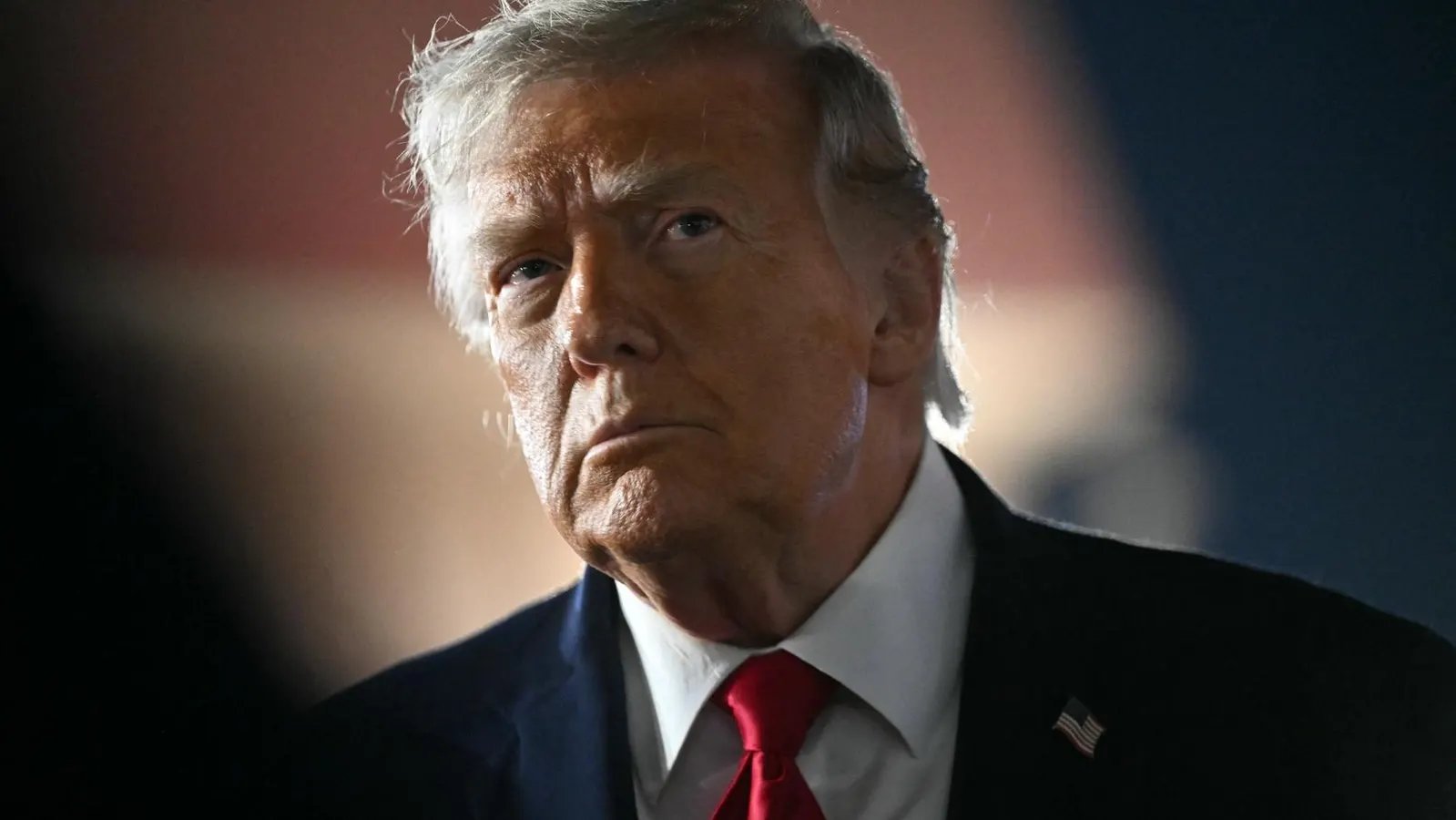
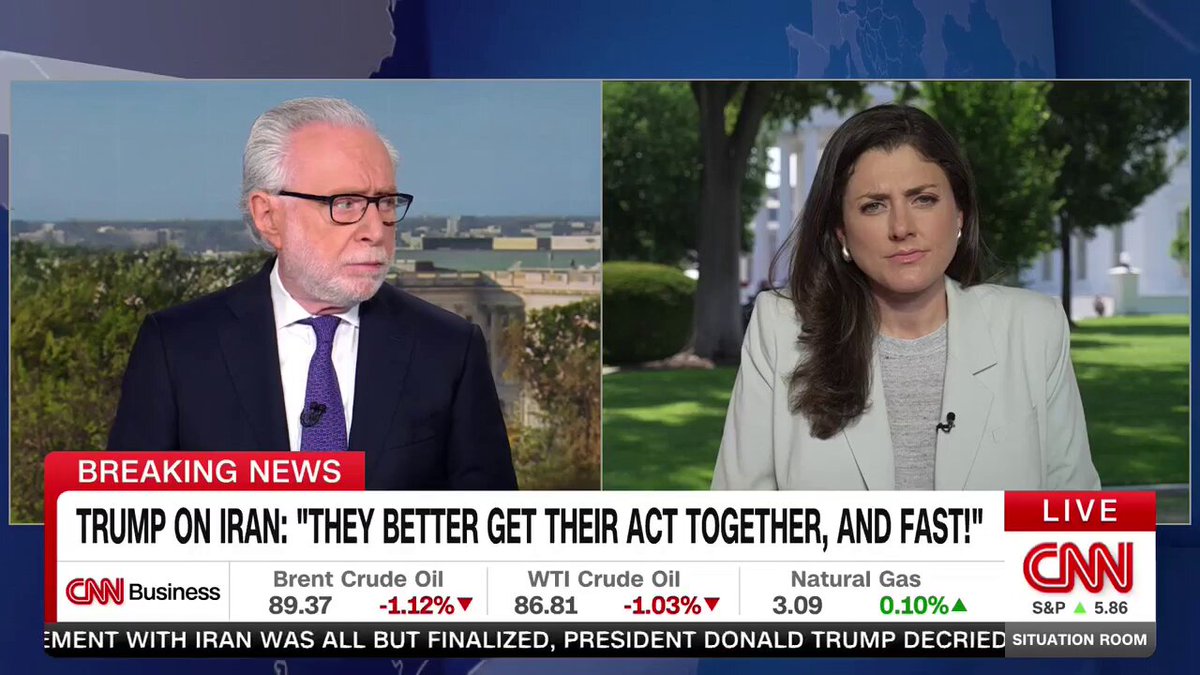
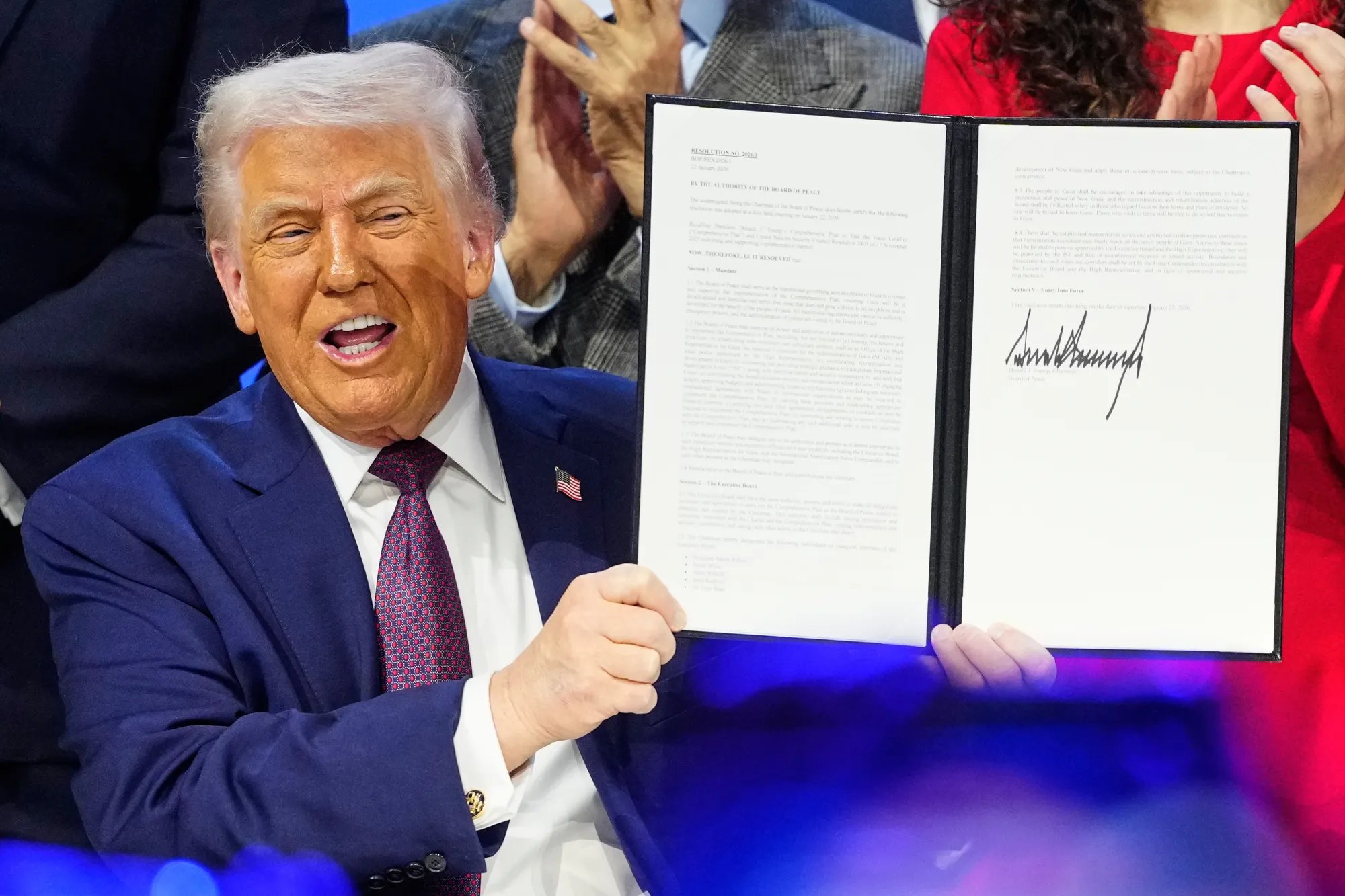
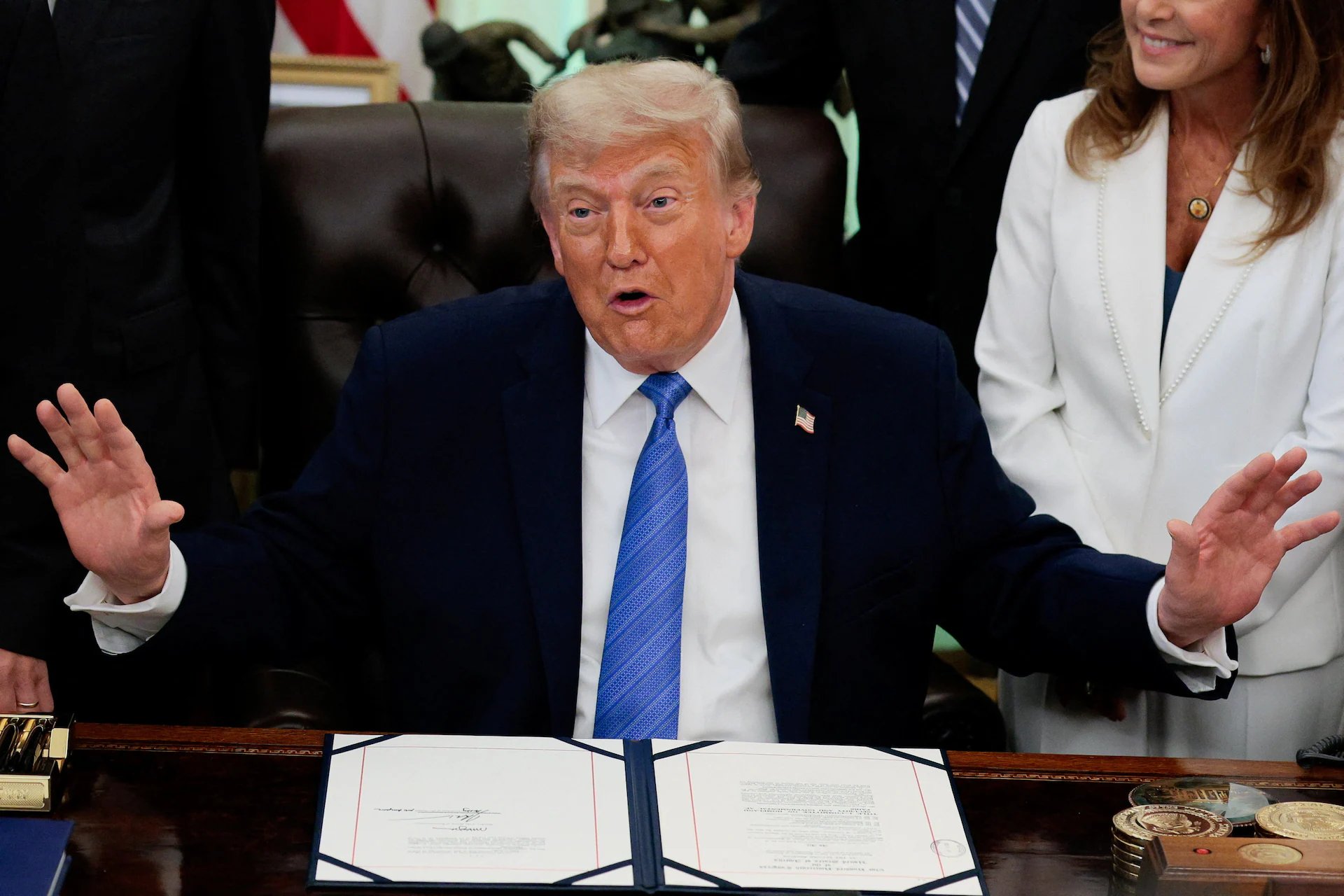
The U.S. and Iran have presented differing narratives regarding the terms of the potential agreement. U.S. President Donald Trump has publicly dismissed Iranian media reports, claiming they do not accurately reflect the agreed terms. He labeled the Iranian accounts as "fake news" and emphasized that negotiations remain ongoing.
Internal Divisions in Iran
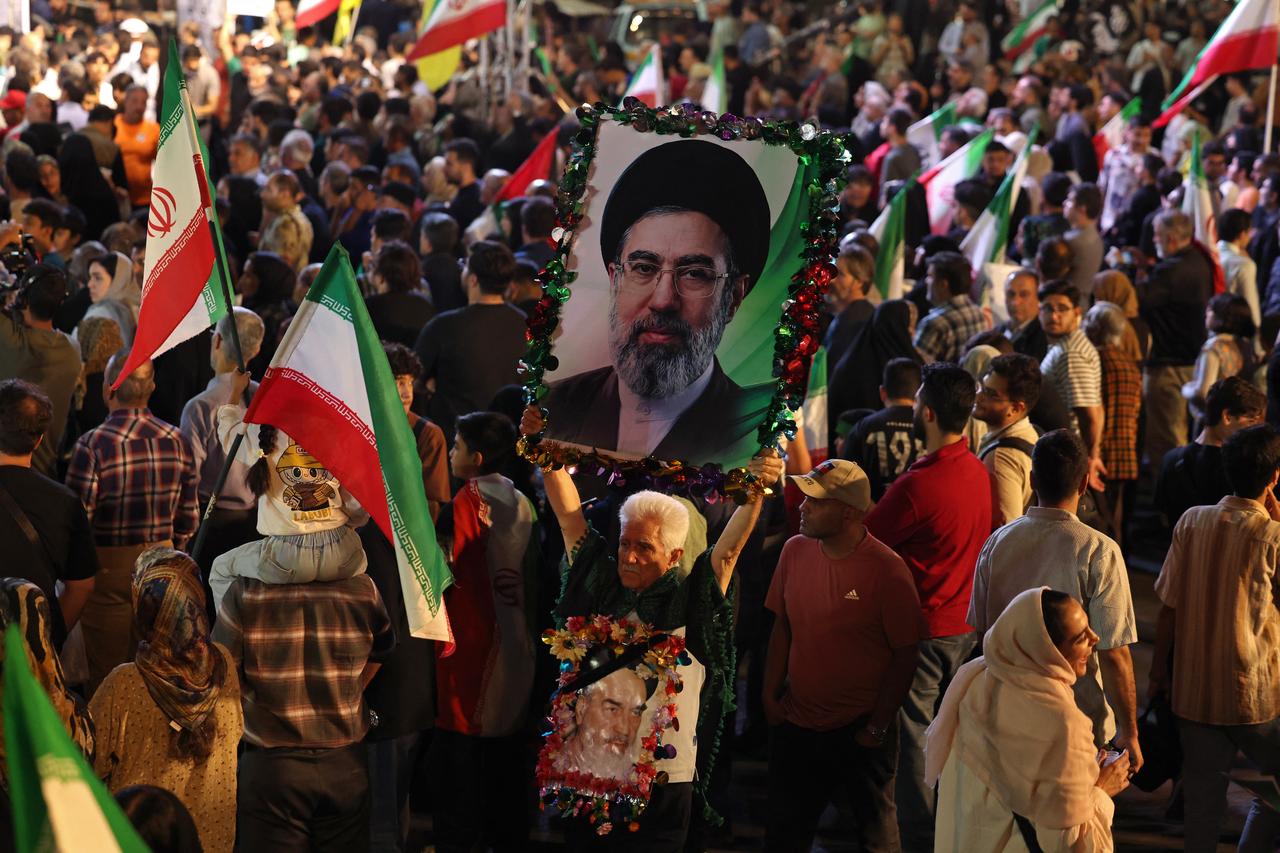
The Iranian regime exhibits internal fractures regarding the agreement, with some hardliners opposing it while others support the deal. A senior official expressed confidence that the majority within the Iranian negotiating team, including military and civilian leaders, are in favor of signing the agreement. However, the ultimate approval from Supreme Leader Mojtaba Khamenei remains crucial, as he has not made public statements since the conflict began.
Regional Implications and Reactions
The agreement is expected to have wide-ranging implications for regional stability, including a potential end to hostilities in Lebanon, where Iran has been involved in supporting Hezbollah. Israeli officials have expressed skepticism, asserting that they are not party to the negotiations while maintaining a firm stance against Iran's nuclear ambitions. Israeli Defense Minister Israel Katz reiterated that Israel will not withdraw from territories occupied during the conflict, emphasizing the need for decisive outcomes rather than compromises.
Next Steps
As both sides prepare for the anticipated signing of the agreement, analysts caution that significant hurdles remain, especially concerning Iran's missile program and the broader geopolitical landscape. The U.S. administration remains optimistic, with senior officials stating they are "very close" to finalizing the deal. The coming days will be critical as negotiations continue and both nations work towards a peaceful resolution to the ongoing conflict.