




From Contract Job to Six-Figure Gain
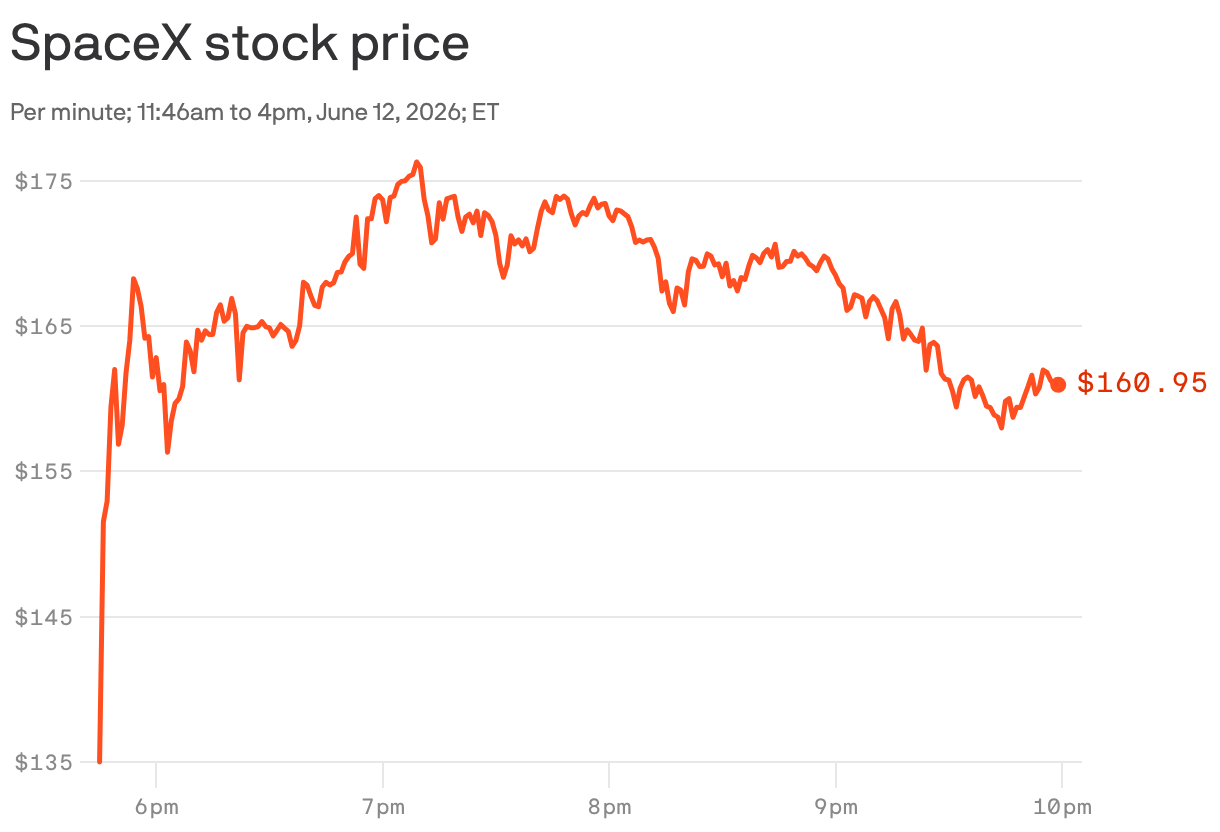
"It was just another contract job for me at the time," Hernandez told CBS News. A decade later, that leap of faith transformed into $1,046,175 in wealth when SpaceX shares closed Friday at $160.95, valuing his roughly 6,500 company shares at more than $1 million.
Hernandez's story reflects a broader wealth creation event. SpaceX's initial public offering raised $75 billion and made more than 4,400 current and former employees millionaires through stock compensation. When the company began trading on the Nasdaq under ticker SPCX late Friday morning, shares opened at $150 after being priced at $135, eventually closing nearly 20 percent higher than the offering price.
The Offer He Didn't Understand
When SpaceX hired Hernandez, the company offered him $10,000 worth of stock as part of his compensation package. At the time, the gesture meant little to him. "It wasn't a big deal. I didn't know anything about it then," he said. "I didn't know it was gonna be this big, at this point."
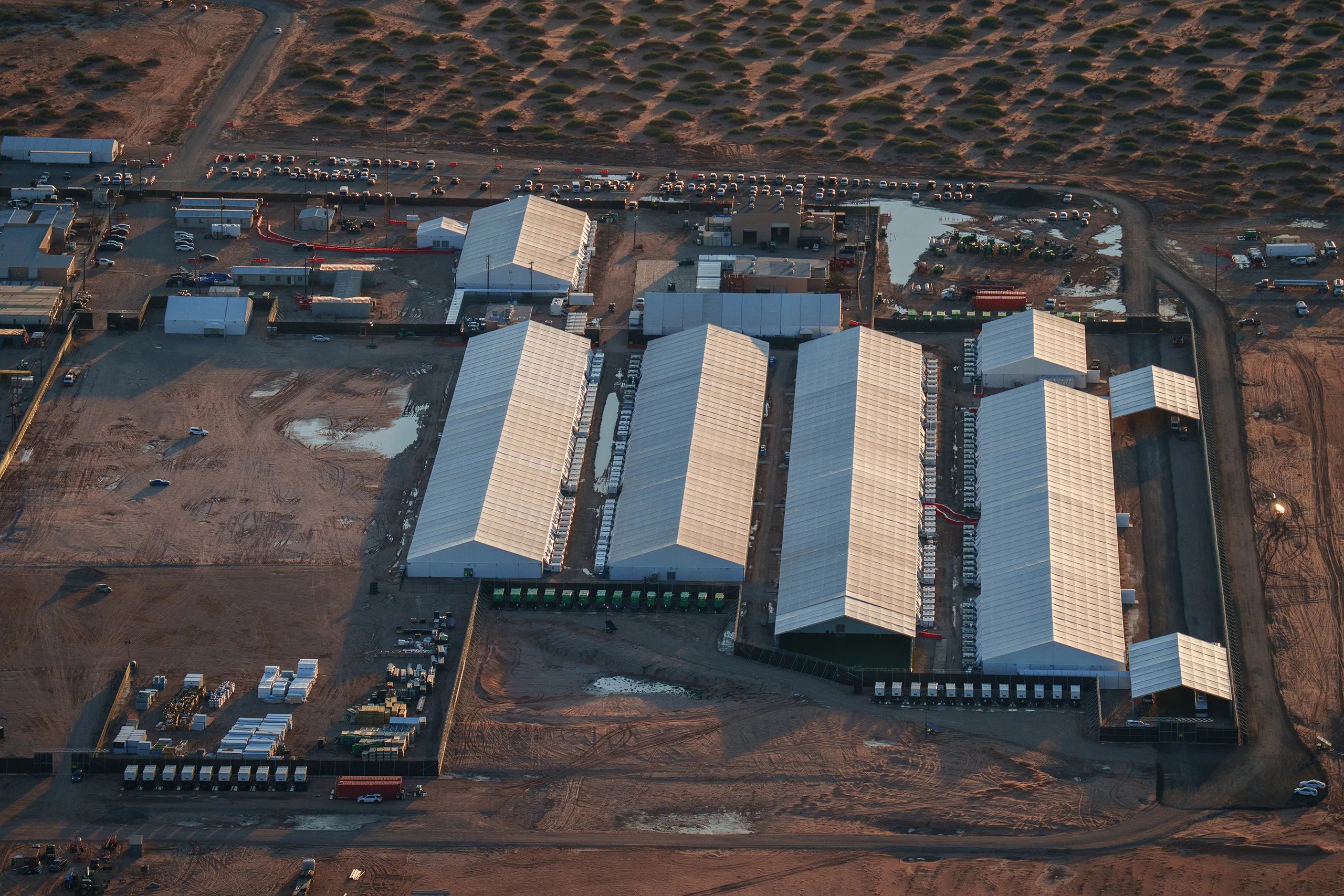
Hernandez worked his way up from welder to supervisor during his tenure, building the structures and infrastructure that prepared rockets for launch. He credits employee stock ownership with motivating workers to perform at their highest level. "They will perform a lot better because, I mean, it is, it's their company as well," he said.
A Founder's Trillionaire Status
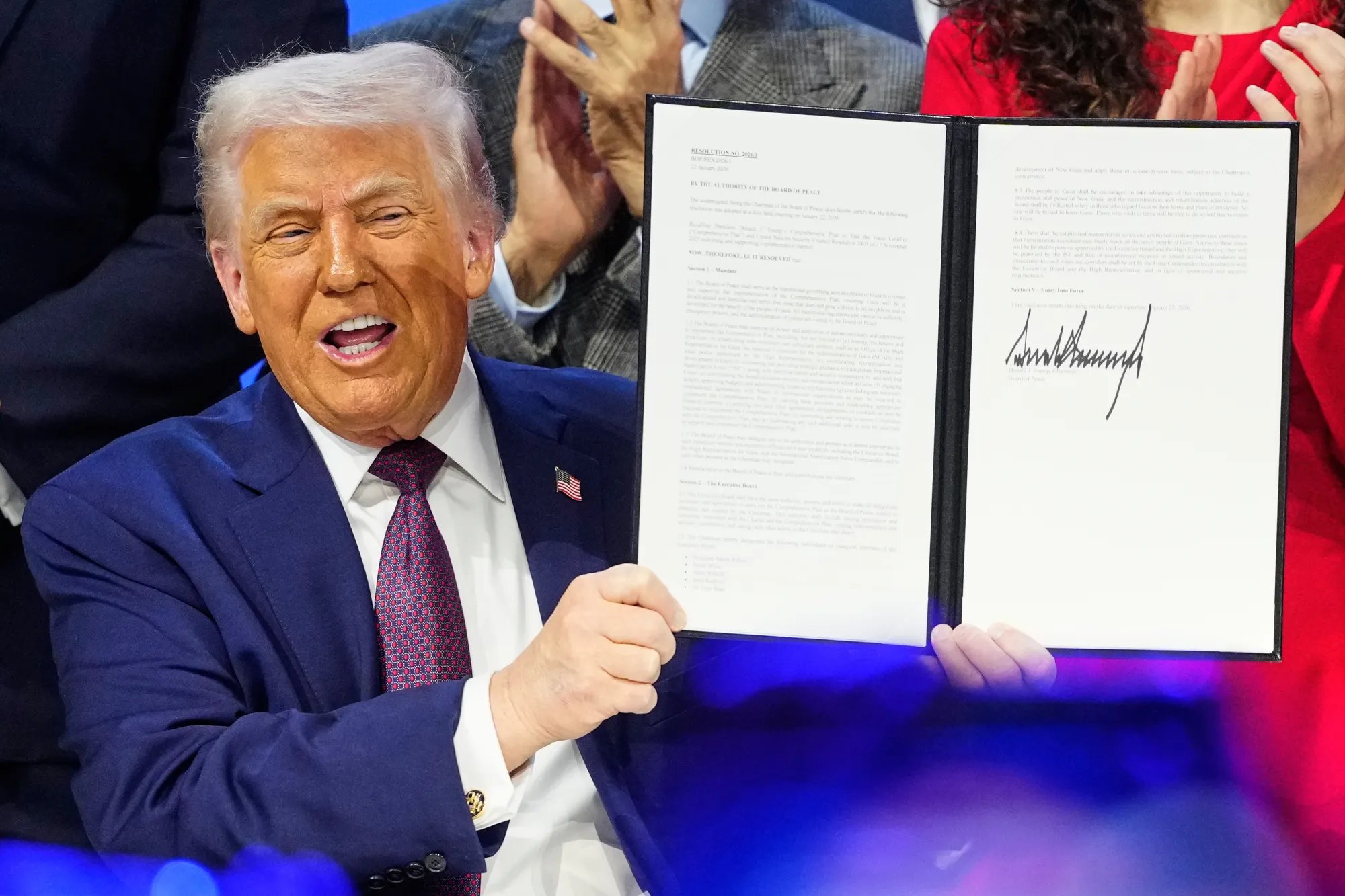
The IPO transformed SpaceX into one of the world's most valuable public companies and made founder Elon Musk the world's first trillionaire. According to the Bloomberg rich list, Musk's net worth stands at $1.11 trillion, with his 42 percent ownership stake in SpaceX worth $767.1 billion at close of trade. His SpaceX options add another $53.8 billion, while Tesla shares and options account for $284.4 billion more.
SpaceX's valuation reached $2.2 trillion on the Nasdaq, driven partly by investor enthusiasm for the company's space, telecommunications, and artificial intelligence ventures. However, the valuation rests largely on future potential rather than current profitability. The company lost more than $9 billion in 2025 and through mid-2026 due to heavy spending on AI and infrastructure investments.
Skepticism About Valuations
Investment strategists offered cautious assessments of the stock's first-day surge. Nancy Tengler, head of Laffer Tengler Investments and a buyer of SpaceX shares, called the company's AI business a "cash incinerator" despite Musk's ambitions for the segment. "It's important to take some of the projections with a grain of salt," Tengler said. She is nonetheless betting on the company's long-term potential, with an investment horizon of three to ten years.
Susannah Streeter, chief investment strategist at Wealth Club, said Friday's rally was "being driven as much by hype and scarcity as fundamentals." SpaceX itself acknowledged in its IPO prospectus that many of its initiatives "involve significant technical complexity, unproven technologies or technologies that do not exist, and such initiatives may not achieve commercial viability."
Hernandez's Next Chapter
Hernandez now works at Blue Origin, the rocket startup owned by Jeff Bezos, but his SpaceX windfall has shifted his focus to teaching his three children about investing. His 16-year-old daughter already holds shares in Meta and other companies. "She's a little entrepreneur herself," he said.
As an immigrant, Hernandez said he was raised to value hard work and plans to continue working despite his newfound wealth. If given the chance to speak with Musk, Hernandez said he would express gratitude. "He made it a possibility for somebody like us, you know, the cook or electrician," Hernandez said. "He's making all these lives much better and meaningful for their families as well."