




Judge's Ruling on Historical Displays
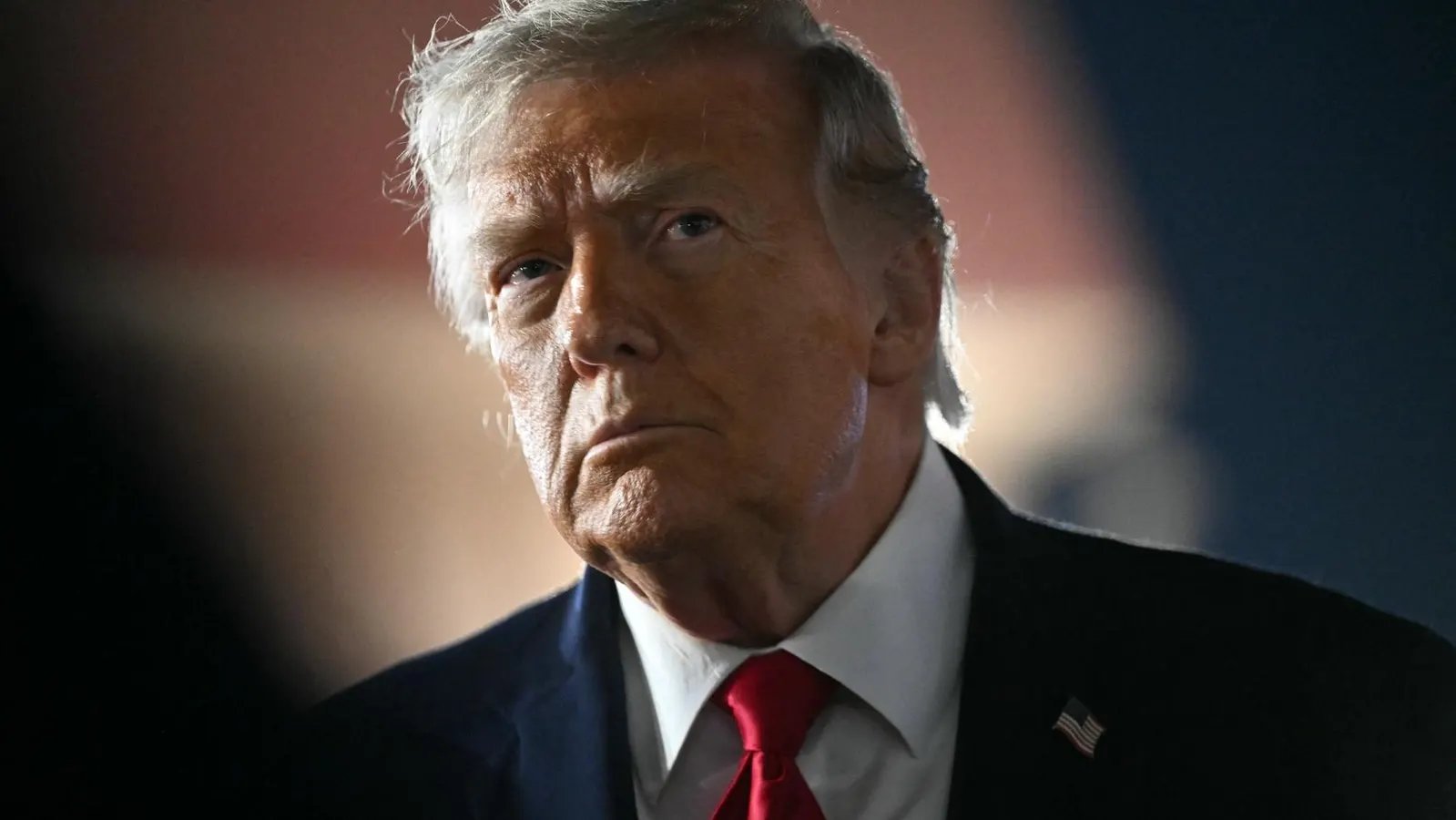
A federal judge in Massachusetts has mandated the restoration of historical displays removed from national parks under a controversial directive from former President Donald Trump. U.S. District Judge Angel Kelley issued a preliminary injunction requiring the Trump administration to reinstate any interpretive materials that were altered or removed since May 20, 2025. Kelley condemned the administration's actions, stating they aimed to "rewrite the Nation's history with a white-out pen" and referred to the efforts as a dangerous precedent of censorship.
Background of Trump's Executive Order
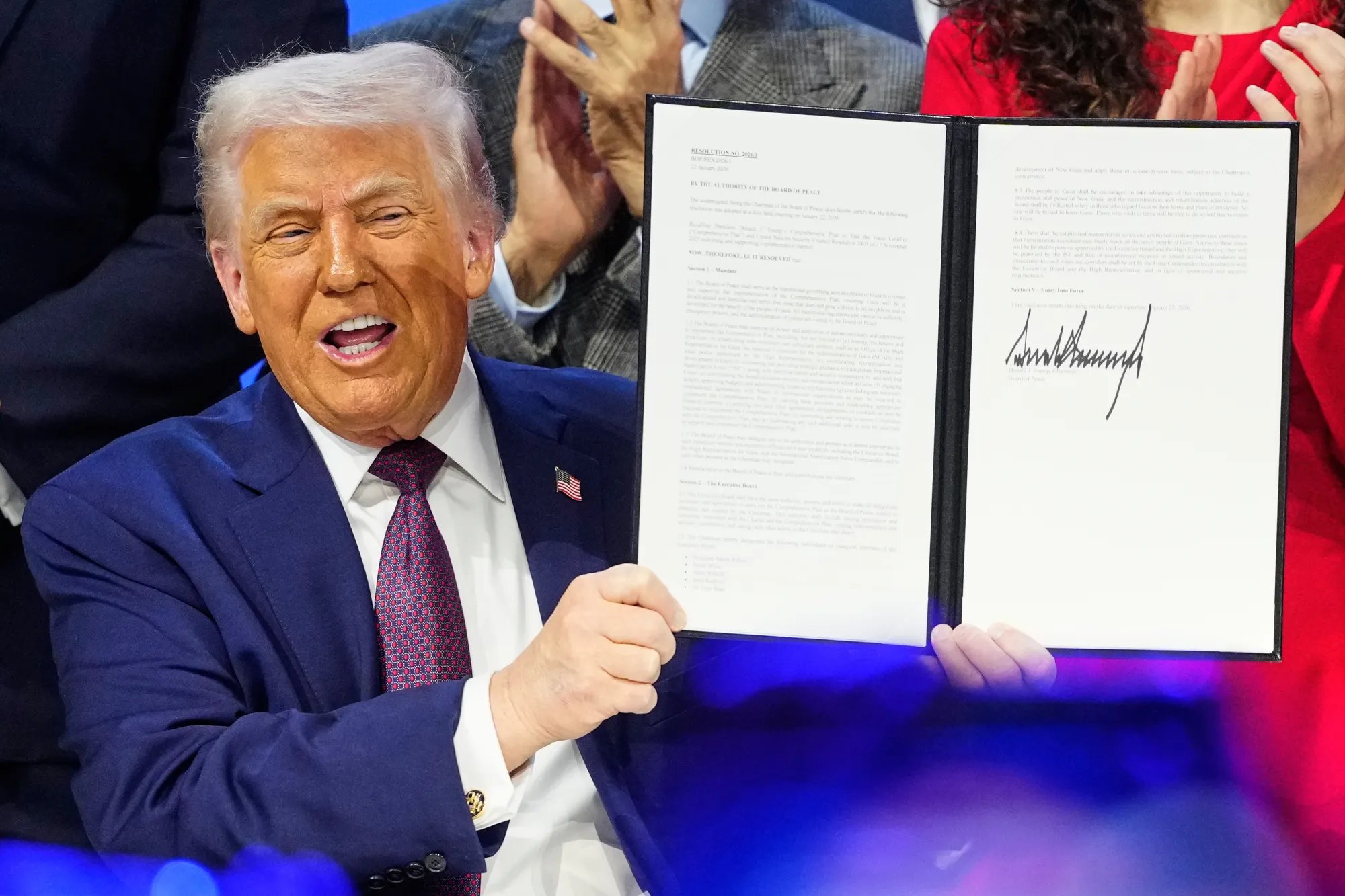
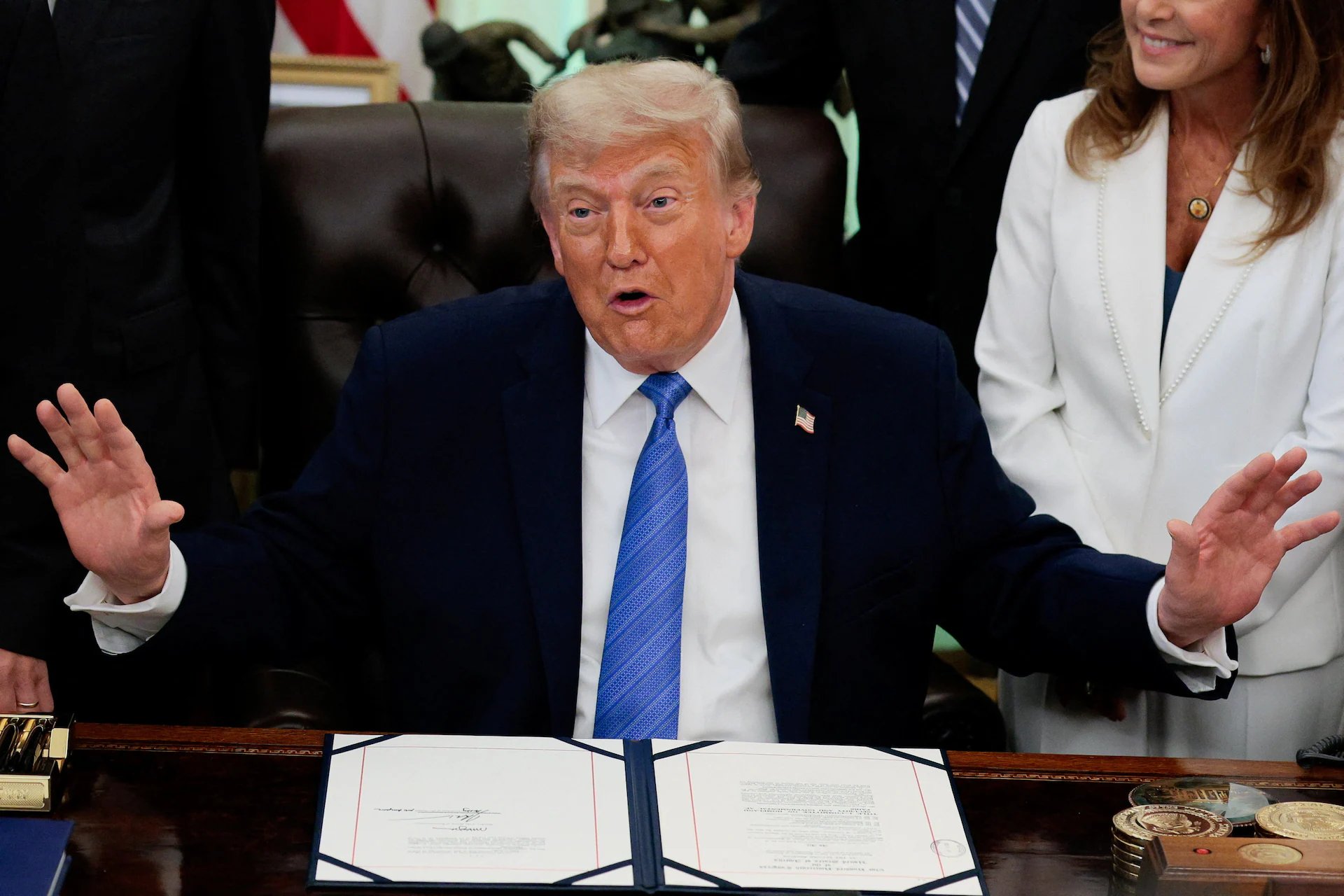
In March 2025, Trump signed an executive order titled "Restoring Truth and Sanity to American History," which sought to eliminate elements deemed to "inappropriately disparage Americans past or living." This directive led to the removal of exhibits related to slavery, civil rights, and climate change at national parks, prompting a lawsuit from conservation and historical organizations. The order was part of a broader campaign against what the administration labeled "liberal wokeism," targeting diversity, equity, and inclusion practices that had gained traction in previous years.
Specific Changes Ordered by the Judge
Judge Kelley ordered the Trump administration to provide weekly status reports detailing the progress of restoring the removed materials. The administration must comply within 21 days, as Kelley emphasized that history cannot be accurately represented without including the contributions and struggles of diverse communities. This ruling followed a lawsuit filed by conservation and historical organizations, which argued that the removal of exhibits distorted factual history and scientific knowledge.
Impact on National Parks
Organizations such as the National Parks Conservation Association and the Association of National Park Rangers were plaintiffs in the lawsuit. Alan Spears, senior director for cultural resources at the NPCA, highlighted the importance of national parks in understanding the full spectrum of American history. He stated that these spaces should reflect both triumphs and tragedies, ensuring that visitors receive a comprehensive view of the nation's past.
Examples of Removed Exhibits
The ruling comes in response to specific instances where exhibits were censored or removed. At Independence National Historical Park in Philadelphia, displays detailing the lives of enslaved individuals who worked at the site during George Washington's presidency were taken down. Other notable changes included the removal of a sign about basalt bubbles at Sunset Crater Volcano National Monument in Arizona, as well as films on labor history at Lowell National Historical Park in Massachusetts.
Reactions from Advocacy Groups
Emily Thompson, executive director of the Coalition to Protect America's National Parks, expressed relief at the ruling, asserting that national parks should preserve and interpret the entire American story, not just the narrative favored by politicians. Bill Wade, executive director for the Association of National Park Rangers, noted that this decision is particularly beneficial for park employees dedicated to providing truthful and unbiased information about the nation's history.
Next Steps for the Administration
As the Trump administration faces the court's order, it remains to be seen how officials will respond to the requirements set forth by Judge Kelley. The Interior Department has been contacted for comment regarding the ruling and its implications for national park management.