




Agreement Details Announced
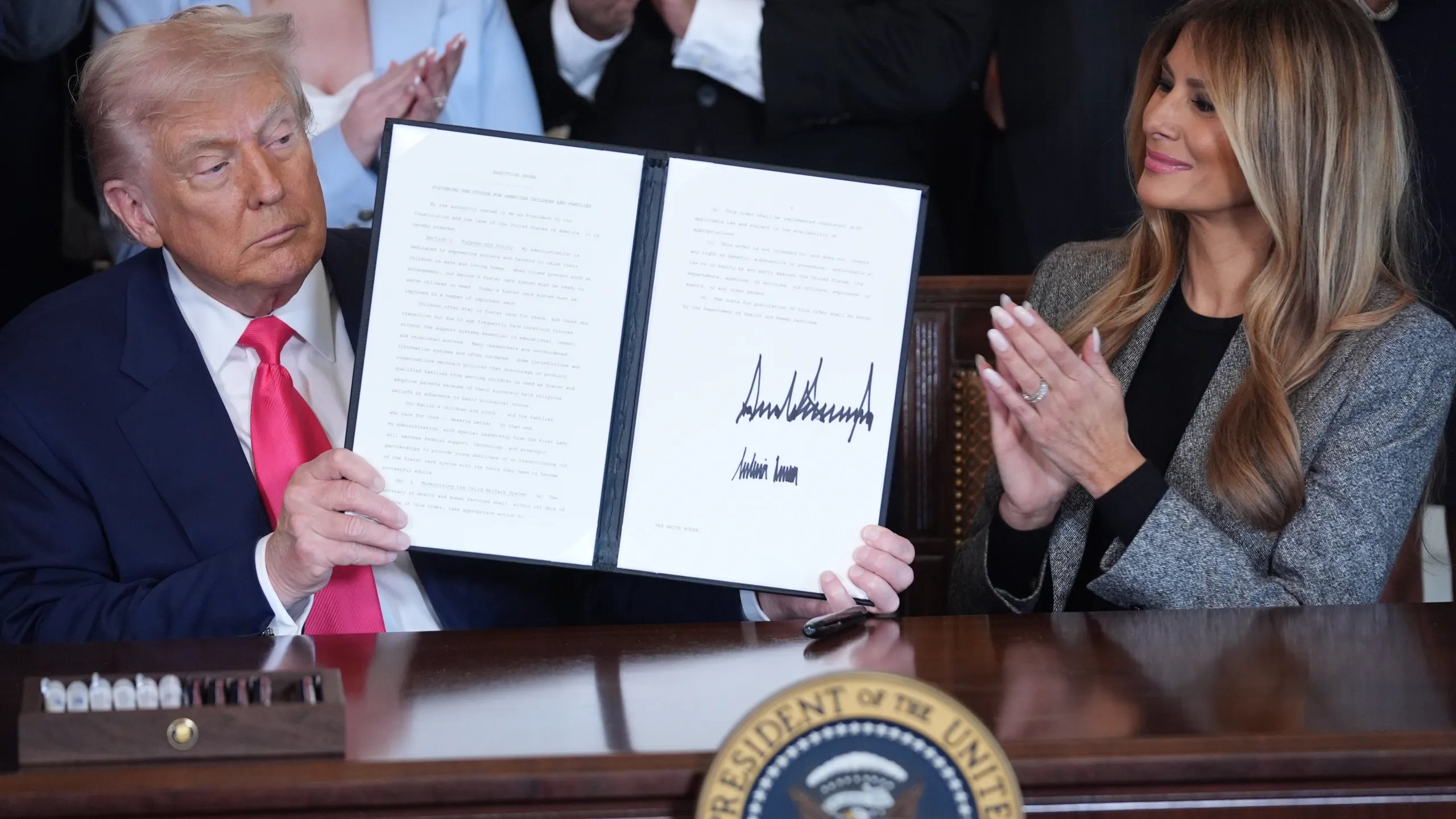
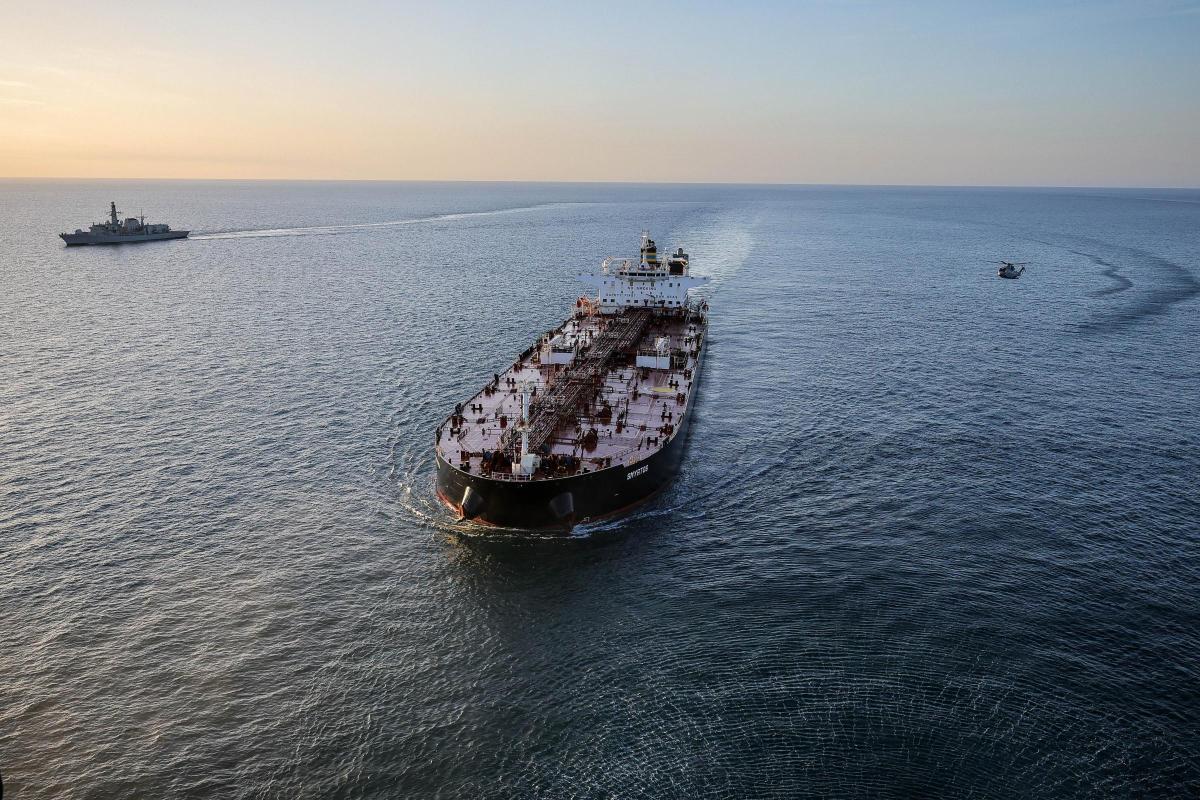
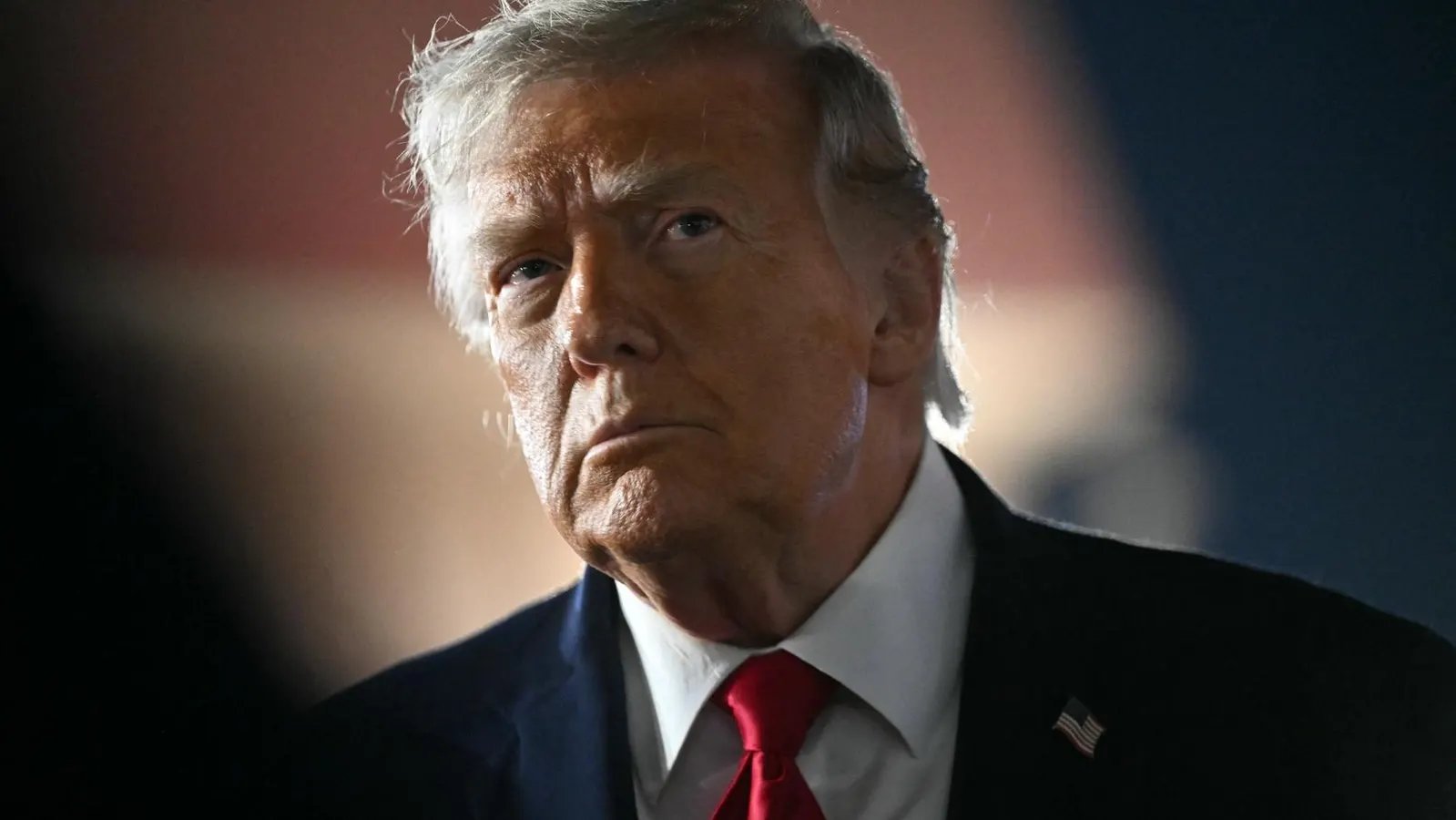
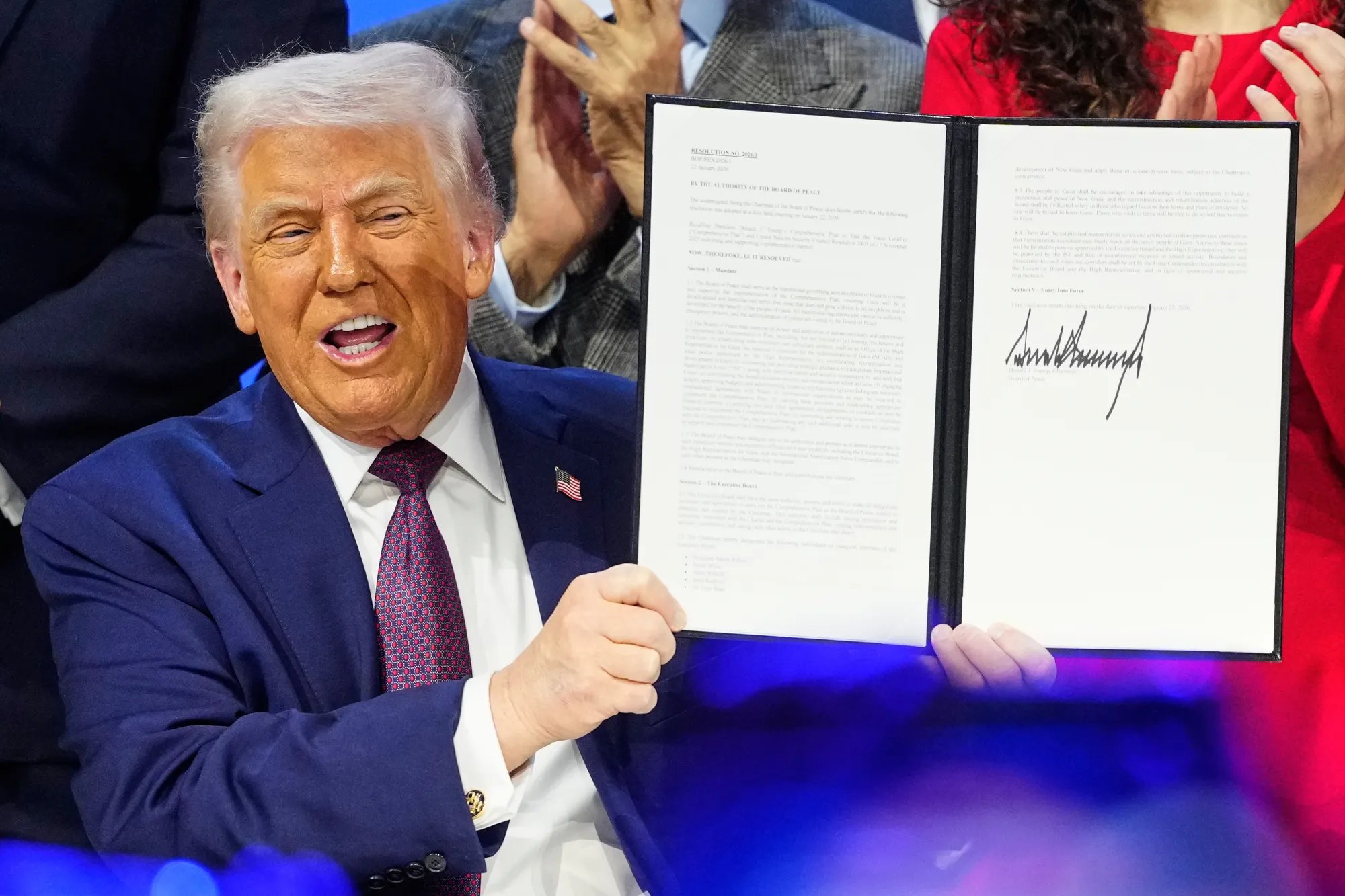
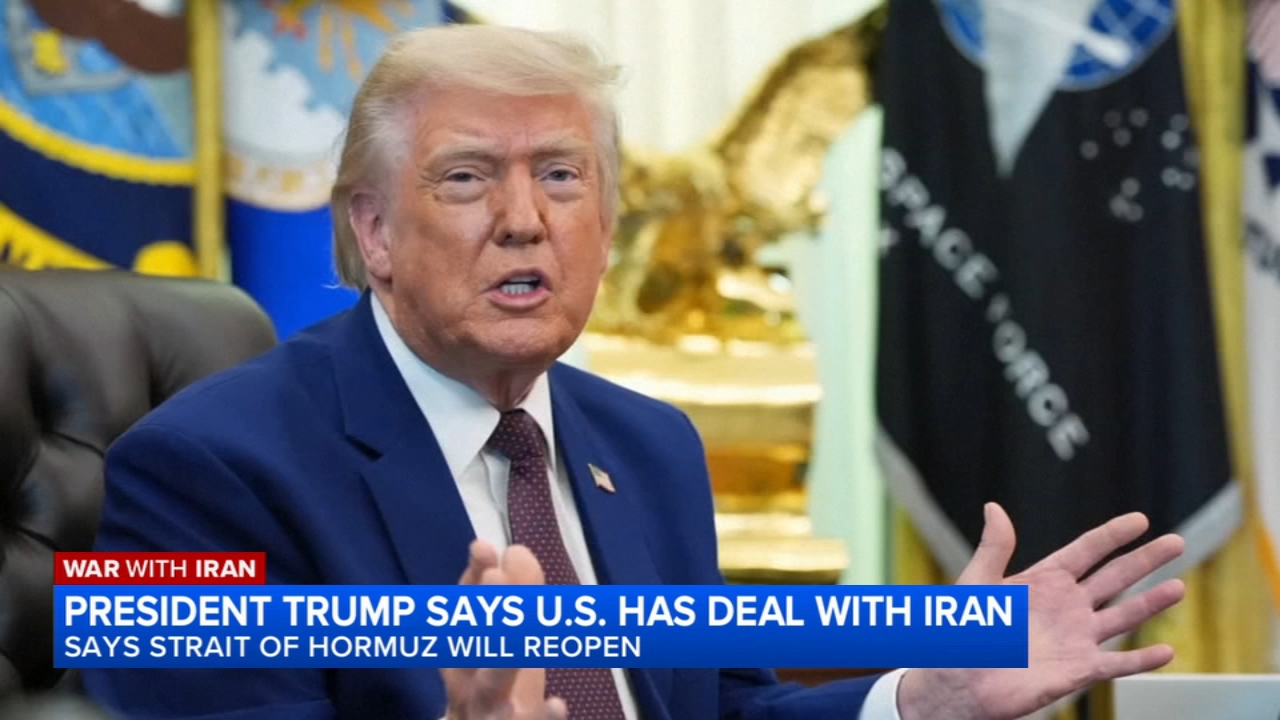
The United States and Iran have reached a significant agreement to end hostilities and reopen the vital Strait of Hormuz, a crucial waterway for global oil trade. President Donald Trump announced the deal, stating on Truth Social that it is now "complete" and includes the "immediate and permanent" cessation of military operations. The agreement will be formally signed on Friday in Geneva, Switzerland, with both nations confirming a commitment to halt all warfare, including in Lebanon.
Economic Implications
The memorandum of understanding includes provisions for lifting certain sanctions on Iranian oil exports and a reconstruction package estimated at $300 billion. The U.S. military blockade of Iranian ports will also be removed as part of the deal, which has been anticipated to ease global oil prices significantly. Following the announcement, U.S. crude oil prices fell over 4.5% to $80 per barrel, while Brent crude decreased by about 4%, reflecting market reactions to the potential reopening of the strait.
Humanitarian Concerns
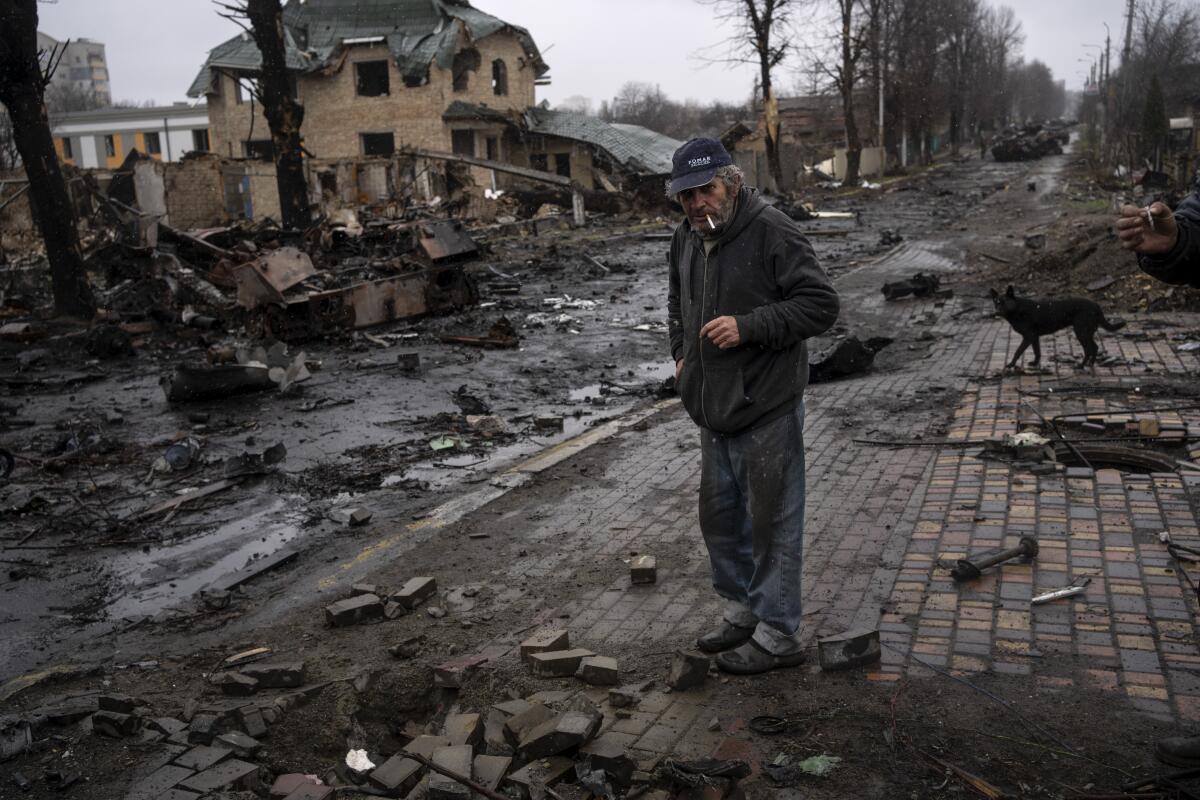
The ongoing conflict has resulted in significant humanitarian crises, with over 3,600 people reported killed in Iran, including around 1,700 civilians, since the U.S. and Israel began military operations in late February. In Lebanon, the death toll has exceeded 3,700, with many more displaced due to continued attacks.
International Reactions
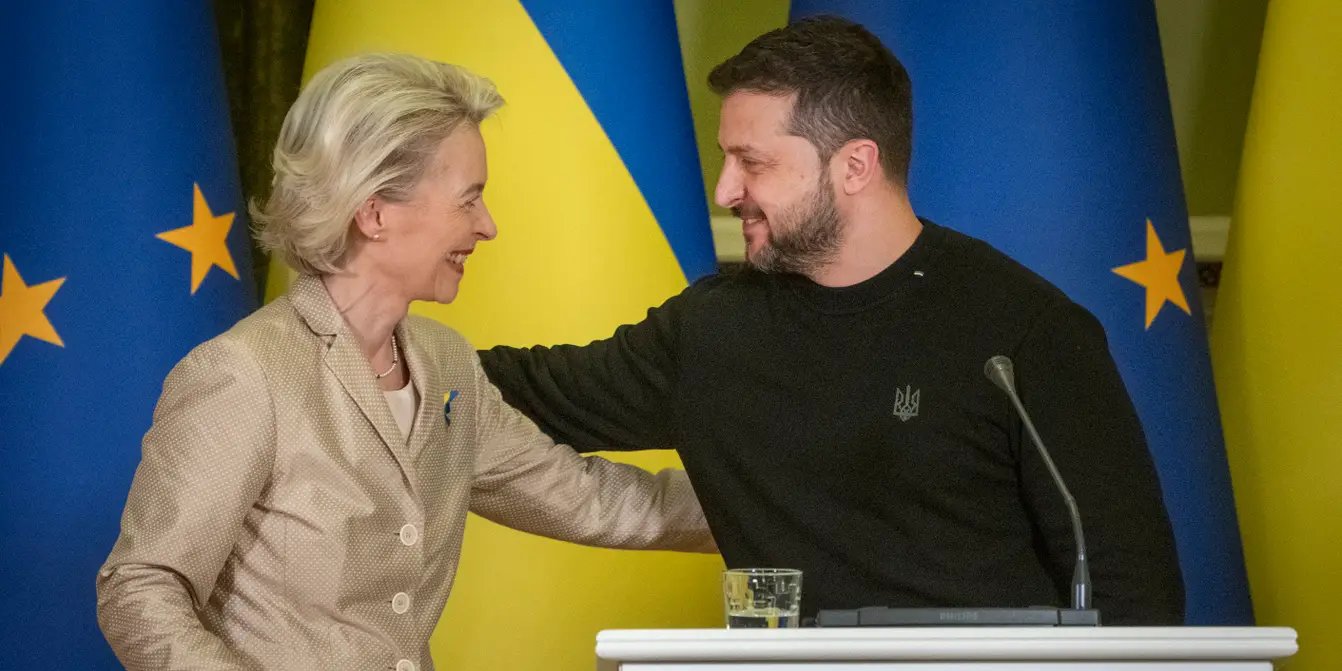
World leaders have expressed cautious optimism regarding the agreement. Turkish President Recep Tayyip Erdogan welcomed the news as a step towards establishing a lasting peace, while United Nations Secretary-General António Guterres congratulated both nations for achieving what he termed a "peace deal." French President Emmanuel Macron emphasized the importance of reopening the Strait of Hormuz for both regional stability and the global economy.
Next Steps and Challenges Ahead
Despite the agreement, significant challenges remain. Key issues such as Iran's nuclear program, the status of its missile development, and the future of its military engagements in the region still need to be addressed in the final negotiations. The draft memorandum outlines a 60-day window for further discussions, focusing on these contentious topics. The situation remains fluid, with both sides needing to build trust to ensure the deal's long-term success.
Local Impact and Future Outlook
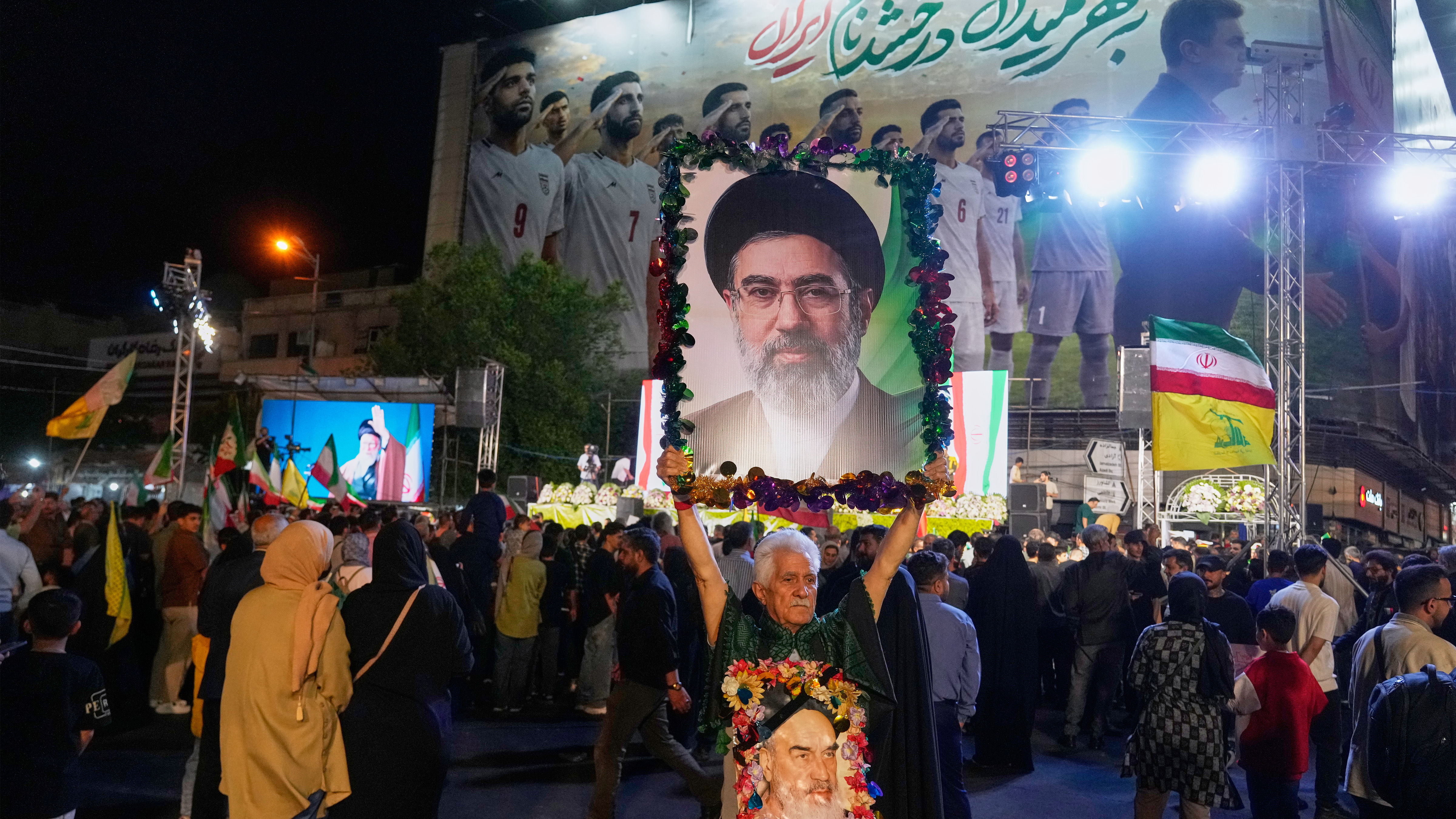
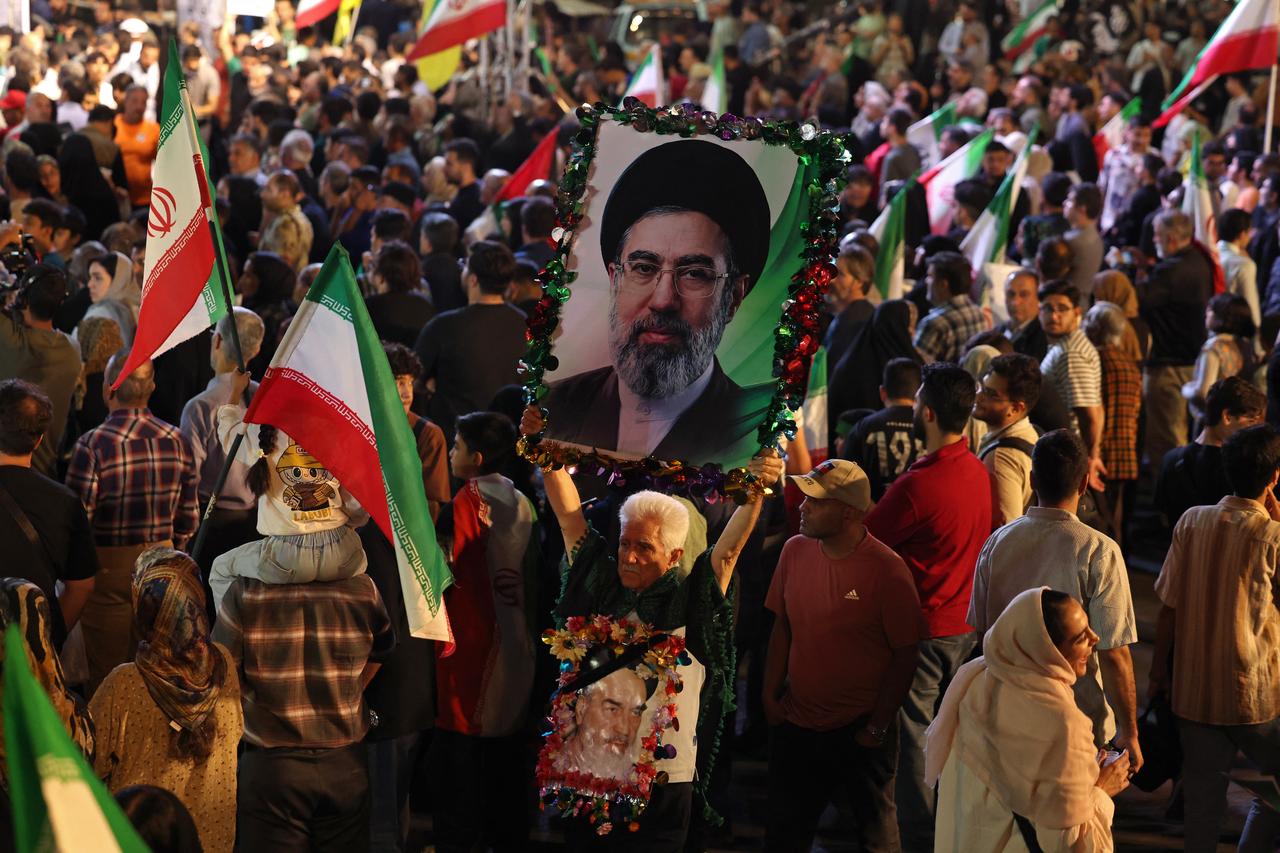
For residents in conflict-affected areas, the announcement brings a glimmer of hope amid ongoing uncertainty. However, the normalization of warfare and the economic toll of the conflict have left many communities struggling to recover. As the situation evolves, local leaders and citizens will be watching closely to see if this agreement translates into real and lasting change, or if it will become another fleeting promise amid a protracted struggle for peace in the region.