




The Encounter Off the Isle of Wight
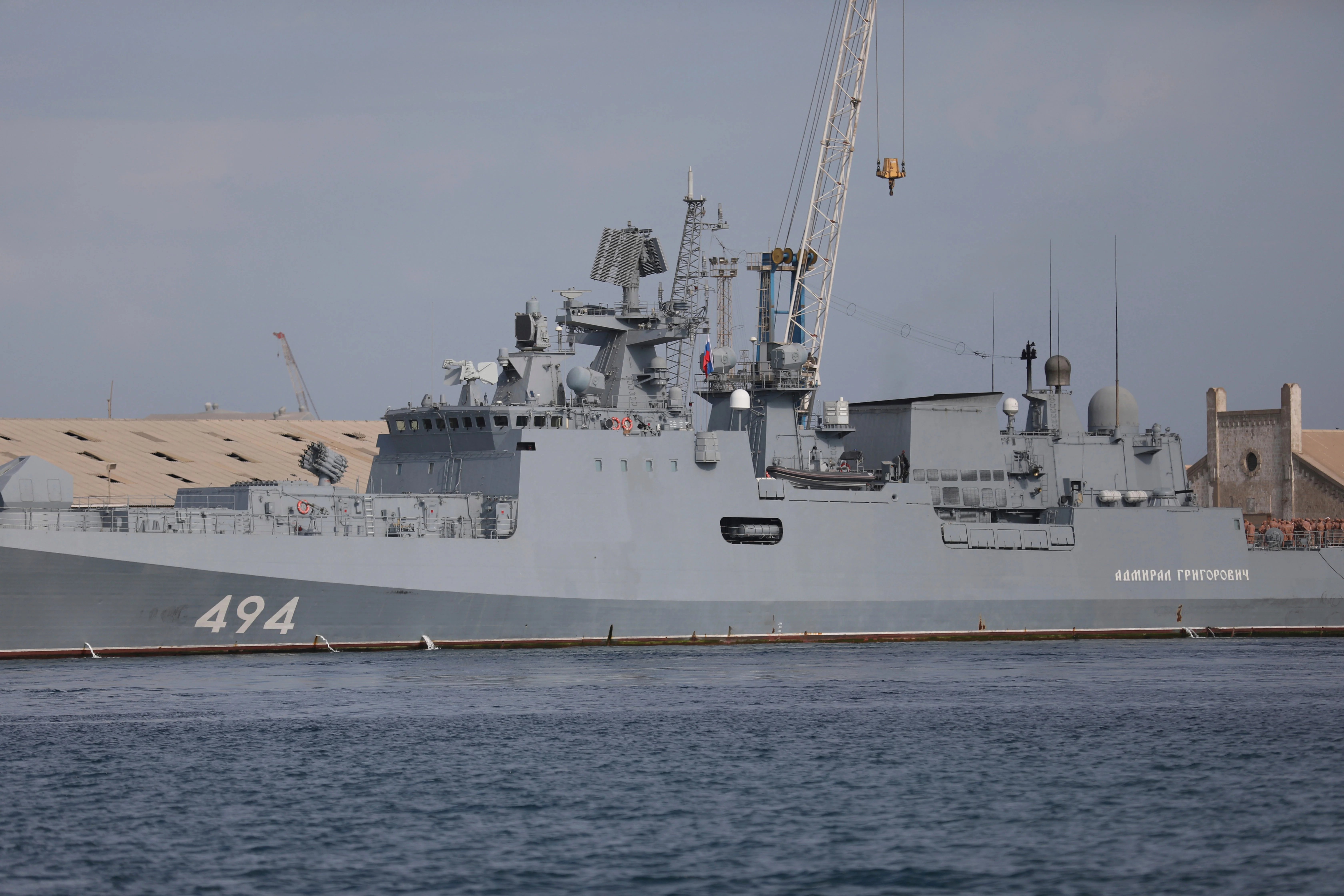
A Russian frigate fired warning shots near a British yacht in the English Channel on Tuesday morning, marking the latest military tension between London and Moscow in contested waters. The Admiral Grigorovich, a Russian warship, discharged small arms fire approximately 500 yards from the UK-registered vessel around 20 nautical miles south of the Isle of Wight, just outside British territorial waters. Jane and Alan Kelvey, a retired British couple aboard their yacht the Bright Future, were sailing when the incident occurred.
The Russian Defense Ministry said the yacht had made a "dangerous approach" toward the warship. The frigate's crew first attempted radio contact and launched warning flares before firing into the yacht's path with rifles. Russia's Defense Ministry stated the crew acted in "strict accordance with international shipping regulations."
The Kelveys told BBC Newsnight they did not believe they were on a collision course. Jane Kelvey recounted that after the warship sounded five horn blasts—a signal meaning "have you seen us?"—they immediately turned two degrees to port to demonstrate they had spotted the frigate. "We immediately turned two degrees to port so they could see we had made a deliberate change of course, which meant we had seen them," she said.
Britain's Assessment and the Couple's Account
Britain's Ministry of Defence evaluated that the warning shots "were not aimed at the vessel and were an attempt to prevent a possible collision." A UK defence source confirmed the Admiral Grigorovich had been monitoring the yacht, which had drifted toward the warship in foggy conditions after setting off from the UK. British officials believe the frigate's crew was attempting to signal that the yacht was drifting and therefore less maneuverable, potentially making it more vulnerable to collision.
Jane Kelvey called the gunfire "completely unnecessary" and said she reported the incident as a hazard to navigation. When asked if she and her husband were afraid after hearing the shots, she said they were not. She joked that she crouched down and put her canvas hood over her head while her husband continued steering the yacht.
A boat from HMS Tyne, a British patrol vessel, was sent to gather details and check on the crew's safety. The Ministry of Defence described the encounter as an "isolated incident" unrelated to other recent military operations in the area.
Context of Escalating Naval Operations
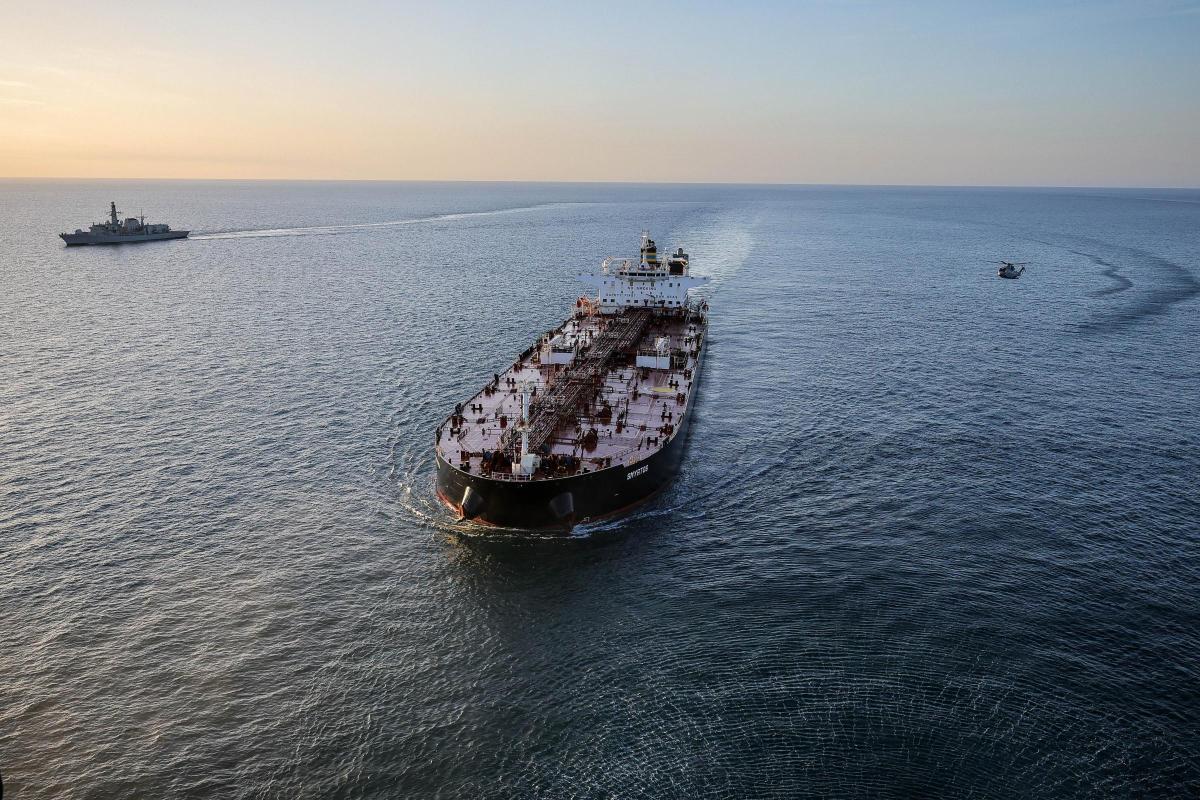
The warning shots came days after Royal Marine Commandos intercepted a Russian shadow fleet tanker carrying sanctioned oil in the Channel on Sunday, the first operation of its kind carried out by the British military. The seizure of the Smyrtos represented a significant escalation in Britain's efforts to enforce international sanctions against Russia.
The Admiral Grigorovich had been operating in the English Channel for an extended period, monitored by the Royal Navy vessel HMS Mersey. A NATO source told BBC Verify that Moscow had ordered the frigate to escort shadow fleet vessels through the Channel. Satellite imagery showed a Russian repair vessel, the PM-82, resupplying the Admiral Grigorovich between the Channel and the North Sea in recent months, allowing the warship to remain at sea for extended periods.
In April, the frigate had escorted six shadow fleet vessels through the waterway while under Royal Navy observation. The Royal Navy previously documented the Grigorovich escorting Russian-flagged vessels heading to and from the Atlantic, Mediterranean and Baltic, including "one submarine and around six merchant and support vessels."
Expert Analysis and Military Context
James Parkin, a former Royal Navy rear admiral, told BBC News he would not be surprised if the incident was a miscalculation rather than a deliberate attack on a British yacht close to British waters. Parkin characterized the weekend tanker seizure as a "huge embarrassment" for Moscow, given that a Russian navy ship was present in the English Channel specifically to prevent such operations.
The incident occurred as two departing UK defence ministers sounded alarm about Russia's increasingly aggressive behavior in their resignation speeches. Russian warships regularly pass through the Channel in international waters and are routinely monitored by Royal Navy vessels as part of standard operations.