




A More Effective Option Moves Toward Approval
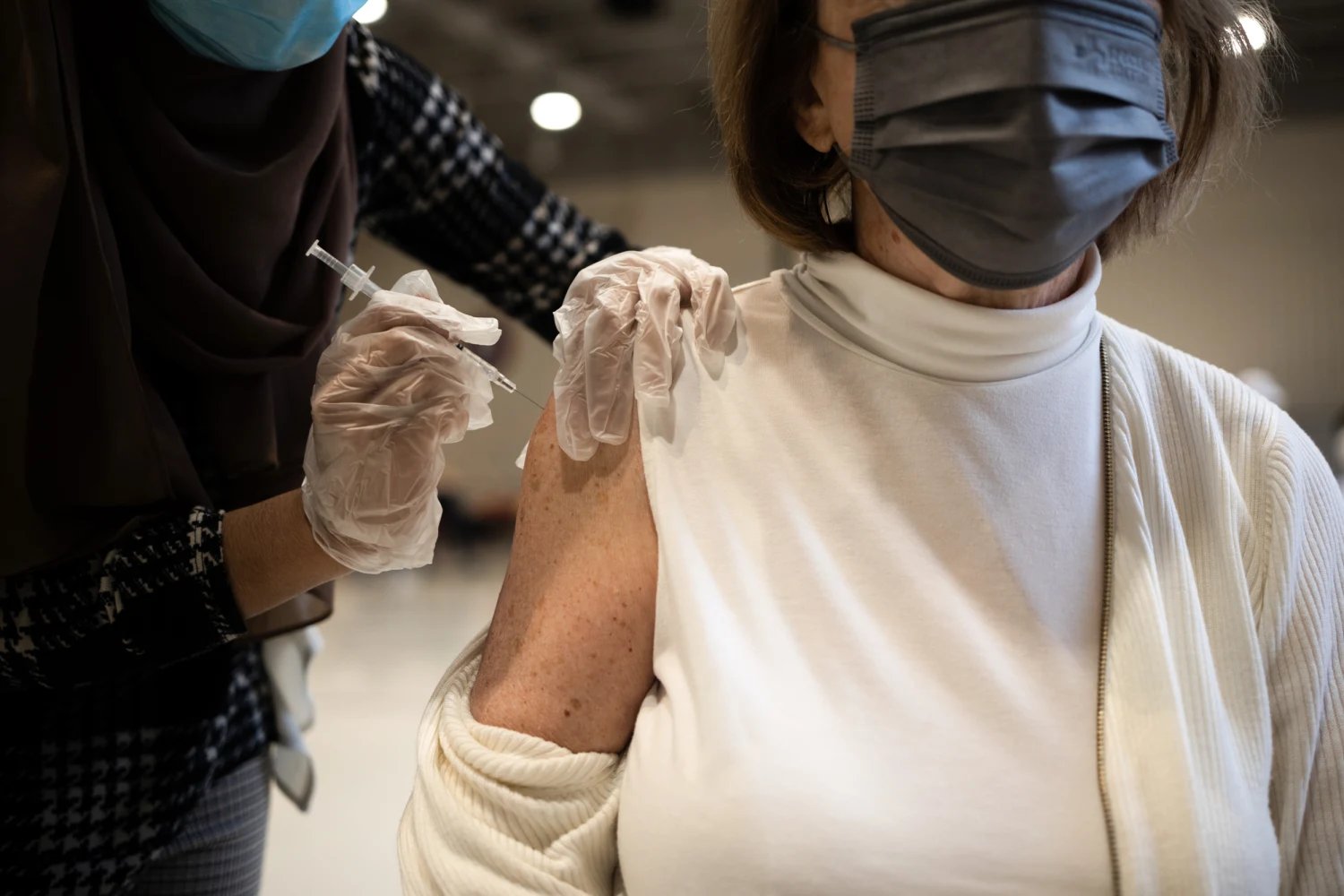
An FDA advisory panel voted 9-0 on Thursday to recommend approval of Moderna's mFlusiva, an mRNA-based flu vaccine designed for adults 50 and older. In a late-stage trial involving over 40,000 participants, the vaccine proved about 27 percent more effective than standard flu shots. For adults 65 and older, a smaller trial of nearly 3,000 people showed the shot produces stronger immune responses than the high-dose flu vaccine currently recommended for that age group.
The unanimous vote represents a significant milestone for mRNA flu vaccines, which could offer public health officials a faster way to respond to evolving flu strains. Hundreds of thousands of Americans are hospitalized with influenza each year, with older adults accounting for the majority of those cases, according to Dr. Lisa Grohskopf, the medical officer for the CDC's flu division.
Speed as a Strategic Advantage
Traditional flu vaccines require manufacturers to select target strains six months in advance, giving the virus time to mutate before the shot reaches patients. Moderna's mRNA platform compresses that timeline to two or three months, allowing vaccine makers to adjust formulations later in the year to match strains actually circulating in the population.
Dr. Jesse Goodman, a former FDA chief scientist at Georgetown University Medical Center, said the ability to update flu vaccines later in the season "may allow more up to date vaccines" than egg-based alternatives. Committee member Dr. Hayley Altman-Gans, a pediatrician at Stanford University Medical Center, called the platform "exciting ways we can actually move our vaccines into the future."
Obstacles to Market Availability
Despite the panel's endorsement, significant hurdles remain before Americans can access mFlusiva this fall. The FDA must grant final approval by its August 5 deadline, and the Centers for Disease Control and Prevention's advisory committee must formally recommend the vaccine. However, that CDC committee is effectively blocked from convening after a federal judge issued a temporary injunction removing nearly all members appointed by Health Secretary Robert F. Kennedy Jr. Kennedy has characterized mRNA COVID vaccines as "the deadliest vaccine ever made."
The HHS Department is appealing the injunction on an expedited schedule extending at least into July. Without CDC recommendations, commercial insurance and federal programs would not be required to cover the vaccine at no cost to patients.
Political Turbulence at the FDA
The vaccine's path to the advisory panel vote was turbulent. In February, then-FDA vaccine chief Vinay Prasad rejected Moderna's application without review, claiming the large trial was inadequate because it did not compare efficacy to a high-dose vaccine in people 65 and older. Prasad made this decision over objections from FDA scientists and career officials. Moderna had previously received FDA approval for its trial design.
Prasad departed the FDA in late April following widespread criticism of his decisions. The agency reversed his rejection of the Moderna vaccine within a week. Karim Mikhail, a former senior adviser to the FDA commissioner, now leads the agency's vaccine division. The FDA currently lacks both a permanent vaccine chief and a commissioner, leaving it unclear who will make the final approval decision.