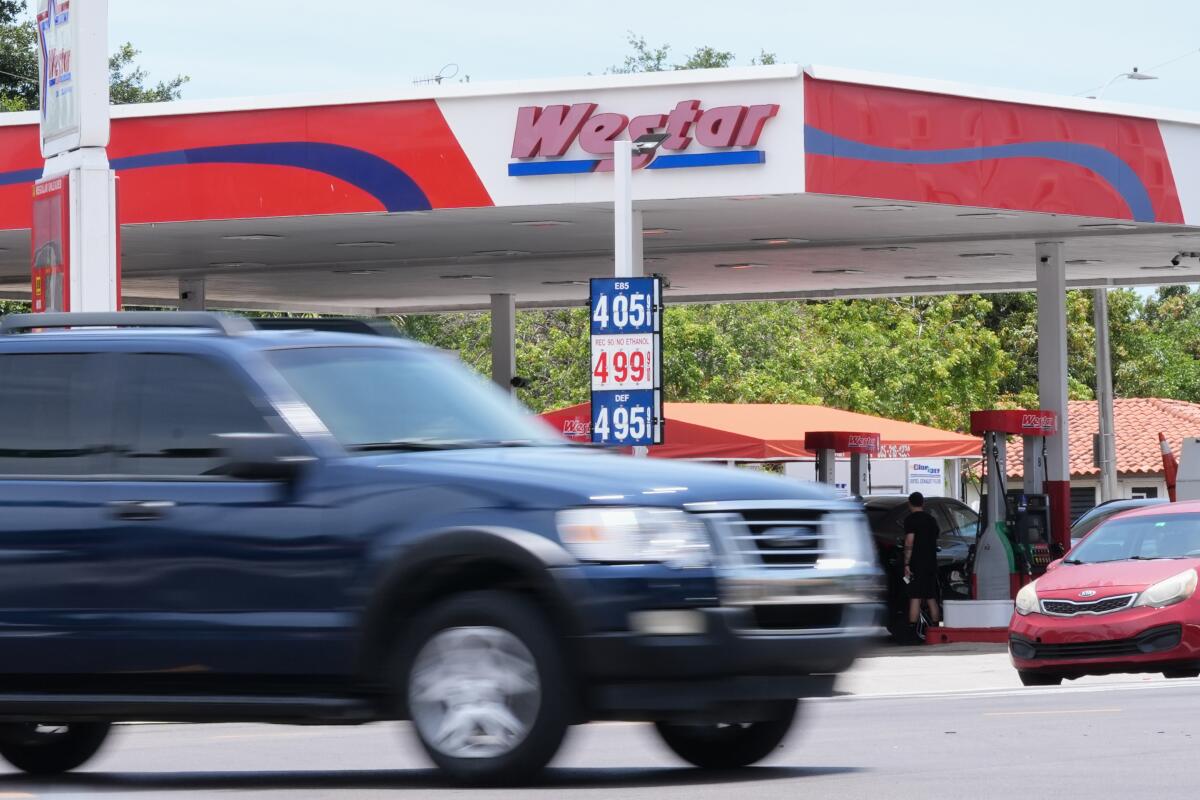
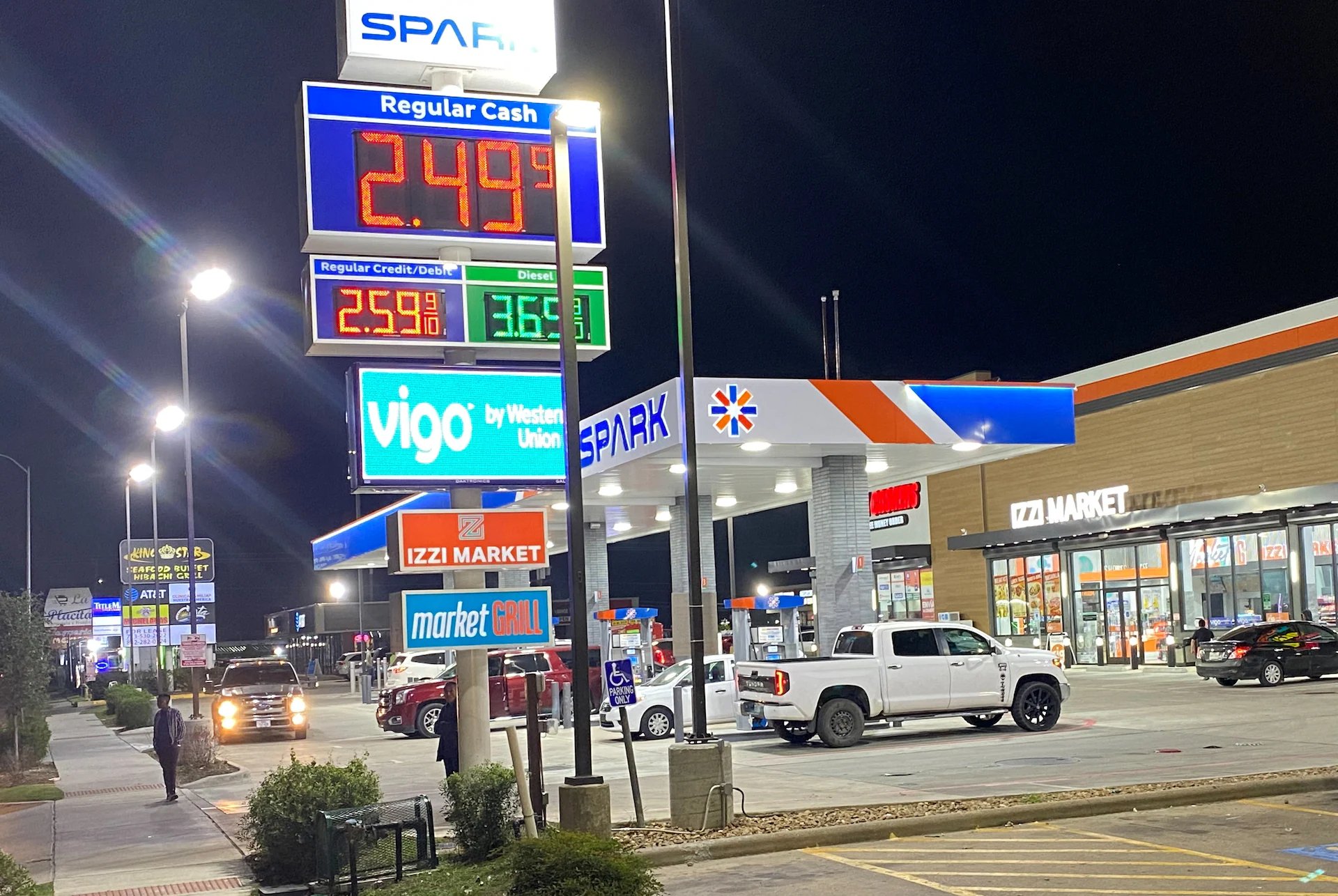
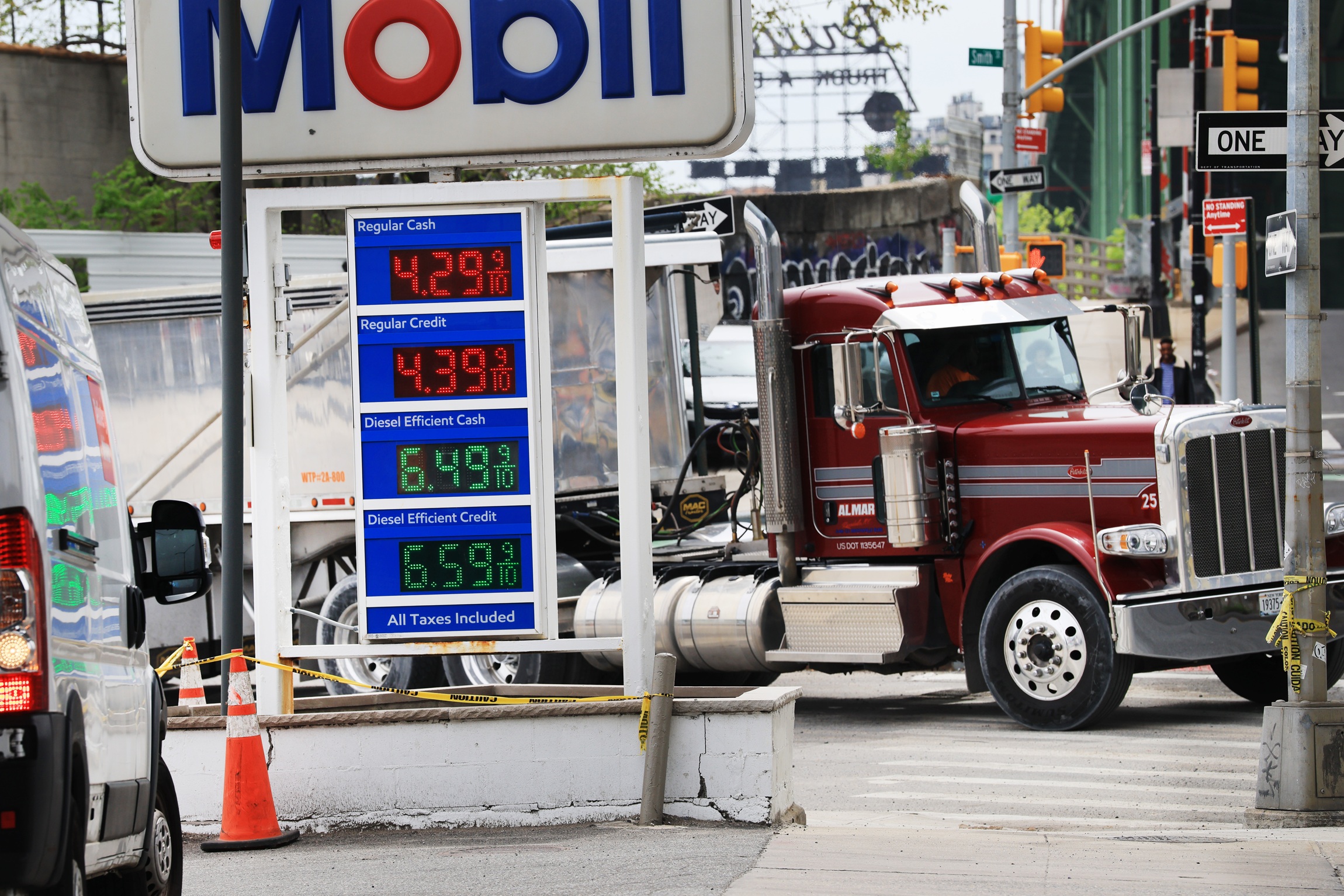
U.S. gasoline prices reached $4.17 per gallon on Tuesday, according to AAA data, with reports of $4.18 on Thursday. This increase reflects a $1.19 jump since the onset of the U.S.-Israeli war on February 28, marking a 28% rise in just two months. The last time prices reached this level was in April 2022, shortly after Russia's invasion of Ukraine, when prices also spiked due to global tensions.
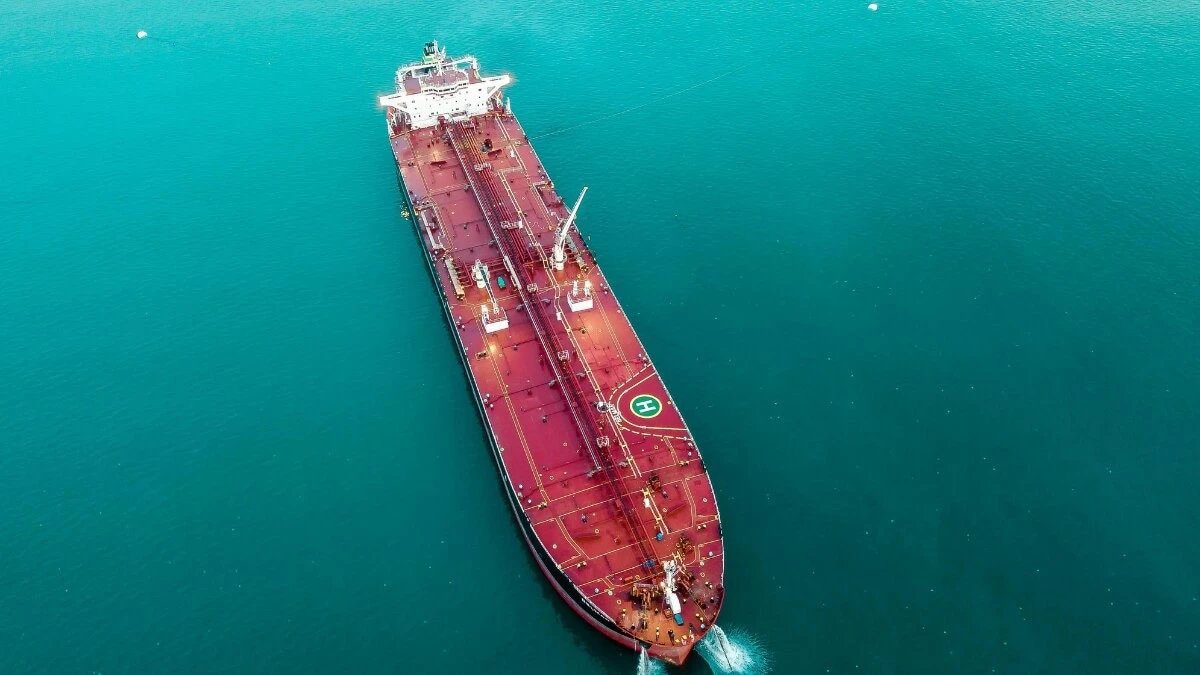
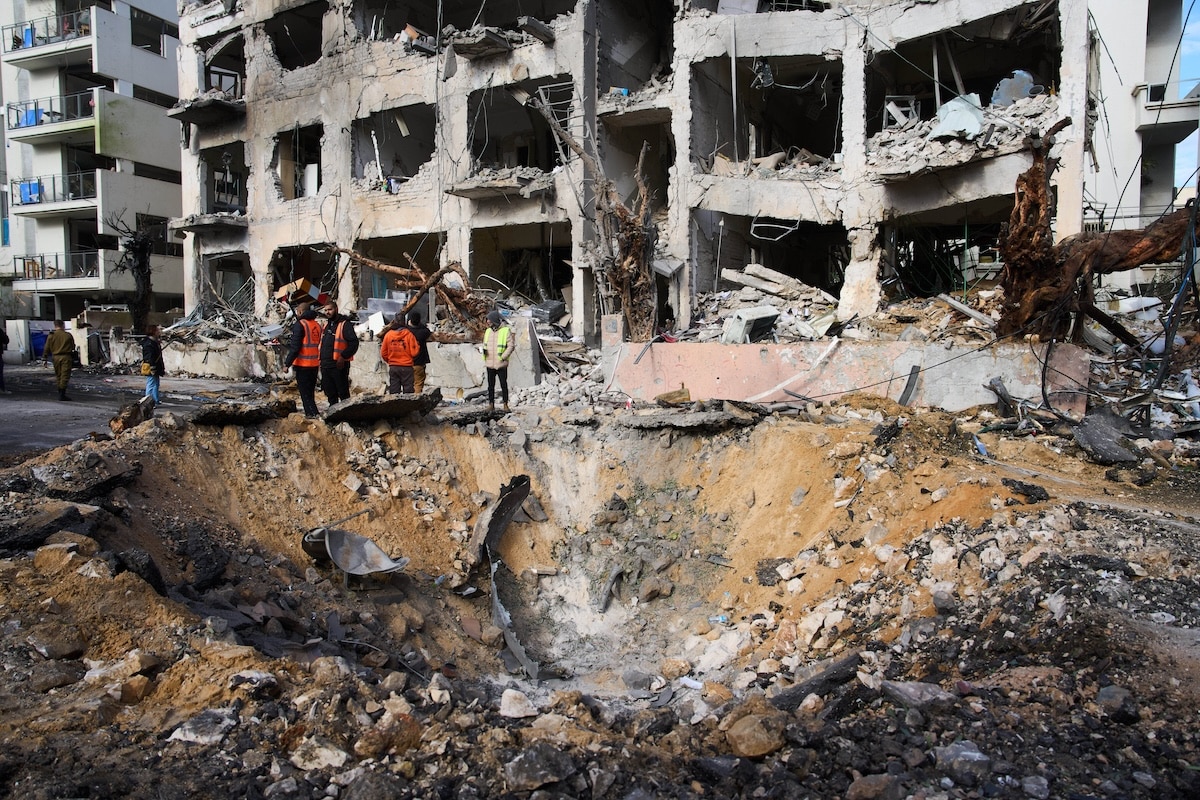
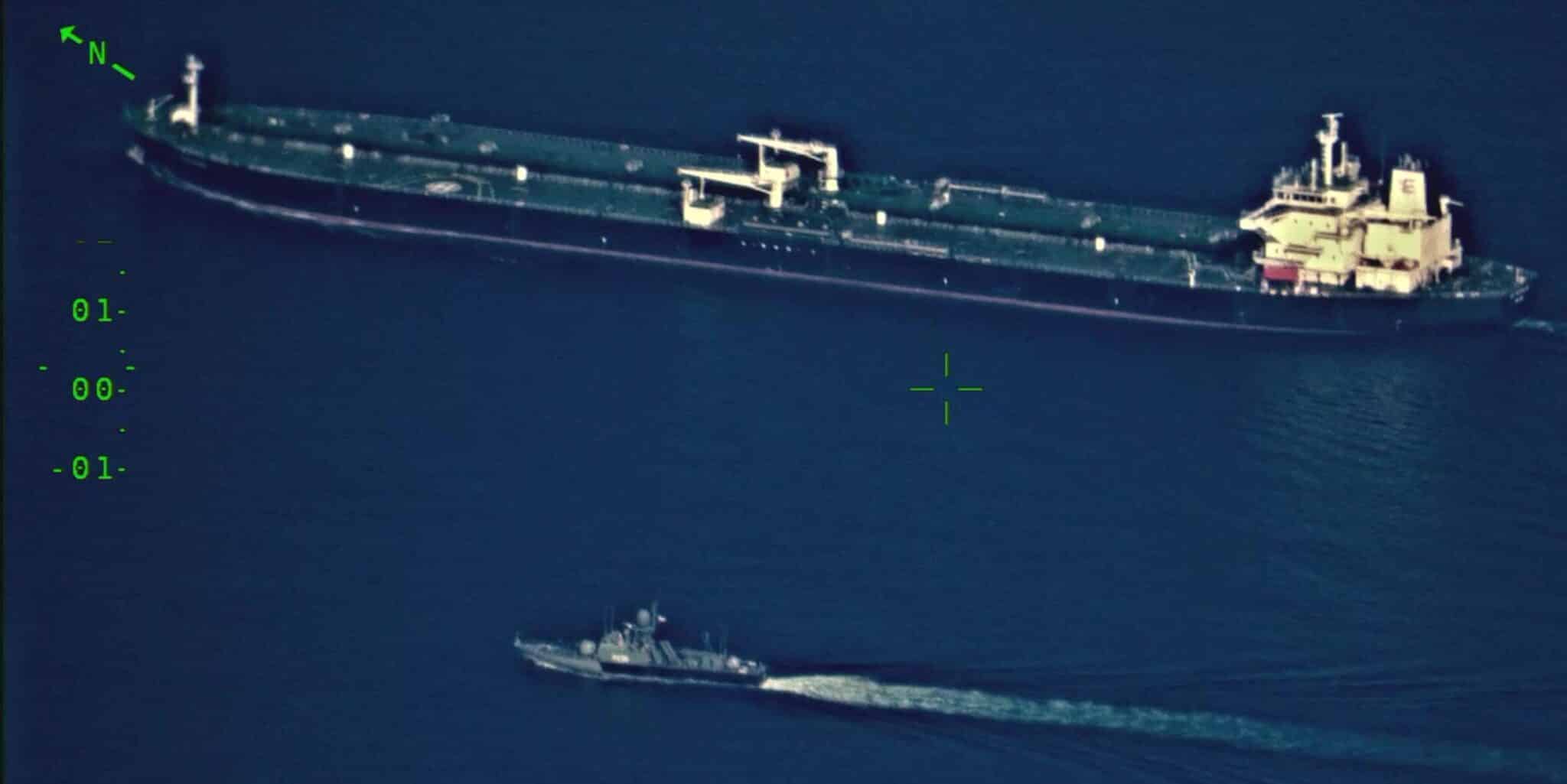
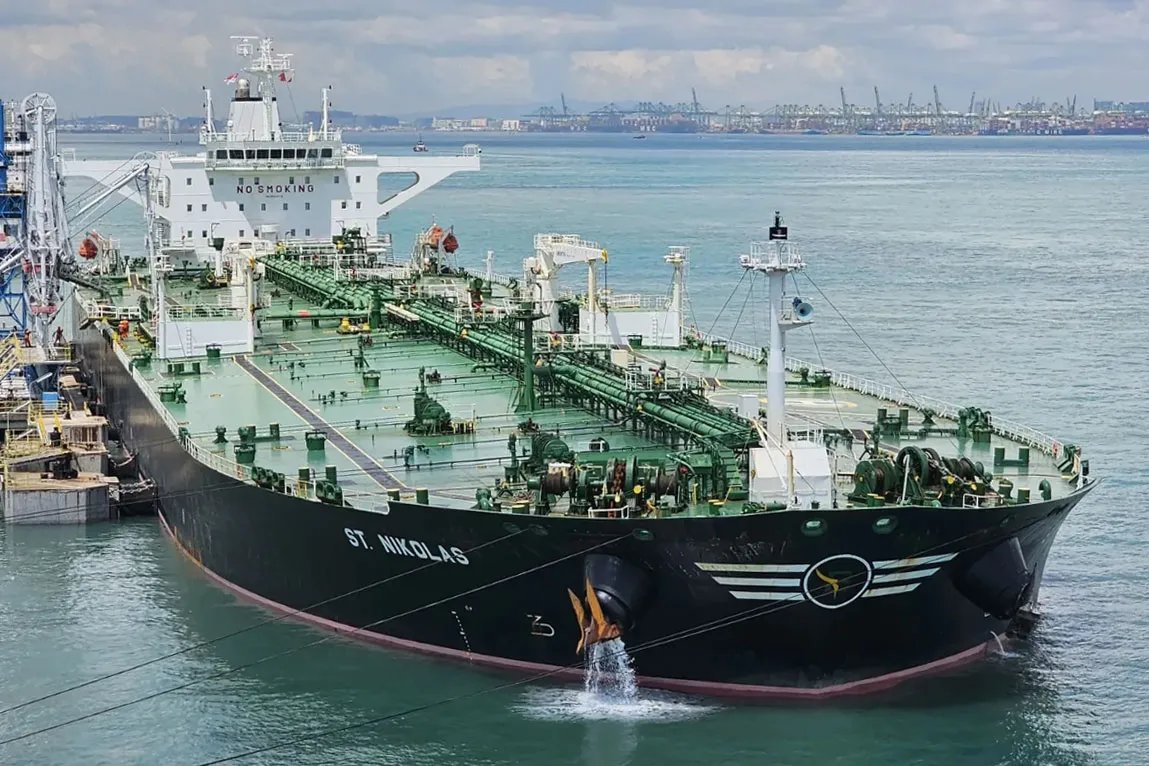
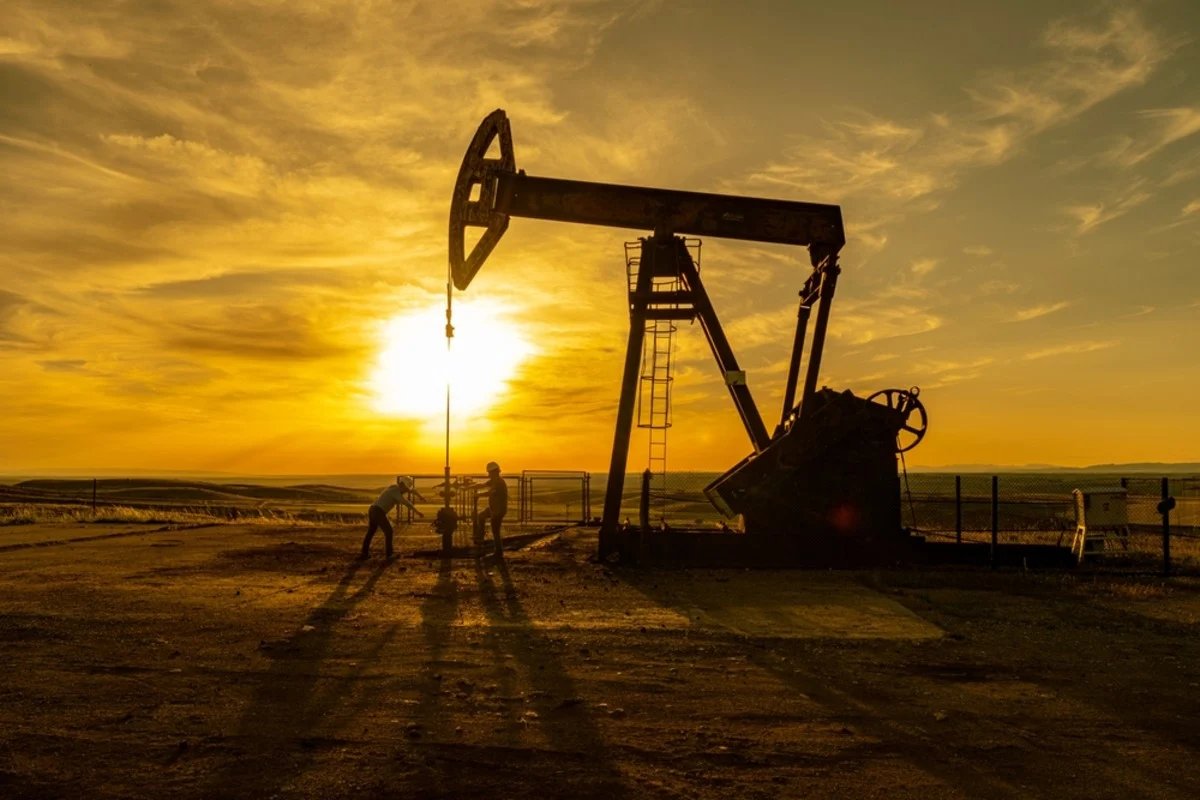
The conflict has led to significant disruptions in global oil supply, particularly following the Iranian closure of the Strait of Hormuz. This strait is critical for the transport of about one-fifth of the world's oil supply. As a result, U.S. oil futures traded at around $99 a barrel, representing over a 50% increase from pre-war levels. Crude oil, which constitutes more than half of the price consumers pay at the pump, has been a driving force behind the escalating gasoline prices.
Gas prices vary significantly across the United States, influenced by local supply and demand dynamics. For instance, in Texas, the average price is $3.72 per gallon, while in California, it has soared to $5.96 per gallon. These disparities highlight how oil-producing states benefit from lower prices compared to those that rely heavily on imported fuel.
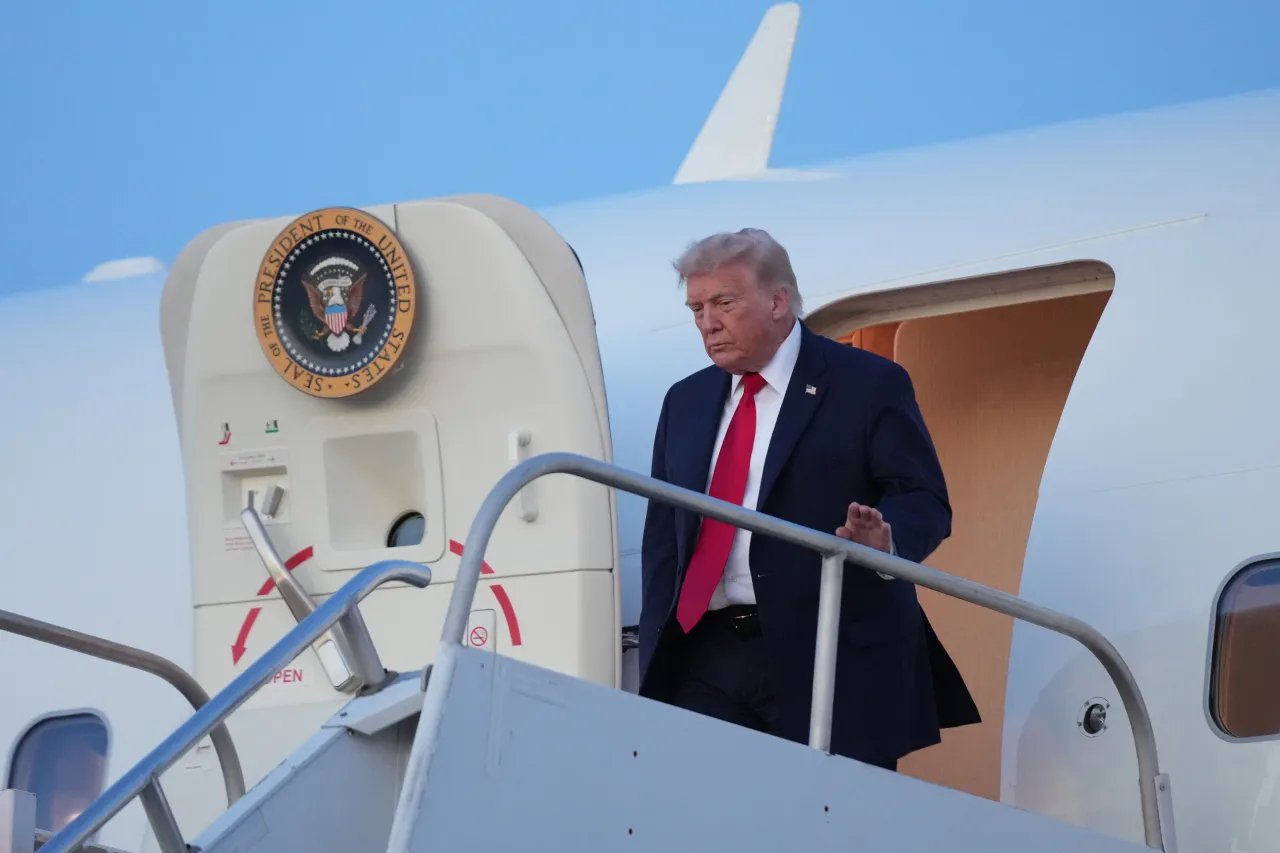
The surge in gasoline prices can be attributed to stalled negotiations regarding the reopening of the Strait of Hormuz. Reports indicate that Donald Trump expressed dissatisfaction with Iran's proposals, which included demands for the U.S. to lift its naval blockade of the strait. Meanwhile, Brent crude, the global benchmark, rose to $111 a barrel, nearly 60% higher than averages seen prior to the conflict.
Western oil companies are reaping the rewards of elevated oil prices. BP announced that its profits more than doubled in the first quarter of the year, reaching $3.2 billion. This financial boon comes as companies in the Middle East face challenges due to the ongoing conflict, allowing Western firms to gain a competitive edge in the market.
With average gas prices now $1 higher than just a year ago, when they hovered around $3.15 per gallon, families across the country will feel the strain at the pump.
U.S. gasoline prices have surged to their highest level in four years, currently averaging $4.17 per gallon, according to AAA data. This increase reflects a $1.19 jump since the onset of the U.S.-Israeli war on February 28, marking a 28% rise in just two months. The last time prices reached this level was in April 2022, shortly after Russia's invasion of Ukraine, when prices also spiked due to global tensions.
The conflict has led to significant disruptions in global oil supply, particularly following the Iranian closure of the Strait of Hormuz. This strait is critical for the transport of about one-fifth of the world's oil supply. As a result, U.S. oil futures traded at around $99 a barrel, representing over a 50% increase from pre-war levels. Crude oil, which constitutes more than half of the price consumers pay at the pump, has been a driving force behind the escalating gasoline prices.
Gas prices vary significantly across the United States, influenced by local supply and demand dynamics. For instance, in Texas, the average price is $3.72 per gallon, while in California, it has soared to $5.96 per gallon. These disparities highlight how oil-producing states benefit from lower prices compared to those that rely heavily on imported fuel.
The surge in gasoline prices can be attributed to stalled negotiations regarding the reopening of the Strait of Hormuz. Reports indicate that Donald Trump expressed dissatisfaction with Iran's proposals, which included demands for the U.S. to lift its naval blockade of the strait. Meanwhile, Brent crude, the global benchmark, rose to $111 a barrel, nearly 60% higher than averages seen prior to the conflict.
Western oil companies are reaping the rewards of elevated oil prices. BP announced that its profits more than doubled in the first quarter of the year, reaching $3.2 billion. This financial boon comes as companies in the Middle East face challenges due to the ongoing conflict, allowing Western firms to gain a competitive edge in the market.
The rising gasoline prices are expected to have a ripple effect on household budgets and consumer spending. As fuel costs climb, consumers may find themselves adjusting their spending habits, potentially impacting economic growth. With average gas prices now $1 higher than just a year ago, when they hovered around $3.15 per gallon, families across the country will feel the strain at the pump.
The increasing gasoline prices serve as a stark reminder of how global conflicts can directly affect everyday life and financial stability for American consumers.
Highlighted text was flagged by the council. Tap to see feedback.