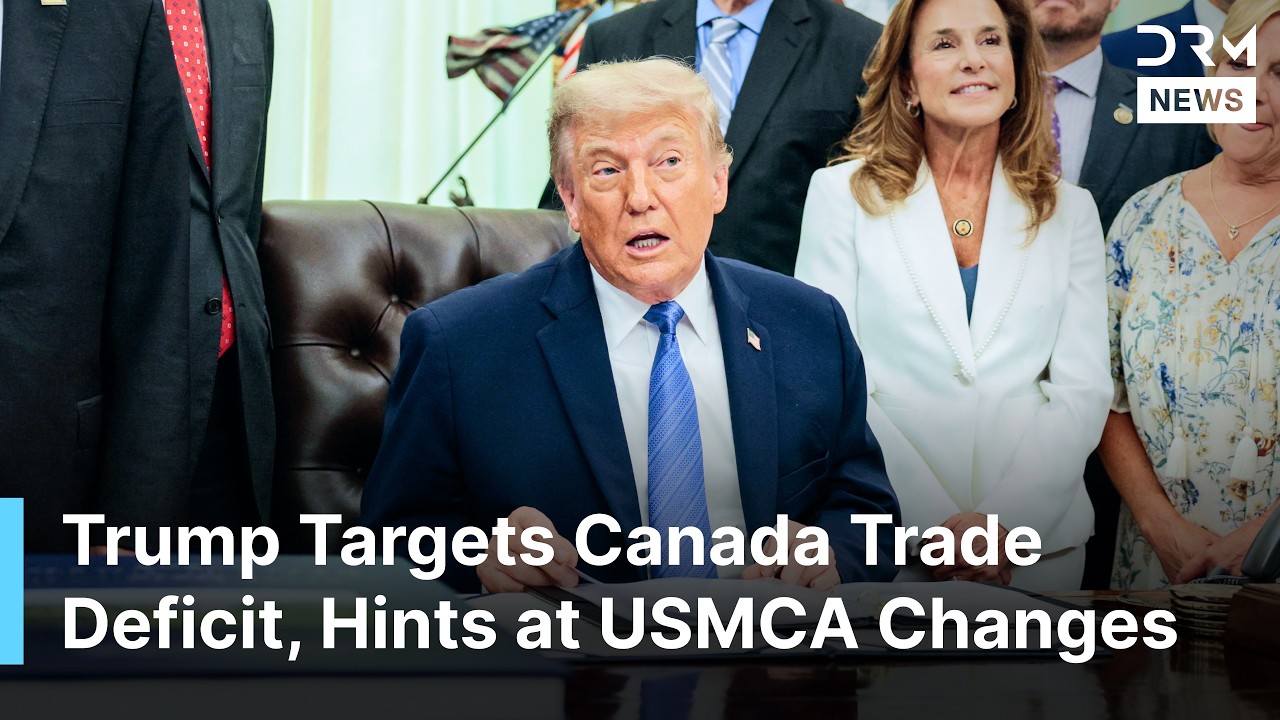
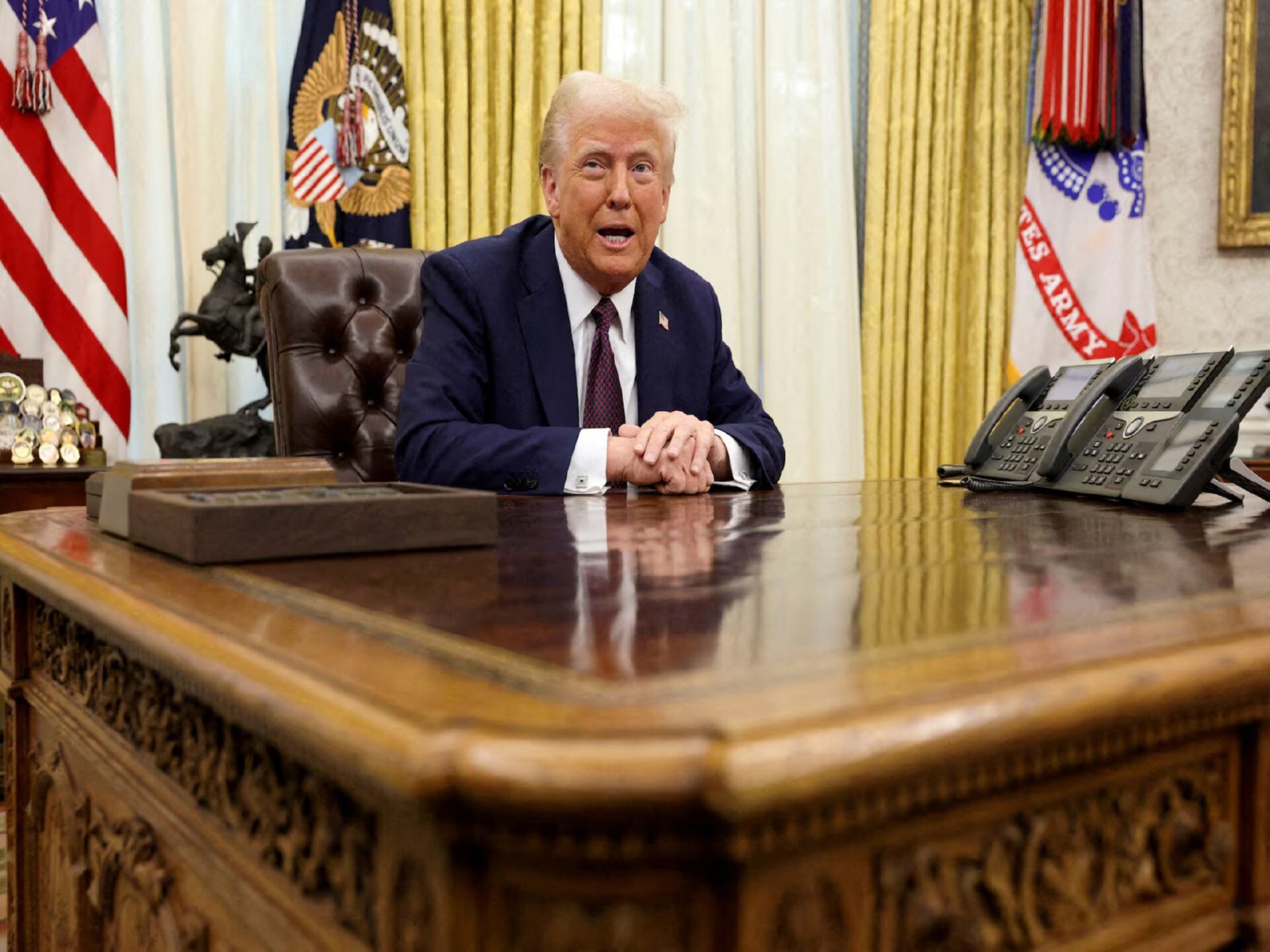
President Donald Trump stated on Wednesday that he may not renew the United States-Mexico-Canada Agreement (USMCA), which replaced the North American Free Trade Agreement (NAFTA) six years ago. "I'm not looking to renew it," Trump told reporters at the White House, emphasizing his dissatisfaction with trade deficits involving Canada and Mexico. He added, "We don't need anything that Canada has. We don't need anything that Mexico has, but they need everything that we have. They have to treat us better."
The current agreement requires the three countries to either approve a renewal by July 1 or signal their intention to exit the pact. If they choose to exit, it would initiate a process lasting up to ten years, allowing for potential amendments.
Despite Trump's remarks, discussions are ongoing. The U.S. Trade Representative's Office announced that U.S. and Mexican officials will meet in Washington on June 16 and 17 to negotiate key issues, including agriculture and ensuring a "level playing field." A subsequent meeting in Mexico City is scheduled for the week of July 20. Meanwhile, Canada's Minister responsible for Canada-U.S. trade, Dominic LeBlanc, reported a positive meeting regarding the review of the trade deal, although no formal negotiations with the U.S. have been set.
As the deadline for renewal approaches, the focus will be on upcoming negotiations and how both Canada and Mexico respond to Trump's statements. The administration's approach to trade relations could redefine economic ties in North America, impacting millions of workers and consumers.
President Donald Trump stated on Wednesday that he may not renew the United States-Mexico-Canada Agreement (USMCA), which replaced the North American Free Trade Agreement (NAFTA) six years ago. “I’m not looking to renew it,” Trump told reporters at the White House, emphasizing his dissatisfaction with trade deficits involving Canada and Mexico. He added, “We don’t need anything that Canada has. We don’t need anything that Mexico has, but they need everything that we have. They have to treat us better.”
The current agreement requires the three countries to either approve a renewal by July 1 or signal their intention to exit the pact. If they choose to exit, it would initiate a process lasting up to ten years, allowing for potential amendments. The comments from Trump raise concerns about the stability of trade relations in North America, particularly for industries reliant on cross-border commerce.
Despite Trump’s remarks, discussions are ongoing. The U.S. Trade Representative’s Office announced that U.S. and Mexican officials will meet in Washington on June 16 and 17 to negotiate key issues, including agriculture and ensuring a “level playing field.” A subsequent meeting in Mexico City is scheduled for the week of July 20. Meanwhile, Canada’s Minister responsible for Canada-U.S. trade, Dominic LeBlanc, reported a positive meeting regarding the review of the trade deal, although no formal negotiations with the U.S. have been set.
The potential withdrawal from the USMCA could have significant economic repercussions. Experts warn that the disruption of trade agreements may lead to increased prices for consumers and a slowdown in economic growth. Industries such as automotive and agriculture, which heavily depend on cross-border trade, are particularly vulnerable. The uncertainty surrounding the agreement could also deter investment as businesses assess the risks of changing trade policies.
As the deadline for renewal approaches, the focus will be on upcoming negotiations and how both Canada and Mexico respond to Trump’s statements. The administration's approach to trade relations could redefine economic ties in North America, impacting millions of workers and consumers. Stakeholders across various sectors will be closely monitoring developments as they prepare for possible changes in trade dynamics.
Highlighted text was flagged by the council. Tap to see feedback.