The seizure and its timing
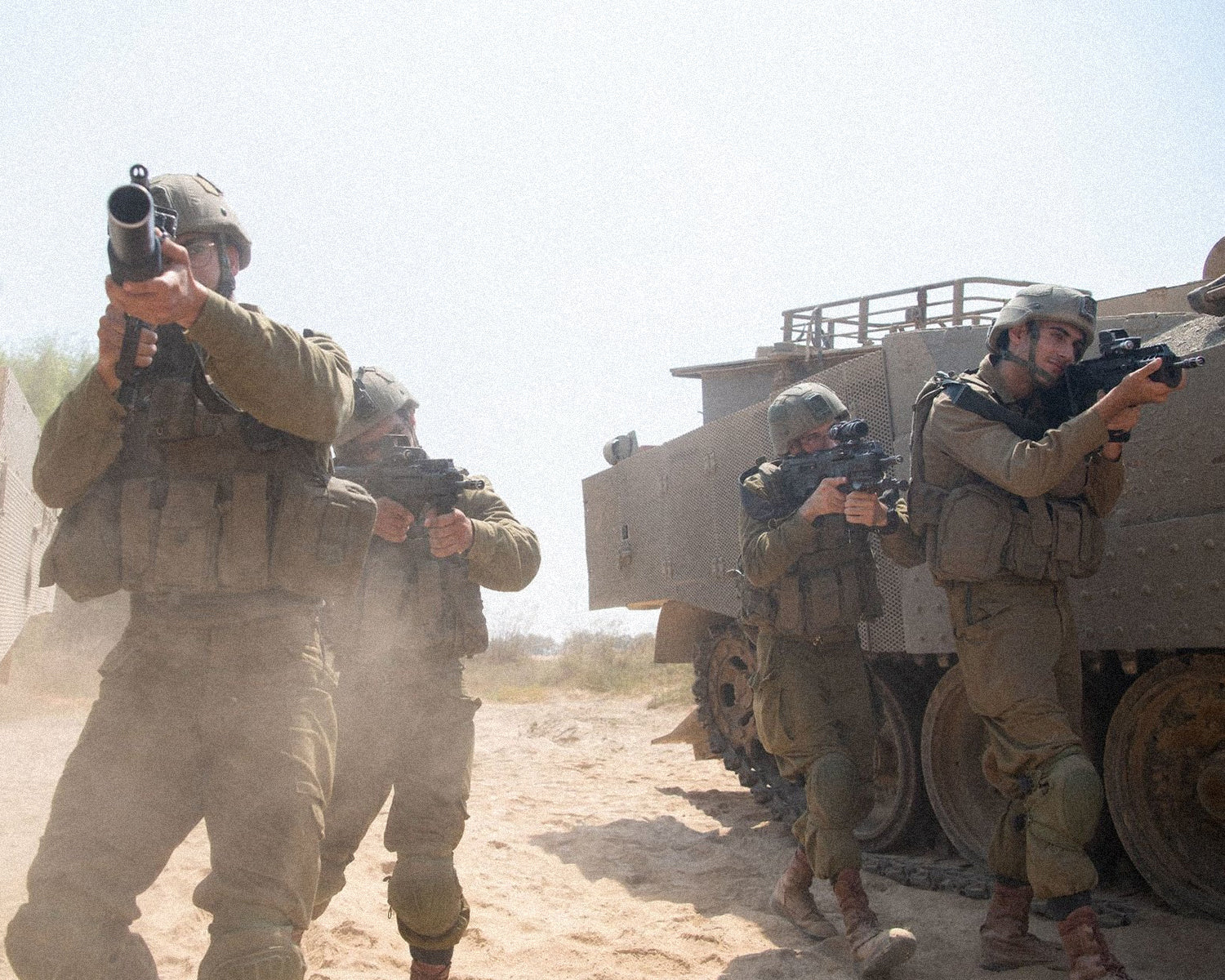
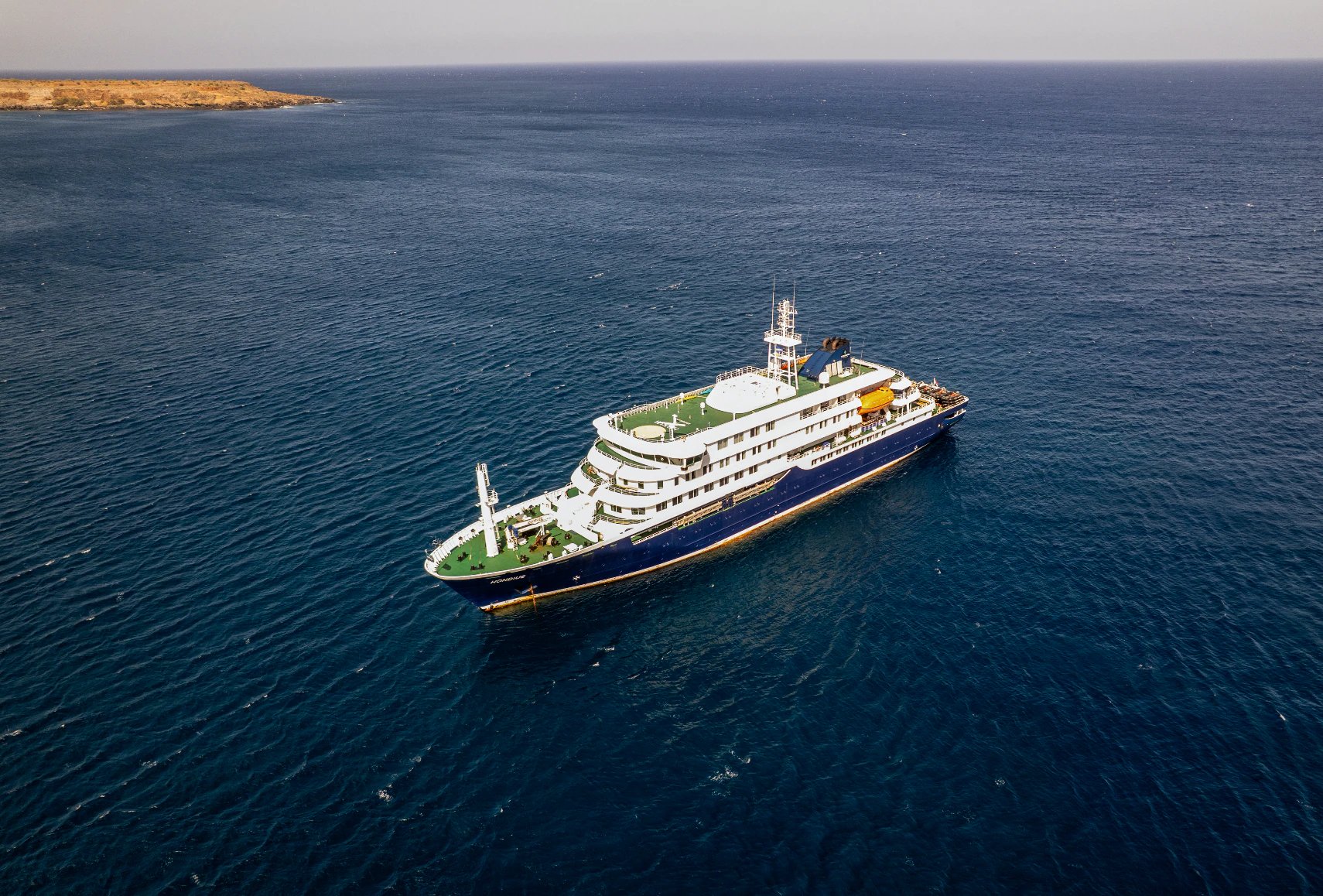
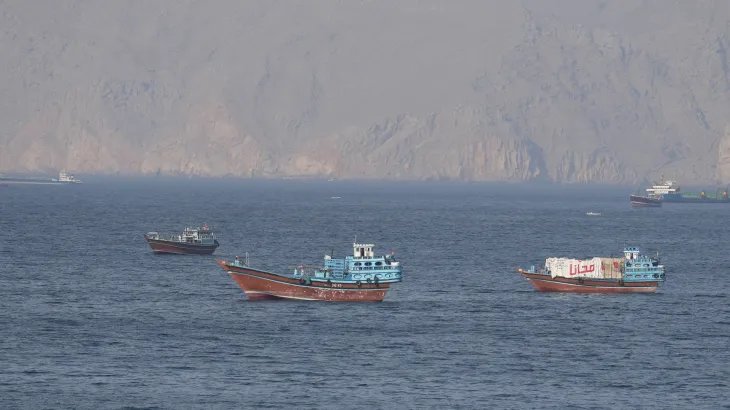
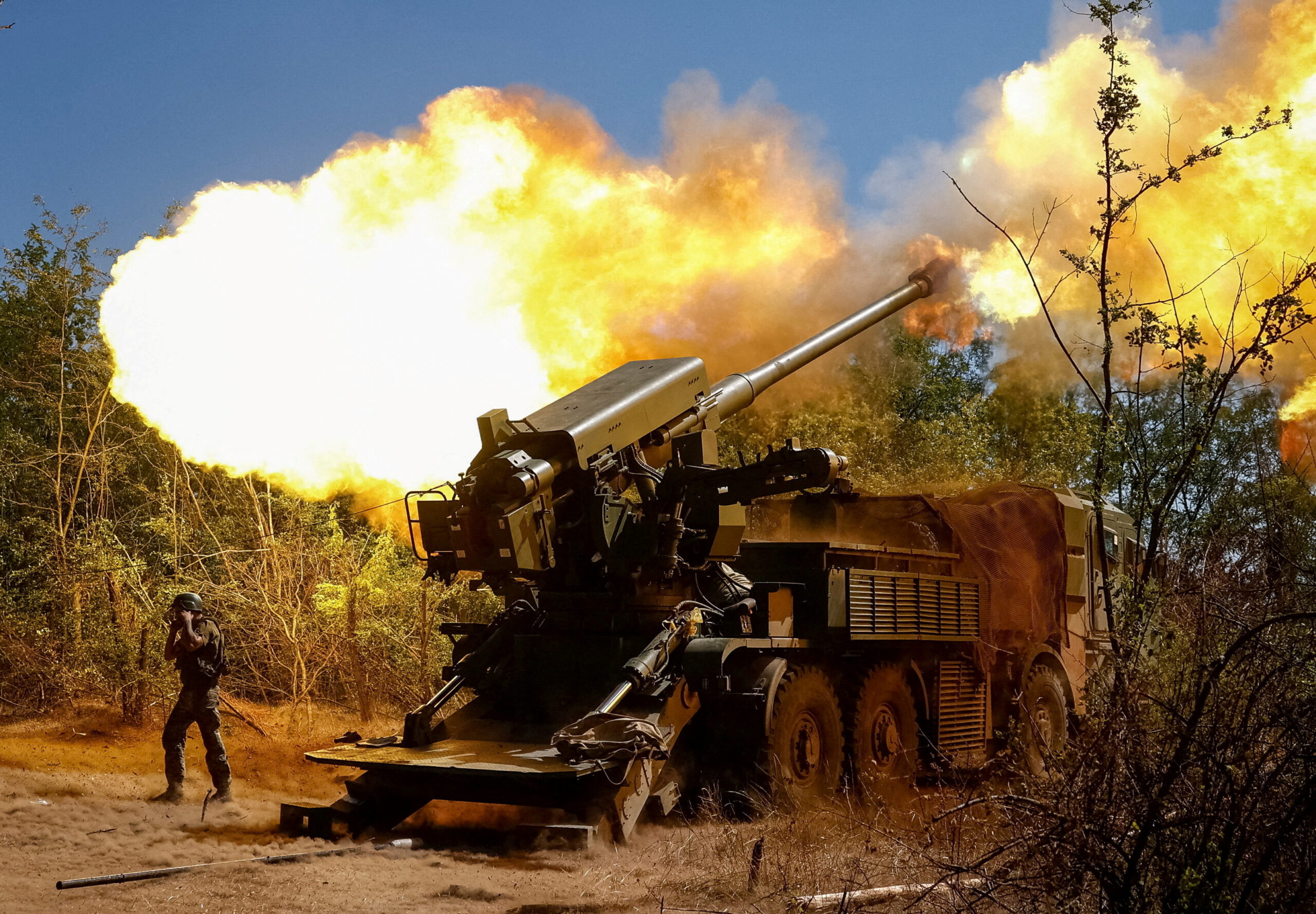
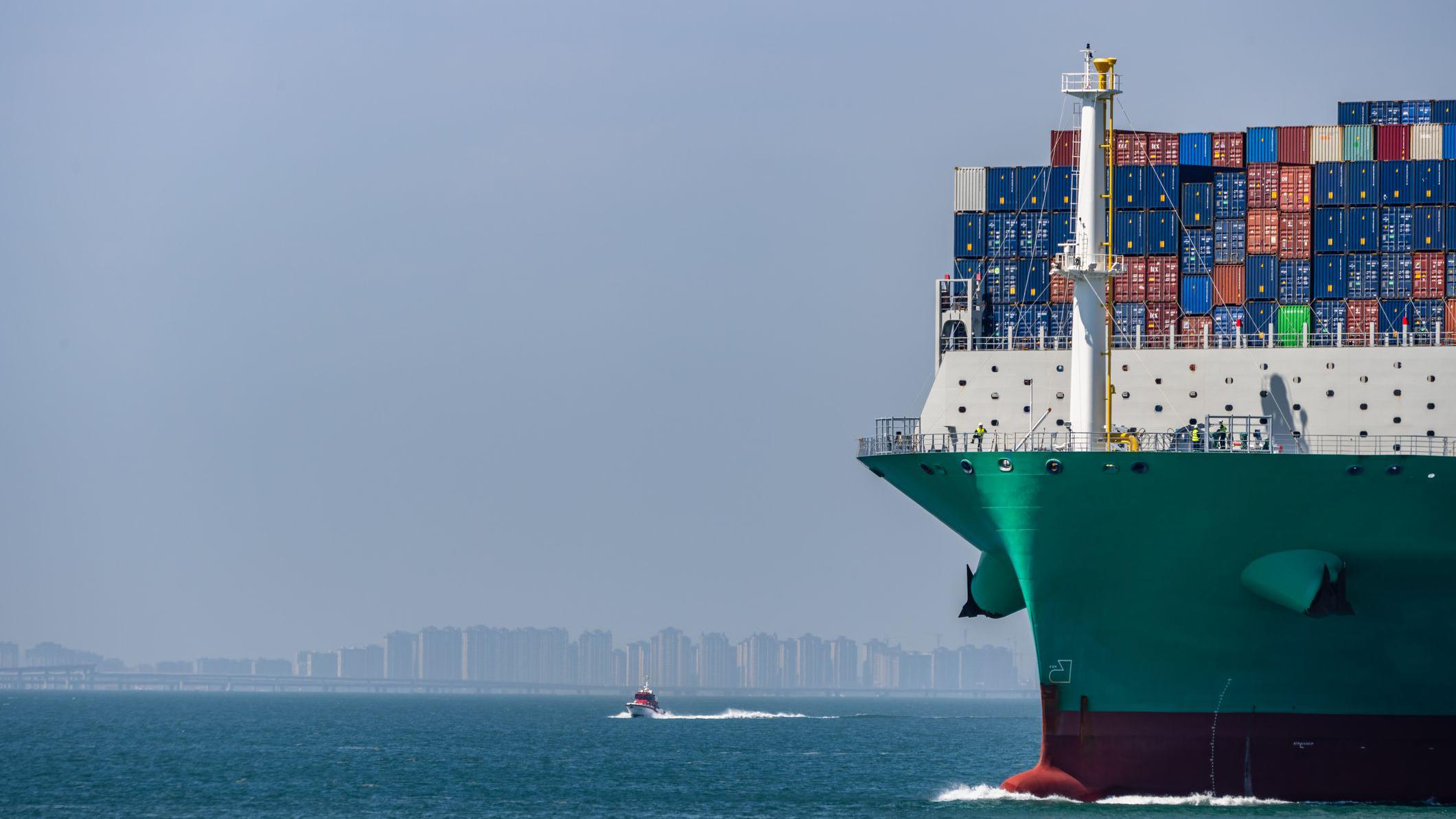
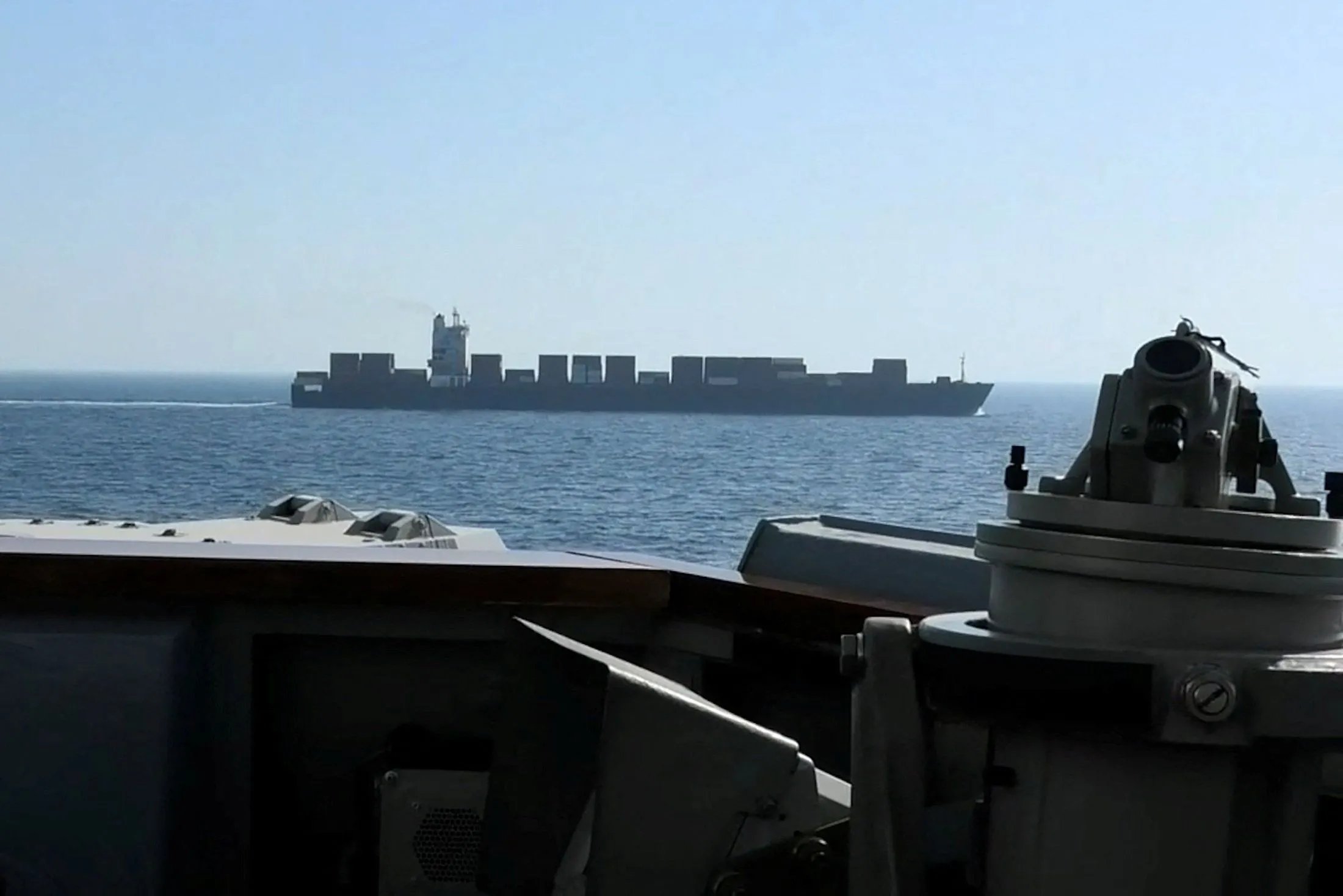
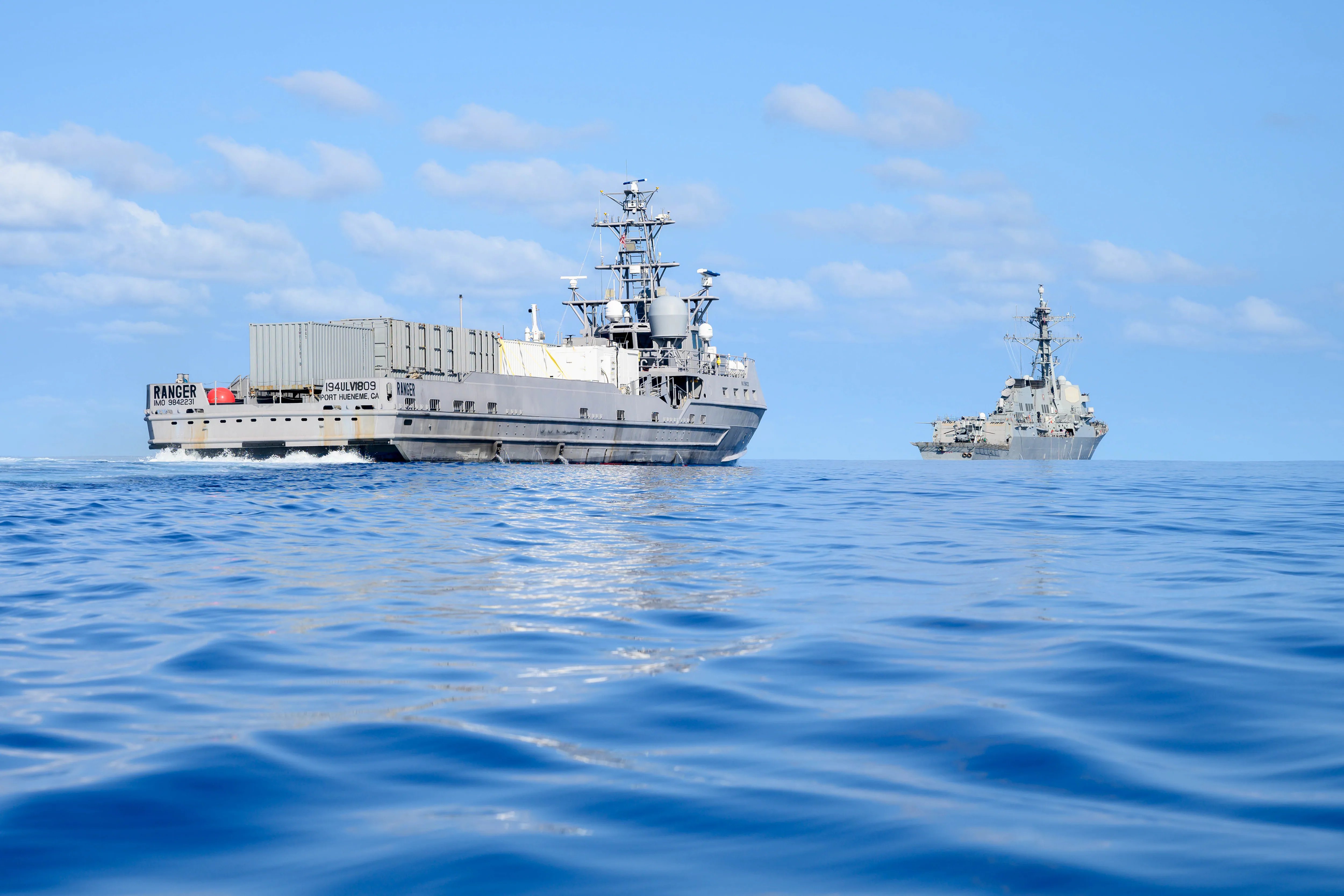
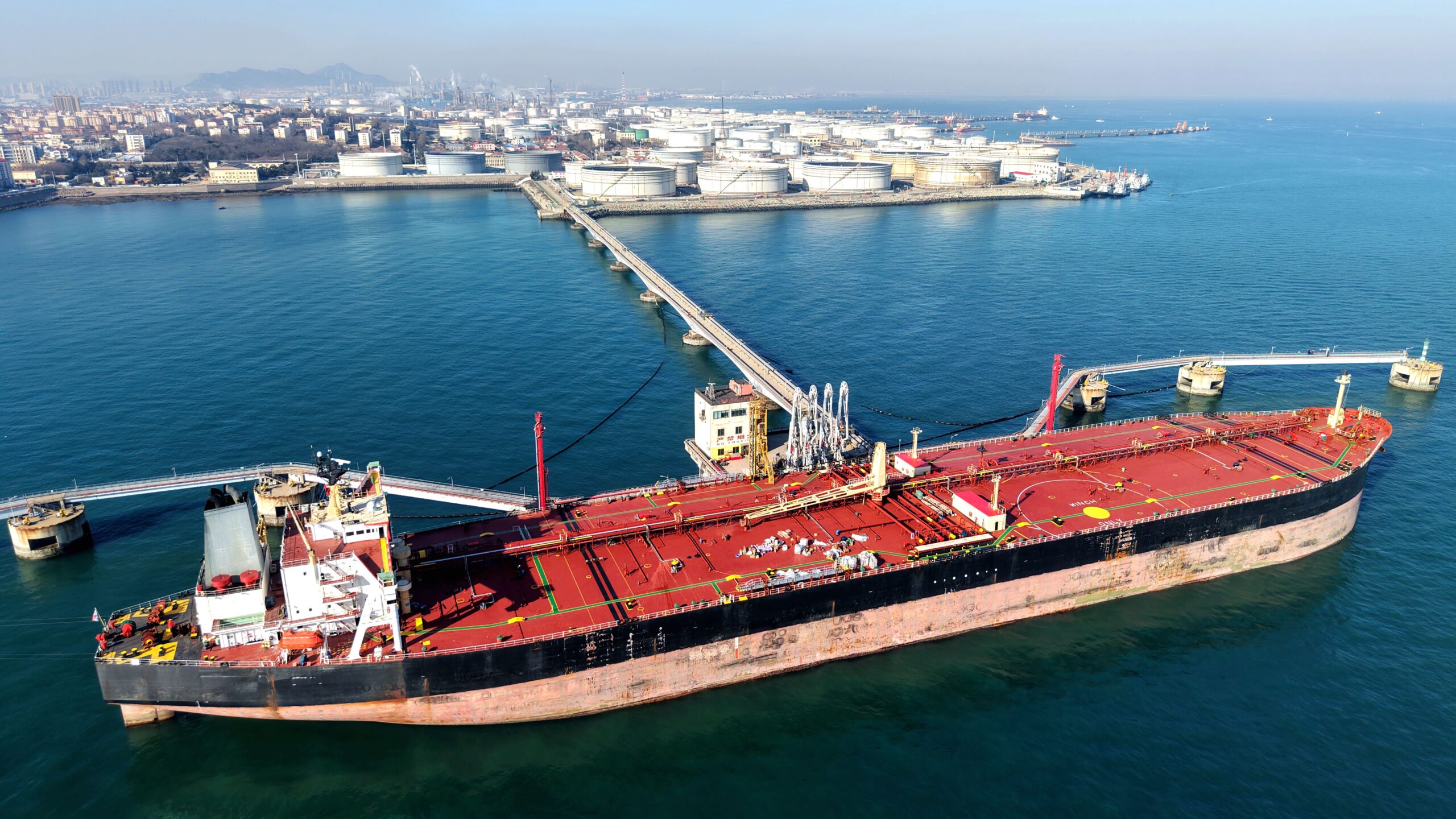
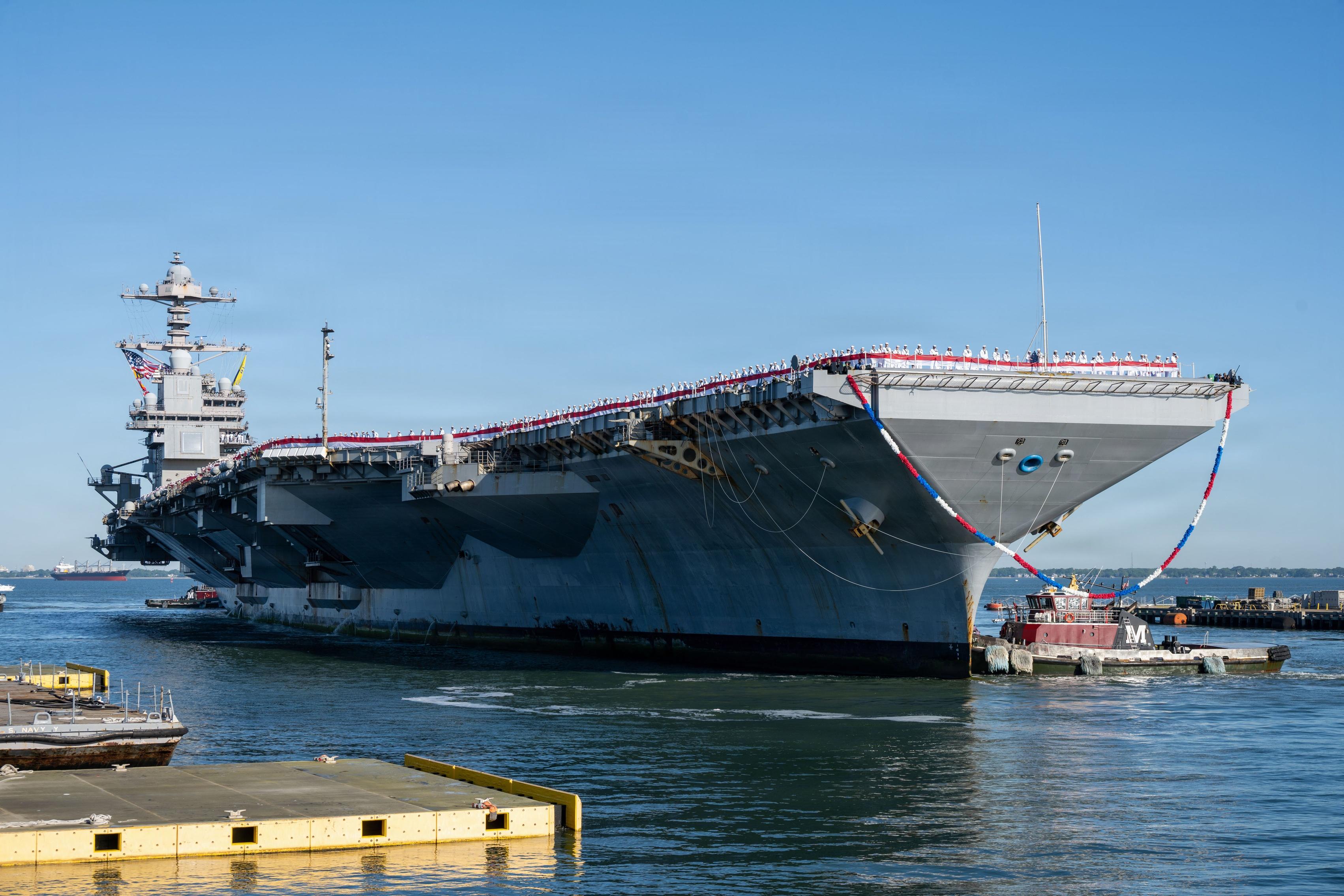
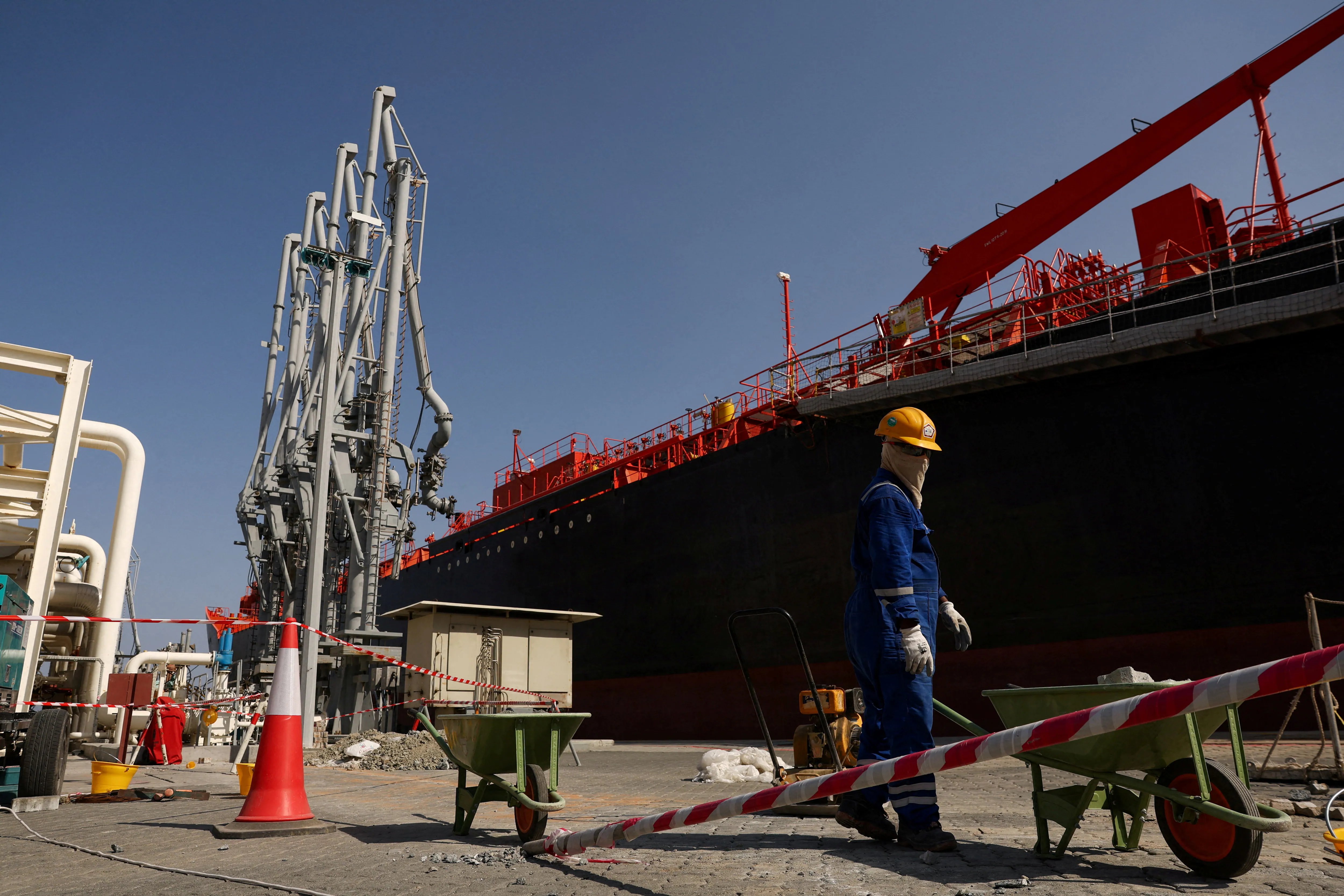
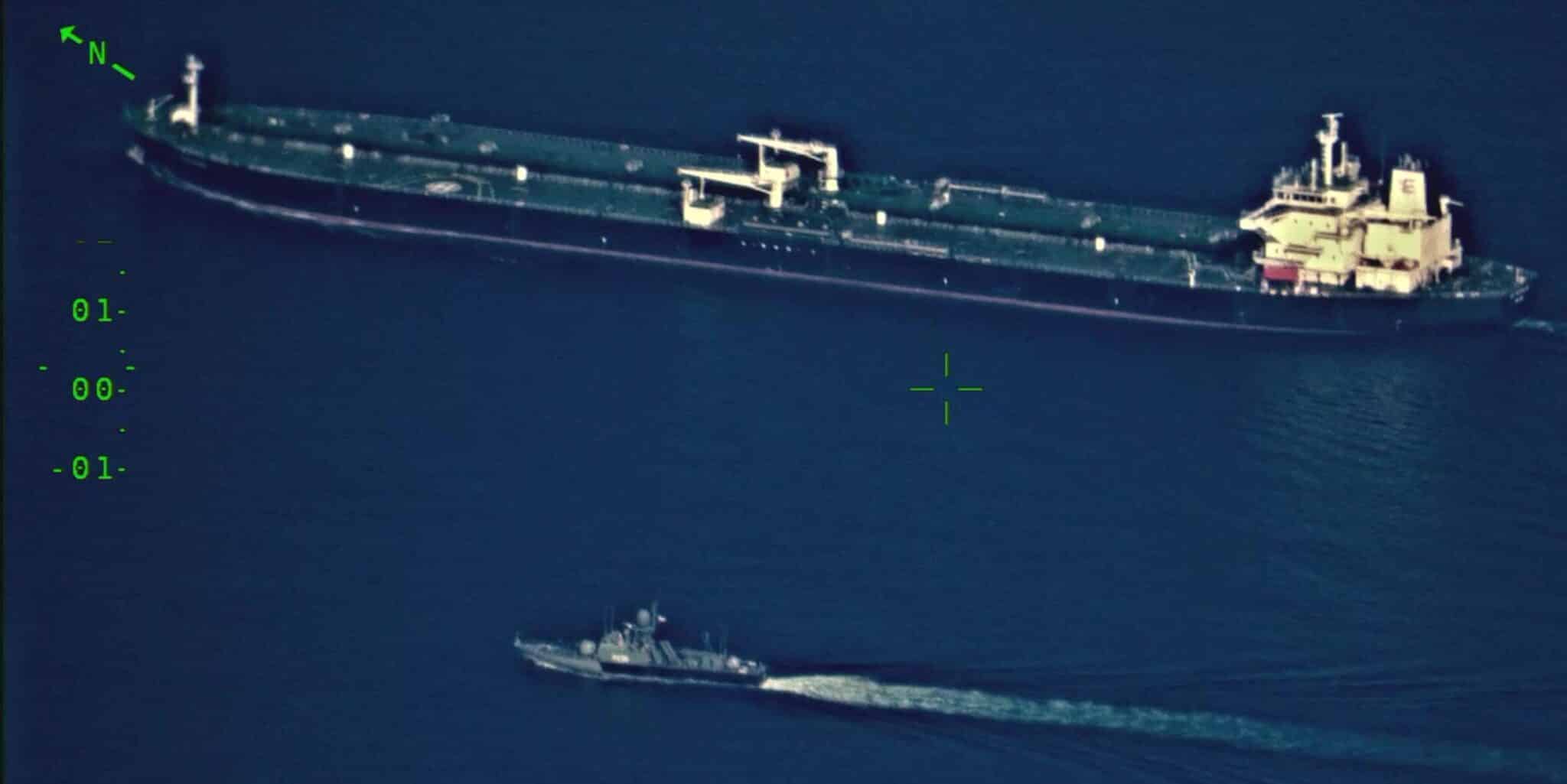
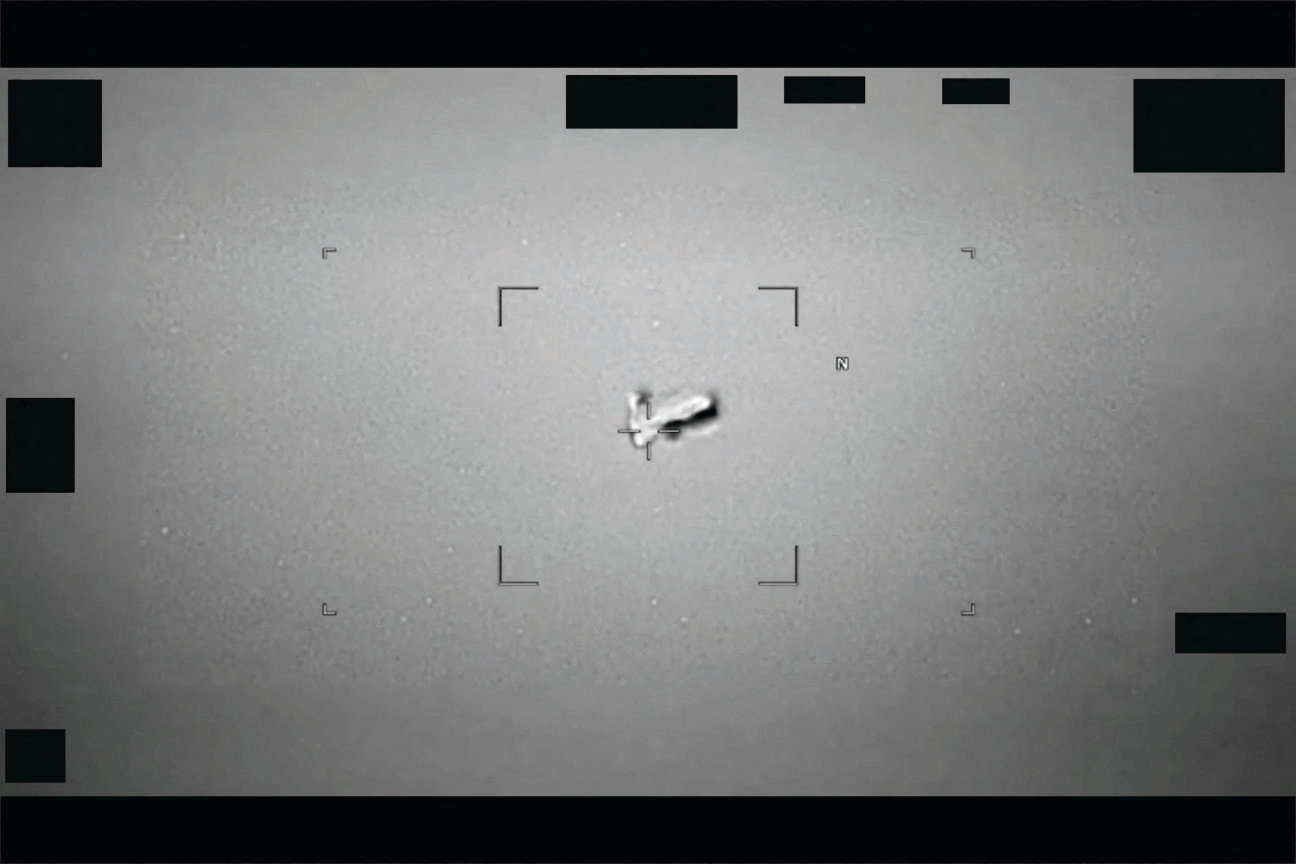
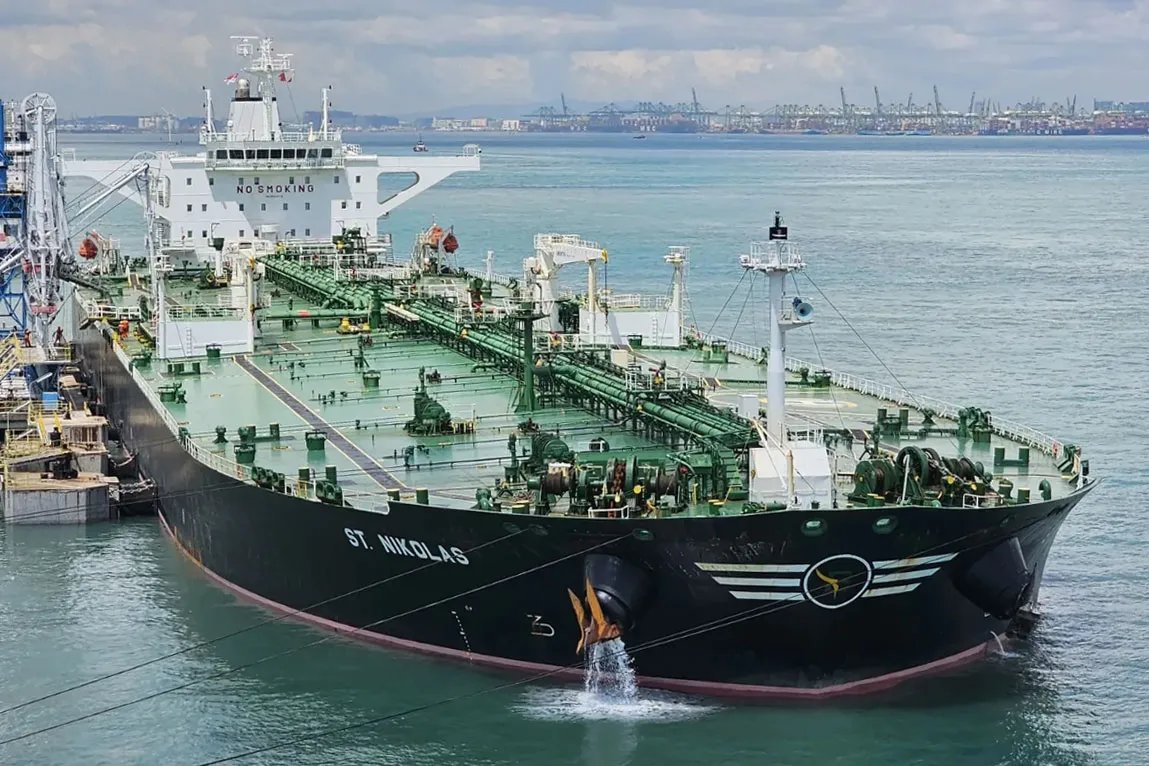
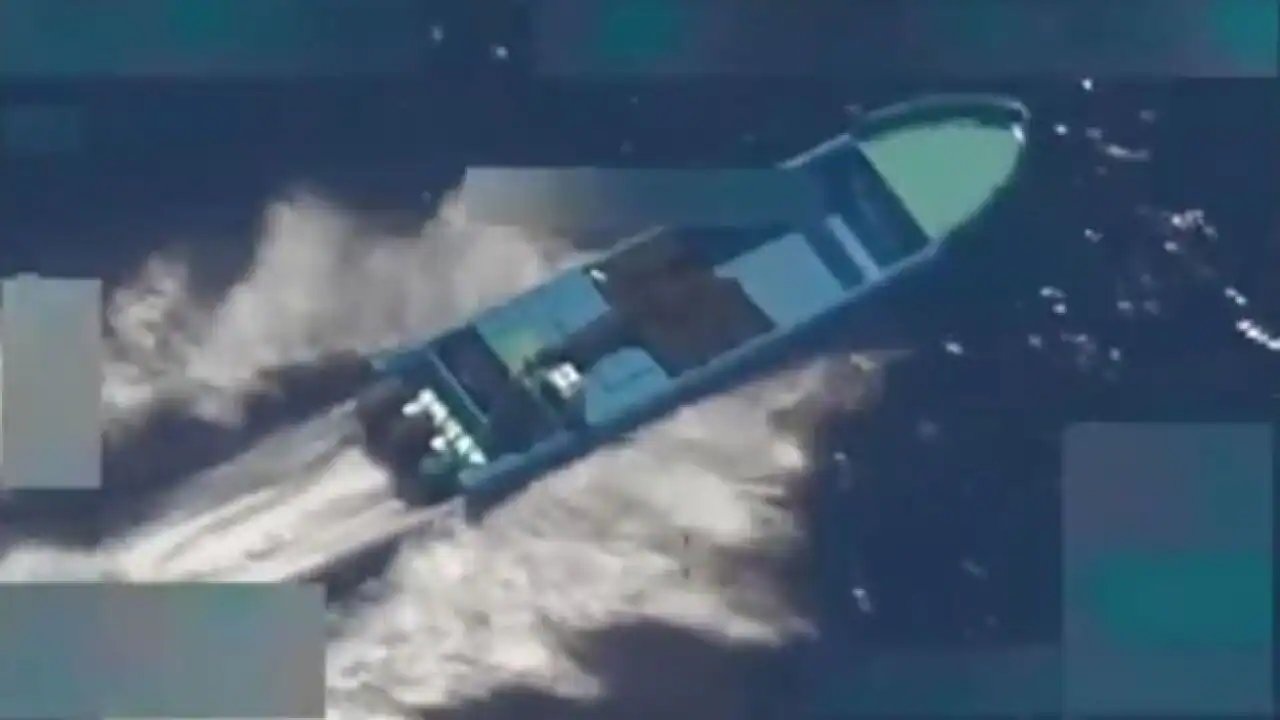
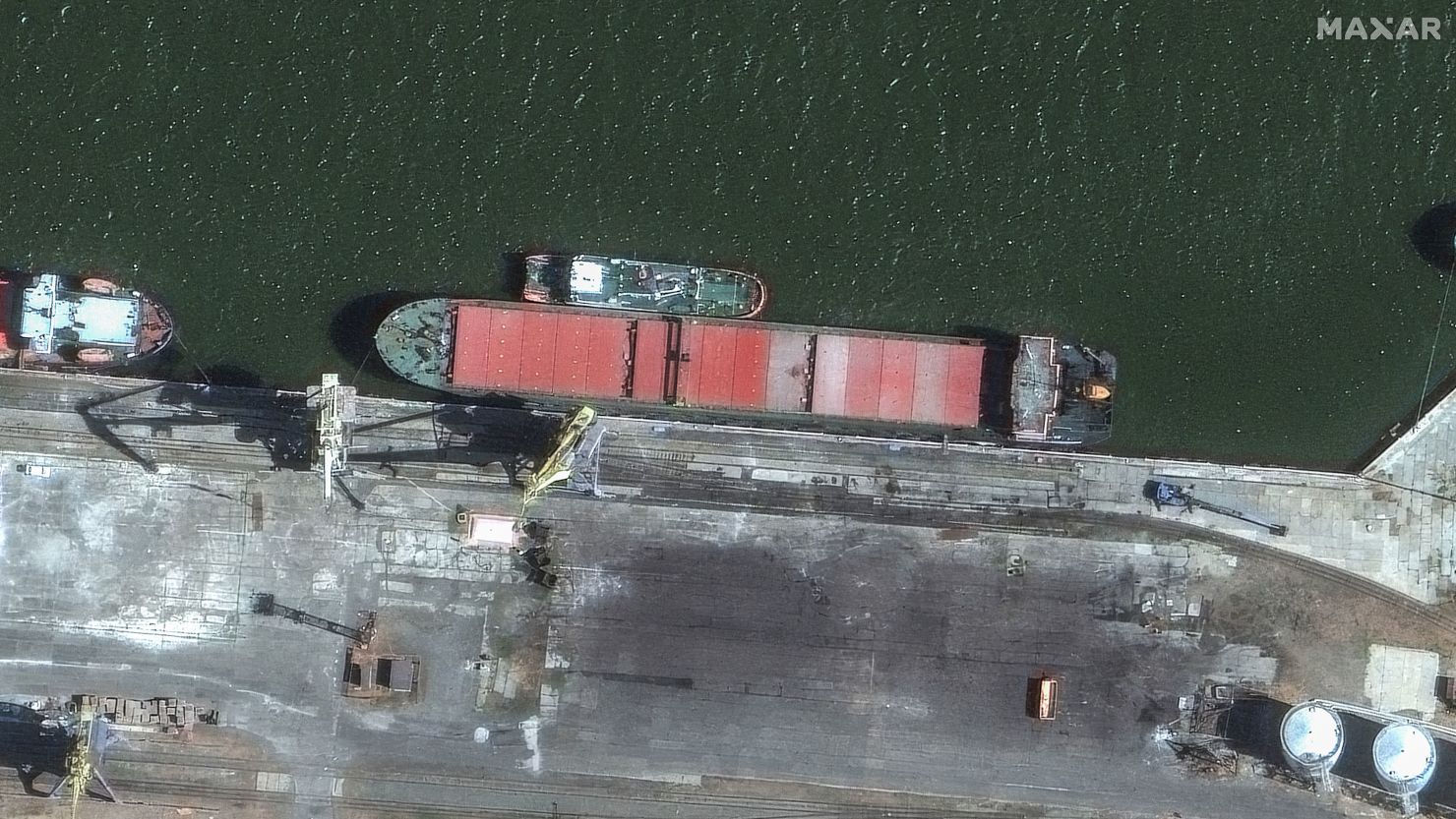
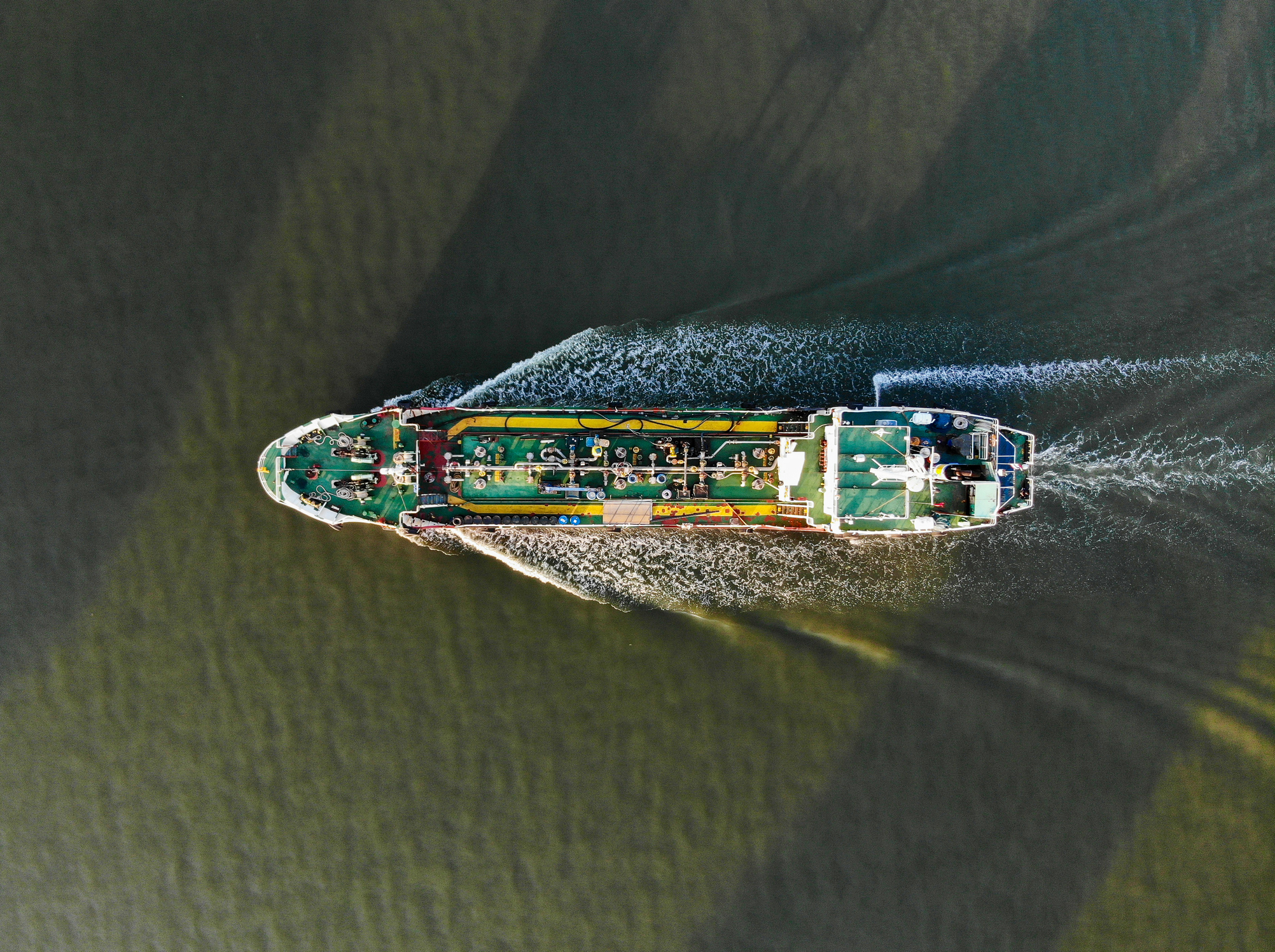
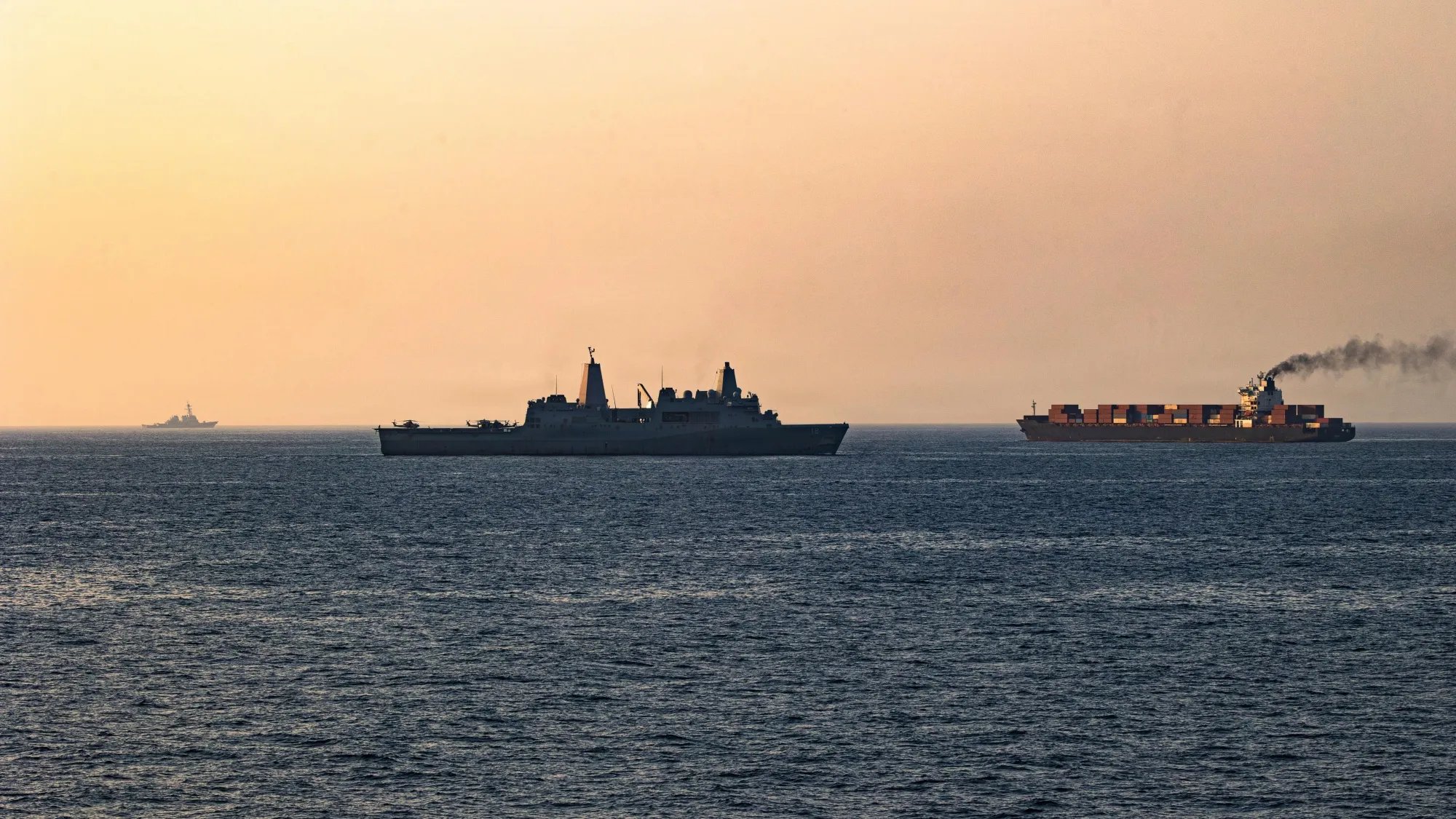
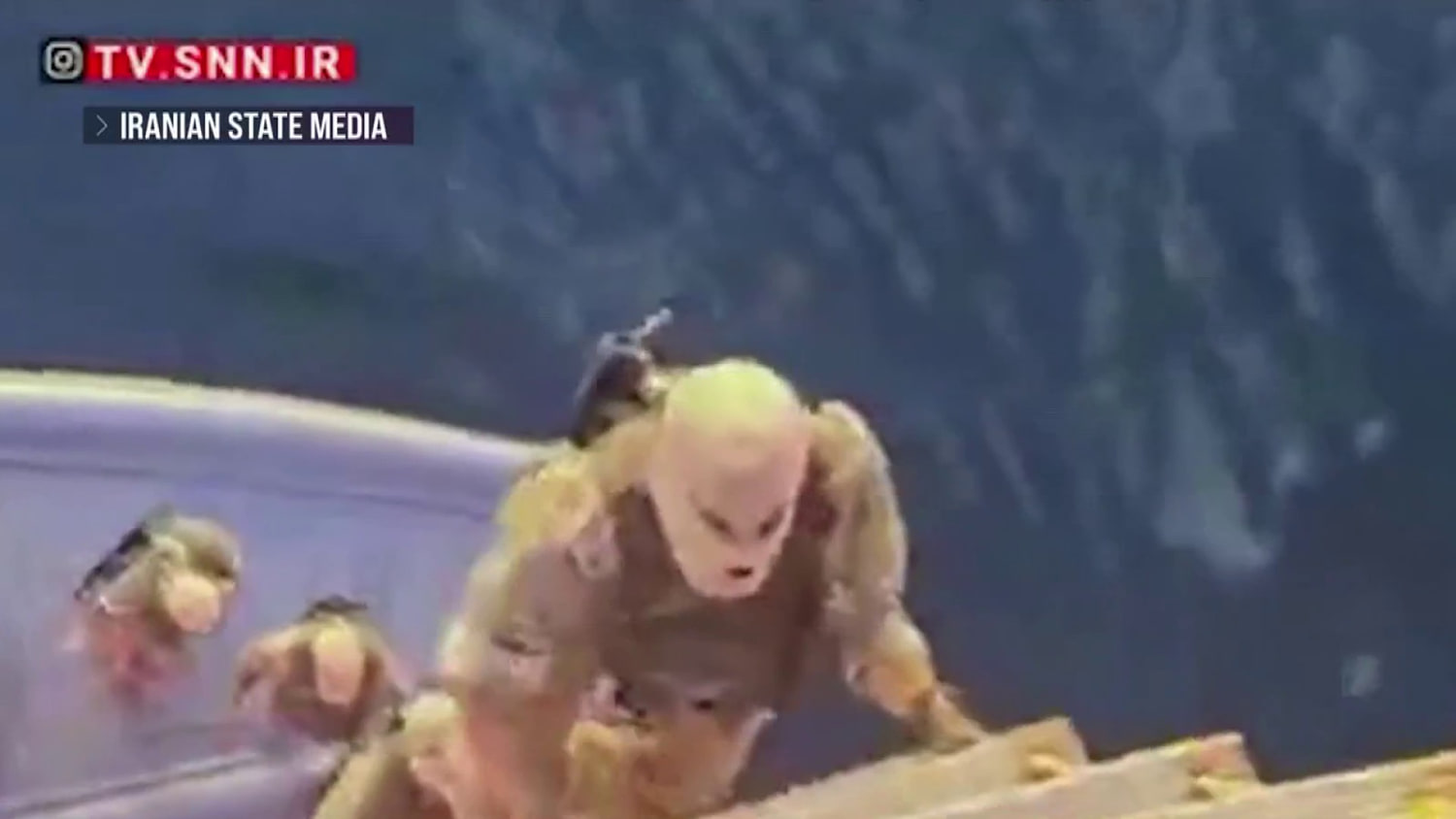
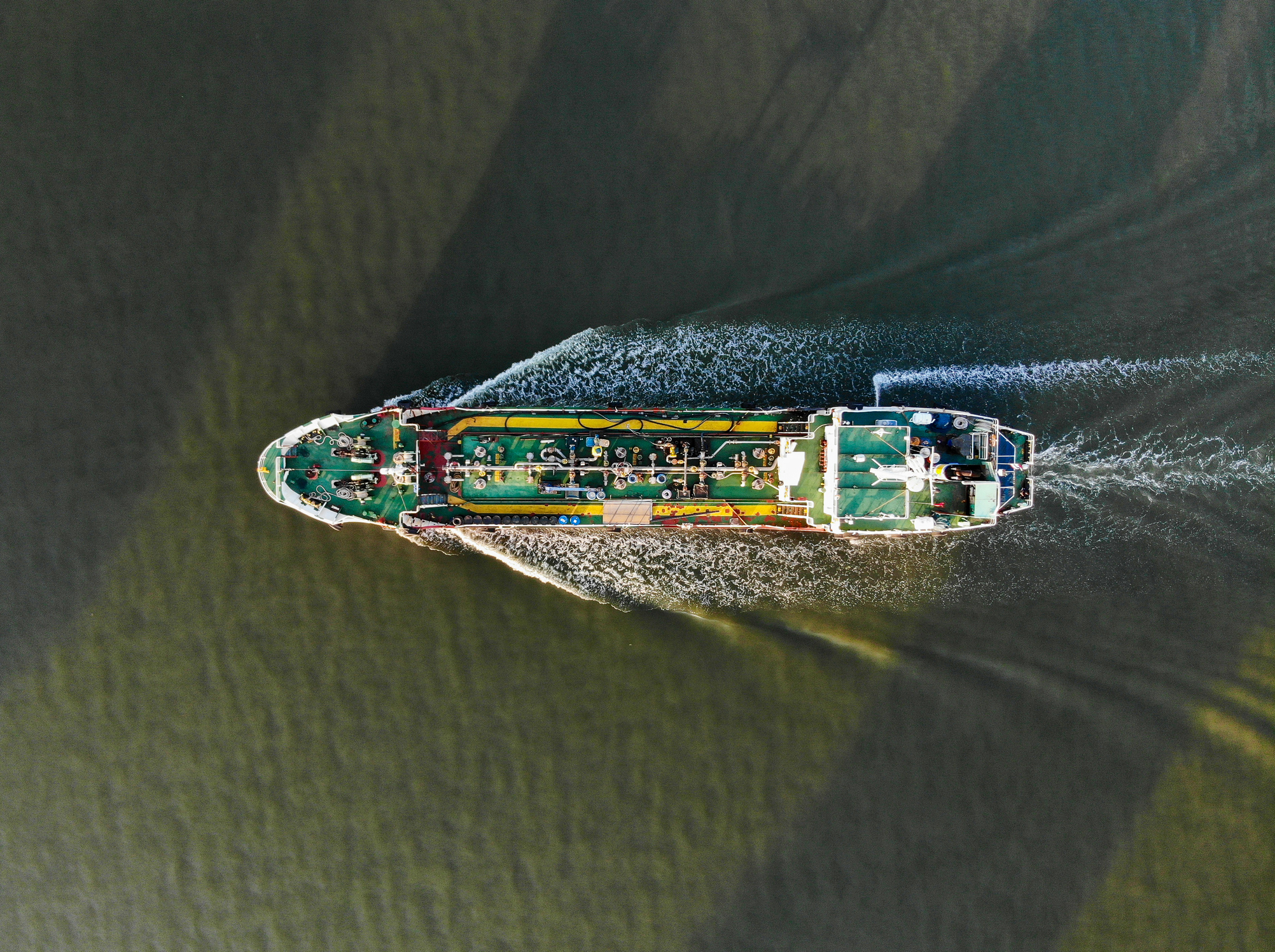
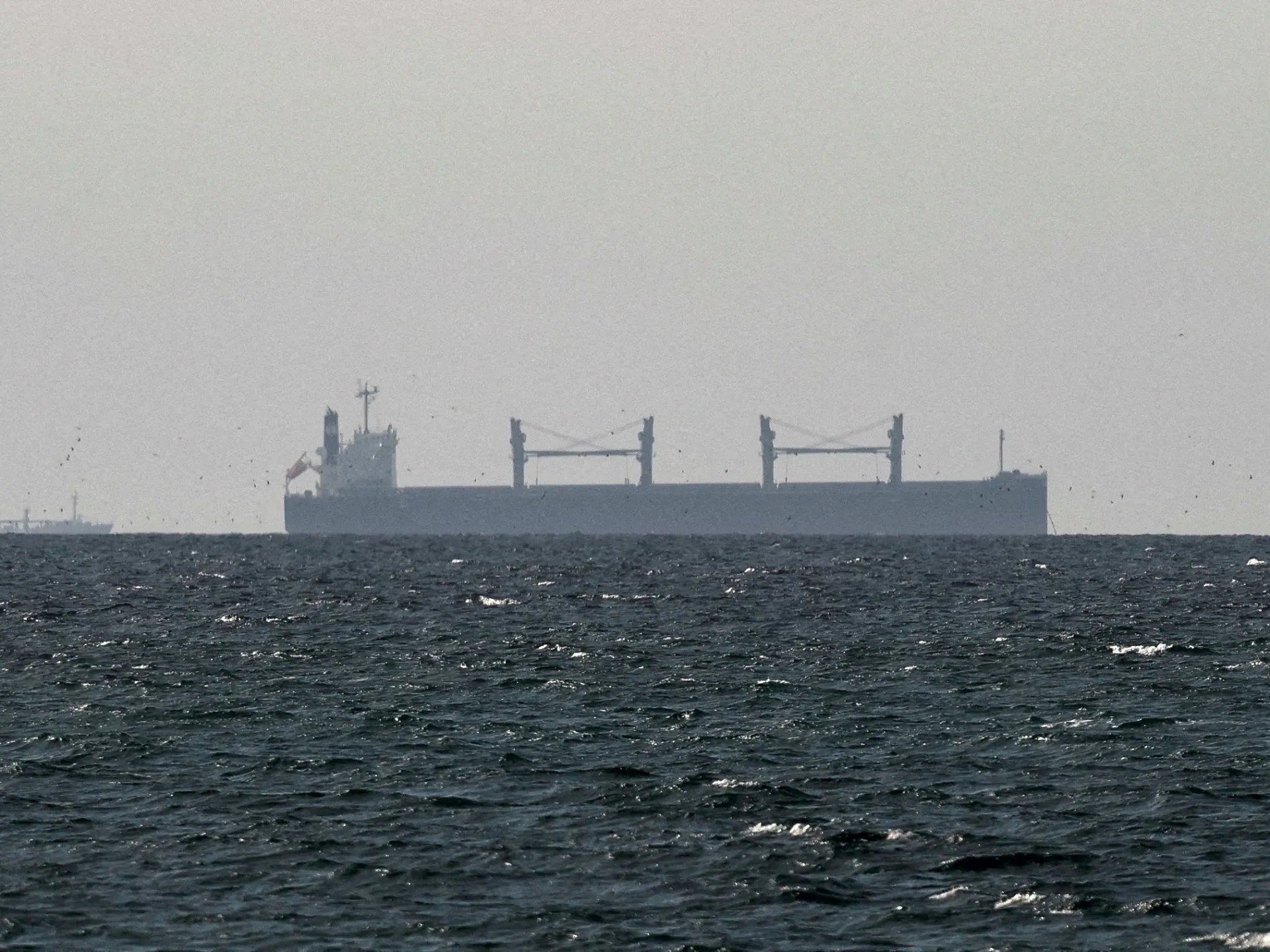
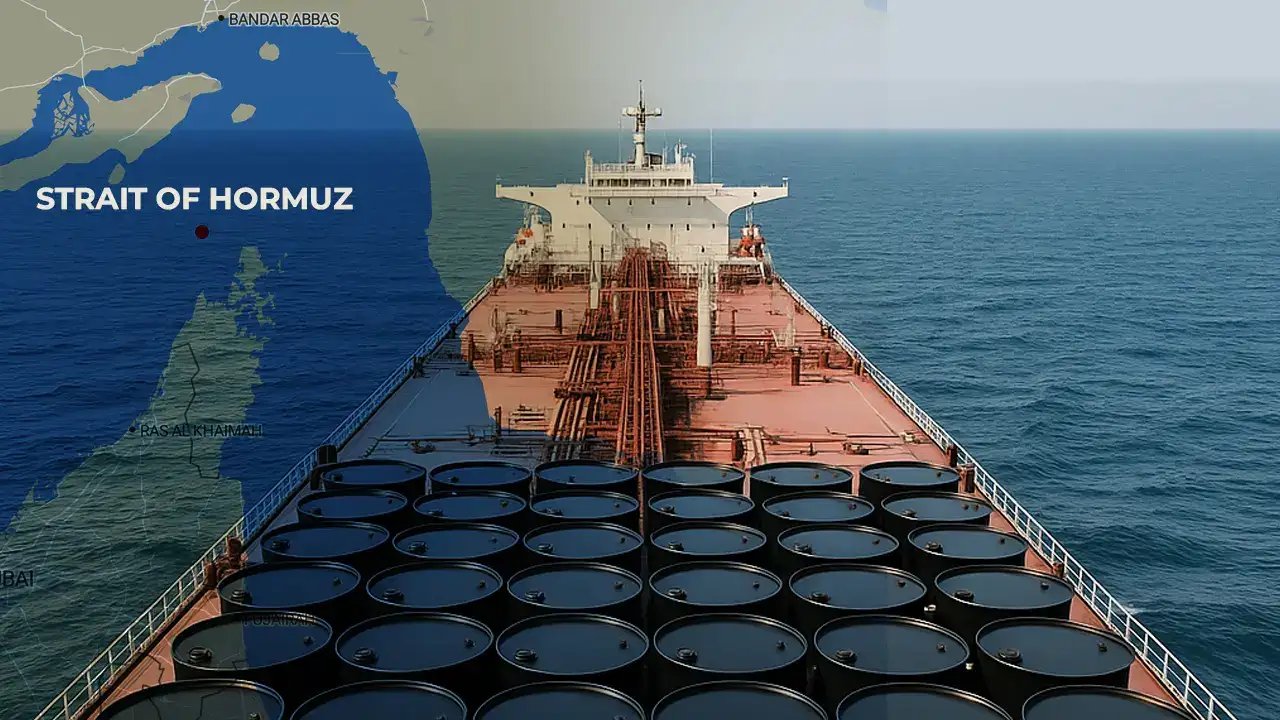
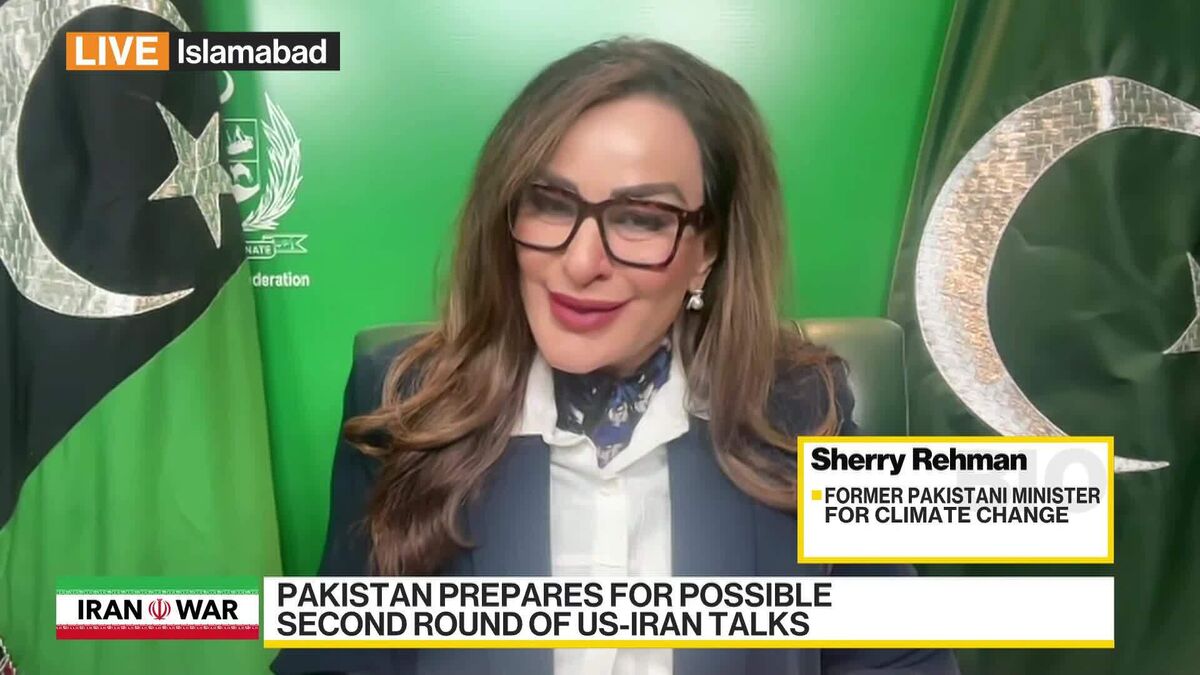
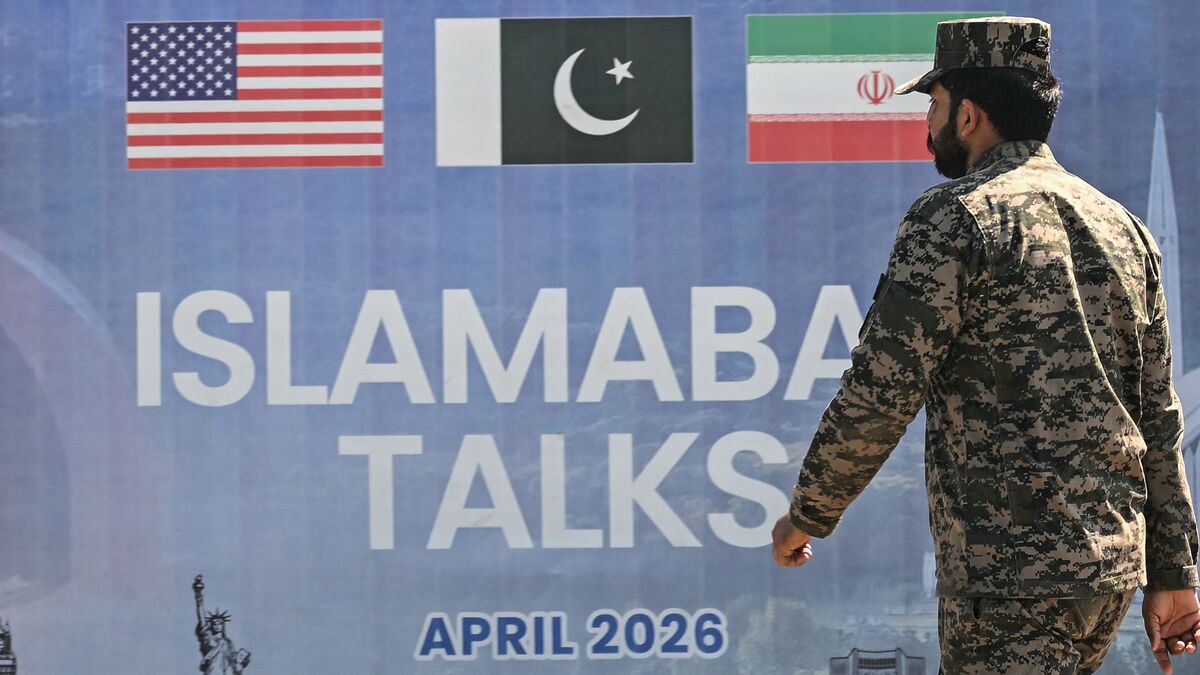
The U.S. military seized an Iranian cargo ship in the Strait of Hormuz on Sunday, firing on the vessel and disabling its engines as part of a naval blockade. Video released by U.S. Central Command shows Marines descending from a helicopter by rope to board the Touska after the guided-missile destroyer USS Spruance disabled the ship's propulsion. President Trump said the U.S. military had "stopped them right in their tracks by blowing a hole in the engine room" after the ship failed to heed repeated warnings. The seizure came as a temporary ceasefire between the U.S. and Iran was set to expire this week, and as a U.S. negotiating team prepared to travel to Pakistan for a second round of peace talks.
Iran's response and diplomatic fallout
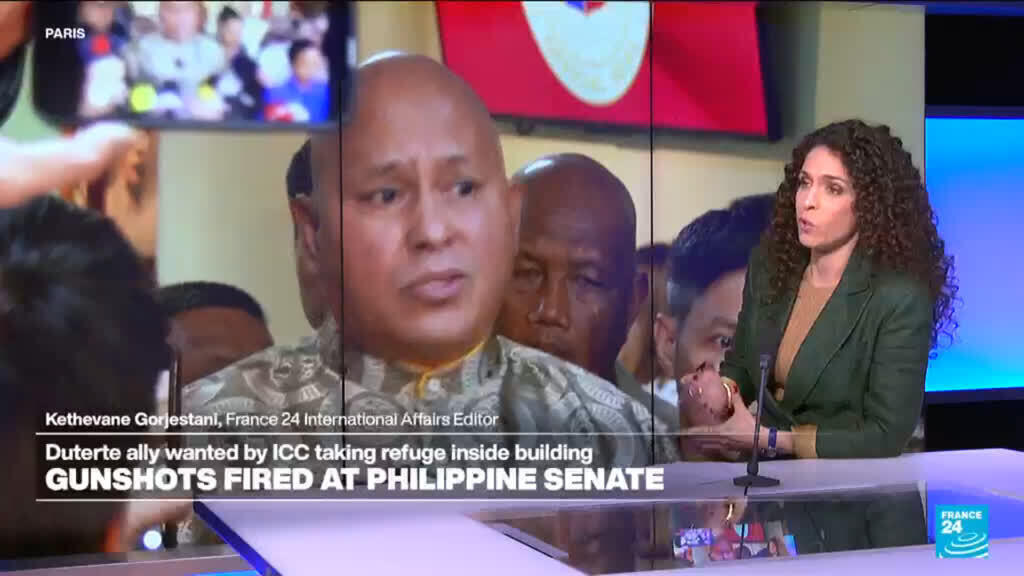
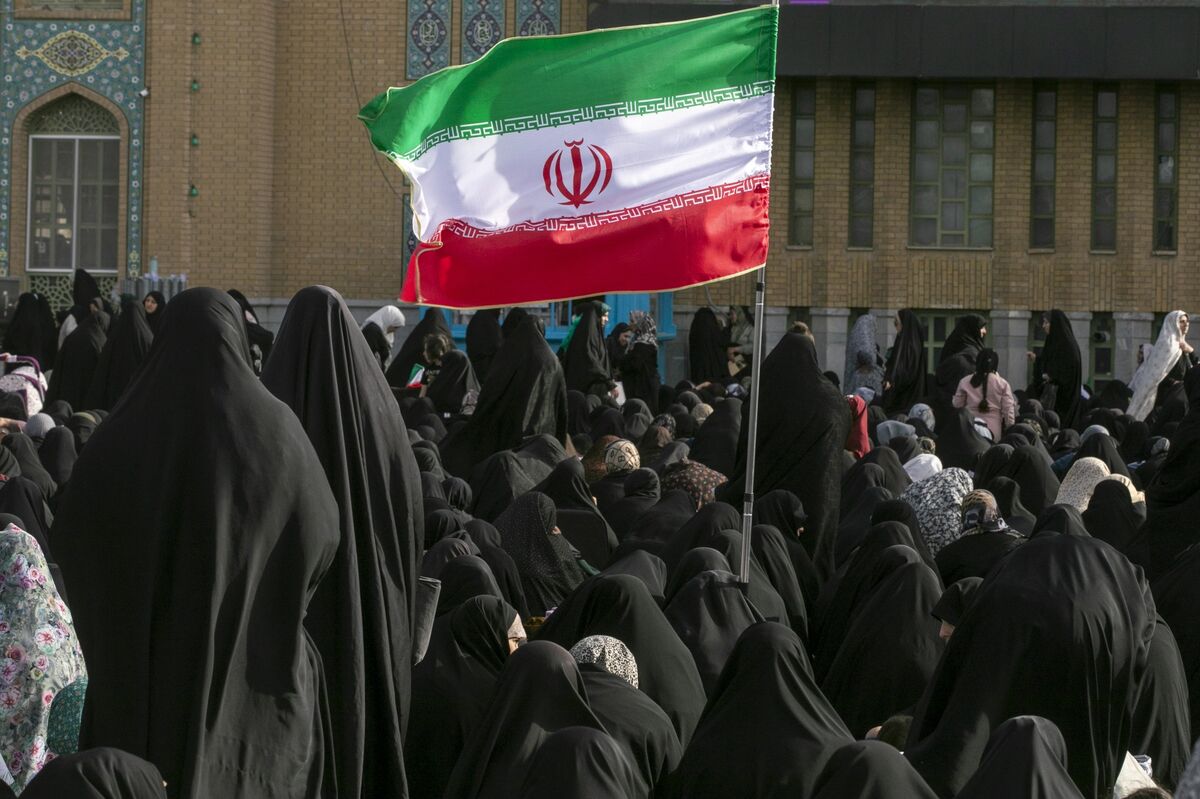
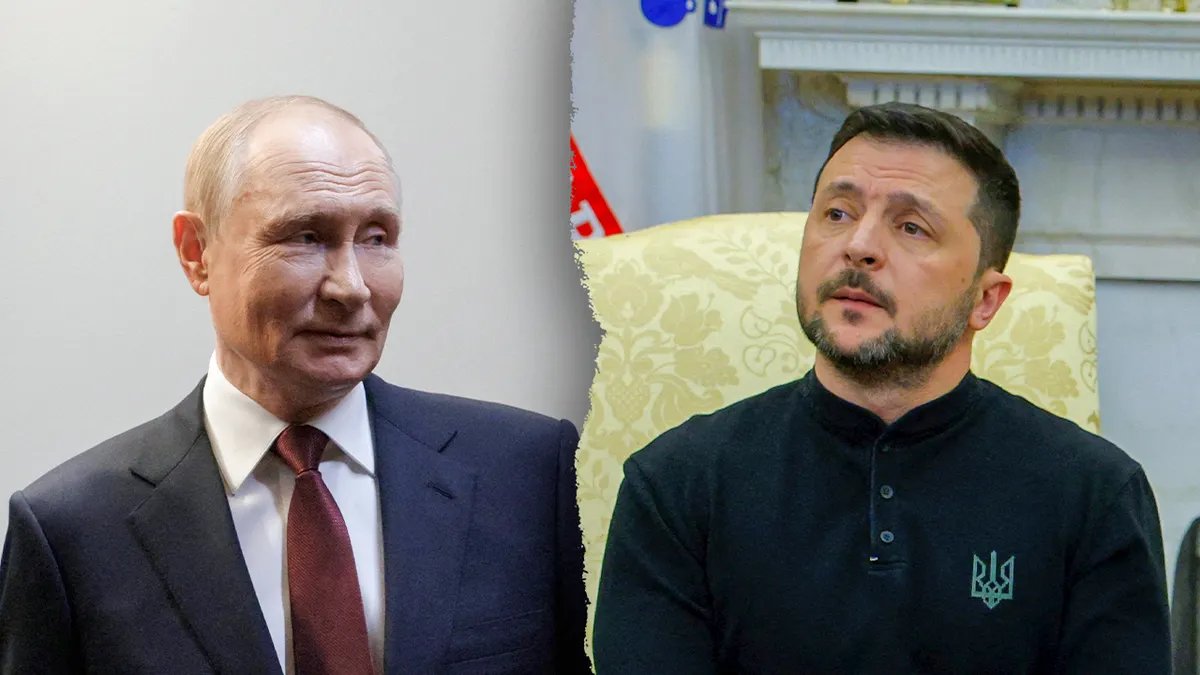
Iran's Revolutionary Guard threatened retaliation without elaborating on what form that response would take. Iranian Foreign Ministry spokesman Esmail Baghaei said Monday that Tehran had no plans yet regarding a second round of talks, accusing the U.S. of lacking "seriousness in pursuing a diplomatic process." Iran called the seizure a violation of the ceasefire and described it as an "act of armed piracy." The threats cast immediate doubt on whether Iran would send diplomats to Islamabad for negotiations that the U.S. had hoped to begin before the ceasefire expires.
The U.S. delegation and Trump's warnings
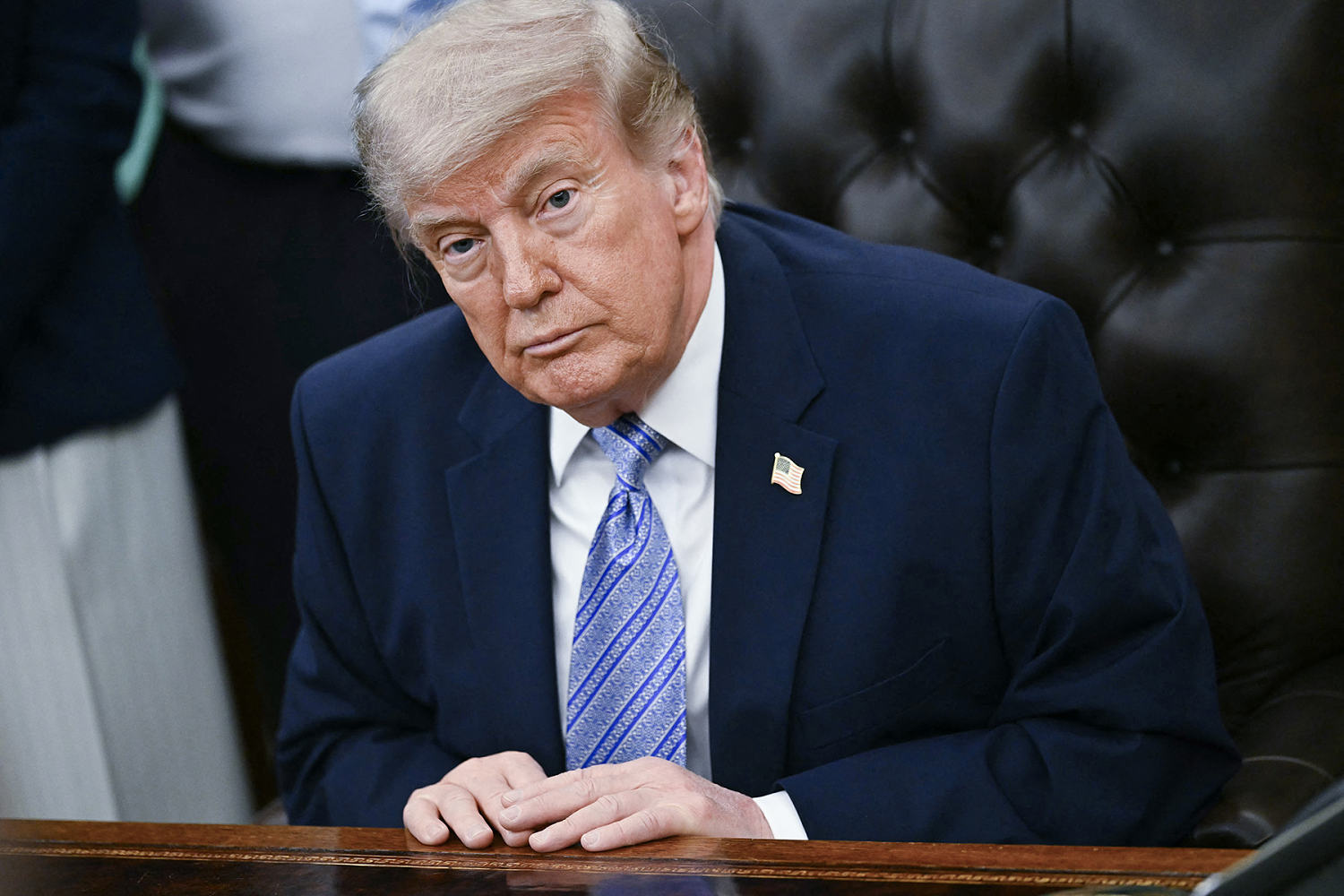
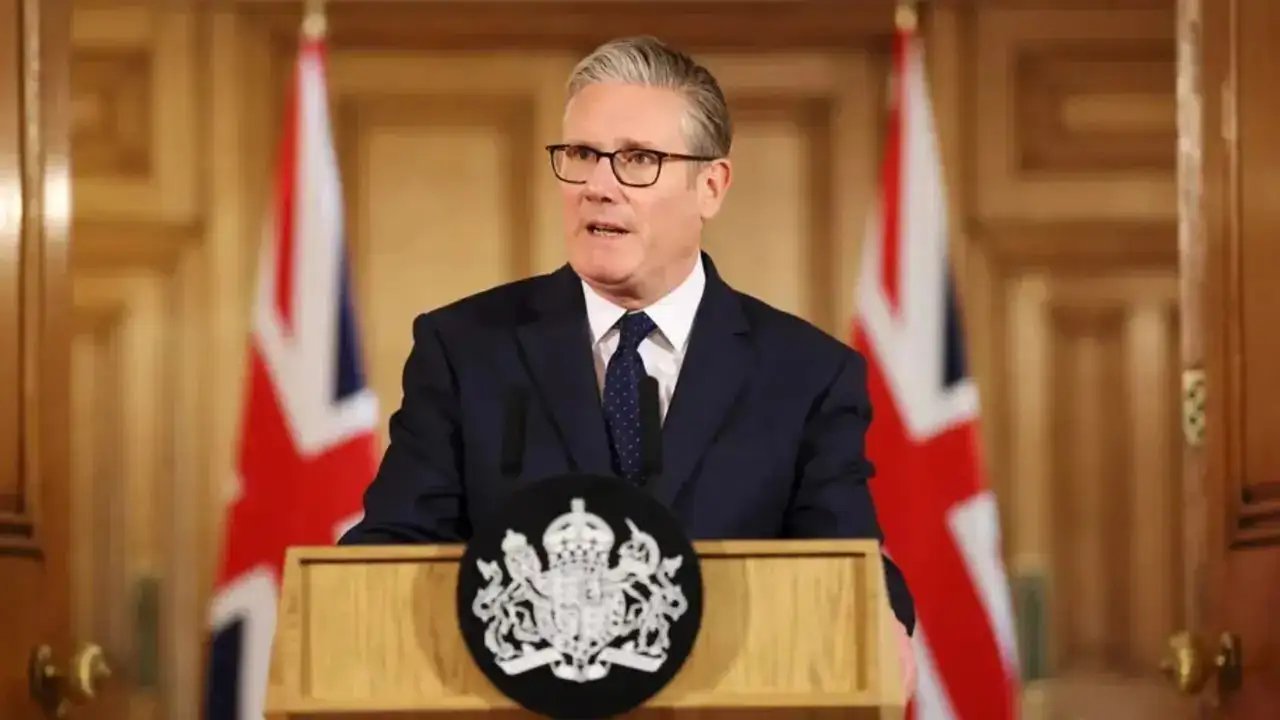
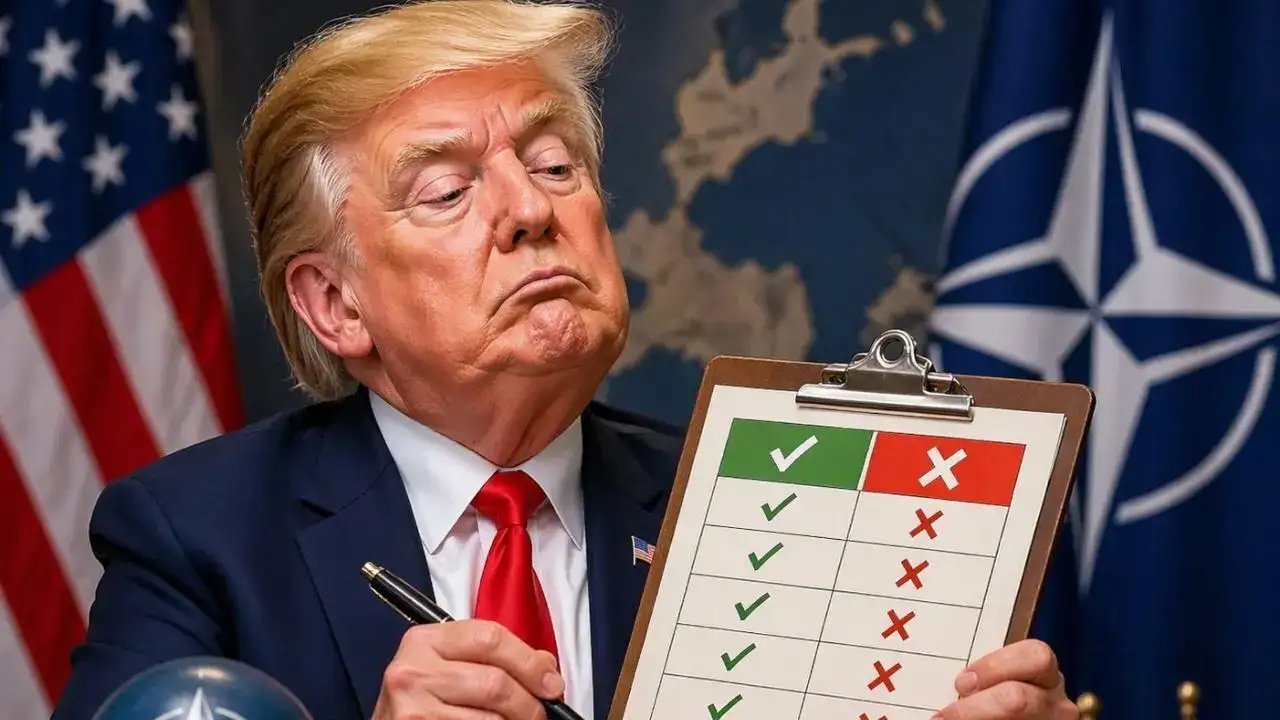
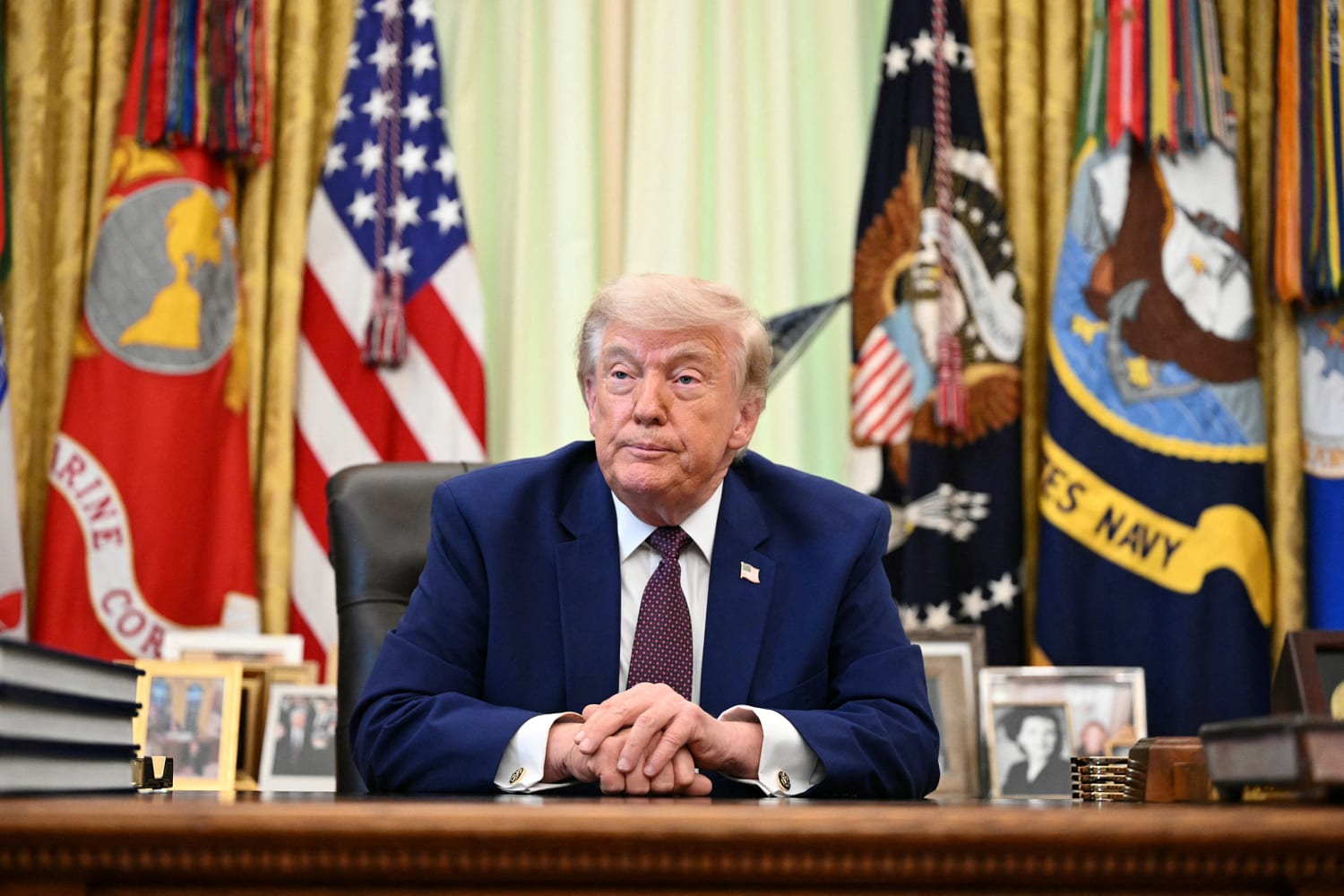
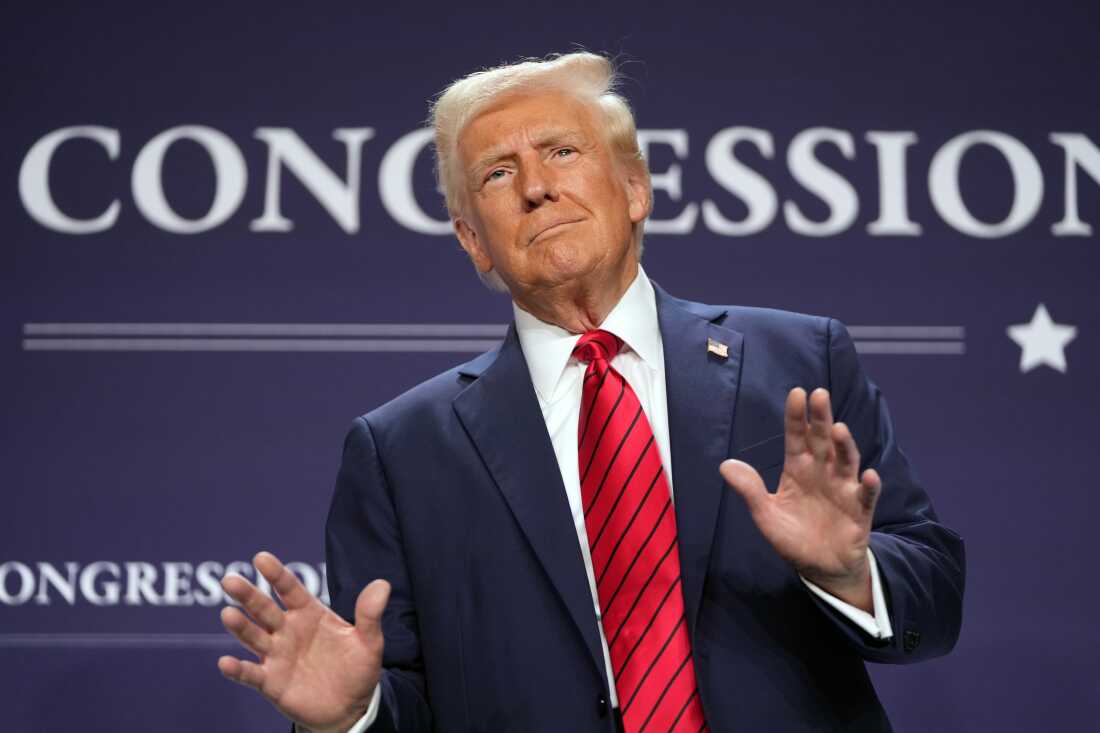
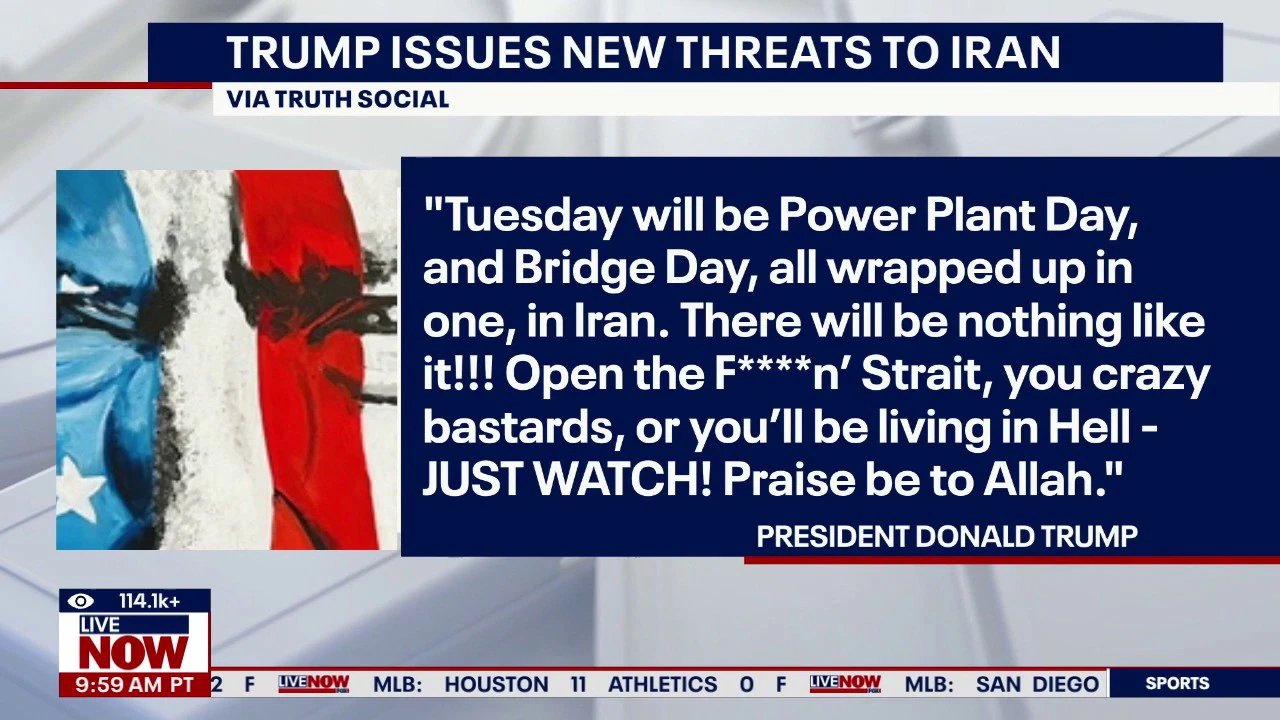
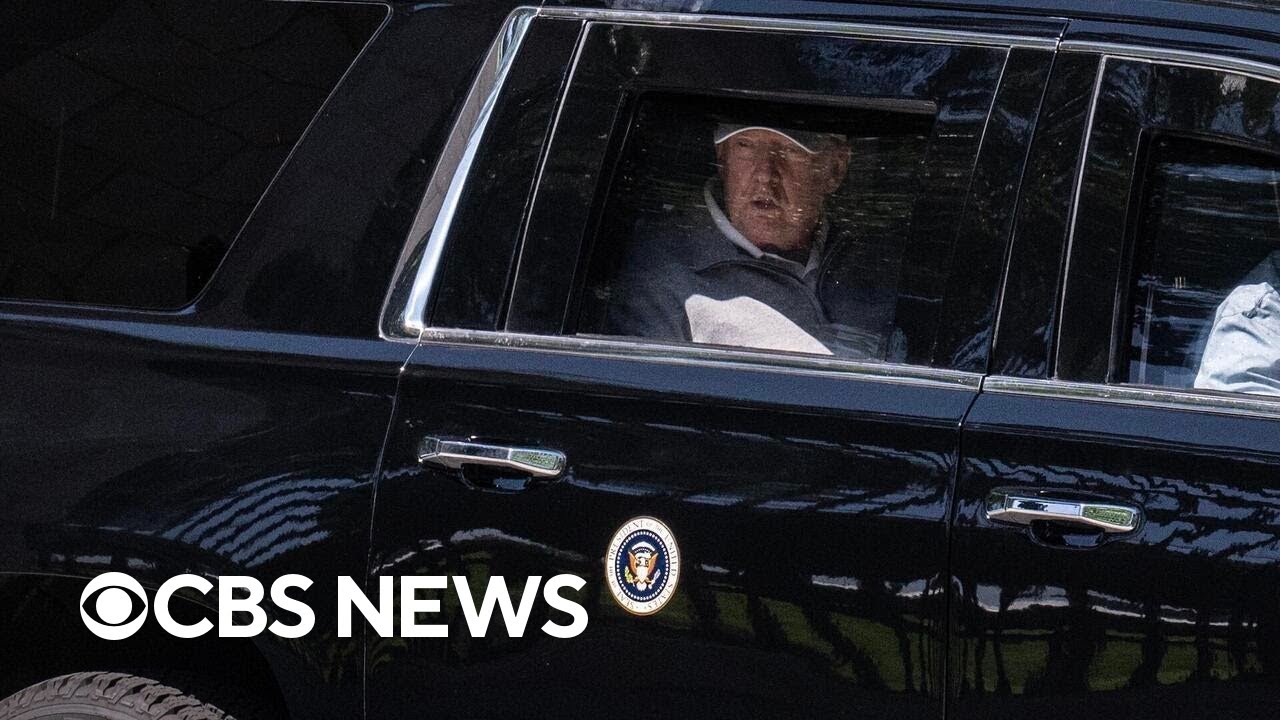
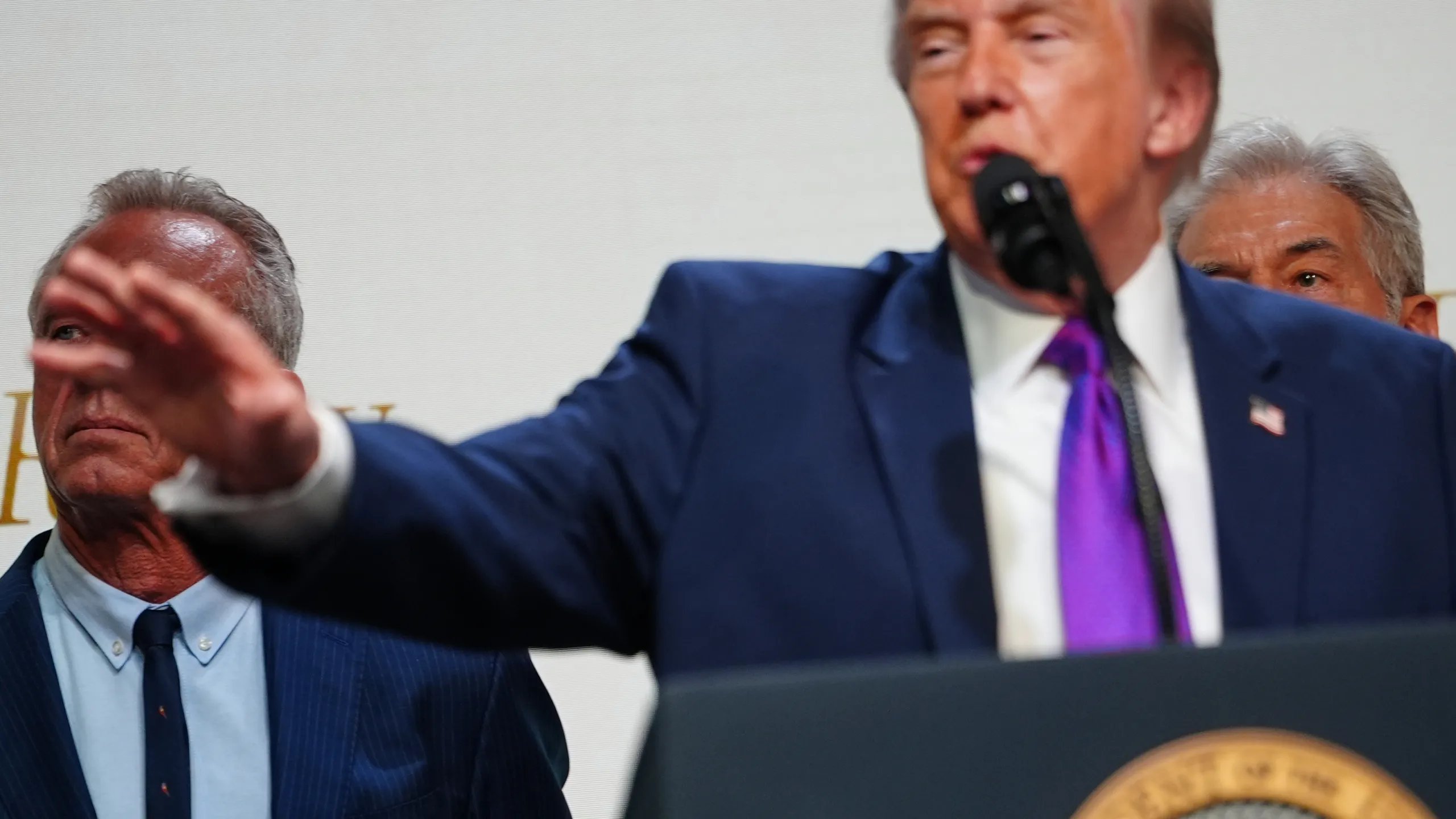
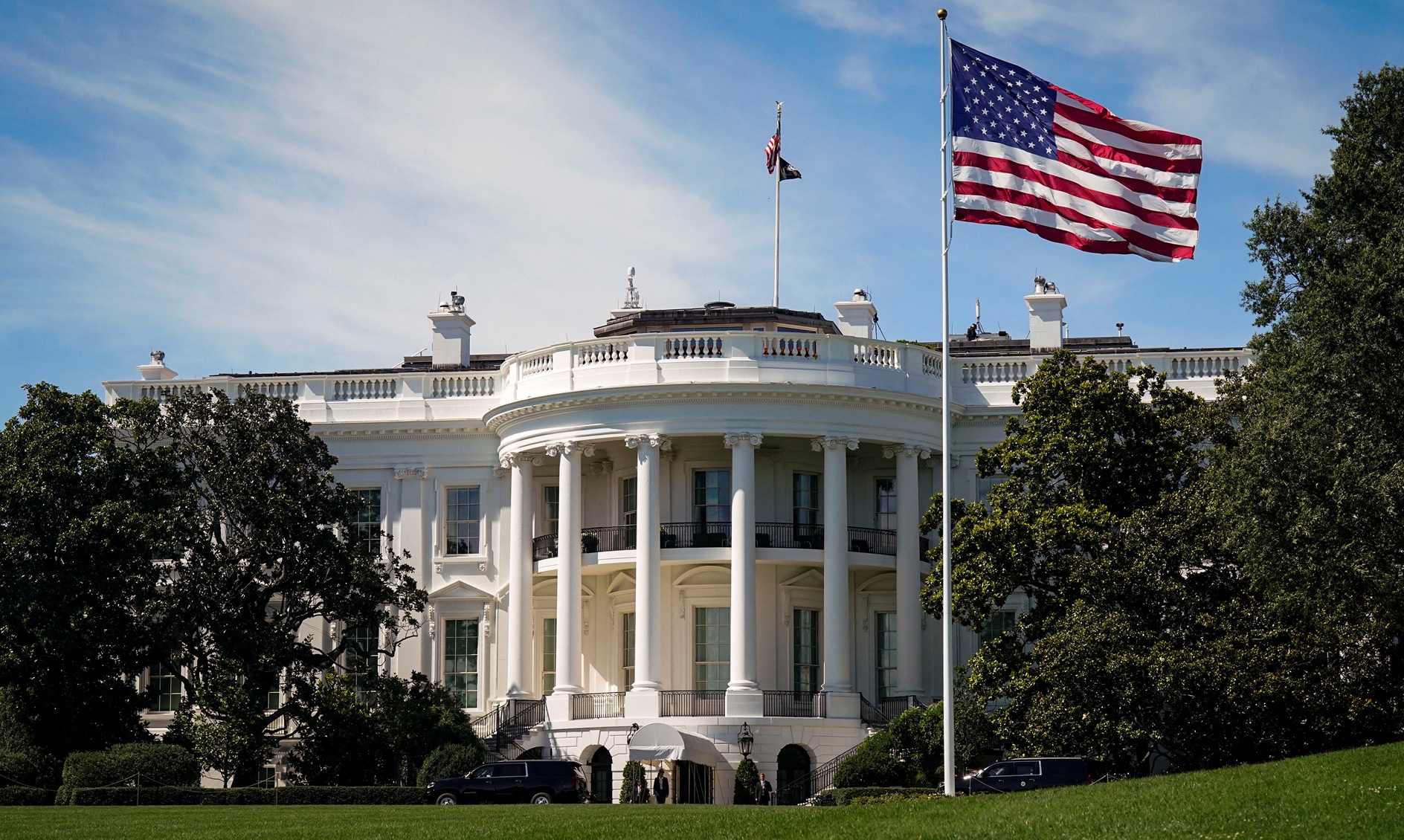
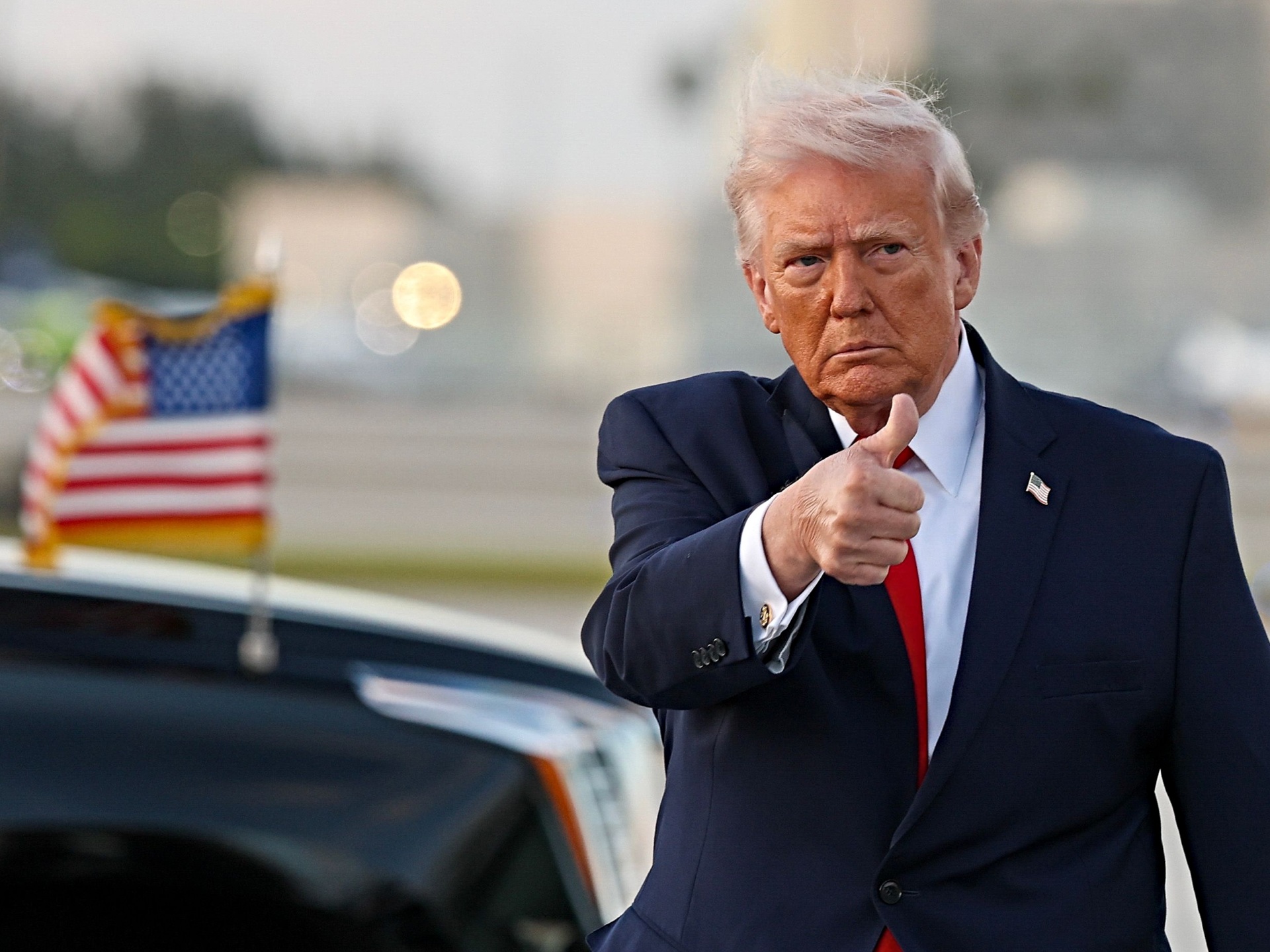
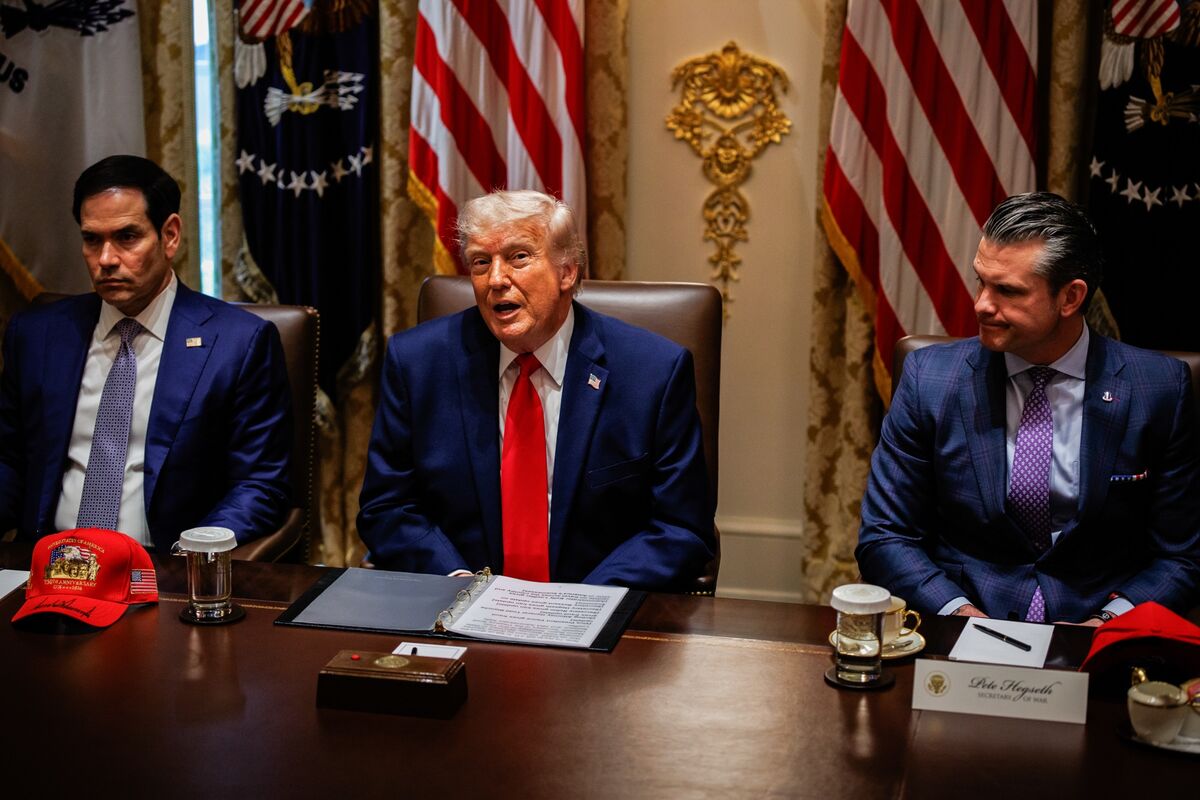
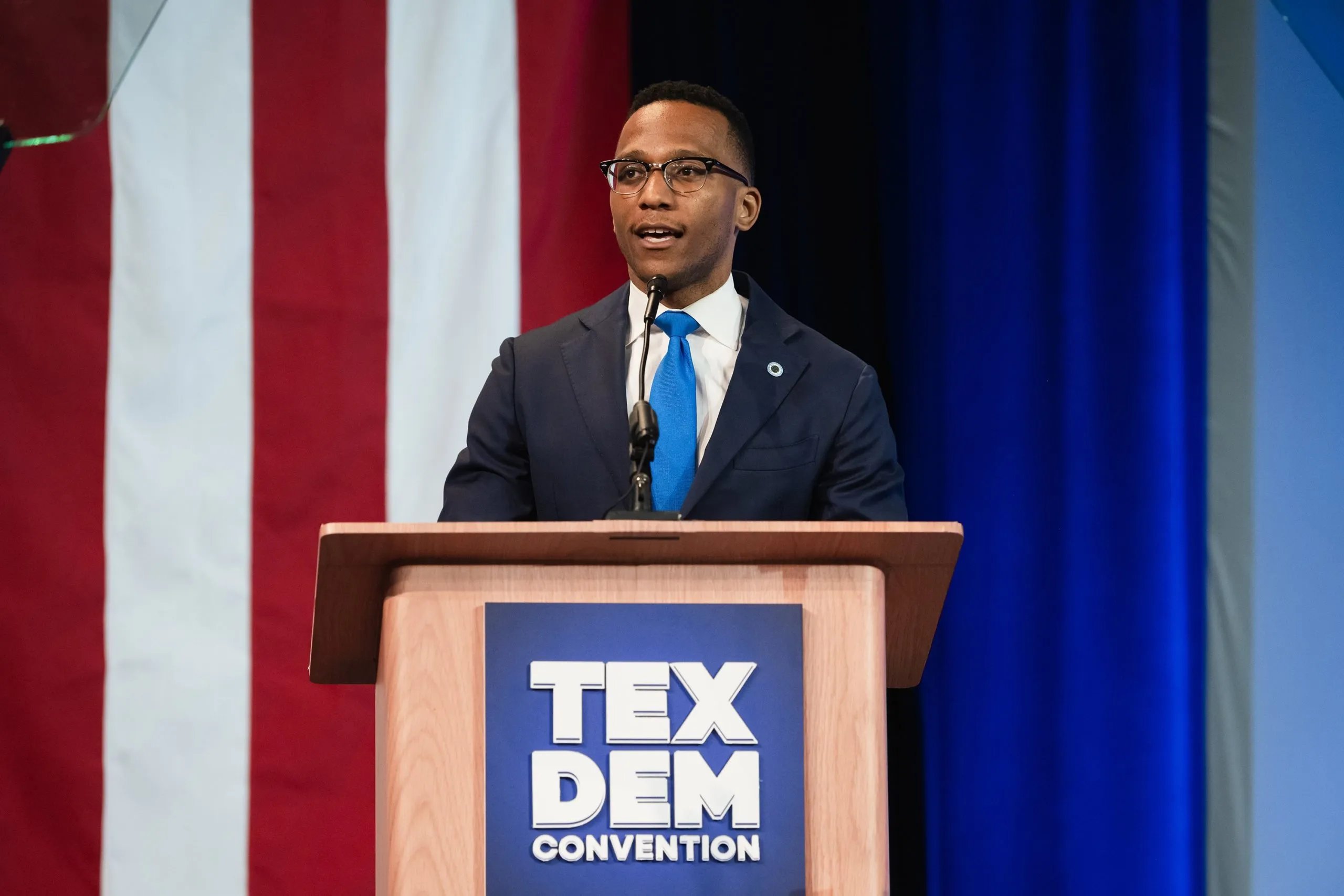
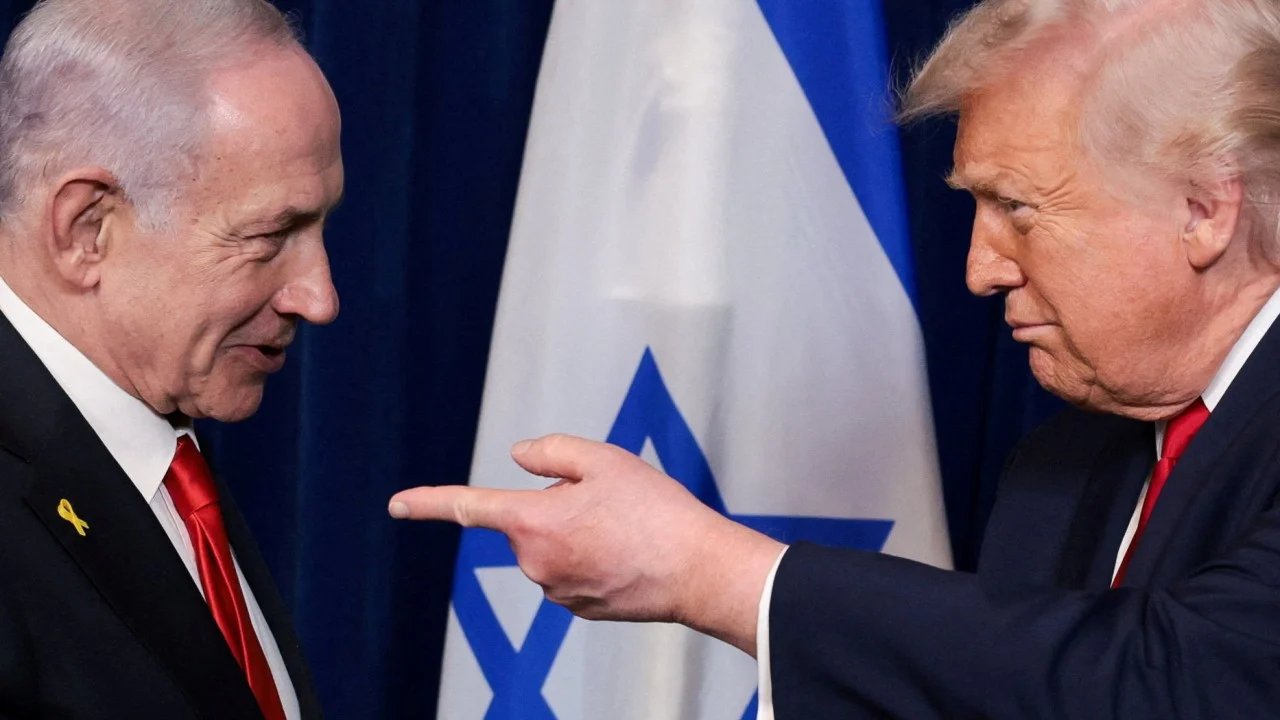
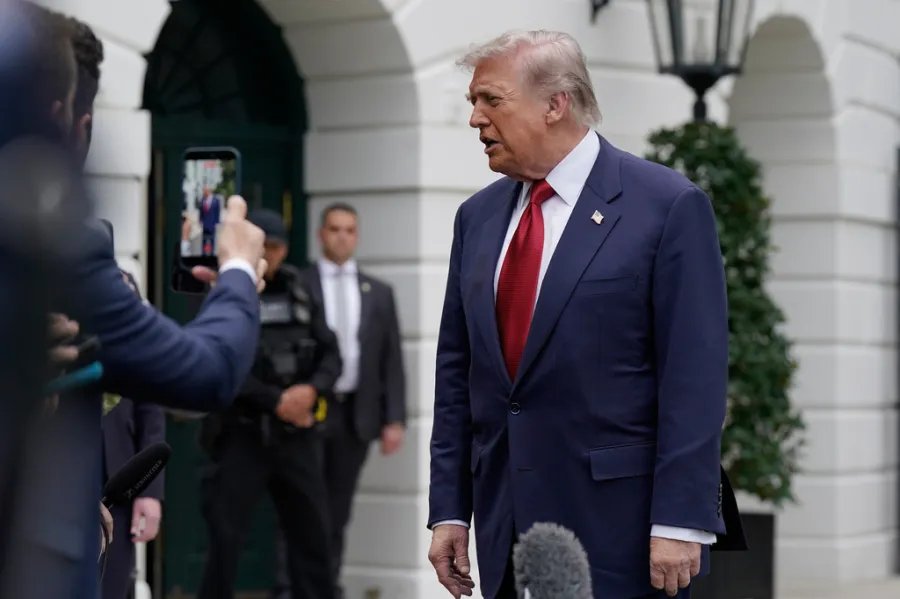
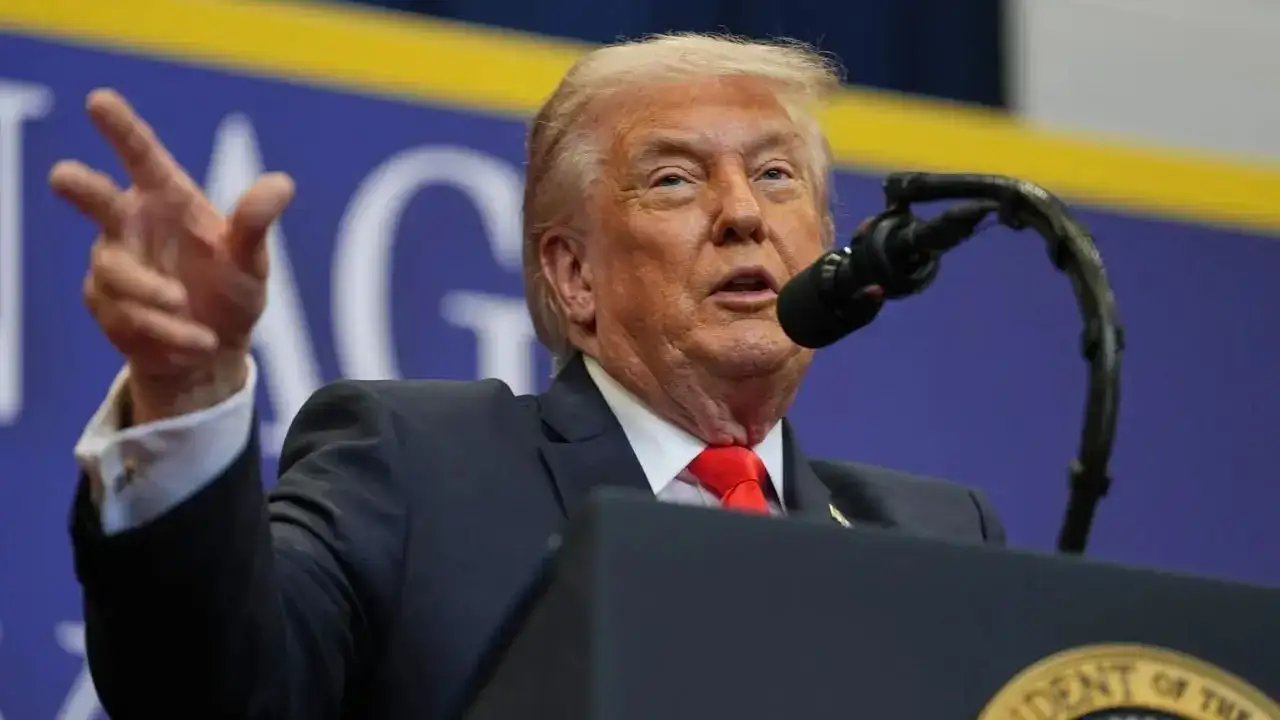
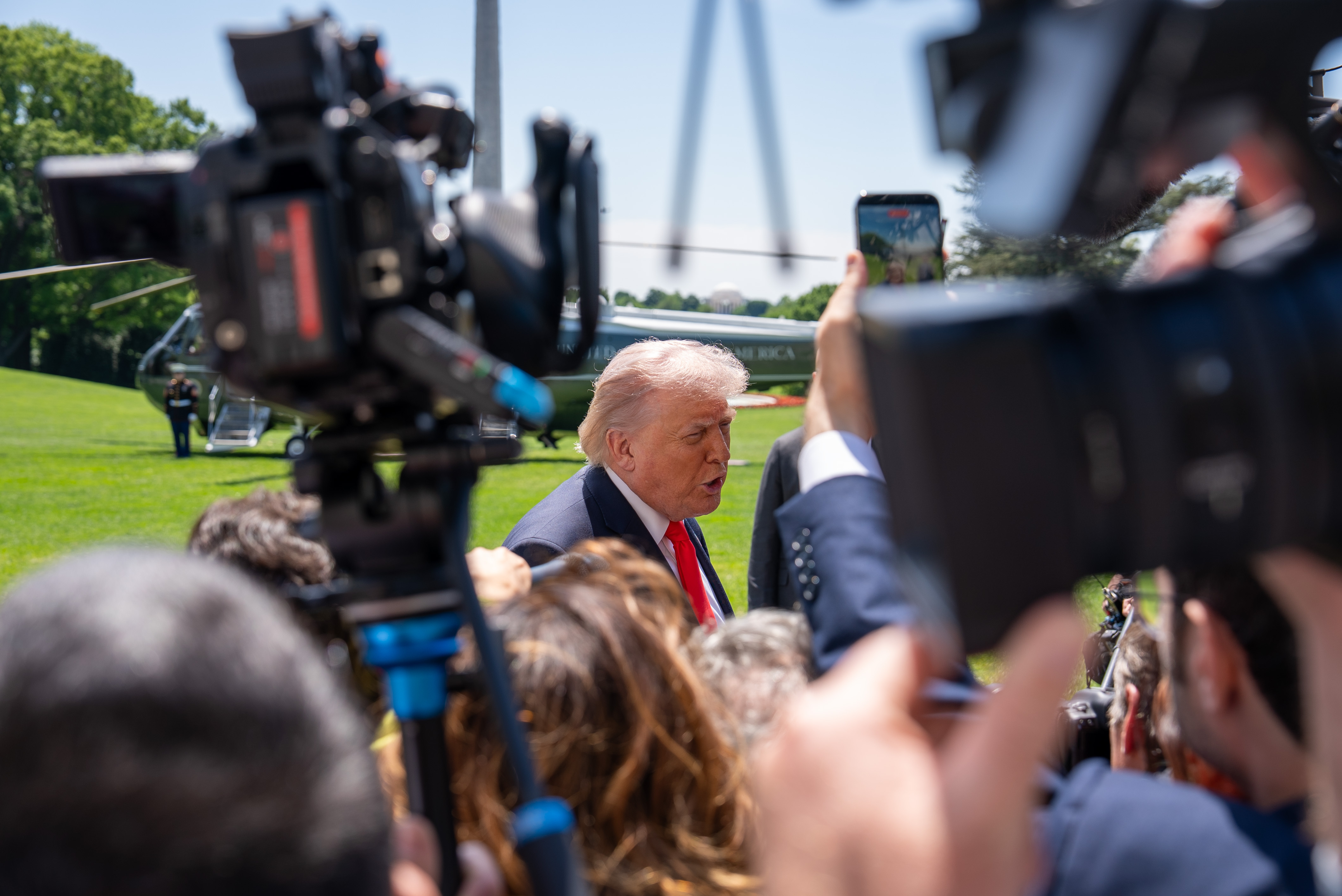
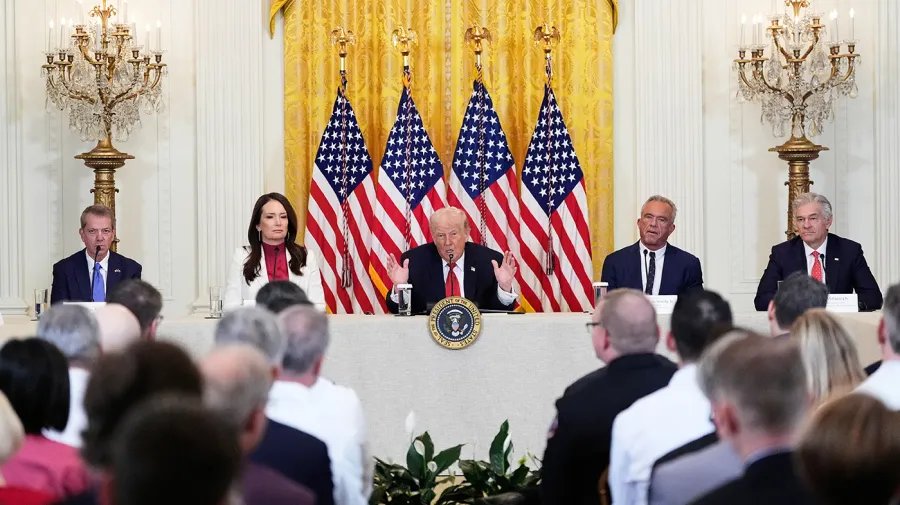
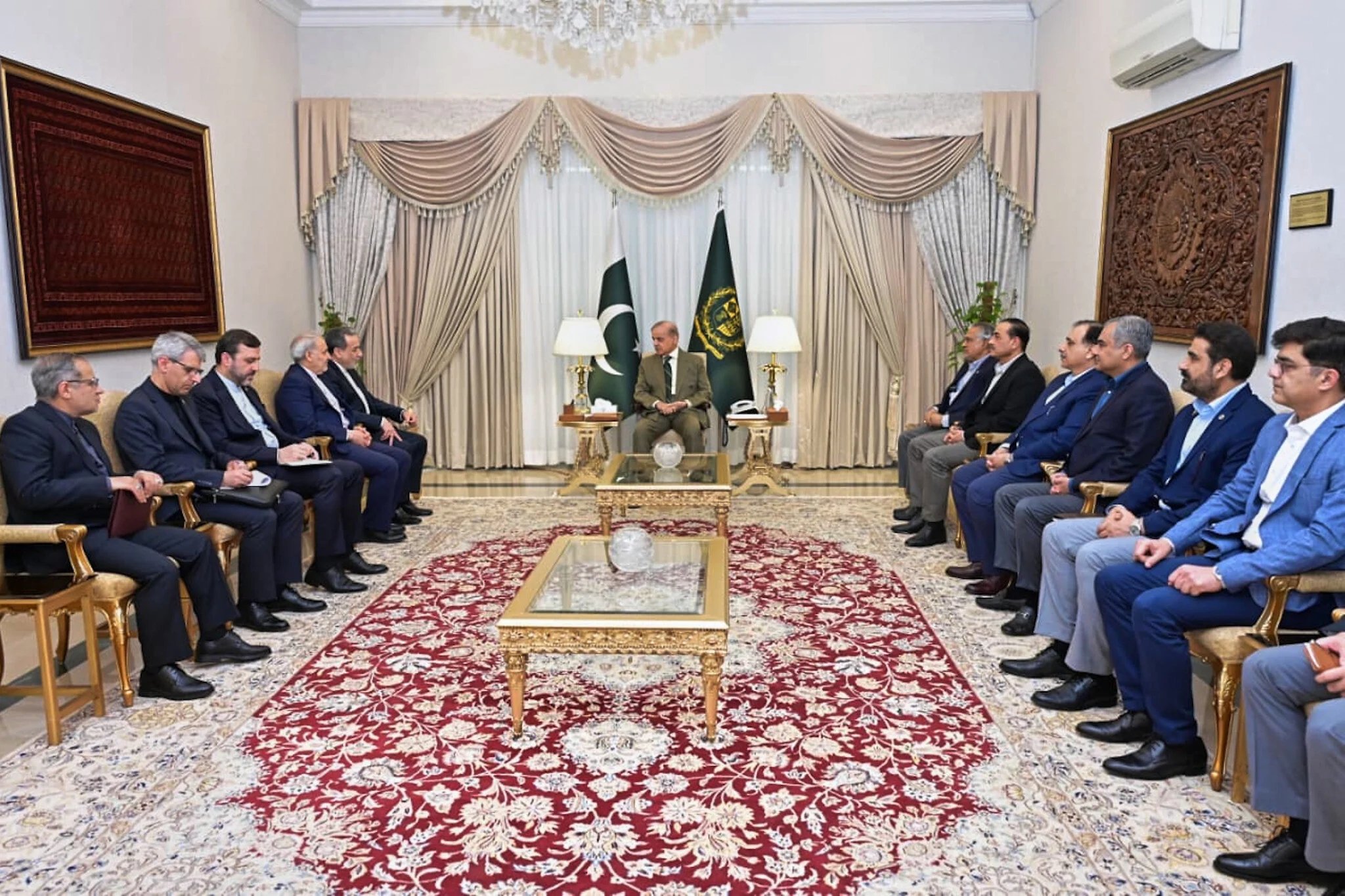
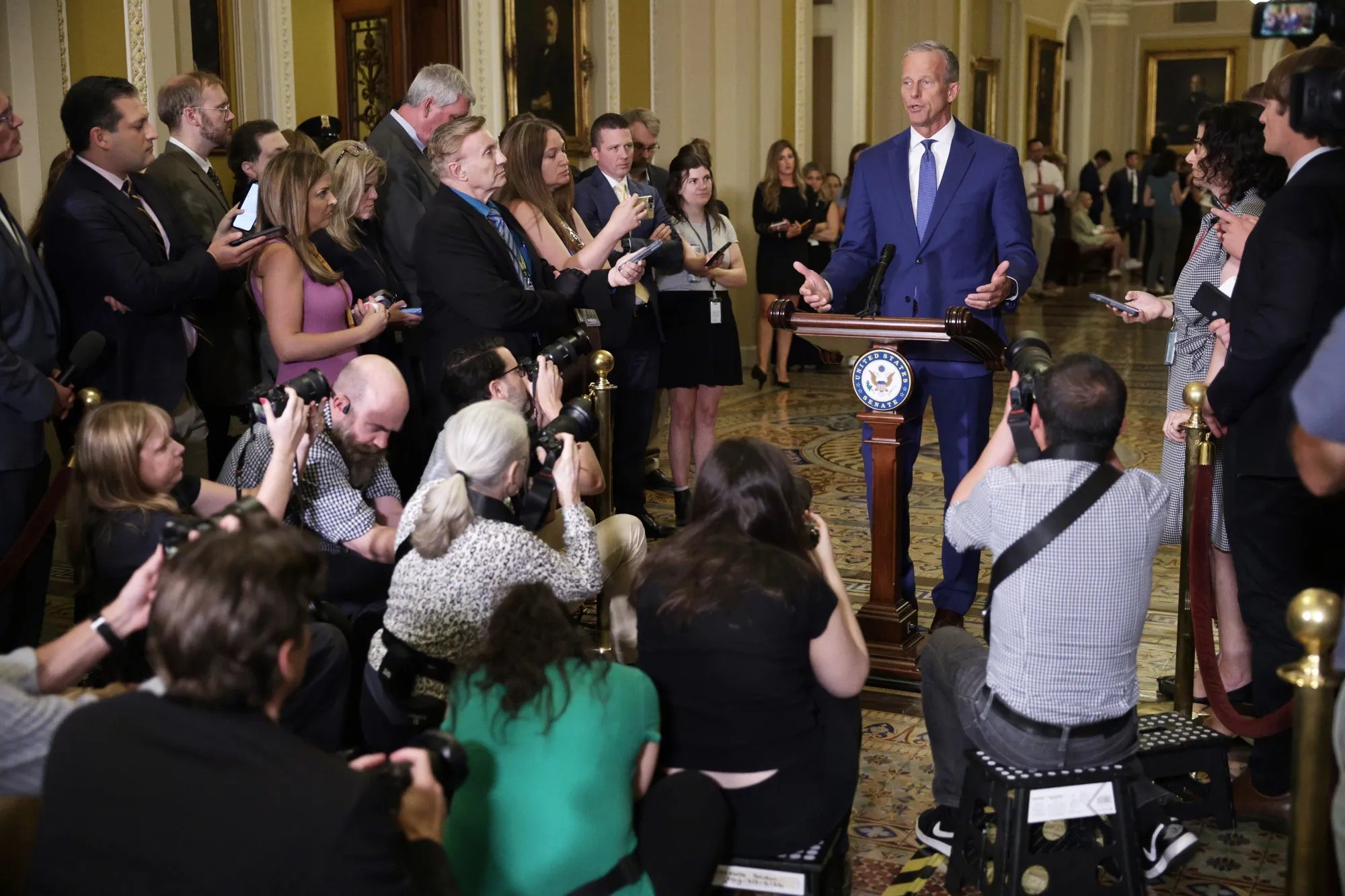
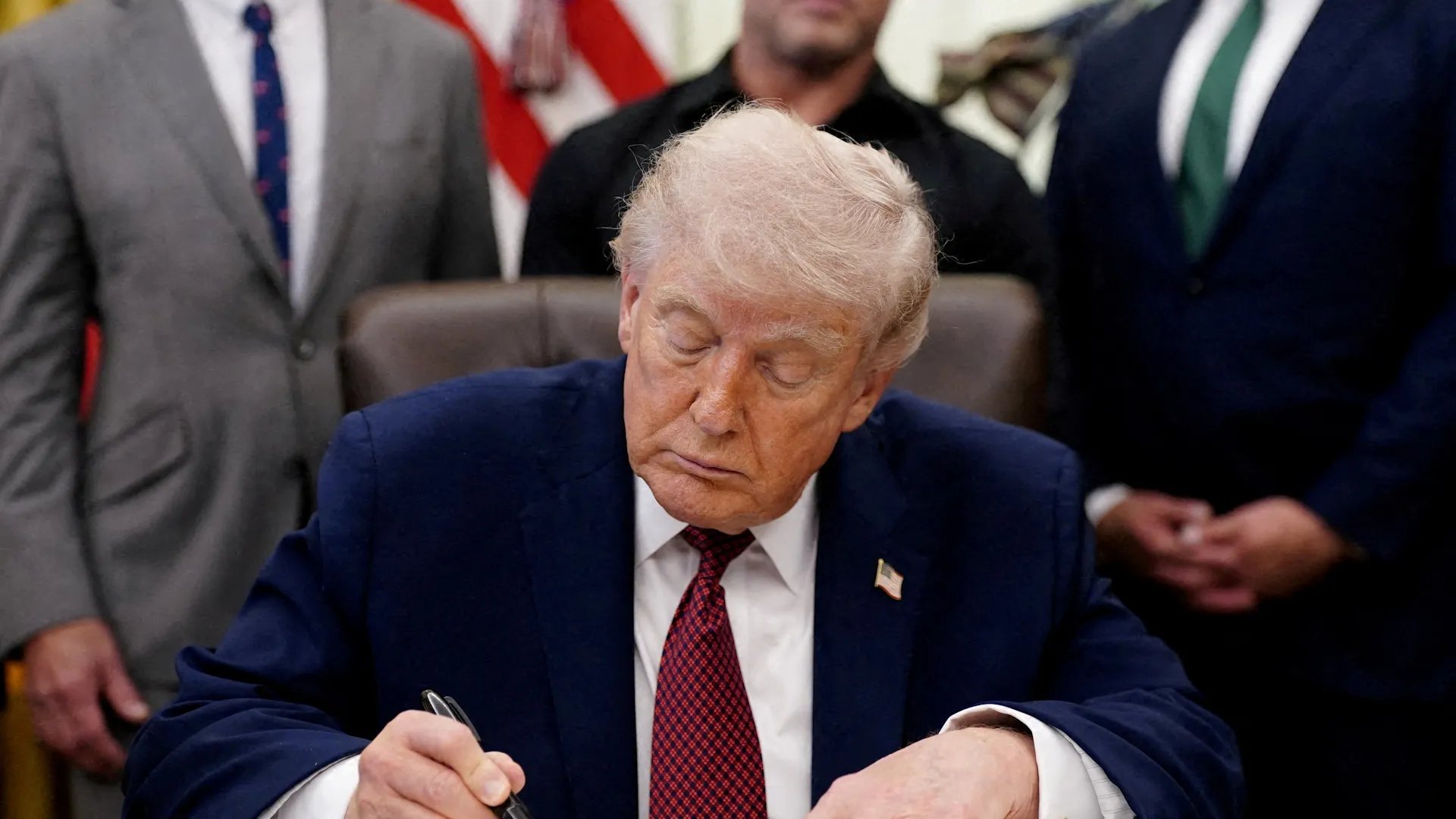
Vice President Vance, U.S. envoy Steve Witkoff, and Jared Kushner, President Trump's son-in-law, were planning to travel to Islamabad to lead the American negotiating team. Trump announced the delegation would head to Pakistan on Monday evening and warned Iran against walking away from negotiations. "We're offering a very fair and reasonable DEAL, and I hope they take it because, if they don't, the United States is going to knock out every single Power Plant, and every single Bridge, in Iran. NO MORE MR. NICE GUY!" Trump wrote on social media. When asked whether Iran would attend, Trump told The New York Post: "We're supposed to have the talks. So I would assume at this point nobody's playing games." He said he himself is willing to meet senior Iranian leaders if there's a breakthrough.
Previous negotiations and blockade policy
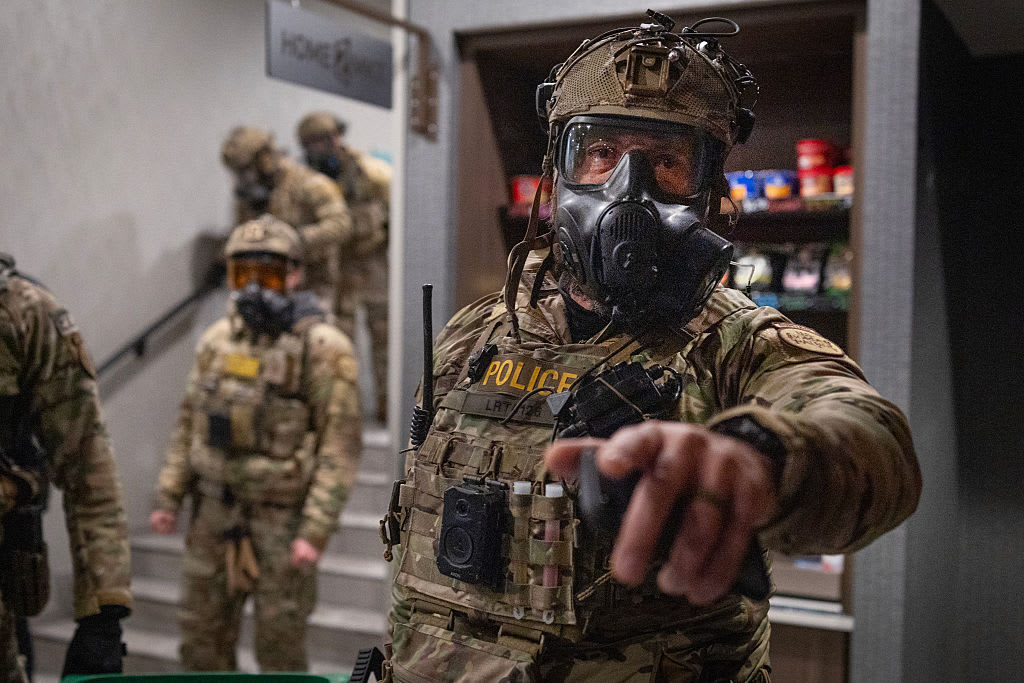
The first round of peace talks concluded just over a week ago in Islamabad without an agreement. Vice President Vance, who led that delegation, accused Iran of being unwilling to accept Washington's terms on Iran's plans for nuclear enrichment. Trump has declared a naval blockade in the Strait of Hormuz and stated that U.S. soldiers will board Iranian-linked ships to increase economic pressure on Tehran. The blockade remains in place as Iran says it has no plans to send diplomats to Pakistan.
Casualties and the broader conflict
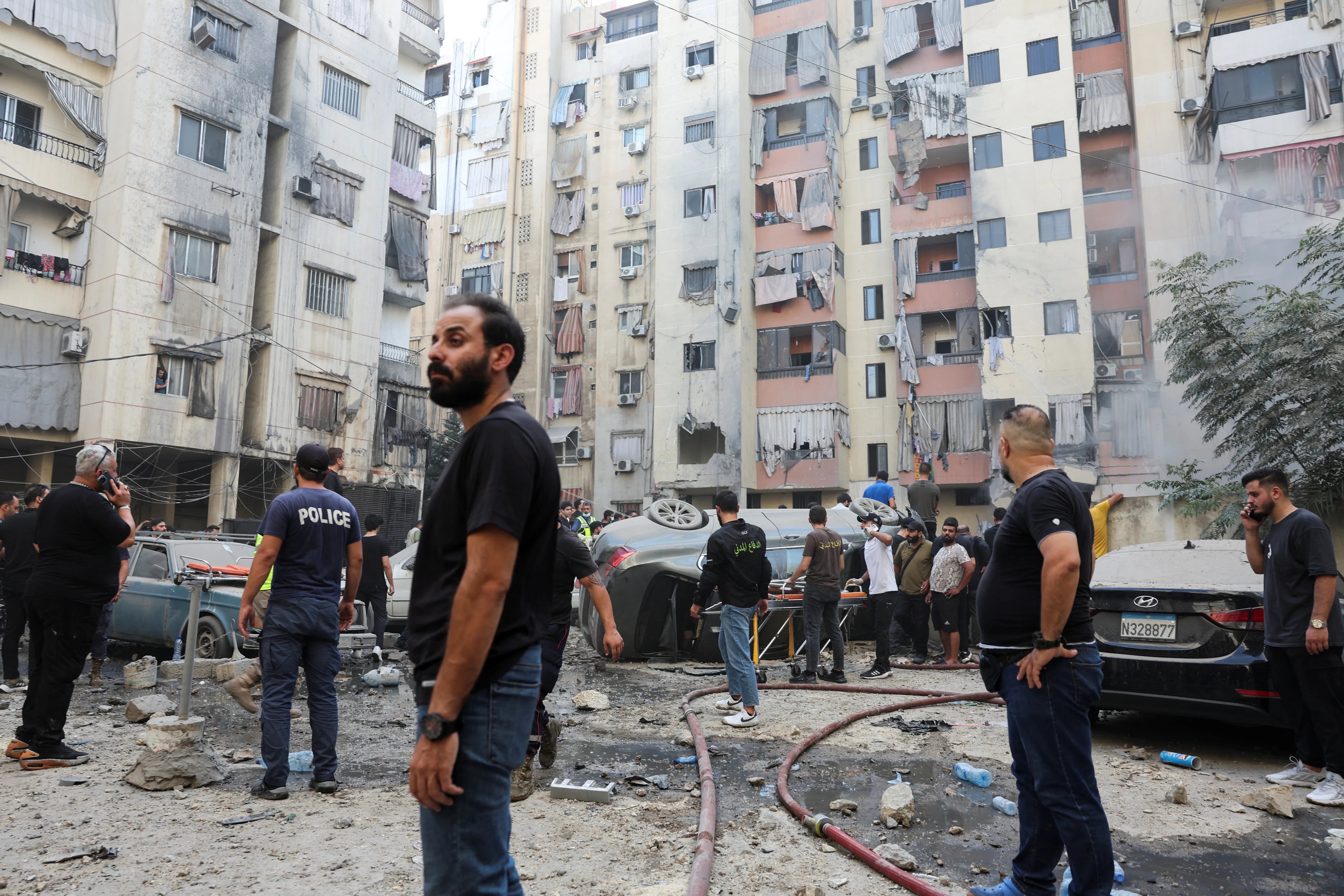
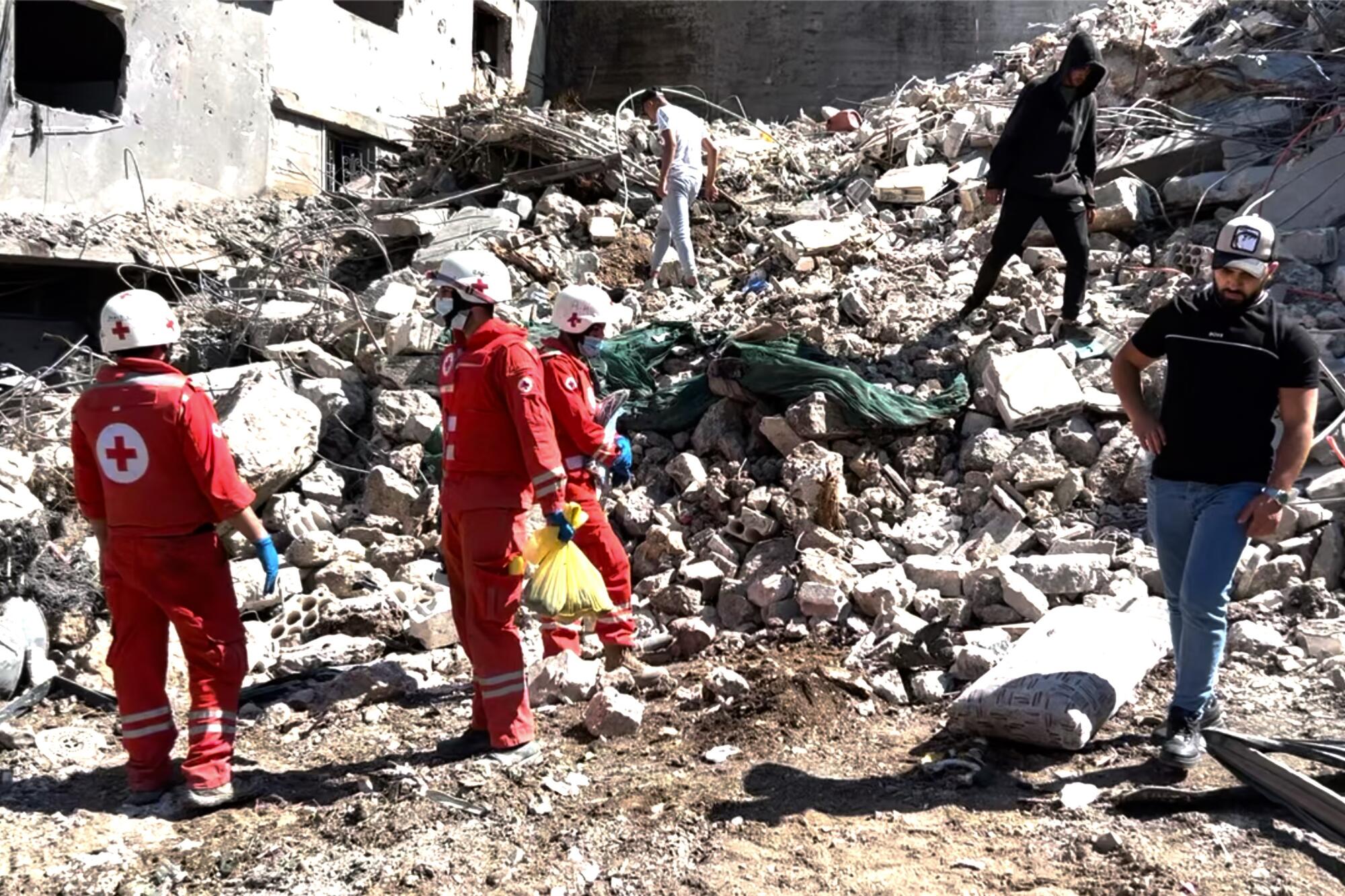
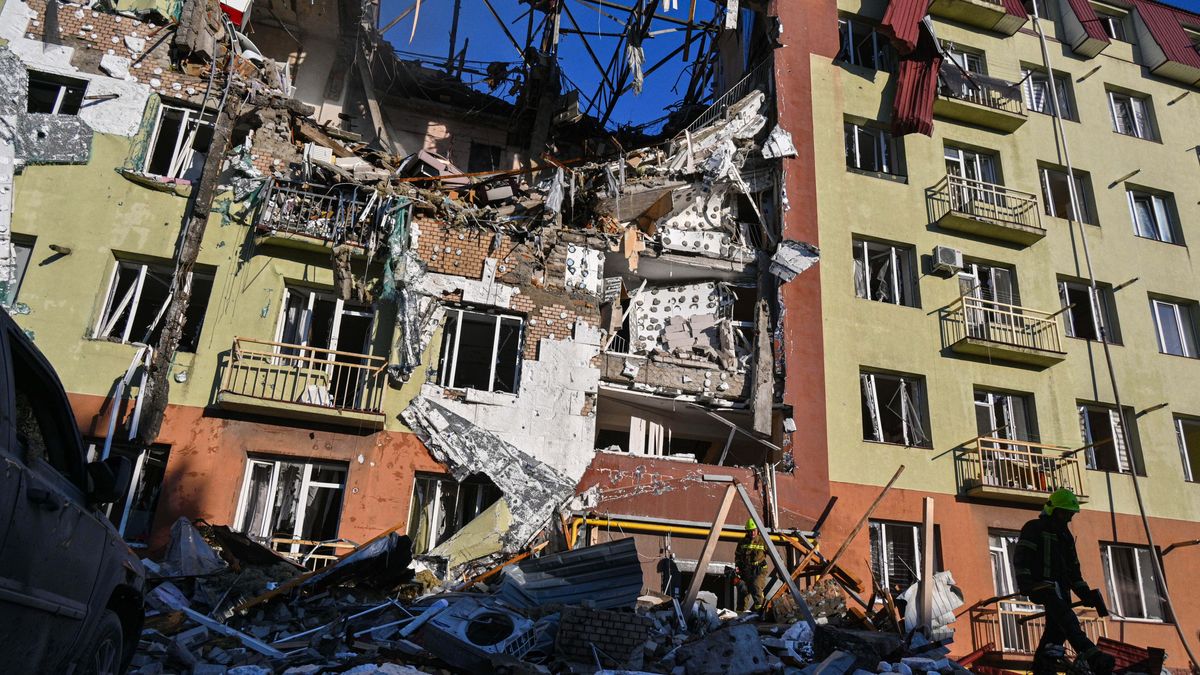
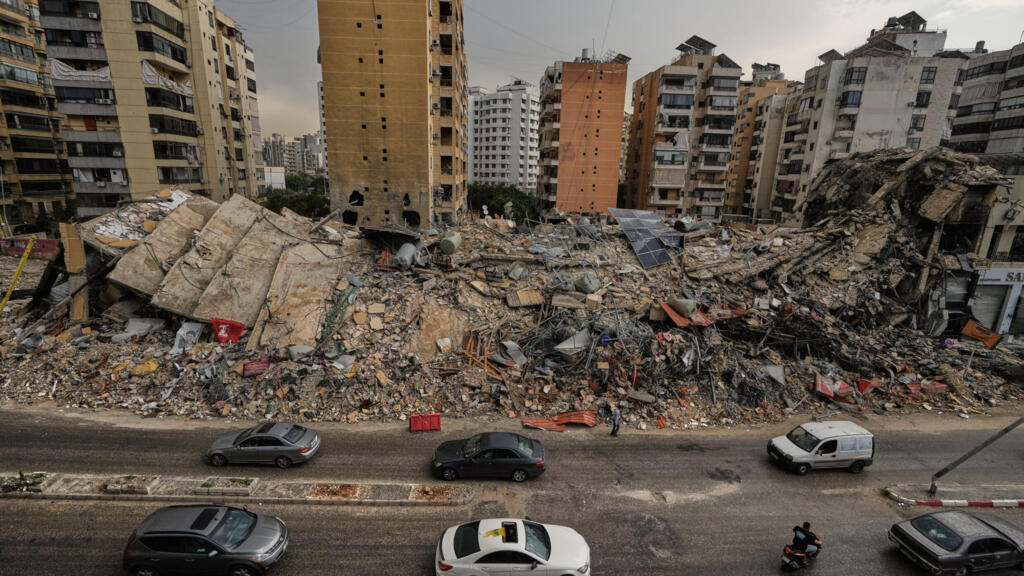
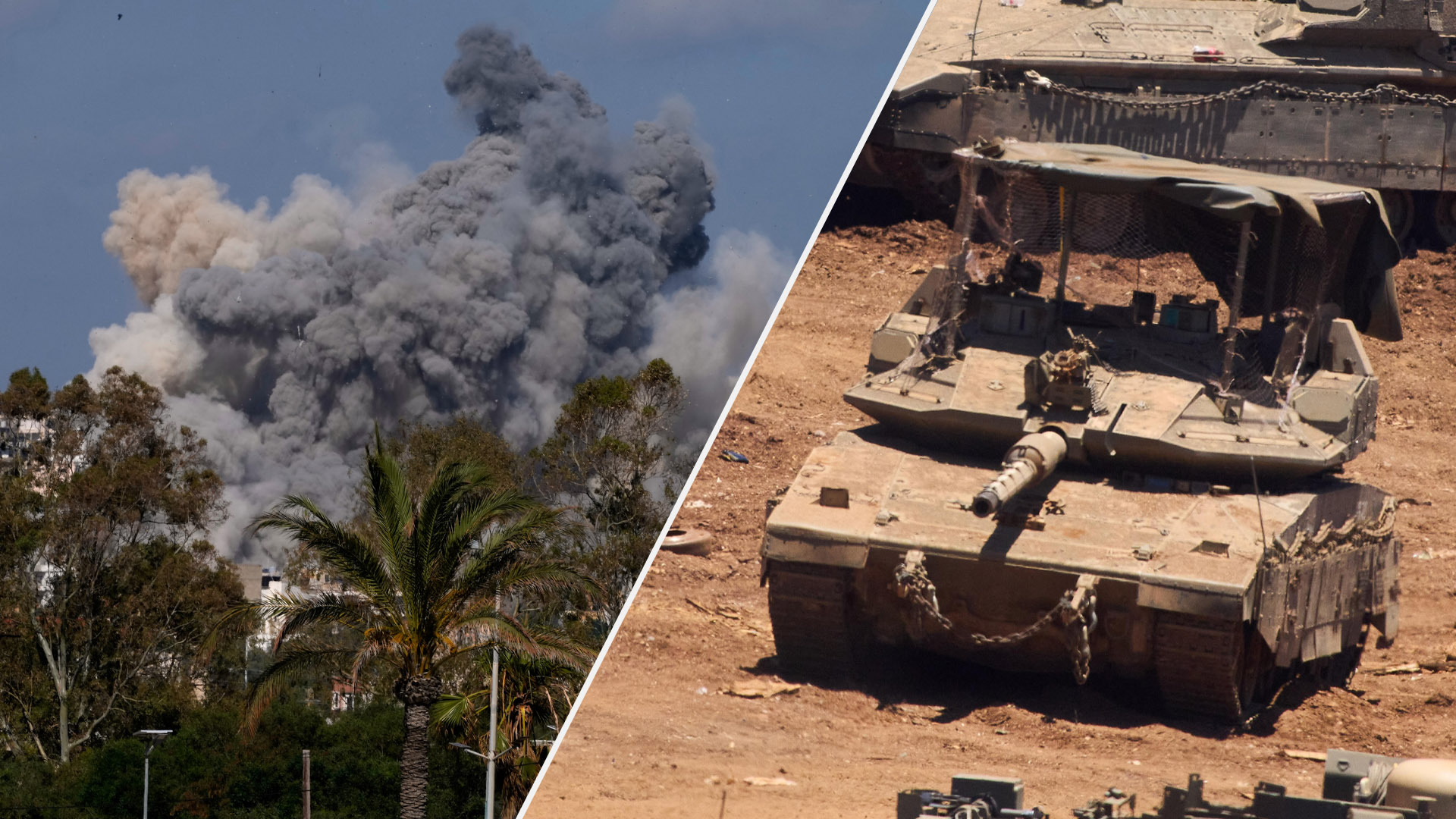
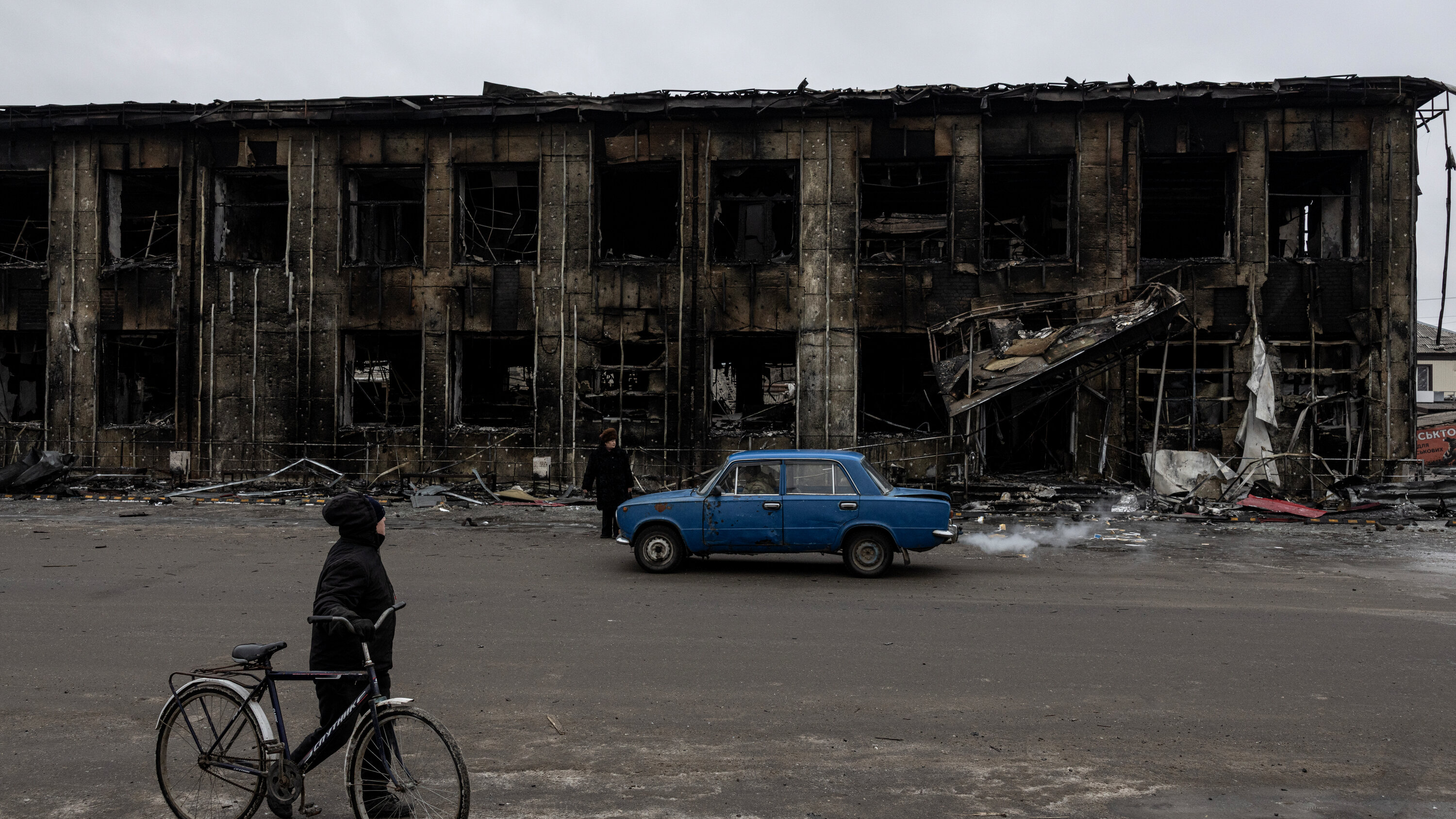
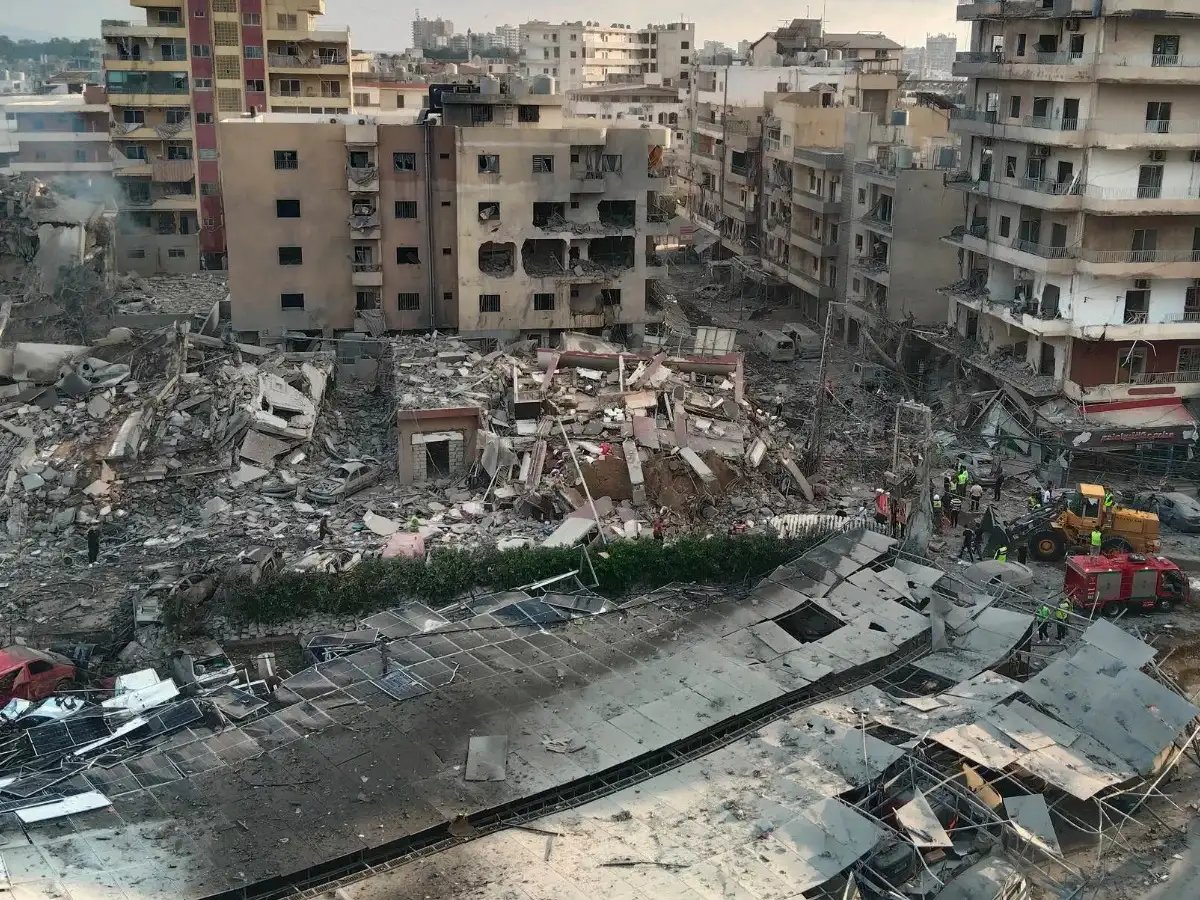
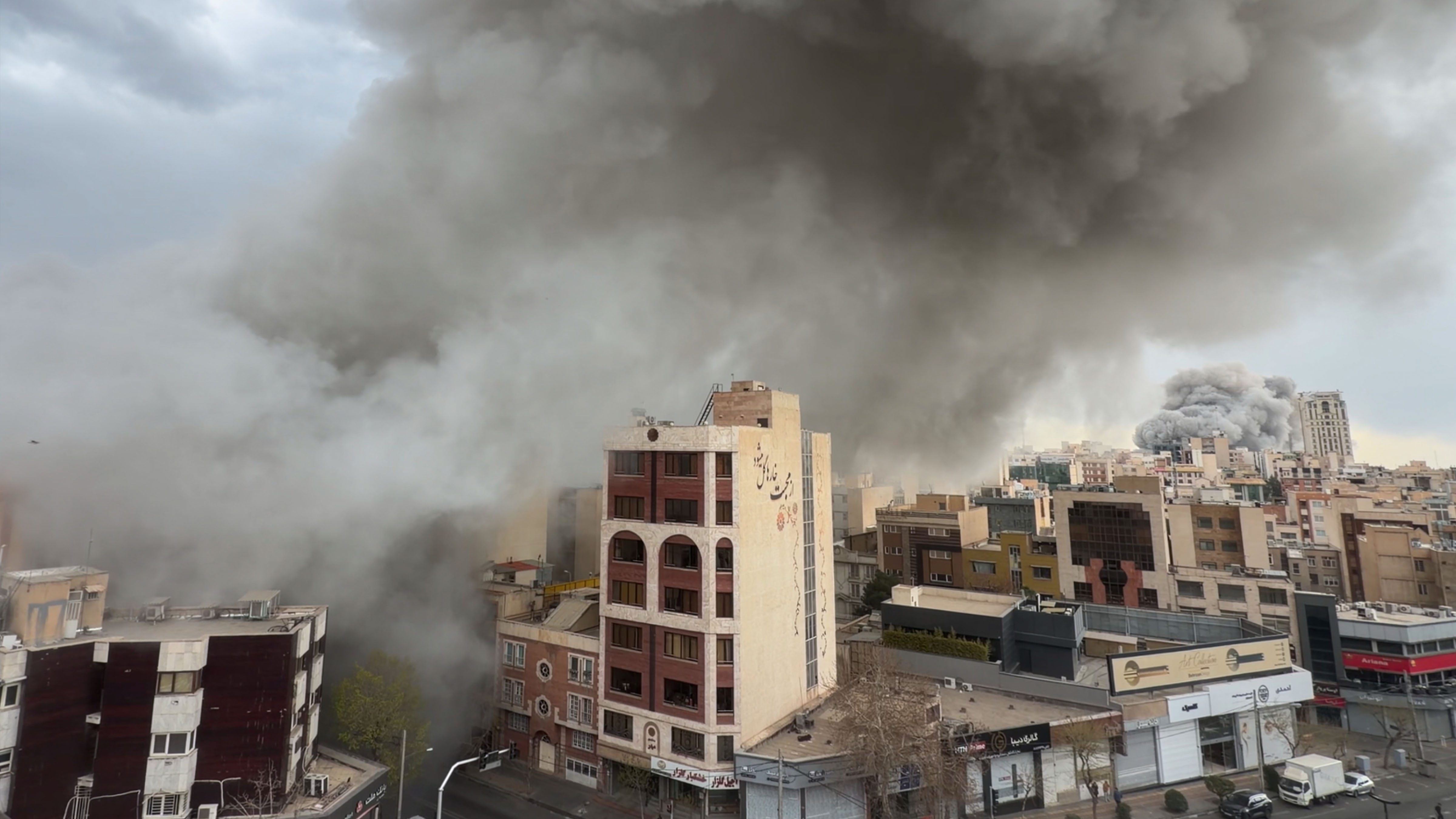
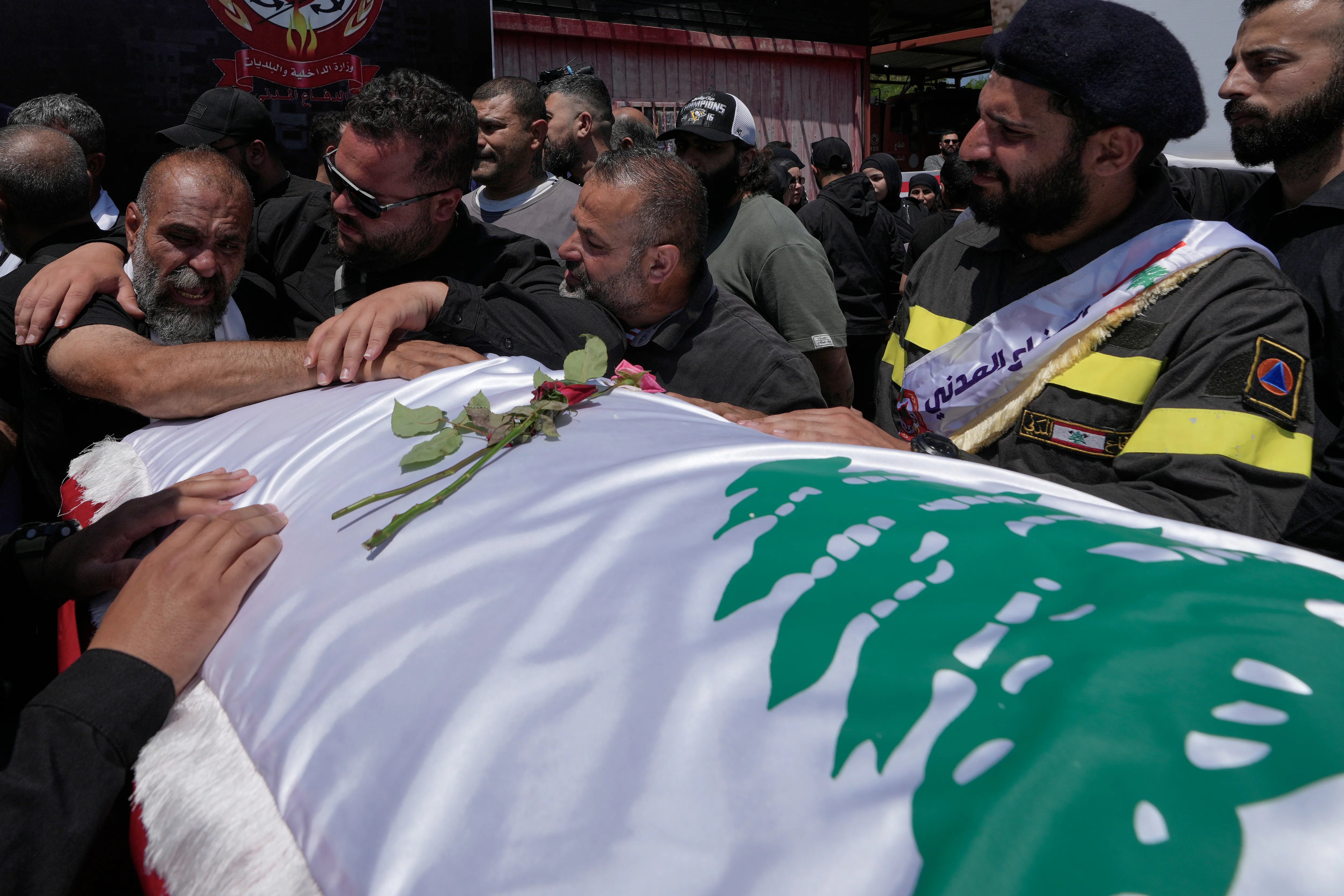
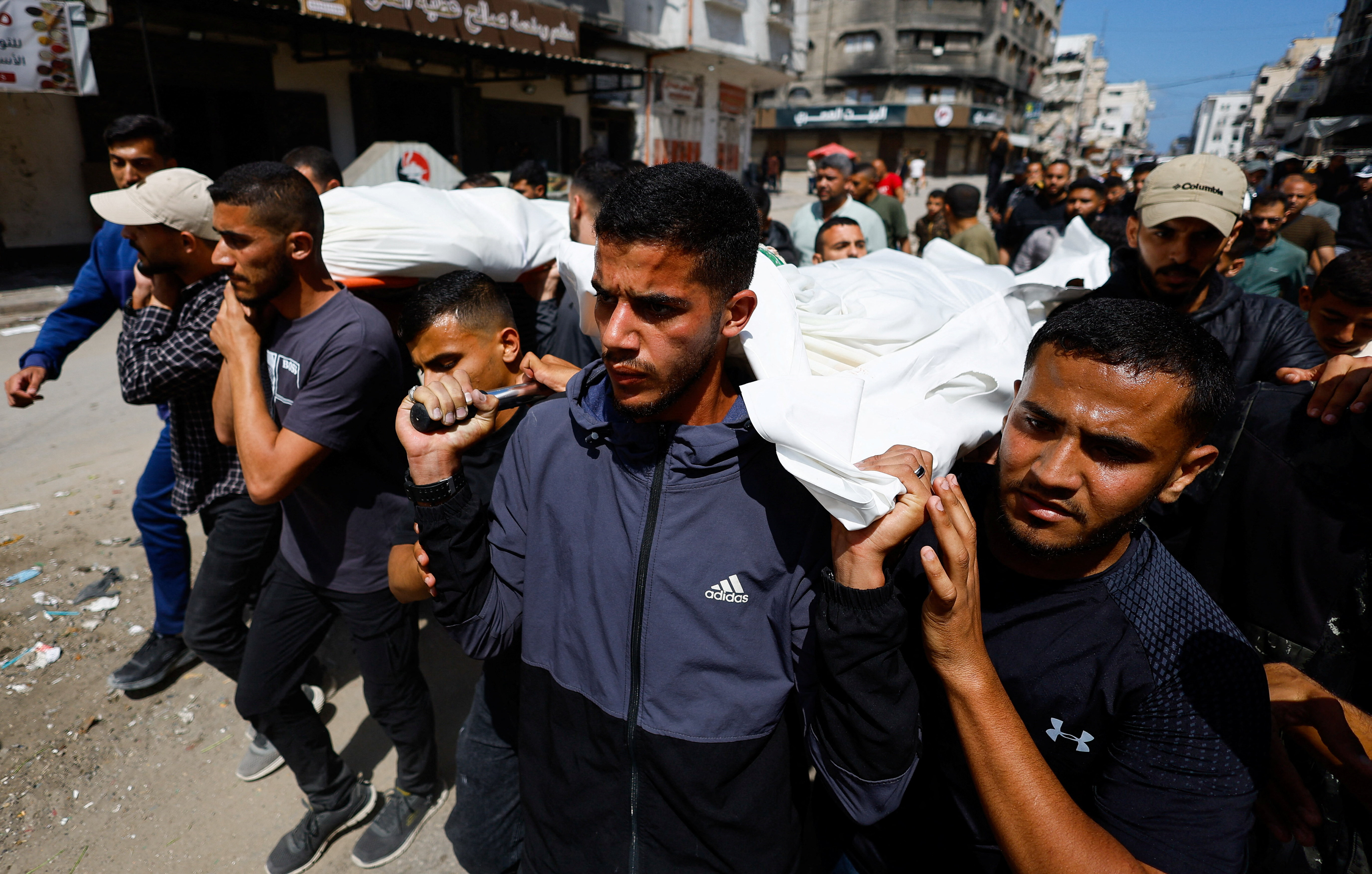
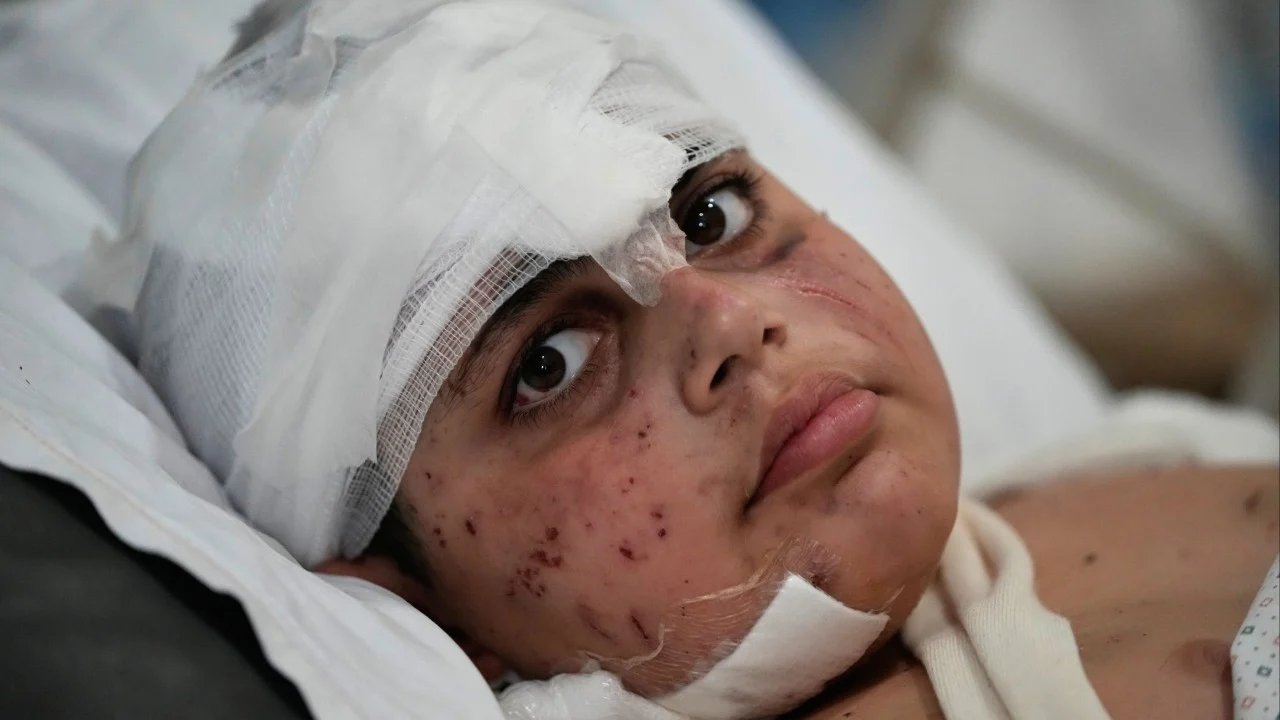
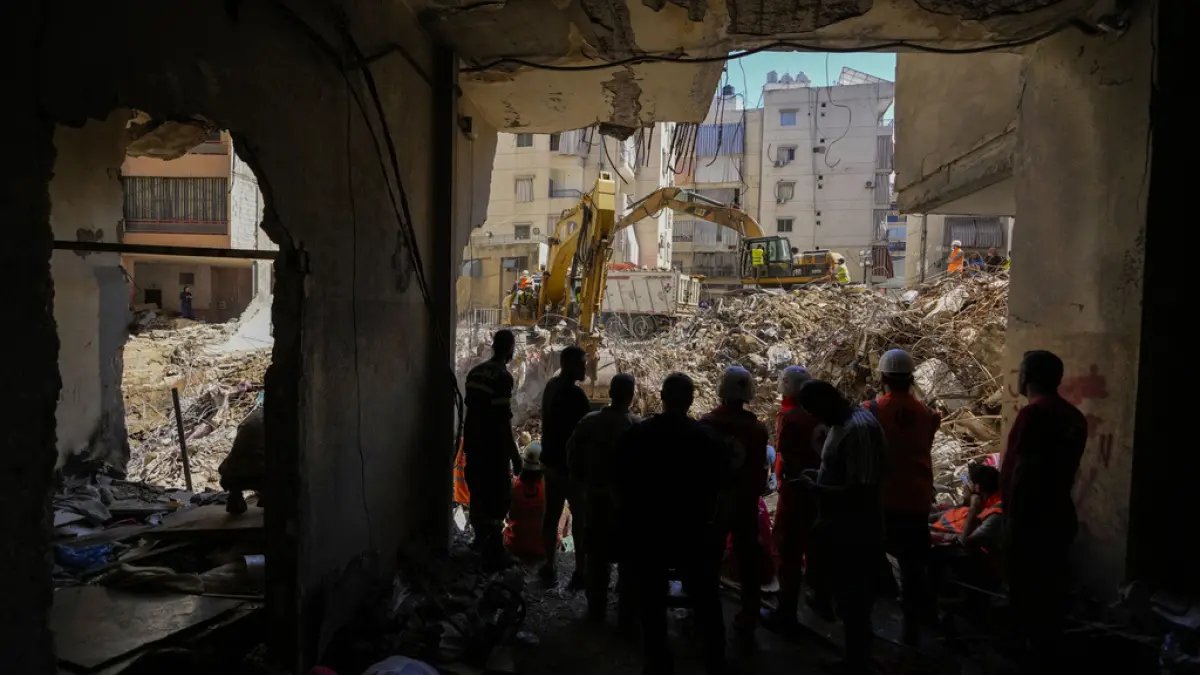
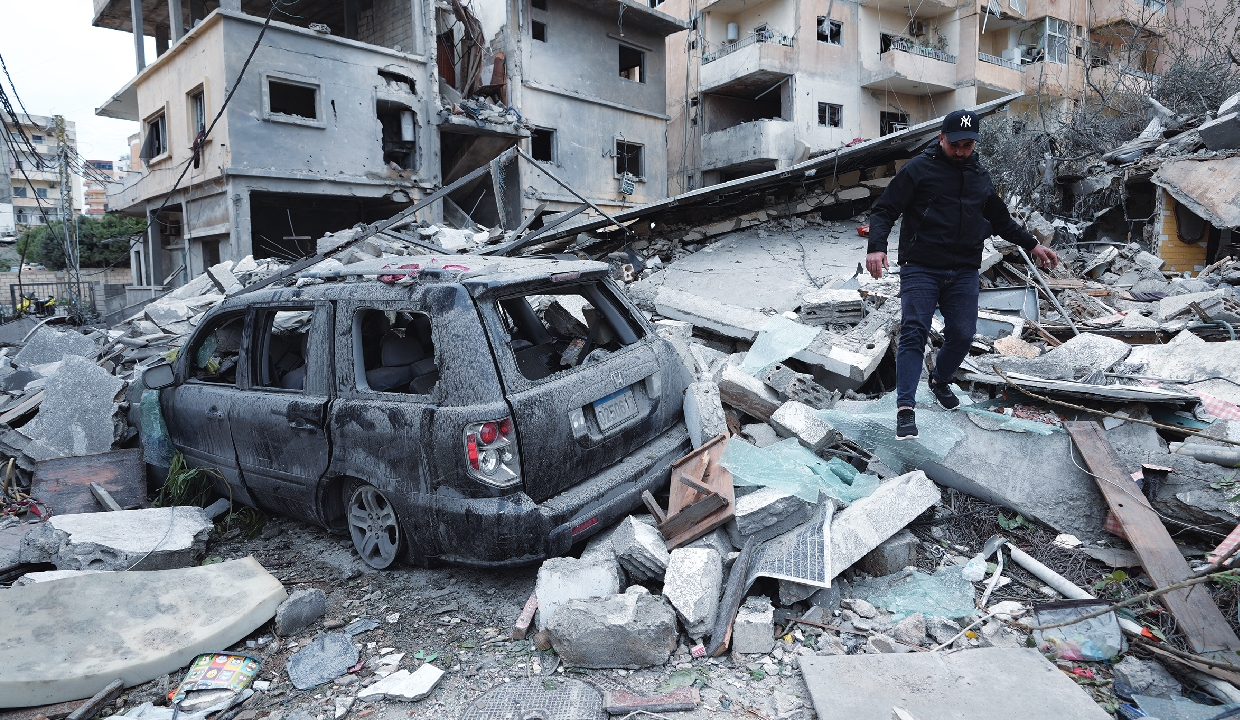
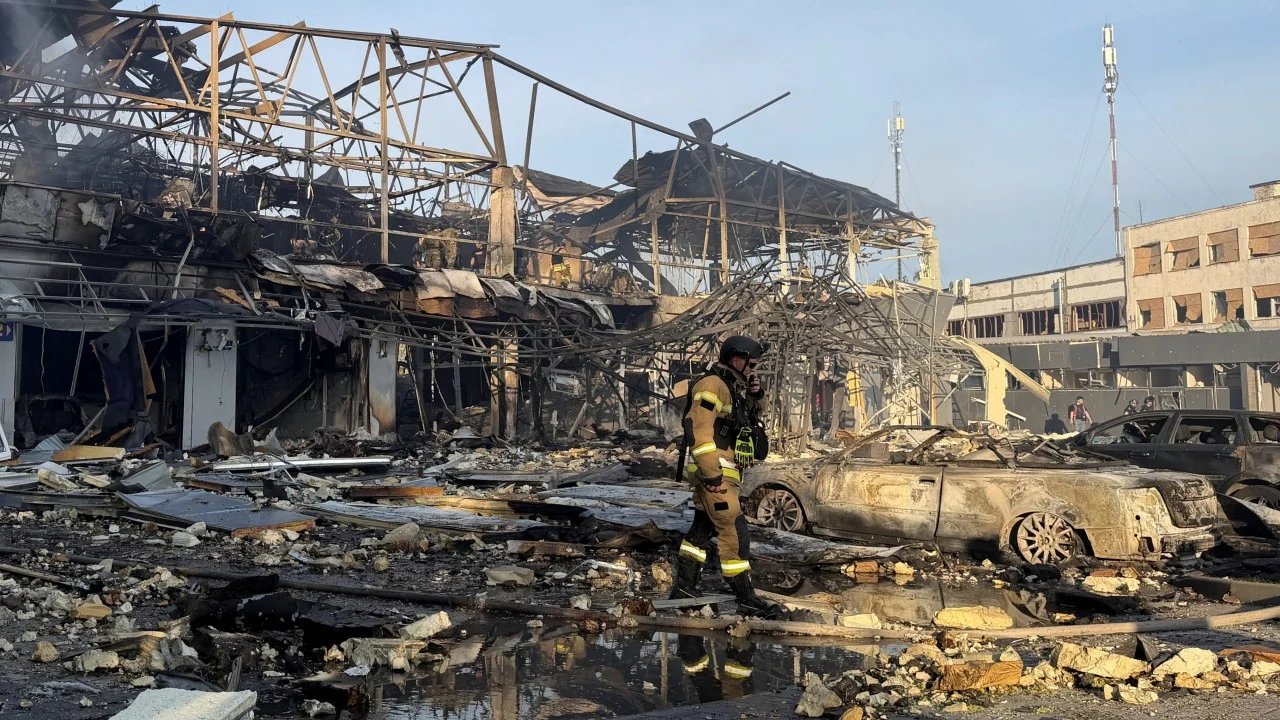
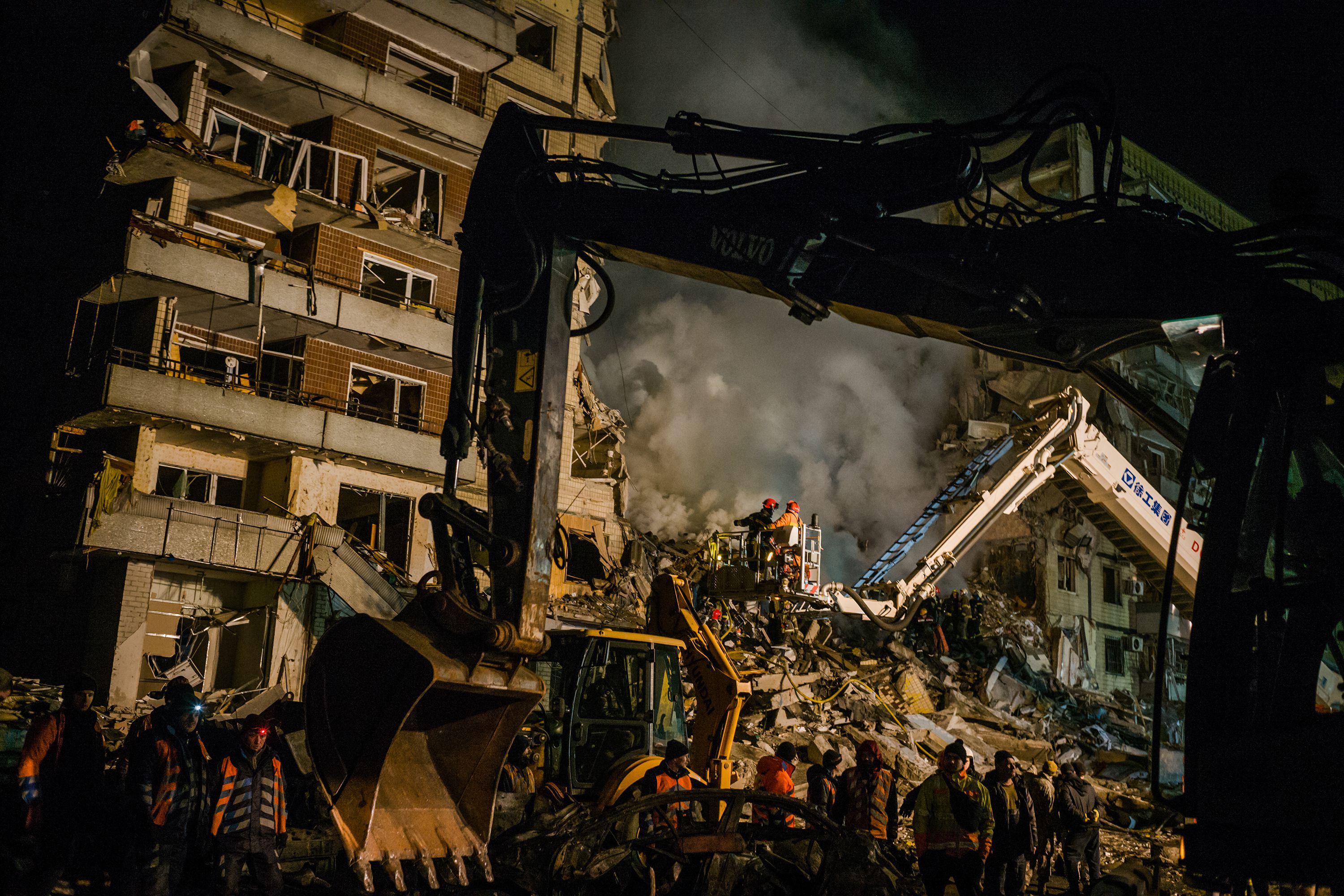
Abbas Masjedi, head of Iran's Legal Medicine Organization, said at least 3,375 people have been killed in Iran since the U.S. and Israel launched attacks on the country seven weeks ago. Masjedi did not provide separate figures for civilian and security force casualties. He said 383 of the dead were children under 18 years old. The temporary ceasefire between Israel and Lebanon is holding but remains fragile. The ceasefire agreement says Israel can continue military activity in self-defense, and Hezbollah claimed responsibility for an explosion that killed at least one Israeli soldier over the weekend, saying the explosive device was planted before the ceasefire took effect.
Market reaction and stakes
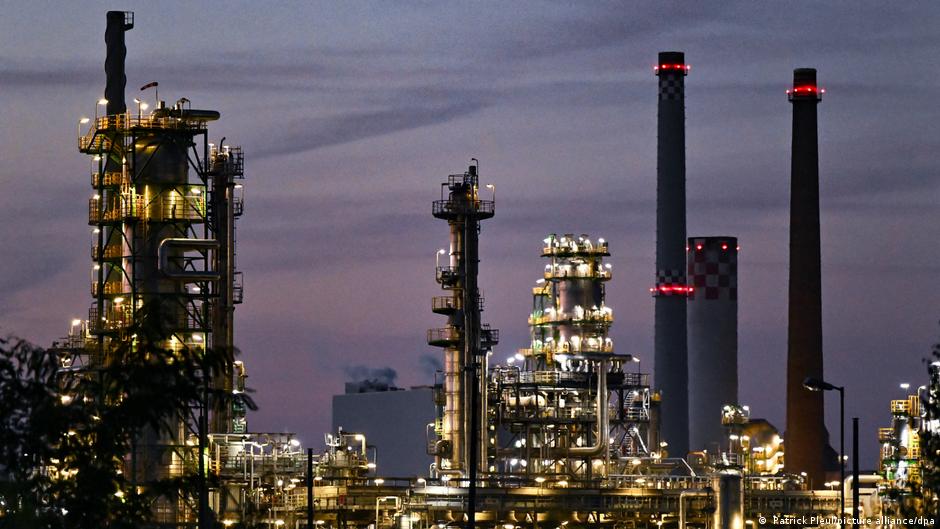
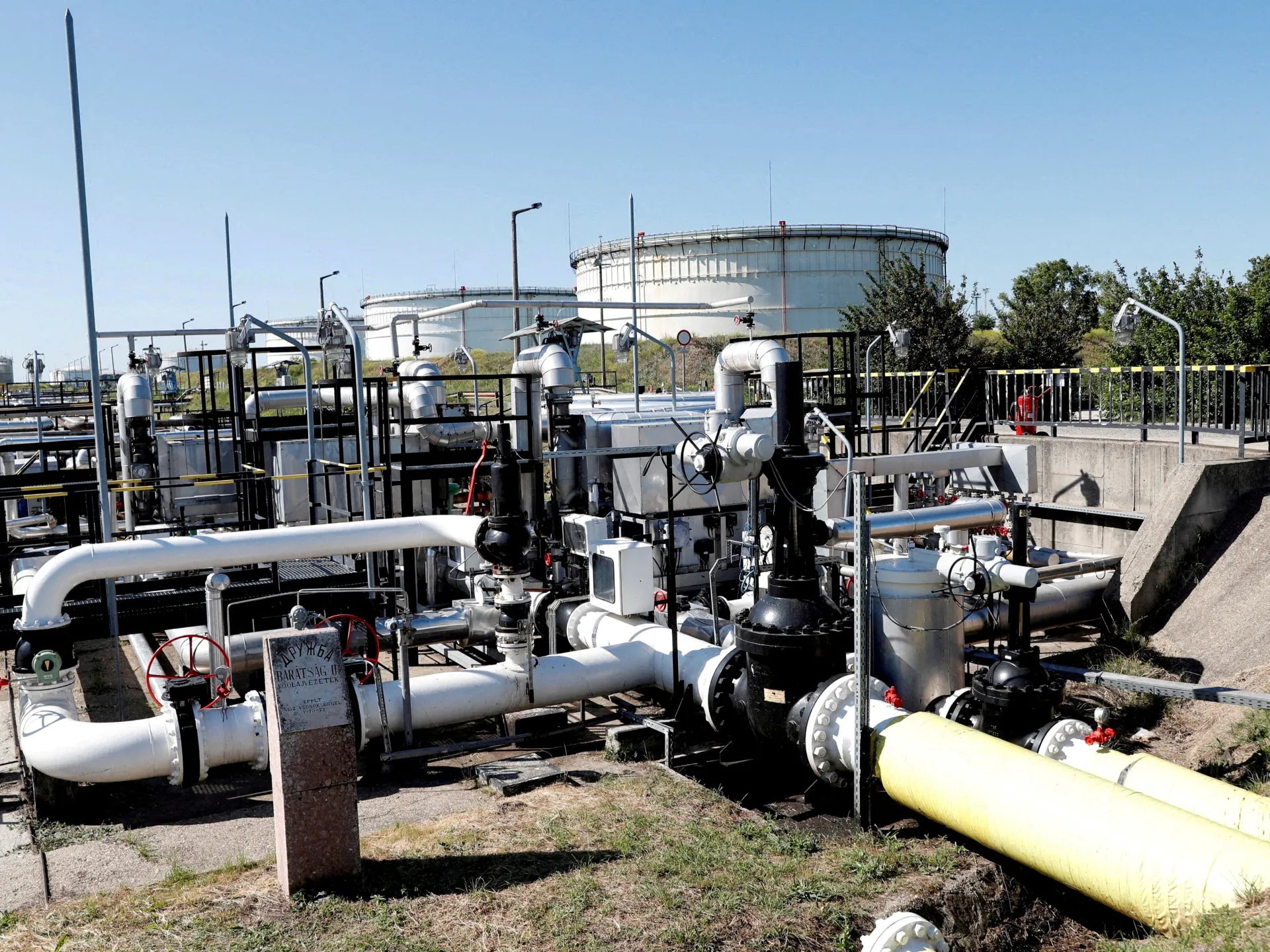
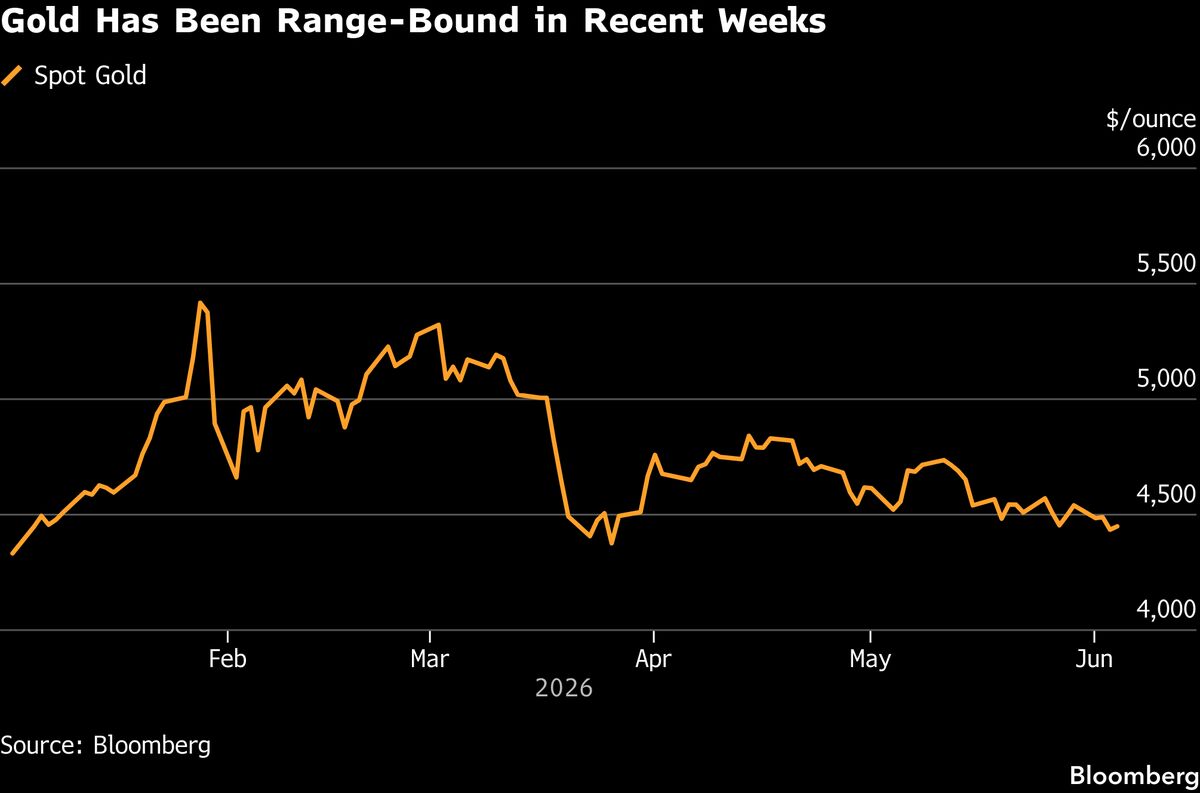
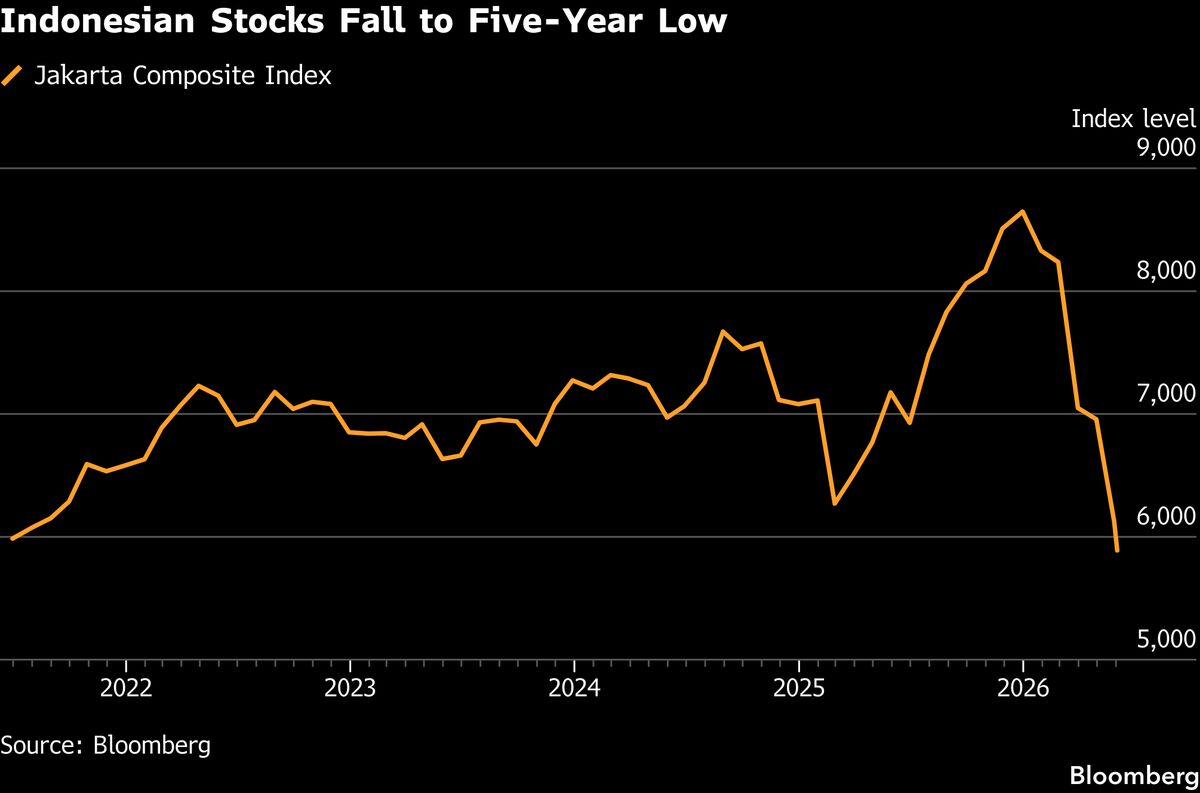
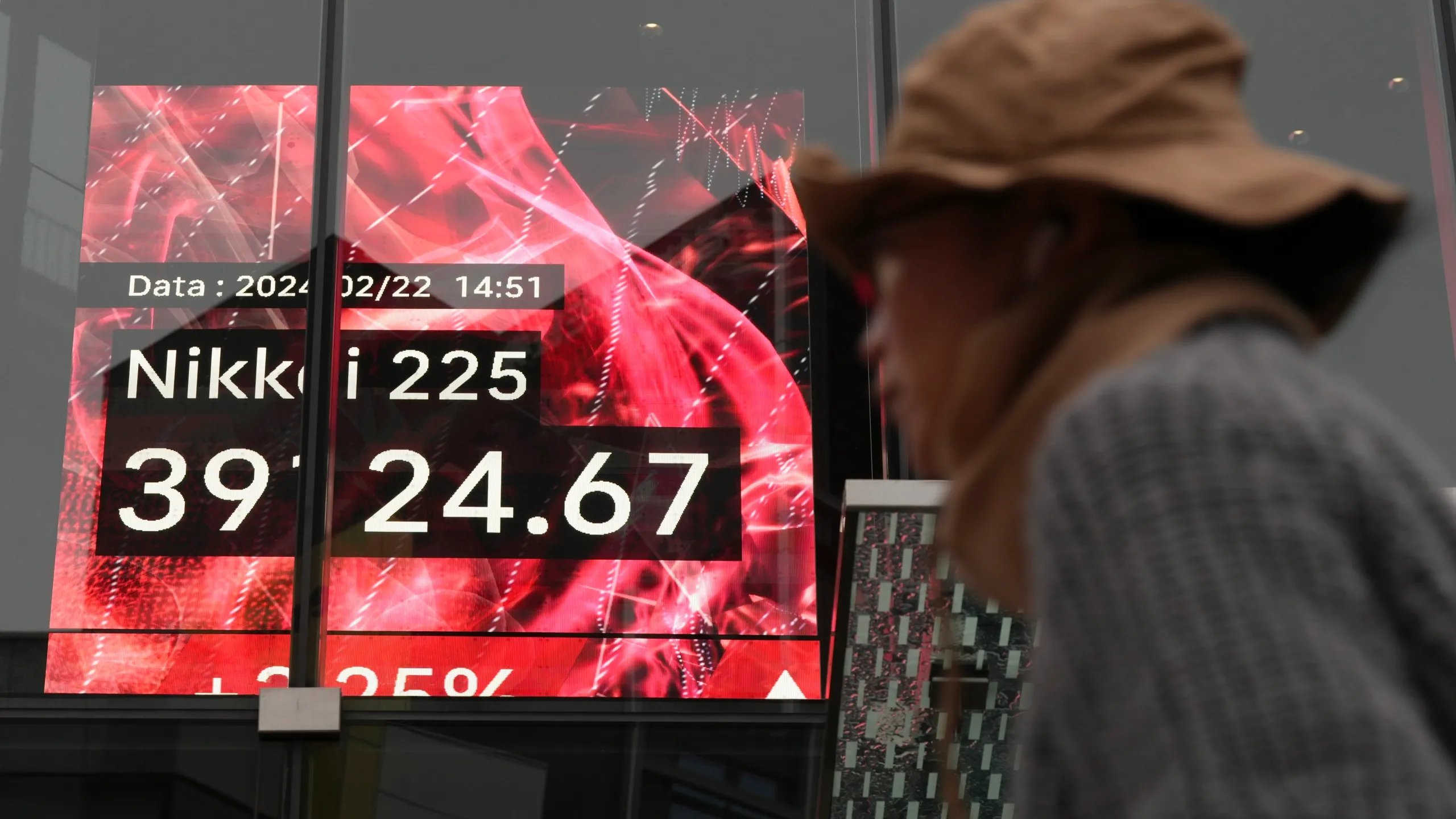
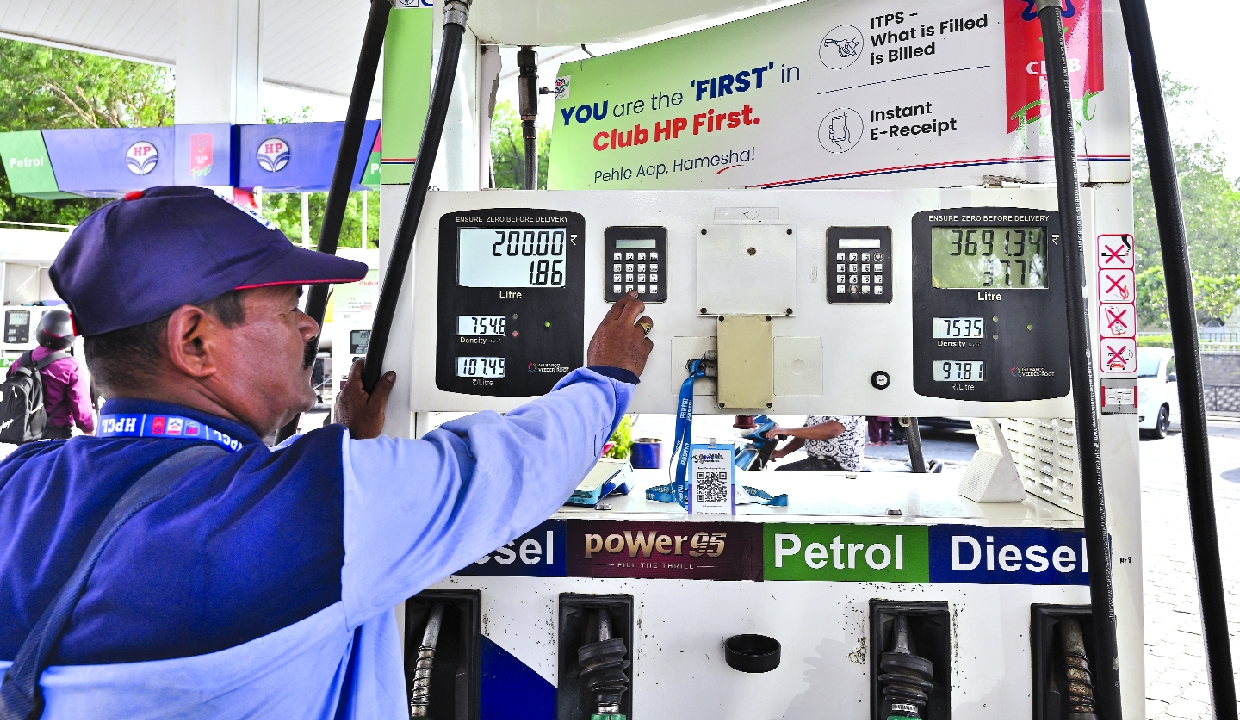
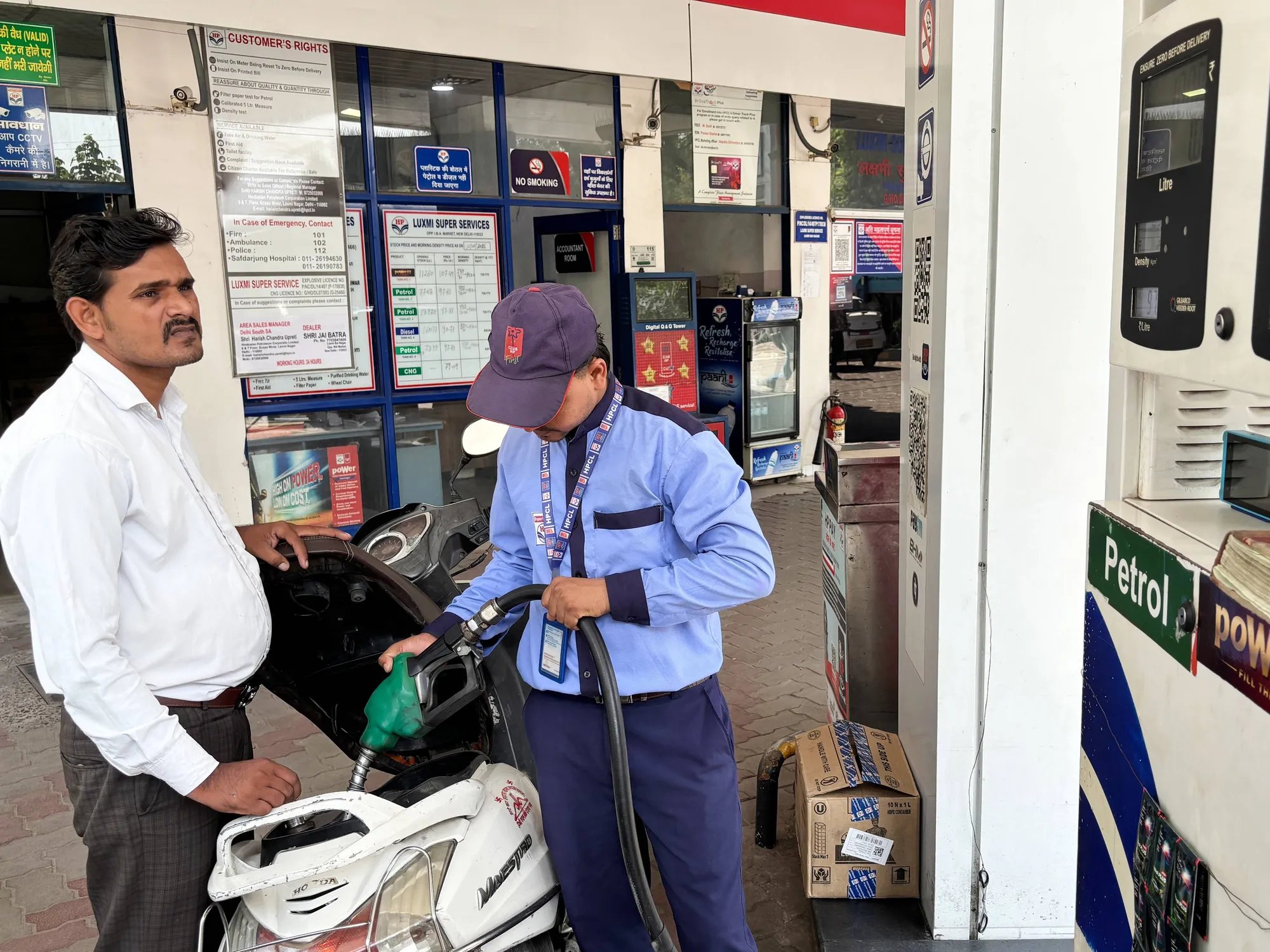
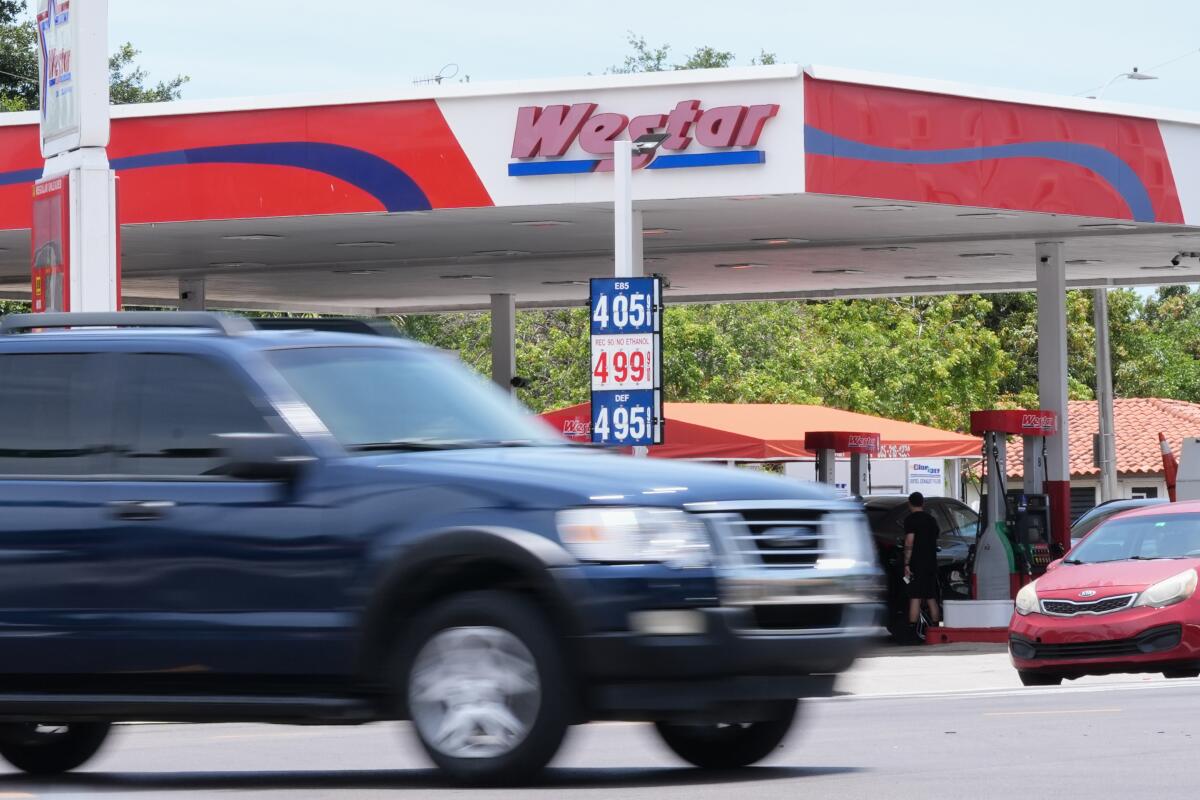
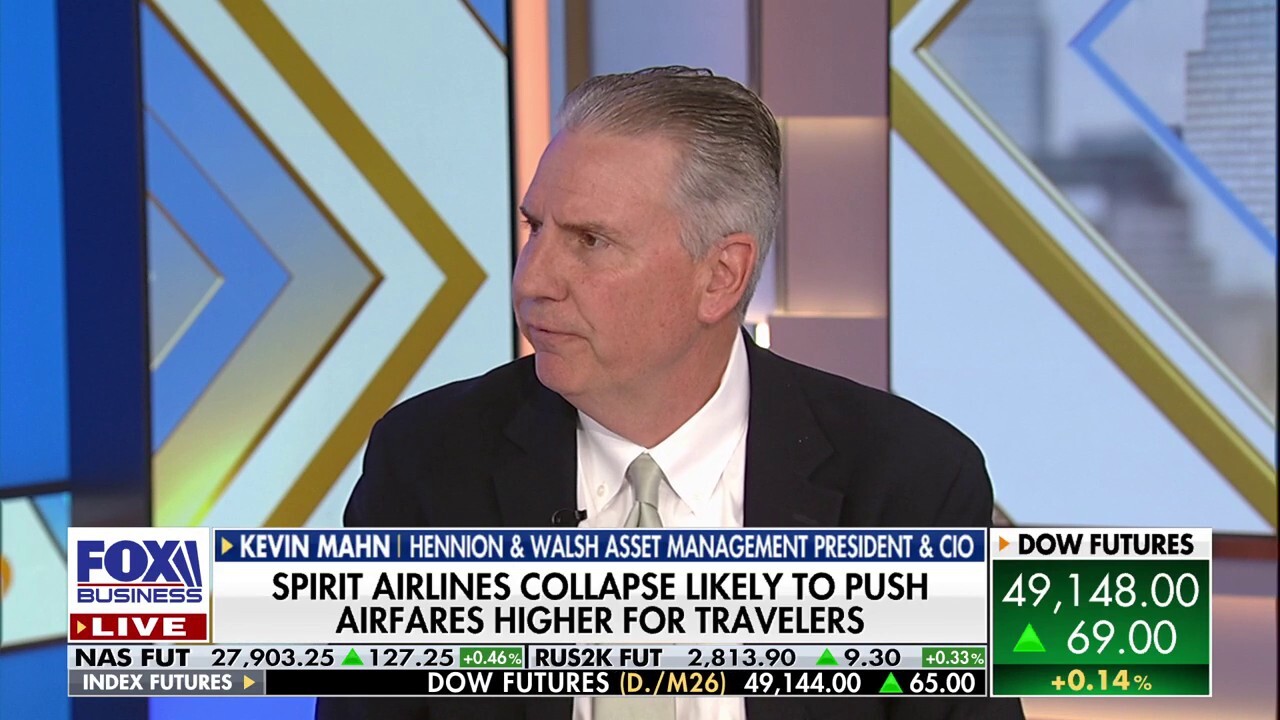
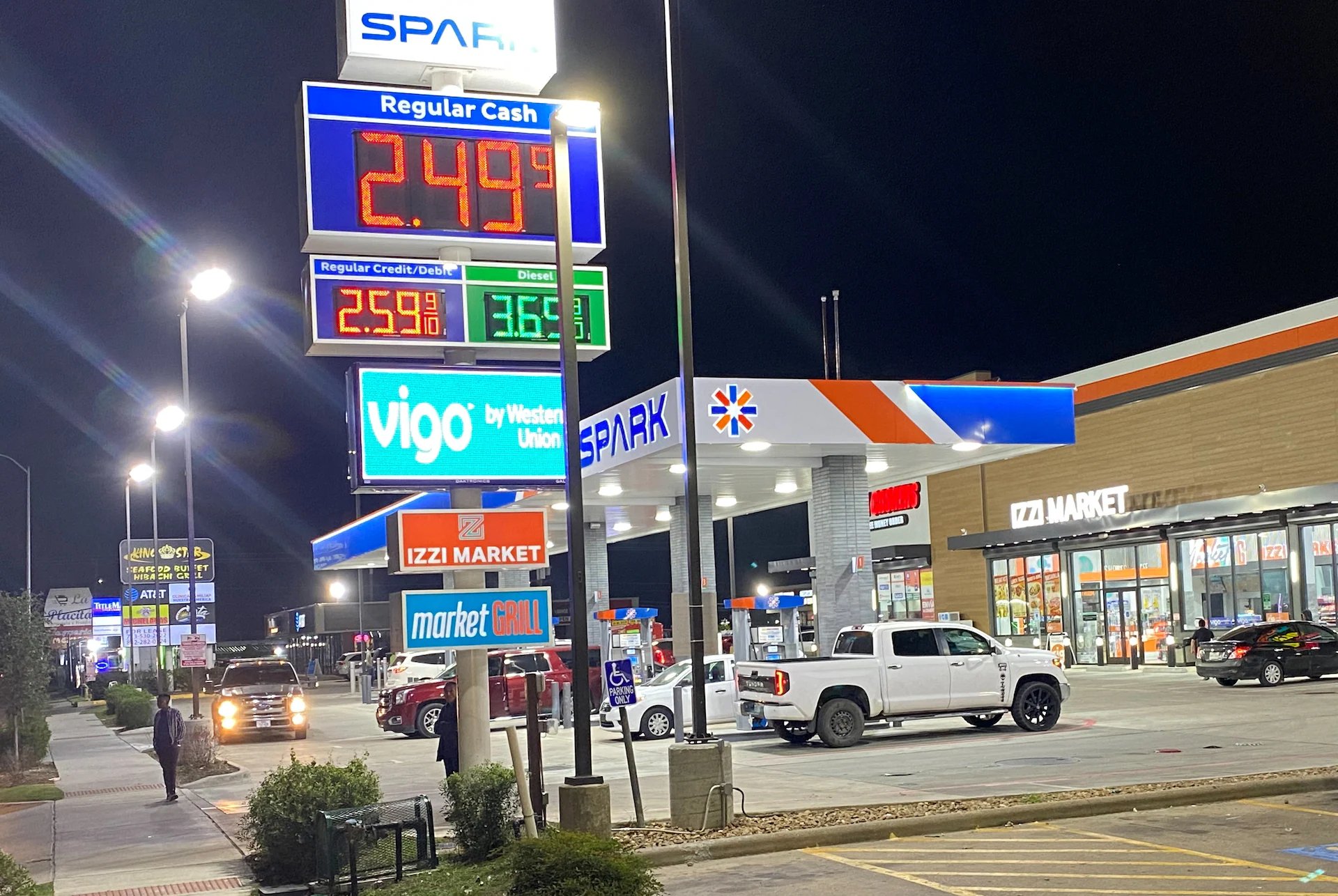
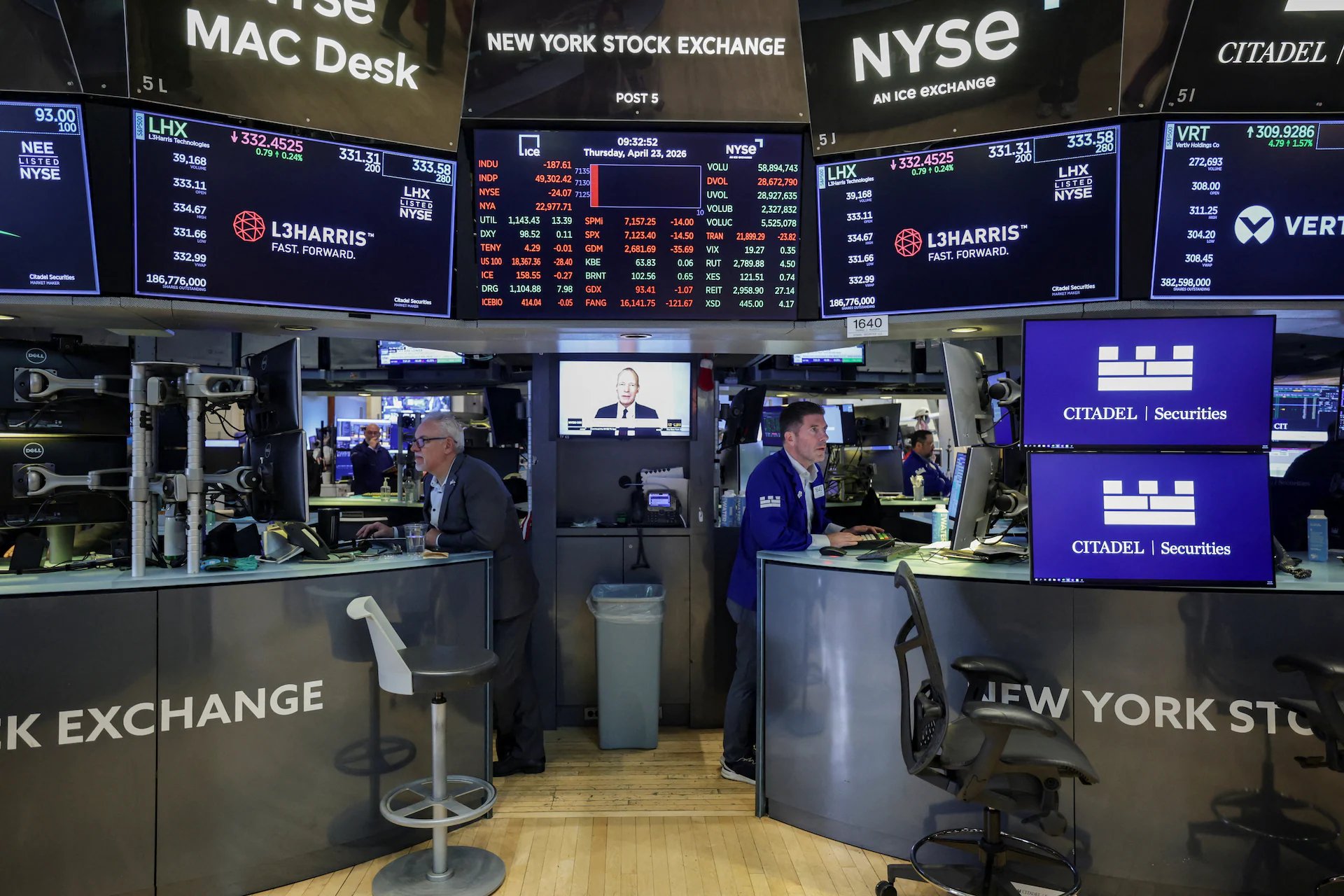
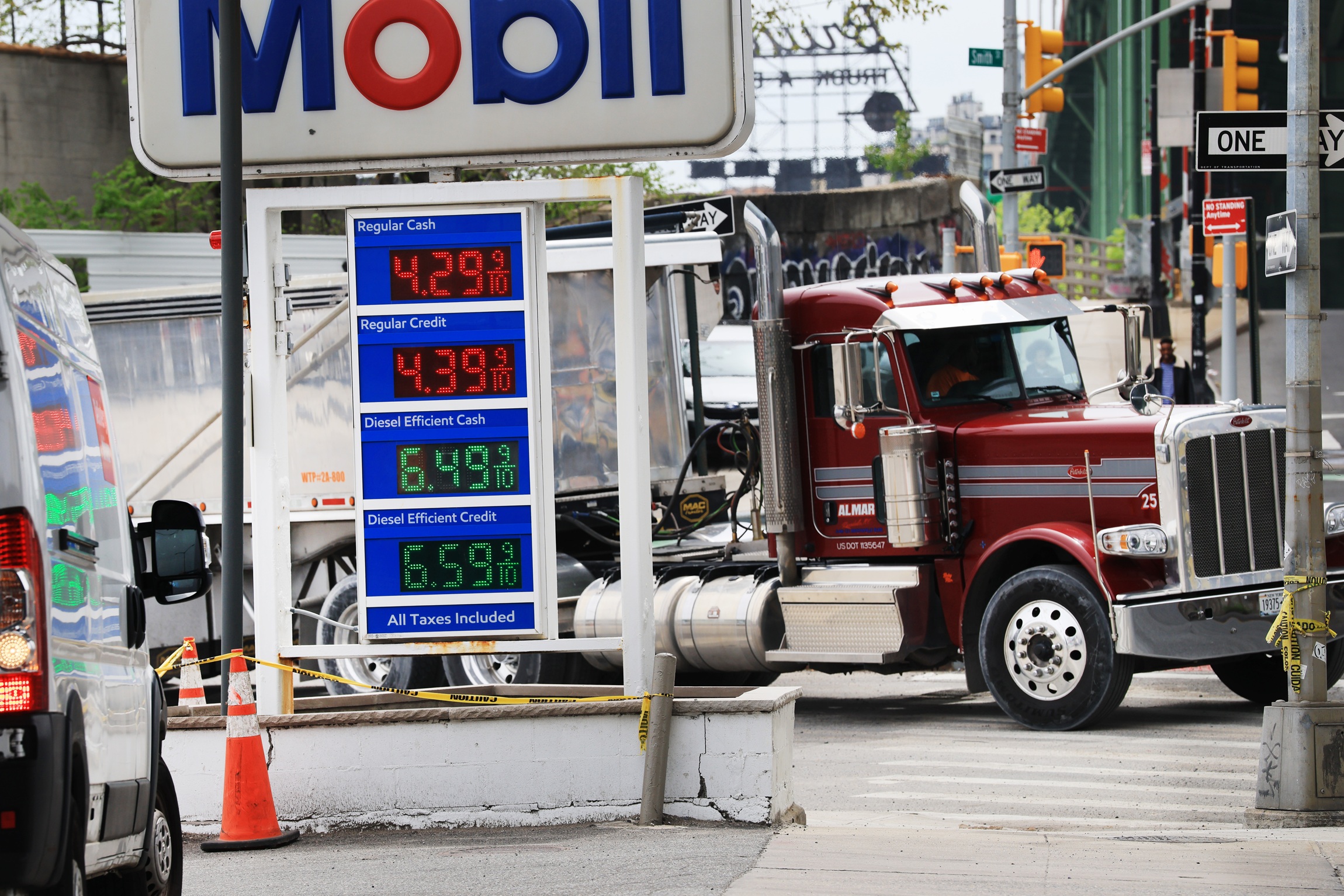
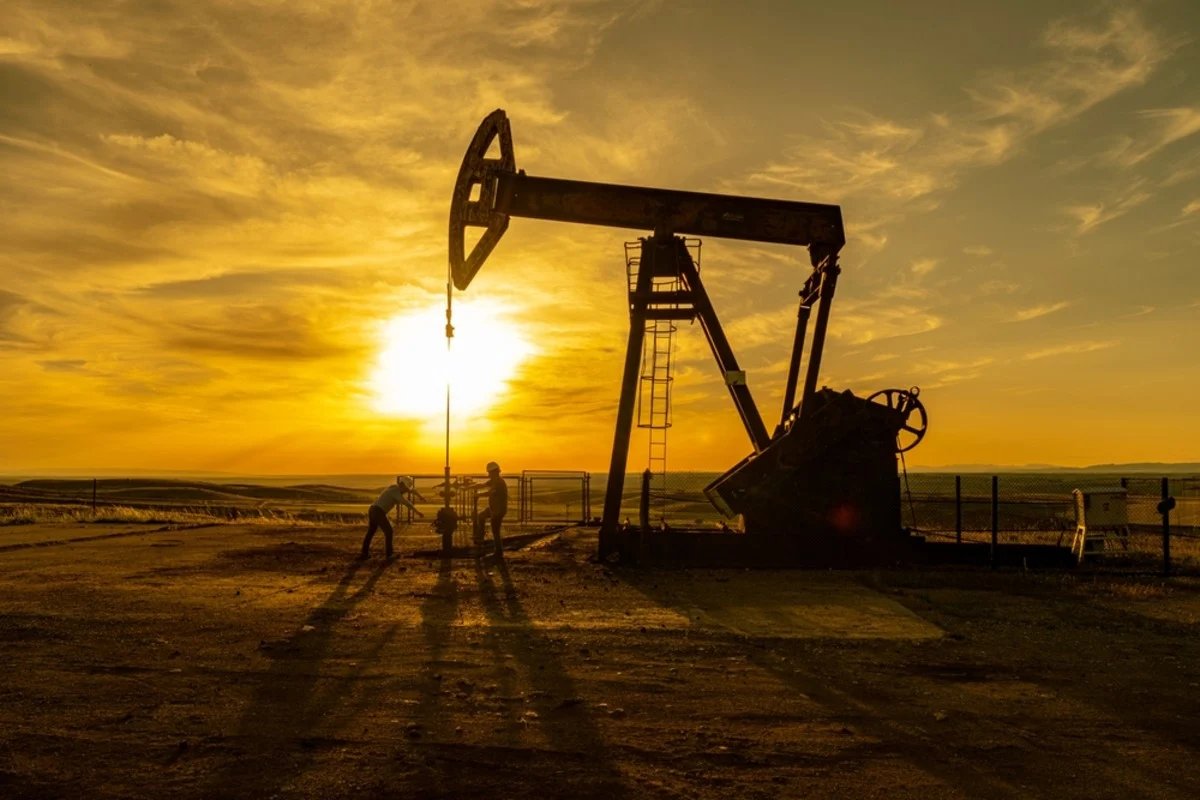
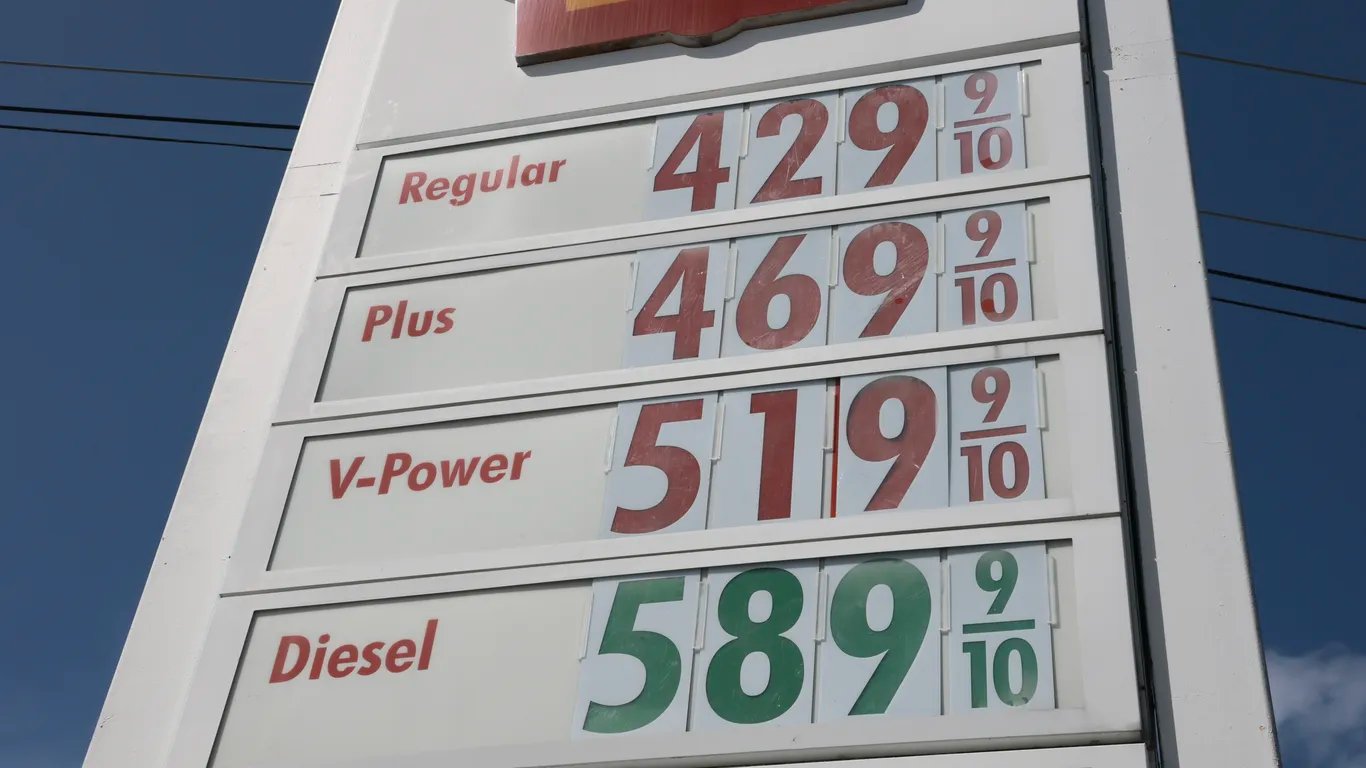
Oil prices surged as the seizure cast doubt on prospects for peace between the U.S. and Iran, driving stocks lower. The U.S. State Department said it will host a second round of talks between Israeli and Lebanese ambassadors on Thursday, even as the broader regional conflict remains unresolved and the path to a lasting peace agreement with Iran grows more uncertain.