Massachusetts case rejected, but similar disputes continue nationwide
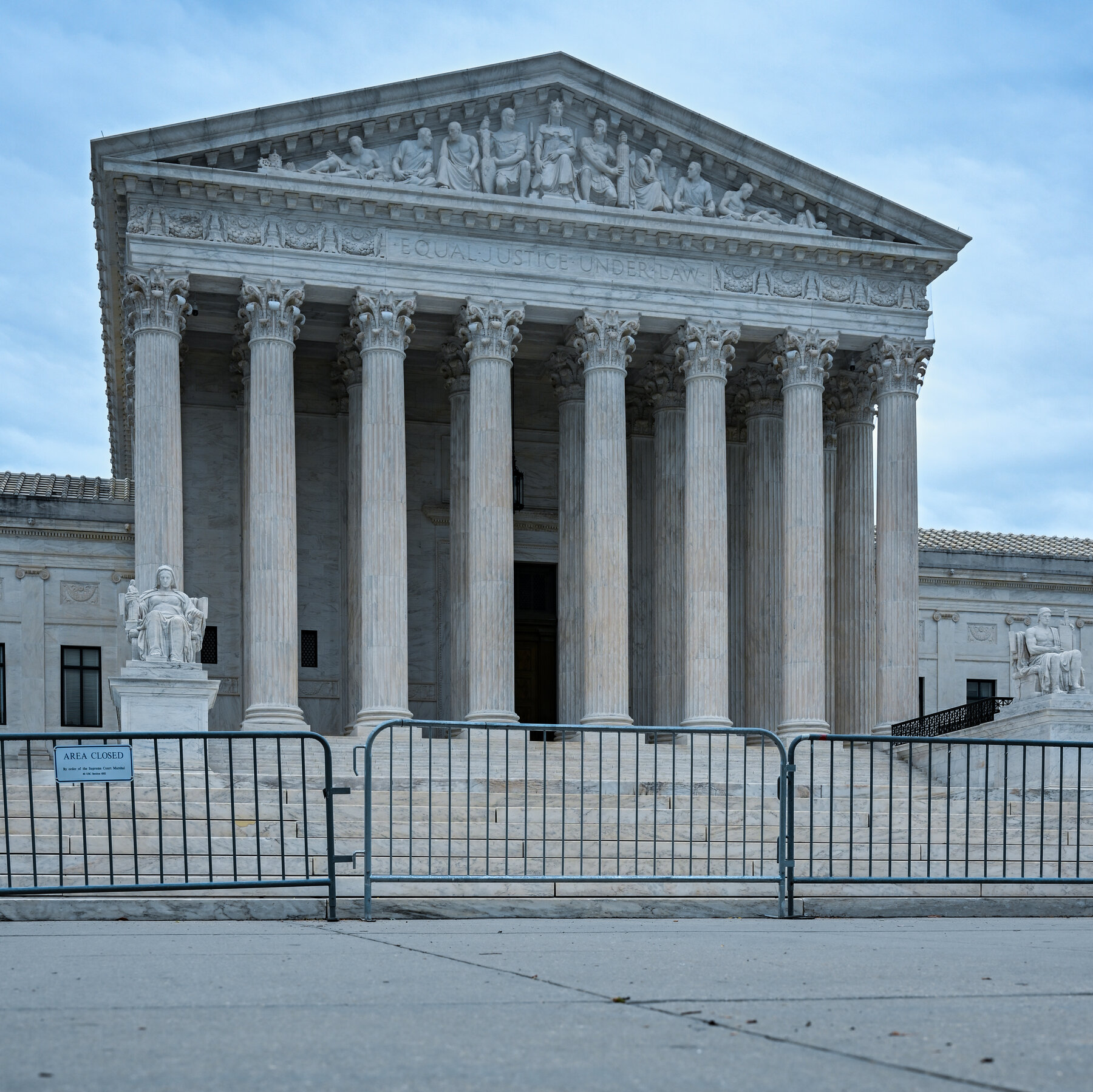
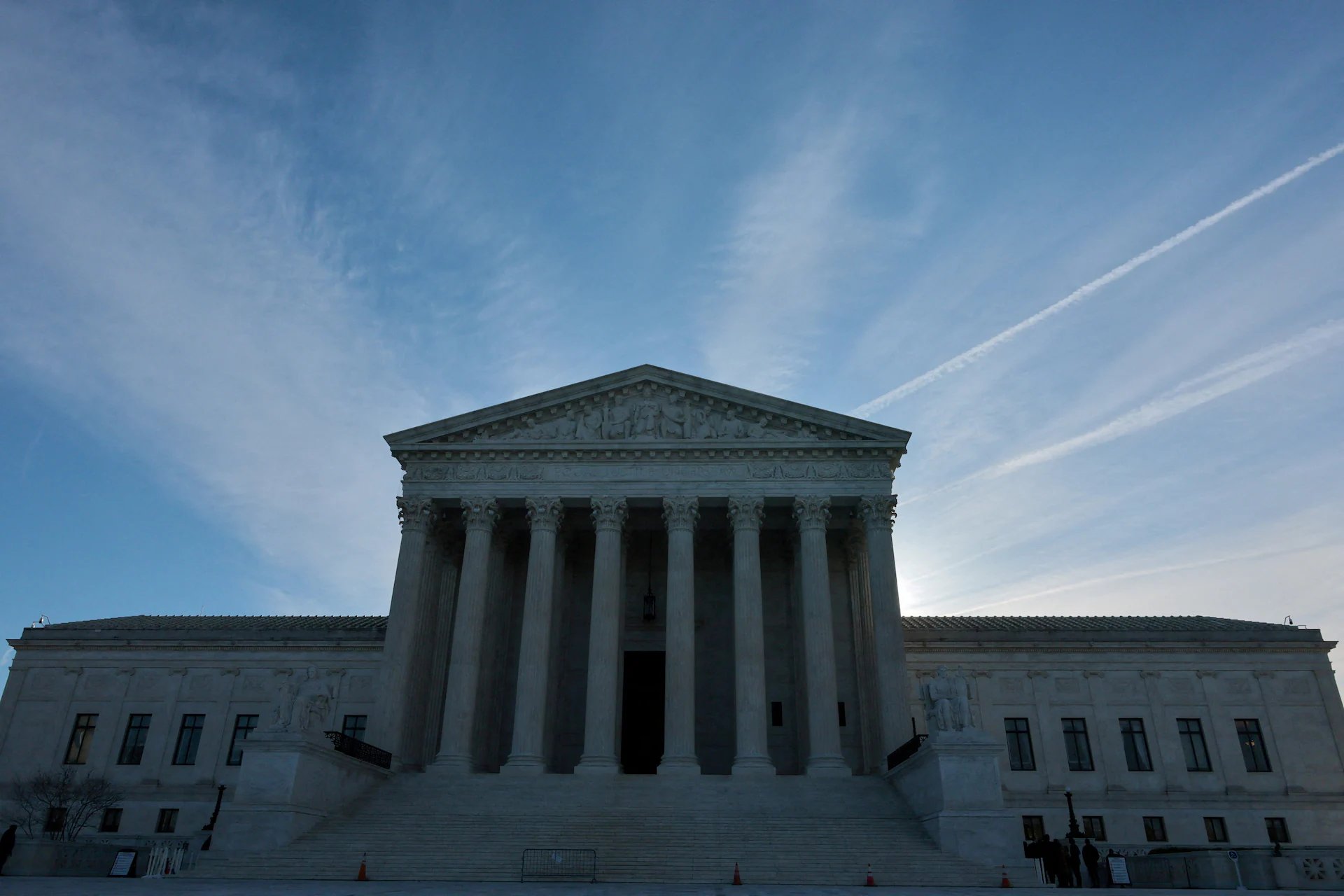
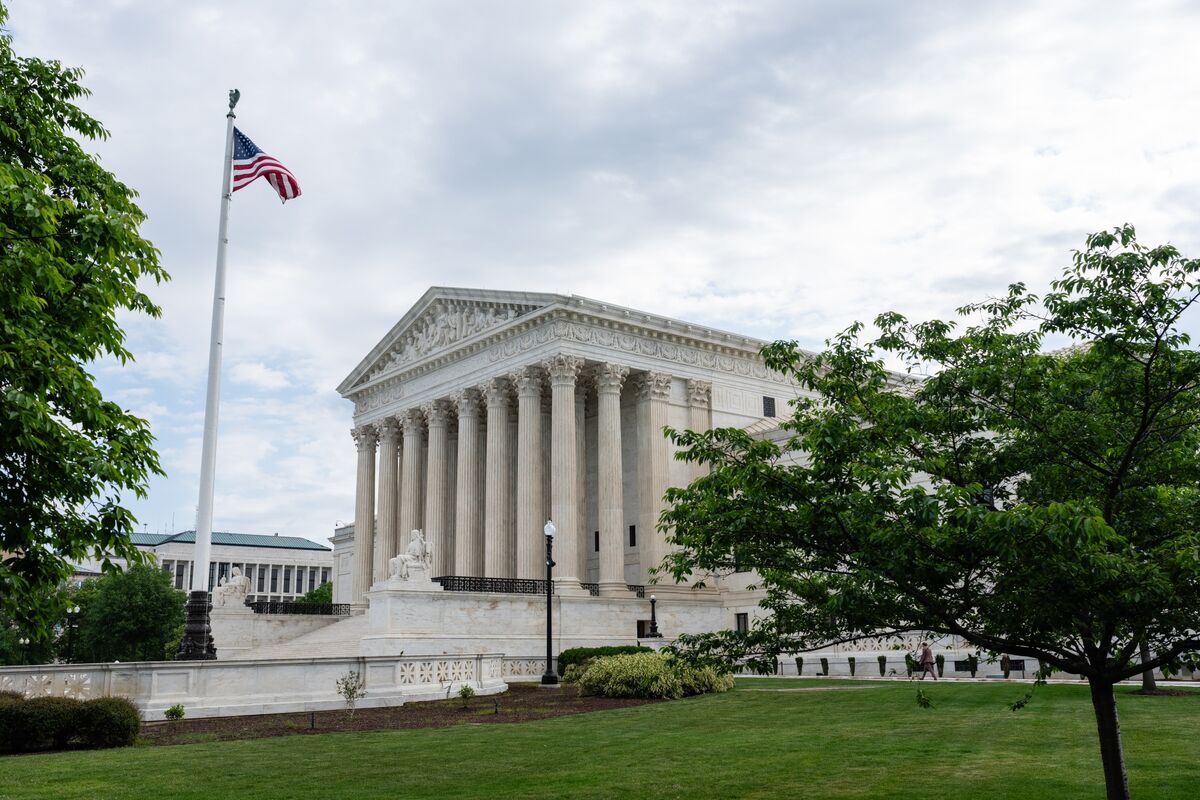
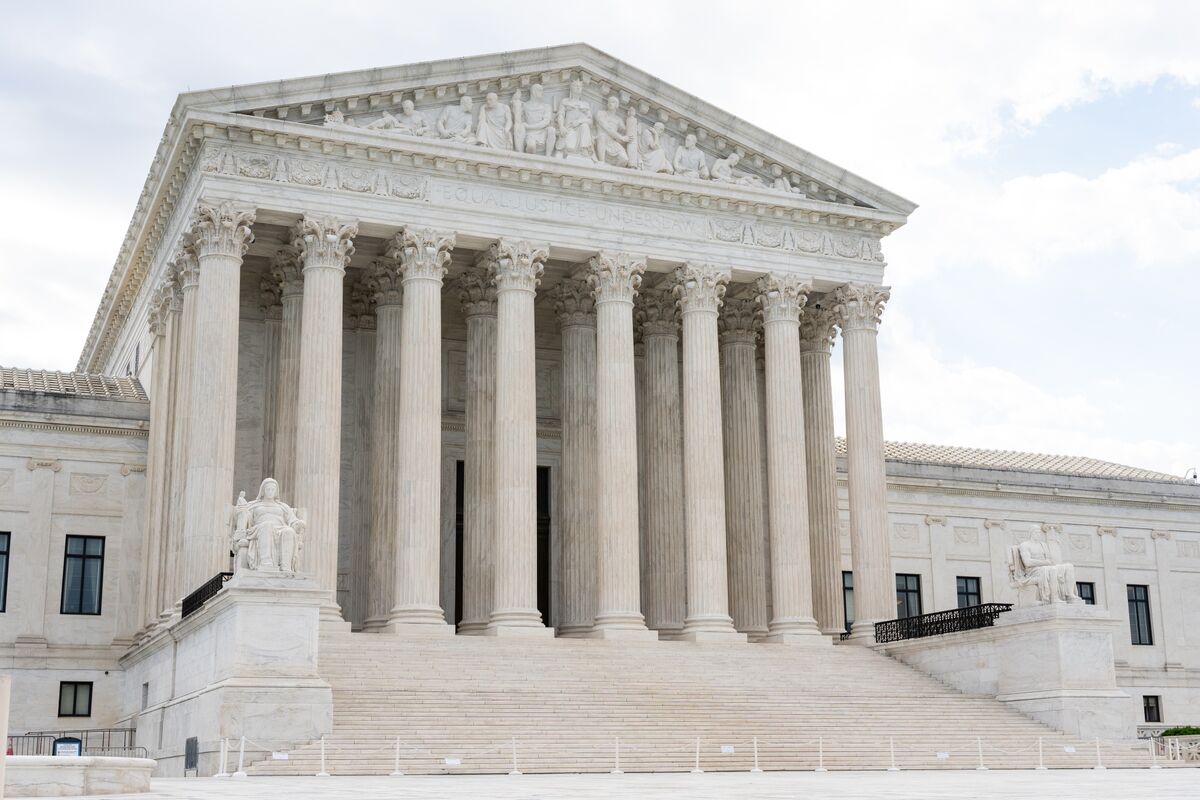
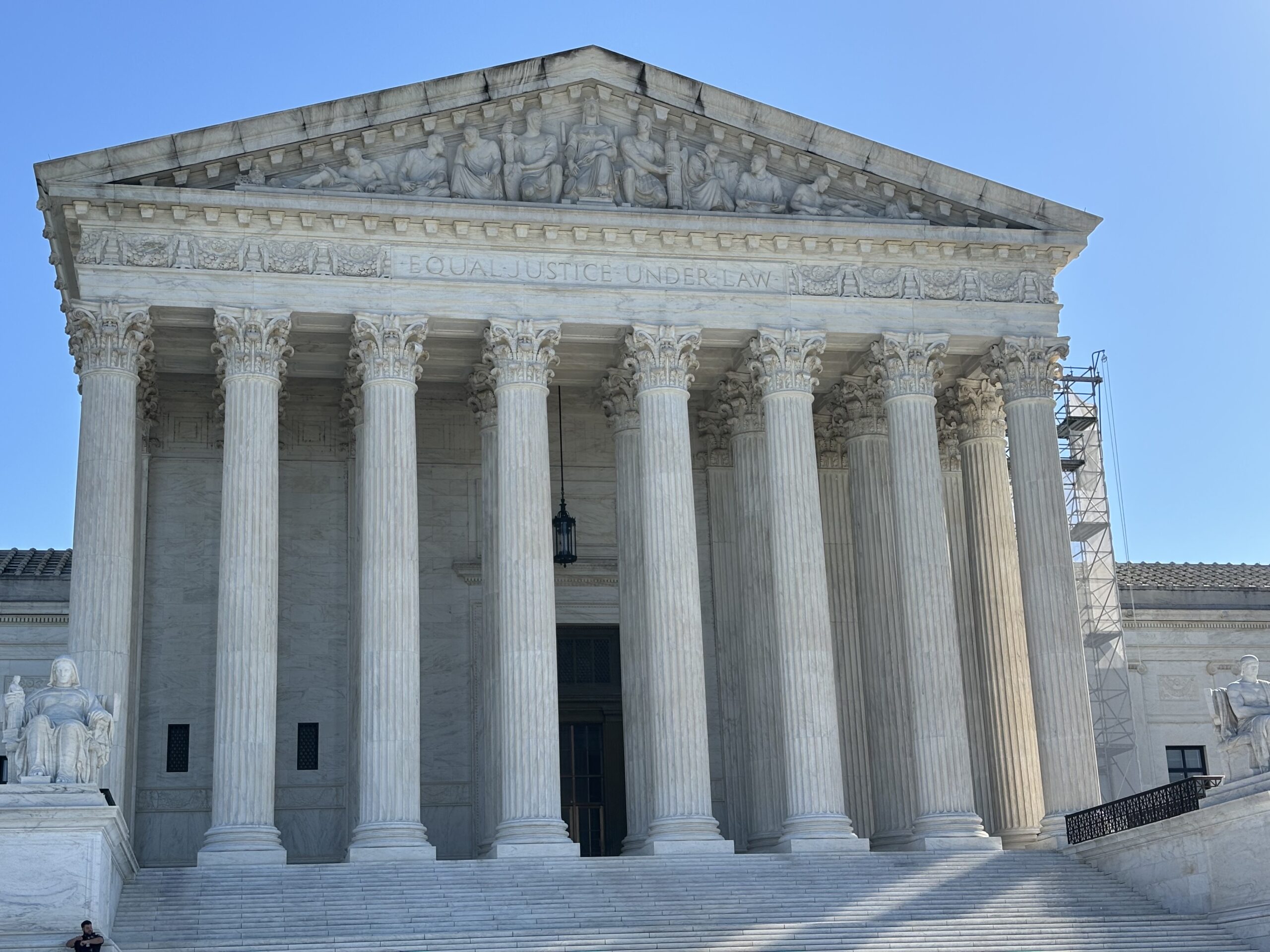
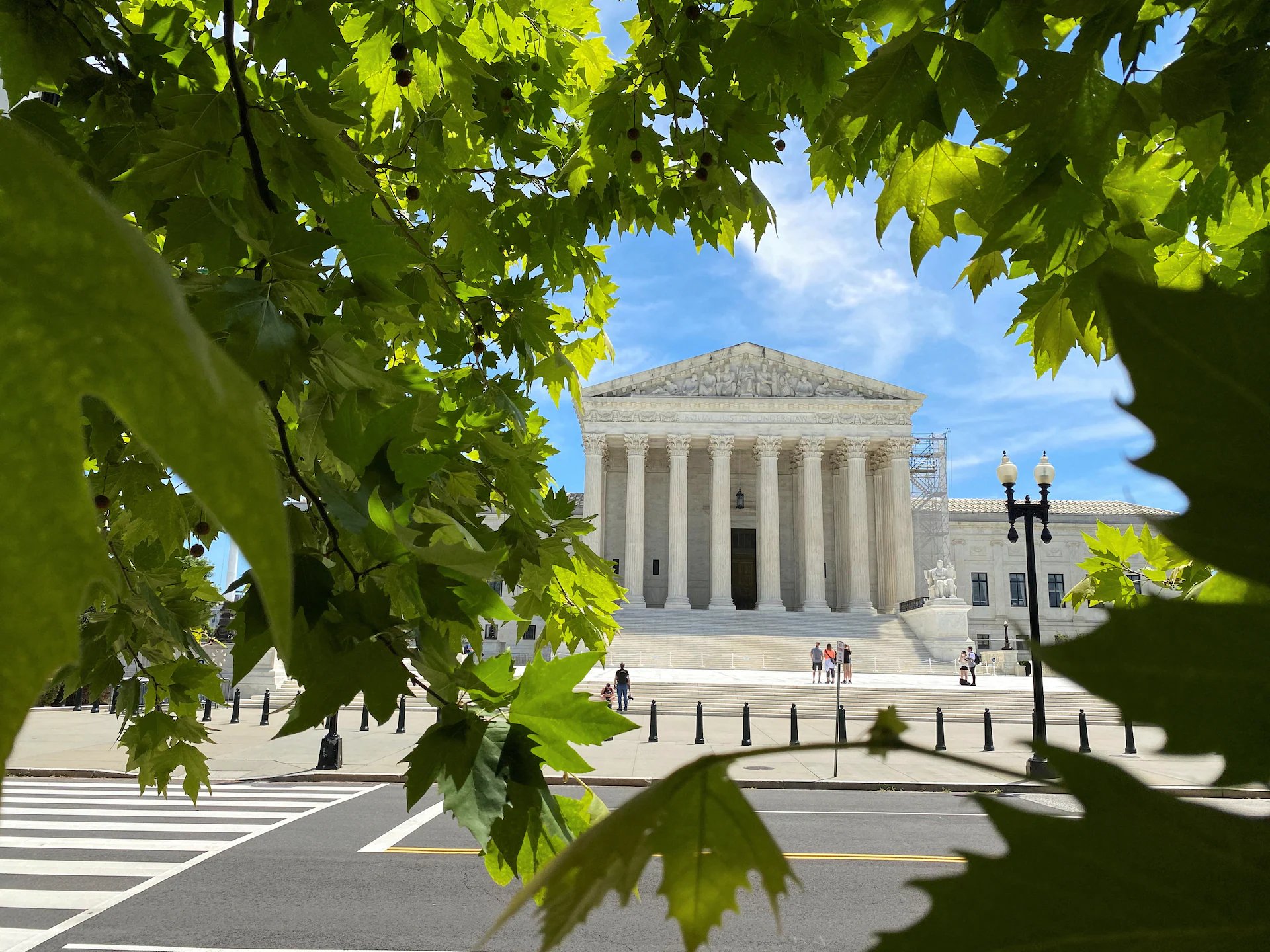
The Supreme Court on Monday turned away a legal challenge from Massachusetts parents who argued that public schools violated their constitutional rights by encouraging their child's social gender transition without their knowledge or consent. The justices' decision to reject the appeal left in place a lower court ruling that had dismissed the parents' claims, though the high court may face similar questions again as other cases work through the legal system.
Stephen Foote and Marissa Silvestri sued the Ludlow School Committee after school staff began using their middle-school-aged child's preferred name and pronouns in the classroom without parental notification. The parents claimed the school had an unwritten policy allowing children to socially transition at school while communicating with families using the student's legal name and sex-assigned-at-birth pronouns. They alleged this violated their fundamental right to direct their child's upbringing under the 14th Amendment's Due Process Clause.
The parents' legal team, from the Alliance Defending Freedom, argued that more than 1,000 school districts have adopted similar policies. In their Supreme Court filing, they wrote that "our Constitution's guarantee of parental rights in a pluralistic society rings hollow for millions of Americans if it offers no protection to nonreligious parents whose children are encouraged to social transition by their public school without their parents' notice or consent."
School's account of events differs sharply
The Ludlow School Committee disputed the parents' characterization of events. School officials said the student had declared in an email to school staff, "I am genderqueer," and requested that teachers use a new name and pronouns. The school said it was responding to the student's own request, not pushing gender ideology as the parents claimed.
Massachusetts Department of Elementary and Secondary Education guidance states that "some transgender and gender nonconforming students are not openly so at home for reasons such as safety concerns or lack of acceptance." The guidance encourages school employees to speak with students first before discussing gender identity with their parents.
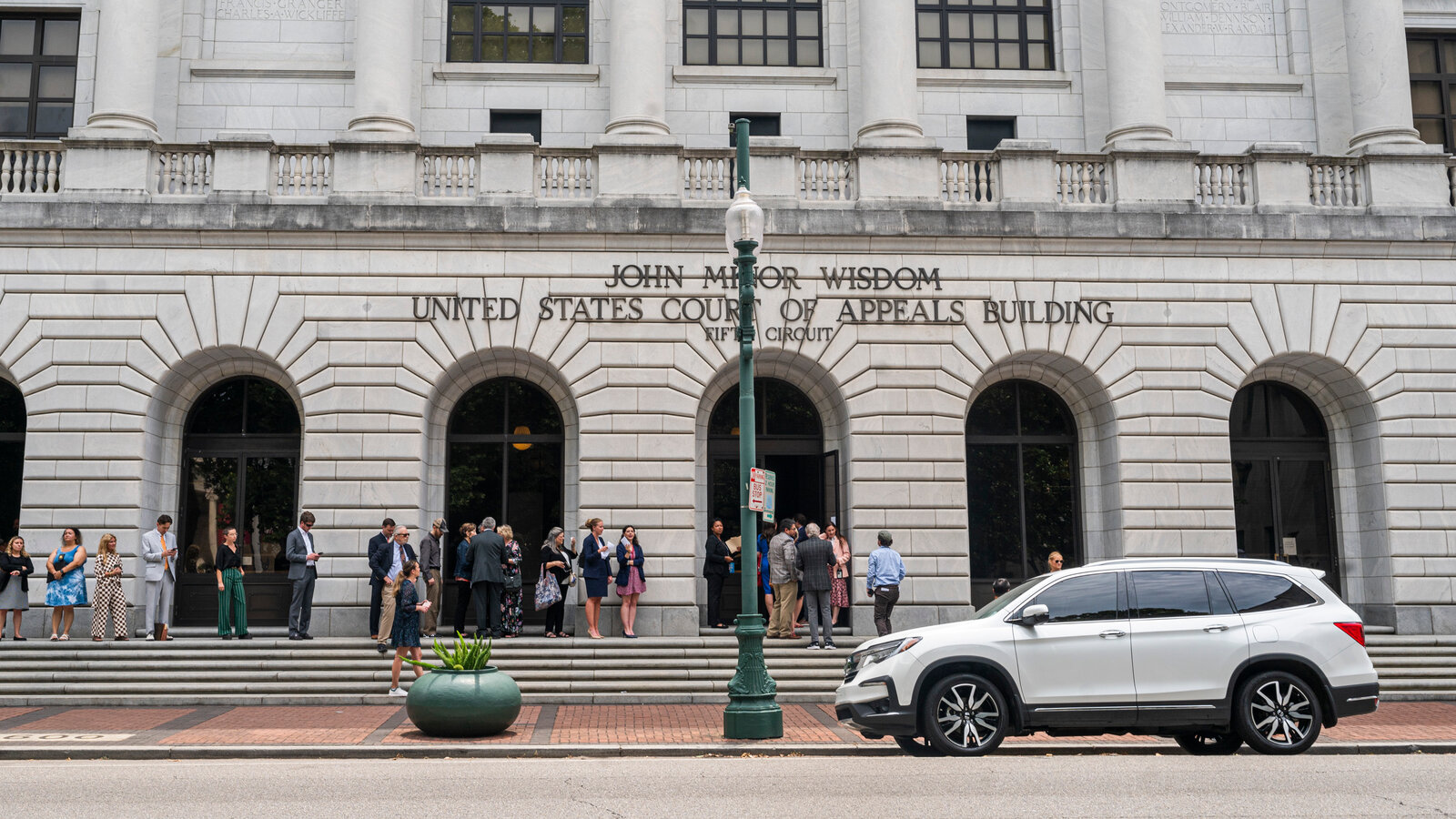
The U.S. Court of Appeals for the 1st Circuit upheld dismissal of the case in February, ruling unanimously that parents cannot invoke the Constitution's Due Process Clause to "create a preferred educational experience for their child in public school." The three-judge panel wrote that the measures cited by the parents "all involve decisions by Ludlow's staff about how to reasonably meet diverse student needs within the school setting."
Broader legal landscape remains unsettled
The Supreme Court's rejection of this case does not resolve the underlying constitutional question. In October, the justices declined to take up a different parental rights case from Colorado families, but Justices Samuel Alito, Clarence Thomas, and Neil Gorsuch said at that time the issue was of "great and growing national importance."
A similar case brought by Florida parents is awaiting action by the high court. Additionally, in March, the Supreme Court blocked a California law that prevents school districts from requiring teachers to notify parents if their child seeks to use different pronouns while litigation moves forward. Courts across the country continue to hear growing numbers of legal battles pitting parental rights against school policies designed to protect student privacy and prevent schools from outing transgender students to their families.