Quake Prompts Immediate Tsunami Evacuations
Japan's meteorological agency issued a tsunami warning after a 7.7 magnitude earthquake struck off the north-east coast. Thousands of people in Iwate prefecture, 530km north of Tokyo, received orders to flee to higher ground as warnings predicted possible 3m waves. The largest waves measured 80cm at Kuji port, leading to evacuations in coastal areas of Honshu and Hokkaido.
The quake occurred at a depth of 10km, triggering tremors felt as far as Tokyo. Authorities used loudspeakers to alert residents, with Chaw Su Thwe in Hokkaido describing how people ran downstairs and office workers left early. A tsunami alert remained in place for two hours after the event at 16:52 local time, affecting daily routines and transportation.
This event disrupted bullet trains connecting Tokyo and northern Japan, stranding passengers. Cabinet Secretary Minoru Kihara reported that 100 homes lost power, though no major damage or injuries emerged initially. The warning, the second-highest level, urged people to stay on safe ground until lifted.
Advisory Highlights Risk of Stronger Quake
Officials warned of a "huge" earthquake possibly occurring in the next week, with the risk of a quake measuring 8.0 or higher deemed relatively higher than normal. The Japan Meteorological Agency specified that this advisory followed the 7.7 tremor near the Chishima and Japan trenches. Prime Minister Sanae Takaichi echoed the agency's plea, telling reporters to seek "higher, safer places" and check evacuation routes.
The Cabinet Office noted a 1% chance of a mega-quake in the next week or so, compared to 0.1% under normal conditions. This advisory covered 182 towns along northeastern coasts, urging heightened preparedness without predicting the event. Residents in five northern prefectures, including Hokkaido and Fukushima, saw over 170,000 people advised to take shelter at one point.
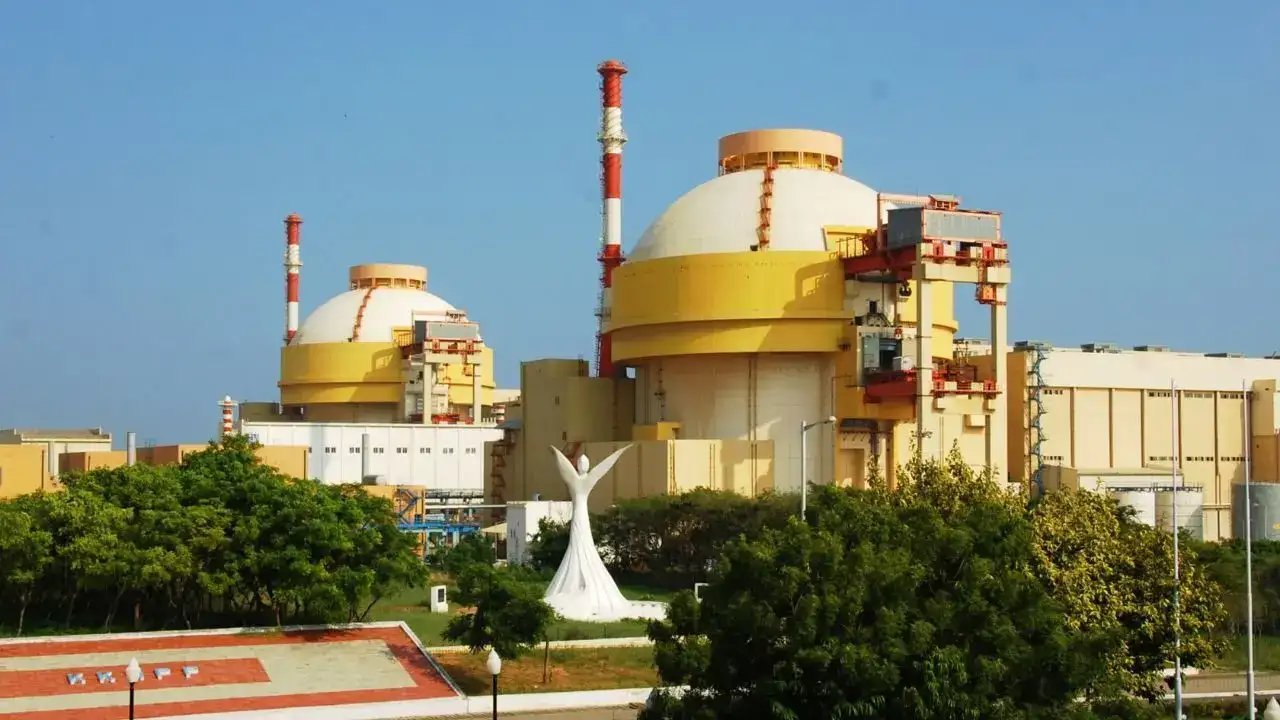
Despite the alerts, officials stressed continuing daily life, as seen in Prime Minister Takaichi's call to confirm emergency food and grab bags. The Fire and Disaster Management Agency reported one injury in Aomori from a fall, highlighting minor personal impacts. Nuclear power plants in the region remained intact with no detected abnormalities.
Personal Accounts Reveal Widespread Tension
Chaw Su Thwe shared her experience in Hokkaido, saying, "As soon as we heard the earthquake alert, everyone ran downstairs," and noting the mild shaking this time. Local authorities amplified warnings through neighborhood loudspeakers, prompting early dismissals for office workers. Footage from NHK television showed people squatting at a shopping center in Aomori as objects swayed.
In contrast, the advisory followed a similar one in December after a 7.5 magnitude quake, where no mega-event occurred, offering some reassurance. Prime Minister Takaichi assured the public that the government would act fully in an emergency, balancing caution with normalcy. This mix of personal stories and official statements underscored the ongoing uncertainty for coastal communities.
The event served as a reminder of Japan's earthquake frequency, with the country experiencing about 1,500 quakes a year. While no further details emerged on immediate responses, the combination of individual experiences and agency actions painted a picture of coordinated efforts.
Past Events Shape Current Preparedness
Japan's history includes a 9.0 magnitude earthquake that triggered a tsunami and caused over 18,000 deaths, as noted in public memories. That event led to the Fukushima meltdown, influencing how warnings are issued today. Officials now emphasize getting to higher ground, drawing from those lessons to guide current advisories.
The 2011 disaster forced nearly half a million people to flee, a fact that colors responses to events like this 7.7 magnitude quake. Prime Minister Takaichi's government uses such contexts to promote shelter checks and evacuation drills. This approach ensures residents remain vigilant without overreaction.
By linking past and present, agencies like the Japan Meteorological Agency help maintain public trust in alerts.
What This Means for Daily Safety
Residents in affected areas should verify their evacuation routes and emergency supplies, as urged by Prime Minister Takaichi. This quake and advisory highlight how seismic events can disrupt power and transport, affecting everyday activities like work commutes. Staying informed through local alerts could prevent injuries in future tremors.