Disruptions in Supply Chains Impact Fuel Availability
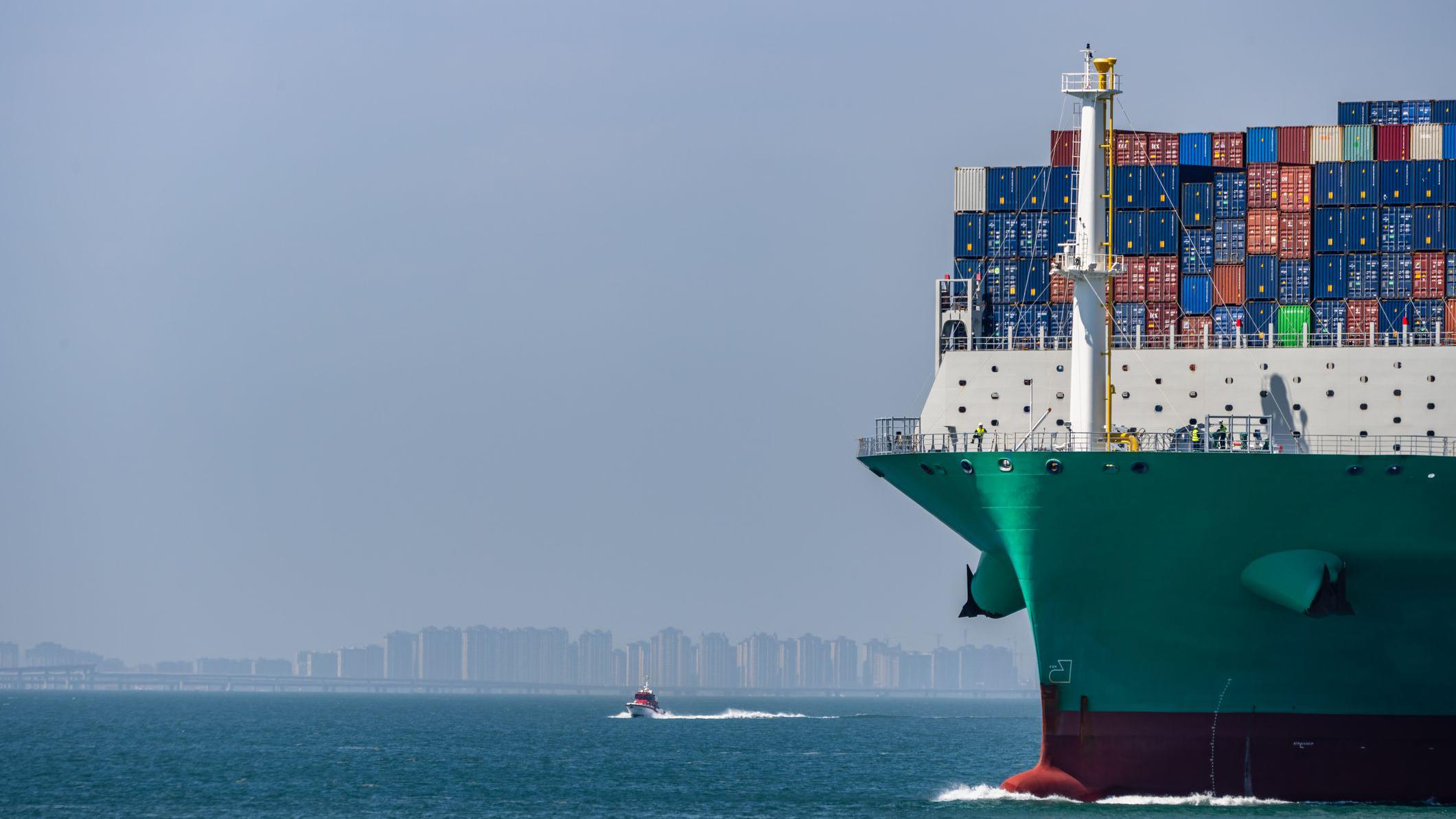
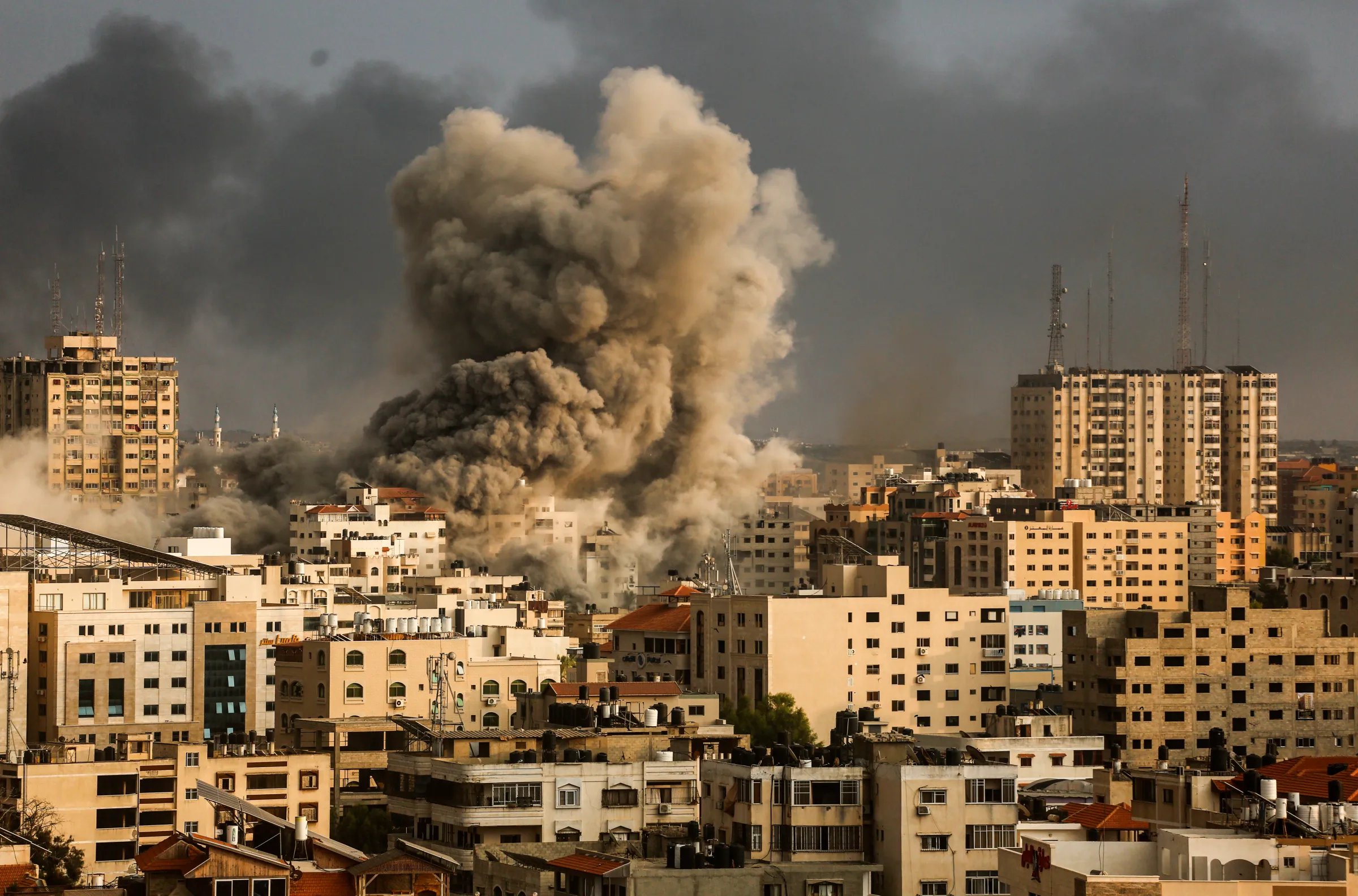
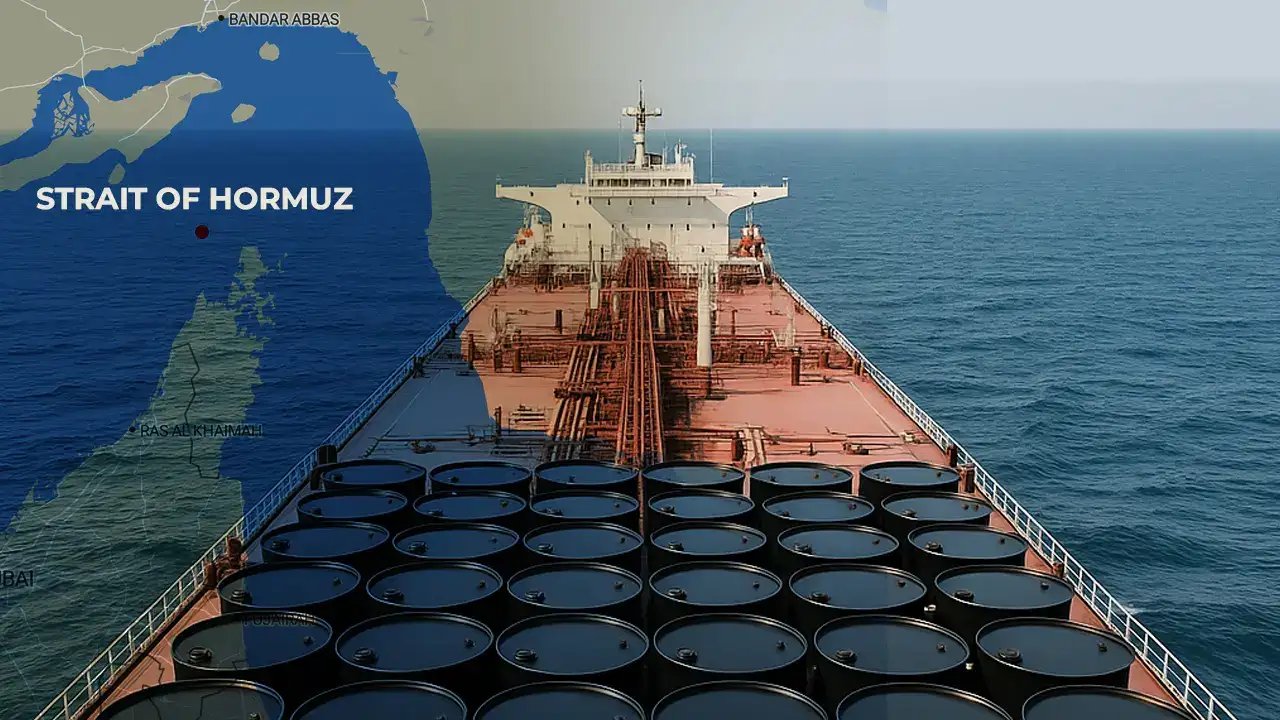
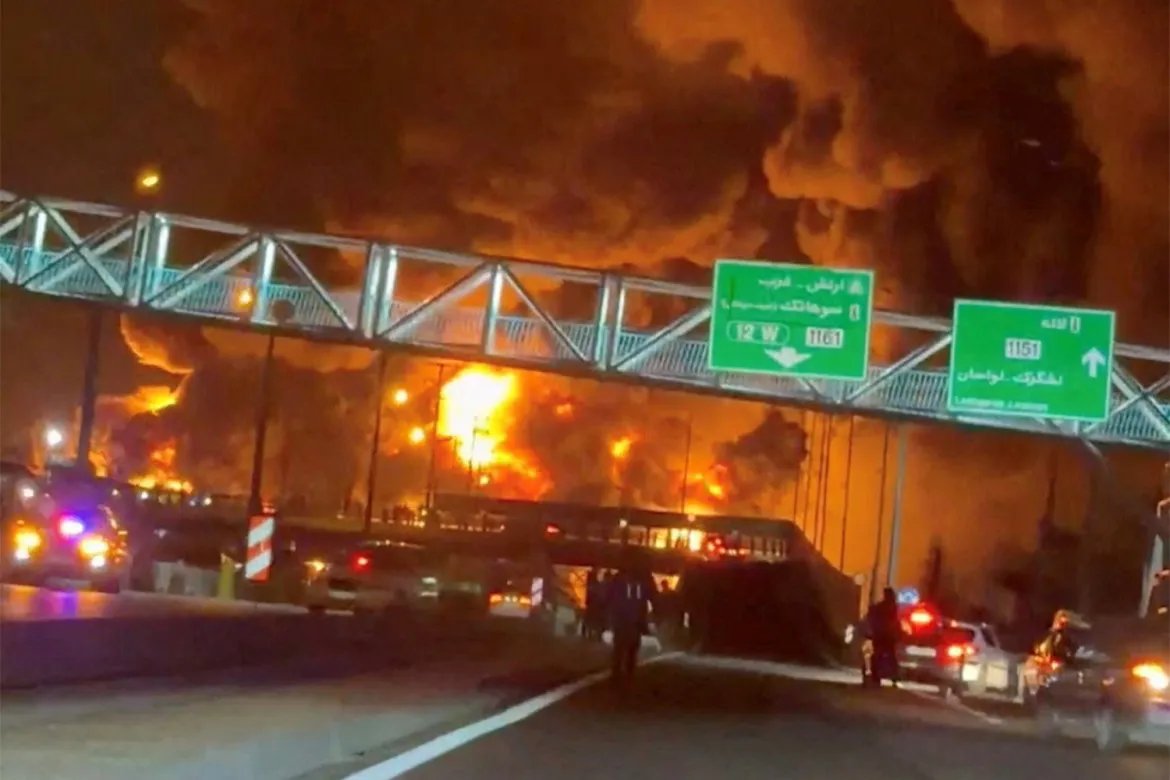
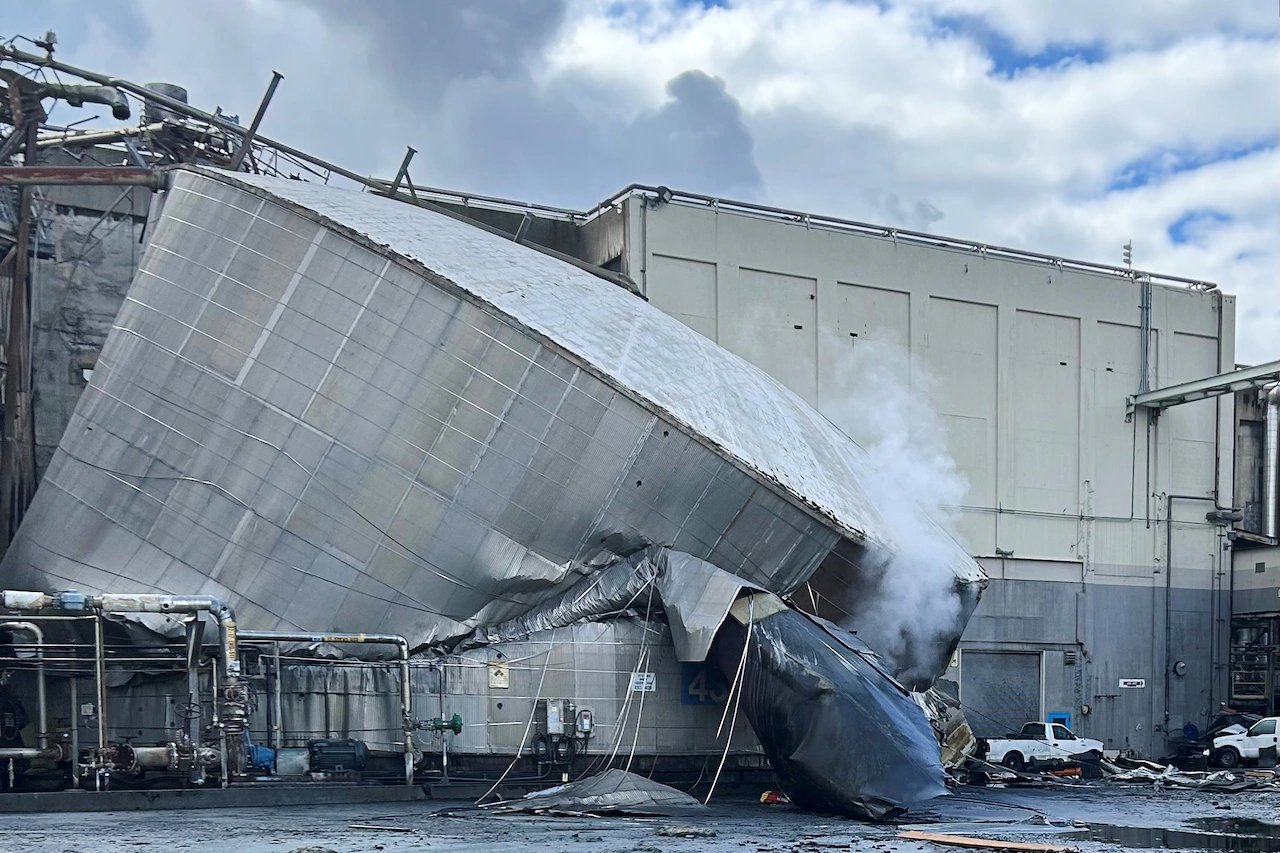
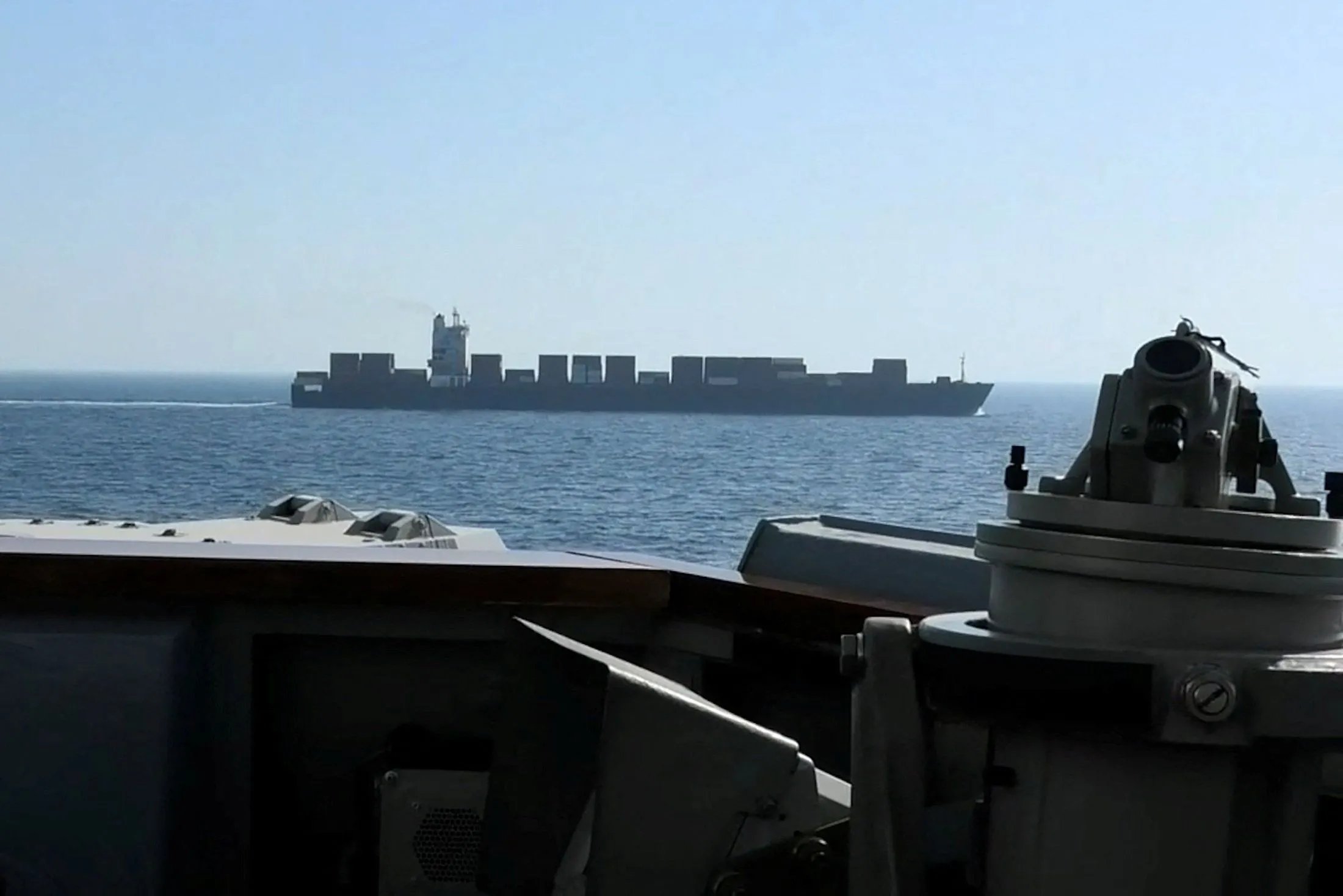
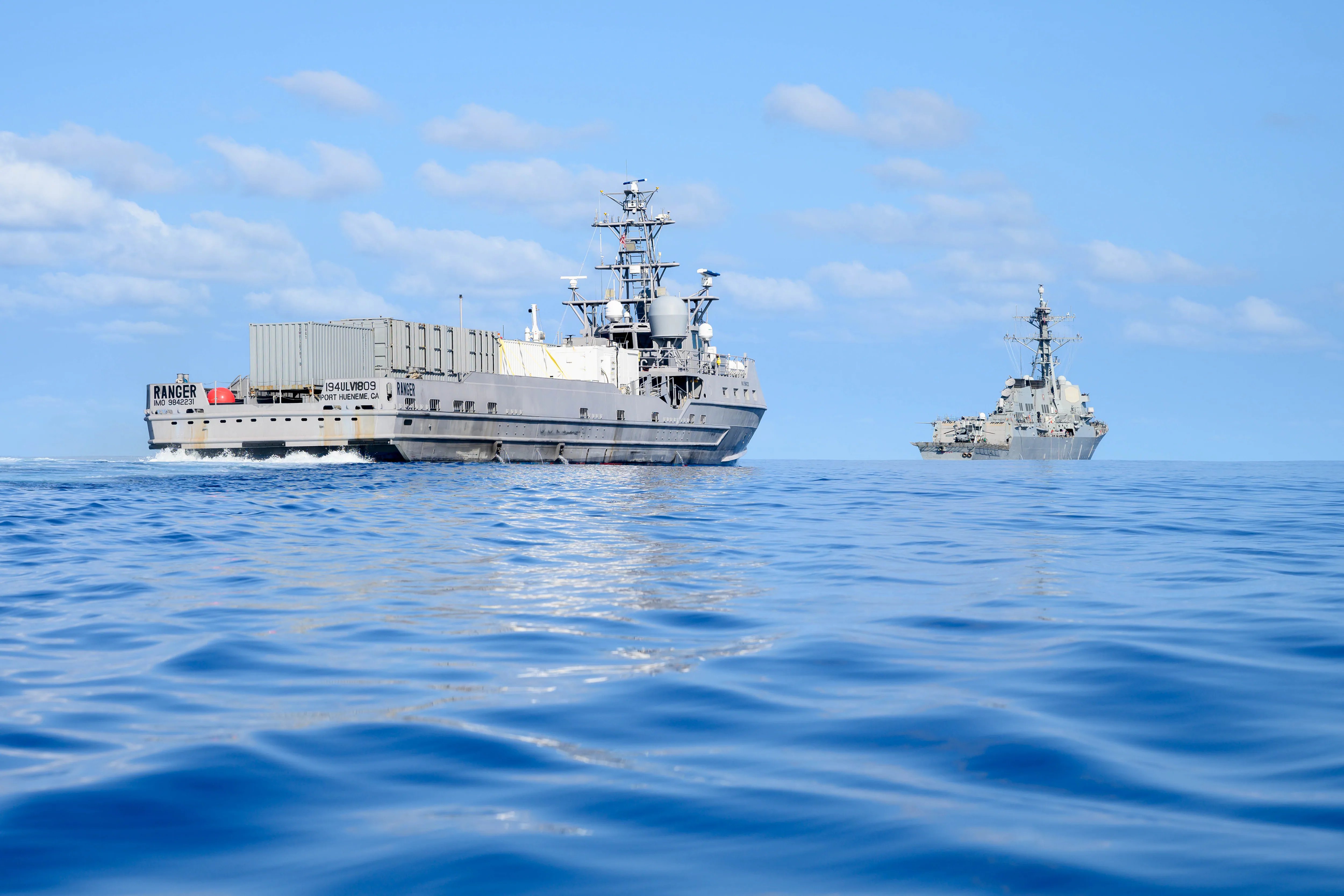
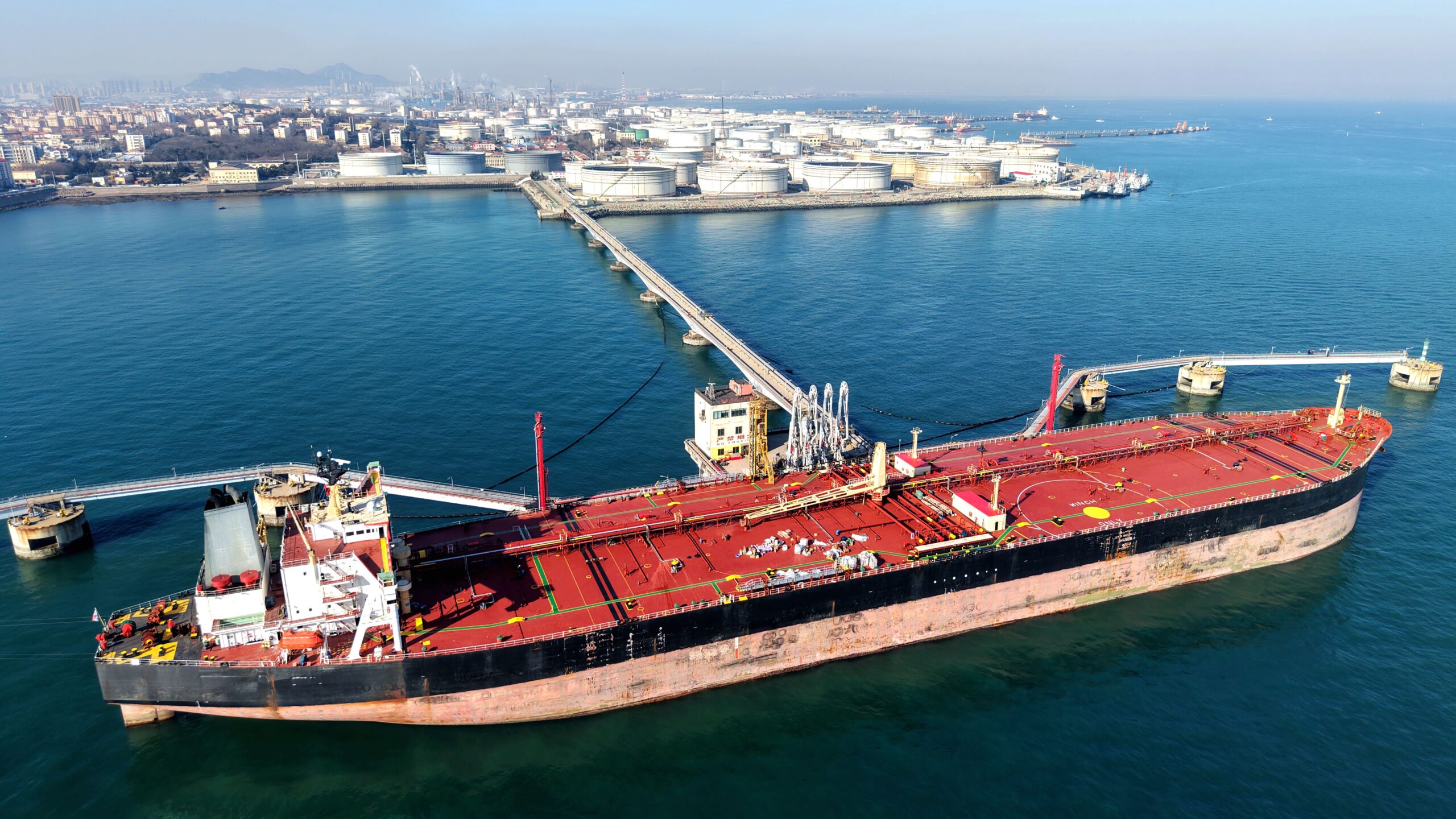
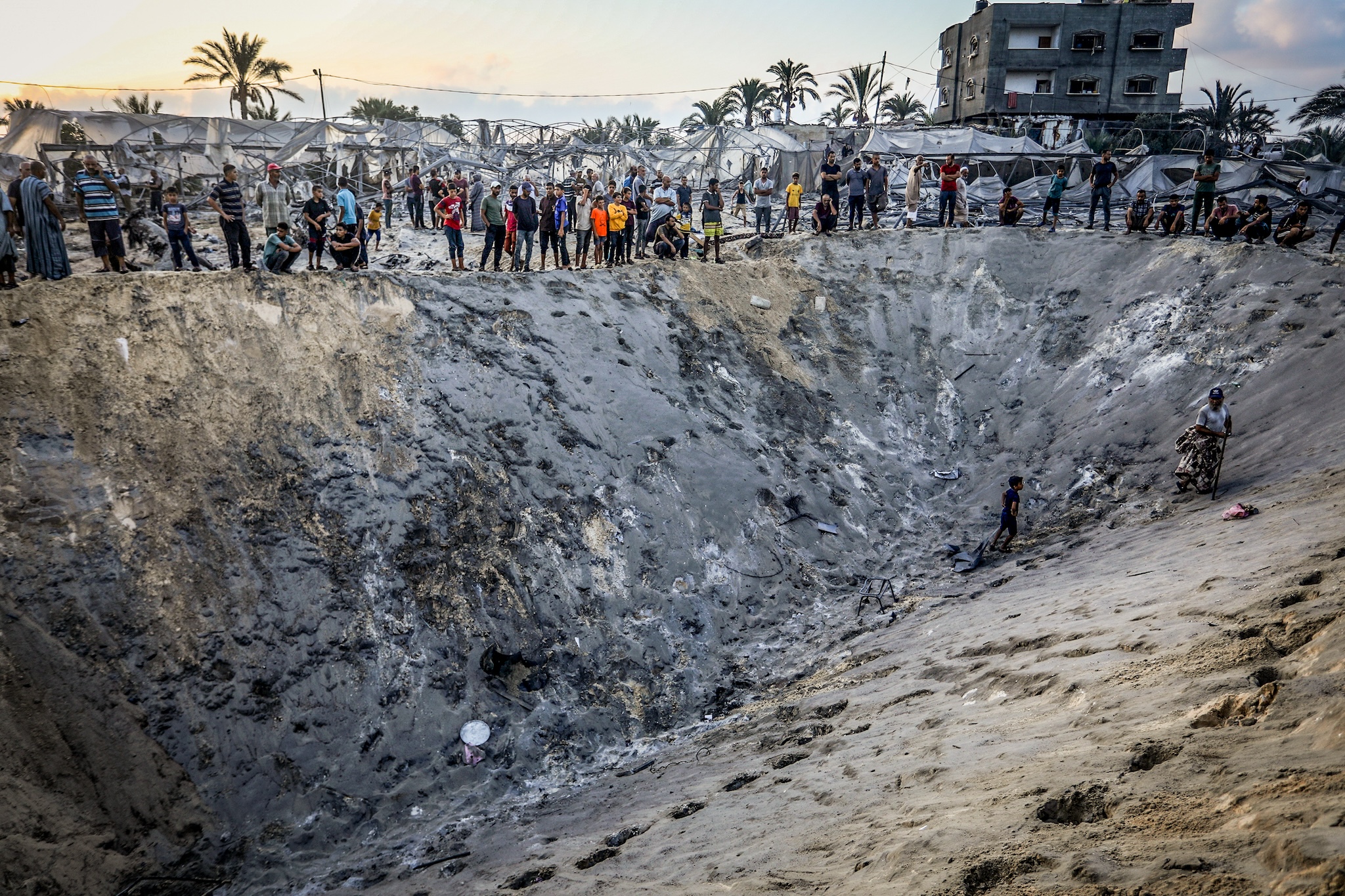
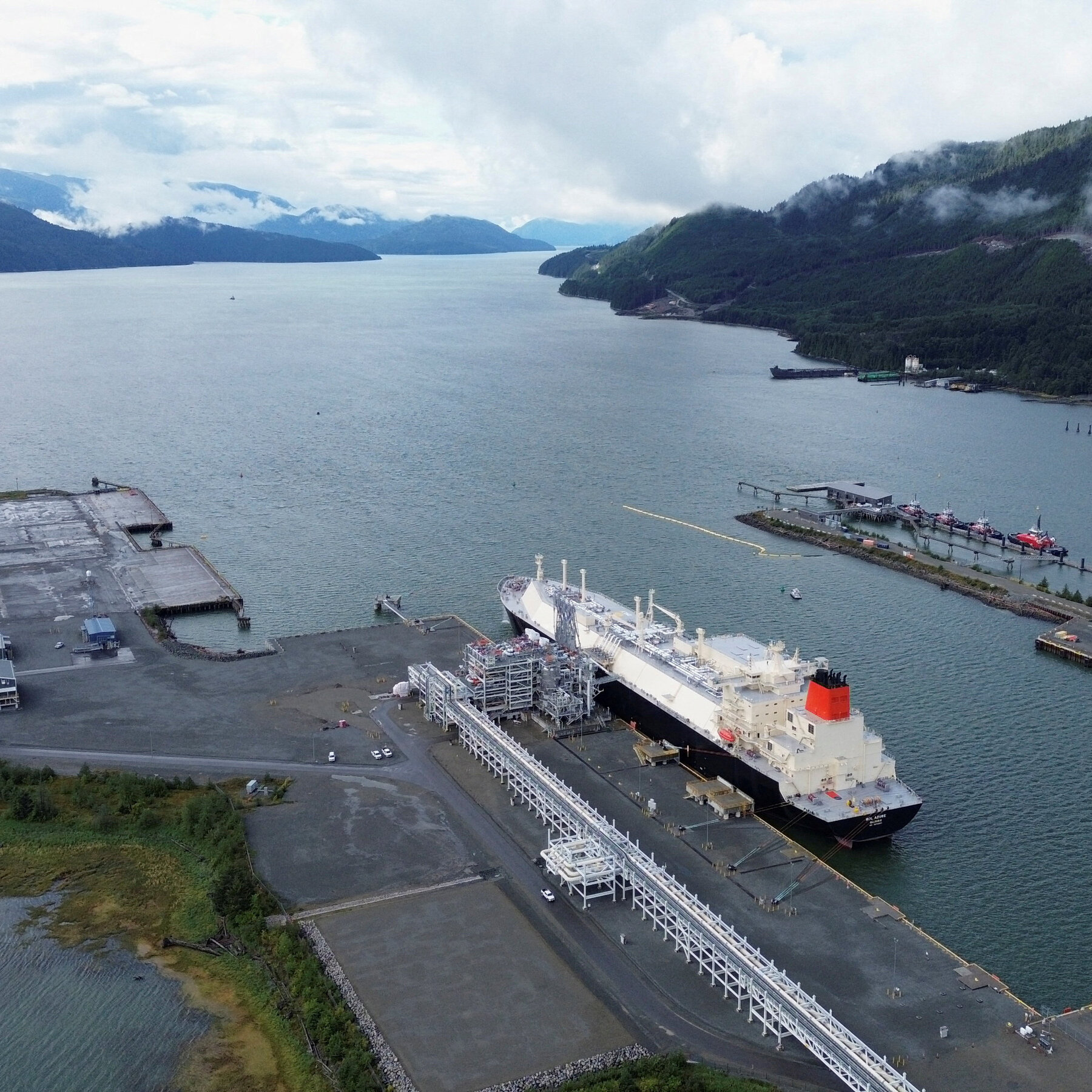
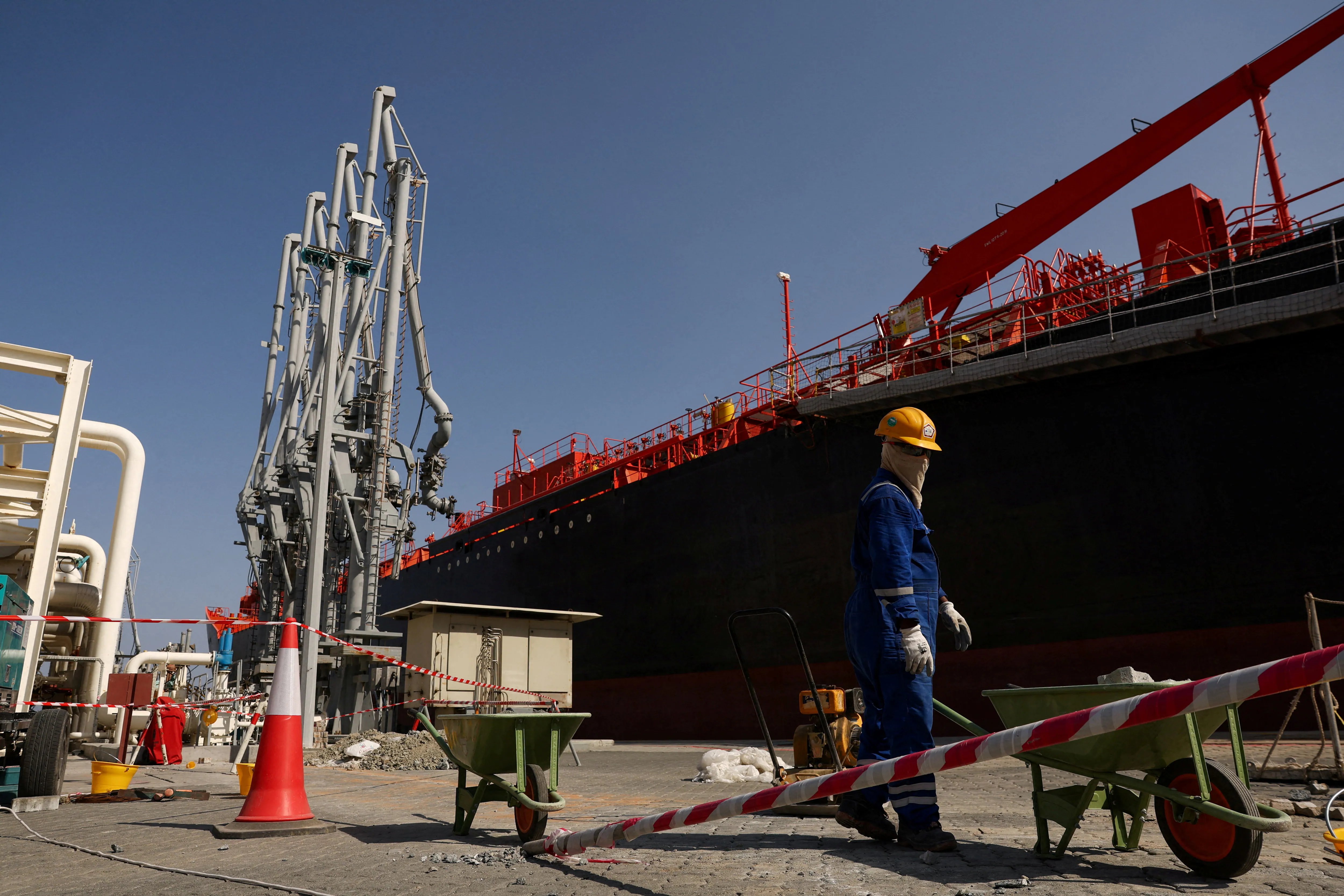
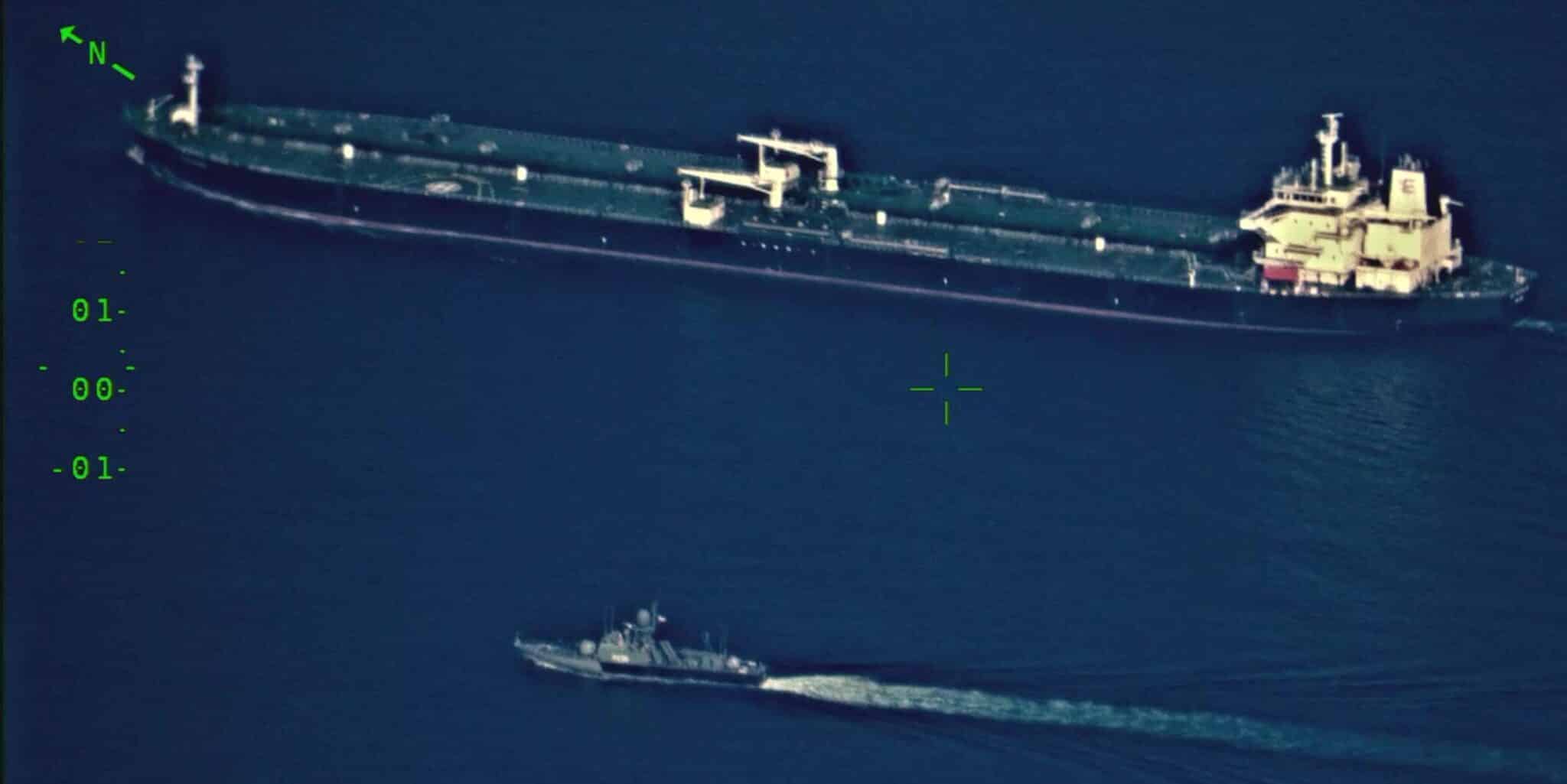
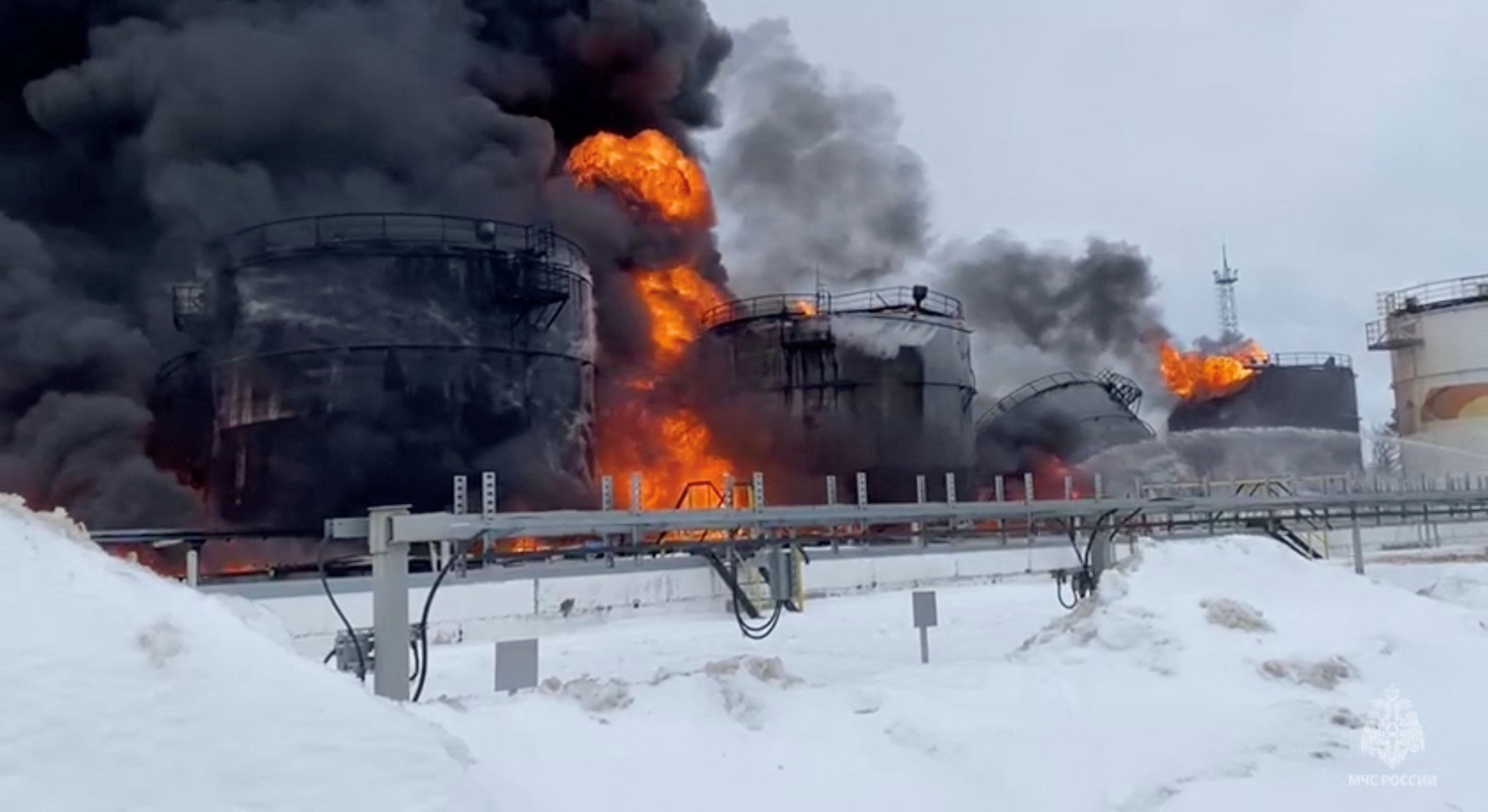
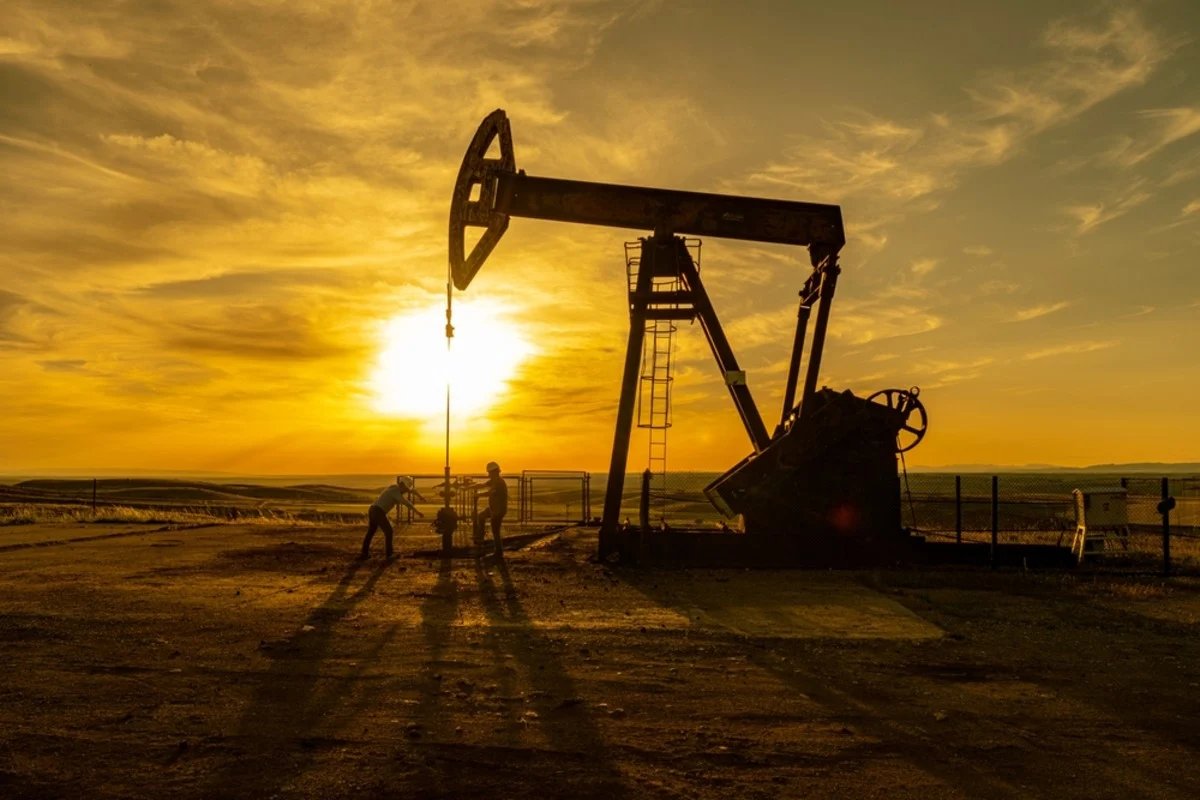
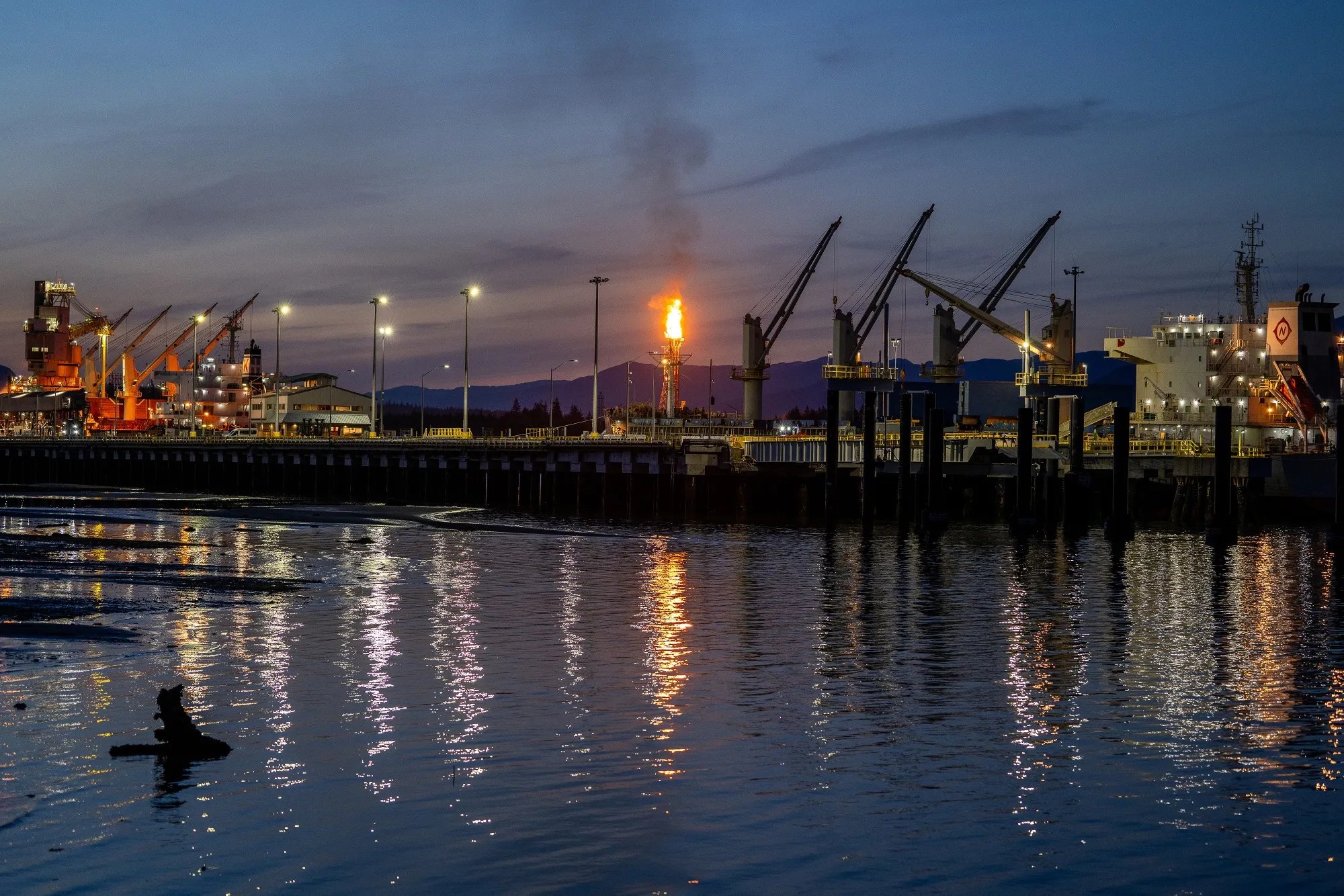
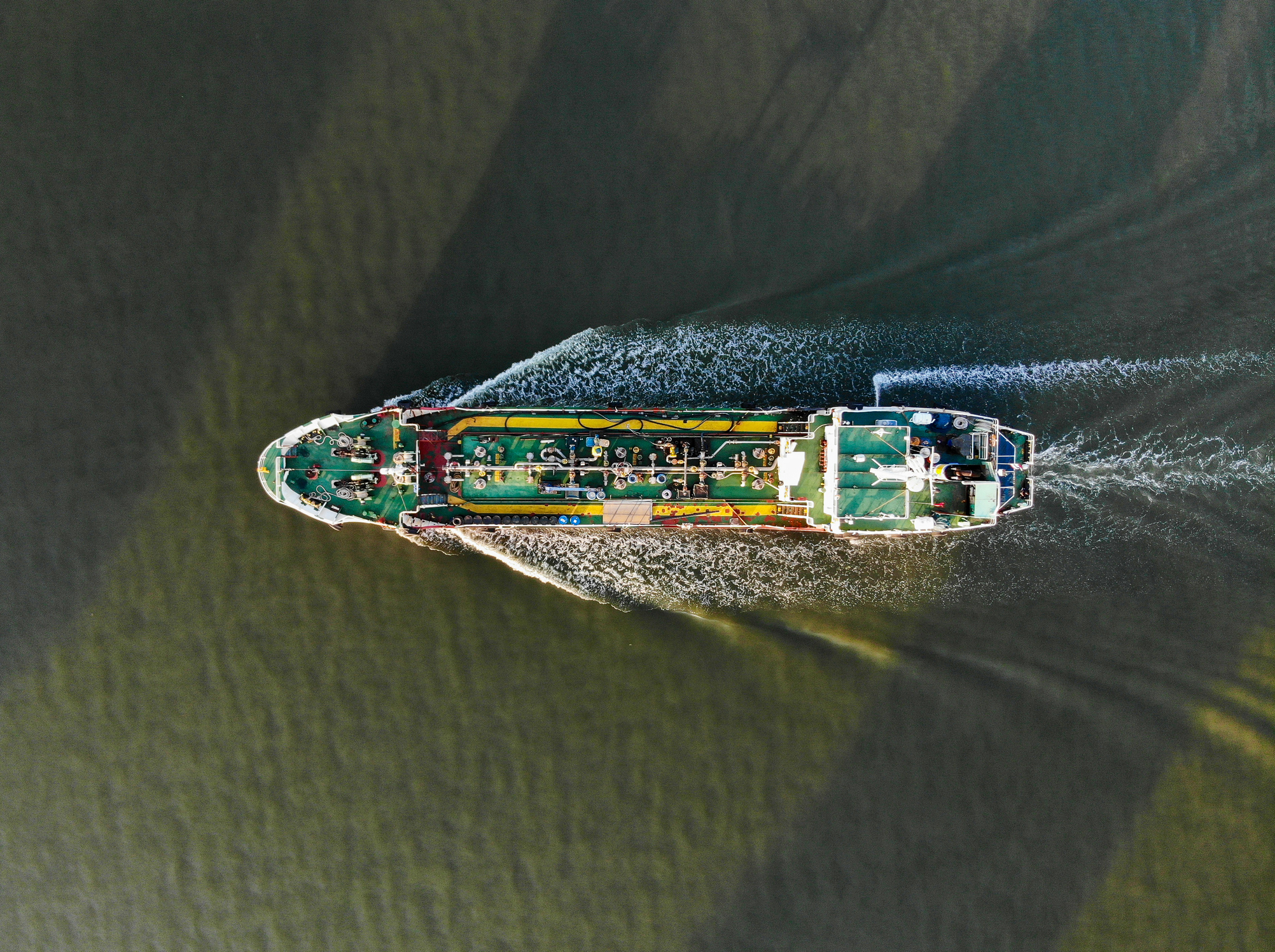
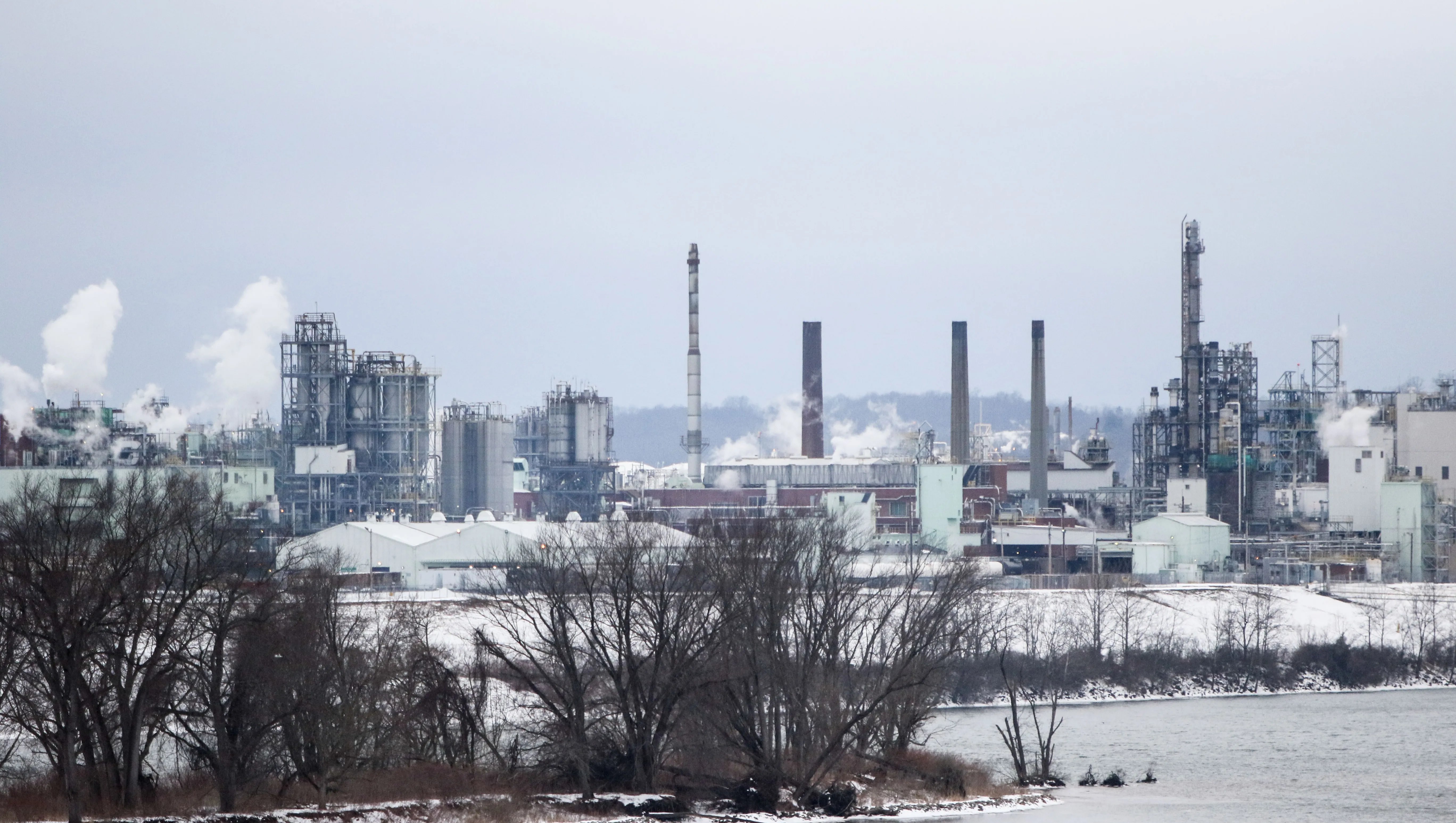
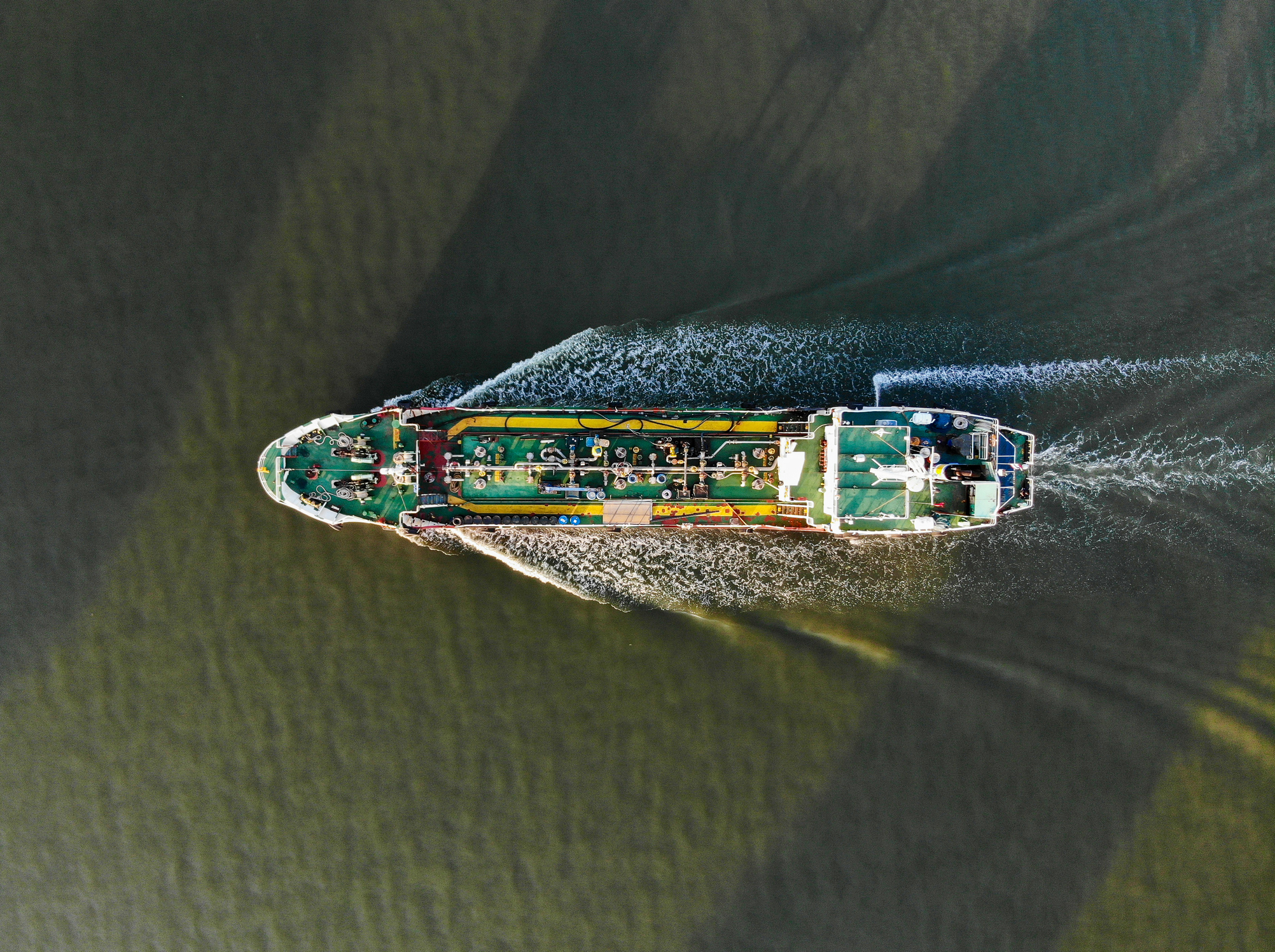
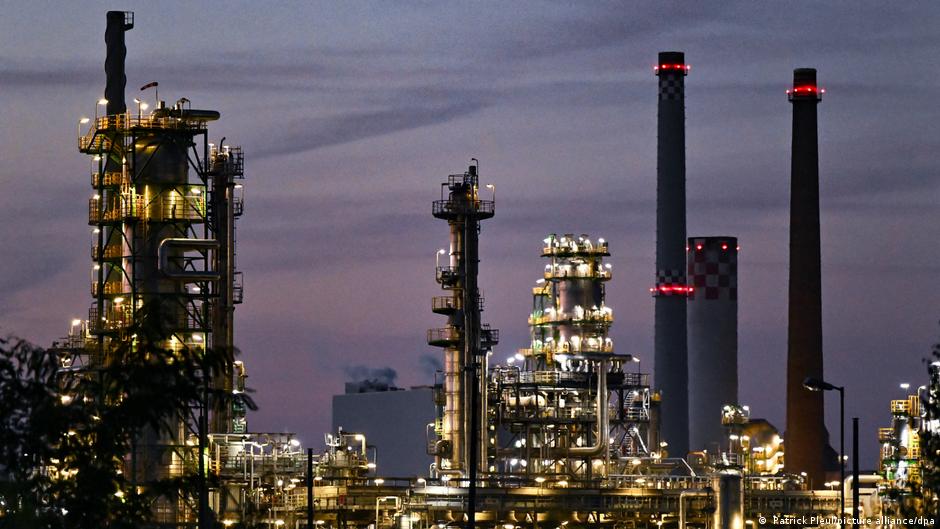
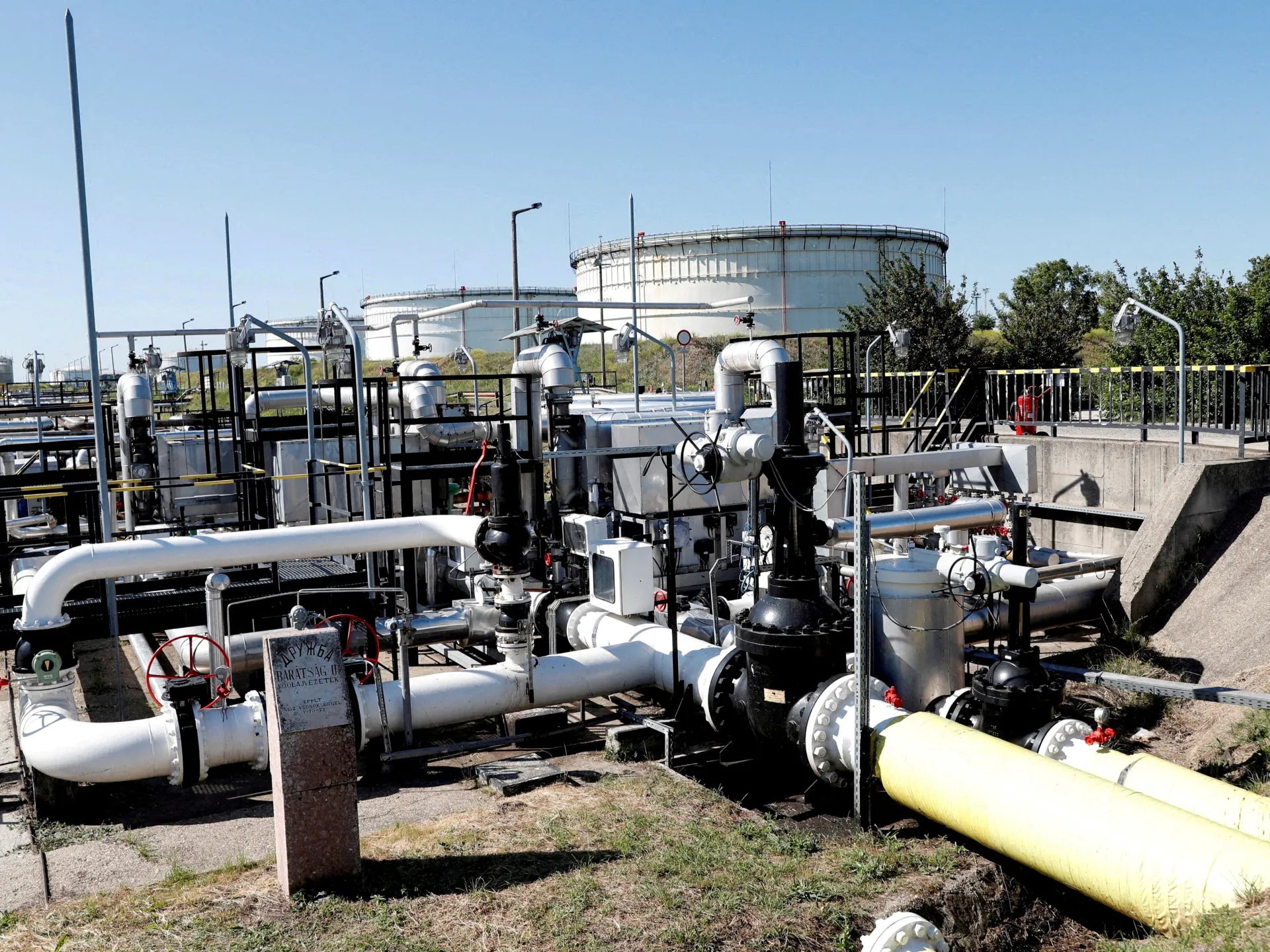
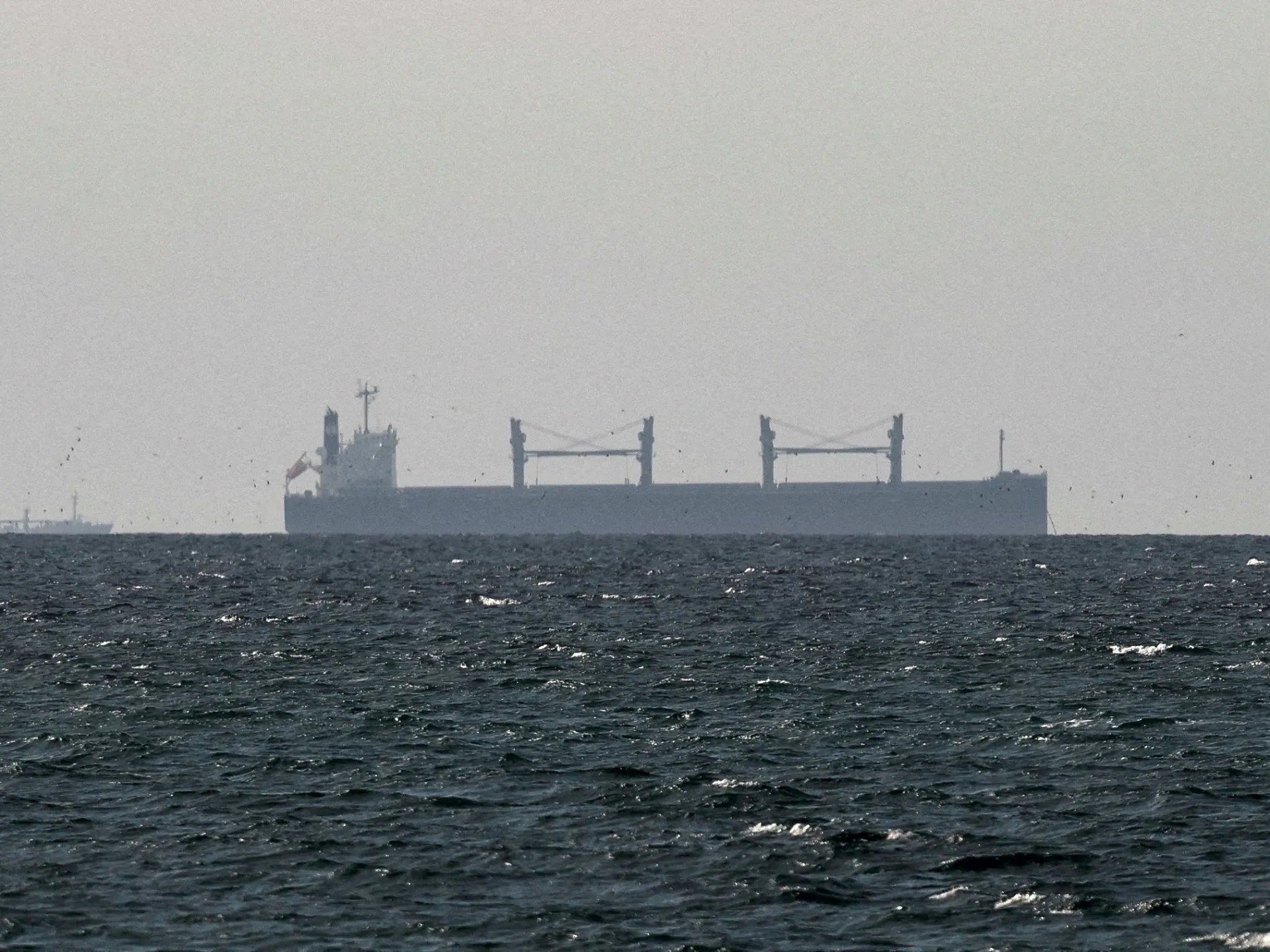
Marine fuel blenders and refiners are scrambling to adapt their operations due to disruptions caused by the ongoing Iran war. As a result, many are shifting their focus to heavy sweet oil, which is seen as a more stable alternative amid fluctuating supply chains. The transition comes as the conflict has led to heightened volatility in the global oil market, with Brent crude prices climbing by 5% to around $95 a barrel. This shift is expected to impact fuel availability and pricing for industries reliant on marine fuel, including shipping and aviation.
Increased Costs for Consumers
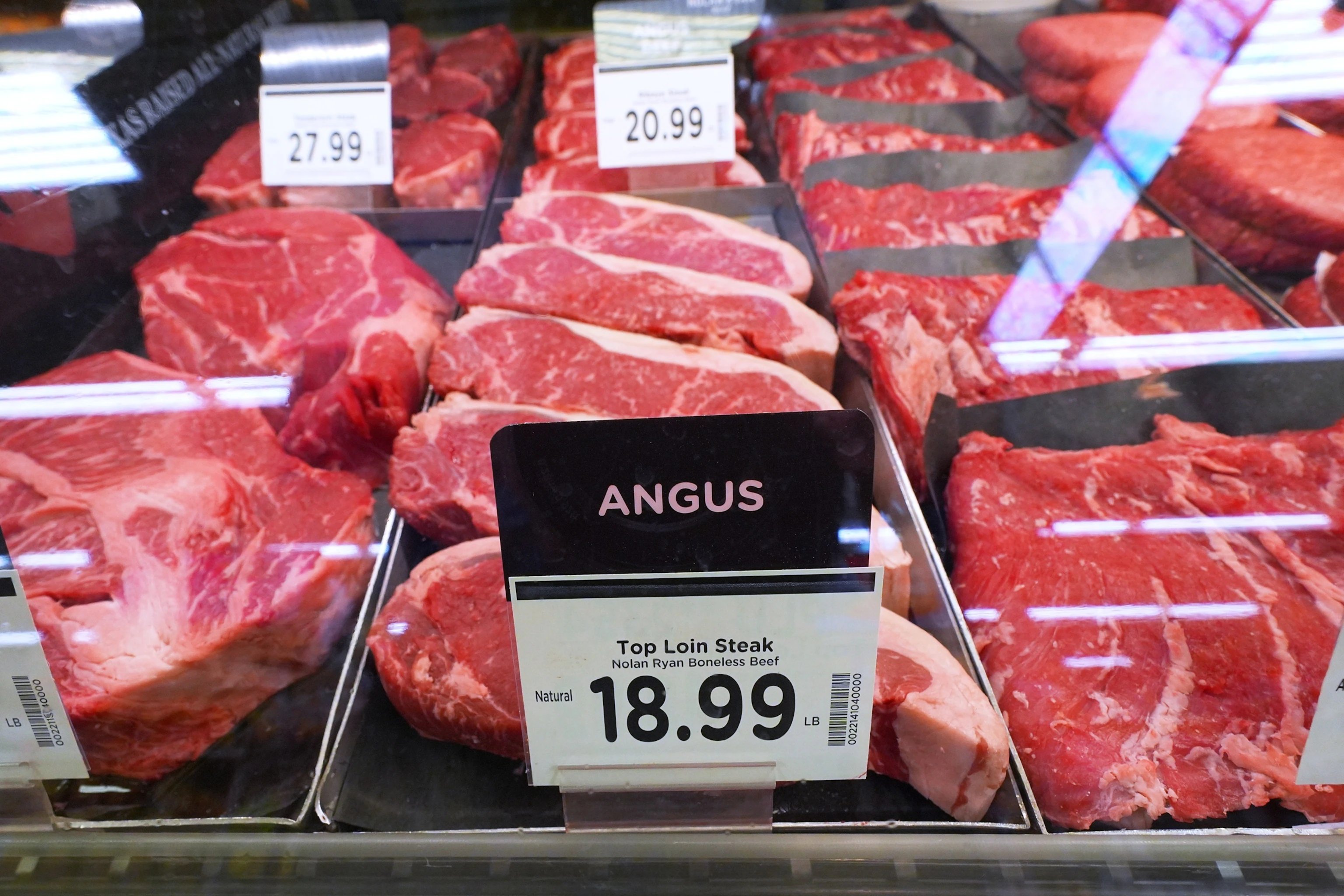
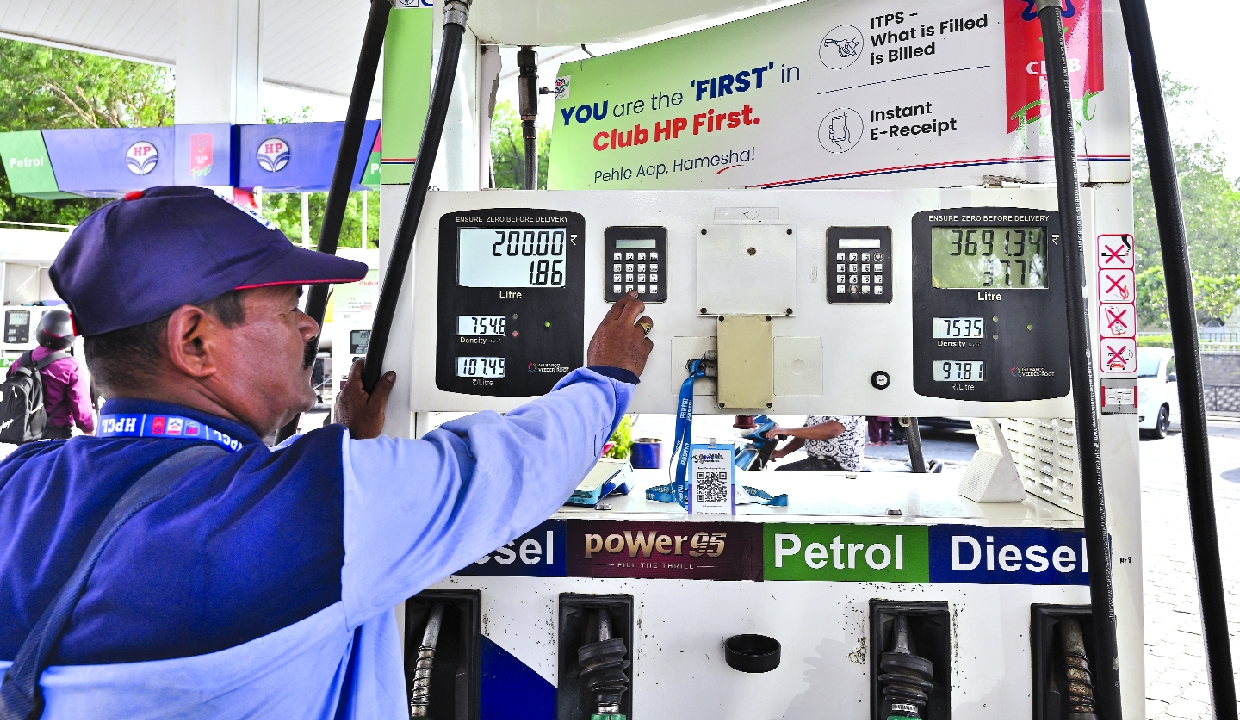
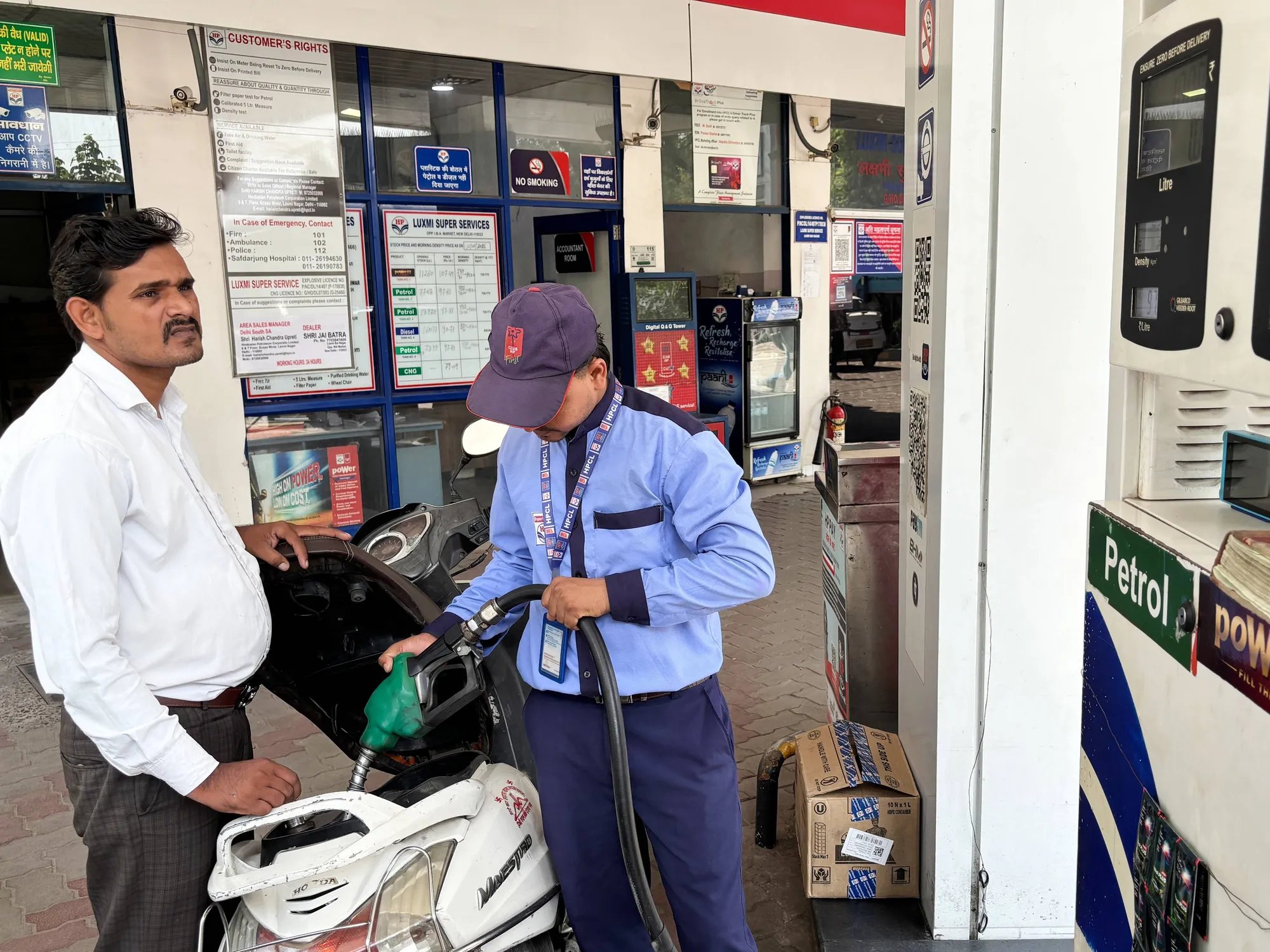
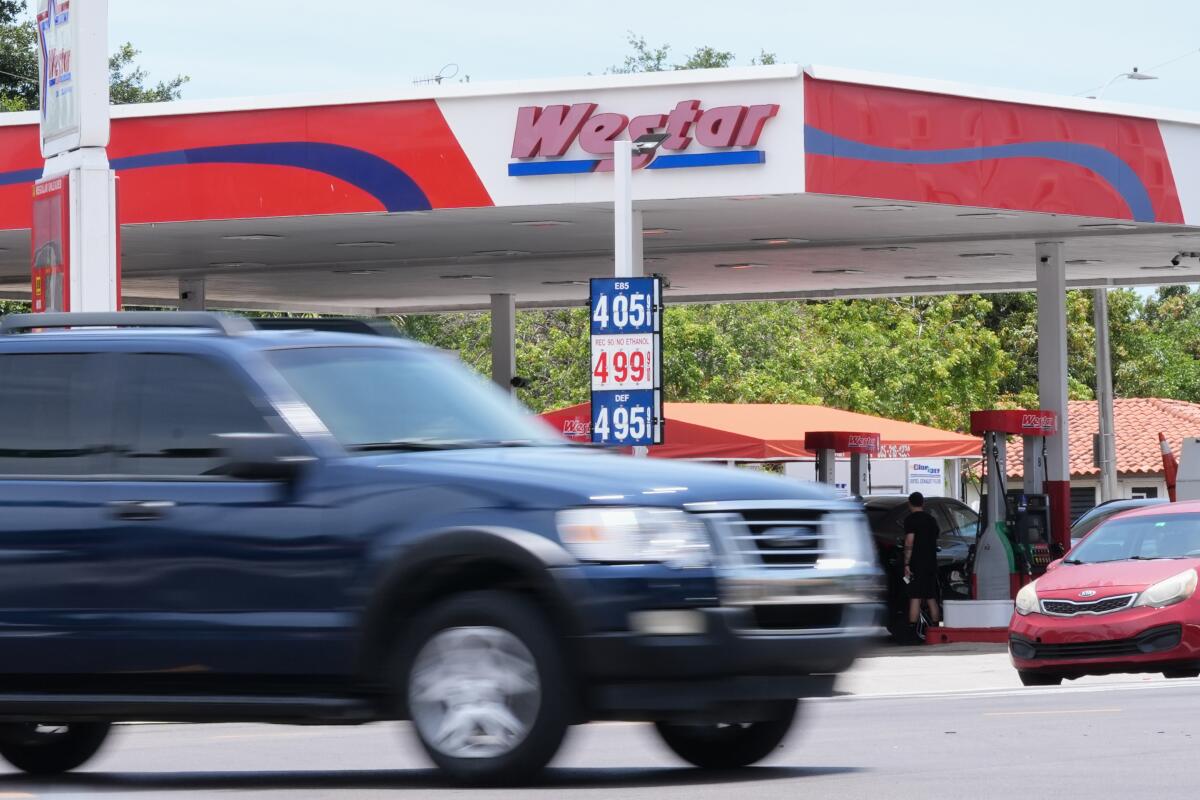
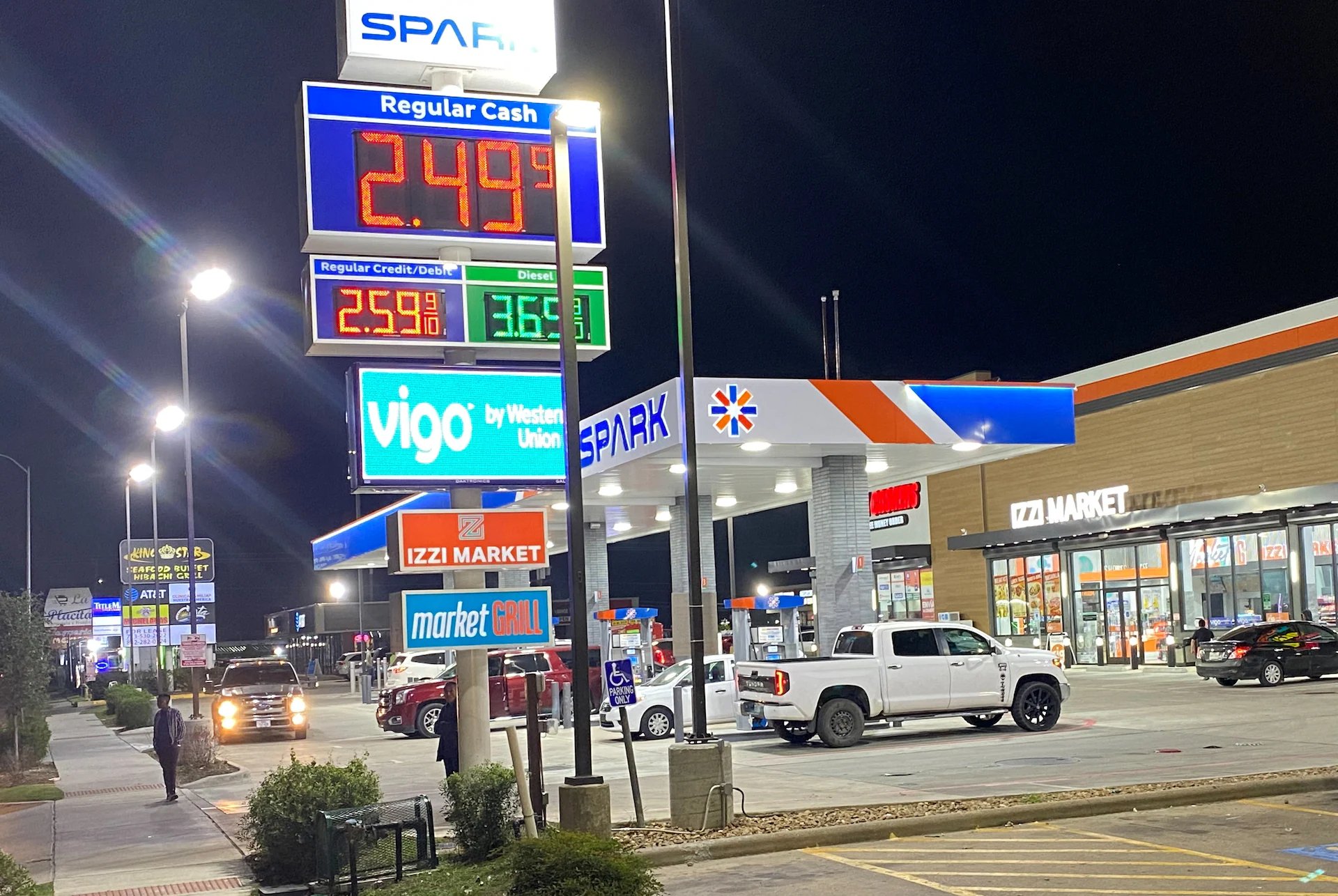
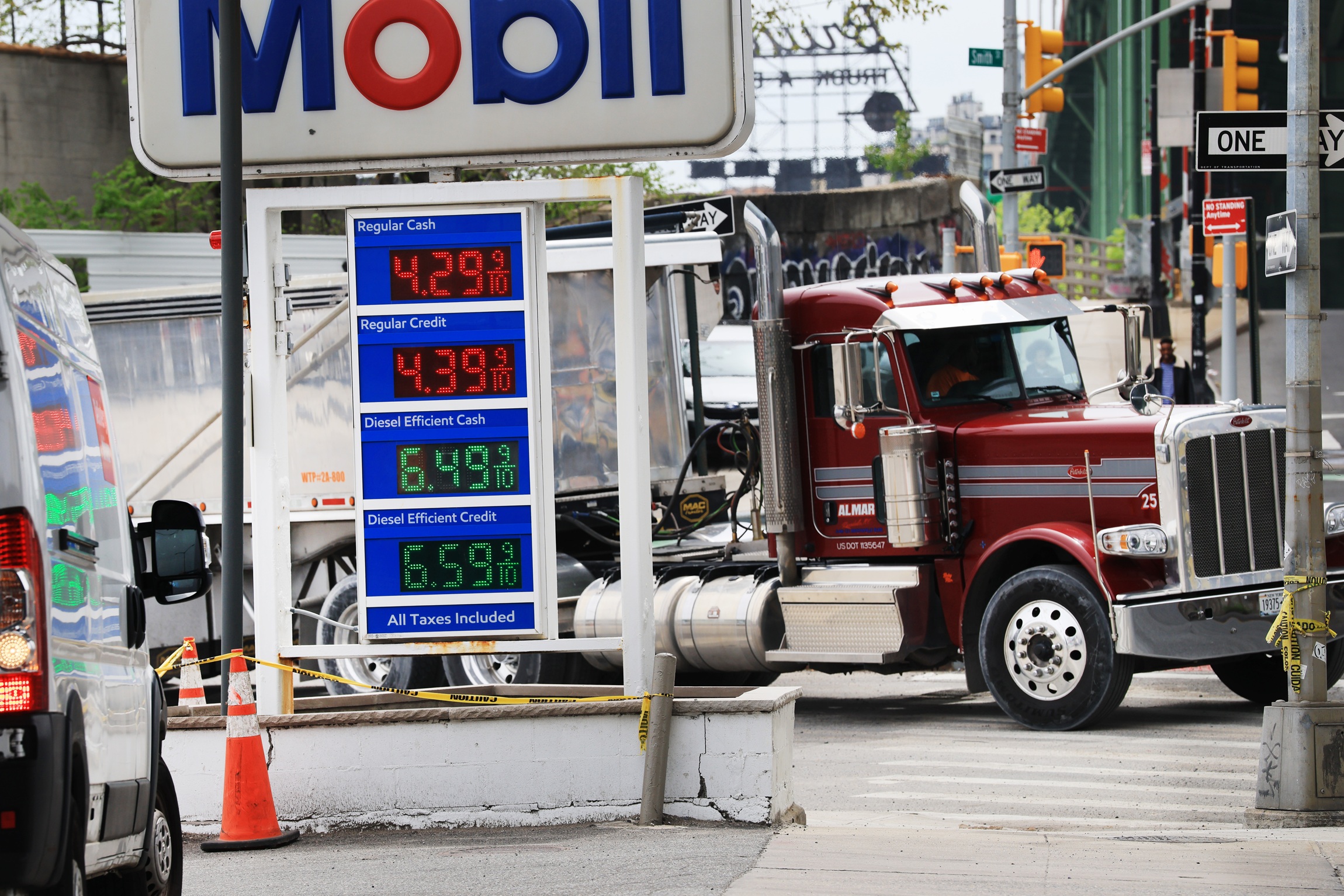
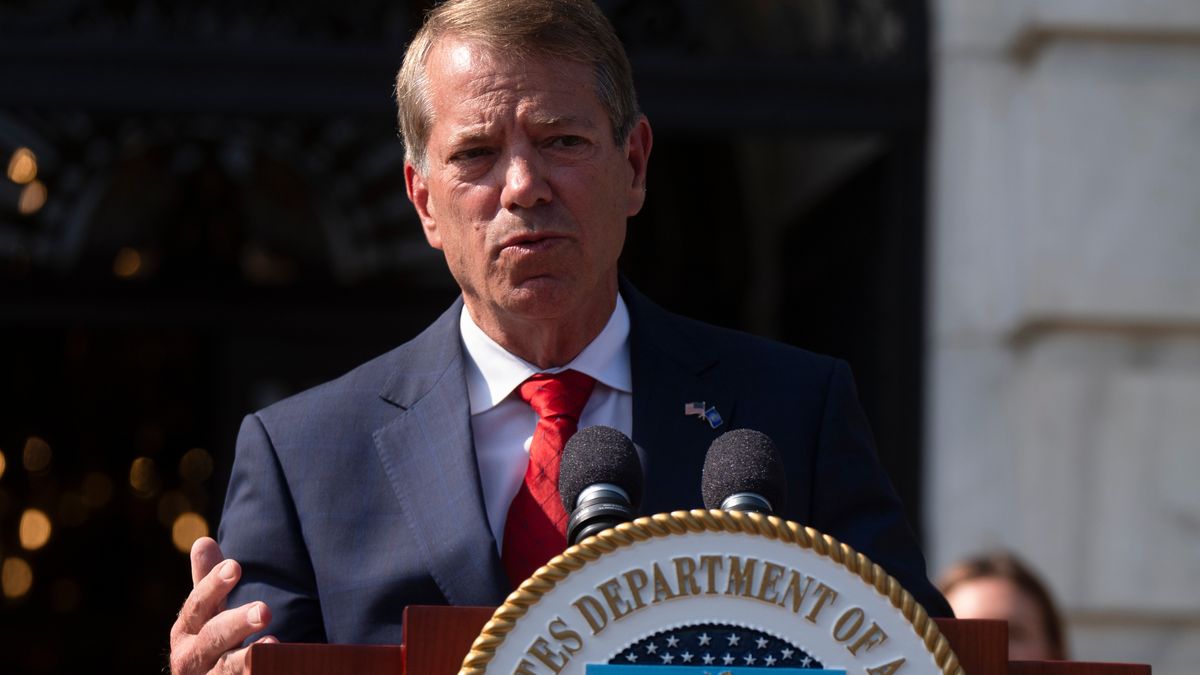
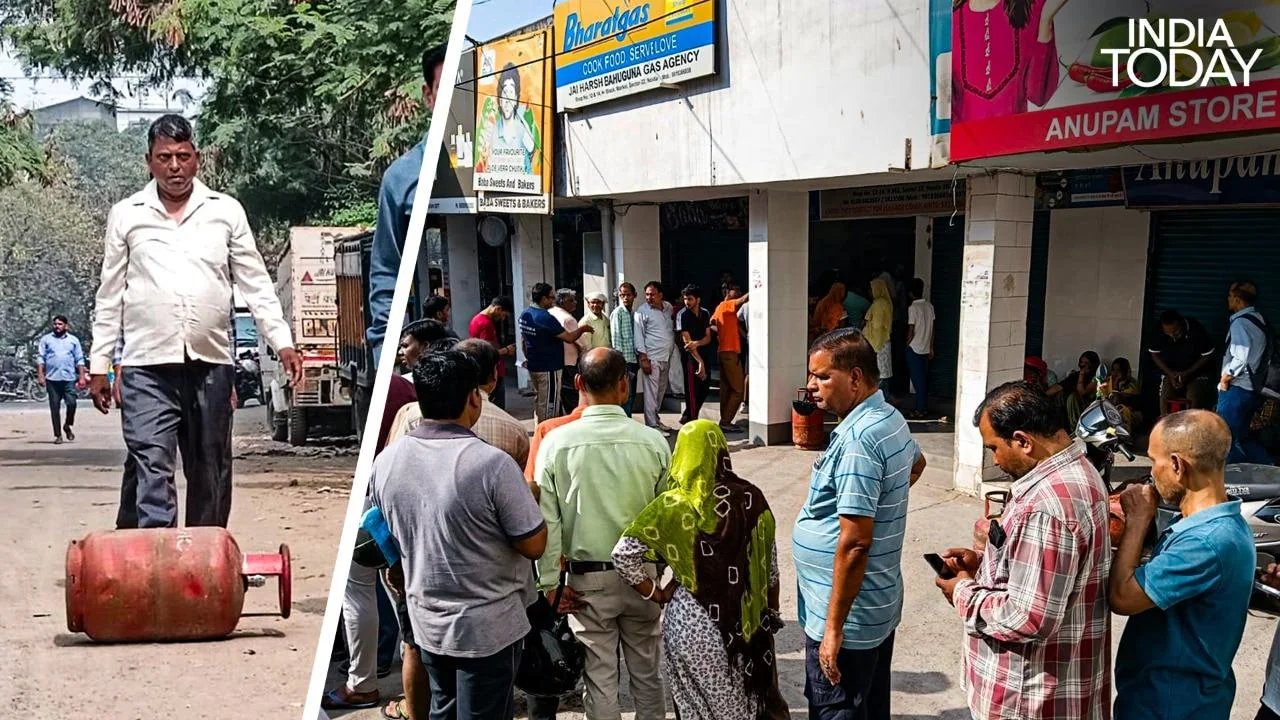
The rising cost of heavy sweet oil is likely to translate into higher prices for consumers. Airlines are already feeling the pinch, with Alaska Air pulling its financial forecast due to the surge in fuel costs. Energy Secretary Chris Wright warned that gas prices may not drop below $3 per gallon until next year, further straining household budgets.
Shift in Marine Fuel Strategy
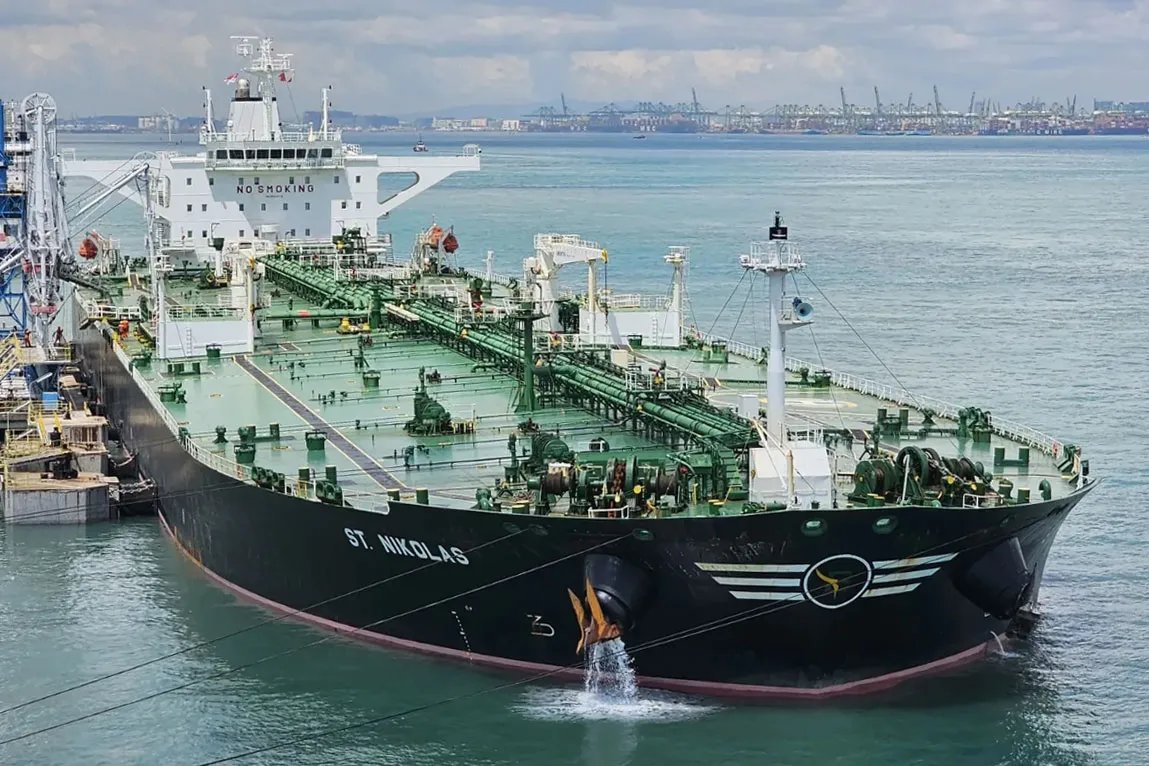
The Iran war has prompted significant changes in the marine fuel industry, with many companies now prioritizing heavy sweet oil over traditional sources. This shift aims to mitigate risks associated with supply disruptions stemming from the conflict. As marine fuel blenders adjust their operations, the entire supply chain is being altered, raising concerns about long-term impacts on energy prices. The move also highlights the industry's response to geopolitical tensions affecting oil supplies.
Airlines Seek Relief Amid Rising Costs
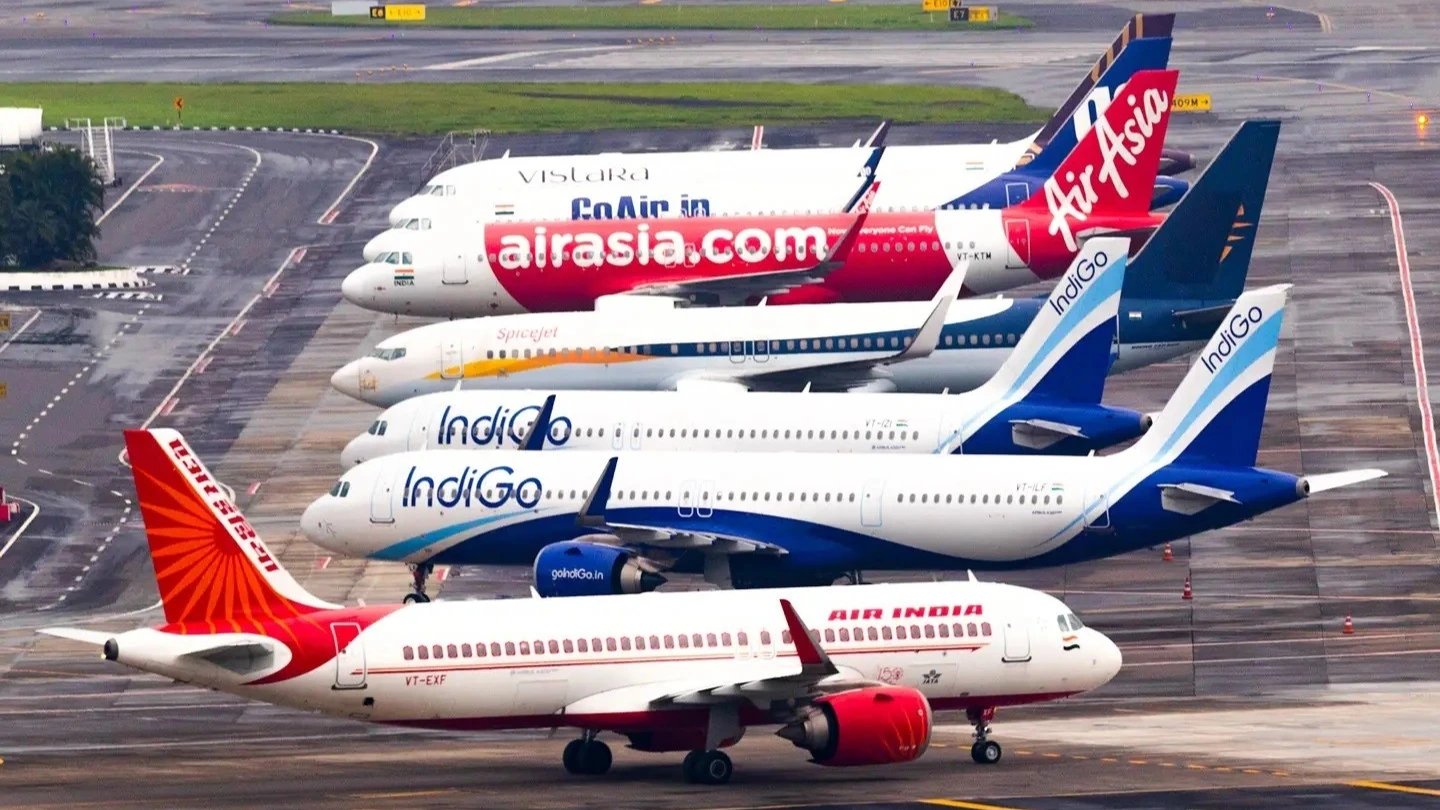
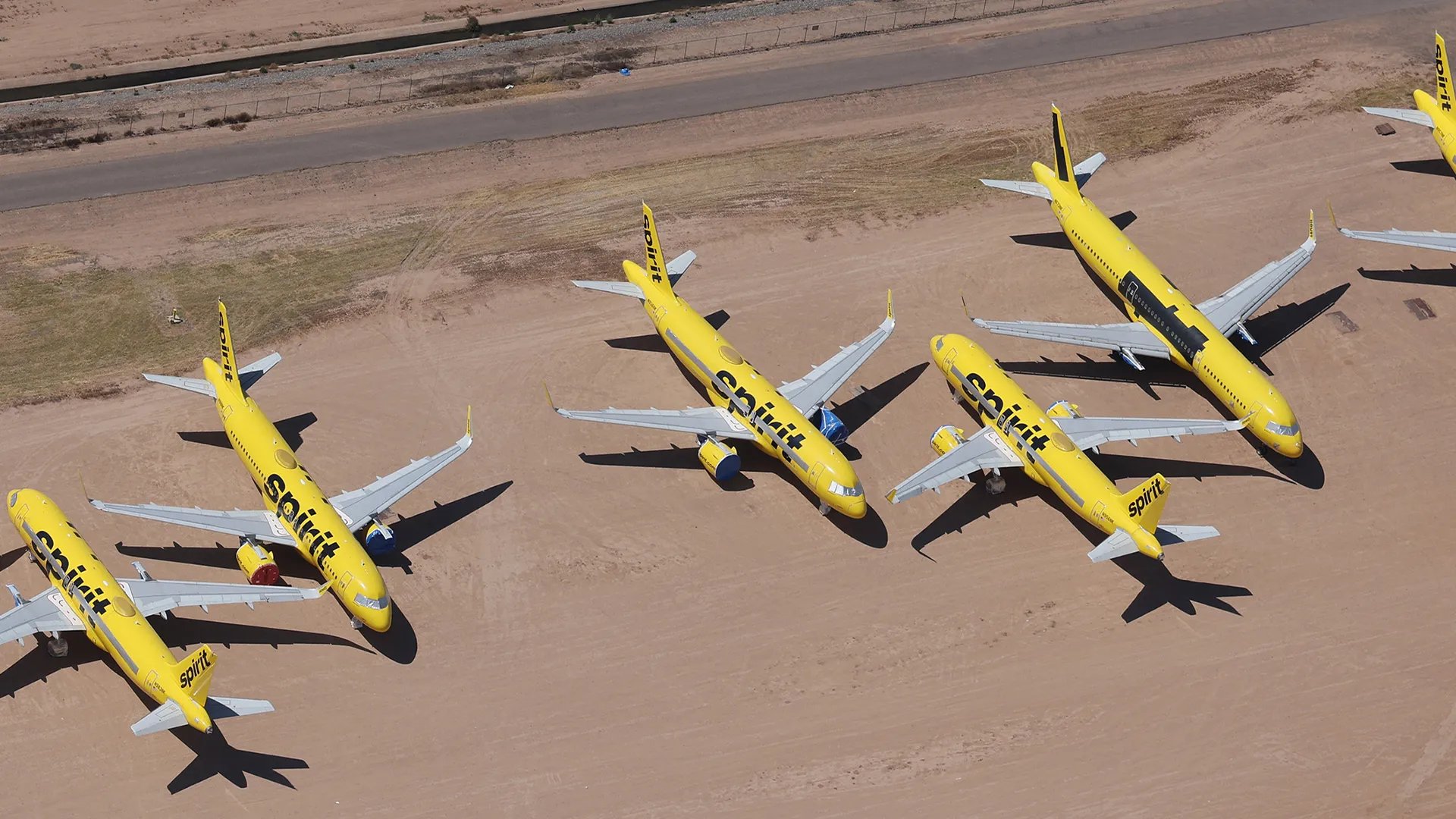
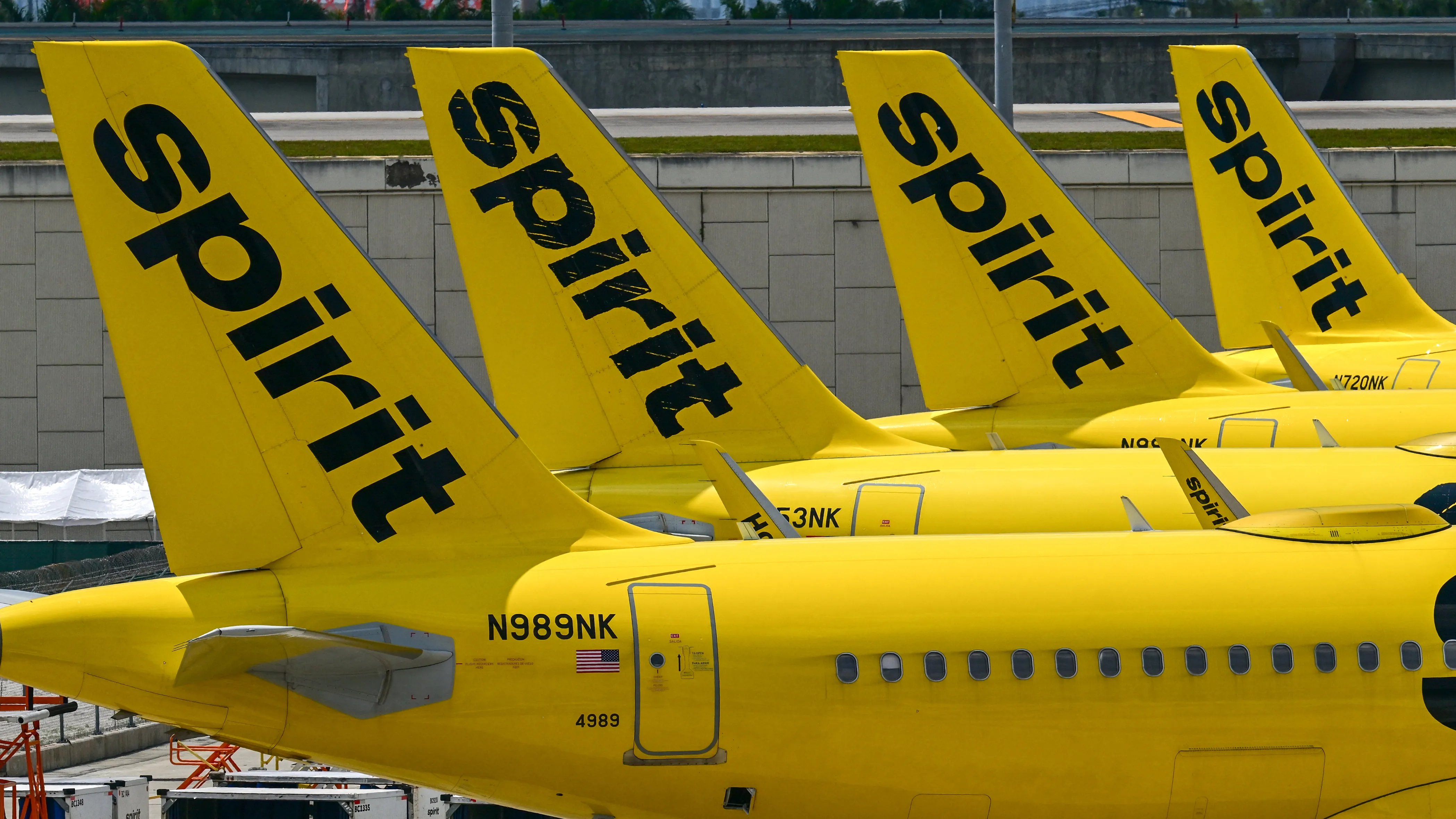
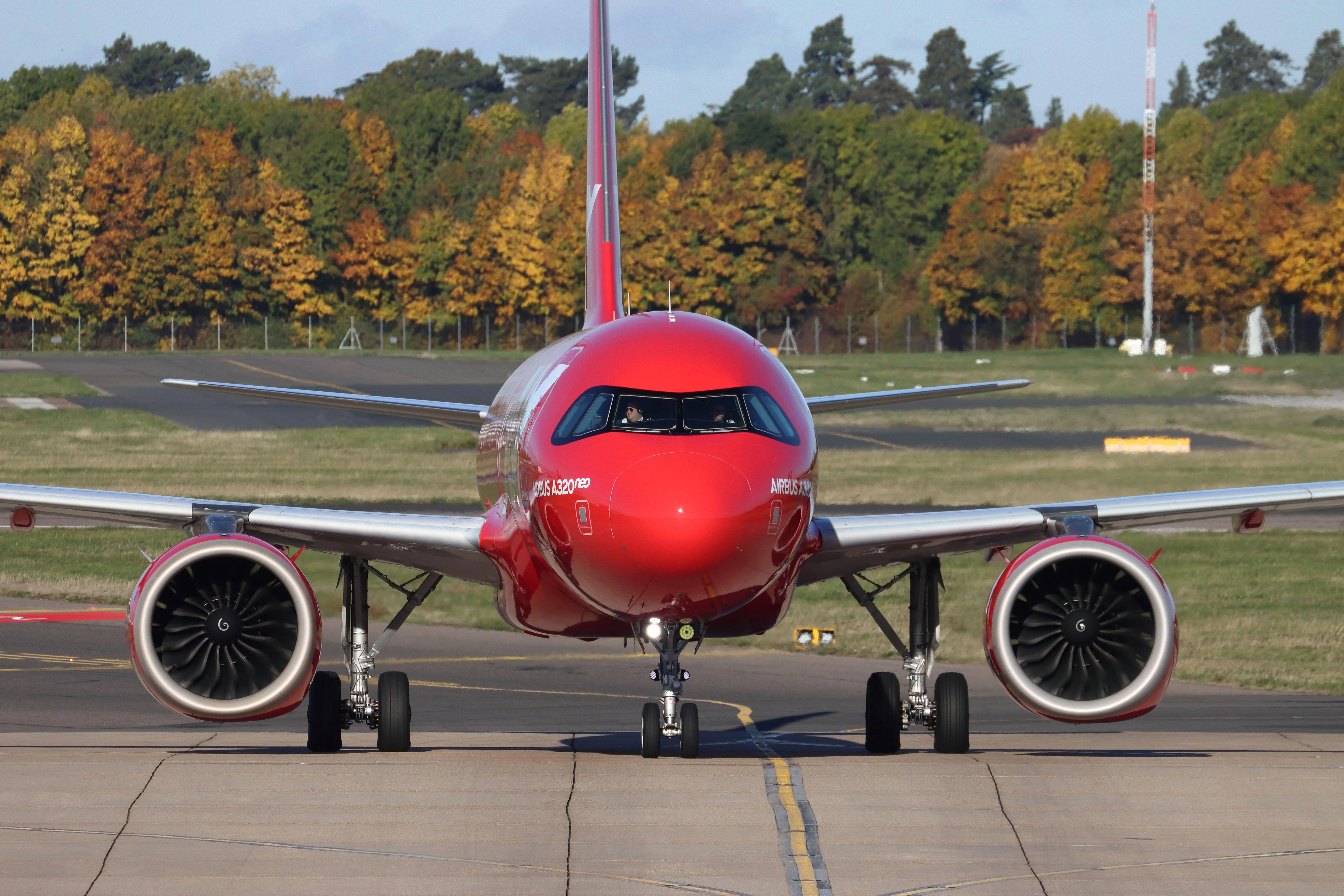
In response to soaring fuel prices, U.S. low-cost airlines are advocating for temporary tax relief measures to alleviate financial pressure. Airlines argue that the ongoing conflict has significantly impacted their operational margins, prompting calls for government assistance. The aviation sector is particularly vulnerable, as increased fuel costs directly affect ticket prices and overall profitability. If unaddressed, these financial strains could lead to reduced flight options and higher fares for consumers.
Broader Economic Implications
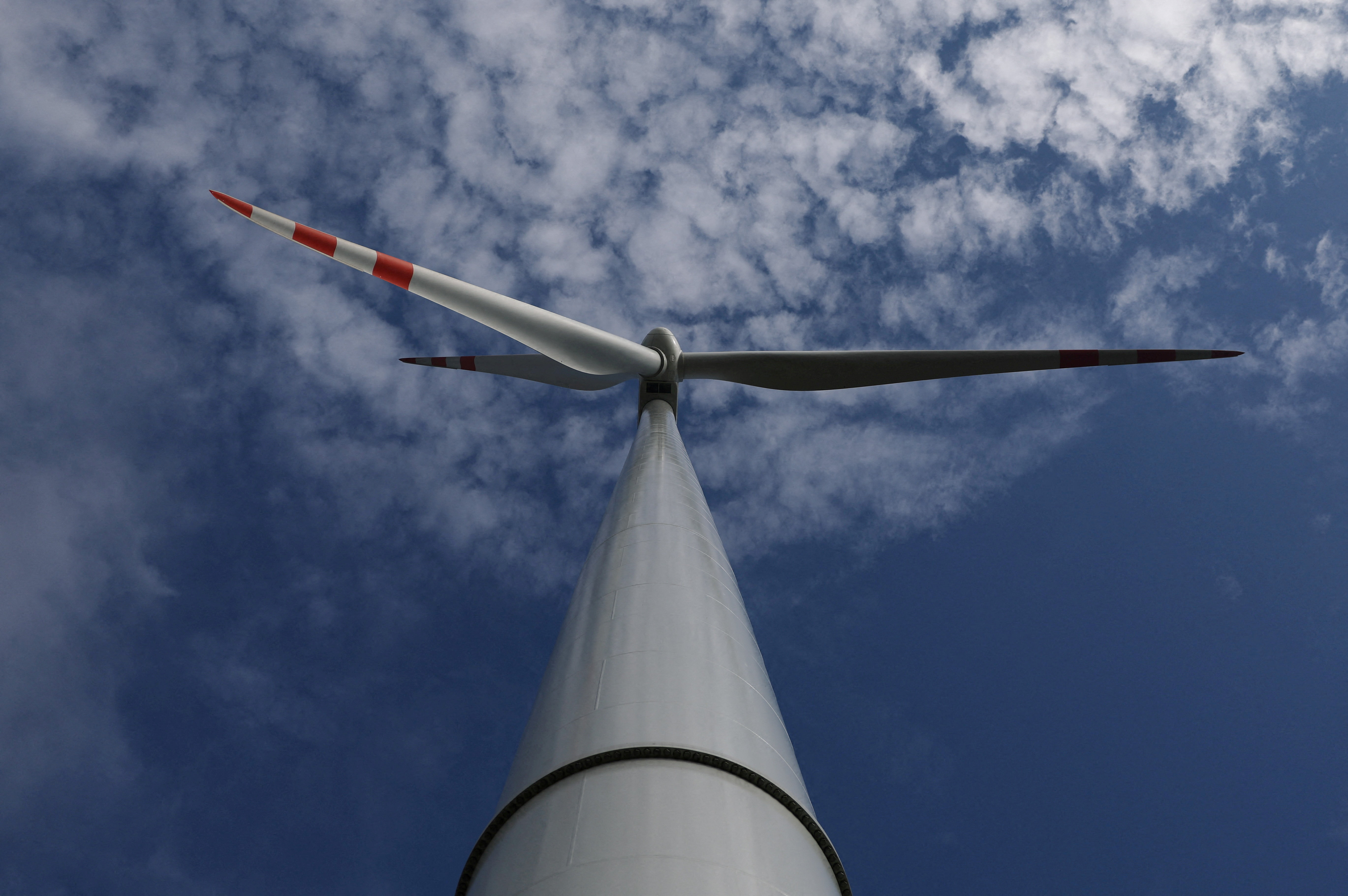
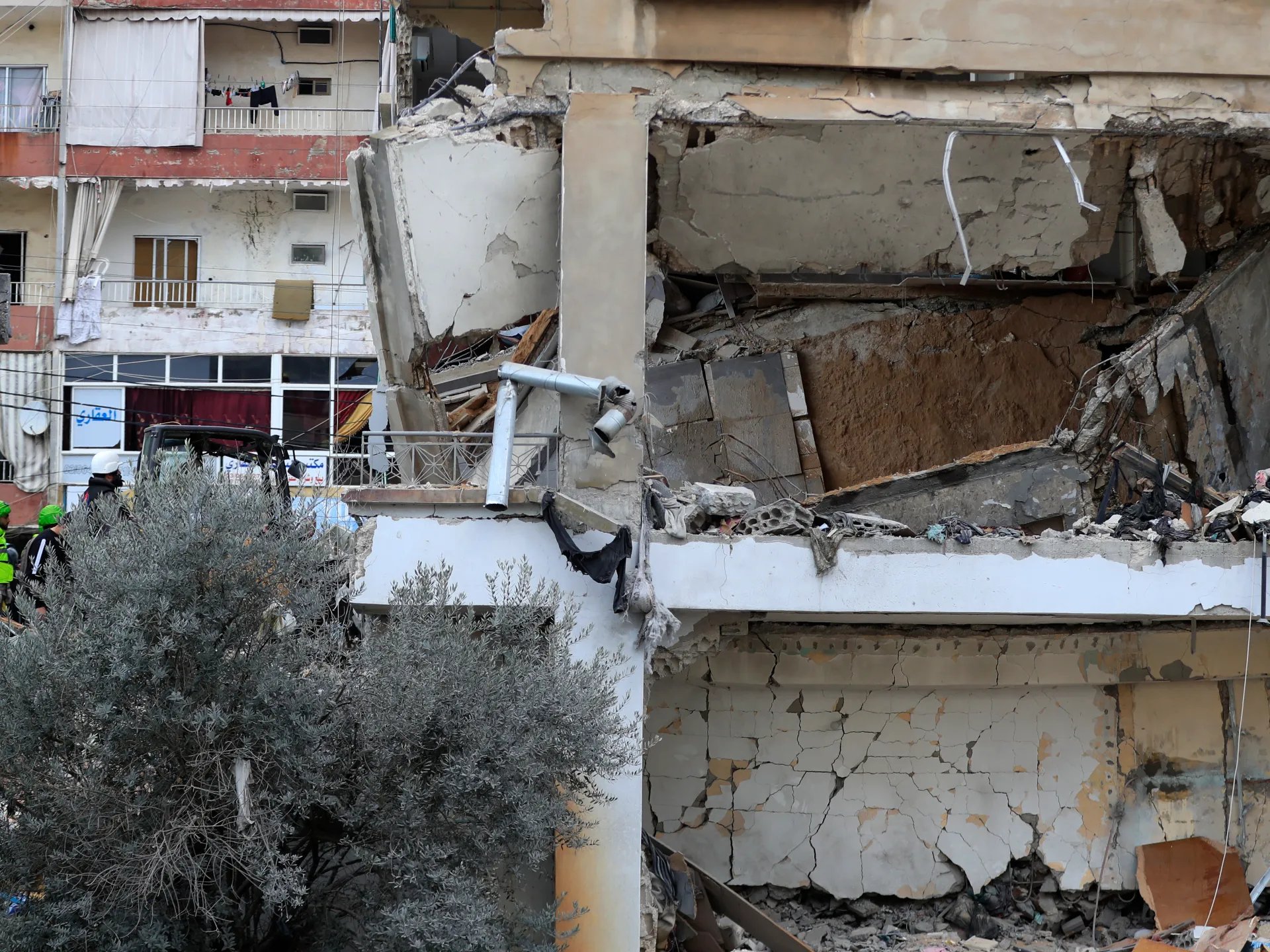
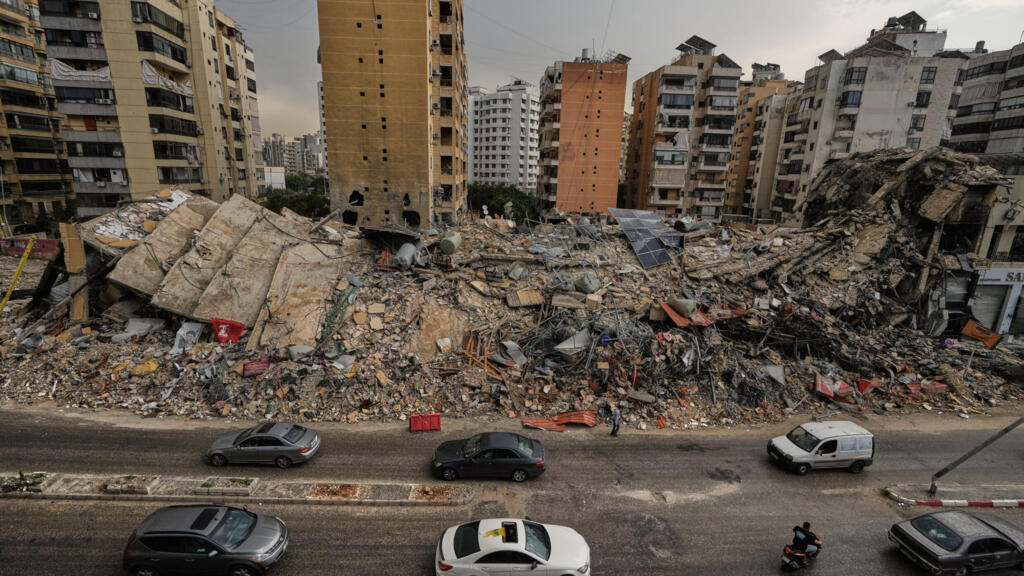
The ramifications of the Iran war extend beyond the energy sector, with potential impacts on the global economy. Financial analysts warn that sustained high oil prices could hinder economic recovery efforts, particularly in industries reliant on stable fuel costs. France's Finance Minister estimated the war's impact on the French budget at as much as €6 billion ($7.1 billion), illustrating the conflict's economic reach. As countries grapple with rising costs, the situation is prompting discussions about the need for cleaner, more resilient energy sources to mitigate future shocks.
Future of Marine Fuel Supply
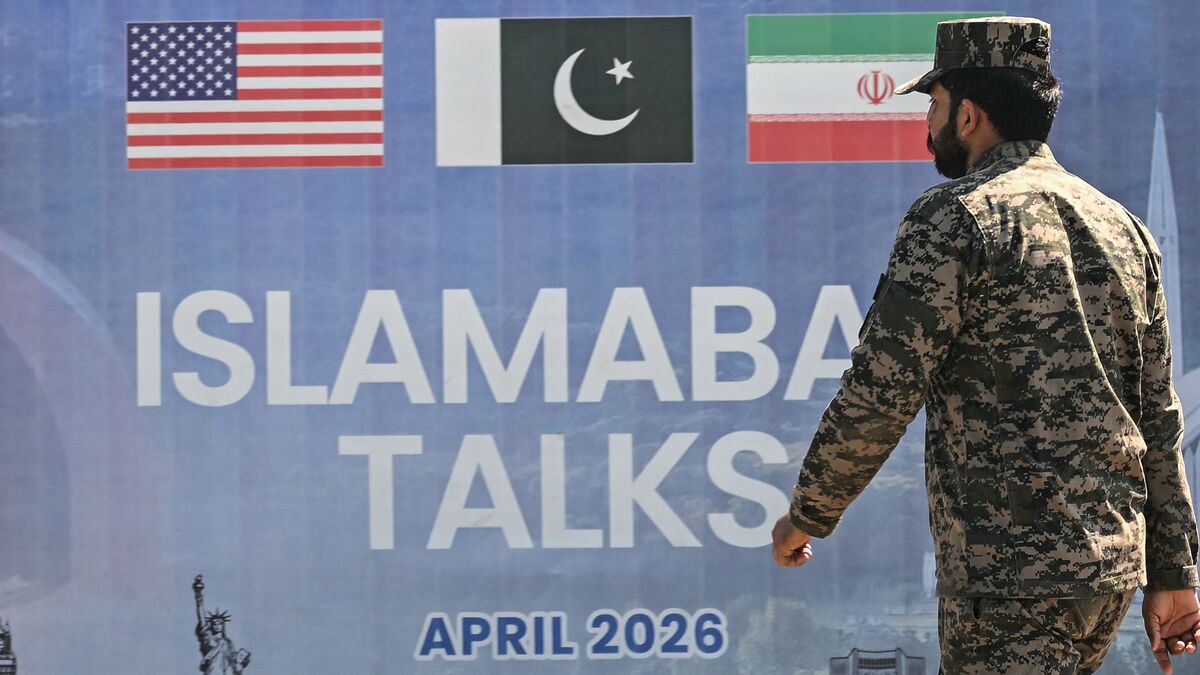
With ongoing negotiations and peace talks planned in Pakistan, the marine fuel industry remains on edge. While there are hopes that diplomatic efforts may stabilize the situation, the outcome remains uncertain. The U.S. and Iran have signaled readiness for dialogue, yet both sides continue to exchange threats.
Implications for Consumers and Industries
As the situation evolves, consumers and industries dependent on marine fuel must brace for the possibility of continued price increases. The shift to heavy sweet oil may provide a temporary solution, but its long-term viability remains in question. Stakeholders across various sectors are urged to closely monitor developments in the Iran war, as its impacts are likely to resonate through supply chains and consumer prices for the foreseeable future. The need for strategic energy planning has never been more critical, as the world navigates the complexities of geopolitical conflicts and their economic consequences.