Alina Dotsenko, director of the Kherson Art Museum, entered her institution after Ukrainian forces reclaimed the southern city of Kherson in late 2022 and found thousands of artworks absent. "I walked in and saw empty storage rooms, empty shelves. My legs gave way, and I just sat down by the wall, like a child," Dotsenko said. The museum previously held more than 14,000 works spanning collections from America to Japan before Russia's invasion in early 2022, with Russians loading much of it onto trucks bound for Russian-annexed Crimea as they retreated. Ukraine's collaboration with Interpol now targets these missing pieces, including nearly 10,000 items whose fate remains unknown, to protect cultural heritage that belongs to global history. This effort directly challenges the theft of artifacts, which could erode shared human legacies and complicate international access to art.
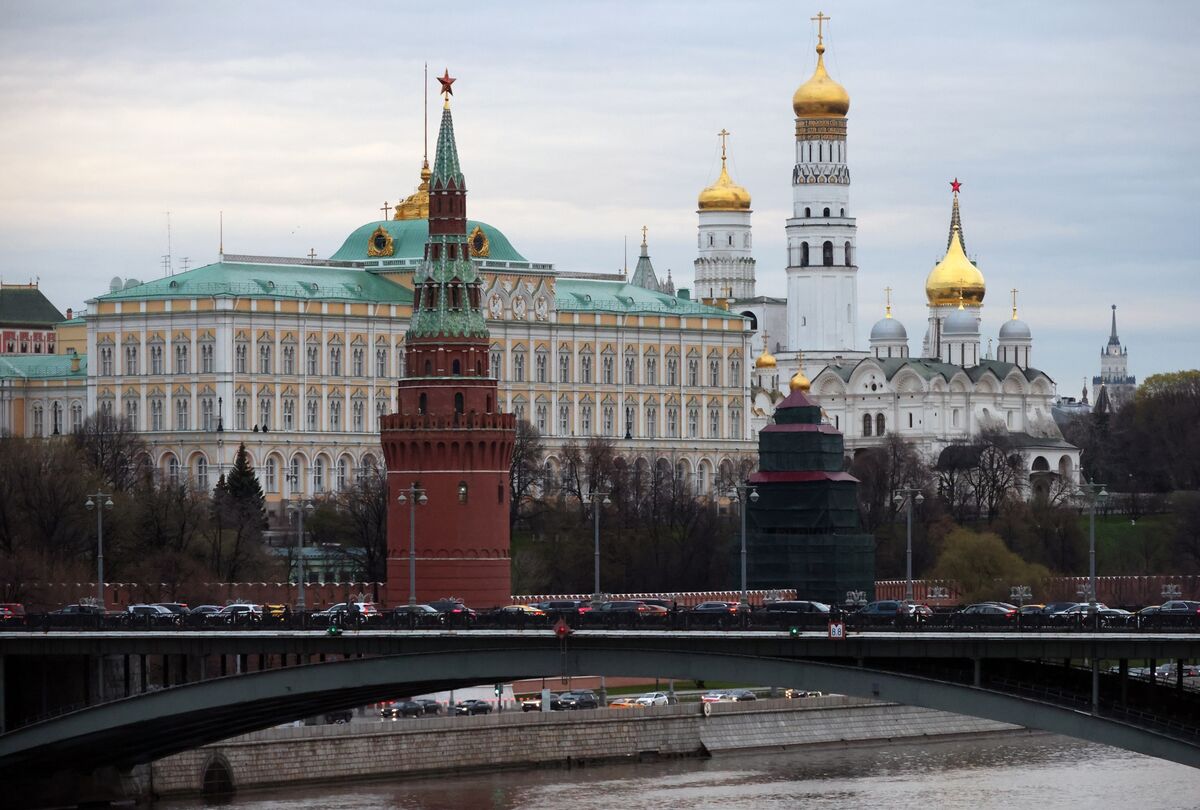
Russia has incorporated 77 Ukrainian museums from occupied regions into its national catalogue, a move that formalizes control over stolen collections. Ukrainian officials view this action as an attempt to legitimize the looting, with the Kherson case exemplifying the scale of removals. As Russia prepares representatives for next month's Venice Biennale, Ukraine has declared that the event "must not become a stage for whitewashing the war crimes that Russia commits daily against the Ukrainian people and our cultural heritage". The Interpol partnership offers Ukraine a mechanism to counter these claims, focusing on tracking and recovering specific items tied to the invasion.
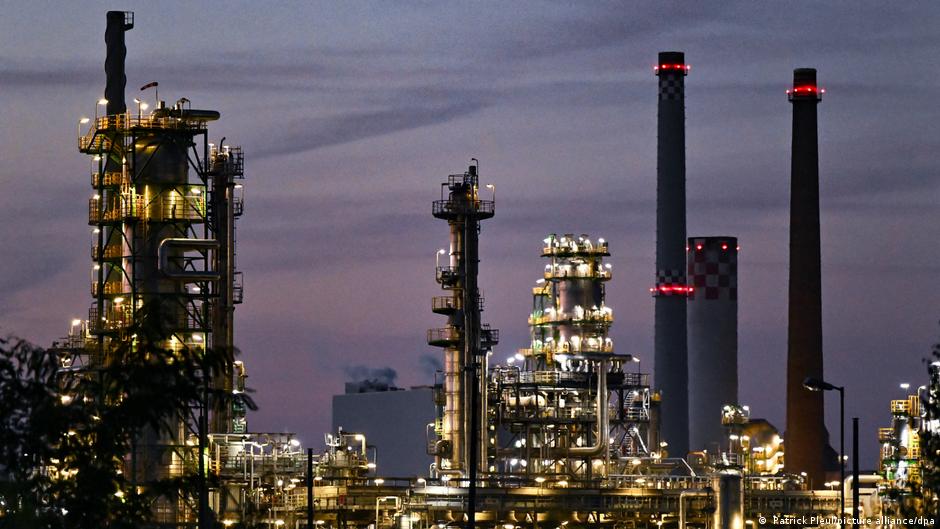
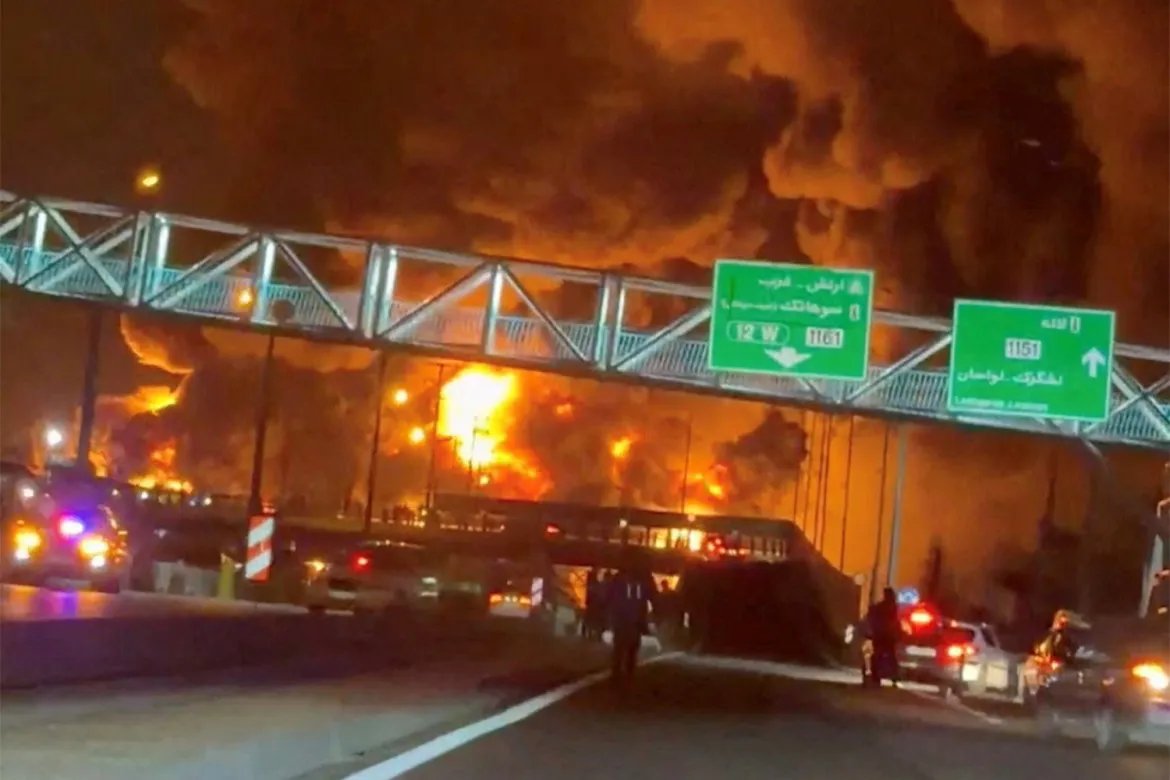
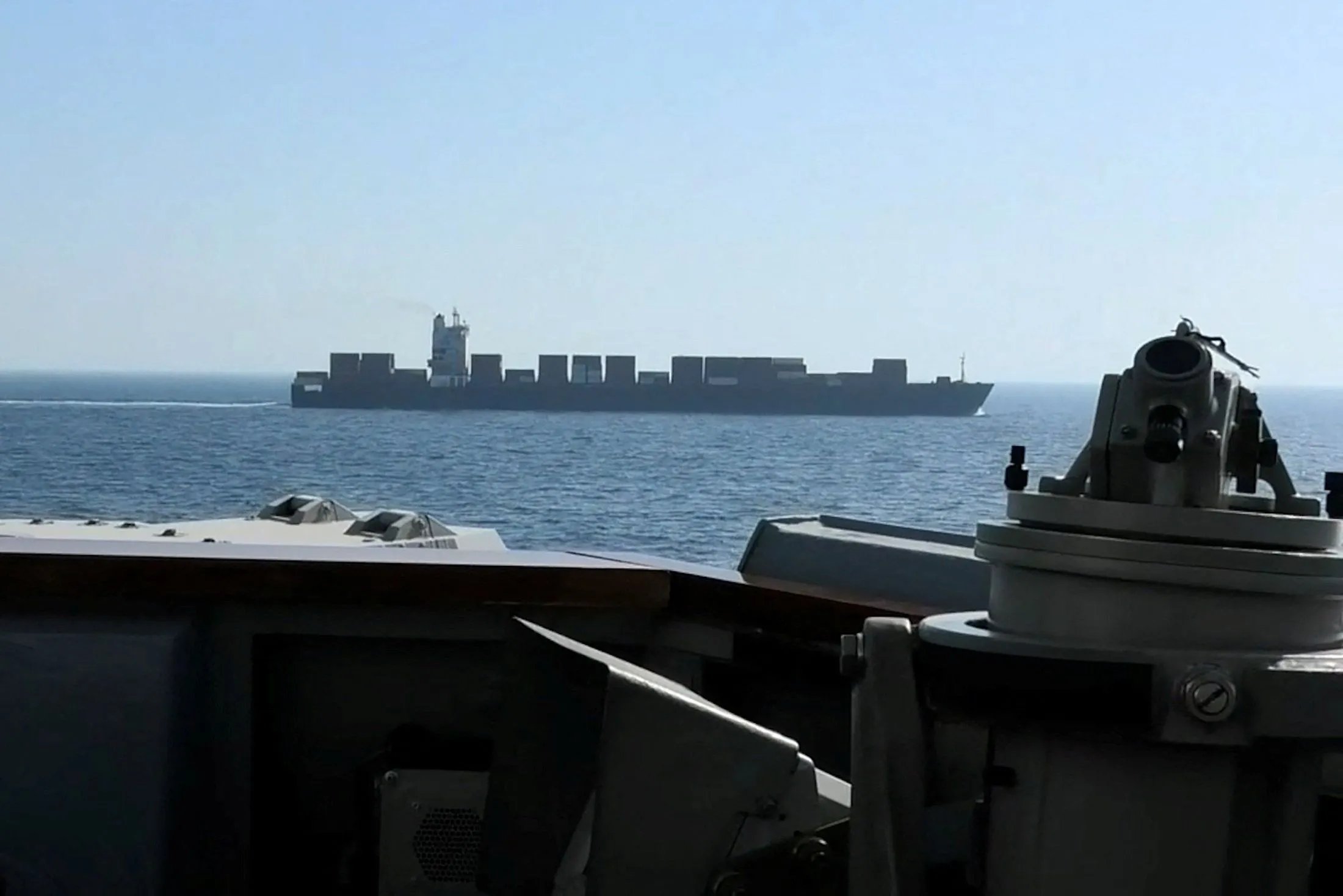
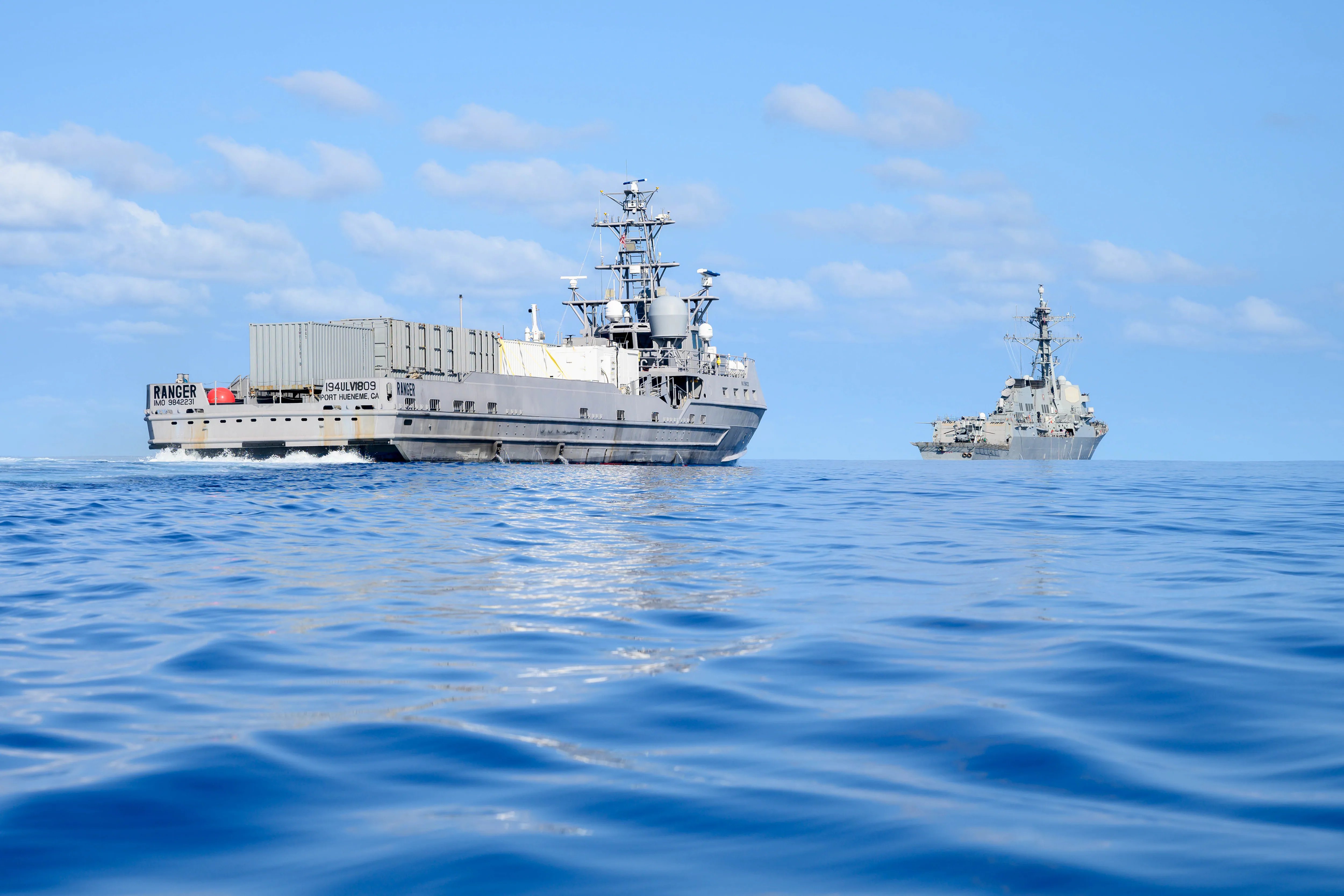
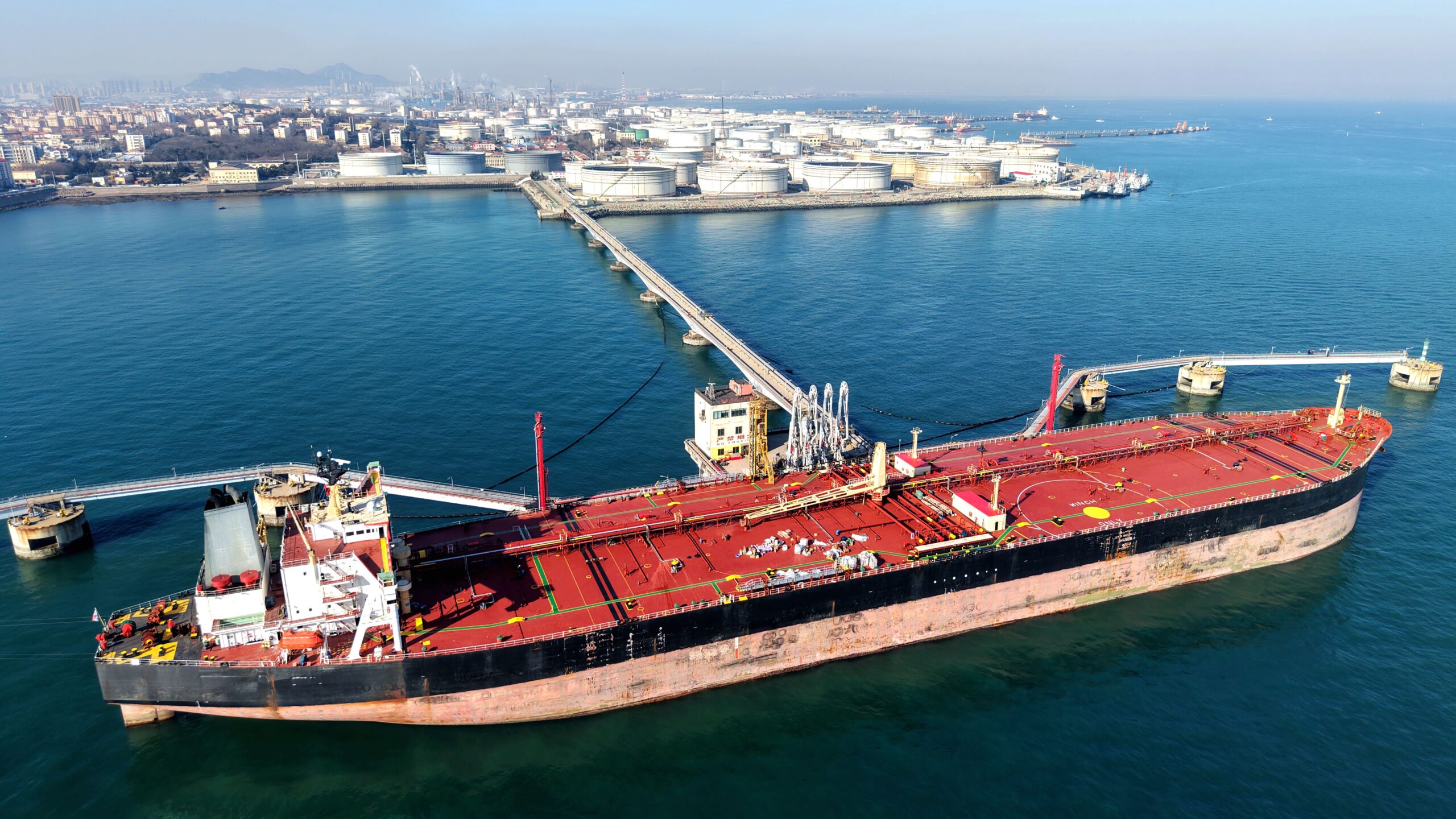
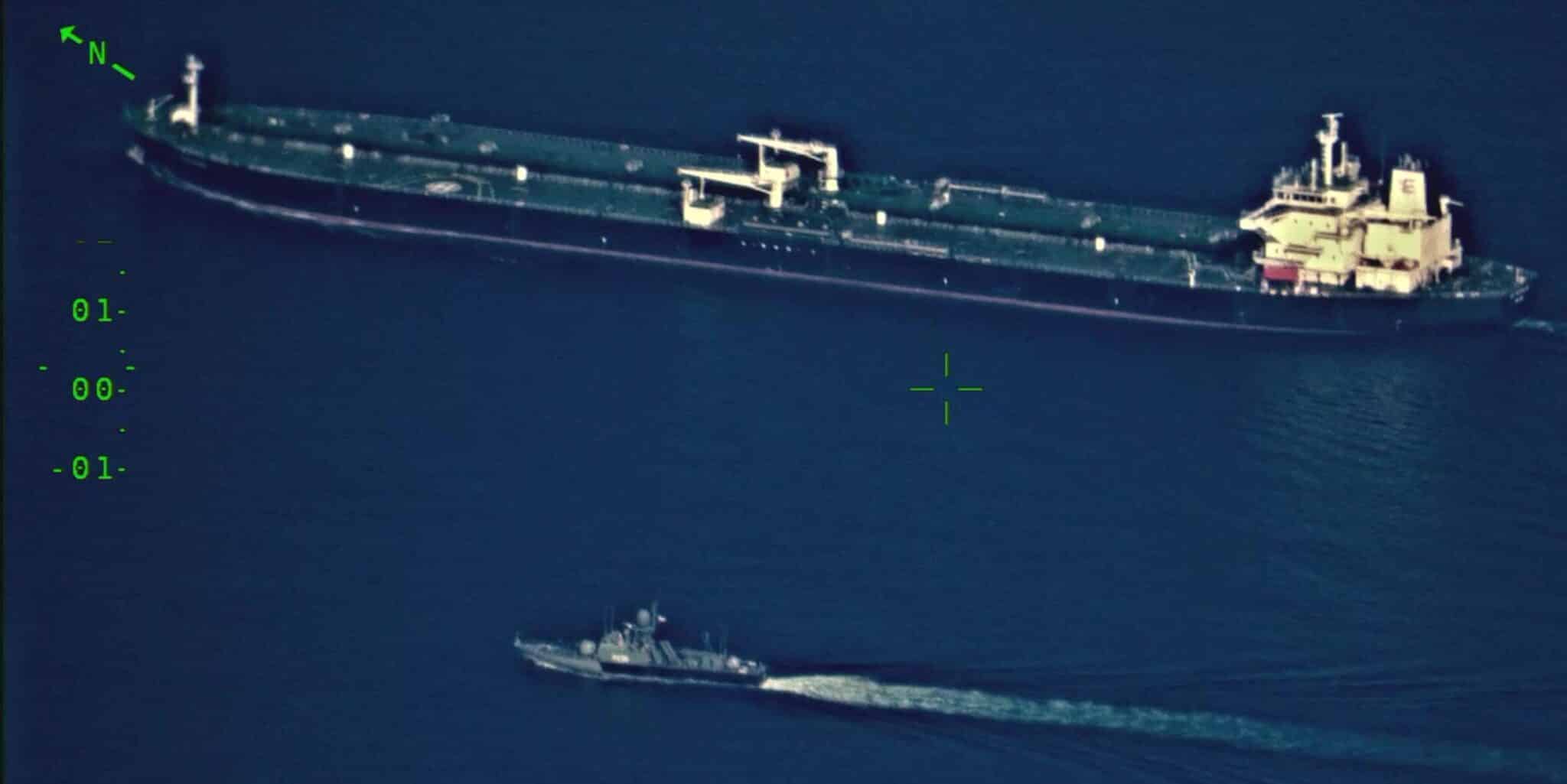
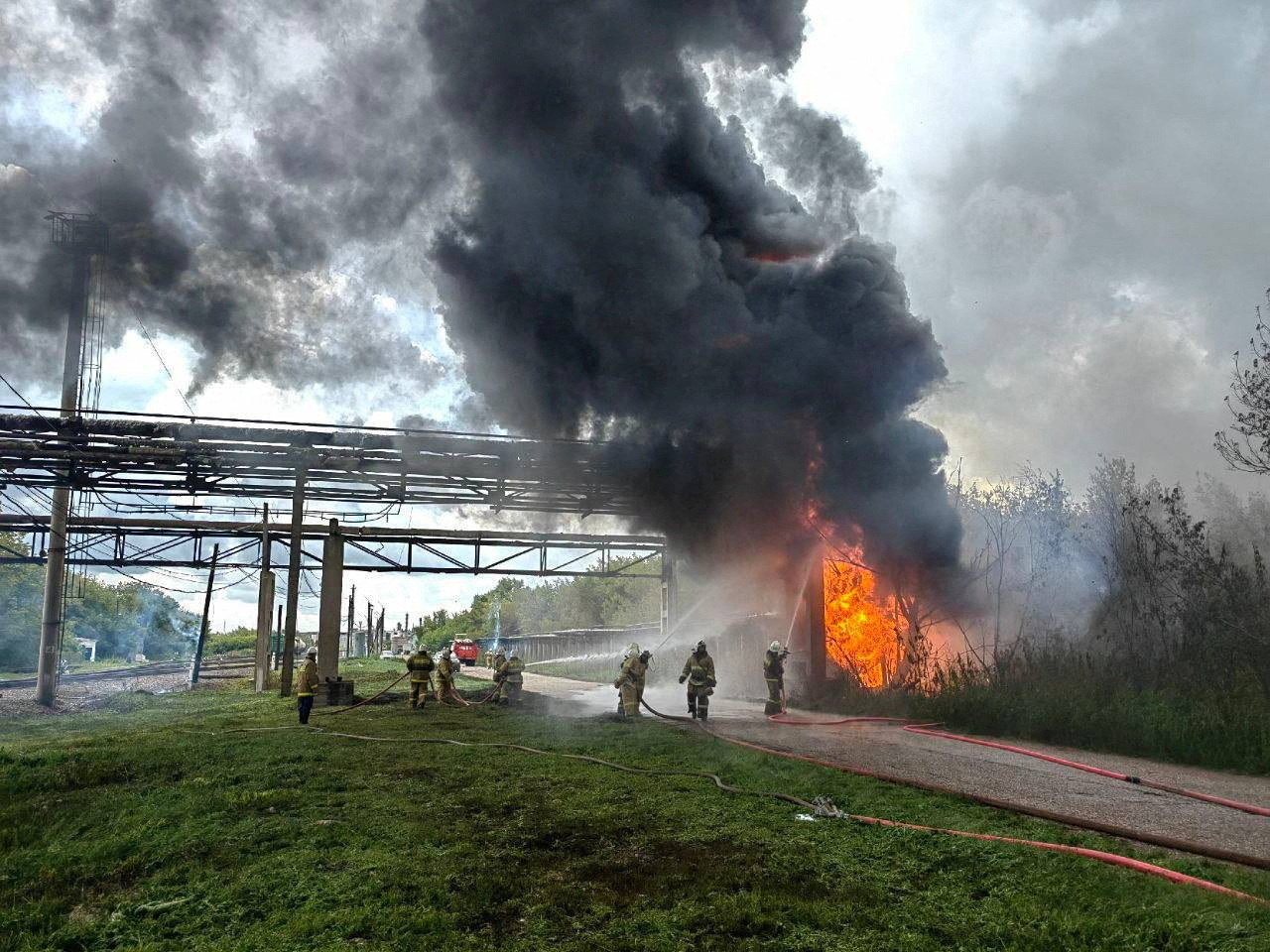
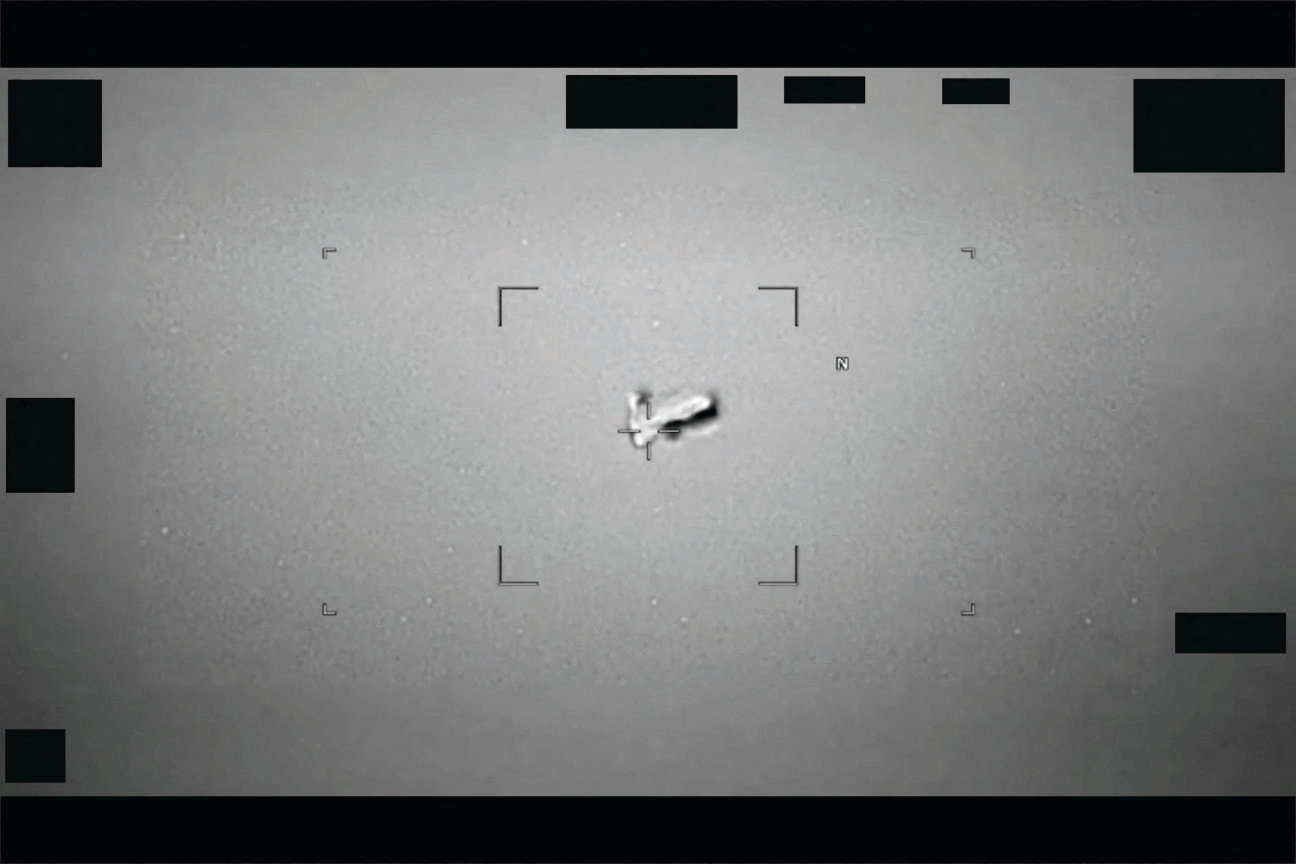
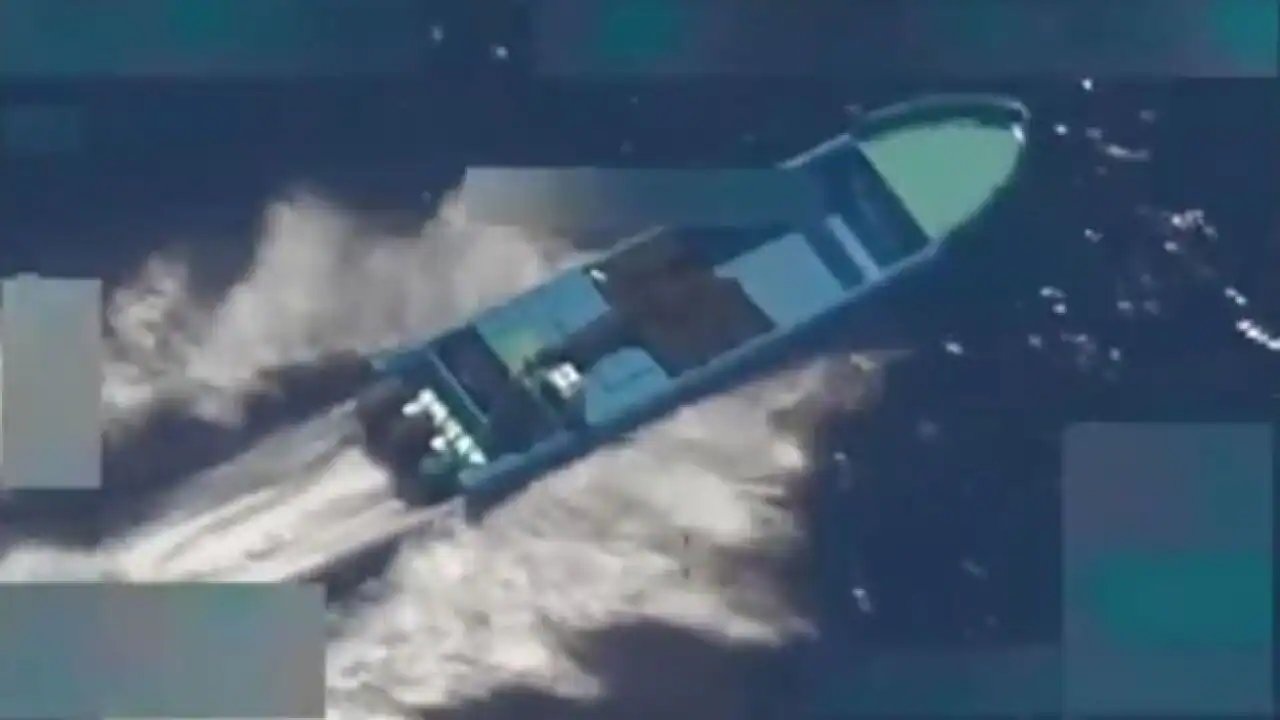
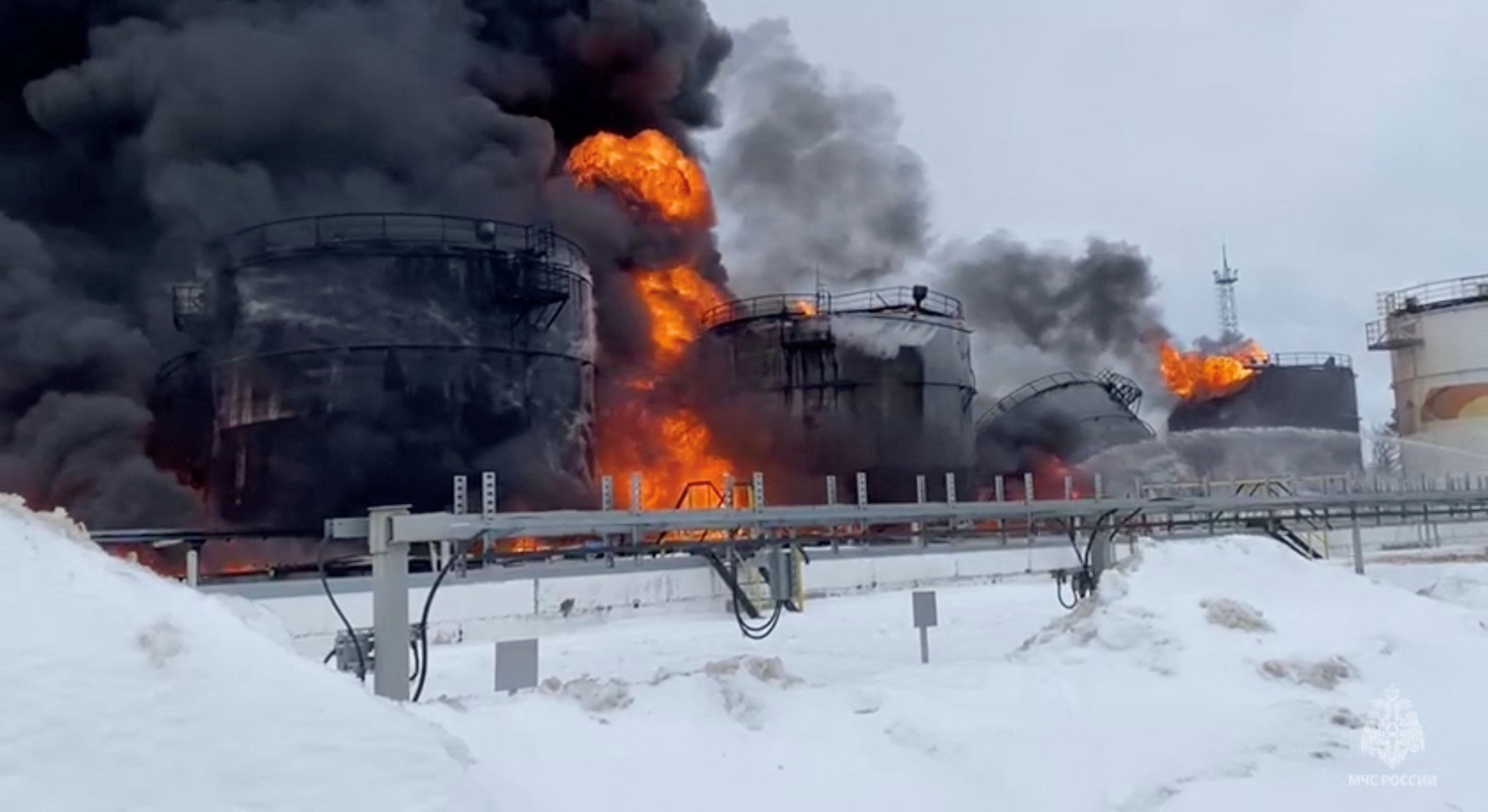
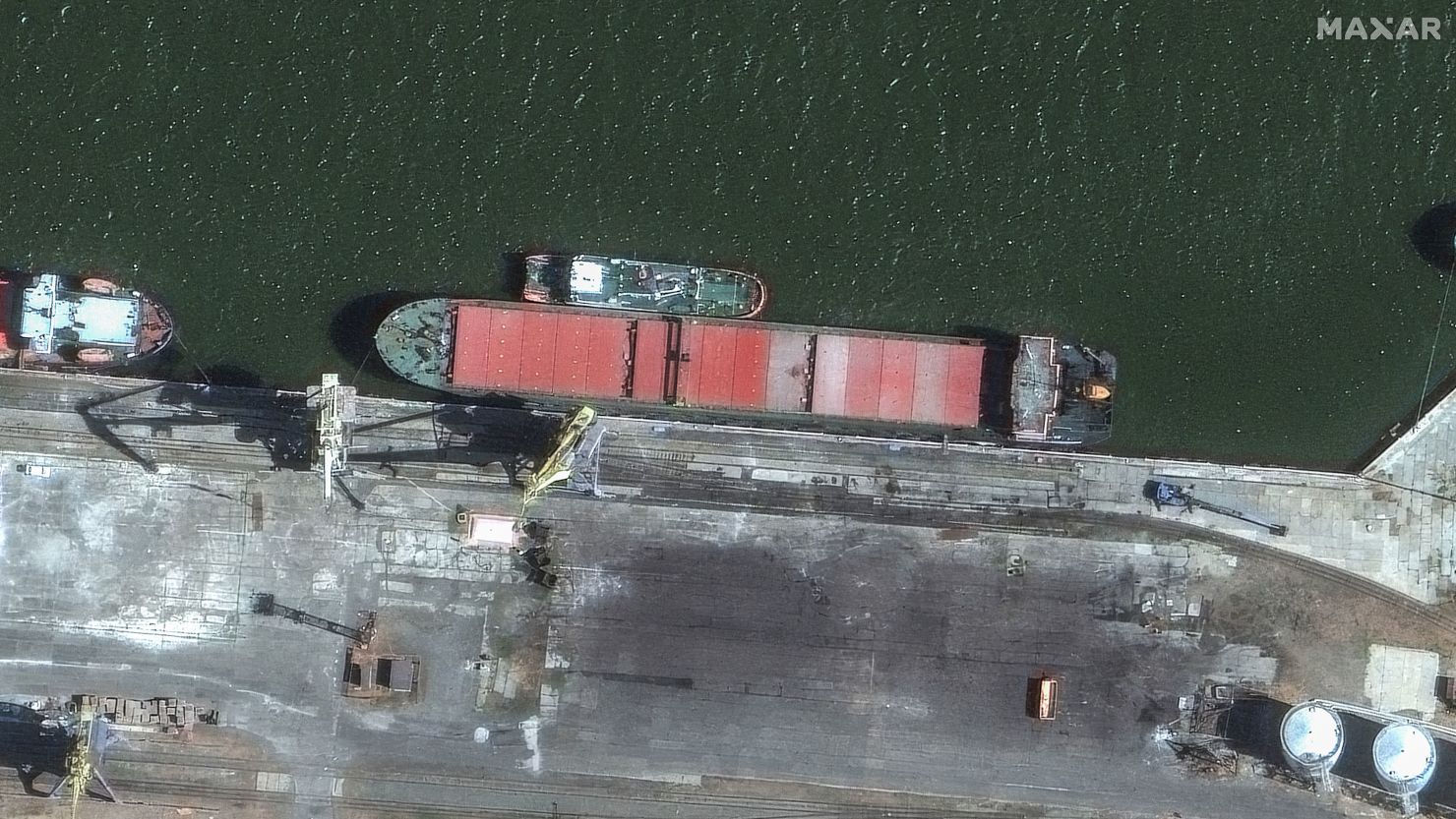
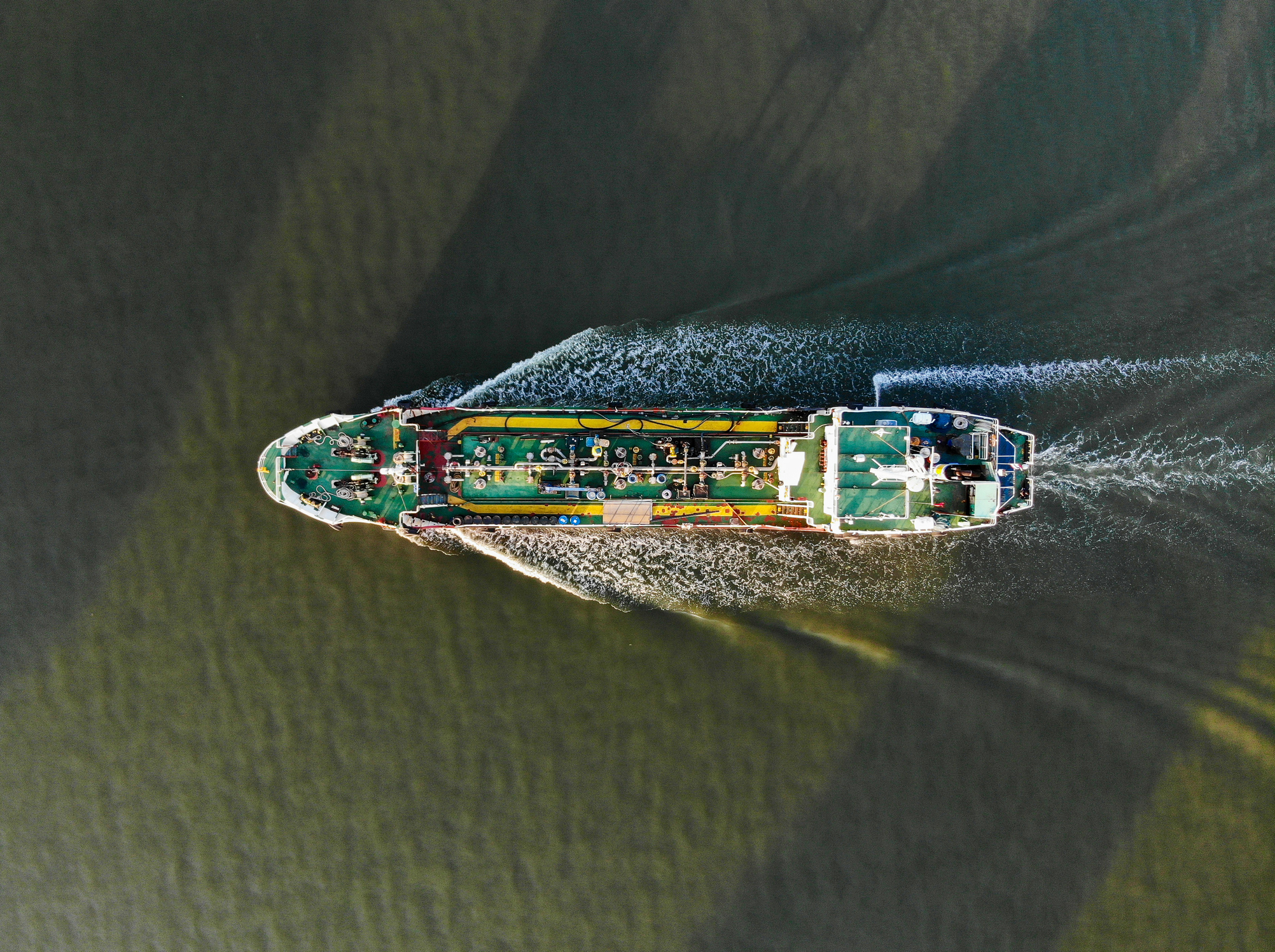
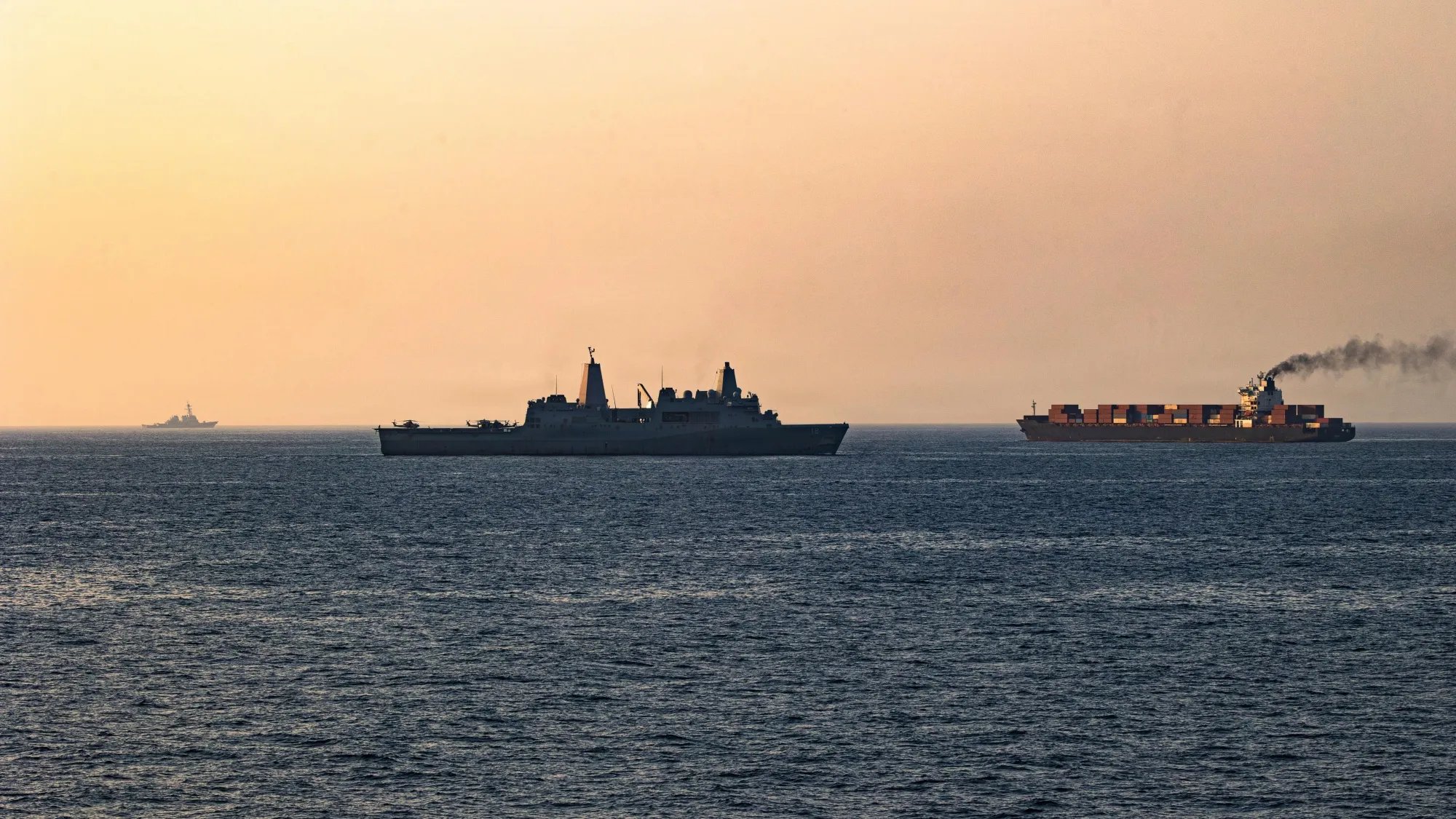
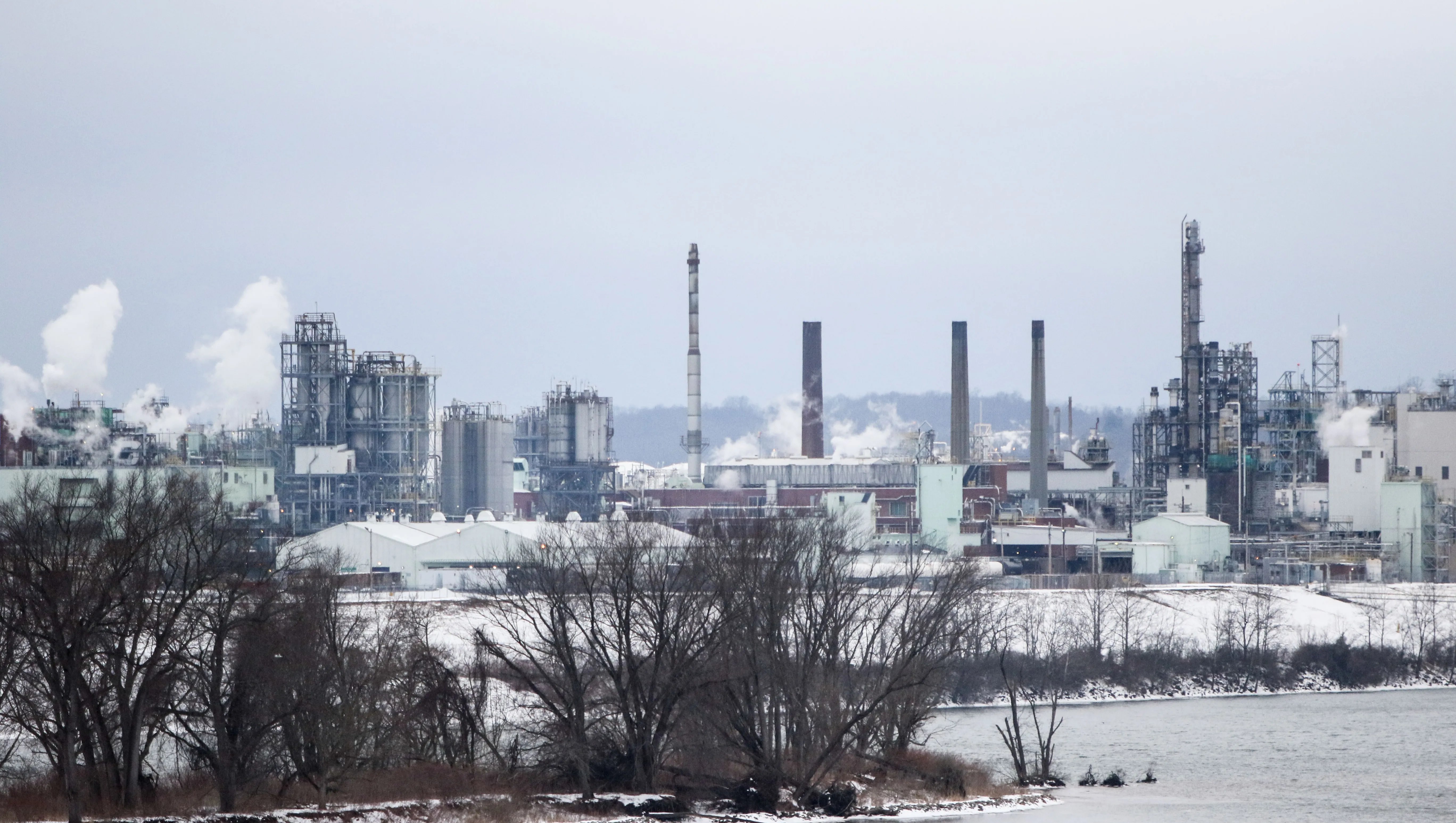
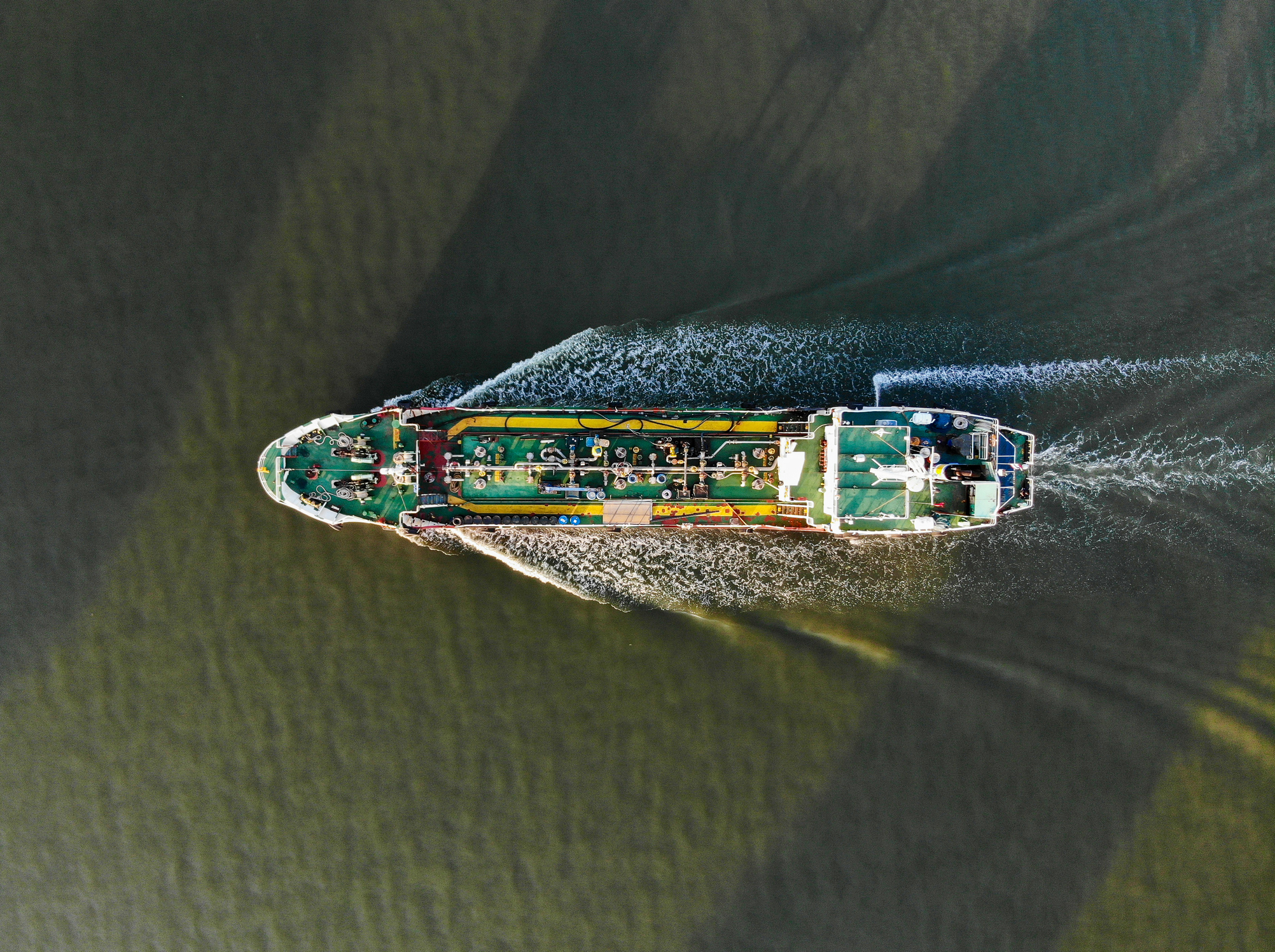
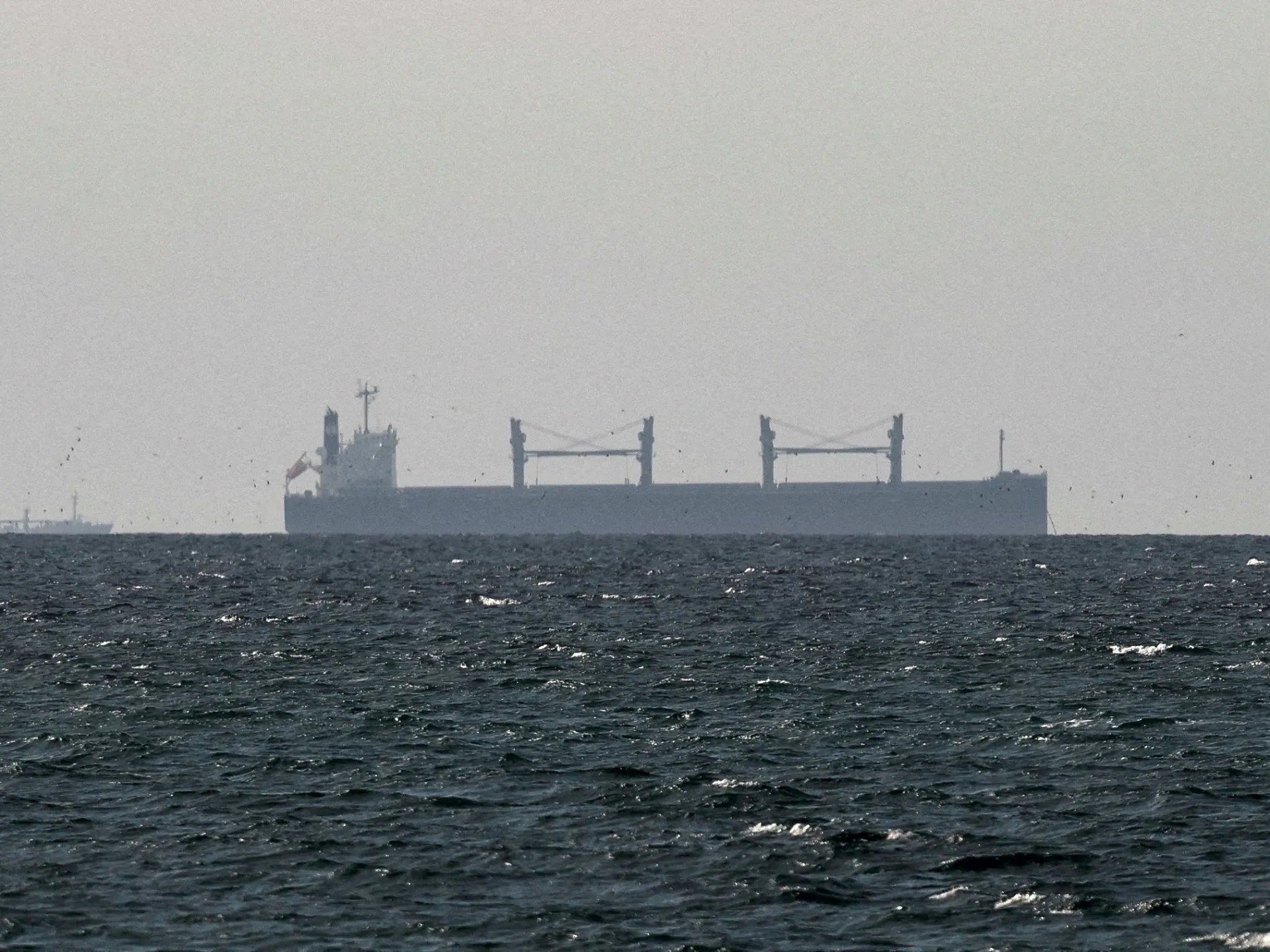
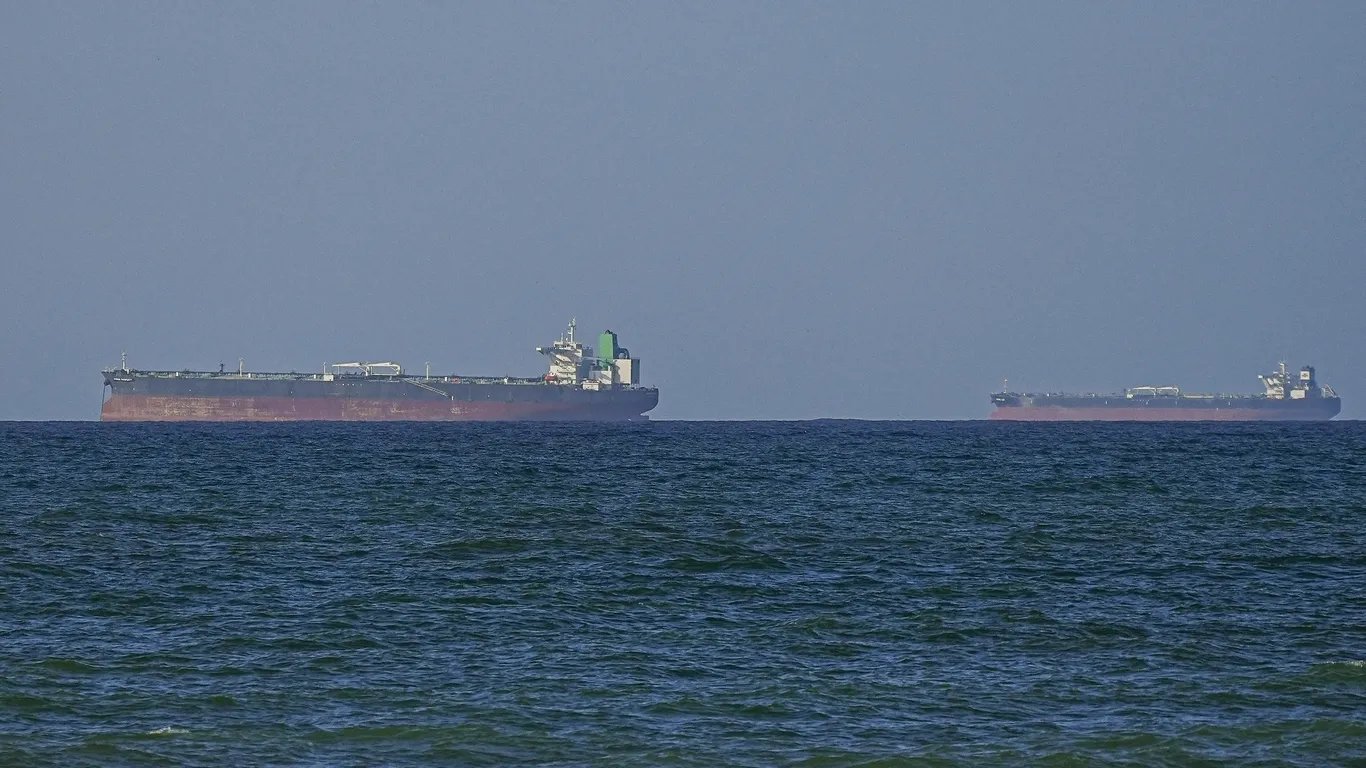
Ukraine's Security Service reported that its Alpha special operations unit executed a drone strike on the Crimean peninsula, damaging three Russian naval ships including the Yamal and Azov, plus one unidentified vessel. The attack also hit radar, communications equipment, and fuel storage facilities, disrupting military operations in the region. In a related escalation, Ukrainian forces struck oil refineries in Russia's Samara region cities of Novokuibyshevsk and Syzran, causing fires that Russian officials later confirmed at sites like the Vystosk oil terminal.
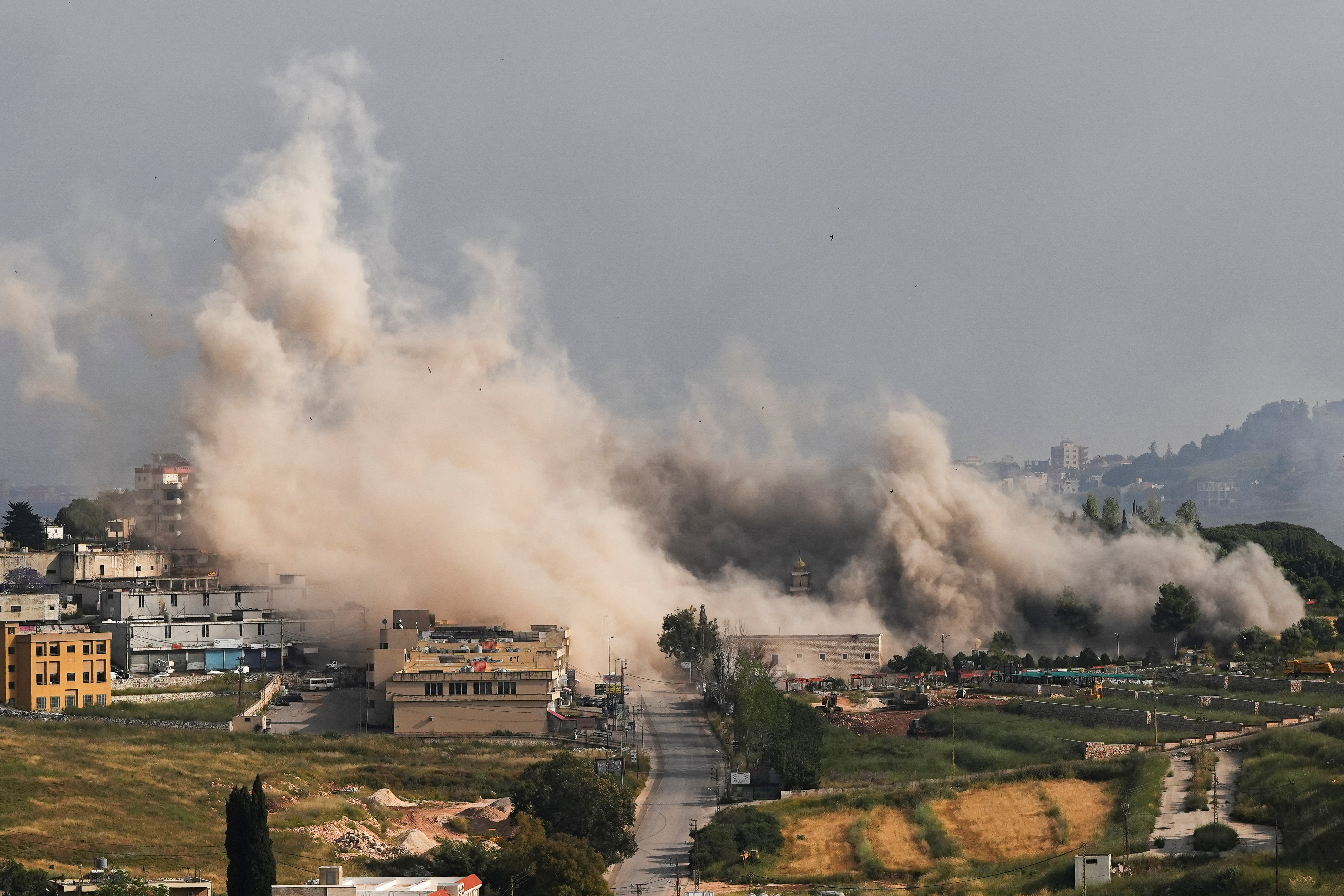
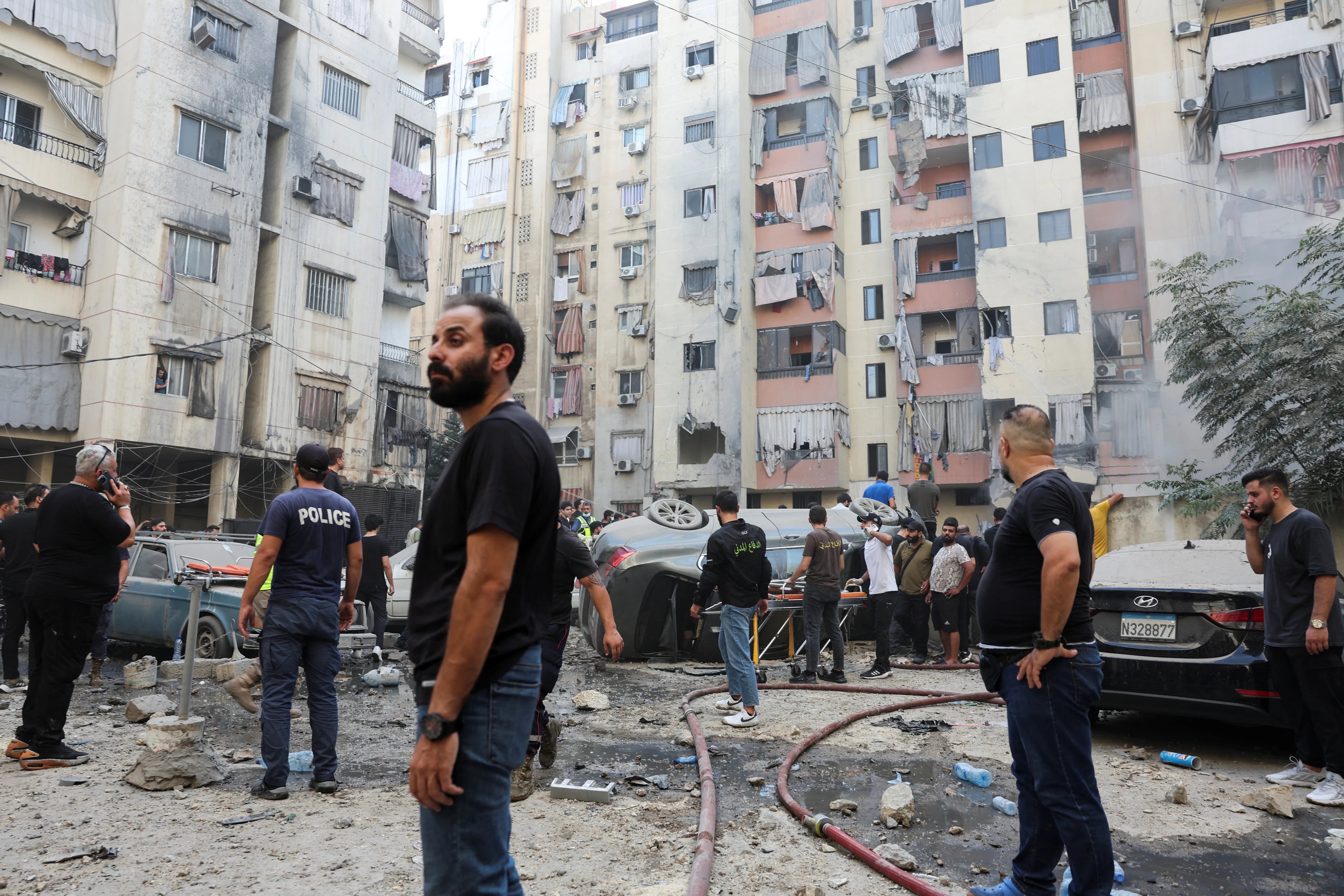
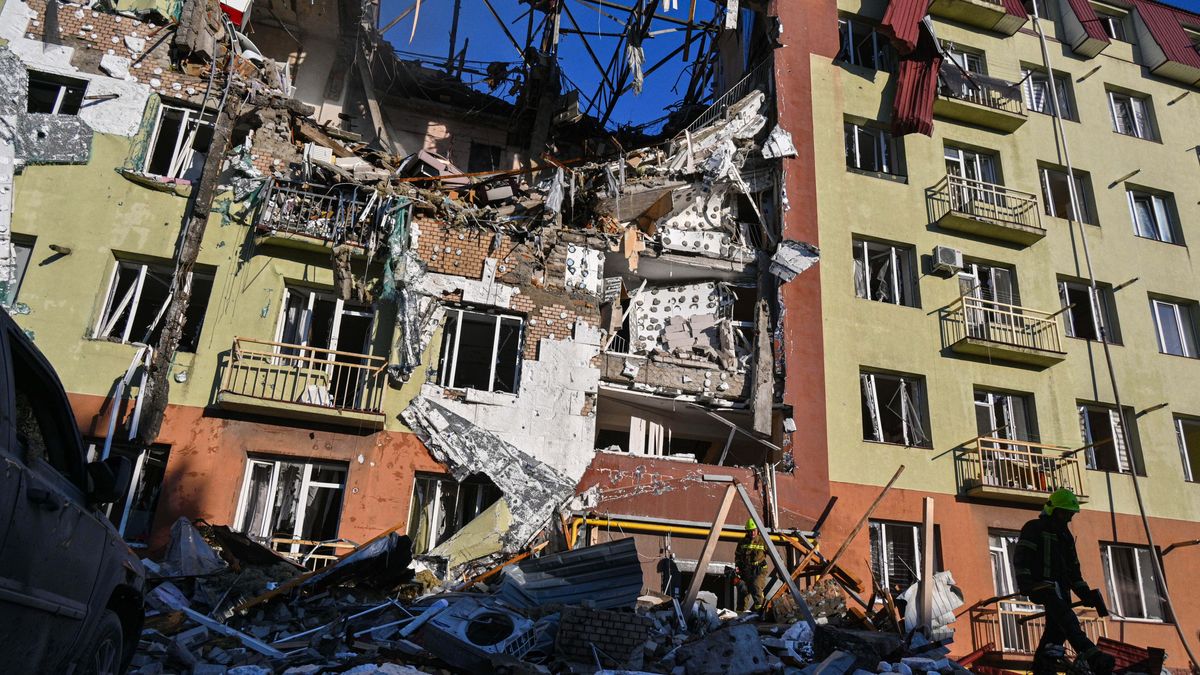
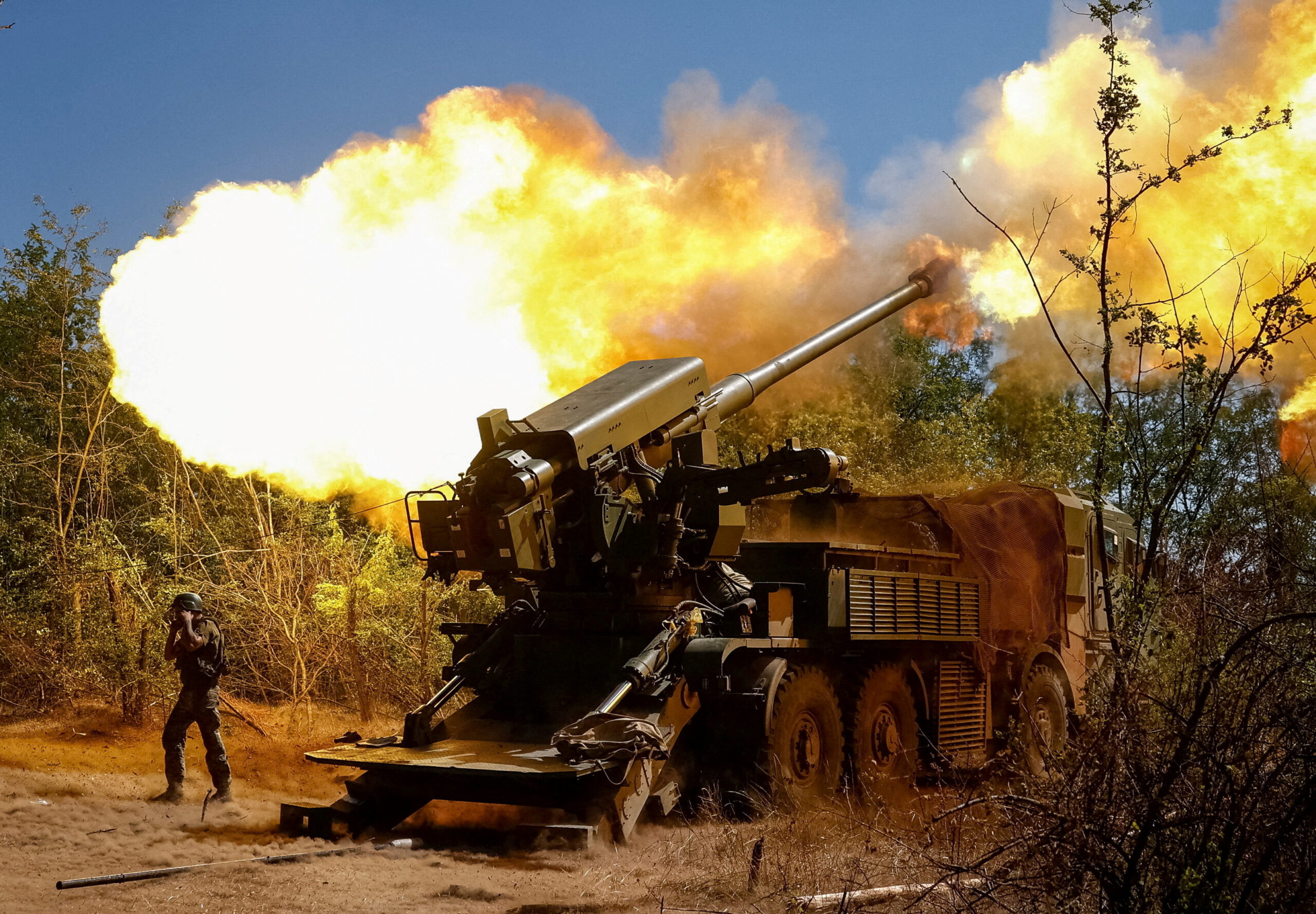
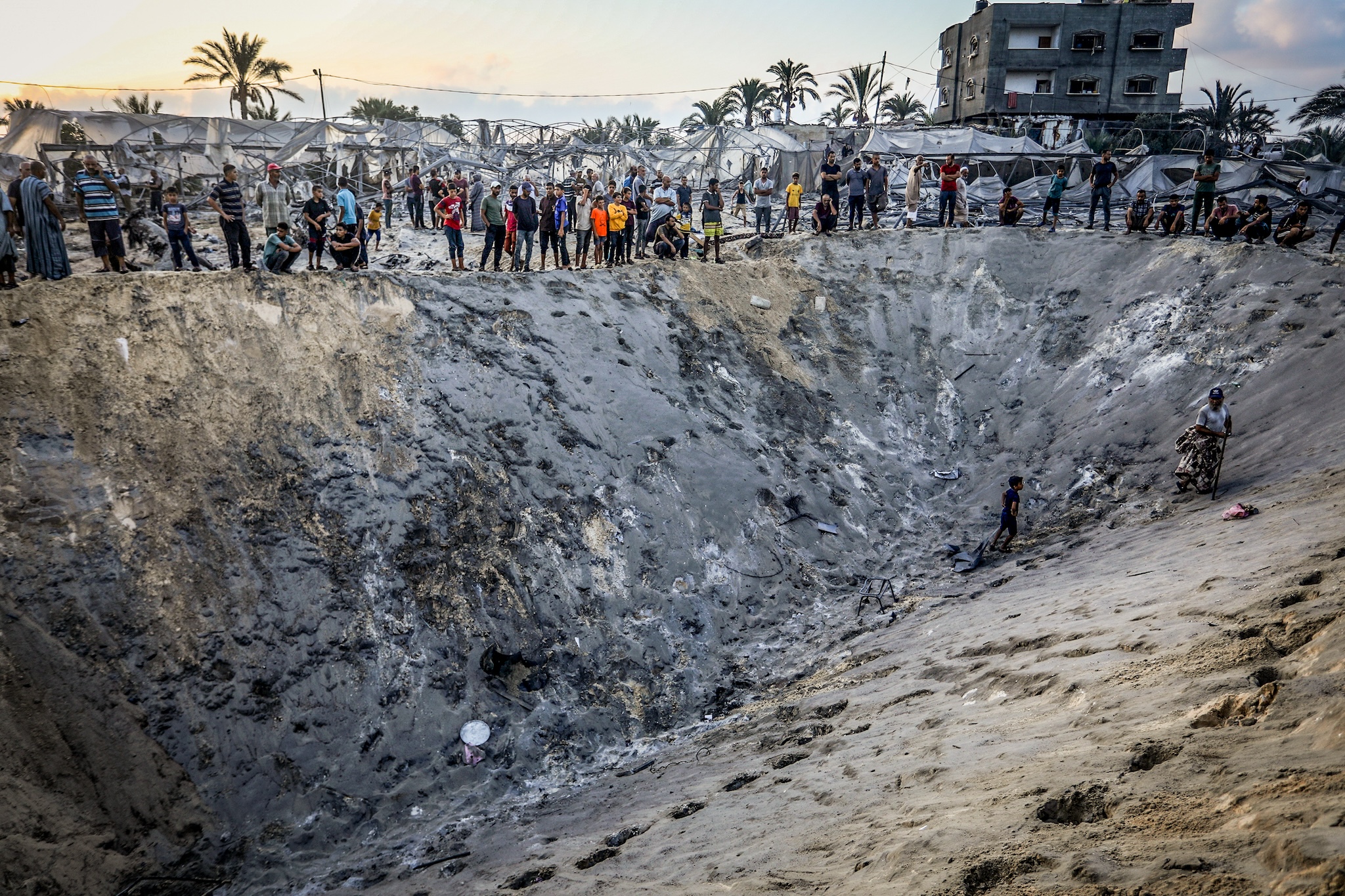
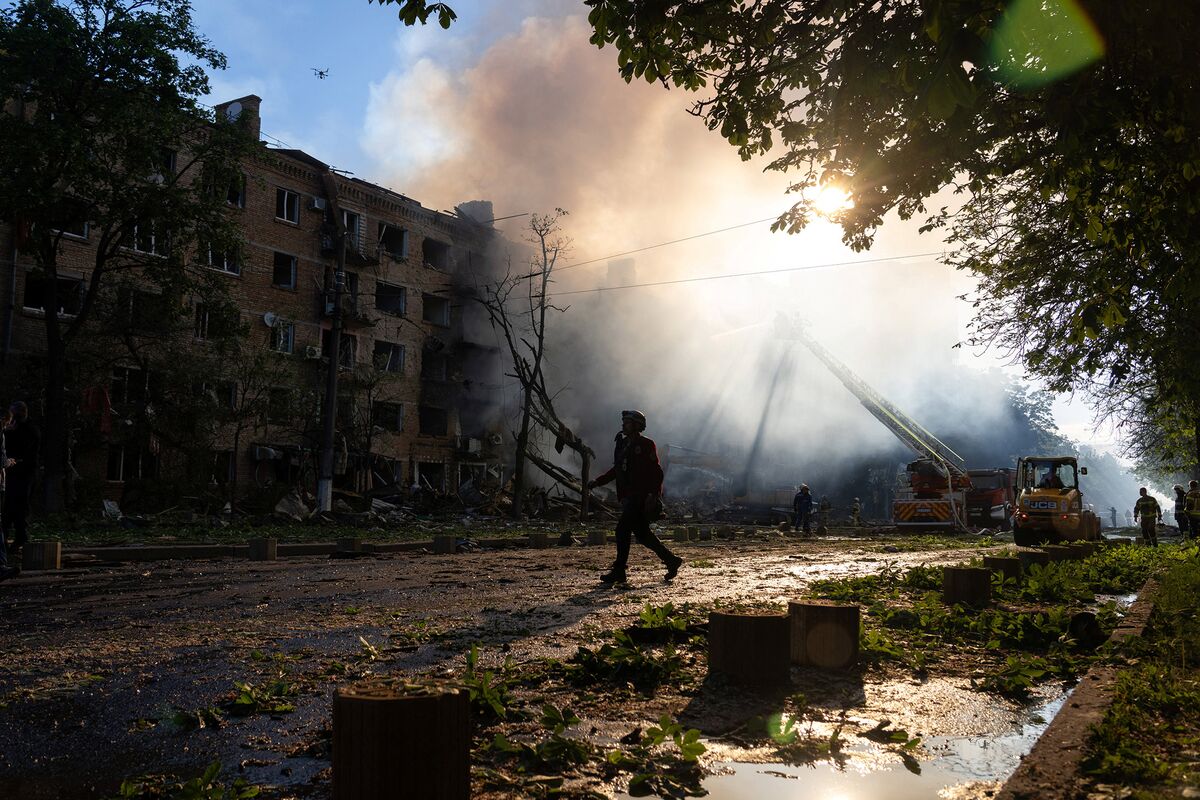
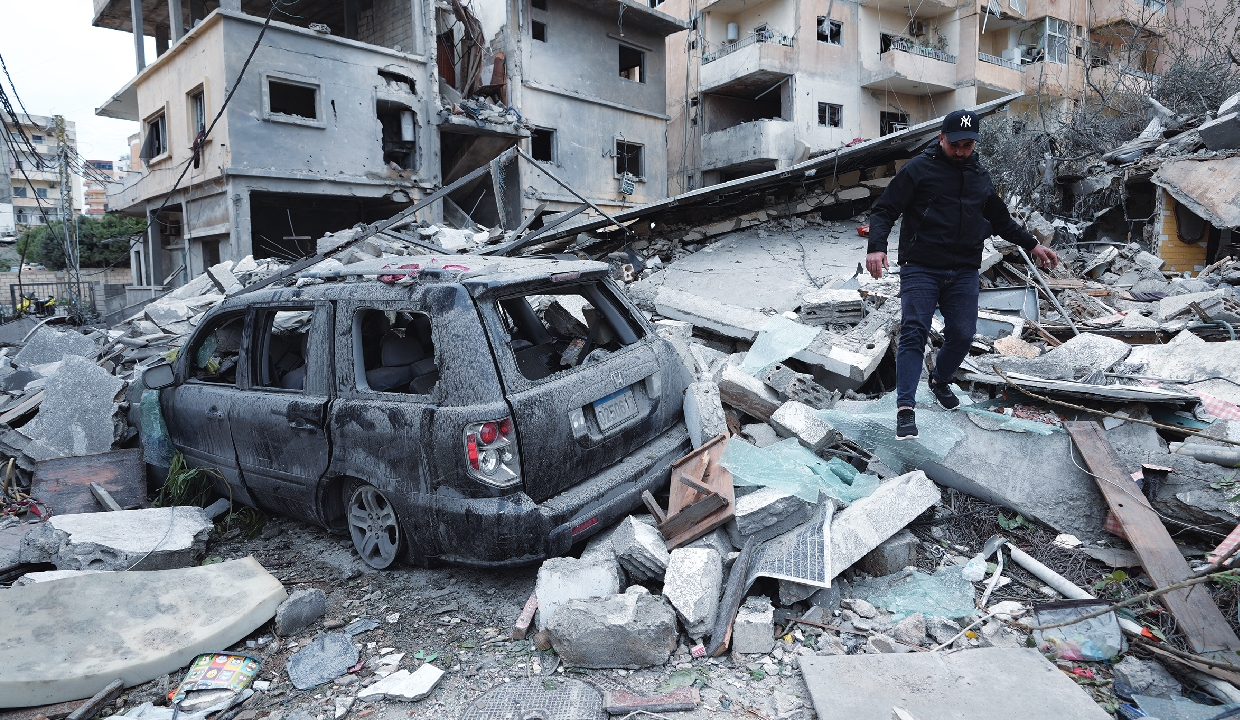
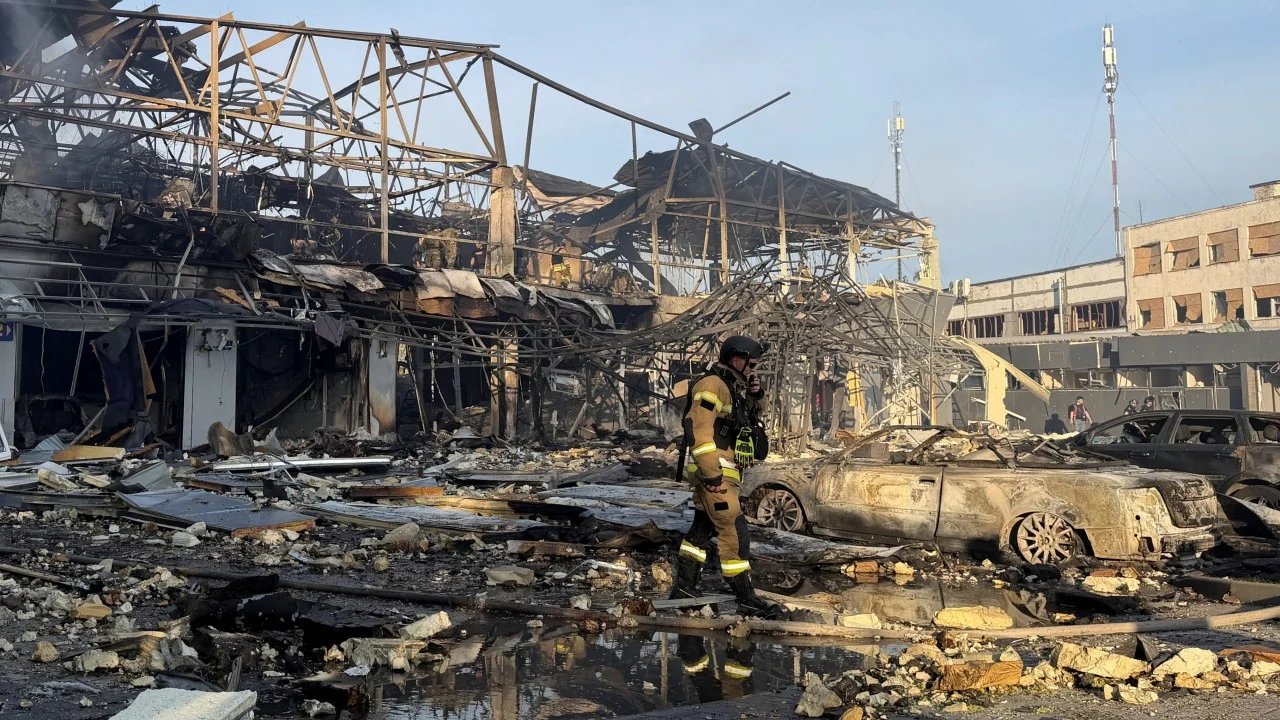
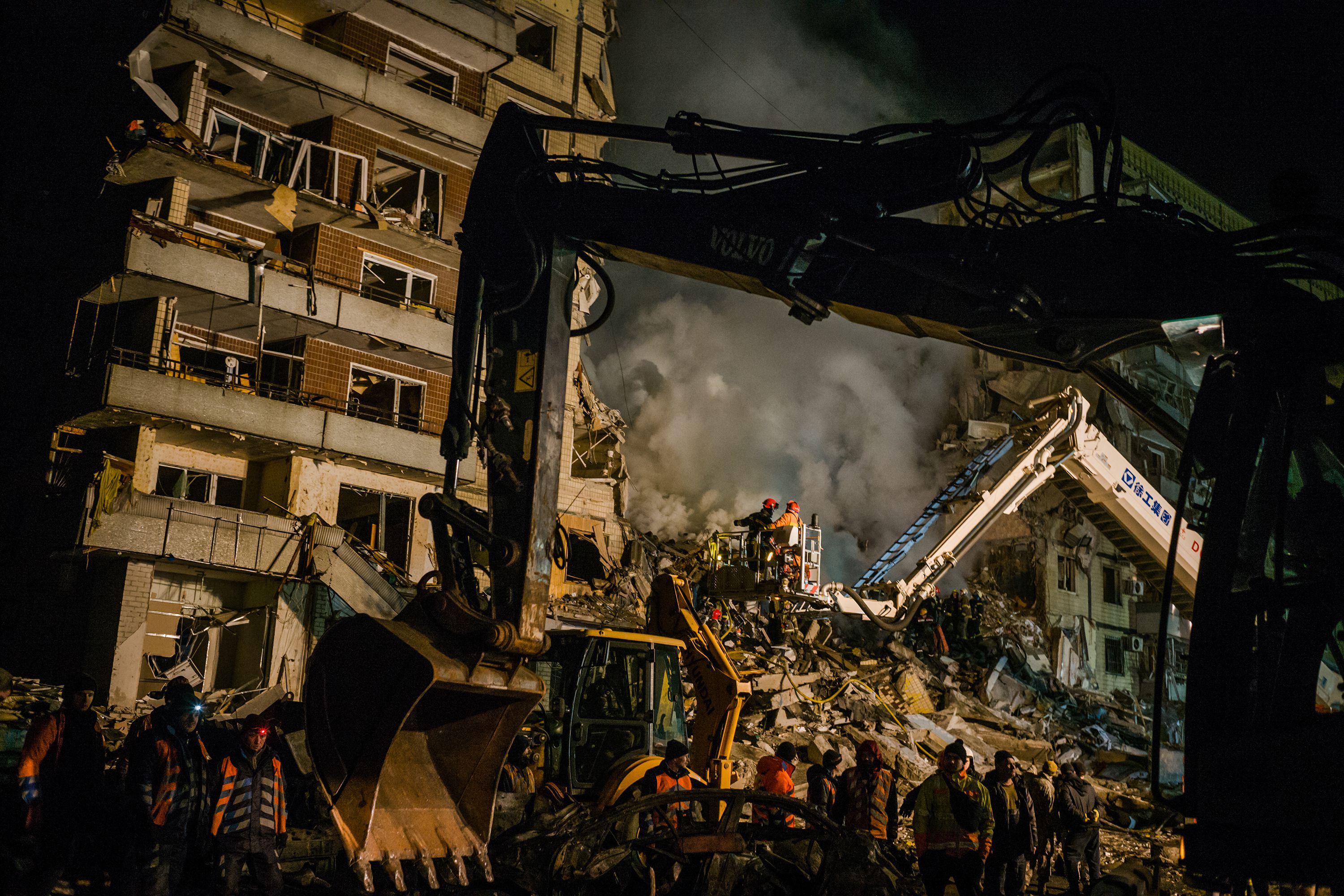
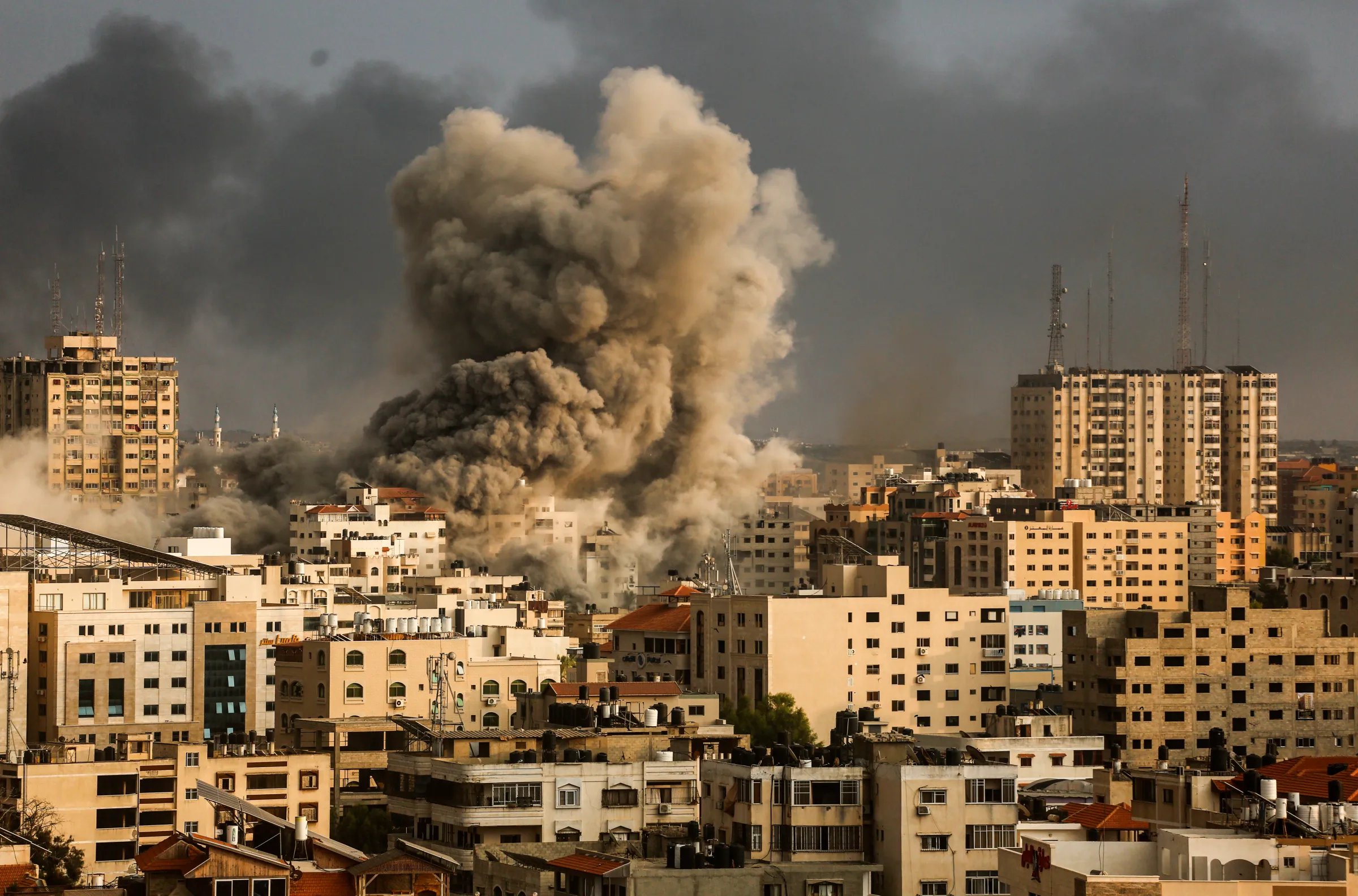
A civilian died in a Russian strike on Mykolaivka in Ukraine's eastern Donetsk region, with local leader Vadym Filashkin reporting the incident on social media. At least 26 people sustained injuries from attacks across northern and eastern Ukraine, including strikes on Odesa port infrastructure. Russia's Ministry of Defense stated it destroyed 258 Ukrainian drones overnight across 16 regions, including Crimea and the Black Sea, amid these exchanges. This violence directly impedes efforts to recover looted artifacts, as ongoing hostilities in areas like Kherson and Crimea make investigations more dangerous and delay Interpol's work.
Alina Dotsenko, director of the Kherson Art Museum, entered her institution after Ukrainian forces reclaimed the southern city of Kherson in late 2022 and found thousands of artworks absent. “I walked in and saw empty storage rooms, empty shelves. My legs gave way, and I just sat down by the wall, like a child,” Dotsenko said. The museum previously held more than 14,000 works spanning collections from America to Japan before Russia’s invasion in early 2022, with Russians loading much of it onto trucks bound for Russian-annexed Crimea as they retreated. Ukraine’s collaboration with Interpol now targets these missing pieces, including nearly 10,000 items whose fate remains unknown, to protect cultural heritage that belongs to global history. This effort directly challenges the theft of artifacts, which could erode shared human legacies and complicate international access to art.
Russia has incorporated 77 Ukrainian museums from occupied regions into its national catalogue, a move that formalizes control over stolen collections. Ukrainian officials view this action as an attempt to legitimize the looting, with the Kherson case exemplifying the scale of removals. As Russia prepares representatives for next month’s Venice Biennale, Ukraine has declared that the event “must not become a stage for whitewashing the war crimes that Russia commits daily against the Ukrainian people and our cultural heritage”. This development heightens tensions over ownership, potentially affecting how nations enforce cultural restitution laws and safeguard artifacts for future generations. The Interpol partnership offers Ukraine a mechanism to counter these claims, focusing on tracking and recovering specific items tied to the invasion.
Ukraine’s Security Service reported that its Alpha special operations unit executed a drone strike on the Crimean peninsula, damaging three Russian naval ships including the Yamal and Azov, plus one unidentified vessel. The attack also hit radar, communications equipment, and fuel storage facilities, disrupting military operations in the region. In a related escalation, Ukrainian forces struck oil refineries in Russia’s Samara region cities of Novokuibyshevsk and Syzran, causing fires that Russian officials later confirmed at sites like the Vystosk oil terminal. These actions underscore the ongoing conflict that endangers cultural sites, as strikes in areas like Crimea could inadvertently threaten stored artifacts. For individuals, such volatility means higher risks to cultural tourism and the safety of heritage that might otherwise educate and connect communities worldwide.
A civilian died in a Russian strike on Mykolaivka in Ukraine's eastern Donetsk region, with local leader Vadym Filashkin reporting the incident on social media. At least 26 people sustained injuries from attacks across northern and eastern Ukraine, including strikes on Odesa port infrastructure. Russia’s Ministry of Defense stated it destroyed 258 Ukrainian drones overnight across 16 regions, including Crimea and the Black Sea, amid these exchanges. This violence directly impedes efforts to recover looted artifacts, as ongoing hostilities in areas like Kherson and Crimea make investigations more dangerous and delay Interpol’s work. Families like those connected to the Kherson museum face prolonged uncertainty, with the loss of cultural items representing not just history but personal and communal identities at stake.
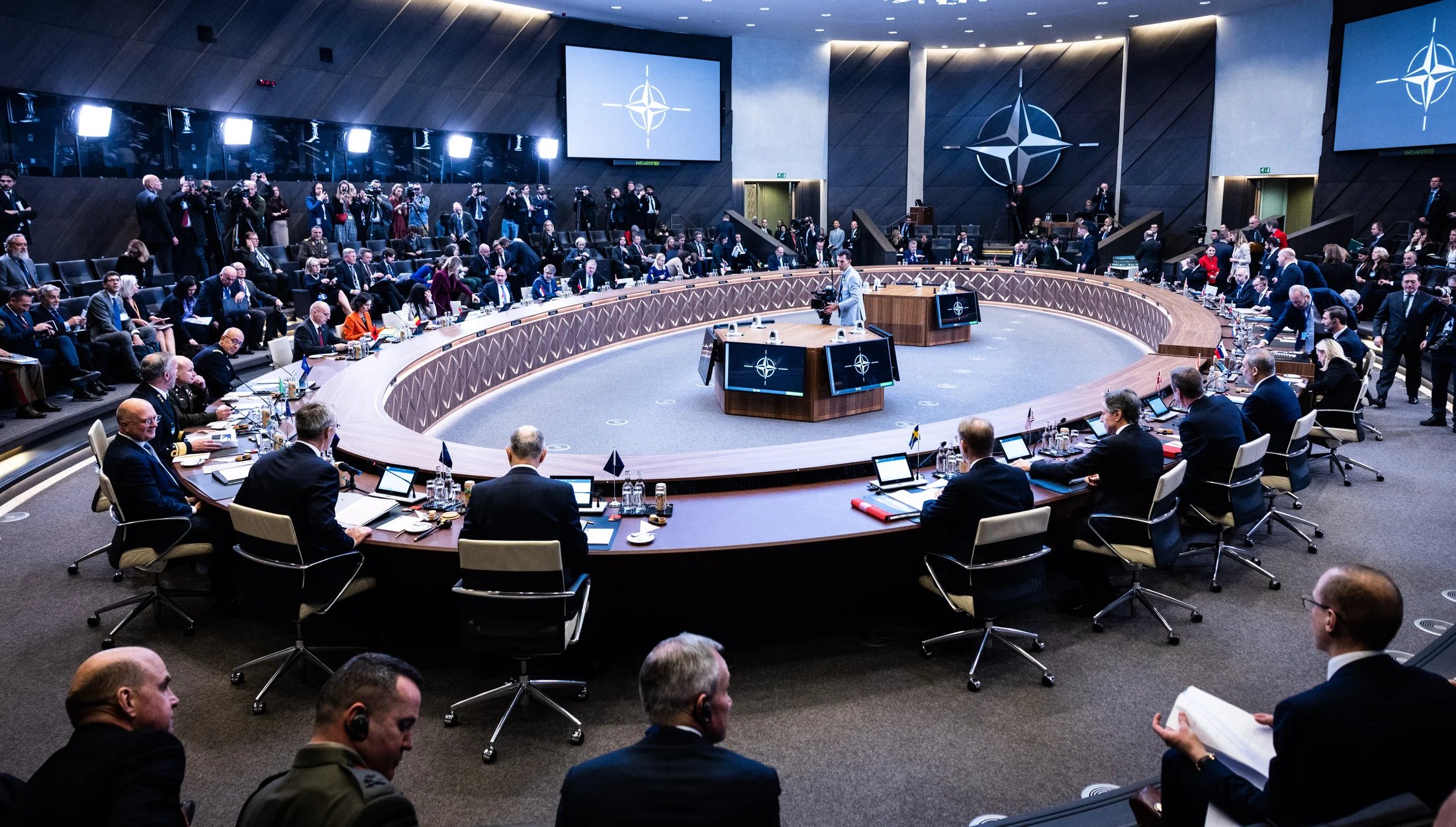
Ukrainian forces continue pressing for stronger air defenses, as discussions with NATO officials highlight the need to protect non-military targets, ensuring that cultural recovery efforts can proceed without further interference.
Highlighted text was flagged by the council. Tap to see feedback.