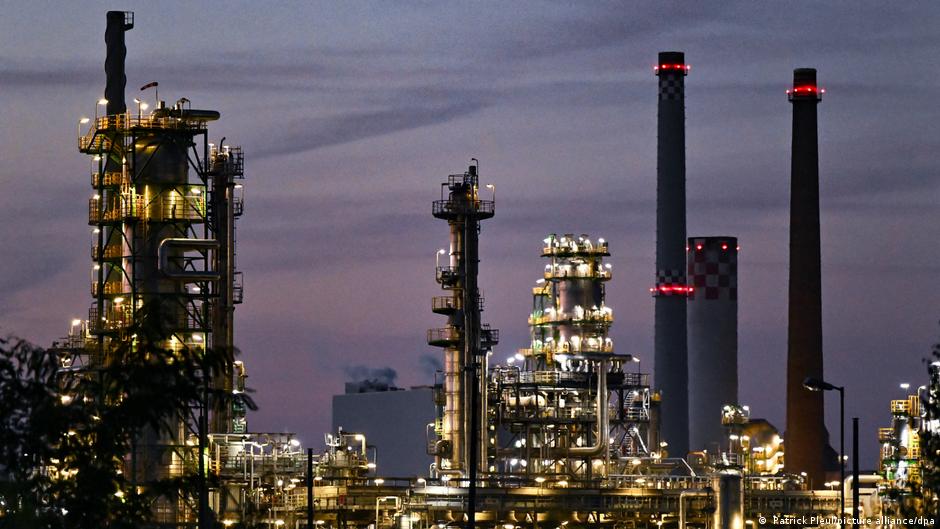
The Netherlands government is activating the first phase of its energy crisis plan, as reported by ANP. This step involves immediate measures to address energy shortages. Dutch officials aim to stabilize supplies for households facing potential disruptions.
Energy costs for Dutch residents will rise due to the plan's activation, with ANP noting specific adjustments to pricing mechanisms. Families in the Netherlands could see changes in their monthly bills as part of efforts to manage demand. The plan affects over 17 million people in the Netherlands.
The first phase includes protocols for energy distribution, according to ANP details. This approach draws on existing reserves to prevent widespread blackouts.
ANP quoted energy analyst Pieter Jansen, who stated the plan will "ensure continuity for critical sectors."
Businesses reliant on energy imports could adjust operations as a result. The plan's rollout connects to broader efforts to reduce dependency on foreign sources.
The government plans to monitor the plan's outcomes through regular assessments, ANP indicated. Residents can expect updates on energy usage guidelines in the coming days. This phase sets the stage for potential expansions if shortages persist.
The Netherlands government is activating the first phase of its energy crisis plan, as reported by ANP. This step involves immediate measures to address energy shortages. Dutch officials aim to stabilize supplies for households facing potential disruptions.
Energy costs for Dutch residents will rise due to the plan's activation, with ANP noting specific adjustments to pricing mechanisms. Families in the Netherlands could see changes in their monthly bills as part of efforts to manage demand. The plan targets energy availability for over 17 million people in the country.
The first phase includes protocols for energy distribution, according to ANP details. Authorities will prioritize essential services like heating for homes during peak hours. This approach draws on existing reserves to prevent widespread blackouts.
ANP quoted energy analyst Pieter Jansen, who stated the plan will "ensure continuity for critical sectors." Another expert, Maria van der Berg, emphasized that the measures respond to current supply challenges. These opinions highlight differing perspectives on the plan's effectiveness.
Households in affected regions may face higher expenses for gas and electricity, with ANP reporting potential increases of up to 15 percent in the short term. Businesses reliant on energy imports could adjust operations as a result. The plan's rollout connects to broader efforts to reduce dependency on foreign sources.
The government plans to monitor the plan's outcomes through regular assessments, ANP indicated. Residents can expect updates on energy usage guidelines in the coming days. This phase sets the stage for potential expansions if shortages persist.
Highlighted text was flagged by the council. Tap to see feedback.