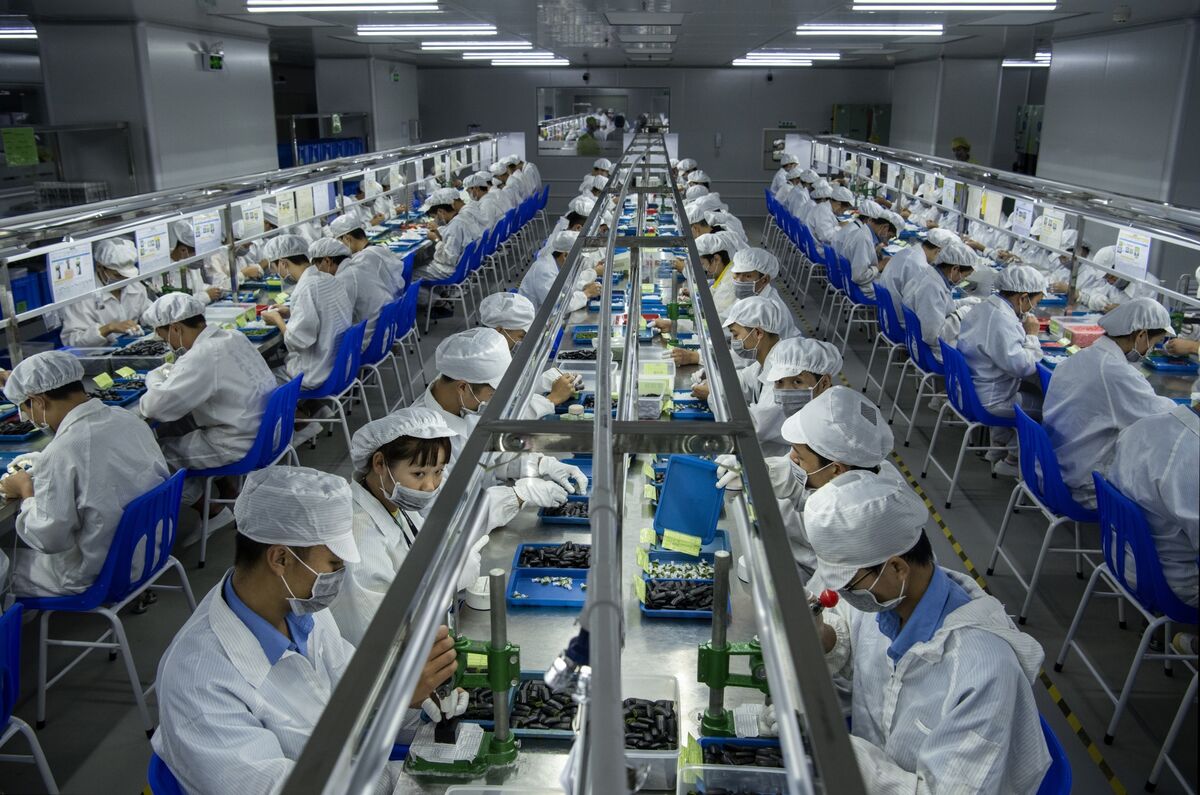
Stellantis, the multinational automotive manufacturer, has announced plans to halt car assembly at its Poissy plant in France by 2029. This decision is expected to lead to significant job losses, with the exact number of affected employees yet to be confirmed. The Poissy facility, which currently employs around 3,000 workers, has been a crucial site for Stellantis' operations in Europe.
The company aims to adapt to changing market demands and the increasing emphasis on electric vehicle production. Stellantis has committed to investing in new technologies and models, focusing on electric and hybrid vehicles, which may not require the same level of assembly as traditional gasoline-powered cars. This shift underscores the automotive industry's evolution amid growing environmental regulations and consumer preferences for sustainable options.
Local officials are worried about the economic ramifications of the plant's closure. The Poissy facility is not just a source of direct employment; it also supports a network of suppliers and service providers in the region. The mayor of Poissy, Karl Olive, highlighted the need for urgent government intervention to mitigate the impact on local jobs and the economy. "We must work together to find solutions for the workers affected by this decision," Olive stated, emphasizing the urgency of addressing the situation.
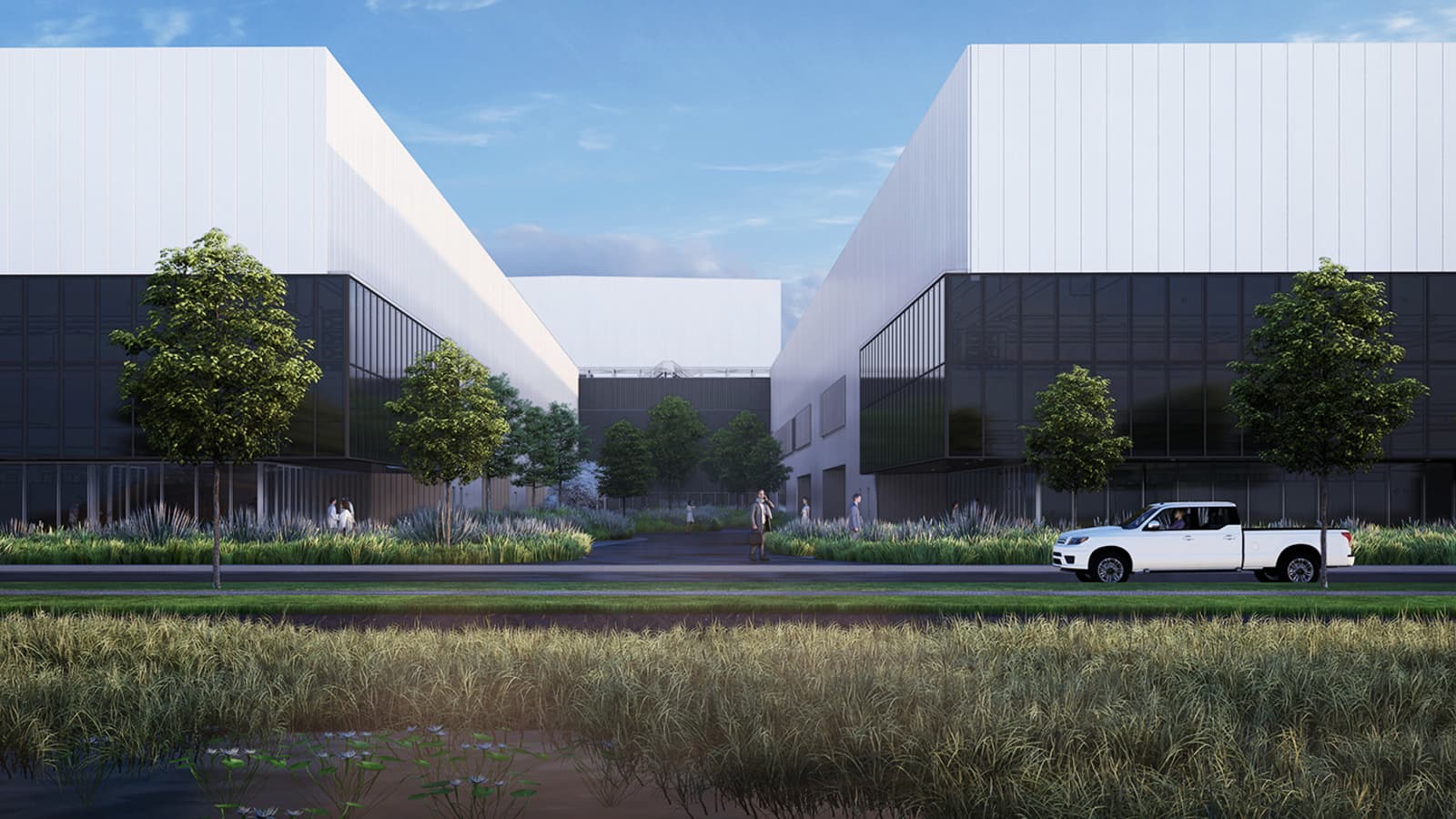
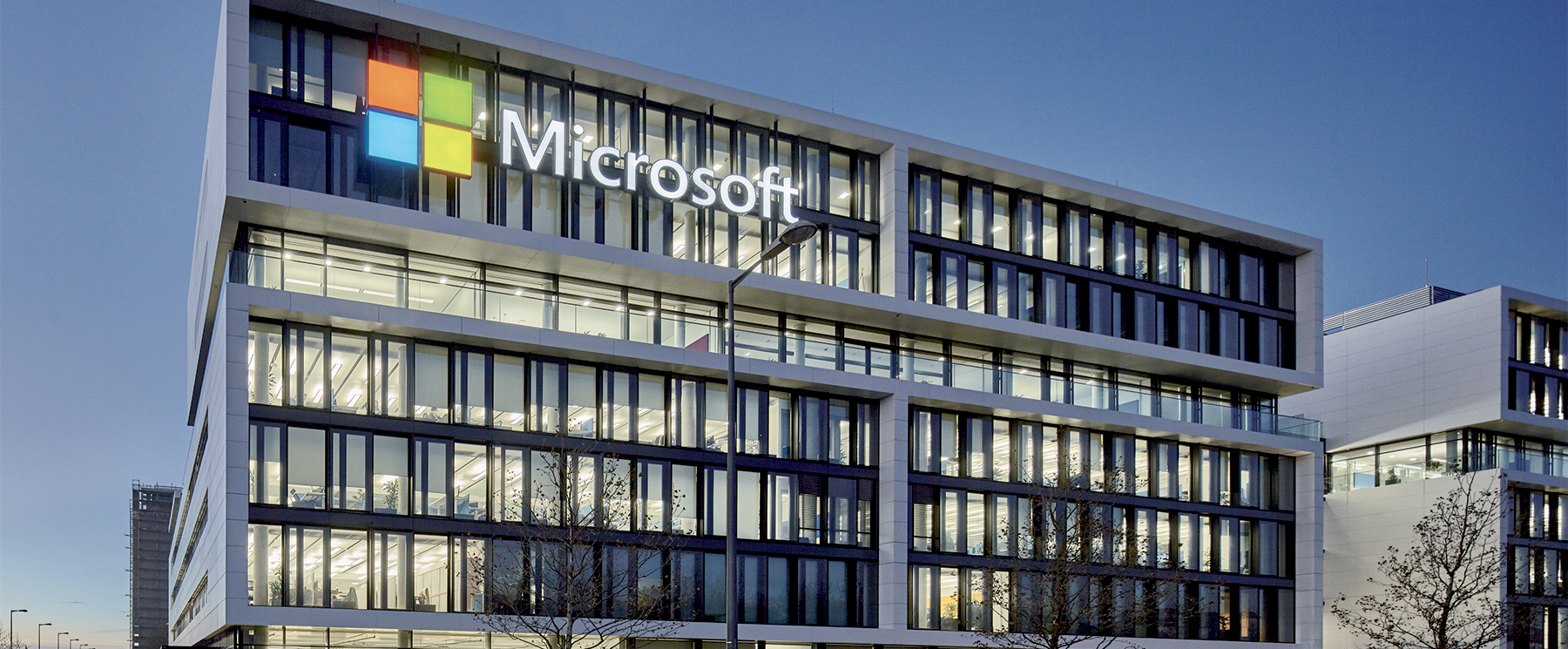
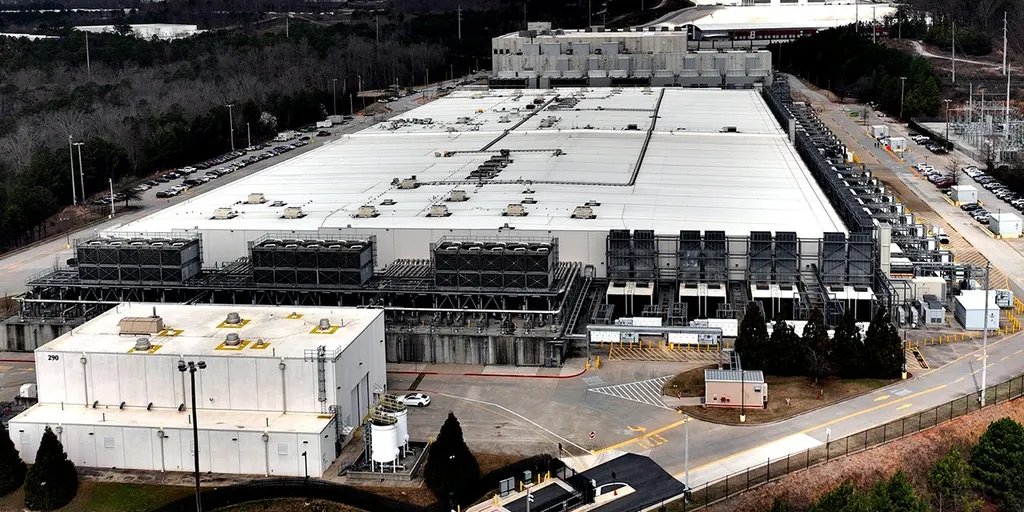
In a related development, Stellantis has entered a five-year partnership with Microsoft to leverage artificial intelligence in its operations. The collaboration aims to enhance Stellantis' digital services, improve cybersecurity, and streamline engineering capabilities. Ned Curic, Stellantis' chief engineering and technology officer, noted, "Through our collaboration with Microsoft, we are accelerating our AI momentum across the enterprise, giving our teams the tools to innovate faster." Stellantis aims to reduce its datacenter footprint by 60% by 2029, indicating a move towards more efficient operations. Judson Althoff, CEO of Microsoft's commercial business, stated, "By combining Stellantis' global scale and engineering expertise with Microsoft's trusted cloud, AI, and security platforms, we are delivering real value for millions of drivers worldwide."
The community around the Poissy plant is bracing for the impact of Stellantis' decision. Local leaders are calling for a comprehensive plan to support displaced workers and stimulate the local economy. The situation serves as a reminder of the ongoing transformation within the automotive industry and its implications for workers and communities alike.
Stellantis, the multinational automotive manufacturer, has announced plans to halt car assembly at its Poissy plant in France by 2029. This decision is expected to lead to significant job losses, with the exact number of affected employees yet to be confirmed. The Poissy facility, which currently employs around 3,000 workers, has been a crucial site for Stellantis’ operations in Europe. Local officials express concern that the shutdown will devastate the local economy, as many families rely on these jobs for their livelihoods.
The closure of the Poissy plant is part of Stellantis' broader strategy to restructure its European manufacturing operations. The company aims to adapt to changing market demands and the increasing emphasis on electric vehicle production. Stellantis has committed to investing in new technologies and models, focusing on electric and hybrid vehicles, which may not require the same level of assembly as traditional gasoline-powered cars. This shift underscores the automotive industry's evolution amid growing environmental regulations and consumer preferences for sustainable options.
Local officials are worried about the economic ramifications of the plant’s closure. The Poissy facility is not just a source of direct employment; it also supports a network of suppliers and service providers in the region. The mayor of Poissy, Karl Olive, highlighted the need for urgent government intervention to mitigate the impact on local jobs and the economy. "We must work together to find solutions for the workers affected by this decision," Olive stated, emphasizing the urgency of addressing the situation.
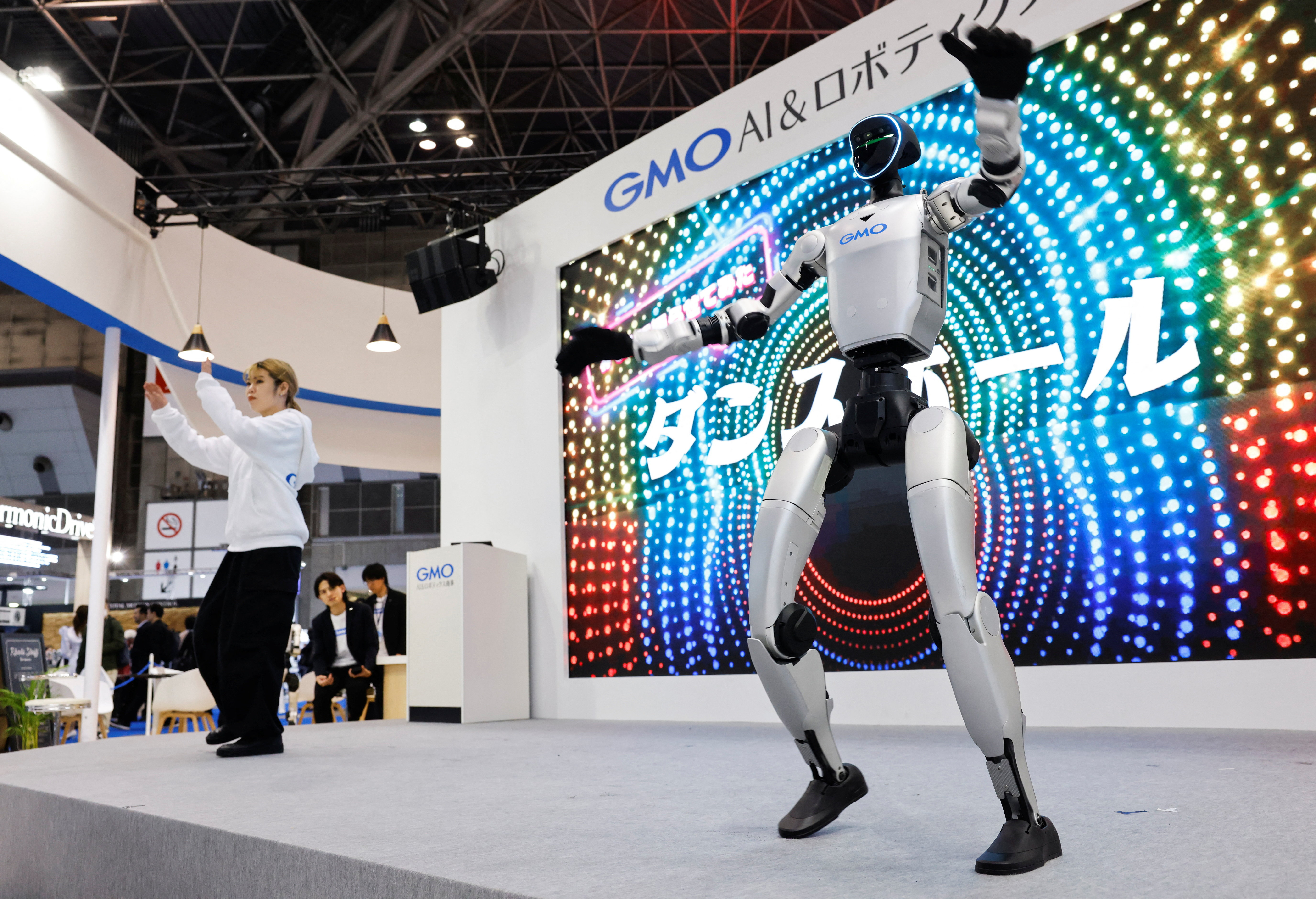
In a related development, Stellantis has entered a five-year partnership with Microsoft to leverage artificial intelligence in its operations. The collaboration aims to enhance Stellantis' digital services, improve cybersecurity, and streamline engineering capabilities. Ned Curic, Stellantis’ chief engineering and technology officer, noted, “Through our collaboration with Microsoft, we are accelerating our AI momentum across the enterprise, giving our teams the tools to innovate faster.” This technological focus may signal a shift towards more automated and digital-driven manufacturing processes.
Stellantis’ decision to close the Poissy plant raises questions about the future of automotive manufacturing in Europe. As companies increasingly adopt AI and automation, traditional assembly lines may become less relevant. Stellantis aims to reduce its datacenter footprint by 60% by 2029, indicating a move towards more efficient operations. Judson Althoff, CEO of Microsoft’s commercial business, stated, “By combining Stellantis’ global scale and engineering expertise with Microsoft’s trusted cloud, AI, and security platforms, we are delivering real value for millions of drivers worldwide.”
The community around the Poissy plant is bracing for the impact of Stellantis’ decision. Local leaders are calling for a comprehensive plan to support displaced workers and stimulate the local economy. As Stellantis moves forward with its restructuring and technological advancements, the focus on worker support will be critical in addressing the fallout from the plant's closure. The situation serves as a reminder of the ongoing transformation within the automotive industry and its implications for workers and communities alike.
Highlighted text was flagged by the council. Tap to see feedback.






























































































































































































































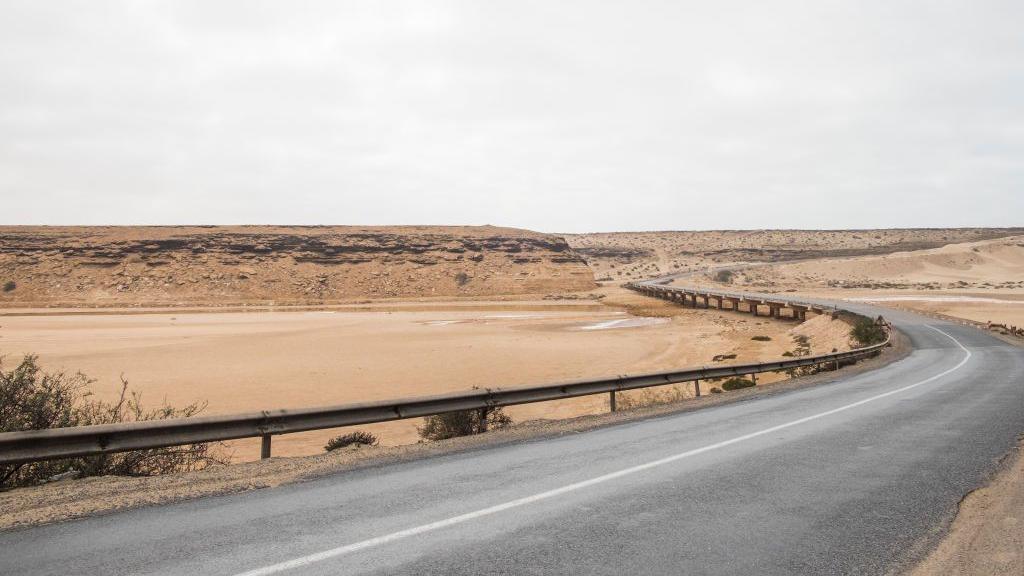
















































































The sources also report that drivers of Jeep, a Stellantis brand, will gain reliable connectivity and protected data access in remote terrains.