Polls have closed in Colombia's presidential election, a pivotal moment that may redefine the country's diplomatic relations with the United States. The election follows months of contentious exchanges between leftist President Gustavo Petro and U.S. President Donald Trump, particularly over issues like drug trafficking. As voters cast their ballots, over 40 million Colombians faced a choice between continuing Petro's reformist agenda or pivoting towards a more hardline stance.
The primary contenders in this election are leftist candidate Iván Cepeda, right-wing outsider Abelardo de la Espriella, and conservative Paloma Valencia. Pre-election polls showed Cepeda with the greatest support, but he faced a challenging path to an outright majority. De la Espriella has garnered significant support, receiving more than 4.4 million votes, while Valencia is also expected to split the conservative vote, complicating the race further.
Cepeda aims to advance the "total peace" policy initiated by Petro, focusing on negotiating with armed groups involved in drug trafficking. In contrast, both De la Espriella and Valencia advocate for a military crackdown on crime. De la Espriella has proposed constructing ten "mega-prisons" to address the issue. This stark divide reflects broader concerns about escalating violence in Colombia, with the International Committee of the Red Cross reporting that armed conflict affected civilians more in the past year than in any year of the previous decade.
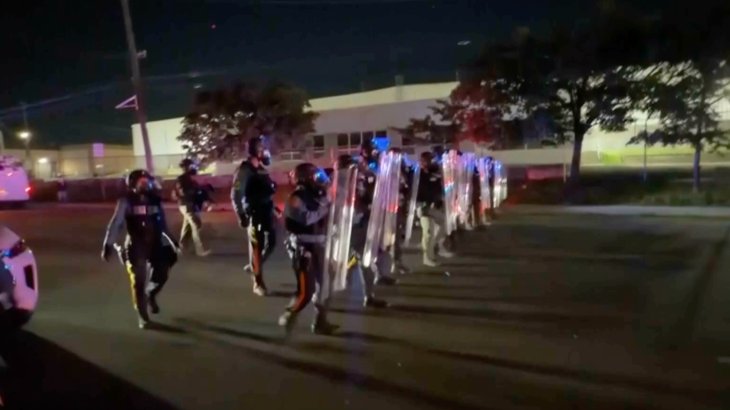
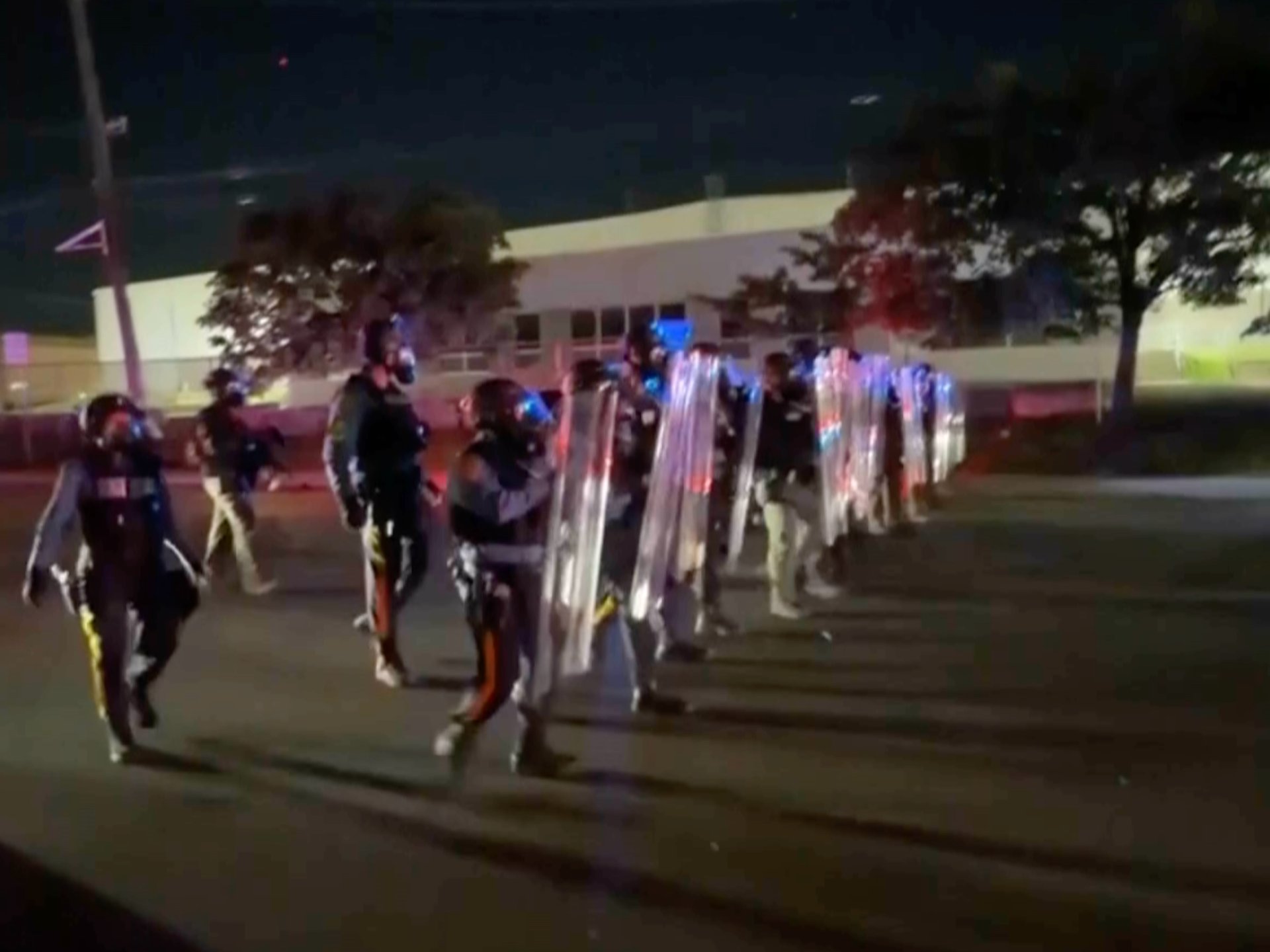
The election has unfolded against a backdrop of significant security concerns. Authorities relocated a polling station in the northern Cesar region following a drone attack that injured a soldier. Colombia's defense ministry deployed 408,000 soldiers and police to secure the election, while election monitors indicated that over a quarter of the country's municipalities faced risks of violence. The political climate has been further complicated by violence targeting candidates, including the fatal shooting of Miguel Uribe in summer 2025.
None of the candidates are expected to achieve the 50%-plus majority required for an outright win, making a runoff likely on June 21.
The outcome of this election could reshape the long-standing security alliance between Colombia and the U.S. Both De la Espriella and Valencia have expressed a desire to restore Colombia's close security alliance with the U.S. Cepeda has insisted Colombia should maintain its sovereignty.
As Colombians await the results, the stakes are high, not just for their domestic policies but also for how the nation will navigate its complex relationship with the United States. The decisions made at the ballot box today will resonate far beyond Colombia's borders, potentially altering the landscape of international relations in Latin America.
Polls have closed in Colombia’s presidential election, a pivotal moment that may redefine the country's diplomatic relations with the United States. The election follows months of contentious exchanges between leftist President Gustavo Petro and U.S. President Donald Trump, particularly over issues like drug trafficking. As voters cast their ballots, over 40 million Colombians faced a choice between continuing Petro’s reformist agenda or pivoting towards a more hardline stance.
The primary contenders in this election are leftist candidate Iván Cepeda, right-wing outsider Abelardo de la Espriella, and conservative Paloma Valencia. Cepeda, backed by Petro, has led in the polls but faces a challenging path to an outright majority. De la Espriella has garnered significant support, receiving more than 4.4 million votes, while Valencia is also expected to split the conservative vote, complicating the race further.
Cepeda aims to advance the "total peace" policy initiated by Petro, focusing on negotiating with armed groups involved in drug trafficking. In contrast, both De la Espriella and Valencia advocate for a military crackdown on crime. De la Espriella has proposed constructing ten "mega-prisons" to address the issue. This stark divide reflects broader concerns about escalating violence in Colombia, with the International Committee of the Red Cross reporting that armed conflict has affected civilians more severely than in the past decade.
The election has unfolded against a backdrop of significant security concerns. Authorities relocated a polling station in the northern Cesar region following a drone attack that injured a soldier. Colombia's defense ministry deployed 408,000 soldiers and police to secure the election, while election monitors indicated that over a quarter of the country’s municipalities faced risks of violence. The political climate has been further complicated by violence targeting candidates, including the assassination of Miguel Uribe last summer.
None of the candidates are expected to achieve the 50%-plus majority required for an outright win, making a runoff likely on June 21. The results, anticipated around 8 p.m. local time, will not only reflect the voters' preferences but also signal the direction of Colombia's future policies, especially concerning its relationship with the United States. Observers note that Cepeda has insisted on maintaining Colombia’s sovereignty, stating the country should not act as a "vassal state" to the U.S., a sentiment that could resonate with voters wary of foreign intervention.
The outcome of this election could reshape the long-standing security alliance between Colombia and the U.S. Both De la Espriella and Valencia have expressed intentions to restore closer ties with Washington, while Cepeda's approach might lead to a more independent foreign policy. The election results could influence U.S. strategies in the region, particularly in the context of ongoing concerns about drug trafficking and security.
As Colombians await the results, the stakes are high, not just for their domestic policies but also for how the nation will navigate its complex relationship with the United States. The decisions made at the ballot box today will resonate far beyond Colombia’s borders, potentially altering the landscape of international relations in Latin America.
Highlighted text was flagged by the council. Tap to see feedback.